
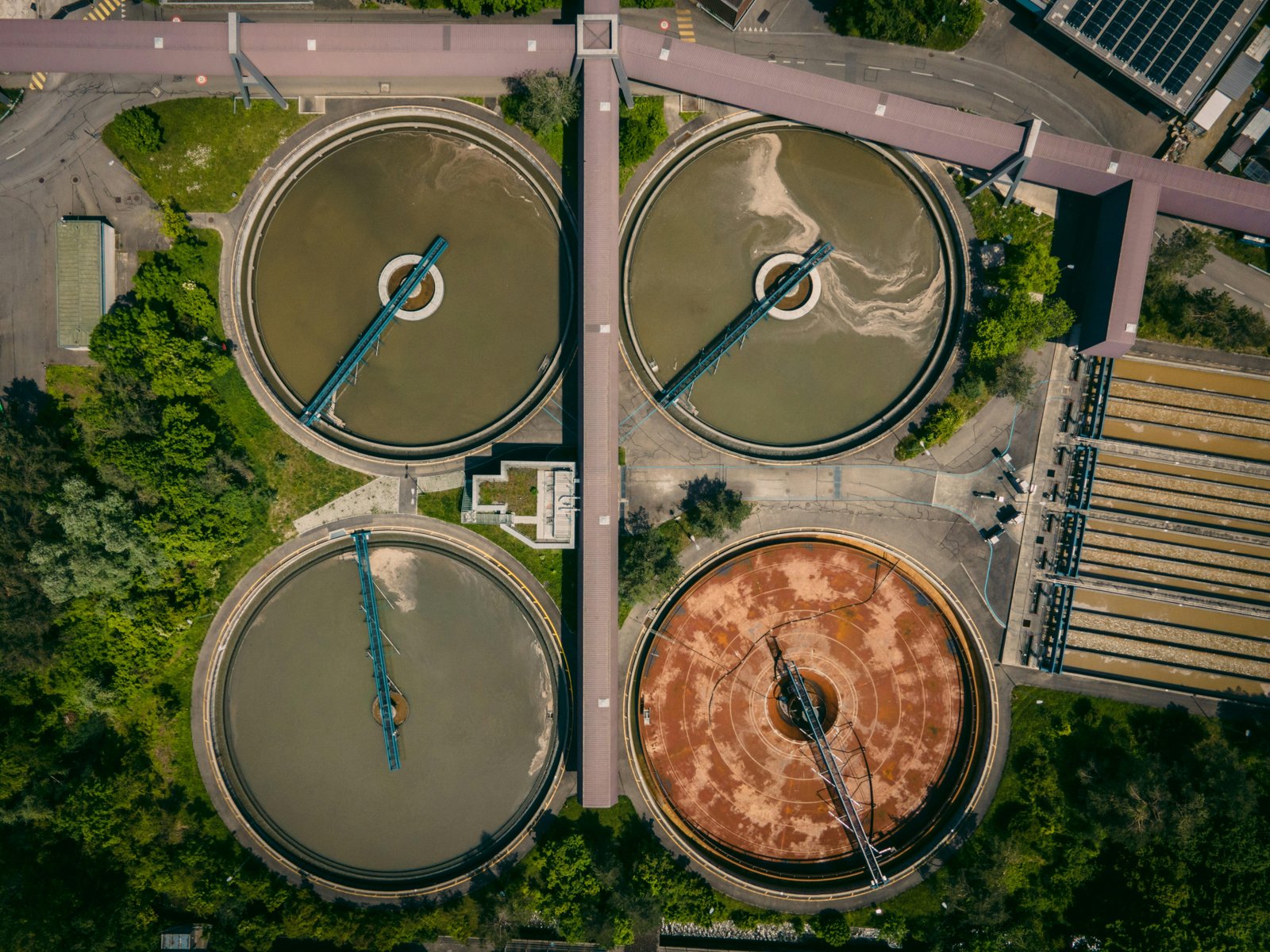
Wastewater Management Requirements for Modern Special Economic Zones
Industrial Wastewater Management in Special Economic Zones: Protocols and International Guidelines Framework
Reading Time: 77 minutes
Key Highlights
• Stringent Discharge Standards: International guidelines mandate industrial wastewater treatment achieving BOD ≤30 mg/L, COD ≤100 mg/L, TSS ≤30 mg/L, and heavy metals below 0.1 mg/L before discharge to receiving waters, with specific sector requirements for textiles, pharmaceuticals, electronics, and chemical manufacturing
• Centralized Treatment Advantage: Industrial estates with centralized wastewater treatment plants (CWWTP) achieve 30-50% cost reduction per cubic meter treated compared to individual facility systems while ensuring consistent regulatory compliance through economies of scale and specialized operational expertise
• Best Available Techniques (BAT): EU BREF documents establish technology benchmarks including advanced biological treatment with nutrient removal, membrane bioreactors for high-quality effluent, physicochemical polishing for recalcitrant compounds, and zero liquid discharge systems for water-scarce regions or sensitive receiving environments
• Pretreatment Requirements: Industrial tenants must implement source control and pretreatment reducing pollutant loads to acceptable levels before discharge to centralized systems, with typical requirements including pH 6-9, temperature <40°C, oil/grease <50 mg/L, and prohibition of toxic substances exceeding local limits for treatment (LLT)
• Monitoring and Compliance: Continuous online monitoring of key parameters (flow, pH, COD, NH3-N) combined with regular laboratory analysis, automated data reporting to regulatory authorities, and immediate alarm systems for excursions ensure sustained compliance with discharge permits and environmental protection objectives
Executive Summary
Industrial wastewater management in special economic zones, industrial estates, and manufacturing clusters represents critical environmental challenge requiring comprehensive approaches integrating pollution prevention, advanced treatment technologies, resource recovery, and stringent regulatory compliance. Industrial zones concentrate diverse manufacturing activities generating complex wastewater streams containing conventional pollutants (organic matter, suspended solids, nutrients), sector-specific contaminants (heavy metals from metal finishing, persistent organics from chemical synthesis, pharmaceutical residues from drug manufacturing), and variable hydraulic loads challenging treatment system design and operation. International experience demonstrates that properly designed and operated centralized wastewater treatment systems combined with effective industrial pretreatment programs, continuous monitoring, and strong regulatory enforcement achieve environmental protection objectives while supporting sustainable industrial development.
Global regulatory frameworks established by United Nations Industrial Development Organization (UNIDO), International Finance Corporation (IFC), European Union through Industrial Emissions Directive and Best Available Techniques Reference Documents (BREF), United States Environmental Protection Agency (US EPA), and regional organizations including ASEAN provide comprehensive guidance on industrial wastewater management covering effluent quality standards, treatment technology selection, monitoring requirements, and institutional arrangements. IFC Environmental, Health and Safety Guidelines specify general wastewater discharge limits applicable across sectors while recognizing that local regulations may establish more stringent requirements based on receiving water sensitivity, beneficial uses, and ambient water quality objectives. EU BREF documents represent technology benchmarks defining Best Available Techniques for specific industrial sectors and common wastewater treatment, providing detailed information on process configurations, operational parameters, emission levels achievable, and economic considerations informing regulatory standard-setting and facility permitting.
Centralized wastewater treatment infrastructure serving industrial estates offers multiple advantages including economies of scale reducing unit treatment costs, ability to employ sophisticated technologies and specialized operational expertise not feasible for individual small or medium enterprises, consistent effluent quality through professional management and continuous monitoring, simplified regulatory oversight through single discharge point versus multiple individual discharges, and opportunities for resource recovery (biogas generation, nutrient extraction, water reclamation) at economically viable scales. However, centralized systems require effective industrial pretreatment programs ensuring tenant discharges meet acceptance criteria protecting treatment plant operations, proper cost allocation mechanisms ensuring financial sustainability, and robust governance frameworks balancing industrial competitiveness with environmental protection imperatives.
This comprehensive guide examines integrated industrial wastewater management protocols drawing on international guidelines from IFC, UNIDO, EU BREF, US EPA, and leading practice examples from Asian, European, and global industrial zones. Beginning with regulatory frameworks and discharge standards across jurisdictions, progressing through industrial wastewater characterization and pollution prevention at source, continuing with centralized treatment system design incorporating biological, physicochemical, and advanced processes, addressing pretreatment requirements and tenant compliance programs, covering monitoring protocols and data management systems, examining sludge management and resource recovery opportunities, and concluding with institutional arrangements, financing mechanisms, and operational excellence frameworks. Throughout, emphasis remains on practical implementation guidance enabling industrial zone developers, wastewater system operators, regulatory agencies, and industrial tenants to establish and maintain effective wastewater management achieving environmental sustainability alongside economic development objectives.
International Regulatory Framework and Discharge Standards
Industrial wastewater discharge standards establish maximum permissible concentrations for pollutants protecting receiving water quality, human health, and ecosystem integrity. International guidelines recognize that appropriate standards depend on multiple factors including receiving water type (rivers, lakes, marine waters, groundwater recharge), designated uses (drinking water supply, aquatic habitat, recreation, irrigation, industrial use), ambient water quality objectives, assimilative capacity, and treatment technology availability. Most jurisdictions implement tiered approach with general standards applicable across industries supplemented by sector-specific requirements addressing characteristic pollutants from particular manufacturing processes such as textile dyeing, electroplating, pharmaceutical synthesis, or pesticide formulation.
INTERNATIONAL WASTEWATER DISCHARGE STANDARDS COMPARISON
| Parameter | Unit | IFC General EHS | EU BREF BAT-AEL | US EPA Secondary | WHO Guidelines | ASEAN Criteria |
|---|---|---|---|---|---|---|
| CONVENTIONAL POLLUTANTS | ||||||
| pH | pH units | 6 - 9 | 6.5 - 8.5 | 6 - 9 | 6 - 9 | 6 - 9 |
| BOD₅ (Biochemical Oxygen Demand) | mg/L | 30 | 10 - 25 | 30 (monthly avg) | 30 - 50 | 30 - 50 |
| COD (Chemical Oxygen Demand) | mg/L | 125 | 60 - 125 | Not specified | 150 | 100 - 150 |
| TSS (Total Suspended Solids) | mg/L | 50 | 10 - 35 | 30 (monthly avg) | 30 - 50 | 50 |
| Oil and Grease | mg/L | 10 | 5 - 15 | Not specified | 10 | 10 |
| NUTRIENTS | ||||||
| Total Nitrogen (TN) | mg/L | 10 | 10 - 20 | Not specified | 15 | 20 |
| Ammonia Nitrogen (NH₃-N) | mg/L | 5 | 2 - 10 | Not specified | 5 | 10 |
| Total Phosphorus (TP) | mg/L | 2 | 0.5 - 2 | Not specified | 2 | 2 |
| HEAVY METALS AND TOXICS | ||||||
| Arsenic (As) | mg/L | 0.1 | 0.05 - 0.15 | Varies by sector | 0.1 | 0.1 |
| Cadmium (Cd) | mg/L | 0.05 | 0.01 - 0.05 | Varies by sector | 0.01 | 0.01 - 0.05 |
| Chromium (Total Cr) | mg/L | 0.5 | 0.1 - 0.5 | Varies by sector | 0.1 | 0.5 |
| Chromium VI (Cr⁶⁺) | mg/L | 0.1 | 0.05 - 0.1 | 0.05 | 0.05 | 0.05 |
| Copper (Cu) | mg/L | 0.5 | 0.1 - 0.5 | Varies by sector | 0.5 | 0.5 |
| Lead (Pb) | mg/L | 0.2 | 0.05 - 0.2 | Varies by sector | 0.1 | 0.1 |
| Mercury (Hg) | mg/L | 0.01 | 0.001 - 0.01 | Varies by sector | 0.001 | 0.002 |
| Nickel (Ni) | mg/L | 0.5 | 0.1 - 0.5 | Varies by sector | 0.2 | 0.2 |
| Zinc (Zn) | mg/L | 2 | 0.5 - 2 | Varies by sector | 2 | 2 |
| Cyanide (Total CN) | mg/L | 0.1 | 0.05 - 0.2 | Varies by sector | 0.1 | 0.05 |
| Phenols (Total) | mg/L | 0.5 | 0.1 - 0.5 | Not specified | 0.5 | 0.5 |
| OTHER PARAMETERS | ||||||
| Temperature | °C | <3°C increase | <3°C increase | Not specified | <3°C increase | 40 max |
| Total Dissolved Solids (TDS) | mg/L | 2000 | Not specified | Not specified | 2000 | 2000 - 4000 |
| Sulfide (S²⁻) | mg/L | 1 | 0.1 - 1 | Not specified | 1 | 0.5 |
| Fluoride (F⁻) | mg/L | 5 | 2 - 15 | Not specified | 5 | 5 |
Notes: IFC standards apply unless local regulations more stringent. EU BAT-AEL (BAT-Associated Emission Levels) represent achievable performance with best available techniques. US EPA standards vary by industrial sector under categorical pretreatment regulations. All concentrations maximum daily unless specified as averages.
IFC Environmental, Health and Safety Guidelines represent internationally recognized baseline applicable to IFC-financed projects and widely adopted by development finance institutions, export credit agencies, and multinational corporations as corporate environmental performance benchmarks. General EHS Guidelines establish wastewater discharge limits for conventional pollutants (pH, BOD, COD, TSS, oil/grease), nutrients (nitrogen, phosphorus), and priority pollutants (heavy metals, cyanide, phenols) applicable across industrial sectors, supplemented by industry-specific guidelines addressing characteristic contaminants from textiles, tanning, metal finishing, chemical manufacturing, pharmaceutical production, and other sectors. Guidelines recognize that host country regulations take precedence where more stringent, and projects must comply with whichever standards prove more protective of environmental and human health.
European Union Industrial Emissions Directive (IED 2010/75/EU) establishes framework for integrated pollution prevention and control through Best Available Techniques (BAT) implementation, with BAT Reference Documents (BREF) providing detailed technical guidance on emission levels achievable using proven technologies. Common Wastewater and Waste Gas Treatment BREF addresses centralized treatment serving multiple sources including industrial estates, defining BAT-Associated Emission Levels (BAT-AELs) for treated effluent discharge representing performance achievable under normal operating conditions using best available techniques without entailing excessive costs. BAT-AELs typically prove more stringent than general standards, particularly for nutrients (TN 10-20 mg/L, TP 0.5-2 mg/L) and certain heavy metals, reflecting advanced treatment capabilities including biological nutrient removal, membrane filtration, and physicochemical polishing.
United States EPA establishes technology-based effluent limitations through categorical pretreatment standards specifying maximum concentrations or percent removal requirements for industrial categories including metal finishing, organic chemicals manufacturing, pharmaceuticals, pesticides, petroleum refining, and pulp/paper production discharging to publicly-owned treatment works (POTWs). Standards prevent pass-through of pollutants not treatable by municipal biological processes, interference with treatment plant operations or sludge disposal, and worker exposure to toxic or hazardous substances. Industrial zones with centralized wastewater treatment must establish local limits for treatment (LLT) ensuring tenant discharges compatible with treatment processes and final effluent meets applicable water quality-based standards protecting receiving waters.
Industrial Wastewater Characterization and Source Control
Effective wastewater management begins with understanding pollutant sources, characteristics, and generation rates enabling targeted pollution prevention, appropriate pretreatment technology selection, and centralized system design accommodating expected loads. Industrial wastewaters vary dramatically in composition depending on manufacturing processes, with textile dyeing generating high-color, high-salt streams; electroplating producing heavy metal-laden rinsewater; pharmaceutical synthesis creating complex organic compound mixtures; food processing yielding high BOD, suspended solids, and nutrients; and chemical manufacturing potentially containing toxic organics, corrosives, or reactive substances. Comprehensive characterization includes flowrates (average, peak, minimum), conventional parameters (pH, BOD, COD, TSS, TDS, oil/grease), nutrients (ammonia, TKN, nitrate, phosphorus), priority pollutants (heavy metals, cyanide, phenols), sector-specific contaminants (AOX from chlorinated processes, pharmaceutical actives, pesticide residues), and physical characteristics (temperature, color, odor) informing treatment system requirements.
Industrial Sector Wastewater Characteristics:
Textile and Garment Manufacturing:
• Typical flow: 100-200 L per kg fabric processed
• BOD: 200-1,000 mg/L | COD: 500-3,000 mg/L | TSS: 100-500 mg/L
• High color intensity (100-1,000 Pt-Co units) from synthetic dyes
• Elevated salts (TDS 2,000-10,000 mg/L) from dyeing and finishing chemicals
• Variable pH (2-12) depending on process stage
• Temperature: 40-80°C from dyeing and washing processes
• Key pollutants: Azo dyes, surfactants, formaldehyde, heavy metals (chromium, copper) from mordants
Metal Finishing and Electroplating:
• Typical flow: 50-150 L per m² surface treated
• BOD/COD: Generally low (organics from cleaning agents)
• Heavy metals: Chromium (Cr³⁺, Cr⁶⁺), nickel, copper, zinc, cadmium 10-1,000 mg/L in concentrated streams
• Cyanide: 10-200 mg/L from alkaline cleaners and plating baths
• pH: Highly variable (1-13) from acid/alkaline treatment tanks
• Chelating agents: EDTA, citrate interfering with metal precipitation
• Oil and grease: 50-500 mg/L from degreasing operations
Pharmaceutical Manufacturing:
• Typical flow: Highly variable, 0.5-10 m³ per kg API produced
• BOD: 500-5,000 mg/L | COD: 2,000-20,000 mg/L
• High organic content including pharmaceutical active ingredients, synthesis intermediates, solvents
• Variable biodegradability (BOD/COD ratio 0.1-0.5)
• Antibiotic residues raising antimicrobial resistance concerns
• Solvents: Methanol, acetone, toluene requiring recovery or treatment
• Nutrients: Variable but sometimes very high from fermentation processes
Chemical Manufacturing:
• Extremely variable depending on products (petrochemicals, agrochemicals, specialty chemicals)
• COD: 1,000-50,000 mg/L | BOD/COD: Often <0.3 (poor biodegradability)
• Toxic organics: Chlorinated compounds, aromatics, phenols
• Inorganics: Sulfates, chlorides, heavy metals depending on chemistry
• pH: Extreme values (1-14) requiring neutralization
• Shock loads common during batch production
• Potential for hazardous or reactive wastes requiring special handling
Food and Beverage Processing:
• Typical flow: 2-10 L per kg product (varies widely by sector)
• High organic content: BOD 1,000-10,000 mg/L | COD 2,000-20,000 mg/L
• Generally highly biodegradable (BOD/COD >0.5)
• TSS: 500-2,000 mg/L from product residues
• Oil and grease: 200-1,000 mg/L (especially meat, dairy processing)
• Nutrients: High nitrogen and phosphorus from protein-rich products
• pH: Usually 4-8, acidic from fruit processing or fermentation
• Variable loads: Seasonal for agricultural processing, daily for beverage production
Electronics and Semiconductor:
• Typical flow: 1,000-3,000 L per m² wafer processed
• BOD/COD: Generally low except from photoresist stripping
• Fluoride: 10-500 mg/L from etching processes
• Heavy metals: Copper, arsenic, lead from doping and metallization
• Organic solvents: Isopropanol, acetone from cleaning
• Chelating agents: EDTA, ammonia from complex chemistry
• Ultrapure water usage: Large volumes with minimal contamination but requiring treatment before discharge
Source control and pollution prevention represent most cost-effective approaches to wastewater management through process modifications, material substitution, water conservation, and waste segregation reducing pollutant loads requiring treatment. Cleaner production assessments systematically evaluate manufacturing processes identifying opportunities including raw material efficiency improvements reducing waste generation, water reuse and recycling reducing fresh water consumption and wastewater volumes, chemical substitution replacing hazardous substances with safer alternatives, equipment modifications improving process efficiency and reducing spillage or losses, and good housekeeping practices preventing contamination through proper storage, handling, and spill prevention. Industrial zones should require or incentivize cleaner production implementation as condition of operation, providing technical assistance to small and medium enterprises lacking internal environmental engineering expertise.
Wastewater segregation separates incompatible waste streams enabling more effective and economical treatment than mixing all wastes into combined sewer. Typical segregation includes concentrated wastes amenable to recovery or requiring special treatment (spent plating solutions, concentrated acids/alkalis, solvent-contaminated washwater), high-strength organic streams suitable for biological treatment (food processing wastewater, fermentation residues), cooling water with minimal contamination potentially requiring minimal treatment before discharge, sanitary sewage from toilets and cafeterias conveyed to biological treatment, and stormwater from clean roof areas and paved surfaces requiring only solids removal before discharge. Segregation requires dedicated piping systems with clear labeling preventing cross-connections, employee training ensuring proper waste routing, and inspection programs verifying compliance with segregation requirements preventing contamination of clean streams or creation of treatment-incompatible mixtures.
Centralized Wastewater Treatment System Design and Technologies
Centralized wastewater treatment plants (CWWTP) serving industrial estates employ multi-stage treatment trains combining preliminary treatment removing large debris and grit, primary treatment for oil/grease separation and suspended solids settling, secondary biological treatment for biodegradable organics and nutrients, tertiary treatment polishing effluent for discharge or reuse, and sludge handling converting waste biosolids into manageable form. Technology selection depends on influent characteristics particularly strength and variability, discharge standards or reuse quality requirements, available land area and climate conditions, capital and operating cost constraints, and operator skill level available for system management. Modern industrial estate treatment plants typically employ activated sludge variations providing biological COD/BOD removal with nutrient control, supplemented by physicochemical treatment addressing non-biodegradable pollutants, specific contaminant removal, or effluent polishing achieving stringent discharge limits.
CENTRALIZED INDUSTRIAL WASTEWATER TREATMENT SYSTEM CONFIGURATION
STAGE 1: PRELIMINARY AND PRIMARY TREATMENT
Screening and Grit Removal:
Purpose: Remove large debris, rags, plastics, sand, and grit protecting downstream equipment
Equipment:
• Coarse screens (25-50 mm openings) removing large objects
• Fine screens (3-10 mm openings) protecting pumps and subsequent treatment
• Grit chambers (horizontal flow 0.3 m/s or aerated) removing sand and heavy particles
• Screenings handling: Compaction, washing, disposal to sanitary landfill
Design Criteria: Screens sized for peak flow (typically 3-5x average), cleanable manually or mechanically, bypass provisions for maintenance
Performance: Remove 5-20% of TSS load, protect pumps and downstream equipment
Flow Equalization:
Purpose: Dampen flow and load variations providing stable conditions for biological treatment
Configuration:
• Equalization basin with 8-24 hour retention time (larger for industries with batch discharges)
• Aeration system maintaining aerobic conditions, preventing septic conditions and odors
• Continuous or variable-speed pumping delivering constant flow to downstream treatment
• pH monitoring and adjustment if required (acid/alkali dosing bringing pH to 6.5-8.5)
Benefits: Reduced treatment unit sizing (design for average not peak flow), improved biological performance, reduced chemical consumption
Considerations: Requires significant land area and capital investment but improves overall system performance and reliability
Oil and Grease Separation:
Technologies:
• API separators: Gravity separation in baffled channels, suitable for free oil, residence time 30-60 minutes
• Parallel plate separators: Enhanced settling using closely-spaced inclined plates, more compact than API
• Dissolved air flotation (DAF): Micro-bubbles attach to oil droplets and emulsions, effective for difficult separations
Performance: API/plate separators remove 70-90% free oil, DAF removes 90-98% including emulsions
Effluent targets: <50 mg/L for biological treatment protection, <10 mg/L for discharge
Recovered oil: Separate collection for recycling, fuel blending, or proper hazardous waste disposal
Primary Clarification:
Purpose: Gravity settling removing readily-settleable suspended solids and particulate organic matter
Design: Circular or rectangular clarifiers, surface overflow rate 30-50 m³/m²·day, retention time 1.5-2.5 hours
Chemical enhancement (optional): Coagulation/flocculation with alum, ferric salts, or polymers improving removal
Performance: 50-70% TSS removal, 25-40% BOD removal
Sludge: Primary sludge to thickening and dewatering, typically 3-5% solids concentration
Application: Essential for high-TSS influent (food processing), optional for predominantly soluble wastes
STAGE 2: SECONDARY BIOLOGICAL TREATMENT
Activated Sludge Process (Conventional):
Process Description: Biological oxidation of organic matter and ammonia by mixed microbial culture in aerated tanks followed by settling
Design Parameters:
• Organic loading rate: 0.3-0.6 kg BOD/kg MLSS·day
• Hydraulic retention time (HRT): 8-24 hours
• Mixed liquor suspended solids (MLSS): 2,000-4,000 mg/L
• Sludge age (SRT): 5-15 days
• Food-to-microorganism ratio (F/M): 0.2-0.4 kg BOD/kg MLSS·day
Aeration: Diffused air (fine or coarse bubble) or mechanical aerators providing 1.5-2.0 kg O₂/kg BOD removed
Performance: 90-95% BOD removal, 85-90% COD removal, 85-90% TSS removal
Advantages: Well-established technology, good treatment efficiency, moderate cost
Limitations: Sensitive to toxic shock loads, requires skilled operation
Extended Aeration / Oxidation Ditch:
Characteristics: Long aeration times and high sludge ages providing stable, robust treatment
Design Parameters:
• HRT: 24-36 hours | SRT: 20-30 days | MLSS: 3,000-6,000 mg/L
• Low F/M ratio (0.05-0.15) resulting in endogenous respiration, reduced sludge production
Configuration: Continuous channel (oxidation ditch) or conventional aeration tank
Performance: 95-98% BOD removal, high ammonia nitrification, good shock load resistance
Advantages: Stable operation, suitable for variable loads, low sludge production, simple operation
Application: Preferred for industrial estates with diverse waste sources and variable loads
Sequencing Batch Reactor (SBR):
Process: Fill-and-draw activated sludge operated in timed cycles: fill → react (aerate) → settle → decant → idle
Cycle duration: 4-24 hours depending on load and treatment requirements
Advantages:
• Excellent settleability (quiescent settling without influent disturbance)
• Flexible operation accommodating variable loads through cycle adjustment
• Nutrient removal through alternating aerobic/anoxic/anaerobic conditions
• No separate clarifier required reducing footprint
Performance: Similar to conventional activated sludge, excellent nutrient removal potential
Application: Well-suited to batch industrial discharges, smaller plants (<10,000 m³/day)
Membrane Bioreactor (MBR):
Technology: Activated sludge integrated with membrane filtration (microfiltration or ultrafiltration) replacing conventional clarification
Configuration: Submerged membranes in aeration tank or external membrane modules in sidestream
Design Parameters:
• MLSS: 8,000-15,000 mg/L (much higher than conventional due to membrane separation)
• SRT: 15-30 days | HRT: 4-8 hours (shorter than conventional due to high biomass)
• Membrane flux: 15-25 L/m²·h (LMH) for industrial wastewater
Performance:
• >98% BOD/COD removal, >99% TSS removal
• Complete retention of suspended solids and bacteria
• Effluent suitable for reuse without tertiary treatment
Advantages: Highest quality effluent, compact footprint (50% reduction vs. conventional), excellent for reuse applications
Challenges: Higher capital cost, membrane fouling requiring cleaning, higher energy consumption
Application: Water-scarce regions, stringent discharge limits, water reuse requirements, land-constrained sites
Nutrient Removal Configurations:
Nitrogen Removal (Nitrification-Denitrification):
• Nitrification: Aerobic conversion of ammonia to nitrate by autotrophic bacteria, requires SRT >10 days at 20°C, high dissolved oxygen (>2 mg/L)
• Denitrification: Anoxic reduction of nitrate to nitrogen gas using organic carbon, anoxic zone with mechanical mixing
• Modified Ludzack-Ettinger (MLE): Anoxic zone → Aerobic zone with internal recycle, TN removal 70-80%
• Step-feed or 4-stage Bardenpho: Multiple anoxic/aerobic stages achieving >90% TN removal
Phosphorus Removal:
• Biological (EBPR): Anaerobic zone promoting phosphorus-accumulating organisms (PAO), P removal 70-90%
• Chemical: Metal salt (alum, ferric chloride) precipitation, achieving <0.5 mg/L TP
• Combined (A²O or UCT): Anaerobic → Anoxic → Aerobic achieving both N and P removal
STAGE 3: TERTIARY TREATMENT AND POLISHING
Coagulation-Flocculation-Sedimentation:
Purpose: Removal of residual suspended solids, colloids, non-biodegradable organics, phosphorus, color
Chemicals:
• Coagulants: Alum (Al₂(SO₄)₃), ferric chloride (FeCl₃), ferric sulfate (Fe₂(SO₄)₃), polyaluminum chloride (PAC)
• Coagulant aid/flocculant: Anionic or cationic polymers improving floc formation
Process:
• Rapid mix: Intense mixing (G = 300-1,000 s⁻¹) for 30-60 seconds dispersing coagulant
• Flocculation: Gentle mixing (G = 20-70 s⁻¹) for 20-30 minutes promoting floc growth
• Sedimentation: Settling basin with 2-4 hour retention, surface overflow rate 20-40 m³/m²·day
Performance: 80-95% TSS removal, 50-80% additional COD removal, >90% phosphorus removal, significant color reduction
Application: Polishing biological effluent, non-biodegradable COD removal, meeting stringent TSS/P limits
Filtration (Multimedia or Sand):
Purpose: Final suspended solids removal achieving <5-10 mg/L TSS
Media: Graded layers of anthracite, sand, garnet (coarse to fine, top to bottom)
Filtration rate: 5-15 m/h (gravity) or 15-30 m/h (pressure)
Backwashing: Reverse flow with air scour every 24-72 hours removing accumulated solids
Performance: TSS <5 mg/L, turbidity <2 NTU, additional BOD/COD removal
Application: Tertiary polishing, pretreatment for membrane systems or disinfection
Activated Carbon Adsorption:
Purpose: Removal of recalcitrant organics, color, odor, trace pharmaceuticals, industrial chemicals
Types:
• Granular activated carbon (GAC): Fixed-bed columns, regenerable thermally or by chemical oxidation
• Powdered activated carbon (PAC): Dosed into biological reactor or clarifier, single-use
Contact time: 15-30 minutes (GAC columns), detention time depends on dosing point (PAC)
Regeneration: Thermal reactivation at 800-900°C restoring 85-95% of adsorption capacity
Performance: 50-90% non-biodegradable COD removal, complete color removal, trace organic removal
Application: Pharmaceutical/chemical park effluent, refractory organics, color removal, reuse applications
Advanced Oxidation Processes (AOP):
Technologies:
• Ozonation: O₃ generation and contact chamber, dosage 5-20 mg/L, oxidizes recalcitrant organics and disinfects
• UV/H₂O₂: UV lamps + hydrogen peroxide generating hydroxyl radicals (·OH), powerful oxidant
• Fenton/Photo-Fenton: Fe²⁺ + H₂O₂ (+ UV optional) producing ·OH, effective for difficult industrial organics
Purpose: Degradation of persistent, non-biodegradable, or toxic organic compounds
Performance: 60-95% recalcitrant COD reduction, enhanced biodegradability, toxicity reduction
Application: Pharmaceutical, agrochemical, dye wastewaters with complex refractory organics
Cost considerations: High operating cost (energy, chemicals), typically used only when necessary
Membrane Processes (Reverse Osmosis):
Purpose: High-purity effluent for reuse, desalination, dissolved solids removal, zero liquid discharge systems
Pretreatment: Essential - ultrafiltration or multimedia filtration + activated carbon preventing membrane fouling
Configuration: Multi-stage RO with energy recovery devices
Performance:
• Salt rejection: 95-99% (depends on TDS and membrane type)
• Organics removal: >95% dissolved organics
• Product water: <500 mg/L TDS, suitable for industrial process reuse or boiler feedwater
Concentrate management: 20-30% of feed as high-TDS concentrate requiring disposal (evaporation ponds, deep well injection, further treatment for ZLD)
Application: Water reclamation, electronics industry ultrapure water, zero liquid discharge systems
Disinfection:
Purpose: Pathogen inactivation meeting discharge or reuse microbiological standards
Technologies:
• Chlorination: Sodium hypochlorite or chlorine gas, 5-15 mg/L dose, 30-minute contact time, residual 0.5-1.0 mg/L, dechlorination before discharge if required
• UV disinfection: Low or medium-pressure UV lamps, dose 20-40 mJ/cm² for typical standards, no chemical residuals, no disinfection by-products
• Ozone: 2-5 mg/L dose, simultaneous disinfection and organic oxidation, no residual
Selection criteria: UV preferred for non-reuse discharge (no residual), chlorine for reuse applications (residual protection), ozone for high-end reuse or AOP
STAGE 4: SLUDGE HANDLING AND DISPOSAL
Sludge Thickening:
Purpose: Increase solids concentration reducing volume for downstream processing
Technologies:
• Gravity thickening: Circular tanks, 1-3% to 3-6% solids, simple and low-cost
• Dissolved air flotation (DAF): For biological sludge, 0.5-1% to 3-5% solids
• Centrifugal thickening: Continuous centrifuges, 1-3% to 4-8% solids, higher capital/operating cost
• Gravity belt thickener: Polymer-aided drainage on inclined belt, 3-7% solids
Performance: 60-85% volume reduction depending on technology and sludge type
Anaerobic Digestion (Optional):
Purpose: Stabilize organic sludge, reduce pathogens, produce biogas for energy recovery
Process: Heated digesters (35-37°C mesophilic or 50-55°C thermophilic), retention time 15-30 days
Biogas production: 0.5-1.0 m³ biogas per kg VS destroyed, 60-70% methane content, energy value 20-25 MJ/m³
Performance: 40-60% volatile solids reduction, pathogen reduction, improved dewaterability
Biogas use: Cogeneration (electricity + heat), boiler fuel, vehicle fuel (after upgrading)
Applicability: Larger plants (>10,000 m³/day) where energy recovery justifies capital investment
Sludge Dewatering:
Purpose: Further reduce volume producing handleable cake for disposal
Technologies:
• Belt filter press: Polymer conditioning + gravity drainage + pressure, 15-25% cake solids, moderate cost
• Centrifuge (decanter): High-speed separation, 18-30% cake solids, higher throughput, higher energy use
• Filter press (plate-and-frame or chamber): Batch pressure filtration, 25-45% cake solids, high cake dryness, batch operation
• Screw press: Continuous pressure through decreasing pitch screw, 15-25% cake solids, low energy, lower cake dryness
Polymer conditioning: Cationic polymer 3-10 kg per ton dry solids improving flocculation and drainage
Performance: 85-95% volume reduction from thickened sludge
Sludge Disposal Options:
Agricultural application (if suitable):
• Requirements: Heavy metal limits, pathogen standards, nutrient value
• Benefits: Soil conditioning, nutrient recycling, beneficial reuse
• Limitations: Industrial sludge often unsuitable due to contaminants, regulatory restrictions
Composting:
• Mix with bulking agents (wood chips, agricultural residues) achieving 40-50% solids
• Aerobic degradation over 60-90 days producing stable, pathogen-free compost
• Applications: Landscaping, erosion control, soil amendment (if quality permits)
Incineration:
• High-temperature combustion (850-900°C) complete organic destruction
• Volume reduction >90%, mass reduction 70-80%
• Energy recovery possible with sufficient organic content
• Ash disposal to secure landfill
• High capital and operating cost, air emissions require control
Landfill disposal:
• Dewatered cake to sanitary landfill meeting acceptance criteria
• Most common option for industrial sludge with contaminants
• Increasing disposal costs and regulatory restrictions
Hazardous waste disposal:
• If sludge exhibits hazardous characteristics (toxicity, heavy metals exceeding limits)
• Secure hazardous waste landfill or specialized treatment
• Significantly higher cost requiring waste minimization strategies
Industrial Pretreatment Program and Tenant Compliance
Industrial pretreatment programs constitute essential component of centralized wastewater management ensuring tenant discharges meet acceptance criteria protecting treatment plant operations and enabling final effluent compliance with discharge permits. Pretreatment requirements establish maximum concentrations or mass loadings for pollutants potentially causing pass-through (inadequate treatment by centralized system), interference (inhibition or disruption of biological treatment or sludge processes), operational problems (corrosion, explosions, toxic exposure), or exceedance of local discharge limits. Effective pretreatment programs combine clear standards technically developed based on treatment plant capabilities, industrial user survey and permitting identifying significant sources requiring oversight, inspection and sampling programs verifying compliance, enforcement mechanisms addressing violations, and technical assistance helping facilities achieve and maintain compliance particularly small and medium enterprises lacking environmental engineering capabilities.
INDUSTRIAL PRETREATMENT REQUIREMENTS FRAMEWORK
PROHIBITED DISCHARGES (Categorical Prohibitions):
☐ Pollutants creating fire or explosion hazard (flash point <60°C, flammable gases)
☐ Corrosive substances damaging sewers or treatment equipment (pH <5 or >12)
☐ Solid or viscous pollutants causing obstruction or interference (grease, oils, debris)
☐ Pollutants at flow or concentration disrupting treatment processes
☐ Heat causing inhibition (temperature >40°C at treatment plant influent)
☐ Petroleum oil, non-biodegradable cutting oil, products of mineral oil origin in amounts causing interference
☐ Pollutants resulting in presence of toxic gases, vapors, or fumes in concentrations hazardous to workers
☐ Trucked or hauled wastes except specifically authorized
☐ Noxious or malodorous liquids, gases, solids causing nuisance
☐ Wastewater imparting color not removable by treatment
☐ Medical wastes, radioactive materials, or hazardous wastes as defined by regulations
LOCAL LIMITS FOR TREATMENT (LLT) - Typical Industrial Estate Standards:
| Parameter | Maximum Daily Concentration | Maximum Monthly Average | Rationale |
|---|---|---|---|
| pH | 6.0 - 9.0 units | 6.5 - 8.5 units | Protect biological treatment, prevent corrosion |
| Temperature | 40°C | 38°C | Protect biological activity, prevent thermal shock |
| BOD₅ | 600 mg/L | 400 mg/L | Design organic loading rate |
| COD | 1,500 mg/L | 1,000 mg/L | Treatment capacity, non-biodegradable limit |
| TSS | 500 mg/L | 350 mg/L | Prevent settling basin overload, protect aeration |
| Oil & Grease | 100 mg/L | 50 mg/L | Prevent flotation, protect biological treatment |
| Total Chromium | 5 mg/L | 3 mg/L | Biological toxicity, sludge quality, pass-through |
| Chromium VI | 1 mg/L | 0.5 mg/L | High toxicity to biology, final effluent standard |
| Copper | 3 mg/L | 2 mg/L | Biological inhibition at high concentration |
| Nickel | 4 mg/L | 3 mg/L | Pass-through concern, sludge contamination |
| Zinc | 5 mg/L | 3 mg/L | Biological toxicity threshold |
| Lead | 1 mg/L | 0.5 mg/L | Sludge quality, pass-through |
| Cadmium | 0.5 mg/L | 0.3 mg/L | High toxicity, strict sludge limits |
| Total Cyanide | 2 mg/L | 1 mg/L | Biological inhibition, toxicity |
| Phenols | 5 mg/L | 3 mg/L | Biological inhibition, odor |
| Sulfide | 2 mg/L | 1 mg/L | Odor, corrosion, biological toxicity |
| Total Suspended Solids | 500 mg/L | 350 mg/L | Primary treatment capacity |
INDUSTRY-SPECIFIC PRETREATMENT REQUIREMENTS:
Metal Finishing / Electroplating:
• Mandatory chromium reduction: Cr⁶⁺ must be reduced to Cr³⁺ before discharge
• Cyanide oxidation or precipitation required before discharge
• Segregation: Chrome rinse, cyanide solutions, acid/alkaline wastes kept separate for efficient treatment
• Batch treatment with pH adjustment and metal precipitation typically required
• Reporting: Monthly monitoring for all regulated metals
Textile and Garment:
• Color removal: Pretreatment achieving 70% color reduction before centralized system discharge
• Salt control: Limits on TDS from dyeing processes (typically <4,000 mg/L)
• Equalization: Batch discharge must be equalized, not direct slug loading
• Formaldehyde limits: <10 mg/L from finishing processes
Pharmaceutical / Chemical:
• Solvent recovery: Mandatory recovery programs before aqueous waste generation
• Biodegradability: Minimum BOD/COD ratio requirements (typically >0.3) or supplemental treatment
• Toxicity testing: Biological inhibition testing of effluent ensuring <20% inhibition
• Active pharmaceutical ingredients: Maximum concentrations for compounds of concern
Food Processing:
• Grease traps/interceptors: Mandatory for meat, poultry, dairy, restaurant operations
• Solids screening: Remove food particles, packaging before discharge
• Flow equalization: Recommended for operations with batch discharges
• pH control: Neutralization for acidic fruit processing or fermentation wastes
Pretreatment technology requirements depend on waste characteristics and local limits, with common approaches including pH neutralization through acid/base addition in equalization tanks maintaining pH 6-9, oil/water separation using gravity separators or DAF removing free and emulsified oils to <50-100 mg/L, heavy metal removal by chemical precipitation at optimum pH (typically 8.5-9.5) producing metal hydroxide sludge, cyanide destruction through alkaline chlorination (pH 10-11) or chemical oxidation converting toxic cyanide to harmless carbon dioxide and nitrogen, chromium reduction using chemical reducing agents (sodium metabisulfite, ferrous sulfate) converting hexavalent to trivalent chromium before precipitation, and equalization/flow control preventing shock loads to centralized system through continuous discharge pumping from storage tanks.
Compliance monitoring programs require industrial users to conduct self-monitoring at frequencies based on discharge volume and pollutants of concern, with significant users (typically >5% of plant hydraulic or organic load, or discharging priority pollutants) requiring monthly sampling minimum while smaller users may sample quarterly or semi-annually. Industrial estate management or wastewater authority conducts independent verification sampling and inspection ensuring self-monitoring accuracy and pretreatment system proper operation. Automated samplers collecting flow-composite samples over 24-hour periods provide representative characterization accounting for daily variations, with parameters including pH (continuous or grab), temperature (continuous), flow (continuous meter or estimated), BOD/COD, TSS, oil/grease, and specific pollutants based on industrial processes (metals, cyanide, phenols, specific organics). Chain-of-custody procedures, certified laboratory analysis, and proper documentation ensure data integrity supporting enforcement actions when necessary.
Monitoring, Data Management and Regulatory Reporting
Comprehensive monitoring programs provide essential data documenting treatment performance, ensuring regulatory compliance, detecting operational problems enabling rapid response, supporting process optimization through trend analysis, and fulfilling reporting obligations to environmental authorities and industrial estate governance bodies. Modern industrial wastewater treatment plants employ multi-tiered monitoring combining continuous online instrumentation for critical parameters enabling real-time process control, automated sampling systems collecting representative samples for laboratory analysis, periodic grab sampling for parameters not suited to online measurement, and quality assurance/quality control (QA/QC) procedures ensuring data accuracy and defensibility. Data management systems centralize information storage, automate calculations and reporting, provide visualization through trending and dashboards, and generate automated alerts when parameters exceed operational thresholds or regulatory limits.
COMPREHENSIVE WASTEWATER MONITORING PROGRAM
| Location | Parameter | Monitoring Method | Frequency | Purpose |
|---|---|---|---|---|
| INFLUENT MONITORING (Plant Inlet) | ||||
| Plant Influent | Flow | Continuous online (mag meter or Parshall flume) | Real-time | Load calculation, process control, billing |
| Plant Influent | pH | Continuous online | Real-time | Neutralization control, pretreatment compliance |
| Plant Influent | Temperature | Continuous online | Real-time | Pretreatment compliance, biological impact |
| Plant Influent | COD | Online analyzer or 24-hr composite sample | Continuous or daily | Organic load tracking, process control |
| Plant Influent | BOD₅, TSS, TKN, TP | 24-hr flow-composite sample, lab analysis | 3x per week | Load calculation, performance tracking |
| Plant Influent | Oil & Grease | 24-hr composite, lab analysis | Weekly | Pretreatment effectiveness |
| Plant Influent | Heavy Metals (suite) | 24-hr composite, lab analysis (ICP-MS) | Monthly | Pretreatment compliance, sludge quality |
| PROCESS MONITORING (Treatment Units) | ||||
| Aeration Basin | Dissolved Oxygen (DO) | Continuous online (optical or membrane probe) | Real-time | Aeration control, nitrification optimization |
| Aeration Basin | MLSS (Mixed Liquor SS) | Lab analysis (gravimetric) | Daily | Sludge inventory, F/M ratio control |
| Aeration Basin | SVI (Sludge Volume Index) | Lab test (30-min settle) | 3x per week | Settling characteristics, bulking detection |
| Aeration Basin | NH₃-N, NO₃-N | Grab sample, lab analysis or online probe | Daily or continuous | Nitrification performance monitoring |
| Secondary Clarifier | Sludge Blanket Level | Visual observation or sonar | Daily | Prevent sludge carry-over, optimize RAS |
| RAS (Return Activated Sludge) | Flow | Continuous online (mag meter) | Real-time | Process control, maintain MLSS |
| Chemical Dosing | Chemical Feed Rate | Pump stroke or weight loss | Continuous | Coagulant, polymer dose optimization |
| EFFLUENT MONITORING (Discharge Point) | ||||
| Final Effluent | Flow | Continuous online (mag meter or flume) | Real-time | Discharge permit compliance, mass load calculation |
| Final Effluent | pH | Continuous online with recording | Real-time | Discharge limit compliance (6-9), alarm |
| Final Effluent | Temperature | Continuous online | Real-time | Discharge limit compliance, thermal impact |
| Final Effluent | COD | Online analyzer (recommended) or daily composite | Continuous or daily | Discharge limit compliance, treatment efficiency |
| Final Effluent | BOD₅, TSS | 24-hr flow-composite sample, lab analysis | Daily | Discharge permit compliance, regulatory reporting |
| Final Effluent | NH₃-N | Online analyzer or daily composite | Continuous or daily | Nitrification performance, discharge compliance |
| Final Effluent | TN, TP | 24-hr composite, lab analysis | 3x per week | Nutrient discharge compliance |
| Final Effluent | Oil & Grease | 24-hr composite, lab analysis | Weekly | Discharge limit compliance |
| Final Effluent | Heavy Metals (suite) | 24-hr composite, certified lab (ICP-MS) | Weekly to Monthly | Discharge permit compliance, regulatory reporting |
| Final Effluent | Cyanide, Phenols | 24-hr composite, certified lab | Monthly (if applicable) | Specific pollutant compliance |
| Final Effluent | Fecal Coliform / E. coli | Grab sample, membrane filtration | Weekly | Disinfection effectiveness, reuse standards |
| INDUSTRIAL USER MONITORING (Tenant Discharge Points) | ||||
| Significant Industrial Users | Flow | Continuous meter or estimated batch volume | Continuous or daily | Load calculation, billing, pretreatment compliance |
| Significant Industrial Users | pH | Continuous or grab (min 3x per day) | As specified | Local limits compliance |
| Significant Industrial Users | Temperature | Continuous or grab | Daily | Local limits compliance |
| Significant Industrial Users | BOD, COD, TSS, O&G | 24-hr composite or representative grab | Monthly (minimum) | Load tracking, local limits compliance |
| Metal Finishers | Heavy Metals (Cr, Ni, Cu, Zn, Cd, Pb) | 24-hr composite, certified lab | Monthly | Categorical standards, local limits |
| Metal Finishers | Cyanide | 24-hr composite, certified lab | Monthly | Categorical standards, local limits |
| Smaller Industrial Users | Conventional Parameters | Grab or composite samples | Quarterly to Semi-annually | Baseline compliance verification |
| RECEIVING WATER MONITORING (Environmental Impact Assessment) | ||||
| Upstream of Discharge | DO, pH, Temperature, Conductivity | Field measurements | Monthly | Baseline ambient water quality |
| Downstream of Discharge | DO, pH, Temperature, Conductivity, BOD, COD, Nutrients | Field + lab analysis | Monthly | Impact assessment, mixing zone compliance |
| Multiple Downstream Locations | Heavy Metals, Priority Pollutants | Grab samples, certified lab | Quarterly | Long-term environmental monitoring |
Note: Monitoring frequencies may be adjusted based on discharge permit requirements, treatment plant size, process stability, and regulatory authority specifications. Automated data logging and telemetry to regulatory systems increasingly required in modern installations.
Online monitoring instrumentation provides real-time data enabling immediate process adjustments and rapid response to upsets or excursions. Critical parameters measured continuously include flow using magnetic flowmeters or ultrasonic devices providing accuracy ±1-2%, pH using combination electrodes with automatic temperature compensation requiring weekly calibration, dissolved oxygen in aeration basins using optical or membrane probes controlling aeration systems maintaining target DO concentrations, ammonia nitrogen using ion-selective electrodes or optical sensors enabling nitrification process optimization, and COD using wet chemistry analyzers or UV spectrophotometry providing organic load tracking for process control. Modern SCADA (Supervisory Control and Data Acquisition) systems integrate all online instruments, provide central monitoring and control, generate automated reports, and transmit data to regulatory authorities through telemetry systems meeting electronic reporting requirements.
Laboratory analysis requirements span routine operational testing conducted by in-house laboratory supporting daily operations and process control, and regulatory compliance testing performed by certified external laboratories meeting quality assurance requirements for discharge permit reporting. Operational testing includes gravimetric methods for TSS and MLSS using standard glass fiber filters and drying at 103-105°C, respirometric BOD₅ determination using manometric or dilution methods, colorimetric methods for ammonia, nitrate, phosphate using automated analyzers or manual spectrophotometry, settleability testing through 30-minute settling in graduated cylinders calculating sludge volume index (SVI), and microscopic examination of activated sludge identifying dominant organisms and detecting filamentous bulking. Compliance testing requires accredited laboratories following standard methods (APHA, EPA, ISO) with documented quality control including matrix spikes, duplicates, blanks, and certified reference materials ensuring data defensibility for regulatory reporting and enforcement.
Sludge Management, Resource Recovery and Circular Economy
Wastewater treatment generates substantial quantities of sludge requiring proper management representing significant operational cost and environmental consideration. Industrial wastewater treatment plants typically produce 40-60 kg dry solids per 100 kg BOD removed (primary + secondary sludge combined), with actual generation depending on influent characteristics, treatment processes employed, and sludge age maintained in biological systems. Primary sludge from industrial estates averages 50-70% volatile content containing readily biodegradable organics, while secondary biological sludge ranges 65-75% volatile consisting primarily of bacterial cells. Sludge management objectives include volume reduction through thickening and dewatering minimizing handling and disposal costs, stabilization reducing putrescibility and pathogen content, beneficial use exploring opportunities for resource recovery or agricultural application where quality permits, and ultimate disposal meeting environmental and public health standards whether through landfilling, incineration, or other approved methods.
Sludge Characteristics and Management Options:
Sludge Quantity Estimation:
Primary Sludge Production:
• Mass = 0.5-0.7 × TSS removed (kg dry solids per kg TSS removed)
• Typical solids concentration: 3-6% after gravity thickening
• Volatile content: 50-70% of total solids
Secondary Biological Sludge (Waste Activated Sludge):
• Mass = Y × BOD removed - kd × VSS × θc (yield coefficient minus endogenous decay)
• Typical yield Y = 0.4-0.8 kg VSS/kg BOD removed (lower for extended aeration)
• Endogenous decay kd = 0.04-0.075 per day at 20°C
• Solids concentration: 0.8-1.2% in waste sludge, 3-5% after thickening
• Volatile content: 65-75% of total solids
Total Sludge Example (Industrial WWTP treating 10,000 m³/day):
• Influent: BOD 400 mg/L, TSS 350 mg/L
• Primary sludge: 350 kg TSS × 60% removal × 0.6 = 126 kg DS/day
• Secondary sludge: 0.5 kg VSS/kg BOD × 400 kg BOD × 85% removal × 10,000 m³ = 1,700 kg VSS/day ≈ 2,000 kg DS/day (assuming 85% volatile)
• Total: ~2,100 kg dry solids/day or 35-70 m³/day dewatered cake at 20-30% solids
Anaerobic Digestion for Energy Recovery:
Process Configuration:
• Mesophilic digestion: 35-37°C, 15-30 day retention time, conventional approach
• Thermophilic digestion: 50-55°C, 12-20 day retention, higher pathogen destruction, higher energy requirement
• Two-stage digestion: Primary heated and mixed, secondary for separation and storage
Biogas Production and Utilization:
• Yield: 0.75-1.25 m³ biogas per kg volatile solids destroyed
• VS destruction: 40-60% for primary sludge, 30-50% for waste activated sludge, 45-55% for mixed sludge
• Biogas composition: 60-70% CH₄, 30-40% CO₂, trace H₂S, H₂O
• Energy content: 20-25 MJ/m³ (lower heating value)
Energy Recovery Applications:
• Combined heat and power (CHP): Engine-generators producing electricity (~35% efficiency) and useful heat (~45% efficiency), total 80% energy utilization
• Boiler fuel: Direct combustion for process heating, digester heating
• Biogas upgrading: Remove CO₂ and H₂S producing biomethane (>95% CH₄) for vehicle fuel or grid injection
Economics Example (10,000 m³/day plant):
• Sludge production: 2,100 kg DS/day × 75% VS = 1,575 kg VS/day
• Biogas: 1,575 kg VS × 50% destruction × 1.0 m³/kg VS = 788 m³/day
• Energy: 788 m³ × 22 MJ/m³ = 17,336 MJ/day = 202 kWh thermal equivalent
• Electricity (CHP): 202 kWh × 35% = 71 kWhe/day = 2,130 kWhe/month (offsetting ~$150-300/month at typical industrial rates)
• Heat: Primarily used for digester heating, excess for buildings or processes
Nutrient Recovery Technologies:
Struvite (Magnesium Ammonium Phosphate) Recovery:
• Process: React NH₄⁺, Mg²⁺, PO₄³⁻ in digester supernatant or dewatering liquor at pH 8-9
• Product: MgNH₄PO₄·6H₂O crystalline fertilizer (12% N, 51% P₂O₅, 10% Mg)
• Recovery: 60-90% of phosphorus in sidestream
• Benefits: Marketable fertilizer product, reduced nutrient load to plant, prevent struvite scaling in pipes
• Commercial systems: Ostara Pearl®, NuReSys, others
Ammonia Stripping and Recovery:
• Air stripping at elevated pH (10-11) and temperature (60-80°C) volatilizing ammonia
• Absorption in acid producing ammonium sulfate fertilizer
• Recovery: 70-90% of ammonia from sidestreams
Applicability: Large plants with high-strength industrial wastes (food processing, fertilizer manufacturing) justifying capital investment
Sludge Disposal Cost Comparison:
Agricultural Land Application: $20-50 per ton dry solids (if permitted, including transport and spreading)
Composting: $50-100 per ton dry solids (including bulking agent, process management)
Sanitary Landfill: $80-150 per ton dry solids (including dewatering, transport, tipping fees)
Incineration: $200-400 per ton dry solids (capital-intensive, suitable for large plants, energy recovery potential)
Hazardous Waste Disposal: $500-1,500+ per ton dry solids (for contaminated industrial sludge)
Typical industrial WWTP (10,000 m³/day generating 2,100 kg DS/day = 770 tons DS/year) faces annual disposal costs $60,000-115,000 for landfill or significantly higher for hazardous waste, motivating waste minimization and beneficial use strategies
Sludge quality critically determines disposal options and costs, with heavy metal content representing primary concern for industrial wastewater sludge. Agricultural use regulations typically limit heavy metals to protect soil quality and food chain safety, with common maximum concentrations including cadmium 20-40 mg/kg dry weight, chromium 1,000-1,500 mg/kg, copper 1,000-1,750 mg/kg, lead 300-840 mg/kg, mercury 10-25 mg/kg, nickel 300-420 mg/kg, and zinc 2,500-7,500 mg/kg depending on jurisdiction and cumulative loading limits. Industrial estate sludge from metal finishing, electroplating, or electronics manufacturing frequently exceeds these limits requiring alternative disposal through incineration or hazardous waste landfills substantially increasing costs. This economic reality strongly motivates effective industrial pretreatment programs preventing heavy metals from entering centralized treatment systems, with metal recovery at source proving more economical than paying premium disposal costs for contaminated sludge.
Circular economy principles increasingly guide industrial wastewater management through resource recovery converting waste streams into valuable products. Water reclamation through membrane filtration or advanced treatment produces high-quality effluent suitable for cooling tower makeup, boiler feedwater, landscape irrigation, or industrial process use reducing freshwater consumption and wastewater discharge volumes particularly valuable in water-scarce regions. Energy recovery from biogas generated through anaerobic digestion offsets treatment plant power consumption improving sustainability and reducing operating costs. Nutrient recovery as struvite or ammonium sulfate fertilizers creates marketable products while reducing nutrient discharge to receiving waters preventing eutrophication. These circular economy approaches transform wastewater treatment from purely cost centers into integrated resource management systems creating value while meeting environmental protection objectives, though requiring larger capital investments justified through lifecycle cost analysis incorporating water savings, energy offsets, and avoided disposal costs.
Zero Liquid Discharge (ZLD) Systems for Sensitive Environments
Zero liquid discharge represents ultimate wastewater management approach eliminating all liquid effluent discharge through complete water recovery and concentrate solidification, applied where regulations prohibit discharge, receiving waters extremely sensitive, or water scarcity drives maximum conservation. ZLD systems employ multi-stage treatment combining conventional biological processes reducing organics and suspended solids, ultrafiltration removing remaining particulates and colloids, reverse osmosis recovering 75-85% of water as high-purity permeate, thermal evaporation concentrating RO reject further reducing volume 95-98%, and crystallization producing solid salts for disposal or potential beneficial use. While highly effective protecting sensitive environments and maximizing water recovery, ZLD systems entail significant capital investment ($5-15 million for 1,000 m³/day capacity) and high operating costs ($2-5 per cubic meter treated) from energy consumption for thermal processes, chemical usage for pretreatment and scaling control, and solids disposal, making them economically viable primarily for water-scarce regions, stringent regulatory requirements, or high-value water reuse applications.
ZERO LIQUID DISCHARGE SYSTEM CONFIGURATION
STAGE 1: Conventional Pre-Treatment
• Biological treatment (activated sludge or MBR) reducing BOD/COD to <50 mg/L
• Multimedia filtration achieving TSS <5 mg/L protecting membranes
• pH adjustment to 6-7 optimizing subsequent membrane performance
• Antiscalant dosing preventing calcium carbonate/sulfate precipitation
Objective: Remove organics, solids, and biological activity preventing membrane fouling
STAGE 2: Ultrafiltration (UF)
• Membrane pore size: 0.01-0.1 microns removing colloids, bacteria, viruses
• Operating pressure: 0.5-2 bar (low energy requirement)
• Recovery: 90-95% of feed as permeate
• Backwash frequency: Every 30-60 minutes maintaining flux
Performance: Turbidity <0.1 NTU, SDI <3, complete RO feed protection
Benefits: Superior RO pretreatment, minimal chemical usage, automated operation
STAGE 3: Reverse Osmosis (RO)
Multi-Stage Configuration:
• First stage RO: Feed from UF, 75-80% recovery, permeate to reuse
• Second stage RO (optional): Treat first-stage concentrate, additional 50% recovery, permeate recycle to feed
• Combined recovery: 85-90% as product water
Operating Parameters:
• Pressure: 15-25 bar (brackish water membranes) or 55-70 bar (seawater membranes for high TDS)
• Temperature: 25-30°C optimum
• pH: 6-7 minimizing scaling tendency
Concentrate Characteristics:
• Volume: 10-15% of feed (85-90% recovery)
• TDS: 5-10× feed concentration (30,000-80,000 mg/L typical for industrial wastewater)
• Scaling ions: Calcium, magnesium, silica, sulfate concentrated near saturation
Product Water Quality:
• TDS: <500 mg/L (typically 50-200 mg/L)
• Conductivity: <800 μS/cm
• Suitable for: Cooling towers, boilers, process water reuse
STAGE 4: Thermal Evaporation and Concentration
Evaporator Technologies:
1. Multi-Effect Evaporator (MEE):
• Multiple vessels (effects) operating at successively lower pressures
• Vapor from one effect heats next effect, maximizing energy efficiency
• Typical configuration: 4-6 effects
• Energy consumption: 50-80 kWh thermal per m³ evaporated
• Concentration achieved: 20-30% TDS in brine
• Capital cost: Moderate
2. Mechanical Vapor Recompression (MVR):
• Single-effect evaporator with vapor compression recycling latent heat
• Compressor increases vapor temperature enabling reuse as heating medium
• Energy consumption: 15-25 kWh electrical per m³ evaporated (most efficient)
• Concentration: 25-35% TDS in brine
• Capital cost: Higher than MEE
• Preferred for: Medium-to-large installations, where electricity cheaper than steam
3. Brine Concentrator (Forced Circulation Evaporator):
• Handles higher TDS (up to 25-30%) than standard evaporators
• High circulation rates preventing scaling and fouling
• Often combined with MEE or MVR as final concentration stage
Distillate Quality:
• TDS: <10 mg/L (essentially pure water)
• Recycle to plant or combine with RO permeate for reuse
Concentrated Brine:
• Volume reduction: 95-98% from RO concentrate feed
• TDS: 250,000-350,000 mg/L (25-35% solids)
• To crystallizer for final solidification
STAGE 5: Crystallization and Solids Production
Crystallizer Types:
• Draft tube baffle (DTB) crystallizer: Most common for ZLD, produces large uniform crystals
• Forced circulation crystallizer (FC): Alternative configuration for difficult applications
Process:
• Further evaporation driving supersaturation and salt precipitation
• Controlled crystallization producing large crystals (easier dewatering)
• Crystal slurry to centrifuge producing 75-85% solids filter cake
Salt Product:
• Mixed salts: Primarily NaCl, Na₂SO₄, CaCO₃, CaSO₄, with trace contaminants
• Moisture: 15-25% after centrifugation
• Volume: 2-5 kg dry solids per cubic meter of original wastewater treated (varies with TDS)
Disposal Options:
• Landfill: Most common, requires non-hazardous classification
• Beneficial use: Road de-icing (if quality suitable), construction fill
• Salt recovery: Separation and purification for industrial reuse (economical only for high-purity streams)
Mother Liquor:
• Residual liquid from centrifuge returned to evaporator/crystallizer
• True zero discharge achieved through complete cycle closure
ZLD SYSTEM PERFORMANCE AND ECONOMICS
Overall Water Recovery: 95-98% as reusable product
Solid Waste Generation: 2-5 kg dry solids per m³ treated
Energy Consumption:
• RO system: 0.5-1.5 kWh/m³
• Evaporator/Crystallizer: 20-35 kWh/m³ (thermal + electrical combined)
• Total: 25-40 kWh/m³ equivalent
Capital Cost (1,000 m³/day capacity): $5-15 million USD
Operating Cost: $2-5 per m³ treated (energy 60%, chemicals/maintenance 25%, labor 15%)
Applications Justifying ZLD:
• Water-scarce regions where water cost >$1-2/m³ and disposal unavailable
• Sensitive receiving waters (coastal zones, drinking water sources) prohibiting discharge
• Stringent zero discharge regulations (certain industrial parks, special economic zones)
• High-value water reuse (semiconductor, pharmaceutical manufacturing)
• Closed-loop cooling systems maximizing water efficiency
Alternative approaches to ZLD include minimal liquid discharge (MLD) or near-ZLD systems achieving 90-95% water recovery with controlled brine disposal, reducing capital and operating costs while delivering substantial environmental benefits. MLD systems employ similar RO and evaporation technologies but discharge concentrated brine to deep well injection where geological conditions permit, evaporation ponds in arid climates, or haul to approved disposal facilities, avoiding expensive crystallization equipment and reducing energy consumption 30-50% compared to full ZLD. For many industrial estates, MLD represents optimal balance between environmental protection, water conservation, and economic feasibility, with site-specific analysis comparing costs and benefits of various discharge reduction strategies informing rational decision-making.
Institutional Arrangements, Governance and Financial Sustainability
Successful centralized wastewater management requires strong institutional frameworks establishing clear roles and responsibilities, effective governance mechanisms balancing stakeholder interests, and sustainable financing ensuring long-term operations without excessive burden on industrial tenants or public budgets. Common institutional arrangements include public sector ownership and operation by municipal water utilities or dedicated industrial estate authorities, private sector concessions through long-term contracts where private operators design, build, finance, and operate facilities recovering investments through user charges, joint ventures combining public land/infrastructure with private capital and operational expertise, and industrial cooperative models where tenant companies collectively own and manage treatment facilities through appointed boards. Each model presents distinct advantages and challenges regarding capital mobilization, operational efficiency, cost recovery, regulatory compliance, and long-term sustainability requiring careful assessment of local circumstances, industrial base characteristics, and institutional capabilities.
Governance and Institutional Models:
Model 1: Public Utility Operation
Structure:
• Municipal water/wastewater utility or industrial estate authority owns and operates CWWTP
• Regulatory oversight by environmental protection agency
• Industrial users pay connection fees and usage charges
Advantages:
• Access to public financing (municipal bonds, development bank loans)
• Integration with municipal wastewater infrastructure
• Political accountability through elected oversight
• Lower borrowing costs compared to private sector
Challenges:
• Potential for political interference in tariff-setting or operations
• Civil service constraints on hiring, compensation, performance management
• Budgetary competition with other public priorities
• Slower decision-making through bureaucratic processes
Success Factors:
• Strong political commitment to industrial development
• Autonomous utility with commercial orientation
• Cost-recovery tariff structure
• Professional management insulated from political pressure
Examples: Singapore Public Utilities Board, many EU industrial estate utilities
Model 2: Private Sector Concession (PPP)
Structure:
• Government/industrial estate authority awards long-term concession (15-30 years)
• Private operator designs, builds, finances, operates, maintains (DBFOM) facility
• Revenue from user charges or availability payments
• Assets transfer to public sector at concession end
Advantages:
• Private capital mobilization reducing public budget requirements
• Transfer of construction and operational risk to experienced operator
• Access to specialized expertise and technology
• Performance-based contract incentivizing efficiency and compliance
• Accelerated project delivery compared to public procurement
Challenges:
• Higher financing costs (private sector cost of capital)
• Complex contract negotiation and monitoring requirements
• Potential for renegotiation demands if risks materialize
• Ensuring affordability while providing reasonable return
• Managing service quality and compliance over long contract periods
Success Factors:
• Robust contract with clear performance standards and penalties
• Independent regulator or contract manager monitoring compliance
• Bankable revenue stream (guaranteed minimum volume or take-or-pay)
• Transparent procurement and governance
Examples: Various Asian industrial parks (Thailand, Philippines), Latin American industrial zones
Model 3: Industrial Cooperative / Tenant Association
Structure:
• Industrial tenants form cooperative or special-purpose company
• Members collectively finance, own, and govern CWWTP
• Professional operator contracted or in-house staff employed
• Costs allocated among members based on usage or agreed formula
Advantages:
• Direct industrial user control over costs and service quality
• Alignment of incentives (users = owners)
• Flexibility in service standards and expansion decisions
• Avoided profit margins of private operators
Challenges:
• Coordination challenges with many small tenants
• Free-rider problems if some users evade responsibilities
• Disputes over cost allocation and expansion financing
• May lack technical expertise for complex operations
• Difficulty enforcing pretreatment requirements among members
Success Factors:
• Small number of large, sophisticated tenants
• Clear governance bylaws and dispute resolution mechanisms
• Professional management with technical competence
• Mandatory membership and binding cost-sharing agreements
Examples: Some industrial parks in India, European industrial associations
Model 4: Hybrid / Mixed Models
Common Variations:
• Public ownership with private operations contract (O&M concession)
• Joint venture between industrial estate authority and specialized operator
• Staged development: public construction, private operation, gradual privatization
• Design-build by private sector, public or cooperative operation
Rationale: Combine public capital access with private operational efficiency, or address specific institutional constraints through creative structuring
Considerations: Requires clear interface agreements defining roles, responsibilities, and risk allocation between public and private entities
Financial sustainability depends fundamentally on cost recovery through user charges covering operations, maintenance, capital depreciation, and debt service while remaining affordable for industrial users. Wastewater tariff structures commonly employ multi-part approaches including fixed monthly connection or capacity charges recovering fixed costs and providing stable revenue base, volumetric charges based on actual wastewater discharge volumes measured or estimated from water consumption, and strength-based surcharges for high-strength wastes exceeding baseline assumptions (e.g., surcharges per kg BOD or kg TSS above standard concentrations). Typical industrial wastewater tariffs range $0.50-2.00 per cubic meter for conventional wastes in developing countries to $2-5 per cubic meter in high-income countries or for complex industrial estates with advanced treatment, with additional surcharges of $0.50-2.00 per kg BOD or $1-3 per kg heavy metals removed reflecting incremental treatment costs.
Cost allocation principles ensure equitable distribution of treatment costs among industrial users reflecting actual resource consumption and pollutant loading. Simplified approaches use percentage of flow as proxy for cost responsibility, appropriate only when waste strengths relatively uniform. More sophisticated methods allocate costs proportional to pollutant loads calculated as volume × concentration for key parameters (BOD, COD, TSS, nutrients, specific metals), with users conducting monthly self-monitoring providing data for billing. Most advanced approaches employ equivalent population or equivalent treatment unit concepts converting diverse pollutants into standardized units enabling cost comparison, for example defining one equivalent unit as producing 90 g BOD per day with proportional TSS, nitrogen, and phosphorus, then calculating each user's equivalent units based on actual discharge characteristics and allocating total costs accordingly. Transparent, technically-defensible cost allocation prevents cross-subsidies between users while incentivizing waste reduction through economic signals linking discharges to costs.
Operational Excellence and Continuous Improvement
Sustaining high-performance wastewater treatment requires operational excellence frameworks embedding continuous improvement culture, systematic problem-solving, preventive maintenance, staff development, and performance benchmarking. Leading industrial estate wastewater utilities implement total quality management or similar structured approaches establishing clear performance indicators tracked systematically (effluent quality, energy efficiency, chemical consumption, sludge production, compliance rate), regular management review of performance data identifying trends and problems requiring intervention, corrective and preventive action systems addressing both reactive problem resolution and proactive risk mitigation, and employee involvement programs engaging frontline workers in identifying improvement opportunities and implementing solutions. These management systems, often certified to ISO 9001 (quality), ISO 14001 (environmental), or ISO 45001 (safety) standards, create structured frameworks ensuring consistent operations meeting stakeholder expectations.
KEY PERFORMANCE INDICATORS FOR INDUSTRIAL WASTEWATER TREATMENT
| Category | Indicator | Target / Benchmark | Measurement Method |
|---|---|---|---|
| COMPLIANCE AND ENVIRONMENTAL | |||
| Compliance | Discharge Permit Compliance Rate | >99% (< 3-4 exceedances per year) | % of samples meeting all permit limits |
| Treatment Efficiency | BOD Removal Efficiency | >95% (well-operated activated sludge) | [(Influent - Effluent) / Influent] × 100% |
| Treatment Efficiency | TSS Removal Efficiency | >90% | [(Influent - Effluent) / Influent] × 100% |
| Sludge Quality | Sludge Volume Index (SVI) | 80-150 mL/g (good settling) | 30-min settled volume / MLSS concentration |
| OPERATIONAL EFFICIENCY | |||
| Energy Efficiency | Specific Energy Consumption | 0.3-0.6 kWh/m³ (activated sludge) 0.6-1.2 kWh/m³ (MBR) |
Total electrical consumption / volume treated |
| Chemical Efficiency | Polymer Consumption (dewatering) | 3-10 kg active polymer / ton DS | Chemical usage / dry solids processed |
| Sludge Management | Sludge Production Rate | 0.4-0.8 kg DS / kg BOD removed | Sludge generated / organic load removed |
| Sludge Dewatering | Cake Solids Content | 18-25% (centrifuge) 25-40% (filter press) |
% dry solids in dewatered cake |
| Process Stability | Effluent COD Variability | COV <30% (stable performance) | Coefficient of variation in daily COD |
| RELIABILITY AND MAINTENANCE | |||
| Uptime | Plant Availability | >98% (minimal unplanned downtime) | % of time operating at design capacity |
| Equipment Reliability | Mean Time Between Failures (MTBF) | Varies by equipment type Pumps: >8,000 hours Blowers: >15,000 hours |
Operating hours / number of failures |
| Maintenance | Preventive Maintenance Compliance | >95% of scheduled tasks completed | Completed PM tasks / scheduled PM tasks |
| Emergency Response | Mean Time To Repair (MTTR) | <4 hours for critical equipment | Downtime duration / number of repairs |
| FINANCIAL AND CUSTOMER SERVICE | |||
| Cost Efficiency | Unit Treatment Cost | $0.50-2.50/m³ (varies with treatment level) | Total operating cost / volume treated |
| Financial Sustainability | Operating Ratio (Cost Recovery) | >1.0 (revenues ≥ operating costs) | Operating revenues / operating costs |
| Revenue Collection | Collection Efficiency | >95% collected within 60 days | Revenues collected / revenues billed |
| Pretreatment Program | Industrial User Compliance Rate | >90% users in compliance | % of users meeting local limits |
| Customer Service | Complaint Response Time | <24 hours acknowledgment <7 days resolution |
Time from complaint to resolution |
| SAFETY AND ENVIRONMENTAL | |||
| Safety | Lost Time Injury Frequency Rate | <1 per million hours worked | (Lost time injuries × 1,000,000) / hours worked |
| Odor Control | Odor Complaint Frequency | <1 complaint per month | Number of odor complaints received |
| Environmental | Spill/Overflow Incidents | Zero reportable incidents | Number of environmental releases |
Preventive maintenance programs minimize unplanned equipment failures through systematic inspection, servicing, and replacement on scheduled intervals based on manufacturer recommendations, operating hours, or condition monitoring. Critical equipment including pumps, blowers, motors, instrumentation, and control systems receive particular attention given their central role in treatment performance and potential for causing process upsets or permit violations if failed. Computerized maintenance management systems (CMMS) track equipment inventory, maintenance histories, work orders, spare parts inventory, and maintenance costs enabling data-driven decision-making about repair-versus-replace decisions, optimal preventive maintenance intervals, and equipment performance trends indicating emerging problems. Predictive maintenance approaches using vibration analysis, oil analysis, thermography, and other condition monitoring techniques enable intervention before failures occur, reducing downtime and avoiding expensive emergency repairs while optimizing maintenance resource allocation focusing efforts where most needed.
Workforce development ensures staff possess knowledge and skills required for increasingly sophisticated treatment technologies and regulatory requirements. Formal training programs address technical competencies including process theory and microbiology understanding biological treatment fundamentals, analytical methods for sampling and testing, instrumentation calibration and troubleshooting, mechanical and electrical maintenance skills, and computer systems for SCADA and data management. Professional certifications through industry associations or regulatory agencies validate competencies and provide career development pathways motivating performance improvement. Knowledge management practices including standard operating procedures, troubleshooting guides, lessons-learned databases, and mentoring programs transfer institutional knowledge from experienced to newer staff preventing knowledge loss through retirements or turnover. Creating learning organizations where continuous improvement becomes embedded in organizational culture, staff feel empowered to identify and solve problems, and management provides resources supporting innovation distinguishes high-performing utilities from merely adequate operations.
Implementation Roadmap and Success Factors
Developing integrated industrial wastewater management systems requires phased approaches recognizing that comprehensive infrastructure and institutional arrangements develop progressively rather than instantaneously. Initial planning phases include industrial estate master planning establishing infrastructure requirements based on projected industrial development, environmental impact assessment evaluating alternatives and securing permits, institutional and governance structure selection matching local circumstances and stakeholder capabilities, preliminary design and cost estimation informing financial planning and tariff development, and stakeholder consultation engaging industrial tenants, regulatory authorities, financing institutions, and affected communities ensuring broad support. Detailed design phases translate conceptual plans into construction-ready specifications incorporating geotechnical investigations, process design calculations, equipment specifications, construction sequencing, and commissioning protocols. Construction phases require rigorous quality assurance, safety management, and coordination with ongoing industrial operations minimizing disruptions. Commissioning systematically verifies equipment functionality, process performance, and regulatory compliance before full operations commence.
CRITICAL SUCCESS FACTORS FOR INTEGRATED INDUSTRIAL WASTEWATER MANAGEMENT
1. Strong Regulatory Framework and Enforcement
• Clear discharge standards tailored to receiving water sensitivity and industrial sectors
• Effective pretreatment regulations preventing incompatible discharges to centralized systems
• Adequate regulatory agency capacity for permitting, inspection, monitoring, enforcement
• Meaningful penalties for violations creating compliance incentives
• Transparent, consistent enforcement avoiding selective application undermining credibility
Key Lesson: Weak enforcement renders best technical designs ineffective through non-compliance
2. Appropriate Technology Selection
• Match technology sophistication to operator capabilities and institutional capacity
• Proven technologies with demonstrated performance in similar applications preferred over unproven innovations
• Climate-appropriate design (tropical vs. temperate, wet vs. dry seasons)
• Modular, expandable configurations accommodating growth and uncertainty
• Emphasis on operational simplicity, robustness, and reliability over technological complexity
Key Lesson: High-tech solutions fail without adequate operational capacity; simple, robust designs outperform sophisticated but fragile systems in resource-constrained environments
3. Sustainable Financing and Cost Recovery
• Realistic capital cost estimates with adequate contingencies (20-30% for developing country projects)
• Diversified financing combining grants, concessional loans, commercial finance, user contributions
• Tariff levels covering full O&M costs minimum, ideally including depreciation and debt service
• Transparent cost allocation among users based on wastewater volumes and characteristics
• Reliable revenue collection with legal mechanisms addressing non-payment
• Financial reserves for major repairs, equipment replacement, expansion
Key Lesson: Unsustainable financing leads to deferred maintenance, deteriorating performance, eventual system failure regardless of initial design quality
4. Effective Industrial Pretreatment Program
• Technically-developed local limits based on treatment plant capabilities and discharge standards
• Comprehensive industrial user survey and classification (significant vs. non-significant)
• Self-monitoring requirements with independent verification sampling
• Inspection program ensuring pretreatment system proper operation
• Technical assistance helping SMEs achieve compliance
• Enforcement escalation from warnings → fines → discharge restrictions → disconnection
Key Lesson: Centralized treatment cannot compensate for uncontrolled industrial discharges; pretreatment essential for system protection and permit compliance
5. Qualified Operations and Maintenance
• Adequately staffed with certified operators, technicians, laboratory analysts, managers
• Competitive compensation attracting and retaining qualified personnel
• Ongoing training programs maintaining technical competencies
• Standard operating procedures, preventive maintenance programs, safety protocols
• Access to spare parts, chemicals, energy without supply interruptions
• Management autonomy for operational decisions insulated from political interference
Key Lesson: Operations quality determines whether design potential translates to actual performance; excellent operations overcome design limitations while poor operations waste good designs
6. Stakeholder Engagement and Governance
• Early, meaningful consultation with industrial users, communities, regulators during planning
• Transparent decision-making on technology, tariffs, service standards building trust
• Clear governance structure with defined roles, responsibilities, accountability
• Industrial user representation in governance (advisory boards, user committees)
• Regular communication on performance, compliance, upcoming changes or issues
• Dispute resolution mechanisms addressing conflicts between users, operator, regulator
Key Lesson: Technical solutions require social acceptance and institutional legitimacy; inclusive processes build support while top-down imposition generates resistance
7. Adaptive Management and Continuous Improvement
• Performance monitoring systems providing timely, accurate data on key indicators
• Regular performance review identifying problems, trends, improvement opportunities
• Corrective action systems addressing non-conformances and preventing recurrence
• Benchmarking against comparable facilities identifying best practices
• Process optimization studies reducing costs, improving reliability, meeting changing standards
• Capital improvement planning for rehabilitation, expansion, technology upgrades
Key Lesson: Static systems deteriorate; continuous improvement culture essential for sustained excellence adapting to changing conditions
8. Integration with Industrial Development Strategy
• Wastewater infrastructure synchronized with industrial estate development phasing
• Treatment capacity planning considering industrial sector mix and growth projections
• Environmental infrastructure as competitive advantage attracting quality investors
• Pollution prevention programs integrated with industrial extension services
• Alignment between environmental standards and industrial competitiveness objectives
• Recognition that environmental protection enables rather than impedes sustainable industrial development
Key Lesson: Wastewater management not isolated environmental issue but integral component of successful industrial development strategy
International best practices demonstrate that successful industrial wastewater management systems share common characteristics including strong political and institutional commitment from government leadership and industrial estate management, adequate and sustained financing ensuring operations and maintenance quality not compromised by budget constraints, technical competence through qualified staff and access to specialized expertise for complex problems, regulatory credibility with consistent enforcement creating level playing field among users, stakeholder participation incorporating industrial users and affected communities in decision-making, and adaptive management enabling system evolution responding to changing conditions including industrial growth, new sectors, tightening standards, or technology advancement. These success factors prove more determinative of outcomes than specific technology choices, suggesting that institutional and governance dimensions deserve equal attention to technical design during project development.
Conclusions and Strategic Recommendations
Integrated industrial wastewater management represents essential foundation for sustainable industrial development reconciling economic growth objectives with environmental protection imperatives and public health requirements. International experience and technical evidence demonstrate that properly designed, operated, and governed centralized wastewater treatment systems serving industrial estates achieve superior environmental outcomes at lower overall costs compared to fragmented individual facility approaches, while providing platform for resource recovery, water reclamation, and circular economy practices advancing sustainability beyond minimum compliance. However, these benefits materialize only through comprehensive approaches integrating pollution prevention at source, effective industrial pretreatment programs, appropriate treatment technologies matched to local conditions and institutional capacities, sustainable financing ensuring operations quality, qualified workforce with ongoing development, strong governance balancing stakeholder interests, and continuous improvement cultures adapting to changing circumstances.
For developing countries and emerging economies establishing new industrial zones or upgrading existing facilities, several strategic priorities emerge from global experience. First, invest adequately in planning and institutional development recognizing that institutional frameworks and governance arrangements determine long-term success more than specific technology selections, with inadequate attention to financial sustainability, stakeholder engagement, or regulatory enforcement causing well-designed technical systems to underperform or fail. Second, adopt phased implementation strategies matching infrastructure development to actual industrial growth rather than building excess capacity based on optimistic projections, with modular, expandable designs enabling cost-effective capacity additions as demand materializes. Third, prioritize operational excellence understanding that mediocre operations waste excellent designs while excellent operations extract maximum value from simple, robust technologies, suggesting that investments in workforce development, preventive maintenance, and continuous improvement deliver returns equal to or exceeding capital investments in advanced treatment processes.
Fourth, establish credible regulatory frameworks with clear standards, adequate institutional capacity for monitoring and enforcement, and consistent application creating level playing fields where compliant industries not disadvantaged by competitors evading requirements. Fifth, develop strong industrial pretreatment programs recognizing that centralized treatment cannot compensate for uncontrolled toxic or incompatible discharges, with source control and pretreatment essential for treatment plant protection, effluent compliance, and sludge quality enabling beneficial use. Sixth, pursue sustainable financing through cost-recovery tariffs, diversified capital sources combining public and private finance, and financial management preventing deferred maintenance or operational compromises undermining performance. Seventh, engage stakeholders meaningfully throughout project cycles from planning through operations, building legitimacy and support while incorporating diverse perspectives improving decision quality.
Looking forward, several trends shape industrial wastewater management evolution globally with implications for developing country industrial zones. Water scarcity and climate change drive increased emphasis on water reclamation and reuse, with membrane technologies, advanced oxidation, and even zero liquid discharge becoming more common as water becomes limiting factor for industrial expansion. Digitalization and smart technologies enable real-time monitoring, predictive maintenance, process optimization, and automated regulatory reporting improving performance while reducing labor intensity. Circular economy principles motivate resource recovery from wastewater including energy from biogas, nutrients as fertilizers, and water for beneficial use, transforming wastewater from pure waste requiring costly disposal into source of valuable products. Tightening environmental standards responding to growing public awareness and scientific understanding of pollution impacts require continuous improvement in treatment performance, particularly for emerging contaminants including pharmaceuticals, microplastics, and endocrine disruptors challenging conventional treatment technologies.
For industrial zone developers, wastewater utility managers, regulatory agencies, development finance institutions, and other stakeholders engaged in industrial wastewater management, this guide provides comprehensive technical and institutional frameworks supporting informed decision-making. While specific circumstances vary across countries, regions, and industrial sectors requiring tailored approaches, fundamental principles of integrated management, pollution prevention, appropriate technology, sustainable finance, operational excellence, and stakeholder engagement prove universally applicable. Success demands sustained commitment, adequate resources, technical competence, and institutional resilience, but delivers substantial benefits enabling industrial growth supporting economic development and employment while protecting water resources and public health for current and future generations. Industrial wastewater management thus represents not merely regulatory compliance obligation but strategic investment in sustainable industrial development creating shared value for industry, society, and environment.
References and Authoritative Guidelines:
1. International Finance Corporation (IFC). Environmental, Health and Safety Guidelines - Wastewater and Ambient Water Quality.
https://www.ifc.org/content/dam/ifc/doc/2000/2007-general-ehs-guidelines-wastewater-and-ambient-water-quality-en.pdf
2. European Commission Joint Research Centre. Best Available Techniques (BAT) Reference Document for Common Wastewater and Waste Gas Treatment/Management Systems in the Chemical Sector (CWW BREF) - 2022.
https://eippcb.jrc.ec.europa.eu/reference
3. World Health Organization / United Nations Environment Programme. Guidelines on Municipal Wastewater Management (adapted for industrial contexts).
https://www.who.int/publications
4. GIZ / Deutsche Gesellschaft für Internationale Zusammenarbeit. Guidelines for Sustainable Industrial Areas (SIA) - Wastewater Management Module.
https://www.sia-toolbox.net
5. European Federation of Pharmaceutical Industries and Associations (EFPIA). Responsible Manufacturing - Effluent Management Technical Guidance.
https://www.efpia.eu
6. IPCC - Intergovernmental Panel on Climate Change. 2019 Refinement - Chapter 6: Wastewater Treatment and Discharge.
https://www.ipcc-nggip.iges.or.jp/public/2019rf/pdf/5_Volume5/19R_V5_6_Ch06_Wastewater.pdf
7. United Nations Industrial Development Organization (UNIDO). Guidelines for Industrial Wastewater Treatment in Developing Countries.
https://www.unido.org
8. US Environmental Protection Agency (US EPA). Industrial Wastewater Management - Technical Guidance Documents.
https://www.epa.gov/npdes/industrial-wastewater
9. Asian Development Bank (ADB). Wastewater Management in Industrial Clusters and Special Economic Zones - Technical Assistance Reports.
https://www.adb.org/publications
10. Water Environment Federation (WEF). Manual of Practice No. 8: Design of Municipal Wastewater Treatment Plants (Industrial Applications).
https://www.wef.org
11. Metcalf & Eddy / AECOM. Wastewater Engineering: Treatment and Resource Recovery, 5th Edition. McGraw-Hill Education, 2014.
12. European Union. Industrial Emissions Directive (IED) 2010/75/EU - Official EUR-Lex Documentation.
https://eur-lex.europa.eu/legal-content/EN/TXT/?uri=CELEX:32010L0075
13. ASEAN Secretariat. ASEAN Guidelines for Industrial Estates Environmental Management.
https://asean.org
14. World Bank. Pollution Prevention and Abatement Handbook - Industrial Estates and Export Processing Zones.
https://documents.worldbank.org
15. International Water Association (IWA). Specialist Group on Industrial Wastewater Management - Technical Publications.
https://iwa-network.org

Expert Support for Industrial Wastewater Management Systems
SUPRA International provides comprehensive consulting services for integrated industrial wastewater management including feasibility studies and master planning, treatment technology selection and design, industrial pretreatment program development, regulatory compliance strategies, financing and institutional arrangements, operational optimization, monitoring system implementation, and resource recovery initiatives. Our multidisciplinary team supports industrial zone developers, wastewater utilities, regulatory agencies, and industrial facilities across project lifecycles from conceptual planning through detailed engineering, construction oversight, commissioning support, and ongoing operational assistance ensuring sustainable, cost-effective, compliant wastewater management enabling industrial growth while protecting environmental and public health.
Need expert guidance on industrial wastewater management systems and regulatory compliance?
Contact us to discuss your industrial estate wastewater infrastructure requirements
Share:
If you face challenges in water, waste, or energy, whether it is system reliability, regulatory compliance, efficiency, or cost control, SUPRA is here to support you. When you connect with us, our experts will have a detailed discussion to understand your specific needs and determine which phase of the full-lifecycle delivery model fits your project best.