
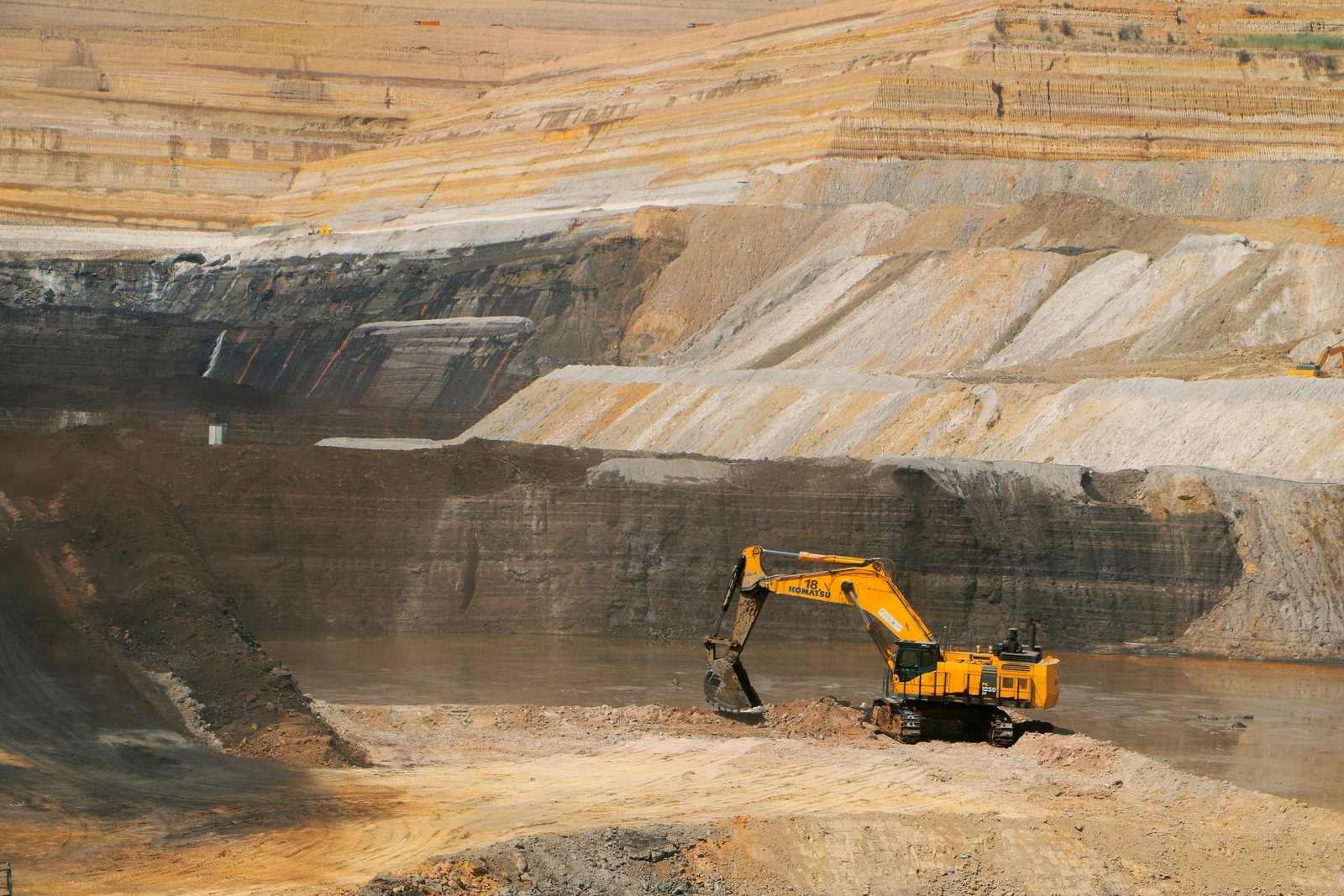
Wastewater Treatment Plant (IPAL) Systems for Mine Acid Drainage
Comprehensive Wastewater Treatment Plant (IPAL) Systems for Mine Acid Drainage: Advanced Technologies, Design Methodologies, Operational Optimization, Regulatory Compliance, and Resource Recovery Strategies for Sustainable Mining Operations in Indonesia
Reading time: 75 minutes
Key Highlights
• Global Environmental Challenge: Acid mine drainage affects approximately 19,300 kilometers of waterways worldwide with pH levels as low as 2.0-3.0, dissolved metal concentrations reaching 10,000 mg/L iron, 1,000+ mg/L sulfate, and toxic heavy metals requiring sophisticated treatment infrastructure to prevent catastrophic ecosystem damage and ensure regulatory compliance across decades-long operational and post-closure periods
• Treatment Technology Spectrum: Active chemical neutralization systems utilizing lime, limestone, or caustic reagents achieve greater than 99% iron removal and 95-98% aluminum removal through controlled pH adjustment and high-density sludge processes at costs ranging USD 0.66-0.89 per kilogram metal removed, while passive biological systems employing constructed wetlands, anoxic limestone drains, and sulfate-reducing bioreactors provide economically attractive alternatives at USD 0.32-0.46 per kilogram achieving 80-95% removal efficiency for moderate flow applications
• Resource Recovery Economics: Modern integrated AMD treatment facilities enable profitable extraction of commercial products including schwertmannite iron minerals valued at USD 100-300 per ton for adsorbent applications, construction-grade gypsum at USD 10-30 per ton, selective copper recovery achieving 88-92% purity, zinc concentrate production, and rare earth element extraction from streams containing 0.1-10 mg/L concentrations, collectively generating revenues offsetting 15-30% of total treatment operational expenditure
• Integrated Hybrid Advantages: Strategically designed active-passive combination systems reduce total lifecycle costs by 20-40% compared to single-technology approaches through optimized capital deployment, operational flexibility accommodating variable AMD chemistry and flow rates, enhanced reliability through redundant treatment mechanisms, reduced chemical consumption through biological pretreatment, and superior long-term sustainability for Indonesian mining operations facing extended post-closure treatment obligations
Executive Summary
Acid mine drainage represents one of the most environmentally and economically challenging legacies of mining operations worldwide, occurring when sulfide-bearing minerals exposed during mineral extraction activities undergo oxidative weathering upon contact with atmospheric oxygen and water, generating highly acidic effluent characterized by pH values typically ranging 2.0-4.5, dissolved metal concentrations often exceeding regulatory discharge limits by orders of magnitude, elevated sulfate levels reaching 1,000-16,000 mg/L, and complex geochemical compositions varying substantially based on mineralogy, geological setting, hydrological conditions, and operational practices. Indonesia's rapidly expanding mining sector spanning coal extraction across Kalimantan and Sumatra, nickel laterite development in Sulawesi and Maluku, copper-gold porphyry operations in Papua, and tin mining in Bangka-Belitung creates substantial and growing AMD management requirements as operations progressively expose sulfide-bearing waste rock and tailings to weathering processes initiating acid generation that continues for decades to centuries beyond mine closure, threatening aquatic ecosystems, contaminating drinking water sources, damaging agricultural productivity, and creating significant financial liabilities requiring sustained treatment infrastructure investment and operational expenditure.
Effective AMD treatment proves essential for multiple interconnected objectives including regulatory compliance with Indonesian environmental legislation particularly PP No. 22/2021 on Environmental Protection and Management establishing receiving water quality standards and Permen LHK P.68/2016 specifying mining industry wastewater discharge requirements, environmental stewardship protecting downstream aquatic ecosystems and communities from toxic metal exposure and ecosystem degradation, corporate social responsibility maintaining mining industry's social license to operate within increasingly environmentally conscious Indonesian society, financial risk management avoiding penalties, remediation costs, and liability claims associated with environmental contamination, and operational sustainability ensuring mining operations can continue throughout planned operational lifetimes and achieve successful closure without perpetual treatment obligations creating unmanageable long-term liabilities for operators, regulators, or affected communities.
Treatment technology approaches available to Indonesian mining operations span several distinct categories each offering particular advantages, limitations, cost structures, and applicability ranges requiring careful evaluation during feasibility and design phases. Active chemical treatment systems represent most widely deployed approach globally, utilizing alkaline reagents including lime (calcium oxide or hydroxide), limestone (calcium carbonate), sodium hydroxide (caustic soda), or alternative materials to neutralize acidity and precipitate dissolved metals as hydroxide or carbonate solids through controlled pH adjustment, aeration facilitating iron oxidation, flocculation and settling separating precipitated solids from treated water, and sludge dewatering reducing disposal volumes and improving handling characteristics. These active systems typically achieve very high removal efficiencies exceeding 99% for iron, 95-98% for aluminum, 85-95% for manganese with proper design, and greater than 95% for most heavy metals, ensuring consistent compliance with stringent discharge standards regardless of influent AMD chemistry variations, though requiring continuous chemical input, substantial energy consumption for mixing and aeration, skilled operational management, and generating significant sludge volumes requiring appropriate disposal or beneficial reuse pathways.
Passive biological treatment systems offer alternative approach particularly suited to moderate AMD flow rates typically under 500 m³/day, remote locations lacking reliable infrastructure and operational support, post-closure applications requiring decades-long treatment with minimal ongoing costs and intervention, and situations where larger land areas and somewhat lower treatment efficiency prove acceptable tradeoffs for dramatically reduced operational expenditure typically ranging USD 0.10-0.30 per cubic meter compared to USD 0.50-1.20 for active chemical systems. Passive technologies encompass constructed wetlands utilizing aquatic vegetation and organic substrates supporting sulfate-reducing bacteria that generate alkalinity while precipitating metals as stable sulfides, anoxic limestone drains providing alkalinity through limestone dissolution under oxygen-limited conditions preventing limestone surface coating (armoring) by metal precipitates, successive alkalinity producing systems (SAPS) combining vertical-flow organic substrate layers with underlying limestone beds optimizing treatment through sequential biological and geochemical processes, aerobic settling ponds enabling iron oxidation and gravitational settling for net-alkaline streams, and specialized bioreactors enhancing sulfate reduction through optimized hydraulic and substrate design. These passive systems demonstrate removal efficiencies typically 70-95% for acidity and iron, 60-85% for other metals, and pH increases of 1.5-4.0 units depending on configuration and AMD characteristics, while requiring substantially larger land footprints typically 10-100 times active treatment areas for equivalent capacity, exhibiting greater performance variability from seasonal temperature and flow fluctuations, and necessitating periodic maintenance including organic substrate replacement every 3-5 years and vegetation management affecting long-term lifecycle cost considerations.
Integrated hybrid treatment configurations combining active and passive technologies in strategically designed configurations increasingly represent best practice approach for Indonesian mining applications, leveraging each technology's comparative advantages while mitigating respective limitations through optimized system architecture. Common integration strategies include passive pretreatment utilizing wetlands or limestone drains to partially neutralize AMD and remove majority of metal load before active polishing ensuring discharge compliance, active primary treatment handling worst-case AMD chemistry and peak flows with passive backup systems providing operational flexibility and cost reduction during favorable conditions, staged treatment progressively removing contaminants through complementary mechanisms achieving superior overall performance, and seasonal operation adapting treatment intensity to variable AMD generation patterns common in tropical Indonesian climate with distinct wet and dry seasons. International research and operational experience from North American, European, and Australian mining regions demonstrates properly designed integrated systems achieve 20-40% lifecycle cost reduction compared to standalone active or passive approaches while improving performance reliability, operational flexibility accommodating future AMD chemistry changes, and long-term sustainability particularly valuable for Indonesian operations facing extended post-closure obligations potentially spanning 50-100+ years for large-scale coal and metallic mineral mines with substantial sulfide-bearing waste inventories.
Resource recovery from AMD treatment increasingly emerges as important component of modern sustainable mining practice, transforming environmental liability into economic opportunity through selective extraction of valuable products while advancing circular economy principles within extractive industries. Primary resource recovery pathways include iron compound production particularly schwertmannite (Fe₈O₈(OH)₆SO₄·nH₂O), a poorly crystalline iron oxyhydroxysulfate mineral naturally precipitating from AMD at pH 3.0-4.0 that demonstrates exceptional adsorption capacity for arsenic, phosphate, and other contaminants, commanding market values USD 100-300 per ton for water treatment applications substantially exceeding disposal costs. Gypsum (calcium sulfate dihydrate, CaSO₄·2H₂O) formed during lime neutralization of sulfate-bearing AMD represents another significant product stream, with construction-grade gypsum valued USD 10-30 per ton for wallboard manufacturing, cement production, and agricultural soil amendment, though requiring adequate purity and consistent properties meeting industry specifications. Selective metal recovery proves economically attractive for AMD containing elevated concentrations of copper typically above 50-100 mg/L, zinc exceeding 50 mg/L, nickel, cobalt, or rare earth elements, utilizing staged precipitation at controlled pH ranges separating metals sequentially, ion exchange processes, solvent extraction, or electrochemical recovery producing high-purity metal products or concentrate suitable for conventional metallurgical processing. Treated water reuse within mining operations for dust suppression, ore processing, or other industrial applications provides additional value avoiding freshwater abstraction costs while reducing environmental footprint, with advanced treatment potentially enabling potable water production serving mine site or nearby communities in water-stressed regions.
This comprehensive technical analysis examines all critical aspects of AMD treatment plant design, implementation, operations, and optimization for Indonesian mining industry context, providing detailed examination of formation mechanisms governing acid generation kinetics and contaminant release patterns, comprehensive characterization methodologies establishing baseline conditions and predicting long-term behavior, active treatment technologies including conventional lime neutralization, high-density sludge (HDS) systems, alternative reagents and advanced oxidation processes, passive treatment approaches encompassing various wetland configurations, limestone-based systems, and biological reactors, integrated hybrid system design methodologies optimizing performance and lifecycle costs, detailed engineering design criteria covering hydraulic sizing, equipment selection, process control, and instrumentation, operational management best practices ensuring consistent performance and regulatory compliance, performance monitoring and optimization strategies, regulatory compliance frameworks specific to Indonesian environmental legislation, comprehensive economic analysis including capital and operating cost estimation, lifecycle costing methodologies, and financial modeling, resource recovery technologies and business models, emerging innovations in electrochemical treatment, membrane technologies, and digital optimization systems, and strategic recommendations for mining companies, engineering consultants, equipment suppliers, and regulatory agencies. Drawing extensively on peer-reviewed scientific literature from leading journals including Mine Water and the Environment, Science of the Total Environment, Water Research, and regional publications, international best practice documents from organizations including International Network for Acid Prevention (INAP), U.S. Bureau of Land Management, and European mining associations, Indonesian regulatory frameworks and technical standards, and operational data from functioning treatment facilities globally, this analysis provides authoritative technical foundation supporting informed decision-making throughout project lifecycle from initial feasibility assessment through detailed design, construction, commissioning, long-term operations, and eventual site rehabilitation ensuring effective AMD management protecting environmental values while supporting economically viable and socially responsible mining development throughout Indonesian archipelago.
Fundamental Chemistry and Formation Mechanisms of Acid Mine Drainage
Acid mine drainage formation fundamentally results from oxidative weathering of sulfide minerals, predominantly iron sulfides including pyrite (FeS₂, iron disulfide) and pyrrhotite (Fe₁₋ₓS, iron monosulfide with variable composition), when these minerals previously protected from atmospheric oxygen in stable geological formations become exposed to oxidizing conditions through mining activities including open pit excavation, underground development, waste rock disposal, and tailings deposition. The overall reaction sequence proceeds through multiple distinct stages involving different chemical and biological processes operating at varying rates depending on environmental conditions, with the process exhibiting autocatalytic characteristics whereby reaction products accelerate subsequent oxidation creating self-sustaining acid generation continuing for decades to centuries once initiated even after mining activities cease and water management controls are removed.
Initial pyrite oxidation stage occurs through direct reaction with atmospheric oxygen and water, generating dissolved ferrous iron (Fe²⁺), sulfate (SO₄²⁻), and hydrogen ions (H⁺) according to the following stoichiometric relationship: 2FeS₂ + 7O₂ + 2H₂O → 2Fe²⁺ + 4SO₄²⁻ + 4H⁺. This reaction proceeds relatively slowly under ambient conditions, with rate strongly influenced by pyrite surface area (affected by particle size distribution, fracturing, and weathering), oxygen availability (controlled by air circulation in waste rock piles or diffusion through tailings), moisture content (requiring liquid water for reaction but excessive saturation limiting oxygen transport), temperature (higher temperatures accelerating kinetics), and surface coating by secondary minerals potentially inhibiting continued oxidation. The ferrous iron released in this initial stage remains soluble under acidic conditions, with solubility exceeding 100,000 mg/L at pH below 3.0, enabling very high dissolved iron concentrations characteristic of severely acidic AMD from fresh pyrite oxidation in well-aerated waste materials.
Figure 1: Three-stage Acid Mine Drainage Formation Reaction Sequence
Stage 1: Initial pyrite oxidation (abiotic, oxygen as primary oxidant)
2 FeS₂(s) + 7 O₂(aq) + 2 H₂O(l) → 2 Fe²⁺(aq) + 4 SO₄²⁻(aq) + 4 H⁺(aq)
Rate: Relatively slow, limited by oxygen diffusion and pyrite surface area
pH range: Typically 4.5-6.5 in early stages before substantial acid accumulation
Stage 2: Ferrous iron oxidation (bacteria-catalyzed, pH-dependent)
4 Fe²⁺(aq) + O₂(aq) + 4 H⁺(aq) → 4 Fe³⁺(aq) + 2 H₂O(l)
Abiotic rate: Very slow at pH <3.5, half-life approximately 1,000 days at pH 3.0
Biotic rate: Accelerated 10⁵-10⁶ times by Acidithiobacillus ferrooxidans bacteria
Optimal bacterial activity: pH 2.0-3.5, temperature 25-35°C
Stage 3: Ferric iron as oxidant (autocatalytic acceleration)
FeS₂(s) + 14 Fe³⁺(aq) + 8 H₂O(l) → 15 Fe²⁺(aq) + 2 SO₄²⁻(aq) + 16 H⁺(aq)
Rate: 10-100 times faster than oxygen-based oxidation (Stage 1)
Self-sustaining: Ferrous iron from Stage 3 feeds back to Stage 2, creating cycle
Net effect: 1 mole pyrite + 3.75 moles O₂ → 16 H⁺ + 2 SO₄²⁻ + 15 Fe²⁺
Sources: Nordstrom & Alpers (1999), Singer & Stumm (1970), PMC NCBI (2022)
Second stage involves oxidation of dissolved ferrous iron to ferric form (Fe³⁺) according to: 4Fe²⁺ + O₂ + 4H⁺ → 4Fe³⁺ + 2H₂O. This reaction exhibits strong pH dependency, proceeding very slowly through abiotic chemical oxidation at low pH with half-life exceeding 1,000 days at pH 3.0 and 20°C, but accelerated dramatically by several orders of magnitude (10⁵-10⁶ times faster) through biological catalysis by acidophilic chemolithotrophic bacteria, particularly Acidithiobacillus ferrooxidans (formerly Thiobacillus ferrooxidans), that obtain metabolic energy through ferrous iron oxidation while fixing carbon dioxide for growth. These specialized microorganisms thrive in extremely acidic environments with optimal activity at pH 2.0-3.5 and temperatures 25-35°C, commonly occurring in AMD-generating systems worldwide and representing critical biological component accelerating acid generation rates. Additional bacterial species including Leptospirillum ferrooxidans, Acidiphilium species, and archaea such as Ferroplasma and Sulfolobus contribute to iron oxidation and sulfur cycling in AMD systems, creating complex microbial communities adapted to extreme acidic metalliferous conditions.
Third stage represents most significant contribution to sustained acid generation, where ferric iron produced in stage two serves as powerful oxidizing agent directly attacking remaining pyrite according to: FeS₂ + 14Fe³⁺ + 8H₂O → 15Fe²⁺ + 2SO₄²⁻ + 16H⁺. This ferric iron-mediated oxidation proceeds 10-100 times faster than direct oxygen oxidation in stage one, with ferrous iron released feeding back into stage two for reoxidation to ferric form, establishing autocatalytic cycle that accelerates overall acid generation rate as system matures. The net result of complete pyrite oxidation through combined pathway can be summarized as: FeS₂ + 3.75O₂ + 3.5H₂O → Fe(OH)₃ + 2SO₄²⁻ + 4H⁺, demonstrating that complete oxidation and hydrolysis of one mole pyrite (120 grams) ultimately generates four moles hydrogen ions (equivalent to approximately 200 grams calcium carbonate required for neutralization), explaining substantial acid generation potential and corresponding treatment chemical requirements for sulfide-rich mining wastes.
Ferric iron hydrolysis and precipitation represents additional important process particularly at pH above approximately 3.5, where ferric iron solubility decreases sharply and hydrolysis reactions generate additional acidity according to: Fe³⁺ + 3H₂O → Fe(OH)₃ + 3H⁺. This process produces characteristic orange-brown iron hydroxide or oxyhydroxide precipitates (including goethite, ferrihydrite, schwertmannite) coating stream substrates and creating distinctive visual evidence of AMD contamination. The pH threshold for ferric precipitation varies with sulfate concentration and other solution constituents, with schwertmannite (Fe₈O₈(OH)₆SO₄) preferentially forming at pH 2.5-4.5 in sulfate-rich AMD, while ferrihydrite and goethite dominate at higher pH or lower sulfate conditions. These iron precipitates can coat pyrite surfaces in waste rock or tailings, potentially providing protective layer slowing continued oxidation, though typically coverage remains incomplete allowing continued acid generation particularly in coarse waste rock with high void space and oxygen availability.
Table 1: Comprehensive Acid Mine Drainage Water Quality Characteristics And Regulatory Comparison
| Parameter | Typical AMD range |
Moderate AMD example |
Severe AMD example |
Indonesian limit (PP 22/2021) |
WHO drinking water guideline |
|---|---|---|---|---|---|
| pH (standard units) | 2.0-4.5 | 3.8-4.2 | 2.1-2.8 | 6.0-9.0 | 6.5-8.5 |
| Total acidity (mg/L as CaCO₃) | 200-2,000 | 450-800 | 3,500-5,000 | Not specified | Not specified |
| Iron, total (Fe), mg/L | 50-10,000 | 450-850 | 1,250-2,800 | <5 | <0.3 |
| Aluminum (Al), mg/L | 10-500 | 65-120 | 125-250 | Not specified | <0.2 |
| Manganese (Mn), mg/L | 5-100 | 15-35 | 25-65 | <2 | <0.4 |
| Copper (Cu), mg/L | 1-100 | 12-28 | 85-165 | <2 | <2 |
| Zinc (Zn), mg/L | 5-200 | 45-82 | 150-350 | <5 | <3 |
| Nickel (Ni), mg/L | 0.1-10 | 1.2-3.5 | 5.5-12 | <0.2 | <0.07 |
| Lead (Pb), mg/L | 0.01-5 | 0.2-0.8 | 1.5-4.2 | <0.03 | <0.01 |
| Cadmium (Cd), mg/L | 0.001-0.5 | 0.05-0.15 | 0.2-0.6 | <0.01 | <0.003 |
| Arsenic (As), mg/L | 0.01-50 | 0.5-2.5 | 5-25 | <0.05 | <0.01 |
| Sulfate (SO₄), mg/L | 1,000-16,000 | 2,200-3,800 | 8,500-12,000 | Not specified | <500 |
| Total dissolved solids, mg/L | 500-10,000 | 2,500-4,500 | 8,000-15,000 | 2,000 | <1,000 |
| Total suspended solids, mg/L | 10-500 | 50-150 | 200-450 | <100 | Not specified |
| Electrical conductivity, μS/cm | 500-20,000 | 3,500-6,000 | 12,000-25,000 | Not specified | <1,500 |
Sources: MDPI Water (2024), PMC NCBI (2022), Nature Communications (2024), PP 22/2021, WHO (2022)
Environmental Impacts and Ecosystem Consequences of Untreated Acid Mine Drainage
Environmental impacts of untreated AMD discharges prove severe, multifaceted, and remarkably persistent, affecting aquatic ecosystems through multiple pathways operating across different spatial and temporal scales. Direct toxicity mechanisms include acidic pH stress disrupting physiological osmoregulation in fish and aquatic invertebrates, dissolved metal toxicity particularly copper, zinc, aluminum, and nickel interfering with gill function, enzyme systems, and reproductive processes at concentrations often orders of magnitude below those present in untreated AMD, and synergistic toxicity effects where combined metal exposures prove more harmful than individual metals alone. Research documented in journals including Environmental Pollution, Aquatic Toxicology, and Science of the Total Environment demonstrates fish mortality occurring at pH below approximately 5.0 for sensitive species and 4.0-4.5 for tolerant species, though sublethal effects including growth impairment, reproductive dysfunction, and behavioral alterations manifest at higher pH values around 5.5-6.0, while macroinvertebrate communities exhibit dramatic species richness declines as pH decreases below 6.0 with sensitive taxa including mayflies (Ephemeroptera), stoneflies (Plecoptera), and caddisflies (Trichoptera) disappearing first while more tolerant chironomid midges and certain oligochaetes persist to lower pH values.
Physical habitat degradation represents another critical impact pathway, with iron and aluminum hydroxide precipitates coating stream substrates creating distinctive orange-brown or white deposits smothering benthic communities, filling interstitial spaces in gravel beds essential for fish spawning and invertebrate refuge, and reducing substrate complexity supporting diverse biological communities. These precipitate coatings prove remarkably persistent, remaining visible and biologically damaging for years to decades after AMD inputs cease or treatment implementation reduces dissolved metal concentrations, requiring active mechanical removal or natural flushing by high flows for ecosystem recovery. Manganese oxides forming in circumneutral pH waters receiving treated or partially neutralized AMD create black coatings with similarly detrimental habitat effects. Elevated fine sediment loads in AMD-impacted streams from erosion of unstable mine waste deposits or precipitate resuspension during storm events further degrade habitat quality through reduced light penetration, increased drift, and direct gill clogging impacts on filter-feeding organisms.
Food web disruptions cascade through impacted ecosystems as sensitive primary producers including benthic algae and macrophytes exhibit reduced diversity and productivity under acidic metal-rich conditions, reducing food availability for herbivorous invertebrates and consequently affecting secondary consumers including predatory invertebrates, fish, and riparian wildlife dependent on aquatic productivity. Studies in AMD-impacted watersheds of Pennsylvania, West Virginia, and other Appalachian coal mining regions document dramatic declines in total macroinvertebrate density often exceeding 90% compared to reference sites, with biomass reductions even more severe affecting energy transfer to higher trophic levels and potentially creating ecological traps where habitats appear physically intact but cannot support sustainable populations due to food web collapse. Bioaccumulation of certain metals particularly methylmercury produced through bacterial methylation of inorganic mercury present in some mining wastes and concentrating through food chains represents additional concern for top predators and human consumers of fish from affected waters, though methylmercury risks typically associate more with other mining impacts than AMD per se.
Downstream water use impairments extend AMD impacts beyond immediate aquatic ecosystems, affecting drinking water treatment requirements and costs, agricultural irrigation suitability, industrial process water applications, and recreational values. Municipal water suppliers drawing from AMD-impacted sources face substantially elevated treatment costs for metal and sulfate removal, pH adjustment, and management of increased sludge production, with cost increases potentially reaching 50-200% compared to treating unimpacted source waters. Agricultural irrigation using AMD-contaminated water risks soil acidification, aluminum and manganese toxicity to crops, salt accumulation from elevated sulfate and dissolved solids, and metal bioaccumulation in food crops particularly leafy vegetables concentrating metals from irrigation water and soil. Recreational fishing opportunities decline or disappear entirely in severely impacted waters, with associated economic losses to rural communities depending on tourism revenue, while aesthetic degradation from orange-stained streams, absence of aquatic life, and industrial appearance of treatment infrastructure reduces property values and quality of life for nearby residents.
Long-term ecosystem recovery timelines following AMD source control or treatment implementation depend on severity and duration of impacts, but typically require years to decades for biological community restoration even after water chemistry improvements. Research examining recovery trajectories in streams receiving AMD treatment documents pH and metal concentration improvements within weeks to months of treatment startup, substantial macroinvertebrate diversity increases within 2-5 years as recolonization proceeds from upstream refugia or tributaries, and fish community recovery requiring 5-15 years depending on species, with sensitive taxa recovering slowly if at all without active reintroduction efforts. Legacy effects including metal-contaminated sediments continuing to release stored metals under changing redox conditions, persistent precipitate coatings requiring physical removal or high-flow scouring for habitat restoration, and depleted invertebrate and fish stocks requiring time for population recovery slow ecosystem restoration even after water quality achieves regulatory standards. Understanding these recovery timelines proves essential for realistic expectations regarding AMD remediation benefits and appropriate investment in treatment infrastructure ensuring sustained operation supporting ecosystem recovery.
Acid Mine Drainage Characterization and Prediction Methodologies
Comprehensive AMD characterization provides essential foundation for treatment system design, establishing baseline conditions defining treatment objectives, quantifying contaminant loads determining treatment capacity requirements, identifying temporal variability informing operational flexibility needs, and predicting long-term behavior supporting closure planning and financial assurance calculations. Characterization programs typically combine water quality monitoring documenting existing AMD discharges, geochemical testing of mine wastes predicting future acid generation potential, hydrological assessment quantifying flow rates and pathways, and hydrogeological investigation understanding groundwater-surface water interactions controlling contaminant transport. Regulatory frameworks in Indonesia and internationally typically require characterization data supporting environmental impact assessments (AMDAL), discharge permit applications, treatment system design documentation, and ongoing compliance monitoring, with data quality and representativeness critically affecting validity of engineering design and permitting decisions based on characterization results.
Water quality sampling and analysis programs establish AMD chemistry characteristics through field measurements and laboratory analytical methods following internationally recognized protocols ensuring data quality and comparability. Field parameters measured in situ include pH using calibrated electrodes, electrical conductivity or total dissolved solids indicating overall ionic strength, dissolved oxygen affecting iron oxidation state and biological processes, temperature influencing reaction kinetics and treatment efficiency, and redox potential (Eh) characterizing oxidation-reduction conditions. Laboratory analysis of samples collected following appropriate preservation protocols (typically acidification to pH less than 2 with nitric acid for metals, refrigeration for general parameters) quantifies total and dissolved concentrations of major ions including sulfate, calcium, magnesium, sodium, potassium, chloride, bicarbonate alkalinity, iron, aluminum, and manganese, plus trace metals including copper, zinc, nickel, lead, cadmium, arsenic, and others potentially present at harmful concentrations. Acidity measurements through titration to pH endpoints of 3.5 (mineral acidity) and 8.3 (total acidity including metal hydrolysis) provide critical information for alkaline reagent dosing calculations in treatment design.
Sampling frequency and duration considerations balance statistical representativeness against program costs, with monitoring typically intensive during initial characterization phases (weekly to monthly sampling for 6-12 months minimum establishing baseline conditions and seasonal variability patterns) then transitioning to less frequent ongoing monitoring (quarterly to annual) confirming consistency of characterization. Flow measurement accompanying each sampling event enables calculation of contaminant mass loading rates (concentration × flow rate = mass per time) critically important for treatment system sizing, with continuous or frequent flow monitoring preferred for sites exhibiting substantial flow variability from rainfall or seasonal groundwater fluctuations. Storm event sampling capturing peak flows and associated contaminant pulses proves particularly important at sites where runoff dominates AMD generation, with automatic samplers programmed for flow-weighted composite sampling providing representative characterization of highly variable conditions difficult to capture through manual grab sampling.
Static Geochemical Testing Methods For Acid Generation Prediction:
Acid-base accounting (ABA):
• Purpose: Initial screening identifying acid-generating versus acid-neutralizing materials
• Methodology: Determination of maximum potential acidity (MPA) from total sulfur content assuming complete pyrite oxidation, and neutralization potential (NP) through reaction with standardized acid solution measuring carbonate and other neutralizing minerals
• Calculation: Net neutralization potential (NNP) = NP - MPA, expressed in kg CaCO₃ equivalent per ton
• Interpretation criteria: NNP > +20 kg/ton indicates net-neutralizing material unlikely to generate AMD, NNP between -20 and +20 kg/ton represents uncertain behavior requiring kinetic testing, NNP < -20 kg/ton suggests net acid-generating material requiring special management
• Neutralization potential ratio (NPR): NPR = NP / MPA, with NPR > 3 indicating low AMD risk, NPR 1-3 uncertain, NPR < 1 high risk
• Limitations: Static test provides snapshot assessment not accounting for reaction kinetics, mineral accessibility, or neutralization timing relative to acid generation rates, potentially underestimating risks where slow-reacting neutralizing minerals cannot keep pace with rapid acid generation
Modified acid-base accounting methods:
• Sequential extraction procedures: Stepwise acid digestion quantifying readily soluble, moderately reactive, and slowly reactive neutralizing mineral fractions providing better understanding of neutralization timing
• Paste pH and net acid generation (NAG) tests: Direct measurement of pH and acid generation from crushed samples mixed with hydrogen peroxide accelerating oxidation, providing complementary information to calculated ABA values
• Single addition NAG (NAG pH): Sample reacts with excess hydrogen peroxide until oxidation complete, measuring final pH indicating net acid or alkaline character
• Sequential NAG: Multiple peroxide additions tracking acid generation over time until depletion of acid-generating minerals
• Interpretation: NAG pH below 4.5 indicates acid generating, above 4.5 suggests non-acid forming or net neutralizing character
Kinetic testing approaches:
• Humidity cell testing: Standard protocol exposing crushed sample to weekly cycles of humid air (3 days), dry air (3 days), and water flushing (1 day) simulating weathering conditions, with leachate analysis tracking evolution of water chemistry over 20-100+ weeks
• Column leach tests: Saturated or unsaturated flow through columns of test material under controlled conditions monitoring leachate quality, useful for assessing materials in saturated environments or evaluating treatment additives
• Field test plots or lysimeters: In situ weathering of representative materials under natural climatic conditions providing most realistic data but requiring extended monitoring periods (2-5+ years) and higher costs
• Data interpretation: Kinetic tests establish actual acid generation and neutralization rates under realistic conditions, identify lag times before AMD generation initiates, quantify peak contaminant release rates, and assess long-term sustainability of neutralization minerals informing waste management strategies and treatment design
Active Treatment Technologies: Chemical Neutralization and Metals Precipitation Processes
Active AMD treatment systems utilize chemical reagent addition, mechanical mixing, controlled oxidation, and solid-liquid separation to neutralize acidity and precipitate dissolved metals as hydroxide or carbonate solids through engineered processes requiring continuous operational management, chemical input, and energy consumption. These systems prove particularly suitable for high-volume AMD flows exceeding 500-1,000 m³/day where economies of scale reduce unit treatment costs, severely acidic AMD with pH below 3.5 and high metal concentrations challenging passive treatment effectiveness, situations requiring very high removal efficiency exceeding 95-99% to meet stringent discharge standards, industrial or commercial operations with trained personnel and reliable chemical supply chains supporting active operations, and applications where land constraints prevent extensive passive system footprints. Modern active treatment plant designs achieve remarkable removal efficiencies exceeding 99% for iron, 95-98% for aluminum under proper pH control, 85-95% for manganese with appropriate oxidation and pH management, and generally above 95% for copper, zinc, nickel, lead, and cadmium through hydroxide precipitation, ensuring reliable compliance with Indonesian discharge regulations and protection of receiving water quality.
Lime neutralization represents most widely deployed active treatment approach globally, documented in several thousand operational facilities treating AMD from coal and metal mining operations across North America, Europe, Australia, and increasingly Asia including China, India, and developing Indonesian applications. The fundamental process adds calcium oxide (quicklime, CaO) or calcium hydroxide (hydrated lime, Ca(OH)₂) to raise pH from acidic influent conditions typically pH 2.5-4.5 into neutral to slightly alkaline range pH 6.5-9.5 where dissolved iron, aluminum, manganese, and heavy metals undergo hydrolysis forming insoluble hydroxide precipitates according to general reaction: Me^n+ + n·OH^- → Me(OH)_n where Me represents any metal cation and n indicates oxidation state. The process requires careful pH control optimizing metal removal while minimizing excess chemical consumption and associated sludge production, with different metals exhibiting characteristic pH ranges for effective precipitation: ferric iron precipitates effectively above pH 3.5-4.0, ferrous iron requires pH above 8.5-9.5 for hydroxide precipitation though oxidation to ferric form enables removal at lower pH, aluminum precipitates at pH 5.0-8.5 with minimum solubility around pH 6.5, manganese proves most challenging requiring pH above 8.5-9.5 and extended reaction time or catalytic oxidation achieving adequate removal, while copper, zinc, nickel, and most other heavy metals precipitate effectively at pH 8.0-10.0 as hydroxides.
Figure 2:High-Density Sludge (HDS) Treatment Process Flow Diagram with Detailed Specifications
Raw AMD Influent
pH 2.5-3.5 | Fe 500-1,500 mg/L | Al 80-150 mg/L | Mn 15-35 mg/L
Sulfate 2,500-4,500 mg/L | Flow 1,000 m³/day design capacity
↓
First Neutralization Reactor (Stage 1)
Volume: 45 m³ (retention time 65 minutes)
Lime dosing: CaO slurry 10-15% concentration
Target pH: 3.8-4.5 for selective iron precipitation
Mixing: 150 watts/m³ intensity, mechanical agitators
Sludge recycle rate: 3-5× influent flow (3,000-5,000 m³/day)
Temperature: Ambient to 35°C (exothermic neutralization)
Primary Reactions:
CaO + H₂O → Ca(OH)₂ (lime slaking)
Ca(OH)₂ + H₂SO₄ → CaSO₄·2H₂O + Heat (neutralization)
Fe²⁺ → Fe³⁺ (partial oxidation beginning)
Fe³⁺ + 3 OH⁻ → Fe(OH)₃↓ (ferric hydroxide precipitation)
↓
Aeration Tanks
Volume: 60 m³ (retention time 85 minutes)
Aeration method: Mechanical surface aerators or diffused air
Oxygen transfer rate: 100-150% theoretical requirement
Air flow: 0.5-1.0 m³ air per m³ AMD treated
Mixing: Gentle agitation 50-75 watts/m³
Primary Purpose:
Fe²⁺ + ¼ O₂ + ½ H₂O → Fe(OH)₃↓ (complete ferrous oxidation)
Ensures residual Fe²⁺ < 5-10 mg/L before Stage 2
↓
Second Neutralization Reactor (Stage 2)
Volume: 50 m³ (retention time 72 minutes)
Additional lime dosing: pH adjustment to 8.5-9.5
Sludge recycle: 3-5× influent flow (dense slurry recirculation)
Polymer flocculant addition: 1-3 mg/L anionic or nonionic PAM
Mixing: High intensity 200-300 watts/m³ initially, tapering to 100 watts/m³
PRIMARY REACTIONS:
Al³⁺ + 3 OH⁻ → Al(OH)₃↓ (aluminum hydroxide precipitation)
Mn²⁺ + 2 OH⁻ → Mn(OH)₂↓ (manganese hydroxide, partial removal)
Me²⁺/³⁺ + n OH⁻ → Me(OH)_n↓ (heavy metals precipitation)
Floc growth: Collision and aggregation forming settleable particles
↓
High-Rate Clarifier or Lamella Settler
Surface area: 100-150 m² for 1,000 m³/day capacity
Surface loading rate: 7-10 m³/m²/day (conventional clarifier)
Lamella settler loading: 15-25 m³/m²/day effective (inclined plates)
Retention time: 2-4 hours settling
Overflow weir: Peripheral launder, 5-10 m³/m²/day
SEPARATION:
Clarified overflow → pH adjustment → discharge
Underflow sludge → thickener or direct dewatering
Underflow concentration: 5-15% solids by weight
↓
Treated Water Path
pH adjustment: CO₂ gas or H₂SO₄
Target final pH: 7.0-8.5
Polishing filter: Optional sand filter
Quality: Fe < 1-2 mg/L, Al < 0.5-1 mg/L
TSS < 5-15 mg/L
→ DISCHARGE to receiving water
Sludge Handling Path
Thickener: 30-50 m² for 1,000 m³/day
Underflow: 15-25% solids
Dewatering: Filter press 35-50% solids
OR Belt filter 20-35% solids
Production: 1.0-1.8 kg dry solids/m³ AMD
→ DISPOSAL or reuse
Typical HDS system performance: Fe removal >99%, Al removal >96%, Mn removal 85-93%, heavy metals >95%
High-density sludge (HDS) systems represent optimized evolution of conventional lime treatment, achieving superior performance and reduced chemical consumption through intensive sludge recirculation creating high solids density (typically 8-25% by weight) within neutralization reactors. The recirculated sludge provides enormous surface area of previously precipitated metal hydroxides serving as seed crystals for continued precipitation, enhances mixing characteristics improving lime dispersion and reaction kinetics, partially neutralizes incoming acid through residual alkalinity in recycled sludge reducing fresh lime requirements by 10-20%, and promotes formation of larger, denser floc particles settling more rapidly and dewatering more effectively than fluffy precipitates from conventional low-density systems. HDS technology was pioneered in South African gold mining industry during 1970s-1980s treating high-volume AMD from deep underground operations, subsequently refined and deployed globally including major installations in North American coal mining regions, Australian metal mines, and increasingly Asian applications. Modern HDS plants demonstrate remarkable efficiency with typical lime consumption 1.8-2.5 kg CaO per kg acidity neutralized (compared to 2.5-3.5 kg for conventional systems), clarifier overflow suspended solids typically under 10-20 mg/L without filtration, and sludge underflow concentrations 15-30% solids facilitating economical dewatering producing filter cake at 35-50% moisture suitable for disposal or potential beneficial use.
Process control and automation prove critical for reliable HDS system operations, with instrumentation typically including continuous pH monitoring at multiple points (influent, Stage 1 reactor outlet, Stage 2 reactor outlet, final treated water) controlling lime dosing through feedback loops, oxidation-reduction potential (ORP) measurement indicating iron oxidation status and optimizing aeration intensity, turbidity meters monitoring clarifier performance detecting upset conditions, flow measurement enabling proportional chemical dosing and mass balance calculations, and level sensors in reactors and clarifier preventing overflow or underflow conditions. Programmable logic controllers (PLC) integrate these measurements implementing control algorithms maintaining target pH setpoints typically within ±0.2 pH units, adjusting sludge recycle rates responding to influent load variations, optimizing polymer dosing based on settling performance, and generating alarms for off-normal conditions requiring operator intervention. Advanced systems incorporate predictive control algorithms using influent pH, flow, and historical performance data to anticipate required chemical dosing, reducing response lag and pH variability compared to simple feedback control. Data logging and trending enable performance optimization identifying seasonal patterns, evaluating operational changes, troubleshooting problems, and demonstrating regulatory compliance through comprehensive records.
Comprehensive Active Treatment Design Specifications and Operational Parameters:
Alkaline reagent selection criteria:
• Quicklime (CaO): 90-95% available CaO purity, delivered bulk or supersacks, requires controlled slaking with water producing 8-15% Ca(OH)₂ slurry, exothermic reaction (65 kJ/mole) requiring cooling or dilution preventing boiling, most cost-effective option at USD 80-120 per ton delivered, storage requires dry weatherproof facility preventing caking from moisture absorption
• Hydrated lime (Ca(OH)₂): 85-92% Ca(OH)₂ purity, delivered bulk or bag, directly mixes with water forming slurry eliminating slaking equipment, approximately 35% higher cost than quicklime (USD 110-180 per ton) but simpler handling and safety, preferred for smaller installations under 500 m³/day capacity where slaking equipment capital not justified
• Limestone (CaCO₃): 85-98% CaCO₃ purity depending on source, much slower reaction kinetics than lime limiting direct AMD neutralization applications, very low cost USD 10-30 per ton but requiring much larger reactors for adequate retention time (hours versus minutes for lime), primarily used in passive systems though some active applications with extended retention vessels or pH above 5.0 where kinetics acceptable
• Sodium hydroxide (NaOH, caustic soda): 25-50% solutions delivered bulk, very reactive enabling compact reactors, no gypsum formation reducing sludge volume, high cost USD 400-600 per ton limiting applications to special situations where advantages justify premium, used for final pH trimming, manganese oxidation facilitation, or space-constrained applications
• Sodium carbonate (Na₂CO₃, soda ash): Intermediate reactivity between lime and limestone, no gypsum formation, moderate cost USD 200-350 per ton, niche applications where gypsum problematic or special chemistry beneficial
• Industrial byproducts: Fly ash from coal combustion, steel slag, cement kiln dust, paper mill lime mud evaluated as low-cost alternatives where available, variable composition and reactivity requiring site-specific testing, environmental acceptability depending on trace element content and leaching characteristics
Stoichiometric calculations and chemical dosing:
• Theoretical CaO requirement: 56 kg CaO per 98 kg H₂SO₄ (acid molar equivalent ratio 1:1)
• Mineral acidity neutralization: CaO dose (kg/m³) ≈ 0.56 × mineral acidity (kg H₂SO₄ equivalent/m³)
• Metal hydrolysis acidity: Additional acidity generated as metals precipitate requires extra alkali
- Iron: Each mole Fe generates 3 moles H⁺ during precipitation, approximately 0.96 kg CaO per kg Fe
- Aluminum: Each mole Al generates 3 moles H⁺, approximately 0.62 kg CaO per kg Al
- Manganese: Each mole Mn generates 2 moles H⁺, approximately 0.51 kg CaO per kg Mn
• Gypsum formation: Each mole CaO + sulfate → gypsum, no neutralization benefit but contributing to sludge
• Practical multiplication factors: Actual lime consumption typically 1.5-3.0 times theoretical stoichiometric requirement due to incomplete mixing, competing reactions, excess dosing maintaining pH, and reagent purity below 100%, requiring pilot testing or operational data establishing site-specific factors
Reactor design parameters:
• Retention time: Stage 1 (iron precipitation) 30-90 minutes depending on iron concentration and oxidation requirements, Stage 2 (aluminum and other metals) 30-90 minutes ensuring precipitation and floc growth, total system 90-240 minutes including settling
• Mixing intensity: High intensity 200-400 watts/m³ during chemical addition promoting rapid dispersion, moderate intensity 100-200 watts/m³ for precipitation and floc growth, low intensity 30-75 watts/m³ for floc preservation before settling, mechanical mixers preferred over pneumatic to minimize foam formation
• pH control: Stage 1 target pH 3.8-4.5 optimizing iron removal while minimizing aluminum precipitation and gypsum formation, Stage 2 target pH 8.5-9.5 ensuring aluminum and manganese removal while avoiding excessive caustic consumption and metal hydroxide resolubilization at very high pH
• Temperature effects: Reaction rates increase 2-3 fold per 10°C temperature rise (Q₁₀ = 2-3), exothermic neutralization increases temperature 5-15°C depending on acidity load, cold climate operations may require heating influent or reactors preventing freezing and maintaining adequate kinetics
• Sludge recycle ratio: HDS systems typically 3-5:1 recycle flow to influent flow, higher ratios improve performance but increase pumping costs and may cause clarifier overloading, optimum determined through pilot testing or gradual operational adjustment
• Oxygen/air requirements: Stoichiometric oxygen demand 0.14 kg O₂ per kg Fe²⁺ oxidized, practical air supply 100-150% theoretical accounting for transfer inefficiency and ensuring complete oxidation
Passive Treatment Systems: Biological and Geochemical Processes for Sustainable AMD Management
Passive AMD treatment systems harness naturally occurring biological, chemical, and physical processes in carefully engineered constructed wetlands, limestone drainage systems, bioreactors, and settling ponds to achieve water quality improvements with minimal mechanical equipment, continuous chemical input, or intensive operational management compared to active chemical treatment approaches. These passive technologies prove particularly well-suited for moderate AMD flow rates typically under 300-500 m³/day where economies of scale favor lower-cost operational approaches over capital-intensive active systems, remote or inaccessible locations lacking reliable electrical power, chemical supply infrastructure, or trained operational personnel necessary for active treatment operations, post-closure situations where mining operations have ceased and long-term treatment obligations extending decades to centuries require sustainable low-maintenance solutions minimizing perpetual operational costs and management commitments, sites with available land area accommodating larger treatment footprints inherent to passive systems providing extended retention times enabling slower biological and geochemical reaction processes, and applications where moderate treatment efficiency achieving 70-90% contaminant removal proves acceptable meeting discharge standards less stringent than requiring 95-99% removal efficiency demanding active treatment.
The fundamental operating principle underlying most passive treatment technologies involves creating environmental conditions promoting specific microbial processes or geochemical reactions that generate alkalinity, facilitate metal precipitation, or otherwise transform AMD contaminants from dissolved mobile forms into stable immobile solid phases retained within treatment system. Anaerobic wetlands and reducing bioreactors foster sulfate-reducing bacteria (SRB) activity, with these specialized microorganisms utilizing sulfate as terminal electron acceptor for organic matter oxidation while simultaneously reducing sulfate to sulfide (SO₄²⁻ → H₂S/HS⁻), generating bicarbonate alkalinity (HCO₃⁻) neutralizing acidity, and precipitating dissolved metals as stable metal sulfides including pyrite (FeS₂), sphalerite (ZnS), chalcocite (Cu₂S), and others considerably less soluble than corresponding hydroxides formed in active treatment. Limestone-based systems including anoxic limestone drains and open limestone channels exploit calcium carbonate dissolution (CaCO₃ + H₂O + CO₂ → Ca²⁺ + 2HCO₃⁻) generating alkalinity that subsequently neutralizes acidity and facilitates metal hydroxide or carbonate precipitation downstream. Aerobic wetlands and oxidation ponds leverage natural aeration promoting ferrous iron oxidation and precipitation as ferric hydroxides under net-alkaline conditions where dissolved oxygen availability and pH above approximately 5.5 enable significant iron removal through relatively rapid abiotic or biotic oxidation.
Figure 3: Anaerobic Wetland Cross-Sectional Design Showing Treatment Zones and Processes
Vegetation Layer - Surface to 30 cm depth
Plant species: Cattails (Typha latifolia, T. angustifolia), common reed (Phragmites australis), bulrush (Scirpus spp.), native wetland grasses
Functions: Organic matter input through senescent tissue decomposition (2-5 kg dry matter/m²/year), oxygen transport to rhizosphere through aerenchyma tissue, hydraulic control through evapotranspiration (2-5 mm/day), aesthetic value and wildlife habitat
Establishment: Planting density 2-4 plants/m², first-year survival 70-90%, full coverage by year 2-3
Water Column Zone - 0 to 30 cm ponded depth
Characteristics: Shallow inundation maintaining saturated conditions, AMD flow velocity 1-5 m/day, minimal dissolved oxygen (typically <0.5-2 mg/L)
Processes: Initial metal hydroxide precipitation from pH increase, ferrous iron oxidation in oxygenated zones near vegetation roots, organic matter decomposition consuming oxygen, particulate matter settling
Residence time: 6-24 hours in water column before percolation to substrate
Organic Substrate Layer - 30 to 80 cm depth, critical treatment zone
Substrate composition: Mixture of composted manure (30-40%), wood chips or sawdust (30-40%), spent mushroom compost or leaf litter (20-30%), limestone gravel (5-10% mixed throughout)
Physical properties: Porosity 40-60%, hydraulic conductivity 10⁻³-10⁻⁵ cm/s, organic matter content 30-50% by dry weight
Biological activity: Dense populations of sulfate-reducing bacteria (Desulfovibrio, Desulfotomaculum, Desulfobacter spp.) typically 10⁷-10⁹ cells/gram substrate
Key reactions:
2 CH₂O + SO₄²⁻ → H₂S + 2 HCO₃⁻ (sulfate reduction with organic carbon)
Fe²⁺ + H₂S → FeS↓ + 2 H⁺ (iron sulfide precipitation, buffered by HCO₃⁻)
FeS + H₂S → FeS₂ + H₂ (pyrite formation, long-term stability)
Performance: Acidity reduction 70-90%, iron removal 80-95%, sulfate reduction 30-60%, pH increase typically 1.5-3.5 units
Lifespan: 3-5 years typical before organic matter depletion requires substrate replacement
Limestone Gravel Layer - 80 to 120 cm depth, alkalinity generation
Material specification: Crushed limestone 90-95% CaCO₃ purity, particle size 20-100 mm diameter, void ratio 35-45%
Installation depth: 40-60 cm thickness, 120-200 kg limestone per m² wetland area
Function: Supplemental alkalinity generation through limestone dissolution, hydraulic distribution promoting uniform upward flow, prevention of substrate consolidation maintaining porosity
Chemical process: CaCO₃ + H₂CO₃ → Ca²⁺ + 2 HCO₃⁻ (dissolution under acidic to neutral conditions enhanced by elevated CO₂ partial pressure from organic matter decomposition)
Dissolution rate: 5-50 g CaCO₃/m²/day depending on pH, temperature, and flow velocity
Long-term behavior: Minimal armoring in anaerobic reducing conditions where iron remains as soluble Fe²⁺ or precipitates as FeS rather than coating limestone as Fe(OH)₃
Impermebale Line and Base - Foundation isolation
Liner options: High-density polyethylene (HDPE) geomembrane 1.0-1.5 mm thickness, or compacted clay liner minimum 30 cm thickness with hydraulic conductivity <10⁻⁷ cm/s
Purpose: Prevent AMD infiltration to underlying groundwater, control hydraulic residence time by directing flow horizontally through treatment zones
Installation: Careful grading preventing ponding or preferential flow paths, protection layers (geotextile, sand) preventing puncture during substrate placement
Outlets: Perforated pipe collection system embedded in gravel, adjustable overflow weirs controlling water level
← AMD Influent (pH 3.5-4.5, Fe 200-600 mg/L) | | | | Treated Influent (pH 6.0-7.5, Fe 10-40 mg/L) →
Typical dimensions: Length 50-100 m, Width 20-40 m, Depth 1.2-1.5 m total
Surface area: 400-800 m² per L/s capacity (35,000-70,000 m² per 1,000 m³/day)
Hydraulic loading rate: 0.5-2.0 cm/day, Retention time: 48-96 hours
Anaerobic wetland design considerations encompass numerous interrelated factors affecting system performance, longevity, and cost-effectiveness. Substrate selection represents critical decision balancing organic carbon availability supporting sustained sulfate reduction against substrate longevity before exhaustion requires costly replacement, with typical formulations combining readily decomposable materials (fresh manure, mushroom compost) providing initial high activity during establishment phase, intermediate-longevity components (wood chips, sawdust) sustaining activity for 3-5 year operational period, and resistant materials (bark, certain agricultural residues) extending lifespan at cost of lower activity rates. Limestone incorporation throughout organic substrate (5-15% by volume) provides distributed alkalinity generation buffering against acidification during periods of high acid loading or organic matter depletion toward end of substrate lifespan. Hydraulic design must ensure relatively uniform distribution across wetland width preventing short-circuiting where AMD bypasses treatment zones along preferential flow paths, typically accomplished through inlet distribution channels or perforated pipe manifolds spanning full wetland width, with outlet configuration (adjustable weirs, multiple offtake points) controlling water levels maintaining saturated conditions throughout substrate while accommodating seasonal or operational flow variations.
Anoxic limestone drains (ALDs) constitute another important passive treatment technology, consisting of buried chambers or trenches filled with coarse limestone aggregate (typically 5-20 cm diameter) through which AMD flows under oxygen-limited conditions preventing ferric iron and aluminum hydroxide precipitation that otherwise coats (armors) limestone surfaces blocking subsequent dissolution and alkalinity generation. The fundamental design principle recognizes that limestone dissolution proceeds readily generating alkalinity under acidic conditions (pH below approximately 6-6.5), but ferric iron hydroxide forms rapidly when dissolved ferric iron contacts limestone surfaces raising local pH above ferric iron solubility threshold (pH approximately 3.5-4.0), creating armoring coatings drastically reducing alkalinity generation. By maintaining anoxic conditions limiting ferric iron formation and ensuring AMD entering ALD contains predominantly ferrous iron (which remains soluble at much higher pH, up to pH 7-8 under reducing conditions), limestone dissolution proceeds generating substantial alkalinity (typically increasing pH 1-2 units and alkalinity 100-300 mg/L CaCO₃ equivalent) preparing AMD for subsequent aerobic treatment where metals precipitate as hydroxides in settling ponds or wetlands downstream from ALD.
Table 2: Comprehensive Passive Treatment Technology Selection Matrix with Applicability Criteria and Performance Expectations
| Technology type | Applicable AMD characteristics |
Primary treatment mechanisms |
Expected performance |
Land requirement (m²/(L/s)) |
Capital cost (USD per 1,000 m³/day) |
Operating cost (USD/m³) |
|---|---|---|---|---|---|---|
| Aerobic wetland | Net-alkaline AMD, pH >5.5, alkalinity >50 mg/L, primarily ferrous iron, low Al/Mn | Fe²⁺ oxidation to Fe³⁺, ferric hydroxide precipitation, gravitational settling, vegetation uptake | Fe: 80-90% Mn: 40-70% pH: ±0.5 units Acidity: 20-40% |
200-400 | 150,000-250,000 | 0.08-0.15 |
| Anaerobic wetland | Net-acidic pH 3.5-5.5, acidity <300 mg/L, low Fe³⁺ and dissolved oxygen, moderate metals | Sulfate reduction by SRB, alkalinity generation, metal sulfide precipitation (FeS, ZnS) | Fe: 80-95% Acidity: 70-90% pH: +1.5-3.0 SO₄: 30-60% |
400-800 | 200,000-380,000 | 0.12-0.25 |
| Anoxic limestone drain | Net-acidic pH 4.0-5.5, low Fe³⁺ (<5-10 mg/L), low Al (<15-25 mg/L), low dissolved oxygen | Limestone dissolution generating alkalinity under anoxic conditions preventing armoring | Alkalinity: +100-300 mg/L pH: +1-2 units Metals: minimal direct removal |
50-150 | 80,000-180,000 | 0.05-0.12 |
| Successive alkalinity producing system (SAPS) | Net-acidic pH 3.0-5.0, acidity <500 mg/L, moderate to high metals, Fe³⁺ <20-30 mg/L | Combined sulfate reduction in organic layer + limestone dissolution, vertical flow configuration | Acidity: 60-85% Fe: 75-92% pH: +2-4 units Al: 60-80% |
300-600 | 220,000-420,000 | 0.15-0.28 |
| Sulfate-reducing bioreactor | pH 3.5-6.5, high sulfate (>1,000 mg/L), various metals, organic carbon addition | Enhanced sulfate reduction in optimized bioreactor, controlled hydraulics and substrate | SO₄: 50-80% Metals: 85-95% Alkalinity: +50-200 mg/L pH: +1-2.5 |
100-300 | 180,000-350,000 | 0.18-0.32 |
| Oxidation pond | Net-alkaline, pH >5.5, primarily Fe²⁺, low other metals, sufficient alkalinity buffering | Aeration promoting Fe²⁺ oxidation, gravitational settling of Fe(OH)₃, extended retention | Fe: 85-95% Mn: minimal Requires 24-72 hr retention |
1,000-2,000 | 120,000-220,000 | 0.06-0.14 |
| Open limestone channel | pH 5.0-7.0, net-alkaline or near-neutral, low metals allowing limestone contact without rapid armoring | Limestone dissolution in open turbulent flow, aeration facilitating oxidation | Alkalinity: +30-150 mg/L pH: +0.5-1.5 Fe oxidation: 40-70% |
80-200 | 60,000-140,000 | 0.03-0.09 |
| Manganese oxidizing bed | pH >7.5-8.5, low Fe and other metals, Mn as primary remaining contaminant | Catalytic Mn oxidation on limestone or pyrolusite, bacterial catalysis at near-neutral pH | Mn: 70-90% Requires elevated pH Slow kinetics |
150-400 | 100,000-200,000 | 0.08-0.18 |
Sources: US BLM Technical Note 409 (2010), Springer Mine Water Environment (2017), PMC NCBI (2022), MDPI Water (2024)
Notes: Land requirements given as m² surface area per L/s capacity (multiply by 86.4 for m² per 1,000 m³/day). Capital costs for 1,000 m³/day capacity including site development, materials, installation but excluding land acquisition, design/permitting, contingency. Operating costs include periodic substrate replacement amortized over lifespan, vegetation management, monitoring, but minimal chemical/energy costs.
Integrated Hybrid Treatment Systems: Optimizing Performance and Lifecycle Costs through Strategic Technology Combination
Integrated hybrid AMD treatment configurations strategically combine active chemical processes with passive biological/geochemical systems in coordinated architectures designed to leverage each technology's comparative advantages while mitigating respective limitations, achieving superior overall system performance, economic efficiency, operational flexibility, and long-term sustainability compared to standalone single-technology approaches. The fundamental rationale underlying hybrid system design recognizes that active treatment excels at handling high contaminant loads, achieving very high removal efficiency, providing reliable performance independent of seasonal variations, and occupying minimal land area but requires continuous chemical input and operational management incurring substantial recurring costs, while passive treatment offers dramatically reduced operational expenditure, sustainable long-term performance with minimal intervention, and environmentally beneficial ecosystem creation but demands larger land areas, achieves more modest removal efficiency, and exhibits greater performance variability from environmental factors including temperature, flow fluctuations, and substrate aging. By combining these complementary approaches in properly configured systems, designers create treatment trains optimizing capital deployment, operational costs, performance reliability, and adaptive capacity responding to variable AMD characteristics or evolving operational requirements across extended facility lifetimes potentially spanning 30-50+ years from mine operations through post-closure periods.
Common hybrid configuration strategies include: (1) passive pretreatment followed by active polishing, where wetlands, limestone systems, or bioreactors provide partial treatment reducing contaminant loads 50-80% before active systems achieve final discharge compliance with smaller treatment capacity requirements reducing chemical consumption and sludge production compared to treating raw AMD entirely through active means; (2) active primary treatment with passive post-treatment, where active systems handle worst-case AMD chemistry and peak flows ensuring baseline compliance while downstream passive components provide operational flexibility, seasonal buffering, and additional contaminant removal creating treatment margins above minimum compliance requirements; (3) parallel active-passive systems enabling operational mode selection based on AMD characteristics, with severely acidic high-metal AMD directed through active treatment while improved quality flows utilize passive pathways reducing overall chemical consumption during favorable periods; (4) staged treatment progressively removing contaminants through sequential active and passive steps each optimized for specific contaminant fractions, such as active iron removal followed by passive manganese polishing or passive acidity neutralization preceding active final clarification.
Figure 4: Integrated AMD treatment system with resource recovery - comprehensive process flow
RAW AMD INFLUENT CHARACTERISTICS
Flow: 1,200 m³/day average (800-1,600 m³/day range seasonal variation)
pH: 2.5-3.5 | Total acidity: 850-1,450 mg/L CaCO₃ equiv | Sulfate: 3,200-5,800 mg/L
Iron (total): 500-1,500 mg/L | Aluminum: 80-150 mg/L | Manganese: 18-38 mg/L
Copper: 50-120 mg/L | Zinc: 35-85 mg/L | Nickel: 8-18 mg/L
STAGE 1: Controlled schwertmannite precipitation (pH 3.2-3.5)
Process description: Limited lime addition raising pH to 3.2-3.5 range where schwertmannite (Fe₈O₈(OH)₆SO₄) selectively precipitates removing 60-75% influent iron while coprecipitating arsenic and other metalloids
Chemical reaction: 8 Fe³⁺ + SO₄²⁻ + 14 H₂O → Fe₈O₈(OH)₆SO₄ + 22 H⁺
Equipment: Rapid mix reactor 15 m³, lime dosing system, air sparging for Fe²⁺ oxidation
Retention time: 25 minutes mixing + oxidation
Performance: Fe removal 350-900 mg/L to product, residual Fe 150-600 mg/L in solution
Product recovery: Schwertmannite settled and dewatered to 40% solids, production 95-180 kg/day dry basis
Product value: USD 0.15-0.25 per kg for adsorbent applications (arsenic/phosphate removal)
Revenue: USD 14-45 per day (USD 5,100-16,400 annually)
STAGE 2: Selective copper recovery (pH 5.0-5.5)
Process description: Further pH increase to 5.0-5.5 precipitates copper as hydroxide Cu(OH)₂ with minimal aluminum or remaining iron precipitation, enabling selective copper product recovery
Chemical reaction: Cu²⁺ + 2 OH⁻ → Cu(OH)₂↓ (copper hydroxide, 61.5% Cu content theoretical)
Equipment: Second neutralization reactor 20 m³, separate clarifier for copper product recovery
Retention time: 35 minutes reaction + 90 minutes settling
Performance: Copper removal 96-98% efficiency, product purity 88-92% Cu (dry basis after dewatering)
Product recovery: 60-115 kg copper per day in hydroxide product (depends on influent concentration)
Product value: USD 4.50-6.50 per kg Cu content (copper hydroxide to smelter/refiner)
Revenue: USD 270-750 per day (USD 98,500-273,750 annually based on copper market pricing)
STAGE 3: High-density sludge lime neutralization (pH 8.5-9.0)
Process description: Final lime neutralization using HDS configuration removing residual iron, aluminum, manganese, zinc, nickel, and other metals while forming gypsum from sulfate
Primary reactions:
Al³⁺ + 3 OH⁻ → Al(OH)₃↓ (aluminum hydroxide precipitation)
Mn²⁺ + 2 OH⁻ → Mn(OH)₂↓ (manganese hydroxide, slow oxidation to MnO₂)
Ca(OH)₂ + SO₄²⁻ + 2 H₂O → CaSO₄·2H₂O↓ (gypsum formation)
Equipment: Two-stage HDS reactors (55 m³ total), sludge recycle pumps 4,000 m³/day, high-rate clarifier
Performance: Fe >99% removal, Al 96-98%, Mn 87-93%, heavy metals >95%
Lime consumption: 2.1 kg CaO per kg total acidity (1,800-3,000 kg/day lime usage)
Combined sludge production: 1.4 kg dry solids per m³ AMD treated (composition: 45% iron hydroxides, 30% gypsum, 15% aluminum hydroxide, 10% other)
Gypsum recovery potential: 420-900 kg/day gypsum (CaSO₄·2H₂O) at 97% purity
Gypsum value: USD 0.015-0.025 per kg for construction/agricultural grade
Revenue potential: USD 6-23 per day gypsum sales (USD 2,200-8,400 annually) if recovery economically justified
STAGE 4: Anaerobic wetland polishing system (final treatment + buffering)
Configuration: Two-cell anaerobic wetland system, total surface area 3,200 m² (0.32 hectares)
Substrate: Organic compost mixture with limestone gravel, 60 cm depth, supporting Typha vegetation
Hydraulic loading: 0.38 m³/m²/day (design), 1.25 cm/day depth-basis, retention time 60-72 hours
Primary functions:
1. Polishing removal of trace residual metals (5-15 mg/L additional reduction)
2. pH stabilization through bicarbonate buffering (final pH 7.0-8.0)
3. Seasonal flow buffering accommodating 800-1,600 m³/day range
4. Ecological habitat creation and aesthetic improvement
5. Operational flexibility during active system maintenance or upset conditions
Performance: Additional 8-12% iron removal, Mn 10-20% additional, pH stabilization ±0.3 units
Maintenance: Vegetation management 2-3 times annually, substrate replacement year 4-5 estimated
Cost reduction: Reduces active system sizing requirements 15-20%, provides chemical consumption buffer
FINAL TREATED WATER - DISCHARGE QUALITY
Flow: 1,200 m³/day (minus evapotranspiration losses 2-3%)
pH: 7.0-8.0 (stable, meets 6.0-9.0 requirement) | TSS: 8-18 mg/L (meets <100 mg/L)
Iron: 0.8-2.5 mg/L (meets <5 mg/L) | Aluminum: 0.3-1.2 mg/L
Manganese: 0.5-1.8 mg/L (meets <2 mg/L) | Copper: 0.02-0.15 mg/L (meets <2 mg/L)
Zinc: 0.1-0.8 mg/L (meets <5 mg/L) | Nickel: 0.01-0.08 mg/L (meets <0.2 mg/L)
Compliance: 100% regulatory compliance with PP 22/2021 and Permen LHK P.68/2016 standards
Integrated System Economics - Resource Recovery Impact
| Total capital investment: | USD 1,185,000 | (Active USD 785k + Wetland USD 320k + Resource recovery USD 80k) |
| Annual operating cost (base): | USD 365,000 | (Lime USD 185k, Labor USD 95k, Energy USD 48k, Other USD 37k) |
| Unit treatment cost (base): | USD 0.83/m³ | (Without resource recovery revenues) |
| Annual revenue - schwertmannite: | + USD 10,800 | 95-180 kg/day × 310 days/yr × USD 0.20/kg average |
| Annual revenue - copper hydroxide: | + USD 186,000 | 60-115 kg Cu/day × 310 days/yr × USD 5.50/kg average |
| Annual revenue - gypsum (if implemented): | + USD 5,300 | 420-900 kg/day × 310 days/yr × USD 0.020/kg average |
| Net annual operating cost: | USD 163,000 | (After resource recovery revenues, 55% cost reduction) |
| Net unit treatment cost: | USD 0.37/m³ | 56% reduction from resource recovery integration |
| Payback period (resource recovery investment): | 4.8 months | USD 80k investment ÷ USD 202k annual revenue = 0.40 years |
Integrated hybrid design with resource recovery achieves 56% operating cost reduction versus conventional treatment while maintaining superior discharge quality and operational flexibility
Performance and cost advantages of properly designed integrated systems prove substantial based on documented case studies and comparative analyses across multiple operational facilities globally. Research published in Mine Water and the Environment, Water Research, and other peer-reviewed journals demonstrates hybrid configurations typically achieve 20-40% total lifecycle cost reduction compared to optimized standalone active or passive systems treating similar AMD, primarily through reduced chemical consumption (passive pretreatment reducing acidity loads requiring neutralization), smaller active treatment capacity requirements (passive components handling portion of treatment burden), operational flexibility enabling adaptive response to varying conditions (directing flows through most cost-effective pathways), and improved long-term sustainability (diverse treatment mechanisms providing redundancy against single-point failures). Beyond cost advantages, integrated systems often demonstrate superior performance reliability achieving more consistent discharge quality through multiple treatment barriers, enhanced operational flexibility accommodating maintenance or upset conditions in either active or passive components without complete system shutdown, and better long-term sustainability through lower operational intensity and chemical dependence reducing vulnerability to supply interruptions or cost escalations affecting active treatment sustainability over extended post-closure periods potentially spanning 50-100 years for large mining operations with substantial acid-generating waste inventories.
Case Study 1: Two-Stage Active Treatment for Coal Mine AMD - East Kalimantan Operation
Comprehensive Case Study: Large-Scale Coal Mine Active Treatment Facility
Site background and context:
This active AMD treatment facility serves a large open-pit coal mining operation in East Kalimantan province, Indonesia, with mining activities commenced 2014 and treatment plant construction completed 2018 following regulatory requirements under environmental permits (AMDAL) and discharge authorizations from provincial environmental agency. The mine extracts bituminous coal from multiple working pits spanning approximately 2,800 hectares total disturbance area, with waste rock dumps containing substantial pyrite-bearing materials generating acidic drainage requiring treatment before discharge to receiving tributary of Mahakam River watershed. Treatment system was designed for 25-year operational period through mine life plus estimated 10-15 years post-closure until AMD generation diminishes through weathering depletion of readily accessible sulfide minerals and implementation of progressive rehabilitation measures including selective waste placement and cover systems reducing long-term acid generation rates.
AMD characteristics and design criteria:
Flow rate parameters:
• Design capacity: 1,200 m³/day (50 m³/hour, 14 L/s) based on 90th percentile flow conditions
• Average operational flow: 850 m³/day during dry season, 1,050 m³/day wet season
• Peak flows: 1,580 m³/day during intense rainfall events (handled through surge capacity)
• Seasonal variation: Approximately 1.9:1 wet season to dry season ratio
• Diurnal pattern: Relatively stable baseflow from waste dumps plus rainfall-driven pulses
Influent water quality (design basis):
• pH: 2.8-3.4 (average 3.1), highly acidic requiring substantial neutralization
• Total acidity: 680-1,250 mg/L as CaCO₃ equivalent (average 920 mg/L)
• Iron (total): 420-850 mg/L (average 620 mg/L), mixture Fe²⁺ and Fe³⁺ approximately 60:40 ratio
• Aluminum: 55-125 mg/L (average 85 mg/L), entirely dissolved Al³⁺
• Manganese: 12-32 mg/L (average 21 mg/L), challenging contaminant requiring elevated pH removal
• Sulfate: 2,100-4,200 mg/L (average 3,100 mg/L), from sulfide oxidation
• Total suspended solids: 45-180 mg/L (variable with flow and weather conditions)
• Copper, zinc, nickel: Generally <5-15 mg/L each, minor components in this coal-related AMD
Discharge requirements (provincial PERDA based on PP 22/2021):
• pH: 6.0-9.0 continuous compliance required
• Total suspended solids: <100 mg/L maximum
• Iron (total): <5 mg/L maximum
• Manganese: <2 mg/L maximum
• Aluminum: Not specifically limited but included in monitoring program
• Heavy metals: Copper <2 mg/L, zinc <5 mg/L, nickel <0.2 mg/L
• Flow measurement: Continuous monitoring with totalizer and data logging
• Sampling frequency: Weekly grab samples for routine monitoring, monthly composite for comprehensive analysis
• Reporting: Monthly discharge reports to provincial environmental agency, quarterly summary statistics
Treatment system design and configuration:
Stage 1: First neutralization and iron precipitation reactor
• Reactor type: Mechanically mixed concrete tank, cylindrical configuration
• Volume: 52 m³ effective capacity (6.5 m diameter × 1.6 m effective depth)
• Retention time: 62 minutes at average flow, 42 minutes at design peak flow
• Mixing system: Three vertical shaft mixers, 8 kW motors each, variable frequency drives
• Mixing intensity: 185 watts/m³ average, adjustable 100-300 watts/m³ range
• Lime dosing: 15% calcium hydroxide slurry from automated slaker system
• Target pH control: 3.9-4.3 setpoint range, continuous pH monitoring with feedback control
• Function: Primary acidity neutralization and majority iron precipitation as Fe(OH)₃
• Expected performance: 85-92% iron removal, 40-60% acidity neutralization
Stage 2: Aeration and oxidation basin
• Configuration: Open concrete basin with mechanical surface aerators
• Volume: 68 m³ (8.5 m × 10 m × 0.8 m depth)
• Retention time: 80 minutes average flow, 54 minutes design peak
• Aeration equipment: Four 5.5 kW floating surface aerators
• Oxygen transfer capacity: 2.2 kg O₂/kWh, total capacity 48 kg O₂/hour
• Function: Complete Fe²⁺ to Fe³⁺ oxidation ensuring effective downstream precipitation
• Performance monitoring: ORP measurement (target >+300 mV vs. Ag/AgCl reference)
Stage 3: Second neutralization and metals precipitation reactor
• Configuration: Similar to Stage 1, 48 m³ volume
• Retention time: 57 minutes average, 38 minutes peak
• Lime dosing: Additional Ca(OH)₂ raising pH to 8.6-9.2 range
• Target metals: Aluminum hydroxide precipitation (optimal pH 6.5-8.5), manganese hydroxide (requires pH >8.5), residual iron, copper, zinc, nickel
• Polymer addition: Anionic polyacrylamide flocculant 2.5 mg/L dose
• Performance: >97% aluminum removal, 88-94% manganese removal
Stage 4: High-rate lamella clarifier
• Type: Lamella plate settler with 60° inclined plates
• Surface area: 142 m² effective settling area (plates provide 8× footprint multiplication)
• Surface loading: 8.5 m³/m²/day average flow, 11.2 m³/m²/day design peak
• Retention time: 3.2 hours hydraulic, provides margin for upset conditions
• Overflow weir: Peripheral launder with adjustable weirs, 6.0 m³/m²/day loading
• Underflow: Sludge withdrawal from bottom hopper, 8-15% solids concentration
• Performance: Clarified water turbidity <10-20 NTU, TSS <12-20 mg/L
Stage 5: Final pH adjustment and polishing
• pH trim: Carbon dioxide gas injection or sulfuric acid (backup) reducing pH to 7.2-8.0 target
• Polishing filter: Optional multimedia sand filter (installed but not continuously operated)
• Final monitoring: pH, flow, turbidity continuous measurement before discharge
Sludge handling system
• Thickener: 38 m² area, gravity settling from 8-15% to 20-28% solids
• Storage: 120 m³ thickened sludge storage tank (7-10 days capacity)
• Dewatering: Recessed plate filter press, 35 m² filtration area, 1.5-2.5 hour cycle
• Filter cake: 42-48% solids typical, 1.2-1.6 kg dry solids per m³ AMD treated
• Disposal: Secure landfill on mine property, potential future backfilling into rehabilitated pits
Operational performance results (30-month performance period):
Treatment efficiency achievements:
• Average treated water pH: 7.6 (range 7.1-8.3), 100% compliance with 6.0-9.0 standard
• Iron removal: 99.3% average efficiency, effluent concentration 0.6-2.1 mg/L (target <5 mg/L)
• Aluminum removal: 97.9% efficiency, effluent 0.3-1.3 mg/L
• Manganese removal: 91.2% efficiency, effluent 0.6-1.9 mg/L (target <2 mg/L, achieved 98.8% time)
• TSS effluent: 6-18 mg/L typical, 100% compliance with <100 mg/L standard
• Heavy metals: Copper 0.02-0.18 mg/L, zinc 0.15-0.65 mg/L, nickel 0.01-0.08 mg/L, all compliant
• System uptime: 98.7% operational availability (excluding scheduled maintenance)
• Discharge compliance: 99.6% of samples meeting all parameters (3 of 780 samples marginal Mn exceedances during startup optimization)
Chemical consumption and costs:
• Hydrated lime usage: 2.18 kg Ca(OH)₂ per kg total acidity neutralized (actual operational factor)
• Average lime consumption: 1,850 kg/day (641 tons/year at 80% utilization)
• Lime unit cost: IDR 1,680,000 per ton delivered (approximately USD 108/ton at IDR 15,600/USD rate)
• Annual lime cost: USD 69,200 (approximately 42% of total chemical costs)
• Polymer flocculant: 2.3 mg/L dose average, 22 kg/day consumption, USD 8,500 annually
• CO₂ for pH adjustment: 280 kg/day average, USD 14,200 annually
• Other chemicals: Caustic for cleaning, acids for equipment, approximately USD 6,800 annually
• Total chemical costs: USD 98,700 annually (USD 0.32 per m³ treated at average 850 m³/day)
Energy consumption:
• Mixing and agitation: 24 kW total installed, 18-22 kW typical demand, 380-450 kWh/day
• Aeration: 22 kW installed, 15-20 kW typical, 320-400 kWh/day
• Pumping (feed, recycle, sludge): 35 kW total, 850-1,050 kWh/day
• Ancillary (lighting, controls, monitoring): 8 kW, 180-200 kWh/day
• Total energy consumption: 1,850-2,100 kWh/day average (approximately 2.2-2.5 kWh per m³ treated)
• Electricity cost: IDR 1,450/kWh industrial rate (USD 0.093/kWh), approximately USD 62,000 annually
Labor and operations:
• Operations staff: 3 operators per shift (3 shifts, 9 total positions providing 24/7 coverage)
• Maintenance technicians: 2 full-time positions (mechanical and electrical specializations)
• Supervision: 1 treatment plant supervisor
• Environmental compliance: Shared 0.5 FTE from corporate environmental department
• Total labor cost: Approximately USD 125,000 annually including benefits
Total operating costs and unit costs:
• Chemicals: USD 98,700 annually (36% of operating costs)
• Energy: USD 62,000 annually (23%)
• Labor: USD 125,000 annually (45%)
• Maintenance and supplies: USD 32,000 annually (12%)
• Laboratory analysis and monitoring: USD 18,500 annually (7%)
• Administrative and overhead: USD 22,000 annually (8%)
• Total annual operating cost: USD 358,200
• Unit treatment cost: USD 0.82 per m³ treated (at average 1,200 m³/day × 365 days operation)
• Cost per kg metal removed: USD 0.74 per kg (based on 1,320 kg/day metals removed)
Lessons learned and recommendations:
• pH control criticality: Precise pH control in Stage 1 (±0.2 units target setpoint) proved essential optimizing iron removal while minimizing aluminum coprecipitation and gypsum formation, requiring upgraded pH sensors (quarterly replacement cycle) and PLC tuning for rapid lime dosing response
• Manganese challenges: Manganese removal requiring pH >8.5-9.0 and extended retention time represented most difficult parameter achieving consistent compliance, with performance improving after increasing Stage 3 retention time from initial 45 minutes to current 57 minutes and installing supplemental mixing
• Seasonal adaptations: Wet season flows occasionally exceeding design capacity during extreme rainfall managed through temporary acceptance of higher hydraulic loading rates (up to 15% above design) and strategic chemical overdosing maintaining treatment margins
• Sludge management: Filter press operation requiring most intensive labor input with 2-3 cycles daily producing 3.2-4.5 tons filter cake, future consideration for belt filter press or centrifuge potentially reducing labor intensity
• Automation benefits: Continuous pH monitoring and automated lime dosing essential for consistent performance, while manual chemical batching or operator pH adjustments previously trialed proved inadequate maintaining tight pH control ranges
• Maintenance requirements: Mixer bearings and seals requiring quarterly inspection and annual replacement, lime slaking equipment requiring monthly descaling and cleaning, clarifier periodic desludging (quarterly)
• Cost optimization opportunities: Lime consumption potentially reducible 10-15% through HDS configuration with sludge recycle (not implemented due to capital constraints), alternative alkaline materials (fly ash, slag) evaluated but logistics complicated
• Stakeholder confidence: Consistent regulatory compliance and transparent reporting built strong relationships with provincial environmental agency and downstream communities, public facility tours conducted quarterly demonstrating treatment effectiveness
Overall assessment:
This conventional two-stage lime neutralization facility demonstrates that active chemical treatment reliably achieves stringent discharge compliance even for severely acidic high-metals AMD when properly designed, constructed, and operated with adequate operational management and quality control. Unit treatment costs of USD 0.82 per m³ prove competitive with Indonesian mining sector benchmarks for active treatment, with potential cost reduction opportunities through process optimization and future HDS retrofit. System represents appropriate technology selection for this large coal mine context requiring high-volume consistent treatment for extended operational and post-closure periods, with robust performance record supporting continued operations and potential replication at similar sites across Indonesian coal mining sector.
Frequently Asked Questions About AMD Treatment Implementation
1. What is the primary difference between active and passive AMD treatment systems, and how do operators decide which approach suits their situation?
Active AMD treatment systems utilize continuous chemical reagent addition (typically lime, limestone, or caustic), mechanical mixing and aeration, and engineered solid-liquid separation to rapidly neutralize acidity and precipitate dissolved metals, achieving very high removal efficiency (often >99% for iron, >95% for most metals) with compact footprints but requiring continuous operational management, chemical input, energy consumption, and generating substantial sludge volumes requiring disposal. Passive systems employ constructed wetlands, limestone drains, or bioreactors harnessing natural biological and geochemical processes operating with minimal chemical input or mechanical equipment, achieving moderate removal efficiency (typically 70-95% for most parameters) with larger land requirements and greater performance variability but dramatically lower operational costs (often USD 0.10-0.30 per m³ versus USD 0.50-1.20 for active treatment). Technology selection depends on multiple factors: flow volume (active typically preferred above 500-1,000 m³/day where economies of scale favor intensive treatment), AMD severity (very low pH <3.0 and high metals often requiring active treatment achieving discharge compliance), discharge standards (stringent limits may necessitate active treatment reliability), site constraints (land availability, access to chemicals and power, operational capabilities), application timeline (post-closure favoring passive sustainability), and economics (lifecycle cost analysis comparing capital investment, operating costs, maintenance requirements over expected treatment duration). Many Indonesian mining operations find hybrid active-passive combinations optimal, using active treatment for primary load removal with passive polishing or seasonal buffering, achieving cost-effective reliable performance suitable for extended operational and post-closure periods.
2. How long does it typically take to design, permit, construct, and commission an AMD treatment plant in Indonesia, and what are the critical path activities?
Complete AMD treatment plant development from initial concept through operational commissioning typically requires 24-48 months depending on system size, complexity, and regulatory processes, though timelines vary substantially based on project-specific factors. Critical phases include: preliminary assessment and characterization (2-4 months) establishing AMD baseline conditions through water quality monitoring, flow measurement, and preliminary geochemical testing; feasibility study and technology selection (2-3 months) evaluating treatment alternatives, developing conceptual designs, and conducting preliminary cost estimates; detailed design and engineering (4-8 months) for active systems or 3-6 months for passive systems, producing complete specifications, drawings, and procurement documents; environmental permitting (6-18 months, often critical path) including AMDAL preparation if required for new facilities or UKL-UPL for modifications, discharge permit applications (izin pembuangan air limbah), and stakeholder consultations required under Indonesian environmental regulations; procurement and contracting (2-4 months) for equipment acquisition and contractor selection; construction (6-12 months active systems, 3-8 months passive systems depending on earthwork quantities and access); and commissioning and performance verification (1-3 months) conducting startup, optimization, and compliance demonstration before final regulatory acceptance. Environmental permitting frequently represents critical path given procedural requirements, stakeholder consultation obligations, and potential objections requiring resolution, with experienced environmental consultants and early regulatory engagement essential expediting approvals. Pilot testing may be incorporated during design phase for complex AMD requiring technology validation, adding 3-6 months to overall schedule but reducing technical risks and supporting more accurate full-scale design. Integrated project schedules with parallel activities (conducting permitting during detailed design, equipment procurement during early construction) compress overall timelines, with well-managed projects potentially completing active systems in 24-30 months or passive systems in 18-24 months from initial concept to operational treatment.
3. What are typical capital and operating costs for AMD treatment facilities in Indonesian context, and what factors drive cost variability?
Capital costs for AMD treatment facilities in Indonesia vary widely based on capacity, technology, site conditions, and design specifications. Active lime treatment plants typically range USD 400,000-800,000 per 1,000 m³/day capacity including complete process equipment (reactors, clarifiers, pumps, mixers, instrumentation), civil works (concrete structures, piping, electrical), buildings (chemical storage, control room, laboratory), installation and commissioning, engineering and procurement, with costs scaling nonlinearly where larger facilities (>2,000 m³/day) may achieve USD 300,000-500,000 per 1,000 m³/day through economies of scale while smaller systems (<500 m³/day) potentially exceed USD 1,000,000 per 1,000 m³/day due to fixed minimum equipment costs and supervision requirements. High-density sludge systems add approximately 15-25% to conventional lime treatment costs through additional reactors, recycle pumps, and controls but often justified through operational savings. Passive wetland systems require USD 200,000-450,000 per 1,000 m³/day capacity including earthwork (excavation, grading, berms), liner installation (HDPE geomembrane or clay), substrate materials (organic compost, wood chips, limestone), vegetation establishment, hydraulic controls, and engineering, with costs dominated by earthwork quantities affected by topography and required depth, substrate material availability, and site access for construction equipment. Operating costs for active systems average USD 0.50-1.20 per m³ treated dominated by chemical reagents (35-50% of operating cost), energy (15-25%), and labor (20-30%), while passive systems operate at USD 0.10-0.30 per m³ with minimal chemical and energy costs but requiring periodic substrate replacement ($every 3-5 years) and vegetation management. Primary cost drivers include: AMD acidity load (directly determining chemical consumption), sulfate concentration (affecting gypsum formation and sludge volume), metal concentrations (influencing sludge production and potentially enabling resource recovery), discharge standards (stringent limits requiring higher efficiency treatment), site remoteness (affecting material delivery, labor availability, and operational logistics), and treatment duration (extended post-closure obligations requiring sustainable low-cost approaches favoring passive technologies where applicable). Comprehensive lifecycle cost analysis over expected 20-50 year treatment periods essential for optimal technology selection given initial capital costs may represent only 10-25% of total lifecycle expenditure for active systems with majority comprising operational costs over extended periods.
4. Can valuable materials be economically recovered from AMD treatment processes, and what conditions make resource recovery financially viable?
Resource recovery from AMD treatment increasingly represents important opportunity transforming environmental liability into revenue stream while advancing circular economy principles within mining sector. Primary recoverable products include: (1) Iron compounds particularly schwertmannite (Fe₈O₈(OH)₆SO₄) naturally precipitating at pH 3.0-4.0 demonstrating exceptional adsorption capacity for arsenic, phosphate, and other contaminants with market values USD 100-300 per ton for water treatment applications, with production rates typically 0.3-1.2 kg per m³ AMD treated depending on iron concentration; (2) Gypsum (CaSO₄·2H₂O) formed during lime neutralization of sulfate-bearing AMD valued at USD 10-30 per ton for construction-grade material meeting purity specifications (>95% gypsum, low heavy metal content), with production approximately 1.5-5 kg gypsum per kg sulfate neutralized requiring adequate quality, consistent properties, and proximate markets justifying recovery infrastructure investment; (3) High-value metals including copper (economic recovery typically requiring >50-100 mg/L influent concentrations), zinc (>50-100 mg/L), nickel (>20-40 mg/L), or cobalt utilizing staged pH-selective precipitation producing relatively pure metal hydroxide products with 85-95% metal content suitable for conventional smelting or refining after dewatering, with copper hydroxide commanding USD 4-6 per kg Cu content; (4) Rare earth elements present in certain AMD at concentrations 0.1-10 mg/L potentially recoverable through selective precipitation, ion exchange, or solvent extraction producing oxides valued USD 5,000-50,000 per ton depending on specific rare earth distribution. Economic viability requires: sufficient AMD flow rates (typically >500-1,000 m³/day minimum scale justifying recovery infrastructure investment), adequate contaminant concentrations (product value must exceed separation and processing costs), consistent product quality meeting market specifications, reliable markets and offtake arrangements (long-term supply agreements preferred over spot market exposure), favorable project economics with payback periods typically under 3-5 years acceptable to mining operations, and environmental benefits supporting sustainability objectives and corporate reporting requirements increasingly emphasizing circular economy approaches. Indonesian mining companies should evaluate resource recovery opportunities during treatment system design, with integrated recovery potentially offsetting 15-30% of treatment costs while reducing waste disposal requirements and environmental footprint supporting responsible mining practices aligned with national sustainability objectives and international best practices in mining environmental management.
5. What are Indonesian regulatory requirements for AMD treatment and discharge, and how do mining operations demonstrate ongoing compliance?
AMD discharge in Indonesia must comply with comprehensive environmental regulations primarily PP No. 22/2021 on Environmental Protection and Management establishing water quality standards for receiving waters, and Permen LHK P.68/2016 specifying mining industry wastewater discharge standards. Typical discharge limits include: pH 6.0-9.0 continuous compliance, total suspended solids <100 mg/L, iron <5 mg/L, manganese <2 mg/L, and various heavy metals with specific limits (copper <2 mg/L, zinc <5 mg/L, nickel <0.2 mg/L, lead <0.03 mg/L, cadmium <0.01 mg/L, arsenic <0.05 mg/L, mercury <0.001 mg/L) based on receiving water classification and designated uses. Mining operations require comprehensive environmental permits including: environmental impact assessment (AMDAL) or environmental management and monitoring documents (UKL-UPL) depending on project scale and significance, covering treatment facility design, operational procedures, monitoring protocols, and emergency response plans; wastewater discharge permit (izin pembuangan air limbah) from provincial or regency environmental agency specifying discharge location, flow limits, water quality standards, monitoring frequency, and reporting requirements; and integration with broader mine environmental permits under minerals and coal mining regulations. Compliance demonstration requires: self-monitoring programs with specified sampling frequencies (typically weekly to monthly for priority parameters, quarterly comprehensive analysis) conducted by accredited laboratories meeting ISO 17025 standards; continuous or frequent flow measurement with totalizers and data logging documenting discharge volumes; installation and operation of representative sampling locations meeting technical specifications; maintenance of comprehensive records including analytical results, flow data, operational logs, equipment maintenance records, and chemical consumption documentation; regular reporting through online systems including SILApop (Water Pollution Source Information System) with monthly operational reports and quarterly statistical summaries; annual reporting under Proper (Program Penilaian Peringkat Kinerja Perusahaan) environmental performance rating program potentially affecting corporate reputation and regulatory relationships; and periodic inspections and audits by regulatory agencies with facility access, records review, and independent sampling verification. Non-compliance consequences include administrative sanctions (warnings, operational restrictions), financial penalties up to IDR 3 billion for serious violations, permit suspension or revocation affecting mining operations, mandatory corrective actions requiring immediate response, and potential criminal prosecution for egregious environmental damage causing significant public health or ecosystem impacts. Indonesian mining companies should prioritize reliable treatment system design and diligent operational management ensuring consistent discharge compliance, maintaining positive regulatory relationships through transparent reporting and proactive communication, and viewing environmental compliance as essential component of social license to operate supporting long-term mining viability in increasingly environmentally conscious Indonesian society expecting responsible resource development protecting water quality, ecosystems, and community wellbeing across operational and post-closure periods.
Technical References and Resources for AMD Treatment Professionals
Access comprehensive AMD treatment technical documents and peer-reviewed research:
PMC NCBI: Biological Remediation of Acid Mine Drainage - Current Status and Future Prospects
Comprehensive review of biological treatment methods including sulfate-reducing bacteria systems, constructed wetlands, and bioelectrochemical approaches with performance data from 50+ case studies globally
PMC NCBI: Adsorption Treatment for AMD - Bibliometric Analysis (2013-2022)
Quantitative research trends in adsorption-based treatment including schwertmannite, activated carbon, biochar, and novel adsorbent materials with performance comparisons and cost analysis
Nature Communications: Electrochemically Activated Limestone for Metal Recovery
Innovative electrochemical system achieving 82-100% metal extraction with high purity through electrochemically enhanced limestone dissolution and selective precipitation
Springer Mine Water and the Environment: Review of Passive Systems for AMD Treatment
Comprehensive technical analysis of constructed wetlands, anoxic limestone drains, SAPS, and bioreactor technologies with design criteria, performance expectations, and long-term sustainability assessment
MDPI Water: Alkaline Chemical Neutralization for High Fe and Mn AMD
Comparative study of NaOH and limestone neutralization processes achieving over 95% metal removal with detailed reaction kinetics, optimal pH ranges, and sludge characterization
MDPI Water: Constructed Wetland Treatment - Morocco Case Study
Vertical flow constructed wetland achieving pH increase from under 2.5 to 6-8.5 with over 90% iron, zinc, and copper removal through integrated biological-geochemical processes
US BLM: Passive Treatment of Acid Mine Drainage - Technical Note 409
Comprehensive 150-page technical manual covering passive system design principles, sizing methodologies, construction specifications, operational guidance, and long-term performance expectations with extensive case studies
https://www.blm.gov/sites/default/files/documents/files/Library_BLMTechnicalNote409.pdf
Conclusions and Strategic Recommendations for Indonesian Mining Industry
Acid mine drainage treatment represents critical environmental management imperative for Indonesian mining industry, requiring sustained commitment to sophisticated treatment infrastructure, diligent operational management, and long-term financial provisioning ensuring effective water quality protection throughout operational periods and potentially decades-long post-closure phases as sulfide-bearing mine wastes continue generating acidic metal-rich drainage requiring treatment achieving regulatory compliance and ecosystem protection. This comprehensive technical analysis demonstrates that effective AMD treatment proves technically feasible through diverse technology options spanning active chemical systems, passive biological approaches, and strategically integrated hybrid configurations, with proper technology selection, careful design incorporating site-specific conditions and AMD characteristics, quality construction and commissioning, competent operational management, and continuous performance monitoring and optimization enabling mining operations achieve consistent discharge compliance protecting receiving waters, aquatic ecosystems, and downstream communities while supporting mining industry's essential role in Indonesian economic development providing minerals, metals, energy resources, employment, and government revenues critical for national prosperity.
Technology selection requires comprehensive evaluation balancing multiple competing objectives including treatment performance reliability ensuring discharge compliance, capital investment fitting project budgets and financing capabilities, operational costs sustainable over extended treatment periods, land requirements accommodating site constraints, operational complexity matching available management capabilities and infrastructure, and long-term sustainability particularly for post-closure applications requiring minimal intervention over decades-long periods. Active chemical treatment utilizing lime, limestone, or alternative alkaline reagents achieves highest removal efficiency reliably meeting stringent discharge standards with compact footprints but requiring continuous chemical input, energy consumption, skilled operations, and sludge management generating substantial recurring costs typically USD 0.50-1.20 per cubic meter treated. Passive systems employing constructed wetlands, anoxic limestone drains, sulfate-reducing bioreactors, or settling ponds provide sustainable low-cost alternatives operating at USD 0.10-0.30 per cubic meter with minimal chemical input or mechanical equipment suitable for moderate AMD flows under 300-500 m³/day, remote locations, and post-closure applications, though requiring larger land areas and achieving more modest removal efficiency typically 70-95% compared to active treatment's 95-99+ percent capabilities. Integrated hybrid configurations strategically combining active and passive elements in optimized treatment trains increasingly represent best practice, achieving 20-40% lifecycle cost reductions versus standalone approaches while providing superior performance reliability, operational flexibility, and long-term sustainability critical for Indonesian mining operations facing variable AMD characteristics across wet and dry seasons, evolving discharge standards as environmental regulations strengthen, and extended treatment obligations potentially spanning 50-100 years for large coal and metallic mineral mines with substantial sulfide-bearing waste inventories.
Resource recovery opportunities transform AMD treatment from purely cost center to potential revenue generator, with modern integrated facilities recovering valuable products including schwertmannite iron minerals commanding USD 100-300 per ton for adsorbent applications, construction-grade gypsum valued USD 10-30 per ton, selective copper, zinc, or nickel hydroxides achieving 85-95% metal purity suitable for smelting or refining at favorable market prices, and potentially rare earth elements from geologically enriched AMD sources. These resource recovery activities collectively offset 15-30% of treatment costs while advancing circular economy principles within mining sector, reducing waste disposal requirements and environmental footprint, and improving overall project economics supporting continued operations and successful closure. Indonesian mining companies should systematically evaluate resource recovery opportunities during treatment system design and feasibility assessment, with integrated recovery infrastructure investment typically justified at flows exceeding 500-1,000 m³/day and adequate contaminant concentrations enabling economic product recovery with payback periods under 3-5 years acceptable to mining operations balancing environmental management with commercial viability objectives.
For Indonesian mining companies, AMD treatment planning should commence early in mine development sequence, ideally during feasibility and environmental impact assessment phases, establishing realistic treatment requirements, costs, and long-term obligations informing project economics and closure planning. Comprehensive AMD characterization through water quality monitoring, geochemical testing predicting long-term acid generation potential, and pilot testing validating treatment approaches provides essential foundation for reliable treatment system design, regulatory permitting, and financial assurance calculations. Mining operations should prioritize source control measures including selective waste management segregating acid-generating from acid-neutralizing materials, progressive rehabilitation with cover systems limiting oxygen and water infiltration reducing acid generation rates, and water management diverting clean runoff away from waste materials minimizing contact water requiring treatment, collectively reducing long-term treatment obligations and associated costs. Treatment facility design should incorporate adequate capacity margins accommodating flow and chemistry variability, operational flexibility enabling adaptation to changing conditions, redundancy preventing single-point failures, and expandability supporting capacity additions if future AMD generation exceeds predictions. Operations must maintain rigorous quality control through continuous monitoring, skilled personnel, preventive maintenance, adequate spare parts inventory, reliable chemical supply chains, and contingency planning for emergency response ensuring consistent performance protecting environmental values and regulatory compliance supporting mining industry's social license to operate within Indonesian society increasingly expecting responsible resource development practices.
For engineering consultants, equipment suppliers, construction contractors, and environmental service providers supporting Indonesian mining industry, AMD treatment represents substantial and growing business opportunity driven by expanding mining sector particularly coal, nickel, and copper-gold operations, increasingly stringent environmental regulations requiring sophisticated treatment achieving protective discharge standards, aging treatment facilities requiring rehabilitation or replacement, and industry recognition that effective AMD management constitutes essential component of sustainable mining practices and corporate environmental responsibility commitments. Companies developing comprehensive capabilities spanning feasibility studies incorporating lifecycle cost analysis and technology optimization, detailed engineering producing construction-ready designs, equipment supply providing reliable treatment components, construction management ensuring quality installation, commissioning services achieving performance verification, operations support through training or managed services, and continuous improvement programs optimizing ongoing performance can capture significant value providing integrated solutions for mining clients. Technical excellence must be complemented by understanding Indonesian regulatory frameworks, environmental permitting processes, stakeholder engagement requirements, local supply chains and logistics, Indonesian design standards and construction practices, and cultural factors affecting project implementation and community relations. Investment in research and development addressing emerging technologies including electrochemical treatment, advanced membrane systems, novel adsorbents, and digital optimization platforms creates competitive differentiation and positions companies as technology leaders supporting mining industry evolution toward increasingly sophisticated and sustainable AMD management practices aligned with international best practices and Indonesian national sustainability objectives supporting continued mining sector contribution to economic development while protecting environmental values and community wellbeing across operational and post-closure periods extending decades into future.

Professional Engineering Support for Comprehensive AMD Treatment Solutions
SUPRA International provides comprehensive engineering consulting services for acid mine drainage treatment plant design, technology selection, feasibility studies, pilot testing programs, detailed engineering, regulatory compliance support, environmental permitting assistance, construction supervision, commissioning services, operational training, performance optimization, and long-term technical support. Our multidisciplinary team combining expertise in water treatment engineering, environmental chemistry, mining operations, regulatory compliance, and project management supports Indonesian mining companies, international operators, environmental consultants, regulatory agencies, and financial institutions across all phases of AMD treatment project development from initial concept through decades of reliable operations. We specialize in integrated solutions combining active chemical treatment, passive biological systems, and resource recovery technologies optimized for Indonesian site conditions, regulatory requirements, and operational constraints, delivering technically sound, economically viable, and environmentally effective AMD management systems supporting sustainable mining practices protecting water quality, ecosystems, and community wellbeing throughout operational and post-closure periods.
Need expert guidance on AMD treatment system design and implementation?
Contact our technical specialists to discuss your mine water management challenges, regulatory compliance requirements, and sustainable treatment solutions
Share:
If you face challenges in water, waste, or energy, whether it is system reliability, regulatory compliance, efficiency, or cost control, SUPRA is here to support you. When you connect with us, our experts will have a detailed discussion to understand your specific needs and determine which phase of the full-lifecycle delivery model fits your project best.