
Wastewater Treatment Technologies and Regulatory Framework: Technical Guide for Indonesian Industrial Applications
Wastewater Treatment Technologies and Regulatory Framework: Technical Guide for Indonesian Industrial Applications
Reading Time: 38 minutes
Key Highlights
• Comprehensive Regulatory Framework: Indonesia's wastewater management operates under multiple regulations including Law 32/2009, Government Regulation 22/2021, Presidential Instruction 1/2024, and Minister of Environment Regulation 11/2025, establishing discharge standards and treatment requirements across sectors
• Technology Spectrum: Treatment approaches span physical processes (screening, sedimentation, filtration), chemical methods (coagulation, neutralization, oxidation), biological systems (activated sludge, biofilters, constructed wetlands), and advanced technologies (membrane bioreactors, reverse osmosis, advanced oxidation)
• Online Monitoring Requirements: New 2025 regulations mandate continuous water quality monitoring systems for industrial facilities, requiring real-time data transmission to environmental authorities for compliance verification
• Sector-Specific Standards: Different discharge limits apply across industries including textiles, food processing, pharmaceuticals, mining, and general manufacturing, with parameters covering BOD, COD, TSS, heavy metals, and specific pollutants
Executive Summary
Industrial wastewater treatment represents environmental compliance requirement and operational necessity for manufacturing facilities, commercial operations, and service establishments throughout Indonesia. Effective treatment protects receiving water bodies from pollution, ensures regulatory compliance avoiding penalties and operational restrictions, recovers water for reuse reducing supply costs and environmental impacts, and demonstrates corporate environmental responsibility increasingly valued by customers, investors, and communities. Indonesian regulatory framework establishes comprehensive discharge standards, treatment technology requirements, monitoring obligations, and enforcement mechanisms requiring industrial facilities to implement appropriate treatment systems aligned with wastewater characteristics and applicable standards.
Wastewater treatment system selection depends fundamentally on influent characteristics including organic loading, suspended solids, chemical constituents, temperature, pH, and flow patterns, combined with discharge requirements specified in applicable regulations. Treatment approaches integrate physical, chemical, and biological processes removing contaminants to acceptable levels for discharge or reuse. Modern installations increasingly incorporate advanced technologies including membrane systems, advanced oxidation processes, and automated control systems optimizing performance while minimizing operating costs and environmental footprints. Selection of appropriate treatment technology requires comprehensive understanding of wastewater characteristics, regulatory requirements, available technologies, capital and operating costs, space constraints, and operational capabilities.
Indonesian regulatory framework for wastewater management evolved substantially over recent decades, with major updates including Government Regulation 22/2021 on Environmental Protection and Management, Presidential Instruction 1/2024 on Water Quality Management, and Minister of Environment and Forestry Regulation 11/2025 updating industrial wastewater management requirements. These regulations establish discharge standards varying by industrial sector, receiving water classification, and facility scale, while mandating treatment technology standards, monitoring requirements, reporting obligations, and enforcement provisions. Compliance requires facilities to implement appropriate treatment systems, conduct regular monitoring, maintain comprehensive records, and report results to environmental authorities according to prescribed schedules.
This technical analysis provides comprehensive examination of wastewater treatment processes, technologies, system design considerations, and Indonesian regulatory requirements for industrial applications. Drawing on Ministry of Environment technical guidelines, international engineering standards, and established industry practices, the discussion addresses treatment process fundamentals, technology selection criteria, system design and operation, regulatory compliance requirements, and business considerations for wastewater management serving industrial facilities, commercial developments, and service establishments throughout Indonesian archipelago requiring effective wastewater treatment solutions.
Indonesian Wastewater Regulatory Framework and Discharge Standards
Indonesian wastewater regulation operates through hierarchical legal framework beginning with Law 32/2009 on Environmental Protection and Management establishing fundamental principles, followed by government regulations implementing specific requirements, ministerial regulations providing technical standards, and local regulations addressing regional conditions. This multi-level structure creates comprehensive regulatory environment covering wastewater sources from industrial facilities, commercial operations, domestic sewage, and mixed-use developments. Understanding applicable regulations, discharge standards, monitoring requirements, and compliance obligations constitutes essential foundation for wastewater treatment system planning and operations.1
Government Regulation 22/2021 on Environmental Protection and Management provides overarching framework for pollution control including wastewater discharge requirements. This regulation establishes principles for discharge standards development, monitoring and reporting obligations, enforcement mechanisms, and administrative sanctions for violations. The regulation empowers Ministry of Environment and Forestry to establish specific discharge standards through ministerial regulations addressing different industrial sectors and facility types. Recent updates through Presidential Instruction 1/2024 emphasize integrated water quality management requiring coordination between wastewater discharge control and receiving water quality protection.1
Key Regulatory Requirements:
Primary Regulations:
• Law 32/2009: Environmental Protection and Management
• Government Regulation 22/2021: Implementation framework
• Presidential Instruction 1/2024: Water quality management
• Minister Regulation 11/2025: Industrial wastewater standards
• Minister Regulation 5/2014: General discharge standards
• Minister Regulation 5/2022: Mining wastewater treatment
Discharge Standard Parameters:
• Biochemical Oxygen Demand (BOD)
• Chemical Oxygen Demand (COD)
• Total Suspended Solids (TSS)
• pH and temperature limits
• Heavy metals (Pb, Hg, Cd, Cr, Cu, Zn, Ni)
• Nutrients (nitrogen, phosphorus)
• Toxic organic compounds
• Oil and grease content
Monitoring and Reporting:
• Self-monitoring frequency requirements
• Accredited laboratory testing
• Online continuous monitoring systems
• Regular reporting to authorities
• Record keeping and documentation
• Annual environmental reports
Compliance Obligations:
• Environmental permit acquisition
• Treatment system installation
• Operational performance maintenance
• Regular monitoring and testing
• Authority reporting and documentation
• Corrective actions for exceedances
Minister of Environment and Forestry Regulation 5/2014 establishes general wastewater discharge standards applicable to various industrial sectors and commercial operations. This regulation specifies maximum allowable concentrations for common parameters including BOD typically ranging 30-150 mg/L depending on sector, COD from 50-300 mg/L, TSS from 30-200 mg/L, and various heavy metals at concentrations typically below 1-5 mg/L. Standards vary based on industrial sector with different limits for textiles, food processing, pharmaceuticals, chemicals, and general manufacturing. Facilities exceeding these standards face administrative sanctions ranging from written warnings to operational suspensions pending compliance achievement.2
Sector-specific regulations establish tailored requirements addressing unique wastewater characteristics from particular industries. Minister Regulation 5/2022 addresses mining sector wastewater treatment using constructed wetland methods, specifying design criteria, performance standards, and monitoring requirements for mining operations. Similar sector-specific regulations cover textiles with requirements addressing color removal and chemical oxygen demand, food processing with organic loading and nutrient concerns, pharmaceuticals requiring removal of active ingredients and solvents, and electronics manufacturing with heavy metal and organic solvent treatment needs. These specialized regulations recognize that generic standards prove inadequate for industries with unique pollutant profiles requiring targeted treatment approaches.3
Recent regulatory developments emphasize continuous monitoring and real-time data transmission to environmental authorities. Minister Regulation 11/2025 mandates online water quality monitoring systems for major industrial facilities, requiring continuous measurement of key parameters with automated data transmission to regional environmental agencies. This requirement represents significant shift from periodic manual sampling to continuous automated monitoring, improving compliance verification while enabling rapid response to treatment system upsets or discharge violations. Implementation requires facilities to install automated sampling and analysis equipment, data transmission infrastructure, and quality assurance protocols ensuring measurement accuracy and data reliability.4
Physical Treatment Processes and Technologies
Physical treatment processes remove contaminants through mechanical means including screening, sedimentation, flotation, and filtration without chemical addition or biological transformation. These processes typically constitute preliminary or primary treatment removing gross solids, suspended materials, and floating substances preparing wastewater for subsequent chemical or biological treatment. Physical processes prove essential across virtually all treatment systems regardless of final technology selection, with proper preliminary treatment protecting downstream equipment, improving process efficiency, and reducing overall treatment costs through removal of materials potentially interfering with biological or chemical processes.
Screening removes large solids including plastics, rags, wood fragments, and other debris that could damage pumps, clog pipes, or interfere with treatment processes. Bar screens with openings ranging 10-50 mm capture coarse materials, while fine screens with 1-6 mm openings remove smaller particles. Modern installations increasingly employ mechanically cleaned screens with automatic raking mechanisms removing captured material for disposal, eliminating manual cleaning labor while ensuring consistent performance. Screen selection depends on wastewater characteristics, flow rates, and downstream process protection requirements, with industrial facilities typically employing fine screens protecting sensitive biological or membrane treatment systems from damage.
Physical Treatment Technologies:
Screening Systems:
• Bar screens for coarse solids removal
• Fine screens for small particle capture
• Drum screens for high-flow applications
• Micro-screens for tertiary treatment
• Mechanical cleaning mechanisms
• Screenings handling and disposal
Sedimentation Processes:
• Primary clarifiers for settleable solids
• Circular or rectangular tank configurations
• Sludge collection and removal systems
• Surface scum removal equipment
• Lamella settlers for compact footprint
• High-rate clarification systems
Flotation Systems:
• Dissolved air flotation (DAF) units
• Oil and grease separation
• Suspended solids removal
• Chemical flocculation integration
• Sludge thickening applications
• Compact modular configurations
Filtration Technologies:
• Granular media filtration (sand, anthracite)
• Cartridge and bag filters
• Membrane filtration (microfiltration, ultrafiltration)
• Disc filters for tertiary treatment
• Automatic backwash systems
• Multimedia filter configurations
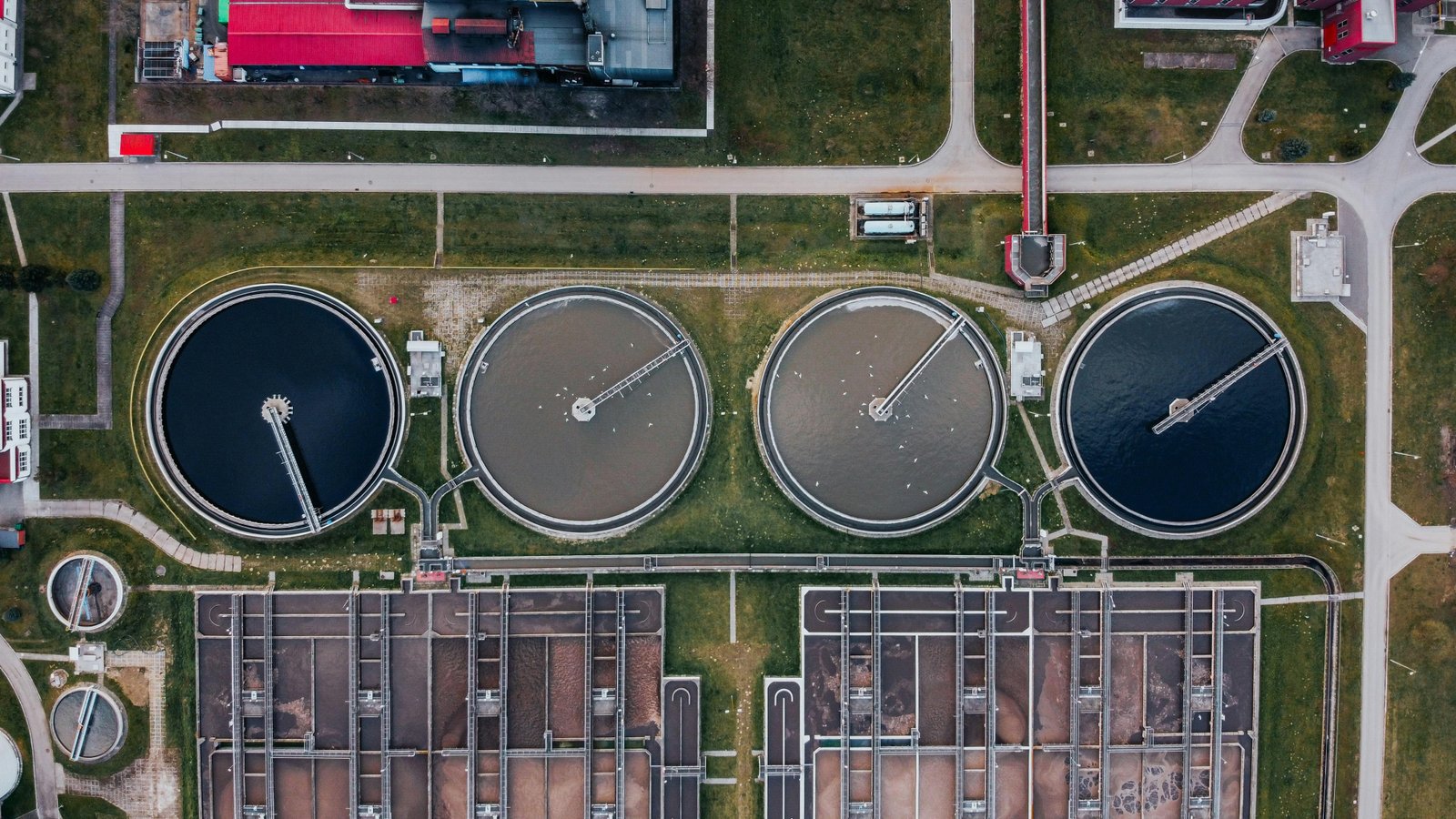
Sedimentation or clarification removes settleable suspended solids through gravitational settling in quiescent basins. Primary clarifiers typically achieve 40-60% suspended solids removal with 2-4 hour retention times, settling heavier particles while allowing lighter materials and dissolved substances to pass through for subsequent treatment. Clarifier design considers surface overflow rates typically ranging 20-50 cubic meters per square meter per day for primary treatment, with settled solids collected through mechanical scrapers and pumped to sludge handling systems. Circular clarifiers with central feed and peripheral discharge prove common for larger installations, while rectangular clarifiers suit constrained sites or phased construction approaches.
Flotation processes remove low-density materials including oils, greases, and fine suspended solids that settle slowly or float naturally. Dissolved air flotation (DAF) systems introduce fine air bubbles attaching to particles and lifting them to surface for removal as concentrated sludge. DAF proves especially effective for oily wastewater from food processing, petroleum operations, and metal working facilities, achieving 80-95% oil and grease removal with proper operation. Chemical coagulation frequently precedes flotation, promoting particle aggregation into flocs more readily removed through flotation processes. Modern DAF systems incorporate automated controls optimizing air injection, chemical dosing, and skimming operations for consistent performance with minimal operator attention.
Filtration provides final polishing removing residual suspended solids from treated effluent meeting stringent discharge standards or enabling water reuse. Granular media filters using sand or multimedia configurations (anthracite over sand) remove particles down to 10-30 microns, achieving effluent TSS concentrations below 5-10 mg/L suitable for many discharge or reuse applications. Membrane filtration through microfiltration or ultrafiltration membranes achieves even higher quality with particle removal to 0.1 microns or less, producing water suitable for demanding industrial processes or stringent reuse applications. Filter selection balances performance requirements, capital costs, operating complexity, and maintenance needs, with granular media filters proving most economical for moderate requirements while membranes suit applications demanding highest quality despite higher costs.
Chemical Treatment Methods and Applications
Chemical treatment processes use chemical reagents to remove or transform contaminants through precipitation, coagulation, oxidation, neutralization, or chemical transformation. These processes prove essential for removing dissolved substances not addressed by physical or biological methods, adjusting pH to acceptable ranges, breaking down recalcitrant organic compounds, and precipitating heavy metals or phosphorus. Chemical treatment often integrates with physical and biological processes in comprehensive treatment systems, with chemical addition enhancing performance of subsequent biological treatment or providing final polishing for discharge compliance. Proper chemical treatment requires understanding of wastewater chemistry, reagent selection, dosing control, mixing and reaction time requirements, and residual chemical management.
Coagulation and flocculation aggregate suspended particles and colloidal materials into larger flocs more readily removed through sedimentation or flotation. Coagulants including aluminum sulfate (alum), ferric chloride, or polyaluminum chloride (PAC) neutralize particle surface charges allowing aggregation, while flocculants promote growth of larger, stronger flocs through polymer bridging mechanisms. Typical coagulant doses range 50-300 mg/L depending on water quality and treatment objectives, with polymer flocculants added at 1-10 mg/L. Proper coagulation requires rapid mixing distributing chemicals throughout wastewater, followed by gentle flocculation promoting floc growth without breakup, and quiescent settling or flotation separating formed flocs from treated water. Chemical selection and dosing optimization through jar testing proves essential for cost-effective treatment achieving required performance.
Chemical Treatment Processes:
Coagulation and Flocculation:
• Aluminum sulfate (alum) coagulation
• Ferric chloride precipitation
• Polyaluminum chloride (PAC) treatment
• Polymer flocculants and aids
• Rapid mix and flocculation basins
• Jar testing for optimization
pH Adjustment and Neutralization:
• Acid addition for alkaline wastewater
• Lime or caustic for acidic streams
• Carbon dioxide neutralization
• Continuous pH monitoring and control
• Automated dosing systems
• Mixing and reaction time provision
Chemical Precipitation:
• Heavy metal hydroxide precipitation
• Phosphorus removal through precipitation
• Sulfide precipitation for metal removal
• Calcium carbonate scaling control
• Precipitate settling and dewatering
• Sludge handling and disposal
Oxidation Processes:
• Chlorine oxidation and disinfection
• Hydrogen peroxide treatment
• Ozone oxidation systems
• Fenton's reagent for recalcitrant organics
• Advanced oxidation processes (AOP)
• UV/oxidant combination systems
pH adjustment and neutralization prove necessary for acidic or alkaline wastewaters outside acceptable discharge ranges or optimal treatment pH for biological processes. Acids including sulfuric or hydrochloric acid neutralize alkaline streams, while bases such as lime, caustic soda, or soda ash raise pH of acidic wastewaters. Industrial facilities commonly encounter acidic waste from metal finishing, battery manufacturing, or chemical processing requiring neutralization before discharge or biological treatment. Automated pH control systems continuously monitor effluent pH and adjust chemical feed rates maintaining target setpoints typically between pH 6.0-9.0 for discharge compliance. Proper neutralization requires adequate mixing and reaction time ensuring complete neutralization avoiding pH fluctuations potentially upsetting biological treatment or violating discharge limits.
Chemical precipitation removes dissolved heavy metals, phosphorus, and certain other contaminants through formation of insoluble precipitates separated by settling or filtration. Heavy metal removal commonly employs hydroxide precipitation raising pH to ranges where metals form insoluble hydroxides settling from solution. Different metals precipitate at different pH ranges, with chromium requiring pH 8.0-9.0, nickel and zinc around pH 9.0-10.0, and copper at pH 8.5-9.5. Sulfide precipitation provides alternative for certain metals, forming highly insoluble metal sulfides at lower pH than hydroxide methods. Phosphorus precipitation uses aluminum or iron salts forming insoluble aluminum or iron phosphates, or lime precipitation forming calcium phosphate compounds. Precipitate separation through sedimentation or filtration produces clarified effluent meeting discharge standards, while concentrated sludge requires dewatering and proper disposal as potentially hazardous waste depending on metal content.
Oxidation processes chemically break down organic contaminants and certain inorganic substances including cyanide and sulfide through oxidation reactions. Chlorine and hypochlorite provide economical oxidation for moderate treatment requirements, though they form potentially harmful disinfection byproducts limiting applications. Hydrogen peroxide offers cleaner alternative breaking down to water and oxygen, though it requires higher doses and often catalysts for effective treatment. Ozone provides powerful oxidation treating recalcitrant organics, though it requires on-site generation and immediate application due to instability. Advanced oxidation processes (AOP) combining UV radiation with ozone, hydrogen peroxide, or other oxidants generate highly reactive hydroxyl radicals achieving near-complete oxidation of organic contaminants resistant to conventional treatment. AOP proves especially valuable for pharmaceutical, chemical, and textile wastewaters containing compounds resistant to biological degradation.
Biological Treatment Systems and Process Design
Biological treatment employs microorganisms to metabolize and remove dissolved organic matter, nutrients, and certain other contaminants from wastewater. These processes prove most economical for treating high organic loading typical of domestic sewage, food processing, beverage production, and many other industrial wastewaters. Biological systems operate through aerobic processes requiring oxygen supply for microorganism respiration, anaerobic processes functioning without oxygen producing methane, or combined systems integrating both for complete treatment and nutrient removal. System selection depends on wastewater characteristics, required treatment levels, available space, climate conditions, and operational capabilities, with options spanning simple lagoons to sophisticated membrane bioreactors.
Activated sludge processes represent most common biological treatment approach for municipal and industrial applications requiring reliable, consistent performance. These systems maintain suspended microbial cultures (activated sludge) in aeration tanks receiving wastewater and air supply supporting aerobic metabolism. Microorganisms consume dissolved organic matter, reproducing and forming flocs settling in downstream clarifiers. Settled sludge returns to aeration tanks maintaining microbial populations, while excess sludge produced through microbial growth undergoes further treatment and disposal. Properly designed and operated activated sludge achieves 85-95% BOD removal, producing effluent with BOD below 20-30 mg/L suitable for discharge or further treatment. Design parameters include hydraulic retention time typically 4-24 hours, sludge age from 3-30 days depending on loading and climate, and dissolved oxygen concentrations maintained above 1.5-2.0 mg/L.
Biological Treatment Technologies:
Activated Sludge Systems:
• Conventional plug flow reactors
• Complete mix configurations
• Extended aeration for small facilities
• Sequencing batch reactors (SBR)
• Oxidation ditches for simple operation
• Membrane bioreactors (MBR)
Attached Growth Processes:
• Trickling filters with media support
• Rotating biological contactors (RBC)
• Moving bed biofilm reactors (MBBR)
• Biological aerated filters (BAF)
• Anaerobic filters for industrial waste
• Hybrid systems combining technologies
Anaerobic Treatment:
• Upflow anaerobic sludge blanket (UASB)
• Anaerobic baffled reactors
• Covered lagoons with biogas recovery
• Anaerobic membrane bioreactors
• Two-stage anaerobic-aerobic systems
• High-rate anaerobic digesters
Natural Systems:
• Stabilization ponds and lagoons
• Constructed wetlands (free surface, subsurface)
• Waste stabilization pond series
• Facultative lagoons with natural aeration
• Maturation ponds for final treatment
• Integrated natural treatment systems
Biofilter systems employ fixed media supporting attached microbial growth treating wastewater flowing through or across media surfaces. Anaerobic-aerobic biofilters prove popular in Indonesia for small to medium facilities, combining anaerobic chambers for initial organic load reduction with aerobic chambers providing final treatment and nitrification. Anaerobic sections operate without aeration, relying on anaerobic bacteria breaking down organic matter producing methane and carbon dioxide, while aerobic sections receive air through blowers or natural ventilation supporting aerobic microorganisms completing treatment. Combined anaerobic-aerobic biofilters achieve 80-90% BOD removal with minimal energy consumption and simple operation suitable for facilities lacking sophisticated technical capabilities. Media selection includes plastic modules, volcanic rock, or ceramic materials providing high surface area for biofilm attachment while maintaining void space for wastewater flow.5
Membrane bioreactors (MBR) integrate activated sludge biological treatment with membrane filtration, eliminating conventional clarifiers while producing high-quality effluent suitable for reuse applications. Membranes with 0.04-0.4 micron pore sizes provide absolute barrier to suspended solids and bacteria, producing crystal-clear effluent with TSS near zero, BOD below 5 mg/L, and significant pathogen reduction. MBR systems operate at higher mixed liquor suspended solids concentrations than conventional activated sludge, typically 8,000-12,000 mg/L versus 2,000-4,000 mg/L, reducing tankage requirements by 30-50% proving valuable for space-constrained sites. Despite higher capital and operating costs compared to conventional treatment, MBR adoption increases for applications requiring compact footprint, high-quality effluent for reuse, or retrofit of existing facilities requiring capacity expansion without additional land.
Constructed wetlands provide natural treatment option using wetland plants, substrate, and associated microorganisms removing contaminants through physical, chemical, and biological processes. Subsurface flow wetlands prove most common configuration, flowing wastewater through gravel substrate planted with emergent vegetation including cattails, reeds, or tropical wetland species. Treatment occurs through microbial degradation, plant uptake, filtration, and sedimentation as wastewater slowly percolates through substrate over several days retention time. Properly designed wetlands achieve 70-90% BOD removal, 60-80% TSS reduction, and moderate nutrient removal with minimal energy consumption and operational inputs. Minister Regulation 5/2022 provides technical guidance for constructed wetland application treating mining sector wastewater, establishing design criteria, performance expectations, and monitoring requirements applicable to this treatment approach.3
Advanced Treatment Technologies for Specific Applications
Advanced treatment technologies address specific contaminants or achieve performance levels beyond conventional physical-chemical-biological processes. These technologies prove necessary for particularly challenging wastewaters containing recalcitrant organics, high salinity, heavy metals, or requiring effluent quality suitable for demanding reuse applications. Advanced technologies typically operate as tertiary treatment following conventional primary and secondary treatment, or as specialized treatment for specific waste streams prior to combining with general wastewater for conventional treatment. Technology selection requires careful evaluation of contaminant characteristics, treatment objectives, cost implications, and operational requirements ensuring appropriate application achieving desired outcomes.
Membrane separation processes including reverse osmosis (RO), nanofiltration (NF), and electrodialysis remove dissolved salts, heavy metals, and organic molecules producing high-purity water suitable for reuse in demanding industrial processes or achieving zero liquid discharge. Reverse osmosis employs semi-permeable membranes rejecting 95-99% of dissolved salts, producing permeate water with total dissolved solids below 50 mg/L from feedwater containing 1,000-10,000 mg/L or more. Industrial applications include boiler feedwater production, process water purification for electronics or pharmaceutical manufacturing, and concentration of wastewater enabling recovery and reuse of valuable constituents. RO systems require careful feedwater pretreatment removing suspended solids, oils, and scaling compounds that foul membranes reducing performance and necessitating frequent cleaning. Operating pressures range 15-70 bar depending on feedwater salinity, with energy consumption representing primary operating cost alongside membrane replacement and cleaning chemicals.
Advanced Treatment Technologies:
Membrane Processes:
• Reverse osmosis for salt and dissolved solids removal
• Nanofiltration for hardness and organic matter
• Ultrafiltration for virus and colloidal removal
• Electrodialysis for selective ion separation
• Forward osmosis for challenging applications
• Membrane contactors for gas transfer
Advanced Oxidation:
• UV/hydrogen peroxide systems
• UV/ozone combination treatment
• Fenton and photo-Fenton processes
• Catalytic oxidation methods
• Electrochemical oxidation
• Wet air oxidation for concentrated waste
Adsorption Processes:
• Activated carbon treatment (GAC, PAC)
• Ion exchange for metal or salt removal
• Specialty resins for specific contaminants
• Zeolite adsorption for ammonia
• Activated alumina for fluoride or arsenic
• Biological activated carbon systems
Specialized Technologies:
• Electrocoagulation for metals and emulsions
• Evaporation for zero liquid discharge
• Crystallization for salt recovery
• Membrane distillation for brine treatment
• Supercritical water oxidation
• Plasma-based treatment systems
Activated carbon adsorption removes dissolved organic compounds, taste and odor compounds, industrial chemicals, and certain inorganic contaminants through physical adsorption onto high-surface-area carbon particles. Granular activated carbon (GAC) in fixed-bed contactors treats continuous flows, with exhausted carbon requiring periodic replacement or regeneration. Powdered activated carbon (PAC) dosing into treatment processes provides flexible option for variable contaminant loads or emergency response to contamination events. Carbon adsorption proves especially effective for removing chlorinated solvents, petroleum hydrocarbons, pesticides, pharmaceuticals, and other compounds resistant to biological degradation. Industrial applications include tertiary treatment producing reuse-quality water, pretreatment protecting membrane systems from organic fouling, and specialized treatment of concentrated waste streams prior to discharge or further processing. Carbon consumption and regeneration or disposal costs represent primary operating expenses, with selection between GAC and PAC depending on contaminant loads, variability, and facility scale.
Ion exchange processes selectively remove dissolved ionic species through exchange with ions bound to synthetic resin materials. Common applications include water softening exchanging calcium and magnesium for sodium, demineralization producing high-purity water for industrial processes, and selective removal of specific ions including heavy metals, nitrate, or perchlorate. Resins require periodic regeneration using concentrated salt solutions or acids/bases, producing regenerant waste streams requiring proper treatment and disposal. Ion exchange proves especially valuable for treating relatively clean wastewaters requiring removal of specific ions to low concentrations, or producing high-purity product water from moderately contaminated sources. Industrial applications span boiler feedwater treatment, semiconductor manufacturing process water, pharmaceutical production, and heavy metal removal from metal finishing operations.
Zero liquid discharge (ZLD) systems eliminate wastewater discharge through maximum water recovery and conversion of remaining concentrate to solid waste for disposal. These systems integrate multiple technologies including conventional treatment reducing contaminant loads, membrane concentration recovering majority of water, and thermal evaporation or crystallization treating concentrated brine producing solid salts and additional water recovery. ZLD proves necessary for operations in water-scarce areas requiring maximum water reuse, sites lacking discharge options, or facilities generating particularly hazardous wastewaters unsuitable for conventional discharge. Despite high capital and operating costs from energy-intensive evaporation processes, ZLD increasingly sees adoption driven by regulatory restrictions on discharge, water scarcity increasing supply costs, and corporate sustainability commitments to eliminate wastewater discharge. Applications include power plants, refineries, chemical manufacturing, textile operations, and mining facilities in locations where discharge proves problematic or prohibited.
Treatment System Design and Engineering Considerations
Wastewater treatment system design requires comprehensive engineering analysis integrating wastewater characterization, regulatory requirements, technology selection, process calculations, equipment specification, hydraulic design, and operational considerations. Effective design balances technical performance, capital costs, operating expenses, reliability, and operational complexity producing systems achieving required treatment levels with acceptable economics and maintainability. Design process typically progresses through conceptual design establishing overall approach and preliminary sizing, detailed engineering developing complete specifications and construction documents, and construction phase engineering addressing field conditions and ensuring proper installation. Professional engineering services prove essential for treatment system design given complexity of interdependent processes, regulatory compliance requirements, and performance criticality for facility operations.
Wastewater characterization provides fundamental design basis through comprehensive analysis of flow rates, organic loading, suspended solids, nutrients, chemical constituents, pH, temperature, and temporal variations. Design flow determination considers average flows for sizing biological treatment processes, peak flows for hydraulic design of pipes and channels, and minimum flows ensuring adequate dilution and process performance. Organic loading measured as BOD or COD establishes biological treatment system sizing, while suspended solids concentrations affect primary treatment requirements and sludge production estimates. Industrial wastewaters require additional characterization identifying specific contaminants including heavy metals, toxic organics, or unusual constituents requiring specialized treatment. Comprehensive characterization through representative sampling and laboratory analysis proves essential for proper design, with inadequate characterization representing primary cause of treatment system performance problems and failures.
Design Considerations:
Wastewater Characterization:
• Flow rate measurements and variations
• BOD and COD organic loading
• Suspended solids concentrations
• Nutrient levels (nitrogen, phosphorus)
• pH and temperature ranges
• Specific industrial contaminants
• Toxic or inhibitory substances
• Temporal and seasonal variations
Process Calculations:
• Organic and hydraulic loading rates
• Retention times and tank volumes
• Oxygen requirements and aeration sizing
• Sludge production estimates
• Chemical dosing requirements
• Power consumption projections
• Mass balance calculations
• Performance predictions
Equipment Selection:
• Treatment unit process equipment
• Pumps for various applications
• Aeration systems (blowers, diffusers)
• Mechanical equipment (scrapers, mixers)
• Chemical feed systems
• Instrumentation and controls
• Sludge handling equipment
• Emergency backup systems
Site and Layout:
• Site topography and drainage
• Available space and expansion provisions
• Access for operations and maintenance
• Prevailing winds and odor considerations
• Soil conditions and foundation requirements
• Flood risks and protection measures
• Utilities and infrastructure
• Security and safety provisions
Process design involves calculating treatment unit sizes, establishing operating parameters, and specifying performance requirements based on wastewater characteristics and treatment objectives. Biological treatment sizing uses loading rates expressed as kg BOD per cubic meter of reactor volume per day, with typical values ranging 0.3-1.5 kg BOD/m³/day for activated sludge depending on configuration. Aeration requirements calculated from BOD removal and nitrification oxygen demands, typically ranging 0.5-1.0 kg oxygen per kg BOD removed, establish blower and diffuser sizing. Clarifier surface areas follow overflow rate criteria typically 20-40 m³/m²/day balancing solids settling with compact footprint. Chemical systems size for maximum dosing rates with turndown capability accommodating flow and load variations. Sludge handling capacity accommodates expected production rates typically 0.5-1.0 kg dry solids per kg BOD removed plus chemical sludge from any coagulation processes.
Hydraulic design ensures gravity flow where feasible minimizing pumping requirements and energy costs, while properly sizing pipes, channels, weirs, and control structures for design flows without excessive velocities causing turbulence or inadequate velocities allowing solids deposition. Pumps selected for required flow and head conditions with appropriate materials compatible with wastewater characteristics, typically selecting centrifugal pumps for clean flows and progressive cavity or diaphragm pumps for sludge handling. Gravity flow through treatment processes typically maintains water surface elevations providing 0.1-0.3 meters head loss per treatment unit, though some systems incorporate equalization and flow splitting requiring pumped distribution. Proper hydraulic design prevents short-circuiting reducing effective treatment time, ensures even flow distribution across parallel treatment trains, and provides operational flexibility managing varying flows and loads.
Instrumentation and control systems monitor key parameters including flows, levels, pH, dissolved oxygen, and effluent quality, while controlling equipment operations maintaining target performance. Modern systems employ programmable logic controllers (PLCs) with operator interface screens providing operational data, alarms, and control capabilities. Basic systems include flow measurement, level controls for pumps, dissolved oxygen monitoring for aeration control, and effluent pH monitoring. Sophisticated systems add on-line analyzers for BOD or COD, ammonia, nutrients, and automated sampling equipment for composite sample collection. Control strategies range from simple on-off controls to advanced proportional-integral-derivative (PID) control loops and model-based predictive control optimizing performance while minimizing costs. New regulations mandating continuous monitoring and data transmission require enhanced instrumentation integrated with telemetry systems reporting to environmental authorities.4
Operations, Maintenance, and Performance Optimization
Treatment system operations and maintenance determine whether well-designed facilities achieve intended performance or fail meeting discharge requirements despite proper design. Effective operations require trained operators understanding treatment processes and equipment, established procedures for routine operations and problem response, regular monitoring detecting performance problems early, and preventive maintenance keeping equipment reliable. Many treatment system failures trace to inadequate operations and maintenance rather than design deficiencies, emphasizing importance of operational capability alongside proper design and construction. Indonesian regulations increasingly recognize operational requirements, with operator certification programs ensuring qualified personnel manage treatment facilities affecting public health and environmental quality.6
Routine operations include daily inspections checking for abnormal conditions, equipment operation verification, adjusting chemical dosing and aeration based on load variations, managing sludge wasting from biological systems, collecting and analyzing samples monitoring performance, and maintaining operations records documenting system performance and compliance. Operators must understand normal operating conditions recognizing deviations indicating process upsets or equipment problems requiring intervention. Common operational challenges include handling flow and load variations from batch industrial operations, responding to toxic inputs upsetting biological processes, managing seasonal temperature effects on biological activity, and addressing equipment failures requiring backup systems or temporary process modifications. Well-trained operators respond effectively to these challenges minimizing discharge violations and process disruptions.
Operations and Maintenance:
Routine Operations:
• Daily system inspections and checks
• Process monitoring and parameter adjustment
• Chemical dosing management
• Aeration system operation and control
• Sludge wasting and handling
• Sample collection and testing
• Operations logging and record keeping
• Safety procedures and protocols
Preventive Maintenance:
• Pump maintenance and repairs
• Blower and compressor servicing
• Mechanical equipment lubrication
• Instrumentation calibration
• Electrical system inspection
• Tank and basin cleaning
• Piping and valve maintenance
• Spare parts inventory management
Performance Monitoring:
• Influent and effluent sampling
• Process parameter measurements
• Laboratory analysis and testing
• Continuous online monitoring
• Trend analysis and reporting
• Compliance verification
• Mass balance calculations
• Efficiency assessments
Troubleshooting and Optimization:
• Identifying and diagnosing problems
• Implementing corrective actions
• Process optimization adjustments
• Chemical dosing optimization
• Energy consumption reduction
• Sludge production minimization
• Cost reduction initiatives
• Performance improvement programs
Preventive maintenance programs schedule regular equipment servicing preventing failures and extending equipment life. Typical maintenance activities include pump bearing lubrication and seal inspection, blower oil changes and belt adjustments, mixer gearbox servicing, instrumentation calibration, electrical connection inspection, and structural inspection for corrosion or damage. Maintenance scheduling balances service frequency preventing premature failures without excessive maintenance consuming resources unnecessarily. Maintenance records tracking equipment history, service performed, parts replaced, and problems encountered support informed decisions on major overhauls versus replacement. Many operations contract specialized maintenance services for equipment including blowers, pumps, or instrumentation requiring technical expertise beyond in-house capabilities, focusing internal staff on routine operations and basic maintenance activities.
Performance monitoring through regular sampling, laboratory analysis, and data review verifies treatment effectiveness and regulatory compliance. Minimum monitoring frequency depends on regulations and facility size, typically ranging from daily to weekly effluent sampling for conventional parameters. Self-monitoring using in-house or contract laboratories provides operational data guiding process adjustments, while third-party laboratories typically perform official compliance monitoring using accredited methods. On-line analyzers increasingly supplement grab sampling, providing continuous data for dissolved oxygen, pH, turbidity, and potentially BOD or nutrient parameters. Data analysis identifies trends indicating developing problems before discharge violations occur, supporting proactive process adjustments preventing compliance failures. Regular reporting to authorities documents compliance and system performance, with non-compliance triggering increased monitoring, corrective action requirements, and potential enforcement actions.1
Process optimization seeks improved performance, reduced costs, or both through systematic evaluation and adjustment of operating parameters. Optimization opportunities include adjusting aeration rates balancing oxygen supply with power consumption, optimizing chemical doses achieving required treatment at minimum cost, adjusting sludge wasting rates maintaining optimal biomass concentrations, and modifying operational schedules matching load patterns. Energy consumption typically represents largest operating cost for aerated biological treatment, with optimization of aeration systems and equipment efficiency offering substantial savings. Chemical costs prove significant where coagulation or other chemical treatment occurs, justifying regular jar testing optimizing dosing and chemical selection. Professional optimization services using detailed data collection, process modeling, and systematic testing identify improvement opportunities beyond routine operations capabilities, often achieving 10-30% cost reductions through operational improvements without capital investment.
Sludge Management and Disposal Requirements
Wastewater treatment generates substantial quantities of sludge requiring proper handling, treatment, and disposal. Sludge characteristics and management requirements depend on wastewater source and treatment processes employed, with industrial sludge potentially containing heavy metals or toxic organics requiring classification as hazardous waste while domestic sludge generally proves non-hazardous though requiring treatment before disposal. Indonesian regulations including those covering hazardous waste (B3) management establish requirements for sludge characterization, treatment standards, storage limitations, transportation requirements, and disposal options. Proper sludge management constitutes essential treatment system component, with inadequate sludge handling disrupting operations, creating environmental and health risks, and potentially causing regulatory violations.
Primary sludge from sedimentation and chemical sludge from precipitation or coagulation typically contain 1-5% solids requiring thickening and dewatering reducing volume and improving handling characteristics. Biological sludge from activated sludge or other biological processes generally contains 0.5-2% solids with similar dewatering requirements. Sludge thickening increases solids concentration to 3-8% through gravity settling, flotation, or mechanical thickening, substantially reducing volumes for subsequent processing. Dewatering through filter presses, centrifuges, or belt presses produces cake with 15-35% solids depending on sludge characteristics and equipment type, creating solid material suitable for landfill disposal or further treatment. Smaller facilities sometimes use drying beds where climate permits, spreading sludge in shallow layers drying through evaporation and drainage over weeks to months producing dry cake removed manually or mechanically.7
Sludge Management Options:
Thickening Technologies:
• Gravity thickeners for primary sludge
• Dissolved air flotation thickening
• Centrifugal thickening
• Gravity belt thickeners
• Rotary drum thickeners
• Polymer conditioning for improvement
Dewatering Methods:
• Filter presses (plate and frame, membrane)
• Centrifuges (solid bowl, decanter)
• Belt filter presses
• Screw presses
• Drying beds (sand, paved)
• Geotextile bags for small facilities
Stabilization Processes:
• Aerobic digestion for biological sludge
• Anaerobic digestion with biogas production
• Composting for beneficial use
• Lime stabilization for pathogen reduction
• Thermal drying for volume reduction
• Chemical oxidation methods
Disposal and Reuse:
• Landfill disposal for non-hazardous sludge
• Hazardous waste disposal for B3 sludge
• Agricultural application (with approval)
• Composting for soil amendments
• Incineration for volume reduction
• Co-processing in cement kilns
Sludge stabilization reduces organic content, controls odors, and reduces pathogens improving handling characteristics and enabling beneficial use options. Aerobic digestion extends aeration of biological sludge at low food-to-microorganism ratios, causing microorganisms to consume their own cellular material reducing volatile solids by 40-50% over 15-30 day retention times. Anaerobic digestion proves more complex but offers energy recovery through methane generation, with mesophilic digestion at 30-38°C achieving similar volatile solids reduction while producing biogas containing 55-65% methane suitable for heating or power generation. Lime stabilization raises pH above 12 through lime addition, destroying pathogens and reducing odors though without significant volatile solids reduction. Composting mixed with bulking agents including wood chips or yard waste produces stable, odor-free material suitable as soil amendment for landscaping or agriculture with proper approvals.
Hazardous sludge classification depends on constituent concentrations and leaching characteristics determined through TCLP (Toxicity Characteristic Leaching Procedure) or equivalent testing. Industrial sludge potentially containing heavy metals, toxic organics, or listed hazardous wastes requires characterization determining whether hazardous waste regulations apply. Sludge classified as hazardous (B3) faces stricter requirements for storage, manifesting, transportation, and disposal at approved hazardous waste facilities. Storage limitations restrict on-site accumulation to 90 days preventing excessive accumulation, while transportation requires licensed hazardous waste transporters with proper manifesting documenting waste movement from generation through disposal. Disposal typically occurs at approved hazardous waste landfills or through alternative treatment including incineration or stabilization rendering waste non-hazardous. These requirements substantially increase sludge management costs for facilities generating hazardous sludge, incentivizing source reduction, waste minimization, or treatment modifications reducing sludge hazard classification.7
Water Reuse and Resource Recovery Opportunities
Treated wastewater represents valuable resource potentially serving various beneficial uses rather than simple discharge. Water reuse conserves freshwater resources particularly valuable in water-scarce regions or facilities with high water costs, reduces wastewater discharge volumes potentially avoiding discharge limitations or costs, and demonstrates environmental stewardship increasingly important for corporate sustainability goals. Reuse applications range from non-potable uses including cooling water, irrigation, and industrial processes, to advanced treatment producing water meeting potable standards though direct potable reuse remains uncommon outside specific circumstances. Indonesian facilities increasingly explore reuse opportunities driven by water supply costs, discharge constraints, and sustainability initiatives, though regulatory frameworks for reuse remain less developed than discharge regulations requiring case-by-case approvals.
Industrial process water represents common reuse application where treated wastewater quality meets process requirements. Cooling water typically requires low suspended solids and biological activity with moderate dissolved solids acceptable, achievable through conventional biological treatment plus filtration or through membrane bioreactor systems. Boiler feedwater demands higher quality with low dissolved solids, hardness, and silica, typically requiring membrane treatment following biological treatment. Manufacturing processes have variable requirements, with textile washing accepting moderate quality, while electronics or pharmaceutical processes demand ultrapure water requiring advanced treatment including reverse osmosis. Many facilities implement cascading reuse systems where high-quality treated water serves demanding processes, with that water subsequently used for less demanding applications before final discharge, maximizing reuse while minimizing treatment costs.
Reuse Applications and Technologies:
Industrial Reuse:
• Cooling tower makeup water
• Boiler feedwater (with treatment)
• Process water for manufacturing
• Cleaning and washing operations
• Fire protection systems
• Dust suppression and material conveying
Irrigation and Landscaping:
• Landscape irrigation at facilities
• Agricultural crop irrigation
• Golf course watering
• Greenbelts and park maintenance
• Dust control for construction
• Soil compaction for earthworks
Municipal Applications:
• Toilet flushing in buildings
• Vehicle washing operations
• Street cleaning and sewer flushing
• Parks and recreation facilities
• Commercial building cooling towers
• Fire protection water supplies
Resource Recovery:
• Biogas from anaerobic treatment
• Nutrient recovery (nitrogen, phosphorus)
• Valuable metal recovery from industrial waste
• Heat recovery from warm wastewater
• Organic matter for composting
• Chemical recovery from process waste
Agricultural irrigation using treated wastewater provides beneficial use while meeting crop water requirements. Suitable crops include non-food applications like forestry, fodder crops, and fiber crops, while food crop irrigation faces stricter requirements due to pathogen concerns. Treatment requirements depend on irrigation method and crop type, with surface irrigation of food crops typically requiring secondary treatment plus disinfection, while drip irrigation of processed crops may accept lower quality. Nutrient content in treated wastewater provides fertilizer value offsetting nutrient costs for farmers, though nitrogen and phosphorus levels require monitoring preventing over-application causing environmental impacts. Regulatory approval for agricultural reuse requires demonstration of adequate treatment, appropriate application methods preventing public exposure, and monitoring programs ensuring safety and environmental protection.
Resource recovery from wastewater extends beyond water reuse to capture valuable constituents including energy, nutrients, and specific compounds. Anaerobic treatment produces methane-rich biogas suitable for heating, electricity generation, or vehicle fuel following upgrading, transforming energy-intensive treatment into energy-producing process. Nutrient recovery technologies capture nitrogen as ammonium sulfate or phosphorus as struvite crystals, producing marketable fertilizer products while reducing nutrient loads requiring removal. Certain industrial wastewaters contain recoverable metals or chemicals valuable enough to justify recovery systems, with examples including silver from photographic processing, copper from electronics manufacturing, and solvents from pharmaceutical operations. Heat recovery from warm wastewater serves space heating or process heating requirements, capturing waste energy that would otherwise discharge to environment. These resource recovery opportunities transform wastewater from waste requiring disposal to resource generating value, improving treatment project economics while advancing circular economy principles.
Business Models and Service Delivery Approaches
Wastewater treatment services span diverse business models from traditional design-build project delivery to comprehensive operations and maintenance contracts, performance-based service agreements, build-operate-transfer arrangements, and fully privatized treatment utilities. Business model selection depends on client needs, risk preferences, available capital, operational capabilities, and regulatory environment. Industrial clients increasingly seek comprehensive service arrangements transferring treatment responsibilities to specialized providers, enabling focus on core business activities while ensuring reliable treatment from experienced operators. Service providers benefit from recurring revenue streams, opportunities to optimize operations across facility lifecycles, and potential to deploy innovative technologies or approaches delivering competitive advantages.
Traditional design-build contracts separate design from construction and subsequent operations, with clients procuring engineering services for design, selecting contractors for construction through competitive bidding, and managing operations internally or through separate contracts. This approach provides client control over each phase and potentially lower costs through competitive selection, though it fragments responsibility across multiple parties potentially causing coordination issues and disputes over performance problems. Design-build integration combining design and construction under single contract improves coordination and accountability, though it requires sophisticated clients capable of preparing performance specifications and evaluating alternative technical approaches since detailed design occurs after contract award.
Business Model Options:
Traditional Project Delivery:
• Design-bid-build with separate contracts
• Design-build integration
• Engineering procurement construction (EPC)
• Construction management approaches
• Turn-key project delivery
• Owner-managed implementation
Operations Contracts:
• Operations and maintenance (O&M) agreements
• Technical assistance and training
• Performance-based service contracts
• Operations management with guarantees
• Comprehensive facility management
• Remote monitoring and support services
Integrated Approaches:
• Design-build-operate (DBO) contracts
• Build-own-operate (BOO) models
• Build-operate-transfer (BOT) arrangements
• Build-own-operate-transfer (BOOT)
• Concession agreements
• Public-private partnerships (PPP)
Alternative Models:
• Equipment leasing arrangements
• Mobile treatment services
• Shared treatment facilities
• Third-party treatment providers
• Zero liquid discharge services
• Performance contracting with guarantees
Design-build-operate (DBO) contracts integrate design, construction, and operations under long-term agreements typically spanning 10-30 years. Providers assume responsibility for facility design, construction financing or client capital provision, and long-term operations achieving specified performance standards. This alignment of design and operations incentives optimizes lifecycle costs since operators bear consequences of poor design choices through increased operating costs over contract terms. Clients benefit from single-source accountability, predictable costs through fixed or indexed payments, and access to specialized expertise without developing internal capabilities. DBO particularly suits industrial clients seeking to outsource wastewater management completely, municipal utilities lacking technical capabilities, and developments requiring reliable treatment supporting operations over decades.
Build-operate-transfer (BOT) and similar structures enable private investment in treatment infrastructure where clients lack capital or prefer avoiding upfront expenditure. Private partners finance, design, construct, and operate facilities, recovering investments through service charges or availability payments over concession periods typically 15-30 years, after which ownership transfers to clients. These arrangements prove common for municipal utilities constrained by budget limitations, industrial parks requiring shared infrastructure, and developments where private investment accelerates implementation timelines. Success requires clear regulatory frameworks, creditworthy offtake arrangements ensuring revenue certainty, and proper risk allocation between public and private partners addressing construction, operation, demand, and regulatory risks appropriately.
Performance-based contracts link payments to achieved results rather than mere facility operation, creating strong incentives for optimization and reliability. Industrial clients increasingly adopt these structures paying based on volume and quality of treated water or reliable discharge compliance rather than fixed operations fees regardless of performance. Service providers accepting performance risk naturally optimize operations, invest in improvements enhancing reliability, and innovate to reduce costs since they capture benefits of superior performance. These arrangements require robust monitoring documenting performance, clear penalties for non-compliance, and fair risk allocation recognizing that some factors affecting performance lie outside service provider control. When structured appropriately, performance contracts align interests between clients and service providers, delivering superior outcomes compared to traditional cost-plus operations contracts lacking performance accountability.
Sector-Specific Treatment Requirements and Applications
Different industrial sectors generate wastewaters with unique characteristics requiring specialized treatment approaches. Understanding sector-specific requirements proves essential for treatment system design, technology selection, and regulatory compliance. Common sectors with significant wastewater treatment needs include food and beverage processing, textiles and garment manufacturing, pharmaceuticals, chemicals and petrochemicals, metal finishing and electronics, pulp and paper, and mining operations. Each sector faces distinct regulatory standards, technical challenges, and opportunities for waste minimization and resource recovery specific to their operations and products.
Food and beverage processing generates high-strength organic wastewater from product losses, cleaning operations, and various processing activities. BOD concentrations typically range 1,000-10,000 mg/L or higher, with suspended solids, fats oils and greases, and nutrients presenting treatment challenges. Biological treatment proves most economical for organic removal, with anaerobic pretreatment often employed for high-strength waste recovering energy through biogas production. Dissolved air flotation effectively removes fats oils and greases protecting biological systems from inhibition and operational problems. Nutrient supplementation may prove necessary for biological treatment achieving proper carbon-to-nitrogen-to-phosphorus ratios supporting microbial growth. Seasonal variations in production and resulting wastewater characteristics require equalization and operational flexibility accommodating load changes. Discharge standards typically specify BOD 50-100 mg/L, TSS 50-100 mg/L, and oil and grease below 10-15 mg/L, achievable through properly designed biological treatment with appropriate pretreatment.2
Sector-Specific Considerations:
Food and Beverage:
• High organic strength wastewater
• Fats, oils, and grease removal
• Anaerobic pretreatment for energy recovery
• Biological treatment for organics
• pH adjustment for acidic or alkaline waste
• Seasonal production variations
Textiles and Garments:
• Color removal from dye operations
• High chemical oxygen demand
• Variable pH from processing chemicals
• Heavy metals from certain dyes
• Temperature control requirements
• Suspended solids from fibers
Pharmaceuticals:
• Active pharmaceutical ingredients (APIs)
• Solvents and chemical residues
• Fermentation waste streams
• Laboratory and cleaning wastes
• Potential antimicrobial resistance concerns
• Stringent discharge requirements
Metal Finishing and Electronics:
• Heavy metals requiring precipitation
• Cyanide oxidation treatment
• Chrome reduction and precipitation
• Segregated waste stream management
• Ion exchange for metal recovery
• Sludge hazardous waste classification
Textile operations generate colored wastewater from dyeing processes, with high COD from synthetic dyes, variable pH from processing chemicals, and elevated temperatures from various operations. Color removal proves particularly challenging since many synthetic dyes resist conventional biological treatment. Treatment approaches combine physical-chemical methods including coagulation removing certain dyes through precipitation, adsorption on activated carbon, or advanced oxidation breaking down dye molecules. Some facilities employ biological treatment with acclimatized microbial cultures capable of degrading certain dyes, though performance varies substantially with dye types and process conditions. Discharge standards address color explicitly, typically requiring treatment achieving non-visible color in properly diluted samples, alongside conventional parameters including COD 150-200 mg/L and TSS 50 mg/L. Treatment costs prove substantial for textile facilities due to chemical requirements and sludge production from color removal processes.
Pharmaceutical manufacturing produces complex wastewater containing active pharmaceutical ingredients (APIs), organic solvents, fermentation residues, and various process chemicals. These constituents often prove toxic to conventional biological treatment requiring specialized approaches. Common treatment trains integrate equalization managing intermittent waste batches, chemical oxidation breaking down APIs and recalcitrant organics, biological treatment for biodegradable organics, and advanced treatment including activated carbon or reverse osmosis for final polishing. API concentrations typically prove too low for economic recovery but high enough to inhibit biological treatment or pose environmental concerns, requiring destruction through chemical oxidation or adsorption removal. Solvent recovery at source through distillation or other means reduces treatment burden while providing economic value. Regulatory scrutiny of pharmaceutical discharges increases globally regarding antimicrobial resistance and endocrine-disrupting compounds, potentially driving more stringent future requirements beyond current Indonesian standards.
Metal finishing and electronics manufacturing generate wastewater streams containing heavy metals including chromium, copper, nickel, zinc, and lead requiring removal to low concentrations before discharge. Treatment typically employs segregated waste stream management separating incompatible wastes and concentrated streams amenable to recovery from dilute general waste. Cyanide-bearing waste from plating operations undergoes alkaline chlorination oxidizing cyanide to harmless products before combining with other streams. Hexavalent chromium requires chemical reduction to trivalent form prior to hydroxide precipitation. General metal-bearing waste streams undergo pH adjustment precipitating metal hydroxides, followed by clarification, with sludge classified as hazardous waste requiring proper disposal. Ion exchange sometimes recovers valuable metals from concentrated streams, providing economic return while reducing treatment costs. Discharge standards specify low metal concentrations typically 0.1-2.0 mg/L depending on specific metal, requiring effective precipitation and filtration achieving consistent compliance.
Emerging Technologies and Future Trends
Wastewater treatment technology continues advancing through innovations addressing sustainability objectives, resource recovery opportunities, energy efficiency improvements, and contaminants of emerging concern. Future treatment systems increasingly integrate multiple objectives beyond mere compliance, seeking energy neutrality or net energy production, maximum resource recovery, minimal chemical use, compact footprints suitable for space-constrained sites, and resilience to changing conditions. These advances respond to sustainability imperatives, circular economy principles, climate change considerations, and recognition that wastewater represents resource rather than mere waste. Indonesian facilities can benefit from these emerging technologies as they mature and costs decline, though careful evaluation of local applicability proves essential given differences in labor costs, technical capabilities, and site-specific conditions compared to developed country origins of many innovations.
Anaerobic membrane bioreactors (AnMBR) combine anaerobic biological treatment with membrane filtration, enabling anaerobic treatment of dilute wastewaters previously requiring aerobic processes due to solids separation limitations of conventional anaerobic systems. AnMBR achieves organic removal comparable to aerobic treatment while producing energy through methane generation rather than consuming energy for aeration. Membrane filtration provides absolute solids retention producing high-quality effluent, though membrane fouling and methane dissolution in permeate present technical challenges. AnMBR proves especially attractive for warm climate applications where elevated temperatures enhance anaerobic kinetics, potentially including Indonesian industrial facilities with moderate to high organic loads seeking energy-efficient treatment. Current limitations include membrane costs, fouling management complexity, and need for post-treatment achieving nutrient removal and final polishing, though technology advancement addresses these challenges.
Emerging Technologies:
Energy Optimization:
• Anaerobic membrane bioreactors (AnMBR)
• Mainstream anaerobic treatment
• Enhanced biological phosphorus removal
• Shortcut nitrogen removal processes
• Microbial electrolysis cells
• Advanced aeration control systems
Resource Recovery:
• Nutrient recovery as fertilizer products
• Struvite crystallization for phosphorus
• Ammonia stripping and recovery
• Biogas upgrading to biomethane
• Cellulose recovery from wastewater
• Algae cultivation for biomass production
Advanced Treatment:
• Forward osmosis for challenging applications
• Ceramic membranes for harsh conditions
• Bioelectrochemical systems
• Photocatalytic treatment processes
• Plasma-based oxidation
• Electrochemical advanced oxidation
Digital Integration:
• Real-time process monitoring and control
• Artificial intelligence optimization
• Digital twins for operations simulation
• Predictive maintenance systems
• Remote operations capabilities
• Data analytics for performance improvement
Nutrient recovery technologies capture nitrogen and phosphorus as marketable products rather than removing them through energy-intensive processes or chemical precipitation generating waste sludge. Struvite crystallization precipitates phosphorus as magnesium ammonium phosphate (MAP or struvite), a slow-release fertilizer commanding market value while eliminating phosphorus discharge. Ammonia recovery through air stripping, membrane contactors, or ion exchange produces concentrated ammonium sulfate suitable as fertilizer. These approaches transform nutrients from pollutants requiring removal to products generating revenue while reducing treatment costs. Implementation requires concentrated nutrient streams typically from sludge dewatering liquors or specific process waste, making technologies most applicable to large facilities or those with high-nutrient wastewaters. Market development for recovered products proves challenging where conventional fertilizers remain inexpensive, though regulatory pressures, sustainability initiatives, and circular economy support increase recovered nutrient product adoption.
Digital technologies including real-time monitoring, advanced process control, artificial intelligence optimization, and remote operations capability transform wastewater treatment from labor-intensive operations requiring continuous on-site presence to intelligent systems operating autonomously with remote oversight. Sensors continuously monitoring key parameters including flows, levels, dissolved oxygen, pH, and effluent quality provide data for automated control systems adjusting operations maintaining optimal performance. Artificial intelligence algorithms analyzing historical data and current conditions predict optimal control strategies, anticipate problems, and recommend operational adjustments. Digital twins simulating treatment processes enable evaluation of operational changes without full-scale trials, accelerating optimization while reducing risk. Remote operations capability enables expert oversight of multiple facilities from centralized operations centers, improving expertise utilization while reducing staffing requirements at individual sites. Indonesian implementation faces challenges including internet connectivity limitations in some areas, initial investment requirements, and workforce training needs, though benefits justify adoption for larger facilities and sophisticated operators.
Contaminants of emerging concern including pharmaceuticals, personal care products, endocrine disruptors, microplastics, and antimicrobial resistance genes receive increasing attention though current Indonesian regulations generally do not address these substances. International research indicates conventional treatment provides variable removal of these contaminants, with advanced treatment including activated carbon, advanced oxidation, or membrane processes achieving higher removal efficiencies. As scientific understanding advances and environmental impacts become clearer, regulatory requirements will likely emerge addressing these contaminants particularly for sensitive receiving waters or reuse applications. Proactive facilities may consider treatment approaches providing removal of emerging contaminants anticipating future requirements, though economic justification remains challenging absent regulatory drivers. Technology development continues improving removal efficiency and reducing costs for addressing these challenging contaminants.
Implementation Roadmap and Strategic Considerations
Successful wastewater treatment system implementation requires systematic approach progressing through planning, design, procurement, construction, commissioning, and ongoing operations. Each phase presents distinct requirements, decisions, and potential problems requiring careful management. Project success depends on realistic schedules allowing adequate time for each phase, appropriate budgets accounting for all costs including contingencies, competent technical resources across engineering disciplines, and commitment to proper commissioning and startup ensuring facilities achieve design performance. Many treatment projects encounter problems traceable to inadequate planning, compressed schedules forcing shortcuts, unrealistic budgets necessitating value engineering compromising performance, or rushed commissioning failing to optimize systems before placing in service. Following established project management practices while recognizing treatment system specific requirements improves implementation success rates.
Planning phase establishes project basis through wastewater characterization, regulatory requirements review, treatment alternatives evaluation, preliminary cost estimation, site assessment, and conceptual design development. Comprehensive wastewater characterization proves essential, requiring representative sampling across operating conditions and comprehensive laboratory analysis determining all parameters potentially affecting treatment design or discharge compliance. Regulatory review identifies applicable standards, permitting requirements, and approval processes establishing design criteria and schedule constraints. Alternatives evaluation considers multiple technology options assessing technical suitability, costs, operational requirements, space needs, and risks. This evaluation should maintain appropriate objectivity avoiding premature technology lock-in before completing thorough analysis. Planning typically requires 2-4 months for small projects to 6-12 months for large complex facilities, with compressed schedules risking inadequate basis for subsequent design phases.
Implementation Phases:
Planning and Feasibility:
• Wastewater characterization and analysis
• Regulatory requirements assessment
• Technology alternatives evaluation
• Conceptual design development
• Cost estimation and budgeting
• Project schedule development
• Stakeholder consultation
• Environmental and social assessments
Design and Engineering:
• Preliminary design and layout
• Detailed engineering and specifications
• Equipment selection and specifications
• Construction drawings preparation
• Permitting and approvals
• Procurement strategy development
• Cost estimation refinement
• Design reviews and quality assurance
Procurement and Construction:
• Contractor and equipment supplier selection
• Contract negotiation and award
• Construction management and supervision
• Quality control and testing
• Progress monitoring and reporting
• Change management processes
• Health and safety management
• Documentation and record keeping
Commissioning and Operations:
• Pre-commissioning checks and testing
• Equipment commissioning and startup
• Process startup and optimization
• Performance verification testing
• Operator training programs
• Operations manuals and procedures
• Warranty period management
• Ongoing operations and maintenance
Design phase develops complete engineering specifications, construction drawings, equipment schedules, and technical specifications supporting construction and procurement. Preliminary design establishes overall facility layout, major equipment selections, and design calculations verifying concept viability. Detailed design produces complete construction documents including civil, structural, mechanical, electrical, and instrumentation drawings, technical specifications for all equipment and materials, and construction specifications describing workmanship standards and quality requirements. Permitting during design obtains necessary approvals including environmental permits, building permits, and utility connections. Design typically requires 3-6 months for small facilities to 9-18 months for large complex systems, with multiple review cycles ensuring quality and regulatory compliance. Value engineering during design optimizes costs while maintaining performance requirements, though excessive cost cutting frequently proves counterproductive when compromising reliability or operational effectiveness.
Construction phase executes physical works building treatment facilities according to approved designs and specifications. Contractor selection through competitive bidding for design-bid-build projects or negotiation for design-build approaches establishes construction contracts defining scope, schedule, price, and performance requirements. Construction management and inspection ensure quality workmanship, proper materials, adherence to specifications, and schedule progress. Quality control testing verifies concrete strength, weld quality, equipment performance, and other critical parameters. Construction typically requires 6-12 months for small facilities to 18-36 months for large complex systems, with schedule depending on project size, technology complexity, site conditions, and contractor performance. Proper construction management proves essential given that design quality proves irrelevant if construction execution proves deficient.
Commissioning and startup represent critical transition from construction to operations, requiring systematic approach ensuring facilities achieve design performance. Pre-commissioning verifies mechanical completion, power availability, instrumentation function, and readiness for wet testing. Commissioning progressively starts equipment, introduces wastewater, establishes microbial populations in biological systems, and optimizes operations achieving target performance. This process typically requires 1-3 months for simple systems to 3-6 months for complex biological treatment acclimating microbial cultures and achieving stable performance. Performance verification testing documents compliance with design specifications and contract requirements. Operator training during commissioning familiarizes staff with systems, establishes operating procedures, and develops troubleshooting capabilities. Many facilities experience operational difficulties traceable to inadequate commissioning rushed to meet schedule commitments, emphasizing importance of allowing sufficient time for proper startup and optimization before accepting facilities as complete and satisfactory.
Frequently Asked Questions
What are Indonesia's current wastewater discharge standards for industrial facilities?
Indonesian discharge standards vary by industrial sector under Minister of Environment Regulation 5/2014 and subsequent sector-specific regulations. Common parameters include BOD typically 30-150 mg/L, COD 50-300 mg/L, TSS 30-200 mg/L, and heavy metals below 1-5 mg/L depending on specific metal and industry. Recent regulations including Minister Regulation 11/2025 mandate continuous online monitoring for major facilities with real-time data transmission to environmental authorities.
What treatment technology is most appropriate for small to medium industrial facilities in Indonesia?
Anaerobic-aerobic biofilter systems prove popular for facilities generating 10-500 cubic meters daily wastewater, offering reliable BOD removal of 80-90% with minimal energy consumption and simple operation. These systems combine anaerobic chambers for initial organic load reduction with aerobic chambers for final treatment, achieving discharge compliance with moderate capital costs and operational simplicity suitable for facilities lacking sophisticated technical capabilities.
How do new online monitoring requirements affect industrial wastewater management?
Minister Regulation 11/2025 mandates continuous water quality monitoring systems for major industrial facilities, requiring automated measurement of key parameters with real-time data transmission to regional environmental agencies. This represents shift from periodic manual sampling to continuous automated monitoring, necessitating investment in automated sampling equipment, online analyzers, data transmission infrastructure, and quality assurance protocols ensuring measurement accuracy and data reliability.
What are typical capital and operating costs for industrial wastewater treatment systems?
Capital costs vary substantially with capacity and technology complexity, typically ranging USD 200-800 per cubic meter daily capacity for conventional biological treatment, or USD 500-2,000 per cubic meter daily capacity for advanced treatment including membranes. Operating costs generally range USD 0.20-1.50 per cubic meter treated, with energy, chemicals, labor, and maintenance as primary components. These figures represent general ranges with actual costs depending on specific wastewater characteristics, discharge requirements, and local conditions.
Can treated wastewater be reused for industrial processes in Indonesia?
Yes, treated wastewater can serve various industrial reuse applications including cooling water, boiler feedwater after additional treatment, process water for manufacturing, and non-potable uses like cleaning and irrigation. Reuse applications require treatment quality meeting end-use requirements, with cooling water accepting conventional secondary treatment plus filtration, while boiler feedwater requires membrane treatment removing dissolved solids. Regulatory frameworks for reuse remain less developed than discharge regulations, typically requiring case-by-case approvals from environmental authorities.
What sludge disposal options exist for industrial treatment facilities?
Non-hazardous sludge disposal options include landfilling, composting for beneficial use, or land application with appropriate approvals. Hazardous sludge classified as B3 waste requires disposal at approved hazardous waste facilities or treatment through incineration, stabilization, or other approved methods. Sludge characterization through testing determines classification, with industrial sludge potentially containing heavy metals or toxic organics requiring hazardous classification. Proper dewatering reducing moisture content to 15-35% solids improves handling and reduces disposal costs.
How long does it take to design, construct, and commission a wastewater treatment facility?
Total project duration typically spans 12-24 months for small to medium facilities including planning (2-4 months), design and permitting (3-6 months), construction (6-12 months), and commissioning (1-3 months). Large complex facilities may require 24-48 months total duration. Compressed schedules risk inadequate planning, design shortcuts, or rushed commissioning potentially causing operational problems. Realistic scheduling allowing adequate time for each phase improves implementation success and long-term performance.
What operational capabilities are needed to manage industrial treatment facilities?
Effective operations require trained operators understanding treatment processes and equipment, established procedures for routine operations and problem response, regular monitoring detecting performance issues early, and preventive maintenance ensuring equipment reliability. Small facilities typically require 1-2 operators for daily operations, while large complex facilities need multiple operators plus maintenance staff. Many facilities contract specialized service providers for operations, maintenance, or technical support rather than developing complete internal capabilities.
Are there financial incentives or support programs for wastewater treatment investment?
Indonesian government occasionally offers programs supporting environmental infrastructure investment including tax incentives, accelerated depreciation, or subsidized financing through development banks. Industrial park developers sometimes provide shared treatment infrastructure reducing individual facility investment requirements. International development finance institutions including World Bank and Asian Development Bank support wastewater projects through technical assistance, concessional lending, or partial guarantees, particularly for projects with strong development impacts or sustainability benefits.
How do climate and tropical conditions affect wastewater treatment in Indonesia?
Warm temperatures throughout Indonesia generally benefit biological treatment through enhanced microbial activity enabling compact designs and reliable performance compared to temperate climates requiring larger systems. However, high rainfall creates infiltration and inflow challenges for collection systems, while monsoon patterns cause seasonal flow variations requiring operational flexibility. Humid conditions accelerate equipment corrosion necessitating appropriate material selection and protective measures. Open treatment processes face odor concerns requiring proper design, operations, and potentially odor control systems in populated areas.
References and Data Sources:
1. LPK Andalan. (2025). Regulasi Terkini Tentang Pengelolaan Air Limbah di Indonesia.
https://lpk-andalan.com/regulasi-terkini-tentang-pengelolaan-air-limbah-di-indonesia/
2. Ministry of Environment Indonesia. (2014). Peraturan Menteri Lingkungan Hidup No. 5 Tahun 2014 tentang Baku Mutu Air Limbah.
https://toolsfortransformation.net/wp-content/uploads/2017/05/Permen-LH-5-2014-tentang-Baku-Mutu-Air-Limbah.pdf
3. Ministry of Environment and Forestry. (2022). Peraturan Menteri LHK No. 5 Tahun 2022 - Pengolahan Air Limbah Pertambangan.
https://jdih.menlhk.go.id/new2/uploads/files/2022pmlhk005_menlhk_04112022102337.pdf
4. Green Lab Indonesia. (2025). KLHK Perbarui Aturan Pengelolaan Air Limbah Industri 2025.
https://greenlab.co.id/news/KLHK-Perbarui-Aturan-Pengelolaan-Air-Limbah-Industri-2025
5. Poltekkes Surabaya. Pedoman Teknis IPAL Biofilter Anaerob-Aerob.
https://repo.poltekkes-surabaya.ac.id/8809/1/Pedoman%20Teknis%20IPAL%20Biofilter%20Anaerob-Aerob%20(rancangan).pdf
6. BelajarK3. Mengoperasikan Instalasi Pengolahan Air Limbah (IPAL).
https://belajark3.com/materi_pengendalian_pencemaran_air/Mengoperasikan_Instalasi_Pengolahan_Air_Limbah.pdf
7. Beta Environmental Services. (2024). Regulasi Limbah B3 Cair di Indonesia.
https://beta.co.id/blog/regulasi-limbah-b3-cair-di-indonesia
8. Ministry of Public Works and Housing. (2021). Peraturan Menteri PUPR No. 2 Tahun 2021 tentang Pengelolaan Air Limbah Domestik.
https://peraturan.bpk.go.id/Download/203248/NOMOR%202%20TAHUN%202021%20PENGELOLAAN%20AIR%20LIMBAH%20DOMESTIK.pdf
9. FORKALIM Indonesia. Buku Sistem Pengelolaan Air Limbah Domestik Setempat (SPALD).
https://www.forkalim.or.id/filependukung/kajian/5Buku%20San1%20-%20SPALD%20Setempat.pdf
10. Dinas Lingkungan Hidup Surabaya. Petunjuk Teknis IPAL Hotel.
https://lh.surabaya.go.id/fileupload/ebook/JUKNIS%20IPAL%20HOTEL.pdf
11. Ministry of Environment Indonesia. Standar Teknologi Pengolahan Air Limbah Domestik.
https://jdih.kemenlh.go.id/admin/storage/dokumen_hukum/68d3f18d1b3d7.pdf
12. Dinas Cipta Karya Jateng. Tata Cara Dasar-dasar Pengelolaan Air Limbah.
https://pplp-dinciptakaru.jatengprov.go.id/airlimbah/file/430633541_dasar_pengelolaan_air_limbah.pdf
13. Scribd Technical Documents. Pedoman Teknis Smart Water & Smart Water Waste Management.
https://id.scribd.com/document/870059934/Pedoman-Teknis-Smart-Water-Smart-Water-Waste-Management
14. Dinas Lingkungan Hidup Surabaya. Buku Petunjuk Pengelolaan Air Limbah Laboratorium Klinik.
https://lh.surabaya.go.id/fileupload/BUKU%20IPAL%20KLINIK.pdf
15. BPK Indonesia. Peraturan Menteri LHK No. 5 Tahun 2022.
https://peraturan.bpk.go.id/Details/210853/permen-lhk-no-5-tahun-2022
16. Universitas Gresik. Pengelolaan Limbah Padat, Limbah Industri dan B3.
http://elibs.unigres.ac.id/2231/1/PENGELOLAAN%20LIMBAH%20PADAT,%20LIMBAH%20INDUSTRY%20DAN%20B3-1215.pdf
17. Scribd Engineering. Waste Water Treatment Technical Documentation.
https://id.scribd.com/document/335052323/waste-water-treatment

Expert Wastewater Treatment Engineering and Compliance Services
SUPRA International delivers comprehensive wastewater treatment solutions spanning feasibility studies, process design, technology selection, regulatory compliance support, construction supervision, commissioning services, operations optimization, and ongoing technical assistance. Our engineering team supports industrial clients, commercial developments, and municipal utilities across treatment system planning, permit acquisition, performance troubleshooting, upgrade design, and regulatory reporting requirements ensuring reliable treatment meeting Indonesian discharge standards.
Need expert support for wastewater treatment system design, implementation, or optimization?
Contact our engineering team to discuss your wastewater management requirements and compliance objectives
Share:
If you face challenges in water, waste, or energy, whether it is system reliability, regulatory compliance, efficiency, or cost control, SUPRA is here to support you. When you connect with us, our experts will have a detailed discussion to understand your specific needs and determine which phase of the full-lifecycle delivery model fits your project best.