
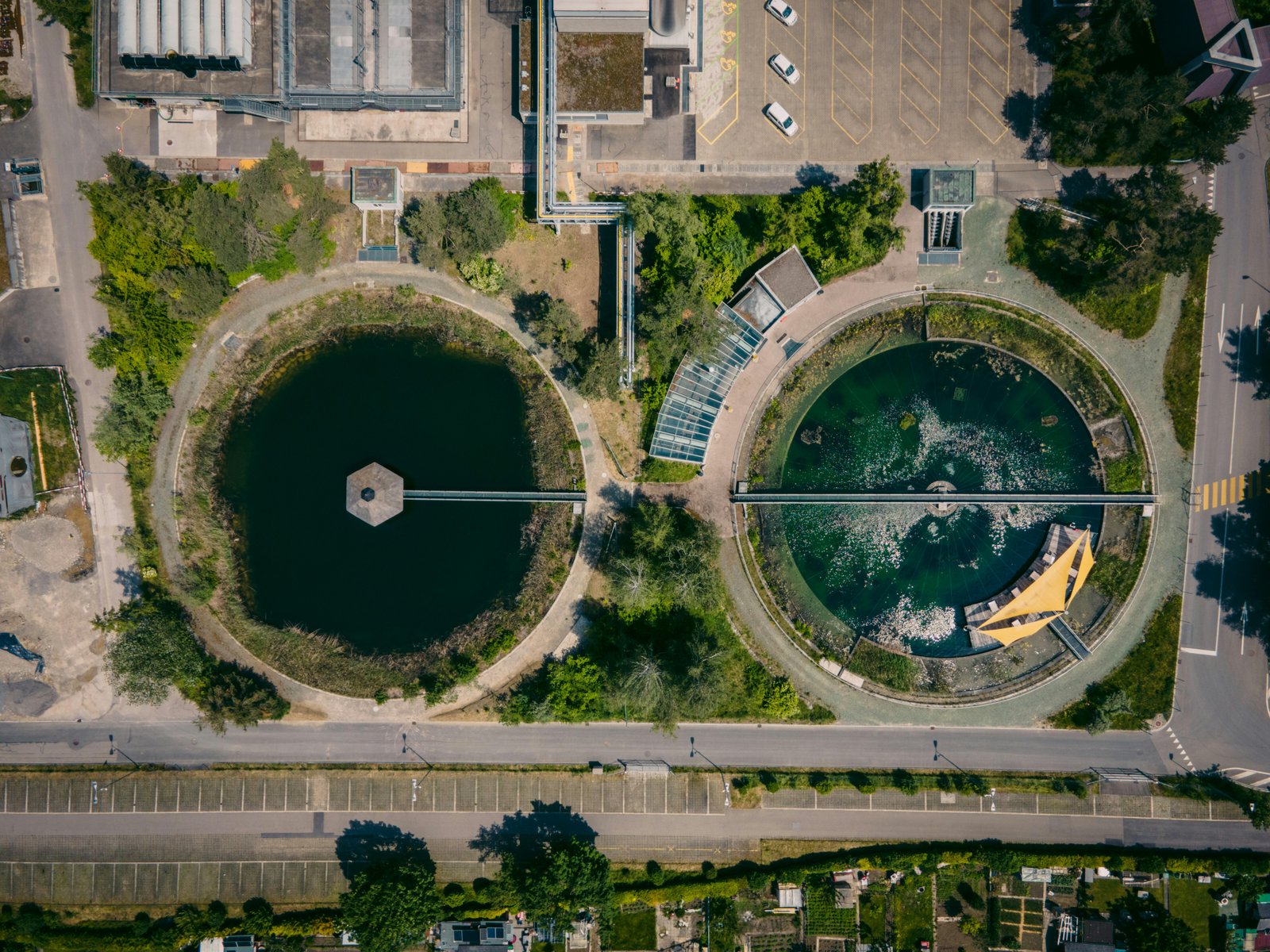
Common Operational Problems in Wastewater Treatment Plants and Technical Troubleshooting Guide
Common Operational Problems in Wastewater Treatment Plants: Technical Troubleshooting Guide, Root Cause Analysis, Corrective Actions, and Preventive Maintenance Strategies for Biological and Physical-Chemical Treatment Systems
Reading time: 82 minutes
Key Highlights
• Critical Operational Challenges: Wastewater treatment plants face approximately 15-25 distinct recurring operational problems annually affecting effluent quality, regulatory compliance, energy efficiency, and maintenance costs, with biological process upsets representing 40-50% of issues, mechanical equipment failures 25-35%, hydraulic overloading 10-15%, and chemical dosing problems 8-12% according to comprehensive operational surveys across municipal and industrial facilities
• Economic Impact Magnitude: Operational problems cause treatment efficiency losses averaging 15-30%, energy consumption increases of 20-40% during upset conditions, unplanned maintenance costs reaching USD 50,000-250,000 annually for medium-sized facilities (5,000-20,000 m³/day), potential regulatory penalties from discharge violations ranging USD 10,000-500,000 per incident, and revenue losses from reduced water reuse or biosolids sales totaling 5-15% of operational budgets
• Primary Problem Categories: Most frequent issues include biological process failures (bulking sludge, poor settling, nitrification upsets, foaming), mechanical breakdowns (pump cavitation, aerator failures, clarifier mechanisms), hydraulic problems (short-circuiting, hydraulic overloading, flow distribution), chemical imbalances (pH excursions, nutrient deficiency, toxicity), and monitoring failures (sensor drift, sampling errors, control system malfunctions) each requiring distinct diagnostic approaches and corrective interventions
• Systematic Troubleshooting Effectiveness: Structured diagnostic methodologies incorporating process data analysis, microscopic examination, bench-scale testing, mass balance calculations, and root cause analysis reduce problem resolution time by 40-60% compared to trial-and-error approaches, decrease recurrence rates from 45-60% to 15-25%, improve staff competency through systematic knowledge development, and generate documentation supporting continuous improvement programs and regulatory compliance demonstrations
Executive Summary
Wastewater treatment plant operations represent complex integration of biological, chemical, and physical processes requiring continuous monitoring, timely intervention, and skilled management to maintain consistent performance meeting discharge standards, protecting receiving water quality, and ensuring regulatory compliance. Despite advances in treatment technologies, automation systems, and operational protocols, treatment facilities worldwide experience recurring operational problems causing effluent quality degradation, process upsets, equipment failures, and compliance violations that challenge operators, engineers, and facility managers responsible for reliable treatment system performance. These operational challenges stem from multiple interconnected factors including influent variability from industrial discharges or stormwater infiltration, biological process sensitivity to temperature fluctuations and toxic compounds, mechanical equipment wear requiring preventive maintenance, inadequate operator training limiting problem recognition and response, insufficient monitoring hampering early detection of developing issues, and design limitations where treatment capacity proves marginal during peak loading conditions or process configuration lacks flexibility responding to changing influent characteristics.
Indonesian wastewater treatment sector faces particular operational challenges driven by rapidly expanding industrial development generating diverse and variable wastewater streams, municipal systems serving growing urban populations with limited infrastructure investment relative to demand growth, tropical climate conditions affecting biological process kinetics and pathogen survival, variable operator training and technical capacity across facilities ranging from sophisticated industrial plants to basic municipal systems, and regulatory frameworks under development requiring compliance with increasingly stringent discharge standards particularly PP 22/2021 environmental quality standards and sector-specific regulations. Treatment facilities across Indonesian archipelago spanning municipal centralized systems, industrial effluent treatment plants, decentralized community-scale installations, and specialized treatment for specific industries including food processing, textiles, pulp and paper, petrochemicals, and mining operations collectively process estimated 8-12 million cubic meters daily of domestic and industrial wastewater, with operational performance varying substantially based on design quality, equipment maintenance, operator capability, and management commitment to process optimization and continuous improvement.
This comprehensive technical analysis provides systematic troubleshooting guidance for common wastewater treatment operational problems, organized across seven major problem categories: biological process upsets including bulking sludge, poor settling, nitrification failures, and foaming; clarification problems encompassing hydraulic overloading, short-circuiting, and sludge blanket control; aeration system issues including insufficient oxygen transfer, mechanical failures, and energy inefficiency; nutrient removal challenges affecting nitrogen and phosphorus reduction; chemical dosing problems involving coagulation, pH control, and disinfection; mechanical equipment failures across pumps, mixers, blowers, and conveyance systems; and instrumentation and control malfunctions affecting process monitoring and automation. Each problem category receives detailed treatment covering characteristic symptoms enabling problem identification, underlying root causes based on process chemistry and microbiology, diagnostic procedures including laboratory testing and field measurements, immediate corrective actions stabilizing operations, long-term solutions preventing recurrence, and case studies illustrating successful problem resolution at operating facilities.
The document structure follows logical troubleshooting methodology progressing from symptom recognition through systematic diagnosis to corrective intervention, supported by comprehensive technical content including process flow diagrams illustrating normal operation versus upset conditions, data tables quantifying performance indicators and acceptable operating ranges, diagnostic checklists guiding systematic problem investigation, decision trees directing operators through troubleshooting logic, photographic documentation showing visual indicators of common problems, and case study examples demonstrating real-world application of troubleshooting principles at municipal and industrial facilities. Drawing extensively on authoritative technical resources including EPA wastewater treatment manuals, Water Environment Federation (WEF) operational guides, IWA publishing technical references, manufacturer technical bulletins, peer-reviewed research from journals including Water Research, Water Science and Technology, and Journal of Environmental Engineering, Indonesian operational experience documented through facility reports and consultant assessments, and international best practices from treatment facilities achieving superior performance through proactive operations management, this analysis provides practical technical foundation supporting improved operational performance, reduced downtime, enhanced regulatory compliance, and optimized lifecycle costs for wastewater treatment facilities serving Indonesian industrial, municipal, and commercial sectors.
Problem Category 1: Biological Process Upsets and Activated Sludge System Failures
Biological wastewater treatment utilizing activated sludge processes, trickling filters, rotating biological contactors, or membrane bioreactors depends fundamentally on maintaining healthy microbial communities capable of degrading organic matter, nitrifying ammonia, and removing nutrients through carefully controlled environmental conditions including dissolved oxygen concentration, temperature, pH, nutrient availability, and absence of toxic compounds. Process upsets disrupting these biological systems represent most common and consequential operational problems in wastewater treatment, manifesting through deteriorated effluent quality, poor sludge settling characteristics, excessive foaming, odor generation, and compliance violations requiring immediate operator intervention stabilizing treatment performance while longer-term corrective actions address underlying root causes preventing recurrence.
Bulking sludge constitutes the most prevalent biological upset condition, occurring when filamentous bacteria proliferate excessively within activated sludge floc, creating loosely settling sludge with poor compaction characteristics in secondary clarifiers. The phenomenon manifests through visibly light, fluffy sludge with sludge volume index (SVI) exceeding 150-200 mL/g compared to normal values 80-120 mL/g, deteriorating clarifier performance with turbid supernatant carrying suspended solids into effluent, and rising sludge blanket potentially escaping over clarifier weirs causing severe effluent quality violations. Filamentous organisms responsible for bulking include over 30 distinct species with different growth characteristics and causative factors, most commonly Microthrix parvicella thriving under low dissolved oxygen and high substrate conditions, Type 021N proliferating in nutrient-deficient environments, Nocardia species causing foaming alongside bulking, and Type 1701 dominating under low food-to-microorganism ratio conditions typical of extended aeration systems.
Figure 1: Comprehensive Bulking Sludge Troubleshooting Decision Tree
Initial Symptom Recognition
Sludge volume index (SVI) > 150-200 mL/g
Poor settling in clarifier with rising blanket
Turbid effluent with elevated total suspended solids
Microscopy shows abundant filamentous bacteria
↓
Diagnostic phase: Identify filament type and causative conditions
Step 1: Microscopic examination and filament identification
→ Perform phase contrast or bright field microscopy at 100-400x magnification
→ Assess filament abundance: None/Few/Common/Abundant/Excessive
→ Characterize filament morphology: branching pattern, septation, sheath presence
→ Use Eikelboom or Jenkins identification keys determining dominant species
→ Common types: Microthrix parvicella (coiled, no branching), Type 021N (false branching), Nocardia (true branching), Type 1701 (straight, no branching)
→ Document with photomicrographs for tracking and reporting
↓
Step 2: Process condition analysis identifying root cause
→ Dissolved oxygen assessment: Measure DO throughout aeration basin, identify zones <0.5-1.0 mg/L promoting M. parvicella, Type 021N
→ Food-to-microorganism (F/M) ratio calculation: F/M = kg BOD₅/day ÷ kg MLSS in aeration, low F/M <0.1 favors Type 1701, high F/M >0.5 promotes Sphaerotilus
→ Nutrient balance check: Calculate BOD:N:P ratio, deficiency (BOD:N >20:1 or BOD:P >100:1) favors Type 021N, Thiothrix
→ Selector zone evaluation: Assess if anaerobic/anoxic selector present, contact time adequate (15-30 min), provides competitive advantage to floc-formers
→ Influent characteristics: Identify readily biodegradable COD fraction, sulfide presence, pH fluctuations, toxic shock loads
→ Temperature monitoring: Low temperature <12-15°C slows floc-former growth favoring slow-growing filaments
↓
Treatment selection based on identified cause
| Root cause identified | Immediate corrective actions | Long-term solutions |
|---|---|---|
| Low dissolved oxygen (DO <1.0-1.5 mg/L zones) |
Increase aeration capacity immediately, reduce MLSS if possible, improve mixing eliminating dead zones | Install additional aerators, upgrade blowers, optimize diffuser placement, implement DO control system maintaining 2.0-3.0 mg/L minimum |
| Low F/M ratio (F/M <0.05-0.10) |
Waste sludge aggressively reducing MLSS 20-30%, shorten sludge age from 15-20 days to 8-12 days | Implement selector zone (anaerobic or anoxic contact 15-30 min), optimize wasting strategy, consider process mode change if chronic |
| Nutrient deficiency (N or P limiting) |
Supplement nutrients immediately: add urea or ammonia (N source), phosphoric acid or MAP (P source) achieving BOD:N:P = 100:5:1 | Install automatic nutrient dosing system, upgrade influent characterization monitoring nutrient levels, address industrial sources if deficient |
| No selector zone (promotes filament growth) |
Create temporary selector by operating first aeration zone without aeration (anoxic) or install temporary baffles | Retrofit anaerobic or anoxic selector 10-20% of total aeration volume, 15-30 minute contact time, RAS contact with influent |
| Septicity/sulfides (H₂S in influent) |
Pre-aerate influent, add hydrogen peroxide or nitrate controlling septicity, chlorinate return sludge (temporary only) | Address collection system septicity: reduce detention time, add nitrate to sewers, install odor control, upgrade pumping preventing long residence |
Emergency chemical control options (short-term only)
→ Chlorine addition to RAS: Dose 2-5 mg/L Cl₂ to return activated sludge, oxidizes filaments preferentially, use maximum 7-10 days, monitor for nitrification inhibition
→ Polymer addition to clarifiers: Cationic polymer 0.5-2.0 mg/L improves settling temporarily, does not address root cause, expensive for continuous use
→ Hydrogen peroxide: Dose 10-50 mg/L H₂O₂ to aeration basin, selective filament control, safer than chlorine for nitrifiers, monitor residual
→ Aluminum or iron salts: Coagulant addition 20-50 mg/L as metal improves flocculation and settling, temporary aid during upset recovery
Warning: Chemical controls provide temporary symptom relief only, must address root cause (DO, F/M, nutrients, selector) for permanent solution. Overuse of chlorine damages nitrification, harms beneficial bacteria.
Monitoring recovery progress: Track SVI daily target reduction from 200-300 to <150 over 2-4 weeks, microscopy shows decreasing filament abundance, effluent TSS improves to <20-30 mg/L, sludge blanket stabilizes 1-2 meters below clarifier surface, document interventions and results for future reference
Poor nitrification represents another critical biological upset affecting facilities with nitrogen removal requirements, manifesting through elevated ammonia concentrations in effluent exceeding permit limits typically 5-15 mg/L as NH₃-N, declining or absent nitrate production indicating nitrifier population collapse, and unstable pH fluctuations as nitrification alkalinity consumption decreases. Nitrifying bacteria including Nitrosomonas species oxidizing ammonia to nitrite and Nitrobacter converting nitrite to nitrate demonstrate greater sensitivity to environmental stresses compared to heterotrophic bacteria degrading organic matter, with nitrification failures commonly resulting from inadequate dissolved oxygen below 2.0-2.5 mg/L minimum required for nitrifiers, toxic compounds including heavy metals, certain industrial chemicals, or excessive chlorine used for filament control, insufficient sludge age below minimum 3-5 days at 20°C required for slow-growing nitrifier population establishment, cold temperature reducing nitrification rates by 50% for each 10°C decrease affecting winter operations, and alkalinity depletion where insufficient buffering capacity cannot maintain pH above 6.5-7.0 minimum for nitrification activity.
Table 1: Comprehensive Activated Sludge Troubleshooting Matrix
| Problem Symptom | Observable Indicators | Common Root Causes | Diagnostic Tests | Corrective Actions |
|---|---|---|---|---|
| Bulking Sludge | SVI >150-200 mL/g, poor settling, turbid effluent, rising sludge blanket in clarifier | Low DO (<1.0 mg/L zones), low F/M (<0.1), nutrient deficiency, no selector zone, septicity | Microscopy (filament ID), DO profile, F/M calculation, BOD:N:P ratio, sulfide test | Increase DO to 2-3 mg/L, adjust F/M via wasting, add nutrients if deficient, install selector, temporary chlorine dosing RAS |
| Pin Floc | Small weak flocs, turbid effluent despite good SVI, high effluent TSS 40-80 mg/L | Young sludge age (<3-5 days), high F/M (>0.8-1.0), low MLSS, toxic shock, polymer overdose | Calculate sludge age, F/M, review recent toxicity events, jar test for polymer optimization | Reduce wasting increasing sludge age to 5-8 days minimum, reduce F/M if high, add polymer to clarifier, investigate toxicity source |
| Foam/Scum Thick Stable Brown | Thick viscous brown foam on aeration basin surface, difficult to break, foul odor | Nocardia, Microthrix, Gordonia bacteria, long sludge age (>15-20 days), low F/M, oils/grease in influent | Microscopy (branching filaments), check sludge age, review grease trap maintenance, F/M calculation | Reduce sludge age to 8-12 days via increased wasting, spray water breaking foam, chlorinate RAS (2-5 mg/L) temporarily, improve grease removal |
| Poor Nitrification | Effluent NH₃-N >5-15 mg/L limit, low/absent NO₃-N, unstable pH | Low DO (<2.0 mg/L), short sludge age (<5 days at 20°C), cold temperature, toxicity (metals, chlorine), low alkalinity, high salinity | DO measurement, calculate sludge age, temperature, alkalinity titration, toxicity bioassay, metals analysis | Increase DO to 2.5-3.5 mg/L, extend sludge age to 8-15 days (temperature dependent), add alkalinity (lime/soda ash), eliminate toxicity sources, consider MLE or oxidation ditch |
| Denitrification in Clarifier | Rising sludge clumps in clarifier, floating solids, gas bubbles in sludge, good SVI but poor clarification | Excessive nitrification producing high NO₃-N (20-40 mg/L), long clarifier retention (>2-3 hours), warm temperature accelerating denitrification | Measure effluent nitrate, calculate clarifier detention time, check RAS rate, sludge blanket depth | Increase RAS rate reducing clarifier retention, reduce nitrate via intentional denitrification in anoxic zone, waste sludge from aeration not clarifier |
| Low MLSS/Washout | MLSS declining despite reduced wasting, turbid effluent, low return sludge concentration | Hydraulic overloading high surface overflow rate, toxic shock killing biomass, excessive wasting, clarifier failure (mechanism, density currents) | Calculate surface overflow rate (SOR), review recent toxicity, check clarifier mechanism operation, measure sludge blanket levels | Stop wasting temporarily rebuilding inventory, reduce flow if possible, add polymer to clarifier, repair clarifier mechanisms, address toxicity source, seed from other plant if severe washout |
| High Effluent BOD despite Low TSS | Effluent TSS <20-30 mg/L acceptable but BOD 30-60 mg/L exceeding limit, clear but high organic content | Soluble non-biodegradable organics in influent (industrial discharge), overloaded system insufficient aeration time, cold temperature slowing kinetics | Differentiate soluble vs particulate BOD via filtration, review industrial discharge characteristics, calculate actual vs required aeration time | If non-biodegradable: source control or advanced treatment (carbon adsorption, ozone). If kinetic: increase aeration volume/time, reduce loading, increase temperature (covered tanks), optimize F/M ratio |
| Odor Problems | H₂S rotten egg smell, mercaptans, amines, complaints from neighbors, corrosion of concrete/metal | Septic influent from long collection retention, anaerobic zones in process, dead spots with settling solids, overloading, low DO | Measure influent sulfide, identify anaerobic zones, check mixing, calculate loading vs capacity | Add nitrate or peroxide to collection system/influent, increase aeration, improve mixing eliminating dead zones, cover and treat off-gas (biofilter, scrubber), reduce loading, chlorinate specific areas |
Note: Many problems have multiple contributing causes requiring comprehensive diagnosis rather than single-factor attribution. Sequential testing and elimination methodology often necessary. Document all observations, test results, interventions, and outcomes creating institutional knowledge base supporting future troubleshooting and operator training. Consult WEF Manual of Practice No. 11 "Operation of Municipal Wastewater Treatment Plants" for detailed guidance on specific issues.
Problem Category 2: Secondary Clarifier Operational Problems
Secondary clarifiers perform dual critical functions separating activated sludge from treated wastewater through gravitational settling while thickening return sludge to concentrations typically 8,000-12,000 mg/L enabling recycle to aeration basins maintaining desired mixed liquor suspended solids inventory. Clarifier operational problems manifest through multiple pathways including hydraulic overloading where excessive surface overflow rates prevent adequate settling time, density currents where influent flows along clarifier bottom short-circuiting settling zone, sludge blanket rise from inadequate sludge removal or poor settling characteristics, and mechanical failures of sludge collection mechanisms, weirs, or baffles disrupting normal hydraulic patterns and solids removal.
Hydraulic overloading occurs when influent flow rates exceed clarifier design surface overflow rate (SOR) typically 16-32 m³/m²/day (400-800 gallons/ft²/day) for activated sludge service, with peak wet weather flows potentially reaching 2-3 times average dry weather flow creating transient overload conditions even when average loading remains acceptable. High surface overflow rates reduce settling detention time preventing adequate floc consolidation and settling, increase upward velocity potentially resuspending previously settled material, and cause turbulent conditions disrupting quiescent settling environment, collectively manifesting through rising sludge blanket approaching surface, turbid effluent with elevated total suspended solids, and reduced return sludge concentration as clarifier transitions from clarification mode to thickening-limited operation unable to remove solids at rate they enter.
Clarifier Performance Diagnostic Checklist
Visual Inspection Observations:
- Influent entry zone: Check for short-circuiting with dye test, observe flow distribution uniformity, verify energy dissipation baffle functioning preventing high-velocity jets, inspect for influent pipe damage or misalignment directing flow incorrectly
- Settling zone: Measure sludge blanket depth at multiple points (minimum 3-5 locations) using sludge judge or blanket detector, observe for uneven blanket indicating poor distribution or mechanism problems, check for boils or upwelling indicating excessive solids loading or mechanism failure
- Effluent weirs: Verify level (typically within 3-6 mm tolerance) ensuring uniform overflow distribution, check for debris accumulation blocking weir sections causing local overloading, inspect V-notches or weir plates for damage, measure weir loading rate (m³/m/day) against design values typically 125-250 m³/m/day maximum
- Sludge removal: Observe sludge collection mechanism rotation (typical 1-2 revolutions per hour), check for unusual sounds indicating bearing wear or drive problems, verify suction header drawing sludge uniformly, measure return sludge concentration and pumping rate calculating solids removal
- Surface conditions: Document foam or scum thickness and location, observe floating sludge clumps indicating denitrification or gas attachment, check wind effects on surface patterns, note any odors suggesting septic conditions
Quantitative Performance Calculations:
- Surface overflow rate: SOR (m³/m²/day) = influent flow (m³/day) ÷ clarifier surface area (m²). Compare to design typically 16-24 m³/m²/day average, 32-40 m³/m²/day peak. Elevated SOR indicates hydraulic overloading requiring flow reduction, additional clarifier capacity, or process modifications improving settleability
- Solids loading rate: SLR (kg/m²/day) = [influent flow (m³/day) × (MLSS + RAS solids) (kg/m³)] ÷ surface area (m²). Typical range 100-150 kg/m²/day average, 200-250 kg/m²/day peak. High SLR despite acceptable SOR indicates poor settling requiring biological process correction rather than clarifier fixes
- Weir overflow rate: WOR (m³/m/day) = influent flow (m³/day) ÷ total weir length (m). Target 125-250 m³/m/day, with higher rates causing effluent quality degradation from increased shear and carryover. Uneven distribution across weir sections creates local overloading even if average acceptable
- Return sludge concentration: Measure RAS solids (mg/L) and compare to MLSS, target RAS concentration 1.2-2.0 times MLSS enabling desired sludge inventory maintenance with reasonable return flow rates typically 50-100% of influent flow. Low RAS concentration indicates thickening limitation requiring increased sludge withdrawal or reduced blanket depth
- Sludge blanket level: Maintain blanket 1.0-2.0 meters below surface (minimum 30-40% of sidewater depth), with excessive depth risking overflow and insufficient depth indicating poor thickening potentially from low solids loading. Calculate blanket rise rate during peak flow periods assessing upset risk
Common Clarifier Problems and Immediate Responses:
- Rising blanket emergency: Immediately increase RAS pumping to maximum safe rate, reduce influent flow if possible through upstream flow diversion or treatment bypass, waste sludge directly from aeration to reduce solids loading, add polymer to clarifier improving settling (emergency only), investigate root cause (hydraulic overload, poor settling, mechanism failure) for long-term correction
- Short-circuiting identified: Install or repair inlet baffles distributing flow, reduce influent velocity through larger diameter pipe or diffuser wall, operate multiple clarifiers in parallel rather than series minimizing individual unit flow, consider retrofitting energy dissipation inlet well if not present
- Density currents: Reduce temperature differential between influent and clarifier contents through upstream aeration or mixing, minimize influent-RAS density differences via RAS blending before clarifier entry, install density current baffles at strategic depths redirecting flow, operate clarifiers to minimize retention time reducing opportunity for thermal stratification development
- Mechanical failure: Switch to standby clarifier immediately if available, manually rake sludge if drive failed preventing buildup, call maintenance for bearing replacement, drive repair, or mechanism alignment, operate at reduced loading until repair completed, document failure mode for preventive maintenance program improvement
Problem Category 3: Aeration System Failures and Oxygen Transfer Problems
Aeration systems consuming typically 40-60% of total treatment plant energy while providing essential dissolved oxygen for biological oxidation represent critical operational component where failures cause immediate process upsets, energy waste, and potential compliance violations. Aeration problems manifest through multiple mechanisms including insufficient oxygen transfer unable to maintain target dissolved oxygen concentrations despite equipment operation, mechanical failures of blowers, diffusers, or mechanical aerators interrupting service, excessive energy consumption indicating inefficient operation, and uneven oxygen distribution creating zones of deficiency or excess within aeration basins affecting biological performance and treatment efficiency.
Blower system problems affecting air supply to diffused aeration systems include inadequate capacity where installed blower horsepower proves insufficient for oxygen demand particularly during peak loading or high temperature periods increasing biological oxygen consumption, mechanical failures from bearing wear, belt slippage, or motor problems interrupting air supply, control system malfunctions where automated systems fail to modulate blowers matching oxygen demand, and distribution header problems including leaks, pressure drops, or flow imbalances preventing adequate air delivery to all diffuser zones. Diagnosis requires systematic evaluation of air flow rates using flow meters or pitot tube measurements, discharge pressure monitoring identifying restrictions or leaks, power consumption tracking indicating motor loading and efficiency, and temperature monitoring detecting bearing problems or inadequate cooling suggesting impending failure.
Table 2: Aeration System Troubleshooting Guide
| System Component | Problem Symptoms | Diagnostic Procedures | Common Causes | Corrective Measures |
|---|---|---|---|---|
| Blower inadequate capacity | Low DO (<1.0-1.5 mg/L) despite maximum blower operation, insufficient air pressure, visible low bubble density | Measure air flow vs design (m³/min or scfm), check discharge pressure vs rating, calculate oxygen requirement vs capacity, review historical performance | Undersized design, increased loading, fouled diffusers increasing backpressure, intake filter clogged, belt slippage reducing speed | Add supplemental blower capacity, clean or replace diffusers reducing pressure, change intake filters, adjust/replace belts, reduce loading if possible, rent temporary blower for emergency |
| Fine bubble diffuser fouling | Declining DO despite constant air flow, increasing air pressure requirement, uneven bubble distribution, reduced oxygen transfer efficiency | Pressure trend analysis showing increase over time, oxygen transfer testing (clean water OTE vs field SOTE), visual inspection of diffusers | Biological fouling (slime growth), mineral scaling (calcium carbonate, iron), surfactant accumulation, physical damage | Acid cleaning with muriatic/citric acid (pH 2-3) for 4-12 hours, hot water washing for biological growth, mechanical brushing, increase cleaning frequency, consider coarser bubble diffusers less prone to fouling |
| Mechanical aerator failure | Aerator stops operating, abnormal vibration or noise, DO drops rapidly in affected zone, visible lack of surface mixing | Visual/sound inspection, check motor amp draw, gearbox oil level/condition, bearing temperature, shaft alignment | Bearing failure (most common), gearbox problems, motor failure, shaft seal leaking, impeller damage/loss, electrical supply issues | Emergency: Increase aeration in other zones, reduce loading, add portable aerators. Repair: Replace bearings following manufacturer specs (typically 2-5 year life), rebuild gearbox, replace motor, realign shaft, repair/replace impeller |
| Air distribution imbalance | Some aeration zones high DO (>4-5 mg/L) while others low (<1.0 mg/L), uneven mixing patterns, localized process upset | Map DO throughout basin (minimum 8-12 points), measure air flow to each zone if possible, check valve positions, inspect for header leaks or breaks | Valve misadjustment or failure, header piping damage/breakage, diffuser zone fouling different rates, control zone malfunction | Adjust distribution valves balancing air flow, repair broken pipes or blown diffuser connections, install individual zone air flow meters for monitoring, implement zone DO control automation |
| Alpha factor deterioration | Declining field oxygen transfer efficiency over months/years, DO difficult to maintain requiring increasing air flow, energy costs rising | Conduct oxygen transfer efficiency testing per ASCE/EWRI Standard 2-06, calculate alpha factor (field OTE / clean water OTE), trend over time | Surfactant accumulation from industrial discharge, high MLSS concentration, aging diffusers, poor mixing | Control industrial surfactant discharge at source, reduce MLSS if excessive (>4,000-5,000 mg/L), replace aged diffusers (typically 8-12 year life fine bubble), improve basin mixing, clean diffusers more frequently |
| DO control system malfunction | Erratic DO readings, control not responding to measured DO, excessive cycling on/off, runaway to 0 or high DO | Verify sensor readings with portable meter, check sensor membrane/electrolyte, inspect cable connections, review controller setpoints and PID tuning | DO probe fouling or membrane failure, cable damage, controller failure, improper PID settings, sensor placement in dead zone or high turbulence | Clean/calibrate DO sensors weekly, replace membrane (3-6 month life), repair cable, replace controller if failed, retune PID parameters, relocate sensor to representative well-mixed location, install redundant sensors |
| Excessive foaming | Thick stable foam on aeration basin surface, foam overflowing walkways, excessive foam in effluent, fouling of diffusers from foam collapse | Microscopy for filamentous bacteria (Nocardia, Microthrix), test for surfactants, measure foam thickness/stability, review industrial discharge | Filamentous organism growth producing biosurfactants, industrial surfactant discharge, excessive aeration mixing, young sludge, low F/M | Address filamentous growth (see bulking sludge solutions), control surfactant sources, reduce aeration intensity if excessive, water spray to break foam surface, selector installation, skim and waste foam-containing sludge |
| High energy consumption | Increasing power costs without loading increase, kWh per kg BOD removed trending upward, blower amp draw high continuously | Calculate specific aeration energy (kWh/kg O₂), measure actual vs design air requirement, check blower efficiency curves, assess diffuser condition via pressure measurement | Diffuser fouling increasing pressure, inefficient blower operation off design curve, over-aeration from poor control, mechanical wear reducing efficiency | Clean diffusers restoring efficiency, optimize DO setpoint to minimum required (1.5-2.5 mg/L bulk liquid), implement zone control turning off unneeded areas, repair/replace worn blowers, consider high-efficiency turbo blowers replacement |
Preventive maintenance program essential: Schedule diffuser cleaning every 6-18 months depending on fouling rate, blower bearing lubrication per manufacturer schedule (typically 2,000-6,000 hours), DO sensor calibration weekly, and annual oxygen transfer testing documenting system performance trends enabling proactive intervention before efficiency severely deteriorates. Many facilities achieve 30-50% energy savings through systematic aeration optimization including DO setpoint reduction, zone control implementation, and equipment upgrading.
Problem Category 4: Nutrient Removal Process Failures
Advanced treatment facilities incorporating biological nitrogen and phosphorus removal face additional operational challenges beyond conventional organic removal, with nutrient removal processes demonstrating sensitivity to environmental conditions, requiring careful process control, and exhibiting complex interactions between nitrogen oxidation, denitrification, and phosphorus uptake/release mechanisms. Nitrogen removal failures manifest through incomplete nitrification leaving ammonia in effluent, poor denitrification producing high nitrate concentrations, or nitrite accumulation indicating partial nitrification, while phosphorus removal problems include inadequate biological luxury uptake, excessive chemical consumption for supplemental precipitation, or phosphorus release in clarifiers degrading effluent quality despite proper biological treatment.
Denitrification problems in modified Ludzack-Ettinger (MLE), oxidation ditch, or sequencing batch reactor configurations typically result from inadequate anoxic zone volume providing insufficient retention time for nitrate reduction, absent or deficient readily biodegradable carbon source limiting denitrification rates where influent biodegradable COD proves insufficient requiring external carbon addition such as methanol or glycerol, dissolved oxygen intrusion into anoxic zones via internal recycle or mixing equipment preventing development of true anoxic conditions necessary for denitrifier metabolism, insufficient mixed liquor recycle from aerobic to anoxic zones limiting nitrate supply available for reduction, and cold temperature reducing denitrification rates requiring extended anoxic detention compensating for slower kinetics. Diagnosis involves measuring nitrate profiles through treatment train identifying zones of accumulation or reduction, calculating carbon-to-nitrate ratios comparing available electron donor against nitrate electron acceptor requirements typically 2.5-3.0 kg COD per kg NO₃-N reduced, monitoring dissolved oxygen in anoxic zones confirming concentrations below 0.3-0.5 mg/L required for denitrification, and conducting batch denitrification tests establishing maximum achievable rates under site conditions guiding process design modifications.
Enhanced Biological Phosphorus Removal (EBPR) Troubleshooting Protocol
Process fundamentals requiring optimization:
1. Anaerobic zone conditions and performance:
- Strictly anaerobic environment: Dissolved oxygen must be <0.1-0.2 mg/L and nitrate <0.3-0.5 mg/L throughout zone, with any oxygen or nitrate intrusion severely inhibiting PAO (polyphosphate accumulating organisms) selecting conditions favoring competitors. Measure DO/nitrate at multiple points confirming true anaerobic conditions
- Volatile fatty acids (VFA) availability: PAOs require readily available VFA (acetate, propionate) for anaerobic carbon uptake and energy generation, with fermentation producing VFA from complex organics. Target anaerobic COD uptake 30-50% of influent readily biodegradable COD demonstrating active PAO metabolism. If insufficient VFA: consider pre-fermentation of primary sludge, external VFA addition, or upstream fermentation tank
- Phosphorus release monitoring: Measure ortho-phosphate increase through anaerobic zone, with 0.3-0.6 mg P released per mg COD taken up indicating healthy PAO activity. Poor release (<0.2 mg P/mg COD) suggests PAO population problems requiring investigation
- Retention time adequacy: Typical 1-2 hours anaerobic contact time allowing complete VFA uptake and P release, though shorter times (0.5-1.0 hour) possible with highly biodegradable influent. Calculate actual retention considering dead zones and short-circuiting
2. Aerobic zone phosphorus uptake optimization:
- Adequate dissolved oxygen: Maintain DO 2.0-3.0 mg/L supporting both nitrification and P uptake, with nitrification competition for oxygen potentially limiting P uptake if DO insufficient. Monitor DO profiles ensuring adequate concentration throughout aerobic zone
- Luxury P uptake verification: Measure P content of MLSS via total phosphorus analysis, target 4-8% P by dry weight indicating healthy PAO population accumulating polyphosphate. Low P content (<2-3%) suggests EBPR failure with conventional organisms dominating rather than PAOs
- Aerobic detention time: Provide minimum 4-8 hours aerobic contact for complete P uptake, nitrification, and organic oxidation. Insufficient time results in incomplete P removal with residual P remaining in effluent
- pH stability: Maintain pH 6.8-7.8 optimal for both nitrification and P uptake, with nitrification-driven pH decline potentially inhibiting both processes if alkalinity insufficient. Add alkalinity (lime, caustic) if pH drops below 6.5
3. Common EBPR failure modes and corrective actions:
| Failure Symptom | Root Cause Diagnosis | Corrective Intervention |
|---|---|---|
| High effluent phosphorus despite low influent TP:BOD ratio (<0.02-0.03) | Oxygen/nitrate intrusion into anaerobic zone preventing PAO selection, insufficient VFA availability, PAO population loss to filamentous or glycogen accumulating organisms (GAOs) | Eliminate DO/NO₃ sources: reduce internal recycle oxygen, increase denitrification efficiency, install mixing without aeration. Add external carbon (acetate/VFA) if fermentation insufficient. Optimize operating conditions (SRT 8-15 days, pH 7.0-7.5) favoring PAOs over GAOs |
| Phosphorus release in clarifier degrading effluent quality | Excessive clarifier retention time allowing anaerobic conditions developing in sludge blanket, causing P release from PAOs into clarified effluent. Exacerbated by warm temperature, high blanket depth | Increase RAS rate reducing clarifier detention below 1.5-2.0 hours maximum, reduce sludge blanket depth via increased wasting, operate at lower MLSS concentration if possible, ensure continuous aeration/mixing in aeration basin preventing anaerobic zones before clarifier |
| Gradual EBPR deterioration over weeks/months | PAO population decline from SRT too long (>20 days) favoring slow-growing nitrifiers over PAOs, toxicity from industrial discharge, excessive chemical P addition removing selection pressure, GAO proliferation outcompeting PAOs | Reduce SRT to 8-15 day range via increased wasting optimizing PAO growth, identify and eliminate toxicity sources (metals, certain chemicals), minimize chemical P dosing maintaining biological process stress/selection, adjust anaerobic conditions (temperature, pH, VFA type) discriminating against GAOs |
| Seasonal EBPR failure in winter | Cold temperature (<12-15°C) slowing PAO kinetics, GAOs having competitive advantage over PAOs at low temperature, reduced fermentation producing less VFA, nitrification consuming more oxygen limiting availability for P uptake | Increase anaerobic zone retention time compensating slower kinetics, supplement with external VFA source, increase SRT maintaining sufficient PAO population, enhance aeration providing adequate DO for both nitrification and P uptake, consider supplemental chemical P removal (alum, ferric) during winter months |
EBPR process inherently less stable than chemical P removal due to sensitivity to environmental conditions and competitive microbial ecology. Successful long-term EBPR operation requires skilled operators conducting regular process monitoring (microscopy, P profiles, batch tests), rapid response to upsets, and backup chemical dosing capability for periods when biological process fails. Many facilities operate hybrid bio-chemical P removal systems combining biological uptake with supplemental chemical addition providing reliability while minimizing chemical consumption and sludge production compared to purely chemical treatment.
Problem Category 5: Chemical Dosing System Malfunctions
Chemical addition systems for coagulation, pH adjustment, disinfection, and supplemental nutrient/phosphorus removal represent critical process control points where proper chemical selection, accurate dosing, efficient mixing, and reliable equipment operation determine treatment effectiveness, regulatory compliance, and cost efficiency. Chemical dosing problems manifest through multiple pathways including underdosing where insufficient chemical fails to achieve treatment objectives resulting in poor coagulation with turbid effluent, inadequate pH adjustment preventing optimal biological activity, or incomplete disinfection risking pathogen discharge; overdosing causing chemical waste increasing costs, producing unwanted side effects such as pH extremes or excessive residuals, and potentially inhibiting biological processes; equipment failures interrupting chemical supply from pump breakdowns, feed line plugging, or tank depletion; and poor mixing preventing effective chemical dispersion creating localized concentration extremes rather than uniform distribution throughout process stream.
Coagulation and flocculation problems in primary clarification or effluent polishing systems commonly result from incorrect coagulant selection where aluminum sulfate (alum), ferric chloride, or polymer choice proves suboptimal for site-specific water chemistry, temperature, or suspended solids characteristics; inadequate or excessive dosing where jar testing fails to establish proper dose or operational dose drifts from optimum due to influent variability without compensating adjustment; poor rapid mixing preventing complete dispersion of coagulant throughout water mass within critical 1-2 second window for destabilization reactions; insufficient flocculation time or mixing intensity preventing floc growth to settleable size typically 1-5 mm diameter required for gravitational separation; and pH outside optimal range where alum functions best at pH 5.5-7.5 and ferric salts at pH 4.5-9.0 with performance declining sharply outside these ranges. Diagnostic jar testing using graduated beakers, multiple coagulant doses typically spanning factor of 2-3 range around current dose, controlled rapid mixing followed by slow stirring simulating flocculation, and settling observation identifies optimal coagulant type, dose, and pH for current conditions, with testing recommended weekly to monthly depending on influent variability establishing dose adjustments maintaining optimal performance.
Table 3: Chemical Dosing Troubleshooting Reference
| Chemical Application | Problem Indicators | Common Failure Modes | Diagnostic Approach | Solution Strategies |
|---|---|---|---|---|
| Coagulation (alum, ferric, polymer) | Turbid effluent, poor settleability, high suspended solids, visible uncoagulated particles, excessive sludge production | Incorrect dose (under or over), wrong chemical for conditions, poor rapid mixing, inadequate flocculation, pH outside optimal range, temperature effects | Jar test with dose series (50-200% of current), verify rapid mix G value 300-1,000 s⁻¹, measure pH, check flocculation time 15-30 min, assess temperature | Adjust dose per jar test results, upgrade rapid mixing if inadequate, add pH adjustment (lime/acid), increase flocculation detention, consider switching coagulant type, add polymer aid |
| pH control (lime, caustic, acid) | pH outside target range 6.5-8.5, excessive chemical consumption, pH swings/instability, biological process upset from pH extremes | Faulty pH sensor/controller, inadequate mixing point, insufficient buffering capacity, dosing pump failure, improper control algorithm tuning | Calibrate pH sensor with standards, verify with portable meter, check mixing intensity at injection, measure alkalinity/buffer capacity, test pump output vs setting | Replace/clean pH sensors (3-6 month life), retune PID controller, improve mixing via inline static mixer or jet injection, add alkalinity (sodium bicarbonate) for buffering, repair/replace dosing pumps |
| Chlorine disinfection | High fecal coliform in effluent, inadequate chlorine residual (<0.5 mg/L after 15-30 min contact), excessive chlorine consumption, dechlorination problems | Insufficient dose, short contact time (<15 min), poor mixing creating dead zones, high chlorine demand from organics/ammonia, equipment malfunction | Measure chlorine residual at multiple points and times, calculate CT value, conduct dye studies for contact time, check chlorinator output, review upstream TSS/BOD affecting demand | Increase chlorine dose achieving 0.5-2.0 mg/L residual, install baffles increasing contact time to minimum 30 min at peak flow, improve upstream treatment reducing demand, repair chlorinators, consider UV disinfection alternative |
| Phosphorus precipitation (alum, ferric) | Effluent TP exceeding limit, excessive chemical consumption, low P removal efficiency (<70-80%), high sludge production, pH problems from chemical addition | Underdosing (molar ratio Al:P or Fe:P <1.5:1), poor mixing, pH outside optimal range 5.5-7.0, interference from organics or other ions | Calculate actual molar ratio, jar test optimization, measure dissolved vs particulate P, check mixing, monitor pH before/after addition, review influent characteristics | Increase dose to 1.5-2.5:1 molar ratio typical for 80-90% removal, add at optimal location (primary, secondary, effluent polishing), adjust pH to optimal range via lime, improve mixing, consider alternative chemicals if interference |
| Nutrient supplementation (N, P for biological) | Poor biological performance, low MLSS, inhibited nitrification, filamentous bulking (Type 021N), low COD removal efficiency | Insufficient dosing failing to maintain BOD:N:P = 100:5:1 ratio, dosing system failure, wrong nutrient form, poor distribution | Calculate nutrient mass balance vs theoretical requirement, measure MLSS N&P content, check dosing pump operation and chemical levels, review influent nutrient concentrations | Adjust dose achieving 100:5:1 ratio (may require 0.2-1.0 mg/L added N, 0.05-0.2 mg/L added P), verify dosing equipment function, use readily available forms (urea or ammonia for N, phosphoric acid or MAP for P), improve distribution |
| Polymer for sludge dewatering | Poor cake solids (<15-20%), high polymer consumption, polymer carryover in filtrate/centrate, inadequate flocculation | Wrong polymer type (charge, molecular weight), incorrect dose, aged polymer losing activity, improper dilution/mixing, changed sludge characteristics | Polymer screening test with multiple products, dose optimization jar testing, verify polymer age (<6-12 months), check dilution concentration (0.1-0.5%), review sludge conditioning | Switch polymer type via screening (typically cationic for municipal sludge), optimize dose through systematic testing, ensure fresh polymer stock rotation, proper dilution and aging (30-60 min), adjust for seasonal sludge changes |
Chemical dosing optimization requires systematic approach: establish baseline through jar testing or pilot studies, implement dose adjustments gradually observing response over adequate time (minimum 2-3 times process hydraulic retention time), document results correlating dose with performance metrics (TSS, turbidity, P removal efficiency), and adjust for influent variability through automated controls or scheduled manual adjustments. Many facilities waste 15-30% of chemical costs through suboptimal dosing that could be recovered through regular optimization programs combining laboratory testing, process monitoring, and data analysis.
Problem Category 6: Mechanical Equipment Failures
Mechanical equipment including pumps, mixers, blowers, valves, gates, conveyors, and process-specific components represent substantial capital investment while providing essential functions throughout treatment process, with equipment reliability directly affecting operational performance, maintenance costs, staff workload, and overall facility availability. Mechanical failures range from catastrophic breakdowns requiring immediate repair and causing process upsets to gradual performance degradation from wear or fouling that reduces efficiency, increases energy consumption, and eventually necessitates overhaul or replacement. Understanding common failure modes, implementing condition-based monitoring detecting problems before critical failure, and establishing preventive maintenance programs addressing wear components before breakdown proves essential for reliable long-term operations minimizing unplanned downtime, emergency repair costs, and process upsets affecting effluent quality.
Pump problems represent most common mechanical failure across wastewater treatment facilities given prevalence of pumping applications including raw influent, return activated sludge, waste sludge, chemical dosing, and various process streams, with submersible pumps, centrifugal pumps, progressive cavity pumps, and diaphragm pumps each demonstrating characteristic failure modes requiring specific diagnostic and corrective approaches. Submersible sewage pumps face particular challenges from debris in wastewater streams causing clogging, ragging around impellers, or damage to impeller vanes, seal failures allowing water entry into motor housing causing catastrophic motor failure typically preceded by increasing amp draw and temperature, bearing wear from abrasive particles or inadequate lubrication producing excessive vibration and noise before complete seizure, and cable damage from improper installation or movement causing electrical faults or motor burnout. Diagnostic indicators include declining pump performance curve evidenced by reduced flow or pressure at normal speed, increasing power consumption indicating mechanical resistance or recirculation losses, abnormal noise or vibration suggesting bearing wear or impeller damage, overheating detected through motor temperature monitoring or thermal imaging, and seal leakage visible as water or oil around shaft seals before catastrophic failure develops.
Preventive Maintenance Program Framework
Structured maintenance hierarchy:
Daily inspections (operator rounds):
→ Visual equipment inspection for leaks, unusual sounds, vibration, smoking/overheating
→ Check operating hours meters documenting runtime for maintenance scheduling
→ Monitor performance indicators: pump pressure/flow, blower discharge pressure, mixer current draw
→ Review alarm logs identifying recurring issues requiring investigation
→ Document observations in maintenance log enabling trending and problem detection
→ Time required: 30-60 minutes per shift depending on facility size
Weekly preventive maintenance tasks:
→ Lubricate bearings on motors, gearboxes, and equipment per manufacturer schedules using proper lubricant type and quantity
→ Check belt tension on blowers, adjusting to proper deflection specifications preventing slippage or excessive wear
→ Inspect mechanical seals for leakage, replacing flush water if applicable
→ Clean bar screens, grinders, or strainers removing accumulated debris
→ Check oil levels in gearboxes, hydraulic systems, compressors, adding makeup as needed
→ Test backup systems (standby pumps, emergency generators) confirming functionality
→ Time required: 4-8 hours weekly for medium facility
Monthly maintenance activities:
→ Vibration analysis on critical rotating equipment (pumps, blowers, mixers) establishing baseline and detecting developing problems
→ Thermographic imaging identifying hot spots indicating electrical faults, bearing wear, or motor problems before failure
→ Change oil in gearboxes, compressors, vacuum pumps per manufacturer recommendations (typically 2,000-6,000 hours or 3-12 months)
→ Inspect and clean diffusers or mechanical aerators, noting pressure trends indicating fouling
→ Check valve operation, exercising infrequently used valves preventing seizure
→ Review chemical feed pump calibration, verifying delivery accuracy against actual usage
→ Clean or replace air filters on blowers preventing restriction and power loss
→ Time required: 1-2 days monthly for comprehensive program
Annual or time-based major maintenance:
→ Submersible pump maintenance (every 8,000-15,000 hours or 2-4 years): Pull pumps for inspection, replace mechanical seals, check impeller wear, replace motor bearings if needed, megger test motor insulation, clean and repaint
→ Blower overhaul (every 2-5 years depending on type): Replace bearings, seals, and wear components, check alignment, clean internal components, verify performance curve
→ Gearbox inspection (3-5 years): Complete oil change with flush, internal inspection for gear wear, bearing replacement if wear detected, seal replacement
→ Clarifier mechanism service (annually): Inspect drive components, check center cage and scraper wear, adjust chain tension, replace worn squeegees or flights, lubricate bearings, verify alignment
→ Valve rebuild (5-10 years or as needed): Replace seats, seals, O-rings, and moving components, check actuator operation, lubricate stems
→ Motor testing (every 3-5 years major motors): Megger insulation resistance testing, vibration analysis, bearing replacement, thermal imaging, current signature analysis detecting rotor/stator problems
Condition-based monitoring enabling predictive maintenance:
- Vibration monitoring: Handheld analyzers ($2,000-8,000) or permanent sensors on critical equipment detecting bearing wear, misalignment, unbalance, resonance. Establish baseline readings, trend over time, investigate when values increase 25-50% over baseline
- Oil analysis: Periodic sampling (quarterly to annually) with laboratory analysis detecting wear metals (iron, copper, aluminum indicating component wear), contamination (water, fuel, coolant), and oil degradation (viscosity, acid number). Schedule overhaul when wear metal trends accelerate or water contamination detected
- Thermography: Infrared cameras ($3,000-15,000) detecting electrical hot spots (loose connections, phase imbalances, overloading), bearing temperature increases (typically 10-20°C above ambient normal, 40+°C indicating problems), motor hot spots, and insulation defects. Annual or semi-annual surveys of electrical and mechanical systems
- Motor current signature analysis: Specialized equipment analyzing motor current patterns detecting rotor bar defects, stator problems, bearing issues, air gap eccentricity before catastrophic failure. Valuable for critical large motors (50+ HP) justifying investment in diagnostic equipment
- Ultrasonic testing: Detecting bearing problems, compressed air leaks, electrical arcing, steam trap failures through ultrasonic frequencies. Particularly useful for bearing lubrication guidance (listen while greasing, stop when sound changes indicating adequate lubrication)
Economic justification: Comprehensive preventive maintenance program costs typically 2-4% of replacement asset value annually but prevents catastrophic failures, reduces emergency repairs (typically 3-5 times higher cost than planned maintenance), extends equipment life 30-100% beyond run-to-failure approach, reduces energy consumption 5-15% through maintaining peak efficiency, and minimizes process upsets from equipment failures affecting effluent quality and regulatory compliance. Most facilities achieve 300-500% return on investment in preventive maintenance through avoided failures, extended life, and reduced energy costs.
Problem Category 7: Instrumentation and Control System Failures
Modern wastewater treatment facilities increasingly rely on instrumentation for process monitoring and automated control systems for optimization, with sensors measuring parameters including pH, dissolved oxygen, oxidation-reduction potential, turbidity, suspended solids, flow rates, and levels, while programmable logic controllers (PLCs) or supervisory control and data acquisition (SCADA) systems execute control algorithms adjusting equipment operation responding to measured conditions. Instrumentation failures creating false readings or loss of measurement capability severely compromise operator situational awareness and automated control effectiveness, potentially causing process upsets from inappropriate control actions based on erroneous data, regulatory compliance issues from unreported violations or false compliance demonstrations, and operational inefficiency from manual operation lacking optimization possible through automated control.
Sensor fouling and drift represent most prevalent instrumentation problems, with devices exposed to wastewater streams subject to biological growth on sensing surfaces, chemical scaling from mineral precipitation, coating by oils or grease, and physical damage from debris or aggressive chemical conditions. pH sensors utilizing glass electrodes demonstrate particular vulnerability to coating, junction fouling blocking reference electrode, and bulb scratching or breakage, requiring weekly cleaning, monthly calibration verification, and 3-6 month replacement for reliable operation. Dissolved oxygen sensors employing membrane-covered electrodes experience membrane fouling reducing oxygen diffusion and causing low readings, electrolyte depletion requiring replacement, and membrane degradation from exposure to hydrogen sulfide or other aggressive compounds, with proper maintenance including weekly cleaning, monthly calibration, and 3-6 month membrane replacement extending sensor life and ensuring accurate readings supporting biological process control.
Table 4: Instrumentation Troubleshooting and Calibration Guide
| Instrument Type | Common Failure Modes | Symptoms and Detection | Maintenance Requirements | Calibration Procedure |
|---|---|---|---|---|
| pH sensor (glass electrode) | Coating/fouling, junction clogging, bulb scratching, reference degradation, high impedance from aging | Slow response, drift over time, inability to calibrate within tolerance, pH readings stuck at 7.0 (broken bulb), erratic readings | Weekly cleaning with dilute acid or detergent, monthly calibration verification, 3-6 month replacement cycle, store in storage solution not DI water | Two-point calibration pH 4.0 and 7.0 (or 7.0 and 10.0), rinse thoroughly between buffers, verify slope 90-105% Nernstian response, replace if outside tolerance |
| DO sensor (membrane covered) | Membrane fouling, electrolyte depletion, membrane tears/degradation, cable water intrusion, zero drift | Low readings despite adequate aeration, slow response time (>90 seconds), failed zero check in nitrogen, inability to achieve saturation in air-saturated water | Weekly cleaning removing biofilm, monthly electrolyte check/replacement, 3-6 month membrane replacement, verify cable connections dry | Zero check in nitrogen gas or sodium sulfite solution (should read 0.0 mg/L), span check in air-saturated water (temperature and pressure corrected, typically 8-9 mg/L at 20-25°C) |
| Turbidity meter (nephelometric) | Optical window fouling, lamp degradation, detector failure, bubble interference, sample flow problems | High readings with clear sample, low/zero readings with turbid sample, noisy signal, failed calibration verification, flow alarm if flow-through type | Daily/weekly window cleaning depending on fouling rate, monthly lamp/detector check, verify sample flow rate adequate, check for air bubbles in sample line | Multi-point calibration with formazin or styrene-divinylbenzene standards at 0, 20, 100, 800 NT , verify linearity, check zero drift daily, full calibration monthly or after cleaning |
| Flow meter (magnetic) | Electrode coating, liner wear/damage, electrical interference, grounding problems, empty pipe condition | Erratic readings, zero offset, loss of signal, flow readings with empty pipe, noise on signal, totalizer not advancing | Monthly zero check with flow stopped, verify grounding, inspect electrodes annually during shutdown, check cable shields and connections | Zero verification with stopped flow (should read within ±0.5% of full scale), span verification requires known flow standard (tank filling, or comparison to calibrated reference meter) |
| Level sensor (ultrasonic, pressure) | Ultrasonic: foam/vapor interference, temperature effects. Pressure: plugging, coating, diaphragm damage | Erratic readings, fixed readings despite level change, out of range alarms, loss of signal, offset from actual level | Monthly verification against manual measurement, clean ultrasonic transducer face, purge pressure sensors monthly preventing plugging, verify mounting/installation | Two-point verification at known high and low levels, adjust zero and span to match actual measured levels, check linearity at intermediate point, compensate for specific gravity if needed |
| Suspended solids analyzer (optical) | Optical fouling, lamp degradation, wiper failure (if equipped), air bubbles, grease coating, correlation drift | Reading drift over weeks, poor correlation to lab TSS, failed calibration verification, maintenance alarm from fouled optics | Weekly optical cleaning or verify auto-cleaning function, monthly correlation check against lab TSS, verify installation location representative, check air purge if equipped | Correlation-based calibration: collect simultaneous grab samples and analyzer readings (minimum 5-10 pairs over TSS range), develop regression equation, program into analyzer or adjust slope/offset, verify correlation monthly |
| ORP (oxidation-reduction potential) | Coating/fouling, reference junction clogging, platinum surface degradation, temperature effects | Slow response (minutes rather than seconds), reading stuck or not responding to process changes, inability to reach expected values | Weekly cleaning with dilute acid removing coatings, monthly reference refilling if refillable, inspect platinum surface for scratches, 6-12 month replacement | Verify in Zobell's solution or quinhydrone standard (typically +220-230 mV at 25°C), check response time, ORP has no slope adjustment (pass/fail verification only), replace if response inadequate |
| Control valve actuator | Air supply failure (pneumatic), motor failure (electric), position feedback error, stem binding, packing leaks | Valve not responding to control signal, position indication incorrect, slow movement, valve stuck, air/water leaking from stem packing | Monthly stroke test full range, check air supply pressure (typically 40-60 psi), verify position feedback calibration, lubricate stem packing, tighten gland nuts if leaking | Position calibration: verify 4 mA (or 0% control signal) = fully closed, 20 mA (100%) = fully open, check intermediate positions for linearity, adjust linkage or feedback potentiometer if needed |
Instrument reliability fundamental to modern treatment plant operation: Implement manufacturer recommended maintenance schedules, maintain calibration logs documenting accuracy verification and adjustments, stock critical spare parts (pH/DO sensors, membranes, cables), train operators on proper calibration procedures and troubleshooting, and consider redundant critical measurements (dual DO sensors, backup flow meters) for high-reliability applications. Industry experience indicates properly maintained instruments operate reliably 95-99% of time, while neglected sensors fail 30-60% of time creating operational blind spots and inappropriate control responses.
Illustrative Case study: Municipal WWTP troubleshooting and performance recovery
Case Study: 15,000 m³/day Municipal WWTP Compliance Restoration
Facility Background and Problem Presentation:
Medium-sized municipal wastewater treatment plant serving population 85,000 in East Java, Indonesia, employing conventional activated sludge process with average flow 15,000 m³/day (design capacity 18,000 m³/day), two parallel aeration basins each 3,200 m³ volume, four secondary clarifiers 600 m² surface area each, and ultraviolet disinfection. Facility experienced progressive performance degradation over 4-month period culminating in discharge violations for total suspended solids (effluent TSS 45-85 mg/L exceeding 30 mg/L limit), ammonia-nitrogen (NH₃-N 8-18 mg/L exceeding 10 mg/L limit), and fecal coliform (occasional spikes to 500-2,000 MPN/100 mL exceeding 200 MPN/100 mL limit). Provincial environmental agency issued warning letter requiring corrective action plan and monthly progress reports pending compliance restoration.
Initial Diagnostic Assessment Findings:
- Activated sludge microscopy: Excessive filamentous bacteria (Type 021N and Microthrix parvicella), poor floc formation, abundant filaments extending from flocs, sludge volume index (SVI) 280-320 mL/g indicating severe bulking
- Clarifier observations: Rising sludge blanket 1.5-2.5 meters from surface, visible turbidity in effluent, ineffective sludge collection with blanket bypassing scrapers, uneven distribution across four clarifiers suggesting flow imbalance
- Aeration system evaluation: Dissolved oxygen mapping showed significant spatial variation (0.5-1.2 mg/L in basin zones versus 3.5-4.5 mg/L near diffuser grids), calculated oxygen transfer efficiency 35% below design values suggesting diffuser fouling, blower discharge pressure increased 15% over previous year confirming restriction
- Process calculations: Food-to-microorganism ratio F/M = 0.08 kg BOD/kg MLSS/day (very low, typical bulking condition), sludge age calculated at 18-22 days (excessive for tropical climate), mixed liquor suspended solids declining from normal 2,500-3,000 mg/L to 1,800-2,200 mg/L despite reduced wasting indicating clarifier solids loss
- Nutrient analysis: Influent BOD:N:P ratio calculated at 100:3.2:0.8 indicating nitrogen and phosphorus deficiency promoting Type 021N filament growth, no nutrient supplementation system installed
- Operational practices: Inconsistent process control from shift-to-shift operator variability, no systematic dissolved oxygen monitoring or control, sludge wasting based on visual observation rather than calculated sludge age, minimal preventive maintenance on aeration or clarifier equipment
Root Cause Analysis Summary:
Primary causes identified: (1) Filamentous bulking from combination of low F/M ratio, nutrient deficiency, and inadequate dissolved oxygen in zones promoting selective advantage for filamentous bacteria; (2) Diffuser fouling reducing oxygen transfer efficiency creating DO-deficient zones while requiring excessive blower energy attempting to compensate; (3) Clarifier hydraulic overloading during bulking episodes where poor settling created effective surface overflow rate 2-3 times design value; (4) Inadequate nitrification from low dissolved oxygen and short effective sludge retention time from solids washout; (5) UV disinfection system fouling and low intensity from inadequate lamp cleaning and aging lamps reducing germicidal effectiveness. Contributing factors included absence of nutrient addition for deficient influent, lack of selector zone favoring floc-forming organisms, and insufficient operator training on process control fundamentals.
Corrective action implementation (phased approach over 12 weeks):
Phase 1 - Immediate Stabilization (Weeks 1-2):
- Emergency diffuser cleaning: Drained one aeration basin at a time, acid cleaned all fine bubble diffusers with muriatic acid pH 2-3 for 6 hours, pressure drop reduced 40% and oxygen transfer efficiency improved 55% restoring adequate aeration capacity
- Aggressive sludge wasting: Increased wasting rate 50% for 10 days reducing sludge age from 18-22 days to target 10-12 days, lowering F/M ratio from 0.08 to 0.12 kg/kg/d reducing filament competitive advantage
- Nutrient supplementation: Installed temporary chemical feed system adding urea (nitrogen source) and phosphoric acid (phosphorus source) achieving BOD:N:P = 100:5:1, visible improvement in floc structure within 5-7 days
- Return activated sludge chlorination: Dosed 3-5 mg/L chlorine to RAS for 8 days selectively oxidizing filaments, reduced dosing to 1-2 mg/L for additional week as bulking improved, discontinued after SVI declined below 180 mL/g
- Clarifier polymer addition: Emergency cationic polymer dosing 1.5-2.0 mg/L to clarifiers improving settling and reducing TSS carryover, reduced dose as biological settling improved
Phase 2 - Process Optimization (Weeks 3-6):
- Dissolved oxygen control system installation: Retrofitted automated DO control with three zones per basin, setpoint 2.0-2.5 mg/L bulk liquid, variable frequency drives on blowers modulating air flow, eliminated low-DO zones while reducing energy consumption 18%
- Anoxic selector zone creation: Modified first 15% of each aeration basin (480 m³) to operate without aeration creating anoxic selector, RAS and influent contact for 25-30 minutes providing competitive advantage to floc-formers, observed reduction in filament abundance within 2-3 weeks
- Clarifier flow distribution correction: Adjusted influent flow splitter valves achieving equal distribution across four clarifiers (previously 35-25-22-18% distribution causing overloading of one unit), repaired malfunctioning clarifier mechanism drive on one unit
- Permanent nutrient feed system: Installed dedicated chemical feed pumps with ratio control to influent flow, eliminated temporary manual addition, ensured consistent nutrient supplementation
- UV system rehabilitation: Replaced 30% of aging UV lamps (>9,000 hours operation), installed automated wiper system cleaning lamp sleeves, improved UV transmittance monitoring
Phase 3 - Sustainable Improvements (Weeks 7-12):
- Operator training program: Conducted 40-hour training covering activated sludge fundamentals, microscopy, process control, troubleshooting, and preventive maintenance for all operations staff, established standard operating procedures for critical activities
- Process monitoring enhancement: Implemented daily microscopy examinations with filament quantification, twice-daily DO measurements throughout basins, daily SVI testing, and weekly comprehensive process calculations (F/M, sludge age, volumetric loading) with trending
- Preventive maintenance program: Established quarterly diffuser inspection and cleaning schedule, monthly blower bearing lubrication, weekly clarifier mechanism inspection, and comprehensive equipment maintenance logs
- SCADA system installation: Implemented basic supervisory control monitoring DO, flow rates, clarifier levels, blower operation with alarm functions for off-normal conditions, data logging for performance analysis
Results and Performance Improvement:
| Performance Parameter | Pre-intervention Baseline | Post-Intervention (Week 12) | Improvement Achieved |
|---|---|---|---|
| Effluent TSS (mg/L) | 45-85 (8 violations in 4 months) |
8-18 (100% compliance) |
75-85% reduction |
| Effluent NH₃-N (mg/L) | 8-18 (10 violations in 4 months) |
1.5-5.2 (100% compliance) |
65-80% reduction |
| Sludge volume index (mL/g) | 280-320 | 95-125 | 60-70% improvement |
| Microscopy filament abundance | Excessive/Abundant | Few/Common | Normal range restored |
| Aeration energy consumption (kWh/day) | 6,800-7,200 | 5,200-5,600 | 22% reduction |
| Regulatory compliance rate | 72% (18 violations / 25 samples) | 100% (12 consecutive compliant samples) | Full compliance |
Economic Analysis:
- Total intervention cost: IDR 385,000,000 (approximately USD 25,000) including diffuser cleaning, equipment modifications, chemical feed systems, operator training, SCADA basic system, consultant technical support
- Annual operating cost reduction: Energy savings IDR 180,000,000/year (USD 11,500), reduced chemical consumption (polymer elimination) IDR 95,000,000/year (USD 6,100), total recurring savings IDR 275,000,000/year (USD 17,600)
- Payback period: 16.8 months from operating cost savings alone
- Avoided penalty costs: Potential fines for continued violations estimated IDR 200,000,000-500,000,000 (USD 12,800-32,000) based on provincial enforcement patterns, avoided through compliance restoration
- Intangible benefits: Restored regulatory relationship, reduced management stress from violation responses, improved community relations, enhanced staff competency from training, established foundation for continuous improvement
Lessons Learned and Transferable Insights:
Case demonstrates multiple principles applicable to wastewater treatment troubleshooting globally: (1) Systematic diagnostic approach utilizing microscopy, process calculations, and equipment assessment identifies multiple contributing factors rather than single cause; (2) Phased corrective action addressing immediate stabilization, process optimization, and sustainable improvements proves more effective than attempting comprehensive changes simultaneously; (3) Operator training and standard procedures provide long-term sustainability beyond equipment fixes; (4) Preventive maintenance preventing equipment deterioration proves more cost-effective than reactive crisis management; (5) Investment in process control automation and monitoring enables sustained performance preventing recurrence; (6) Documentation through case studies creates institutional knowledge supporting future troubleshooting and training for similar facilities throughout region facing comparable operational challenges.
Glossary of Technical Terms
Activated Sludge: Biological wastewater treatment process utilizing suspended microbial biomass (mixed liquor) degrading organic matter and nutrients through aerobic metabolism, separated from treated water in secondary clarifiers
Bulking Sludge: Condition where excessive filamentous bacteria proliferate within activated sludge causing poor settling and compaction, elevated sludge volume index, and turbid clarifier effluent
Dissolved Oxygen (DO): Concentration of molecular oxygen dissolved in water measured in mg/L or % saturation, critical parameter for aerobic biological treatment requiring 1.5-3.0 mg/L for effective operation
F/M Ratio (food-to-microorganism): Process loading parameter calculated as kg BOD applied per day divided by kg MLSS in aeration basin, indicating organic loading intensity affecting sludge characteristics and treatment efficiency
Mixed liquor suspended solids (MLSS): Concentration of suspended biomass in aeration basin expressed in mg/L, typically maintained 1,500-4,000 mg/L depending on process configuration and loading
Nitrification: Biological oxidation of ammonia to nitrite then nitrate by autotrophic bacteria (Nitrosomonas, Nitrobacter), requiring dissolved oxygen above 2.0 mg/L and adequate sludge age for slow-growing nitrifier population establishment
Return activated sludge (RAS): Concentrated sludge pumped from secondary clarifier underflow back to aeration basin, maintaining desired MLSS inventory, typically 50-150% of influent flow rate
Sludge age (solids retention time, SRT): Average time biomass remains in treatment system calculated as total mass MLSS divided by mass wasted daily, controlled through waste sludge rate determining microbial community composition
Sludge volume index (SVI): Settleability test measuring volume occupied by 1 gram dry solids after 30 minutes settling, expressed as mL/g, with normal values 80-150 and bulking indicated by values exceeding 200-250
Surface overflow rate (SOR): Clarifier hydraulic loading calculated as flow rate divided by surface area (m³/m²/day), critical design parameter affecting settling efficiency typically 16-32 m³/m²/day for secondary clarifiers
Technical References and Downloadable Resources
Essential wastewater treatment troubleshooting documents:
EPA: Operation of Municipal Wastewater Treatment Plants (MOP 11)
Comprehensive 1,600+ page reference covering activated sludge operations, troubleshooting, process control, maintenance, and safety from Water Environment Federation
https://www.epa.gov/npdes/operation-municipal-wastewater-treatment-plants
IWA: Activated Sludge - 100 Years and Counting
Technical compilation of activated sludge fundamentals, modeling, troubleshooting, and innovations from International Water Association publishing
https://iwaponline.com/ebooks/book/676/Activated-Sludge-100-Years-and-Counting
WEF: Nutrient Removal (WEF Manual of Practice No. 34)
Detailed guidance on biological and chemical nutrient removal processes, troubleshooting nitrogen and phosphorus removal failures, process optimization
https://www.wef.org/resources/publications/books/manuals-of-practice/
EPA: Onsite Wastewater Treatment Systems Manual
Design and troubleshooting guide for decentralized treatment systems including technical specifications, maintenance requirements, and common problems
Von Sperling: Basic Principles of Wastewater Treatment
Fundamental principles covering microbiology, kinetics, sedimentation, aeration, and biological treatment processes with troubleshooting emphasis
https://library.oapen.org/bitstream/handle/20.500.12657/31052/1/640138.pdf
IPCC: Wastewater Treatment and Discharge Guidelines
International guidelines covering treatment design pathways, emission factors, and operational best practices for various treatment configurations
https://www.ipcc-nggip.iges.or.jp/public/2006gl/pdf/5_Volume5/V5_6_Ch6_Wastewater.pdf
Conclusions and Strategic Recommendations
Effective wastewater treatment plant troubleshooting requires systematic integration of fundamental process knowledge spanning microbiology, chemistry, and hydraulics; diagnostic skills utilizing laboratory testing, field measurements, and process calculations; problem-solving methodology progressing from symptom recognition through root cause analysis to corrective intervention; and institutional capabilities including operator training, preventive maintenance programs, process monitoring systems, and documentation practices supporting continuous improvement. This comprehensive analysis demonstrates that common operational problems affecting biological processes, clarification, aeration, nutrient removal, chemical dosing, mechanical equipment, and instrumentation follow recognizable patterns with characteristic symptoms, underlying causes, and proven solutions, enabling facilities to develop systematic troubleshooting approaches reducing problem resolution time, preventing recurrence, and maintaining consistent performance meeting regulatory requirements while optimizing operational costs.
Indonesian wastewater treatment sector faces particular challenges from rapid industrialization generating complex variable wastewater streams, limited operator training and technical capacity at many facilities, tropical climate affecting biological process kinetics, and evolving regulatory frameworks requiring compliance with increasingly stringent discharge standards. However, these challenges create opportunities for facilities implementing systematic operational improvement programs combining operator training and skill development ensuring staff understand fundamental process principles and troubleshooting methodologies, preventive maintenance programs preventing equipment failures through condition monitoring and scheduled component replacement, process control automation providing reliable monitoring and optimization reducing operator workload while improving performance, documentation and knowledge management capturing institutional experience in standard procedures and troubleshooting guides, and performance benchmarking establishing metrics and trends supporting data-driven decision making and continuous improvement initiatives.
For facility operators and managers, investing in systematic troubleshooting capability and preventive operations management proves economically justified through multiple benefits including improved regulatory compliance avoiding penalties and enforcement actions, reduced emergency maintenance costs through early problem detection and planned intervention, lower operating costs from energy optimization and chemical efficiency, extended equipment life through proper maintenance and operating conditions, and enhanced staff competency supporting career development and retention. Specific recommendations include developing facility-specific troubleshooting guides documenting common problems, diagnostic procedures, and corrective actions based on operational experience; implementing structured operator training programs covering process fundamentals, microscopy, laboratory testing, and equipment maintenance; establishing routine monitoring protocols including daily process calculations, weekly comprehensive testing, and monthly performance trending identifying developing issues; creating preventive maintenance schedules for all critical equipment with checklists, spare parts inventories, and condition monitoring; and building relationships with technical support resources including equipment manufacturers, consulting engineers, and peer facilities enabling knowledge sharing and assistance during complex troubleshooting situations.
For Indonesian water sector broadly, promoting professional wastewater treatment operations through education, technical standards, and capacity building initiatives would substantially improve treatment performance, regulatory compliance, and public health protection. Recommended sector development activities include establishing national operator certification programs ensuring minimum competency levels and creating career pathways encouraging professional development; developing Indonesian-language technical guidance documents adapting international best practices to local conditions with appropriate examples and case studies; strengthening regulatory oversight including facility inspections, performance reporting requirements, and technical assistance programs helping facilities achieve compliance; supporting operator professional associations facilitating knowledge sharing, training delivery, and advocacy for treatment plant operators; and encouraging technology demonstration and knowledge transfer programs introducing innovative solutions, optimizing existing facilities, and disseminating lessons learned supporting continuous sector improvement throughout Indonesian archipelago protecting water resources while enabling sustainable urban and industrial development.

Professional Wastewater Treatment Consulting and Operational Support Services
SUPRA International provides comprehensive wastewater treatment consulting services including process troubleshooting and performance optimization, facility assessments identifying operational improvement opportunities, operator training programs covering process fundamentals and advanced techniques, process control system design and optimization, preventive maintenance program development, regulatory compliance support, and technical specifications for equipment upgrades or facility expansions. Our multidisciplinary team of environmental engineers, process specialists, and operations experts supports municipal utilities, industrial facilities, commercial developments, and government agencies throughout Indonesia delivering practical solutions improving treatment performance, reducing operating costs, ensuring regulatory compliance, and building sustainable operational capabilities for long-term facility success.
Experiencing wastewater treatment operational challenges?
Contact our technical specialists to discuss troubleshooting support, process optimization, and operational improvement services
Share:
If you face challenges in water, waste, or energy, whether it is system reliability, regulatory compliance, efficiency, or cost control, SUPRA is here to support you. When you connect with us, our experts will have a detailed discussion to understand your specific needs and determine which phase of the full-lifecycle delivery model fits your project best.