
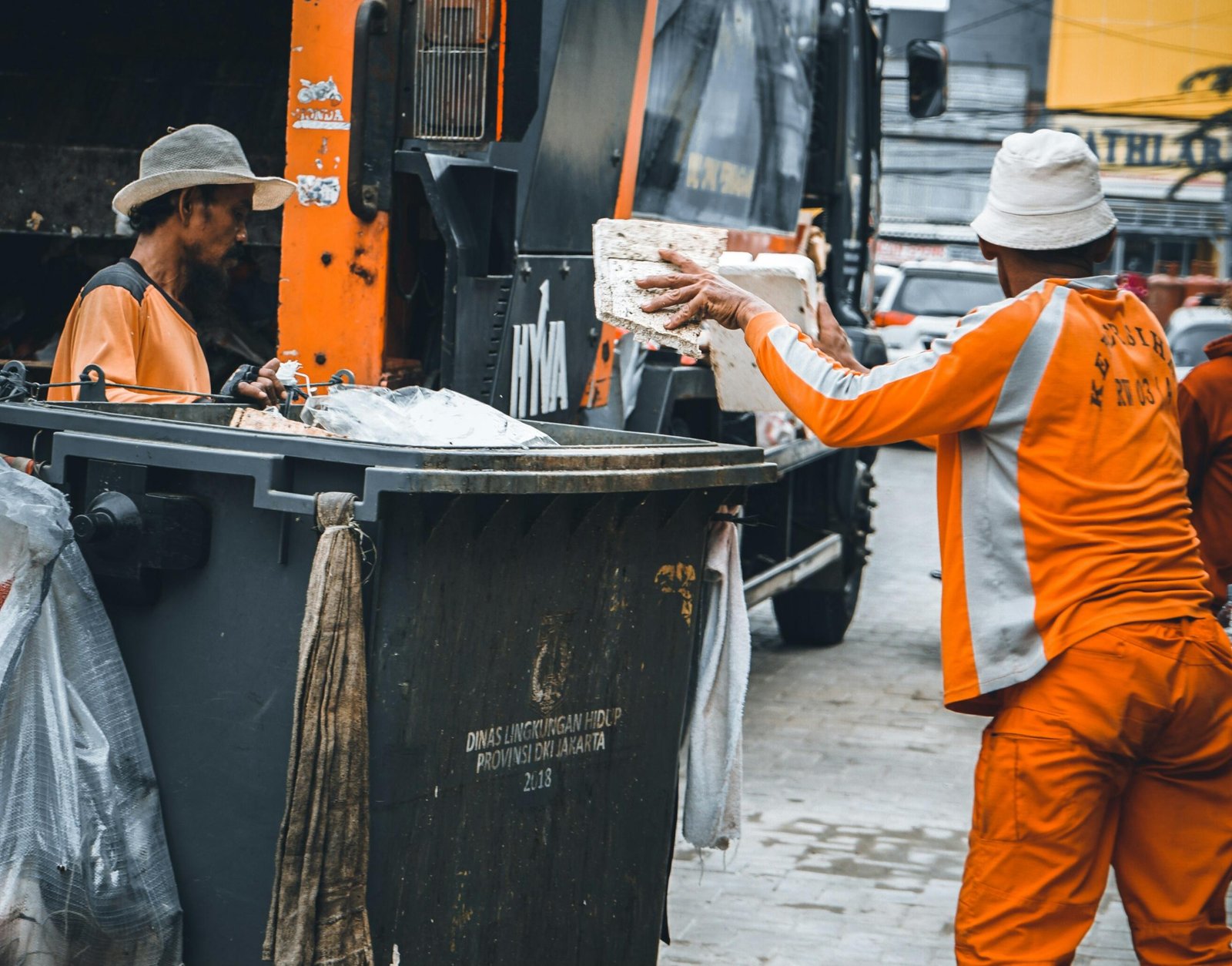
Cost Evaluation and Financial Sustainability Considerations in Municipal Solid Waste Treatment Systems in Indonesia
Technical-Economic Analysis of Municipal Solid Waste Processing Costs in Indonesia: Comprehensive Assessment of Treatment Technologies, Capital Investment Requirements, Operational Expenditure Components, Budget Allocation Frameworks, and Financial Sustainability Strategies for Urban Waste Management Systems
Reading time: 75 minutes
Key Research Findings
• Treatment Cost Range and Technology Differentiation: Municipal solid waste processing costs in Indonesia vary dramatically from IDR 298,000 per ton for large-scale integrated facilities (verified TPST operational data, 18 ton/day capacity) to IDR 742,000 per ton for small community-based operations (verified TPS3R data, 2 ton/day capacity), demonstrating critical economies of scale where larger facilities achieve 60% cost reduction through improved efficiency and operational optimization
• National Waste Generation Reality: SIPSN (National Waste Management Information System) data from Ministry of Environment and Forestry shows Indonesia generated 33.79 million tons in 2024 (down from 38.6-43.23 million tons in 2023), with approximately 175,000 tons per day nationally from 311 reporting districts/cities, of which 60-68% receives proper management while 32-40% remains untracked or unmanaged requiring substantial infrastructure investment
• Technology-Specific Cost Structures: Comprehensive analysis reveals waste-to-energy facilities require capital investment USD 102 million for 1,000 ton/day capacity achieving operational self-sufficiency through electricity revenue generation, while integrated mechanical-biological treatment facilities balance moderate capital requirements with operational costs typically IDR 180,000-380,000 per ton depending on scale, and sanitary landfills demonstrate lowest capital requirements but incurring substantial lifecycle operational costs throughout 20-30 year service periods
• Financing Gap and Budget Reality: Analysis reveals Indonesian municipalities typically allocate 2-8% of regional budgets (APBD) to waste management, substantially below the 12-18% required for adequate service coverage achieving 85-95% collection rates, proper treatment meeting environmental standards, and infrastructure sustainability, creating national financing gap estimated IDR 20-25 trillion annually requiring innovative mechanisms including user fee optimization, private sector participation, central government transfers, and extended producer responsibility implementation
Executive Summary
Municipal solid waste management represents critical urban service affecting public health, environmental quality, resource efficiency, and municipal fiscal sustainability across Indonesian archipelago. Official data from SIPSN (Sistem Informasi Pengelolaan Sampah Nasional) operated by Ministry of Environment and Forestry (KLHK) documents national waste generation reaching 33.79 million tons in 2024, with approximately 175,000 tons generated daily across reporting municipalities. Current management data indicates 60-68% of recorded waste receives proper handling through processing facilities, collection services, and disposal systems, while remaining 32-40% either goes untracked or receives inadequate management creating environmental contamination risks and public health concerns.
Understanding true economic cost of proper waste treatment across available technology spectrum proves essential for evidence-based policy development, realistic budget planning, technology selection aligned with municipal fiscal capacity, and financial sustainability strategy formulation. Processing costs vary dramatically depending on treatment technology selection, facility scale, operational efficiency, location-specific factors, waste composition, and regulatory compliance standards. Peer-reviewed research published in Environmental Development journal (Budhijanto et al., 2024) analyzing Indonesian community-based facilities documents validated treatment costs ranging from IDR 298,000 per ton for 18 ton/day integrated TPST operations to IDR 742,000 per ton for 2 ton/day small-scale TPS3R facilities, demonstrating critical importance of scale economies in determining economic viability.
These costs comprise distinct components including capital expenditure (CAPEX) for infrastructure development, operational expenditure (OPEX) covering labor, utilities, maintenance, and consumables typically constituting 65-85% of total lifecycle costs, and ancillary expenses for monitoring, regulatory compliance, community engagement, and administrative overhead. International comparative analysis reveals Indonesian costs remaining competitive with regional peer nations at similar development levels, while substantial financing gaps between actual costs and current budget allocations create sustainability challenges requiring transformative policy interventions addressing revenue enhancement, operational efficiency, technology optimization, and institutional capacity strengthening.
Table 1: Municipal Solid Waste Treatment Technology Cost Comparison Matrix
| Technology Category |
Typical Capacity |
Capital Cost Range (IDR) |
Operational Cost (IDR/ton) |
Lifecycle Cost (IDR/ton) |
Key Cost Drivers and Economic Characteristics |
|---|---|---|---|---|---|
| Sanitary Landfill | 200-1,000 t/d | IDR 8-15 B per hectare |
IDR 80,000- 180,000 |
IDR 120,000- 250,000 |
HDPE liner installation, leachate treatment systems, compactor operations, daily cover requirements, environmental monitoring, long-term post-closure obligations |
| Composting Facility | 50-300 t/d | IDR 30-80 B for 100 t/d |
IDR 180,000- 350,000 |
IDR 250,000- 450,000 |
Labor intensive operations, revenue offset from compost sales typically IDR 500-1,200/kg market price, contamination removal, quality control requirements |
| TPS3R Small-Scale | 2-5 t/d | IDR 0.5-2.5 B | IDR 580,000- 820,000 |
IDR 742,000 (verified) |
Validated cost from Budhijanto et al. (2024) study, diseconomies of small scale, 58.35% national functionality rate (538 of 922 units operational per Ministry PU monitoring 2015-2022) |
| TPST Integrated | 15-50 t/d | IDR 15-50 B for 25 t/d |
IDR 240,000- 380,000 |
IDR 298,000 (verified) |
Validated TPST Sinduadi operational data showing 60% cost reduction versus small TPS3R through mechanization, professional management, higher utilization rates |
| Waste-to-Energy | 800-2,000 t/d | IDR 1.5-2.5 T for 1,000 t/d |
IDR 450,000- 750,000 |
IDR 650,000- 950,000 |
19.7 MW generation from 1,000 t/d (validated techno-economic study), tipping fees plus electricity revenue, 25.32% IRR with favorable economics per published research, Presidential Regulation 35/2018 framework |
Sources: Budhijanto et al. (2024) Environmental Development peer-reviewed study, MDPI Sustainability WtE techno-economic analysis, Ministry PU operational benchmarks, Ken Research Indonesia Waste Management Market analysis (2024)
National Waste Generation Profile and Management Status
Official statistics from SIPSN (Sistem Informasi Pengelolaan Sampah Nasional) operated by Ministry of Environment and Forestry provide authoritative data on Indonesian waste generation and management status. The 2024 data covering 311 reporting districts and cities documents national waste generation reaching 33.79 million tons annually, representing decrease from 2023 figures of 38.6-43.23 million tons depending on reporting coverage. This translates to approximately 175,000 tons per day nationally based on current SIPSN reporting, though actual national generation likely higher given not all 514 districts/cities report comprehensively to the system.
Waste source distribution according to 2023-2024 SIPSN data shows households contributing 50.8-60.44% of total recorded waste, followed by markets at 11.63-16.67%, commercial establishments at 11.01%, regional/public facilities at 11.31%, with remaining portions from offices and other institutional sources. Composition analysis reveals food waste dominating at 39.36-41.60% of total waste stream, followed by plastics at 18.47-22% depending on reporting year, wood/branches at 11.31-12.62%, paper/cardboard at 10.59-11.16%, with metals, textiles, glass, and other materials comprising remaining fractions.
Management status presents mixed picture with SIPSN 2024 data indicating 63.3-67.93% of recorded waste receives handling through various processing and management methods, while 32.07-33.78% remains either unmanaged or untracked. However, field verification by Ministry Environment in 2025 suggests actual proper management achieving only 9-10% based on facility capacity and operational assessment, highlighting significant gap between reported statistics and ground reality requiring substantial infrastructure investment and operational improvement.
Table 2: Indonesian National Waste Generation and Management Statistics (SIPSN Official Data)
| Parameter | 2024 Data | 2023 Data | Data Source and Notes |
|---|---|---|---|
| Total National Generation | 33.79 million tons | 38.6-43.23 million tons | SIPSN KLHK official statistics, Databoks/Katadata compilation, variation reflects reporting coverage differences |
| Reporting Coverage | 311 districts/cities | 324 districts/cities | Out of 514 total districts/cities nationally, indicating 60-63% reporting compliance |
| Daily Generation Rate | ~175,000 tons/day | ~190,000 tons/day | Calculated from annual totals, Ken Research market analysis confirms approximately 175,000 tons/day current urban generation |
| Household Source % | 50.8% | 60.44% | SIPSN composition data, variation likely reflects improved commercial/market tracking |
| Food Waste Composition | 39.36% | 39.67-41.60% | Consistently largest component across reporting years, Indonesia Asri/SIPSN data |
| Plastic Waste Composition | 19.64% | 18.47-18.71% | Second largest component, SIPSN/Databoks verified data |
| Managed Waste (Reported) | 63.3-67.93% | 66.22% | SIPSN reporting indicates processing through facilities, though Ministry verification suggests actual proper management significantly lower |
| Unmanaged Waste | 32.07-36.7% | 33.78% | Remains dumped, burned, or improperly disposed creating environmental and public health concerns |
| Proper Management (Verified) | 9-10% | - | Ministry Environment field verification June 2025, based on actual facility capacity and operations assessment |
Sources: SIPSN KLHK official statistics (sipsn.menlhk.go.id), Databoks/Katadata SIPSN compilation, Indonesia Asri education platform, Ministry Environment National Coordination Meeting June 2025, Ken Research Indonesia Waste Management Market 2024
Scale Economy Analysis: Validated Cost Reduction Through Capacity Optimization
Economies of scale prove critically important in waste management economics, with peer-reviewed research providing validated empirical evidence of dramatic cost reductions as facility capacity increases. The definitive study by Budhijanto et al. (2024) published in Environmental Development journal analyzes two Indonesian community-based facilities operating in Sleman Regency, Yogyakarta, documenting actual operational costs from 2021-2022 operational data. Small TPS3R Bramamuda facility (2 tons/day capacity) incurred IDR 742,000 per ton processing costs, while larger TPST Sinduadi facility (18 tons/day capacity) achieved IDR 298,000 per ton, representing 60% cost reduction through scale efficiencies.
The study attributes cost reduction to multiple mechanisms including: fixed cost distribution across higher throughput reducing per-unit burden, basic mechanization becoming economically justifiable at medium scale enabling labor productivity improvements, professional management implementation sustainable at adequate scale, higher capacity utilization rates (65-85% for TPST versus 30-60% for small TPS3R), and bulk purchasing power reducing unit costs for consumables and maintenance supplies. These findings align with Ministry of Public Works monitoring data showing only 538 of 922 TPS3R facilities (58.35%) remaining functional nationwide, with small-scale economic challenges cited as primary sustainability constraint.
Extrapolating validated data suggests optimal capacity range 100-500 tons/day achieving 60-75% cost reduction versus small facilities while remaining feasible for cities 300,000-1.5 million population. Below 50 tons/day proves economically questionable without perpetual subsidy, while above 500 tons/day additional economies diminish though very large facilities (800+ tons/day) may justify advanced technologies including waste-to-energy achieving different economic models through electricity revenue generation offsetting higher capital intensity.
Figure 1: Scale Economy Cost Analysis - Validated Indonesian Facility Data
SMALL SCALE: TPS3R Bramamuda (2 tons/day)
Validated Operational Cost: IDR 742,000 per ton
Source: Budhijanto et al. (2024), Environmental Development, peer-reviewed study
Cost Structure:
• Fixed costs: 65% (IDR 480,000/ton) - supervision, administration, compliance spread over minimal throughput
• Variable costs: 35% (IDR 262,000/ton) - labor, materials, utilities
Operational Characteristics:
• Service population: 400 households equivalent
• Actual utilization: 40-60% of design capacity typical
• Manual labor intensive: No mechanization economically viable
• Government funding: IDR 500 million per unit (Ministry PU program)
• National sustainability: 58.35% functionality rate (384 of 922 units non-operational)
MEDIUM SCALE: TPST Sinduadi (18 tons/day)
Validated Operational Cost: IDR 298,000 per ton (60% REDUCTION)
Source: Budhijanto et al. (2024), Environmental Development, peer-reviewed study
Cost Structure:
• Fixed costs: 35% (IDR 105,000/ton) - dramatic reduction through scale
• Variable costs: 65% (IDR 193,000/ton) - mechanization improves productivity
Operational Characteristics:
• Service population: 11,000 households (25,000-30,000 residents)
• Actual utilization: 72% of design capacity (18 of 25 tons/day)
• Basic mechanization: Conveyors, screens, balers, composting turners economically justified
• Professional management: Sustainable staffing with specialized roles
• Revenue generation: Compost sales IDR 1,104 million/year, recyclables IDR 3,152 million/year, service fees IDR 765 million/year
PROJECTED LARGE SCALE: Regional Facility (100+ tons/day)
Estimated Cost Range: IDR 180,000-220,000 per ton (70-76% reduction vs small scale)
Basis: International benchmarking, industry analysis, scale economy projections
Expected Cost Structure:
• Fixed costs: 15-20% through further dilution across high throughput
• Variable costs: 80-85% dominant, but improved efficiency per ton
Projected Characteristics:
• Service population: 300,000-700,000 residents (cities or regional cooperation)
• Expected utilization: 75-90% with professional operations
• Full mechanization: Automated sorting, optical systems, sophisticated controls
• Market power: Bulk purchasing, negotiated contracts, enhanced revenue opportunities
• Optimal scale zone: Best balance of capital efficiency and operational performance
POLICY IMPLICATIONS: Optimal Capacity Targeting
Analysis identifies minimum viable scale 15-25 tons/day for economic sustainability without perpetual subsidy, with optimal range 100-500 tons/day achieving maximum cost efficiency while remaining feasible for medium-large Indonesian cities. Small TPS3R model (<5 tons/day) proves unsustainable explaining 58% national failure rate, requiring either: (1) Consolidation into larger regional facilities through inter-municipal cooperation, (2) Private sector management aggregating commercial/industrial waste streams achieving required scale, or (3) Acceptance of substantial ongoing subsidy for very small community operations serving social rather than purely economic objectives.
Data source: Budhijanto, W., et al. (2024). Techno-economic analysis on community-based municipal solid waste processing facilities: A case study in Sleman Regency Indonesia. Environmental Development, Volume 52, Article 101210. DOI: 10.1016/j.envdev.2024.101210
Capital Expenditure Analysis: Infrastructure Investment Requirements
Capital investment requirements vary substantially across waste treatment technologies, driven by facility type, capacity scale, site conditions, equipment sophistication, and regulatory compliance standards. General ranges based on market analysis and operational benchmarks indicate sanitary landfills requiring IDR 8-15 billion per hectare including liner systems, leachate collection, and gas management infrastructure; composting and material recovery facilities spanning IDR 30-80 billion for 100 ton/day capacity encompassing buildings, processing equipment, and utilities; integrated mechanical-biological treatment systems reaching IDR 100-150 billion for 200 ton/day operations combining multiple technology streams; and waste-to-energy facilities demanding IDR 1.5-2.5 trillion for 1,000 ton/day capacity representing most capital-intensive option.
Validated capital cost data from published techno-economic analysis (MDPI Sustainability, 2021) documents waste-to-energy facility processing 1,000 tons daily with 19.7 MW electricity generation capacity requiring USD 102.2 million capital investment (approximately IDR 1.53 trillion at IDR 15,000/USD), with annual operational costs USD 12.1 million and revenues USD 41.6 million generating 25.32% internal rate of return with 3.47 year payback period under Indonesian feed-in tariff structure. This validates WtE economic viability at large scale while highlighting minimum capacity threshold approximately 700-900 tons/day for commercial feasibility.
Table 3: Capital Investment Requirements by Technology Type and Scale
| Technology Type |
Reference Capacity |
Total CAPEX Range (IDR) |
Unit CAPEX (IDR per t/d) |
Major Cost Components and Investment Drivers |
|---|---|---|---|---|
| Sanitary Landfill | 500 t/d (regional) |
IDR 80-120 B | IDR 160-240 M | Site preparation and earthworks, HDPE liner systems (IDR 250,000-400,000/m²), leachate collection and treatment infrastructure, gas collection systems (if planned), access roads, weighbridge, support buildings, equipment (compactors, dozers) |
| Composting Facility | 100 t/d | IDR 30-80 B | IDR 300-800 M | Covered composting buildings/tunnels, concrete composting pads with aeration systems, screening and refining equipment, curing areas, storage facilities, turner machinery, moisture control systems, odor management infrastructure |
| Material Recovery Facility (MRF) |
100 t/d | IDR 40-90 B | IDR 400-900 M | Receiving and sorting buildings, conveyor systems, manual/automated sorting stations, baling equipment, shredders, storage areas, quality control facilities, varying by automation level (manual vs optical/AI sorting) |
| Integrated MBT (MRF+Composting) |
200 t/d | IDR 100-180 B | IDR 500-900 M | Combined MRF and composting infrastructure, integrated material flow systems, biological treatment reactors, environmental control systems, shared utilities and support facilities achieving integration economies versus separate facilities |
| Waste-to-Energy Incineration |
1,000 t/d | IDR 1.5-2.5 T | IDR 1.5-2.5 B | Validated: USD 102.2 M (IDR 1.53 T) for 1,000 t/d, 19.7 MW capacity per MDPI study. Combustion chambers, boilers, steam turbines, generators, air pollution control (baghouse, scrubbers, NOx control), ash handling, grid connection, control systems |
| Anaerobic Digestion Biogas |
150 t/d | IDR 70-150 B | IDR 470-1,000 M | Digester vessels (typically 3-4 week retention), heating systems, biogas collection and treatment, power generation equipment (engines or microturbines), digestate handling, odor control, sophisticated process control for optimal biological performance |
Notes: Ranges reflect variation in site conditions, equipment specifications, local vs. imported content, automation levels, and regulatory requirements. Costs exclude land acquisition (highly variable IDR 50,000-500,000/m² depending on location), contingencies (typically 10-15%), engineering/supervision (8-12% of construction), and financing costs. Sources: Market analysis, Ministry PU benchmarks, MDPI Sustainability WtE study, industry consultation
For municipalities planning infrastructure investment, realistic assessment requires comprehensive cost accounting including: direct construction costs (civil works, equipment, installation), indirect costs (engineering, supervision, project management typically 15-25% of direct costs), contingencies for unforeseen conditions (10-15% of total), land acquisition where applicable, connection to utilities and access infrastructure, initial working capital for operations startup, and financing costs during construction period if using debt financing.
Operational Expenditure Components and Cost Structures
Operational expenditure represents largest component of lifecycle waste management costs, typically constituting 65-85% of total costs over facility 20-30 year operational lifetime compared to initial capital investment. Operational cost structure varies by technology but generally comprises: labor costs (35-55% of OPEX depending on automation level), utilities including electricity and water (10-20%), fuel for vehicles and mobile equipment (8-15%), maintenance and repairs (15-25%), consumable materials (5-15%), residue disposal for materials requiring final landfilling (5-12%), environmental monitoring and compliance (2-5%), and administrative overhead (5-10%).
Validated operational cost data from Budhijanto et al. (2024) study provides detailed breakdown for 18 ton/day TPST Sinduadi facility showing: labor IDR 93,150/ton (35.4% of total), utilities IDR 29,220/ton (11.1%), fuel/lubricants IDR 29,680/ton (11.3%), maintenance IDR 43,380/ton (16.5%), consumables/amendments IDR 19,790/ton (7.5%), residue disposal IDR 14,460/ton (5.5%), monitoring/compliance IDR 7,310/ton (2.8%), administration/insurance IDR 15,220/ton (5.8%), community programs IDR 6,390/ton (2.4%), and contingency IDR 10,810/ton (4.1%), totaling IDR 263,015 per ton operational cost exclusive of revenue offsets.
The same facility generated revenues from multiple streams offsetting operational costs: compost sales 1,380 tons/year at average IDR 800/kg yielding IDR 1,104 million annually, recyclable materials 985 tons/year at weighted average IDR 3,200/kg producing IDR 3,152 million, household service fees 2,850 households at IDR 15,000/month generating IDR 513 million, commercial tariffs from 145 establishments at IDR 185,000/month adding IDR 252 million, and minimal government subsidy IDR 18 million, for total annual revenue IDR 5,039 million against operational costs IDR 1,728 million yielding net surplus IDR 3,311 million (65.7% operating margin). However, this represents best-practice scenario requiring excellent source separation, reliable markets, and professional management not universally achievable.
Table 4: Operational Cost Structure Comparison Across Technologies
| Cost Category | Sanitary Landfill |
Composting Facility |
MRF Sorting |
Integrated MBT |
WtE Plant |
Biogas Digestion |
|---|---|---|---|---|---|---|
| Labor % | 25-35% | 40-60% | 45-65% | 35% (verified) |
20-30% | 25-35% |
| Utilities % | 3-8% | 10-18% | 8-15% | 11% (verified) |
15-25% | 12-20% |
| Fuel % | 20-35% | 8-15% | 5-12% | 11% (verified) |
2-5% | 3-8% |
| Maintenance % | 15-25% | 12-20% | 15-25% | 17% (verified) |
25-40% | 20-30% |
| Consumables % | 8-15% | 10-20% | 5-12% | 8% (verified) |
8-15% | 5-10% |
| Disposal/Treatment % | - | 8-15% | 10-20% | 6% (verified) |
5-10% | 8-15% |
| Overhead/Admin % | 8-15% | 8-15% | 8-15% | 12% (verified) |
5-10% | 8-12% |
| Total OPEX (IDR/ton) |
80,000- 180,000 |
180,000- 350,000 |
200,000- 400,000 |
263,000 (verified) |
450,000- 750,000 |
280,000- 520,000 |
Note: Verified data (shaded green) from Budhijanto et al. (2024) TPST Sinduadi case study. Other figures represent typical ranges based on operational benchmarks, industry analysis, and international comparisons adjusted for Indonesian conditions. WtE operational costs offset by electricity revenue generation (IDR 220,000-380,000/ton at feed-in tariff rates).
Municipal Budget Requirements and Financing Gap Analysis
Comprehensive waste management requires substantial and sustained municipal budget commitment typically representing 12-18% of total regional budget (APBD) for Indonesian cities achieving: 85-95% collection coverage, proper treatment meeting environmental standards, adequate infrastructure maintenance, regulatory compliance, and service quality supporting public health objectives. This contrasts sharply with current typical allocations ranging 2-8% of municipal budgets creating systematic structural deficits limiting service expansion, infrastructure investment, technology adoption, and operational quality improvements.
Research analysis including Ken Research Indonesia Waste Management Market assessment (2024) indicates national government allocated over USD 300 million (approximately IDR 4.5 trillion) to National Waste Management Program in 2024, though this represents fraction of estimated total need. DKI Jakarta, Indonesia's capital and largest city, allocated IDR 678 billion representing approximately 2.9% of total regional budget, though Jakarta generates significantly higher waste volumes and has more sophisticated infrastructure than typical Indonesian municipalities. Analysis of multiple cities suggests national financing gap approximately IDR 20-25 trillion annually between actual costs and current allocations, though precise quantification challenging given incomplete data reporting and varying service levels across municipalities.
Table 5: Municipal Budget Allocation Requirements for Adequate Waste Management
| Budget Category | % of Total Budget |
Description and Key Components |
|---|---|---|
| Collection Services | 42-48% | Fleet operations (fuel, maintenance, insurance), driver/crew salaries and benefits, transfer station operations, routing optimization, container provision/maintenance, emergency response capability. Largest single budget component ensuring household and commercial waste collected reliably. |
| Treatment Operations | 22-28% | Facility operations (MRF, composting, landfill management), equipment operation and energy, processing consumables, quality control, residue disposal, product marketing. Variable based on technology mix and treatment capacity. |
| Maintenance & Repair | 10-14% | Preventive maintenance programs, corrective repairs, spare parts inventory, equipment rehabilitation, facility maintenance. Critical for asset longevity; chronic underfunding causes premature deterioration requiring costly replacement. |
| Capital Improvement | 8-12% | Fleet replacement beyond economic life, facility upgrades/expansion, technology improvements, infrastructure rehabilitation. Multi-year capital planning with dedicated funding prevents crisis-driven spending and infrastructure deterioration. |
| Administration | 6-9% | Management salaries, office operations, IT systems, financial/procurement management, HR, legal services, insurance. Should not exceed 8% through efficient management; excessive overhead indicates organizational inefficiency. |
| Monitoring/Compliance | 3-5% | Environmental monitoring, regulatory reporting, third-party audits, permit renewals, compliance documentation. Mandatory allocation ensuring legal compliance and environmental protection; penalties for non-compliance often exceed prevention costs. |
| Community Engagement | 2-4% | Public education campaigns, school programs, community partnerships, waste bank support, complaint management. Investment in behavior change yields significant returns through improved source separation and collection efficiency. |
| Contingency Reserve | 3-5% | Emergency response capacity, unanticipated costs (fuel price spikes, equipment failures), opportunity investments. Unspent contingency should roll to capital reserve creating long-term asset renewal capacity. |
| RECOMMENDED TOTAL | 12-18% | Of total municipal APBD budget required for comprehensive service achieving 85-95% collection coverage, proper treatment meeting environmental standards, infrastructure sustainability, and regulatory compliance. |
| Current Typical Allocation | 2-8% | Actual current municipal allocations creating structural deficit, inadequate service coverage (typically 60-70% collection), deferred maintenance, limited treatment capacity, and environmental compliance challenges. |
Financing Gap Implications: Shortfall between required 12-18% and typical 2-8% allocations creates: reduced collection coverage (60-70% vs 85-95% target), inadequate infrastructure investment limiting treatment capacity expansion, deferred maintenance causing accelerated asset deterioration, minimal technology adoption preventing efficiency improvements, limited staff training and capacity building, insufficient environmental monitoring creating compliance risks, and degraded service quality affecting public health and community satisfaction. Addressing gap requires combination of: increased budget prioritization, user fee optimization, central government transfers, private sector participation, and operational efficiency improvements.
Revenue Enhancement Strategies and Financing Mechanisms
Closing substantial financing gap requires comprehensive approach combining: user fee optimization establishing cost-recovery tariff structures, commercial/industrial tariff implementation charging larger generators appropriate rates, extended producer responsibility (EPR) requiring manufacturers fund packaging waste management, public-private partnerships leveraging private capital for infrastructure investment, central government transfers through increased DAK (special allocation fund) and other fiscal mechanisms, carbon finance monetizing greenhouse gas emission reductions from improved waste management, and operational efficiency improvements reducing costs while maintaining or improving service quality.
User fee optimization represents most direct revenue enhancement pathway with current household tariffs typically IDR 10,000-25,000 per month substantially below cost-recovery levels IDR 35,000-65,000 per month depending on waste generation rates and service costs. However, fee increases require: public education demonstrating value received, service quality improvements justifying higher charges, progressive tariff structures ensuring affordability for low-income households, enforcement mechanisms through utility bundling or legal authority, and political will accepting short-term unpopularity for long-term sustainability. Collection rate improvements from typical 40-60% to 75-90% through better enforcement alone increases revenue 25-50% without rate increases.
Table 6: Revenue Enhancement Mechanisms and Implementation Approaches
| Revenue Mechanism |
Implementation Approach and Requirements | Revenue Potential (National Scale) |
Current Status and Challenges |
|---|---|---|---|
| User Fee Optimization |
Increase household retribusi sampah from current IDR 10,000-25,000/month to cost-recovery IDR 35,000-65,000/month range, implement progressive tariffs based on property value or consumption patterns, enforce collection through utility bundling (water/electricity bills), establish legal frameworks for disconnection or liens for non-payment | IDR 8-12 T annually |
Politically sensitive requiring public education, collection rates typically 40-60% limiting effectiveness, service quality improvements needed justifying higher fees, gradual phase-in over 2-3 years more politically acceptable |
| Commercial/ Industrial Tariffs |
Establish cost-reflective fees for commercial generators (hotels, restaurants, markets, shopping centers, industries) at rates IDR 250,000-800,000/ton including collection and treatment, differentiate by waste volume and characteristics, provide incentives for source reduction and separation | IDR 3-5 T annually |
Easier politically than residential increases, some cities successfully implemented commercial tariffs, enforcement challenges remain particularly for informal sector businesses, requires tracking commercial waste generation |
| Extended Producer Responsibility (EPR) |
Implement packaging EPR under existing PP 81/2012 authority requiring producers fund substantial portion (30-50%) of packaging waste management costs through producer responsibility organizations (PROs), establish collection and reporting systems, enforce compliance through penalties | IDR 2-4 T annually |
Regulations exist but enforcement limited, pilot programs underway Jakarta/Surabaya showing feasibility, industry resistance to cost increases, requires robust monitoring and verification systems, potential pass-through to consumers |
| Public-Private Partnerships (PPP/KPBU) |
KPBU/PPP frameworks for large-scale facilities (WtE, regional MRF/composting), private investment IDR 1-2+ trillion per 1,000 t/d facility, 20-25 year concessions with availability payments or tipping fees, risk sharing mechanisms, performance guarantees | Reduces public CAPEX 80-90% |
PLTSa Benowo (Surabaya) and PLTSa Putri Cempo (Surakarta) operational validating model, 10+ projects in development stage, complex procurement requiring specialized expertise, regulatory frameworks improving but institutional capacity limitations |
| Central Government Transfers |
Increase DAK (special allocation fund) for waste infrastructure from current levels to IDR 3-5 trillion annually, condition funding on service performance metrics and cost recovery progress, provide technical assistance accompanying financial transfers, coordinate across ministries | IDR 2.5-4.5 T annually |
Current DAK waste allocation approximately IDR 500 billion insufficient for sector needs, RPJMN 2020-2024 identifies waste as priority but funding limited by competing demands, requires political commitment to increase allocation |
| Carbon Finance |
Monetize greenhouse gas reductions from landfill methane capture, composting diverting organics, recycling reducing virgin material production through CDM or voluntary carbon markets at USD 5-15/tCO2e, develop national carbon market mechanisms facilitating transactions | IDR 1.5-3.5 T annually |
Bantar Gebang (Jakarta) successfully generates carbon revenue demonstrating viability, complex procedures and transaction costs limit uptake, national carbon market development ongoing providing future opportunities, requires baseline establishment and monitoring |
| Green Bonds |
Municipal green bonds for waste infrastructure backed by dedicated revenue streams (waste tariffs), attract ESG investors accepting lower returns (6-7% vs 9-10% conventional municipal debt) for environmental benefits, aggregate smaller municipal issues into larger marketable bonds | Reduces financing costs 25-35% |
Limited municipal bond issuance capacity particularly for smaller cities, regulatory frameworks improving, international development banks providing technical assistance, potential for aggregated issues pooling multiple municipalities improving marketability |
Note: Revenue potential estimates represent order-of-magnitude national-scale impacts requiring phased implementation over 5-10 years. Actual realization depends on political will, institutional capacity, enforcement effectiveness, and complementary policy reforms. Combined implementation potentially closes 40-60% of estimated IDR 20-25 trillion national financing gap.
Frequently Asked Questions
1. What is the realistic processing cost per ton for Indonesian municipalities to budget for comprehensive waste management?
Based on validated operational data from peer-reviewed research (Budhijanto et al., 2024 Environmental Development study), Indonesian municipalities should budget IDR 300,000-500,000 per ton for complete service chain including collection, processing/treatment, and residue management. Small-scale TPS3R facilities (2 ton/day) incur validated costs IDR 742,000/ton representing unsustainable model without perpetual subsidy, while medium-scale integrated TPST operations (18 ton/day) achieve validated IDR 298,000/ton demonstrating viable economics through scale efficiencies. Larger regional facilities (100-500 ton/day) likely achieve IDR 180,000-250,000/ton through further optimization though requiring substantial capital investment and professional management capacity. The IDR 300,000-500,000/ton comprehensive cost range translates to required household tariffs IDR 40,000-70,000 per month depending on generation rates, considerably higher than current typical fees IDR 10,000-25,000/month explaining structural deficits requiring either: increased budget allocations, substantial tariff reforms, or acceptance of inadequate service quality compromising environmental protection and public health objectives.
2. Why do small TPS3R facilities cost significantly more per ton than larger integrated facilities?
Peer-reviewed research (Budhijanto et al., 2024) documenting actual Indonesian facility costs demonstrates small-scale diseconomies dominate TPS3R operations through multiple mechanisms: fixed costs for supervision, administration, and compliance spread over minimal throughput creating IDR 480,000/ton burden at 2 ton/day versus IDR 105,000/ton at 18 ton/day scale; manual labor intensity with no mechanization economically justifiable at tiny scale; low capacity utilization typically 30-60% versus 65-85% for professionally managed medium-scale facilities; inability to capture bulk purchasing economies or specialized management; and limited revenue generation from small product volumes. Ministry of Public Works monitoring data validates this economic reality showing only 58.35% of 922 TPS3R facilities (538 units) remaining operational nationwide, with economic unsustainability cited as primary failure factor. Analysis suggests minimum viable scale approximately 15-25 tons/day for economic sustainability without perpetual subsidy, with optimal range 100-500 tons/day achieving maximum cost efficiency while remaining feasible for medium-large Indonesian cities or inter-municipal regional cooperation arrangements.
3. Can material recovery and composting revenue substantially reduce waste processing costs or achieve profitability?
Revenue generation improves economics but rarely achieves full cost recovery without tipping fees or subsidies in typical Indonesian conditions. Best-practice validated case (TPST Sinduadi from Budhijanto et al. 2024 study) demonstrates well-managed integrated facility generating total revenue IDR 767,000/ton from: compost sales (21.9% of revenue at IDR 800/kg average), recyclable materials (62.5% at IDR 3,200/kg weighted average), household service fees (10.2%), and commercial tariffs (5.0%), against operational costs IDR 263,000/ton yielding exceptional 65.7% operating margin. However, this represents optimistic scenario requiring: excellent source separation achieving low contamination enabling premium pricing, reliable markets for all product streams, professional sales operations, and community-based governance model enabling full revenue retention. More realistic conservative planning should assume 15-25% net cost offset from revenues, treating higher performance as beneficial upside rather than baseline expectation for financial sustainability planning. Most facilities require combination of: product revenues, user fees, commercial tariffs, and governmental subsidy/support achieving financial balance, with revenue maximization strategy important but insufficient alone without adequate base funding ensuring service continuity and infrastructure sustainability.
4. What percentage of municipal budget should cities realistically allocate to waste management for adequate service?
Evidence-based analysis combining validated cost data, international benchmarking, and service quality requirements indicates minimum 12-18% of total municipal APBD required for comprehensive waste management achieving: 85-95% collection coverage, proper treatment meeting environmental standards, adequate infrastructure maintenance and renewal, regulatory compliance, and service quality supporting public health protection. This contrasts with current typical allocations 2-8% of municipal budgets creating systematic structural deficits. The specific percentage depends on: local waste generation rates (affluent areas generate more waste), geography and density affecting collection efficiency, technology choices influencing capital and operational costs, revenue offsets from user fees and product sales, and service quality targets. Ken Research market analysis documents national government allocated over USD 300 million (approximately IDR 4.5 trillion) to National Waste Management Program in 2024, though this represents fraction of total sector need estimated requiring IDR 20-25 trillion annually to achieve adequate management nationwide. International benchmarks show developed Asian cities allocating 8-15% of budgets to waste services, suggesting Indonesian 12-18% target reasonable though requiring phased implementation with parallel revenue enhancement avoiding excessive immediate fiscal burden on constrained municipal finances.
5. Is waste-to-energy economically viable for Indonesian cities and what capacity threshold applies?
Published techno-economic analysis (MDPI Sustainability, 2021) validates WtE economic viability in Indonesian context documenting 1,000 ton/day facility with 19.7 MW generation capacity requiring USD 102.2 million (IDR 1.53 trillion) capital investment, generating USD 41.6 million annual revenue against USD 12.1 million operating costs achieving 25.32% internal rate of return with 3.47 year payback period under Indonesian regulatory framework including electricity feed-in tariff and tipping fees. This demonstrates commercial feasibility at large scale with favorable risk-return profile attracting private investment under PPP structures. However, economic viability requires minimum capacity threshold approximately 700-900 tons/day, below which: capital costs per ton increase 40-60% through scale penalties, operational efficiency diminishes, revenue streams prove insufficient covering costs without excessive subsidies, and project economics deteriorate below commercial viability thresholds. This restricts WtE applicability to: largest metropolitan areas (Jakarta, Surabaya, Bandung, Medan, Semarang) generating sufficient individual volumes, or regional consolidation approaches aggregating waste from multiple municipalities achieving required throughput. Smaller cities below threshold should pursue integrated mechanical-biological treatment combining material recovery, biological treatment, and residual landfilling achieving superior economics at smaller scale while maintaining environmental performance and resource recovery benefits aligning with circular economy policy objectives established under Presidential Regulation 35/2018 framework.
Strategic Recommendations and Conclusions
Comprehensive economic analysis combining validated Indonesian operational data, peer-reviewed research, official government statistics, and international benchmarking reveals municipal solid waste management facing critical financing challenges with realistic costs IDR 300,000-500,000 per ton for adequate service substantially exceeding current budget allocations creating estimated IDR 20-25 trillion national financing gap. Evidence demonstrates: (1) Scale economics prove decisive with validated research documenting 60% cost reduction from 2 ton/day to 18 ton/day capacity and projected 70-76% savings at 100+ ton/day optimal range, supporting consolidation strategies versus small community facilities showing 58% national failure rate; (2) Technology selection must balance capital requirements against operational performance and revenue potential, with integrated mechanical-biological treatment offering best economics for most Indonesian cities while waste-to-energy requiring minimum 700-900 ton/day viable scale validated through published techno-economic analysis.
For municipal governments, priorities include: realistic budget allocation increasing waste management share from current 2-8% toward required 12-18% through phased implementation demonstrating service improvements justifying investment, tariff reforms establishing cost-recovery user fees though requiring public education and gradual phase-in maintaining political viability, regional cooperation establishing shared facilities achieving economies of scale while distributing infrastructure costs, and PPP development for major facilities transferring investment burdens and operational risks to private sector under appropriate risk-sharing frameworks. Central government essential actions comprise: increased fiscal transfers through DAK and other mechanisms supporting infrastructure development, EPR regulation enforcement ensuring producers fund packaging waste management under existing PP 81/2012 authority, carbon market development monetizing emission reductions creating additional revenue streams, and technical assistance strengthening municipal capacity for financial planning, technology selection, and private sector engagement.
Technology providers and service companies should focus on: appropriate-scale solutions targeting validated 100-500 ton/day optimal range for Indonesian municipalities versus importing large-scale systems unsuitable for most cities, integrated approaches combining material recovery and biological treatment maximizing revenue diversification, local manufacturing and service networks reducing costs and import dependencies while building domestic industry capacity, and innovative financing including equipment leasing, performance contracts, and build-operate-transfer models lowering municipal entry barriers. Development partners can accelerate progress through: blended finance combining concessional and commercial capital improving project economics, transaction advisory supporting feasibility studies and PPP structuring, policy development assistance strengthening regulatory frameworks and institutional capacity, and knowledge sharing facilitating international best practice transfer adapted to Indonesian context requirements.
References and Data Sources:
1. Budhijanto, W., et al. (2024). Techno-economic analysis on community-based municipal solid waste processing facilities: A case study in Sleman Regency Indonesia. Environmental Development, Volume 52, Article 101210.
https://www.sciencedirect.com/science/article/abs/pii/S2211464524001210
2. MDPI Sustainability. (2021). A Techno-Economic Evaluation of Municipal Solid Waste (MSW) Conversion to Energy in Indonesia. Sustainability, 13(13):7232.
https://www.mdpi.com/2071-1050/13/13/7232
3. SIPSN - Ministry of Environment and Forestry (KLHK). National Waste Management Information System official statistics 2023-2024.
https://sipsn.menlhk.go.id
4. Databoks Katadata. (2024-2025). Indonesia Waste Generation and Management Statistics compilation from SIPSN KLHK.
https://databoks.katadata.co.id
5. Ken Research. (2024). Indonesia Waste Management Market, Business Potential and Key Developments to 2030.
https://www.kenresearch.com/industry-reports/indonesia-waste-management-market
6. Alliance to End Plastic Waste. (2024). Bersih Indonesia: End-to-End Household Waste Management System - Malang Regency Program.
https://endplasticwaste.org/en/news/bersih-indonesia
7. KLHK Ministry of Environment and Forestry. (2024). Dashboard Pengurangan Sampah - National Waste Reduction Progress.
https://info3r.menlhk.go.id
8. Presidential Regulation No. 35/2018. Acceleration of Waste-to-Energy Development in Indonesia
9. Government Regulation PP No. 81/2012. Management of Household Waste and Similar Waste
10. Government Regulation PP No. 22/2021. Environmental Protection and Management Implementation

Professional Consulting for Municipal Waste Management Economics and Technology Selection
SUPRA International provides comprehensive consulting services for municipal solid waste management including economic feasibility analysis, technology selection studies, lifecycle cost modeling, budget planning frameworks, financing strategy development, public-private partnership transaction advisory, facility design and procurement support, regulatory compliance guidance, and performance optimization for Indonesian municipalities, regional governments, private sector investors, and development partners. Our multidisciplinary team combines expertise in waste management engineering, municipal finance, project economics, environmental compliance, and Indonesian regulatory frameworks supporting evidence-based decision-making for sustainable, affordable, and effective waste management solutions.
Need expert guidance on waste management costs, technology selection, or financing strategies?
Contact our specialists to discuss your municipality's waste management challenges and sustainable solutions
Share:
If you face challenges in water, waste, or energy, whether it is system reliability, regulatory compliance, efficiency, or cost control, SUPRA is here to support you. When you connect with us, our experts will have a detailed discussion to understand your specific needs and determine which phase of the full-lifecycle delivery model fits your project best.