
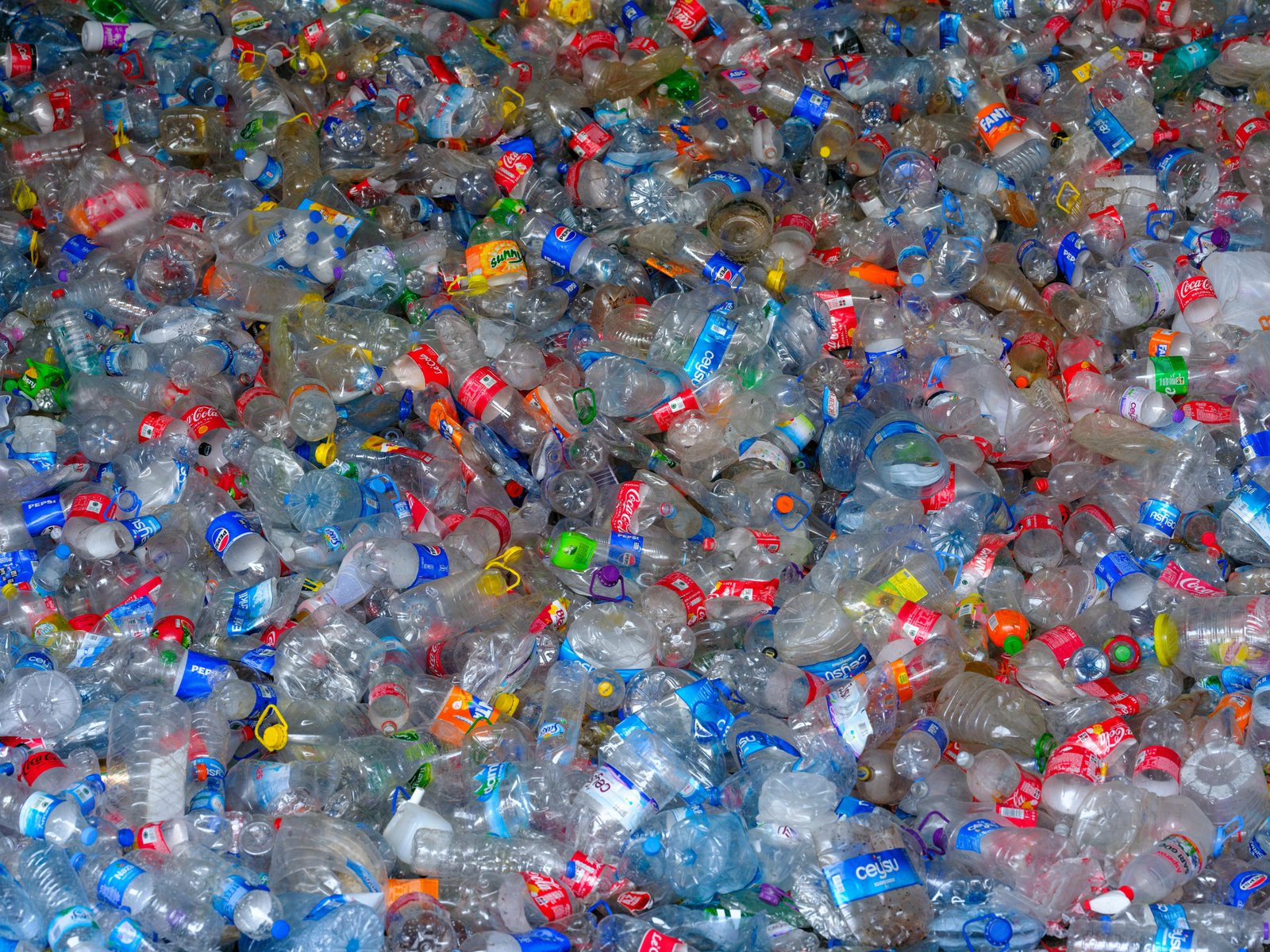
How Transforming Plastic Waste Management and Implementing Extended Producer Responsibility Drive Sustainable Plastic Waste Management
Implementing Extended Producer Responsibility for Sustainable Plastic Waste Management in Indonesia: Regulatory Framework, Implementation Pathways, and Circular Economy Transformation
Reading time: 68 minutes
Key Research Findings
• Regulatory Foundation and Legal Framework: Indonesia established mandatory Extended Producer Responsibility through Ministry of Environment and Forestry Regulation (PERMENLHK) No. 75/2019, requiring producers, importers, and distributors generating significant packaging waste volumes to achieve progressive waste reduction targets through 2029, supported by comprehensive legal framework including Law No. 18/2008 on Waste Management and Government Regulation PP No. 27/2020 on Specific Waste Management establishing producer accountability principles and enforcement mechanisms
• Three-Pathway Compliance Framework: The regulation establishes flexible implementation mechanisms enabling producers to select optimal approaches: independent program implementation allowing companies to develop proprietary collection and recycling systems, Producer Responsibility Organization (PRO) participation through collective schemes pooling resources among multiple companies, or hybrid models combining elements to balance cost-effectiveness with strategic control, accommodating diverse business capabilities from multinational corporations to small-medium enterprises
• Progressive Target Structure and Timeline: PERMENLHK 75/2019 mandates graduated reduction targets requiring baseline establishment followed by progressive improvement through specific interim milestones, with compliance measured through combination of absolute reduction (eliminating unnecessary packaging), material substitution (replacing conventional plastics with sustainable alternatives), reuse systems (enabling multiple product cycles), and recycling (ensuring materials return to production rather than environmental disposal)
• Multi-Stakeholder Ecosystem and Implementation Challenges: Effective EPR implementation requires coordinated action across producers bearing compliance obligations, government agencies providing regulatory oversight, waste management sector supplying collection and recycling infrastructure, civil society organizations advocating environmental protection, and consumers whose participation determines system success, with ongoing challenges including infrastructure gaps in underserved regions, enforcement capacity constraints, flexible packaging recycling difficulties, and informal sector integration needs requiring continued attention and investment
Executive Summary
Indonesia faces substantial plastic waste management challenges stemming from rapid economic growth, increasing consumption patterns, urbanization trends, and inadequate waste management infrastructure. Government data indicates millions of tons of municipal solid waste generated annually with significant plastic packaging components, considerable portions of which receive inadequate management leading to environmental contamination including ocean pollution, ecosystem degradation, public health hazards, and economic costs through tourism impacts, fisheries damage, and cleanup expenses.
This environmental challenge stems from systemic failures including insufficient waste management infrastructure with collection coverage gaps particularly in rural and remote areas, limited recycling capacity processing only small fractions of plastic waste generated, and critically, absence of producer accountability mechanisms historically allowing manufacturers to externalize end-of-life costs onto municipalities, communities, and environment without incentives for packaging design improvement, material reduction, or recycling system support.
Extended Producer Responsibility represents transformative policy approach fundamentally shifting waste management paradigm from primarily municipal responsibility to shared accountability with producers bearing significant obligations. This policy framework internalizes environmental costs into product pricing, creates financial incentives for sustainable packaging design, and mobilizes private sector investment in collection and recycling infrastructure addressing systemic market failures where environmental externalities previously remained unpriced and unaddressed.
Indonesia's EPR framework established through PERMENLHK No. 75/2019 issued by Ministry of Environment and Forestry (KLHK) represents comprehensive regulatory intervention mandating producer action across packaging lifecycle. The regulation applies to producers, importers, and distributors whose operations generate packaging waste above specified thresholds, requiring progressive waste reduction achievement through multiple compliance pathways accommodating diverse business contexts and capabilities.
Implementation mechanisms provide strategic flexibility through three principal compliance pathways. Independent program implementation enables companies with substantial resources and national distribution networks to develop proprietary systems including take-back programs, deposit-refund schemes, direct partnerships with waste management companies, and innovation in packaging design and materials. Producer Responsibility Organizations offer collective approach particularly beneficial for small-medium enterprises lacking individual capacity for comprehensive program development, pooling financial and operational resources to establish shared collection infrastructure, recycling facilities, and reporting systems achieving economies of scale. Hybrid models combining elements enable customized strategies optimizing cost-effectiveness while ensuring comprehensive coverage.
Economic implications require substantial investment distributed across infrastructure development including collection centers, sorting facilities, and recycling plants, technology deployment for sorting equipment and processing machinery, operational systems covering collection logistics and transportation networks, and management infrastructure for monitoring, compliance reporting, and stakeholder coordination. Per-company compliance costs vary substantially based on packaging volume, material composition, geographic distribution, and chosen compliance pathway.
Environmental benefits justify economic investments through multiple mechanisms. Plastic waste reduction prevents environmental contamination avoiding ocean plastic pollution with associated marine ecosystem damage, landfill diversion extending facility lifespans, and incineration avoidance eliminating air pollution. Resource conservation benefits include petroleum savings reducing import dependence, energy savings through recycling efficiency advantages versus virgin production, and water conservation particularly significant in water-stressed regions. Economic multiplier effects generate co-benefits including job creation across waste collection, sorting, recycling, and supporting services, value addition to recycling industry through capacity expansion and technology modernization, and innovation stimulus driving sustainable packaging development and circular business model proliferation.
Regulatory Framework and Legal Foundation
Indonesia's Extended Producer Responsibility framework rests on comprehensive legal foundation spanning national laws, government regulations, and ministerial decrees creating hierarchical structure ensuring constitutional legitimacy, regulatory authority, and enforcement capability. Understanding this legal architecture proves essential for companies, waste management operators, government officials, and stakeholders navigating compliance requirements and implementation processes.
Primary legal basis originates from Law No. 18/2008 on Waste Management establishing fundamental principles of producer responsibility within broader waste management obligations. This national legislation, enacted by Indonesian parliament (DPR), provides statutory authority for producer obligations regarding packaging waste, defines waste categories and management standards, establishes stakeholder responsibilities including producers alongside government and communities, and creates enforcement framework including administrative and criminal sanctions for violations.
Law No. 32/2009 on Environmental Protection and Management provides complementary legal foundation positioning EPR within comprehensive environmental policy framework. Key provisions include polluter pays principle requiring businesses to internalize environmental costs, extended producer responsibility as pollution control instrument, administrative sanctions for environmental violations, and criminal provisions for serious environmental damage creating multi-layered enforcement approach.
Government Regulation PP No. 81/2012 on Household Waste Management operationalizes statutory provisions by categorizing waste types, establishing management standards, defining stakeholder responsibilities more specifically, and creating foundation for ministerial regulations detailing implementation procedures for particular waste categories including packaging materials contributing substantially to municipal waste streams.
Government Regulation PP No. 27/2020 on Specific Waste Management elevates packaging waste to "specific waste" status requiring specialized management and producer responsibility, strengthens legal basis for mandatory EPR programs, and provides regulatory foundation for extended producer responsibility mechanisms under development including potential fee structures.
Table 1: Hierarchical Legal Framework for Extended Producer Responsibility
| Regulatory Level | Instrument and Authority | Key Provisions | Implementation Significance |
|---|---|---|---|
| National Law (UU) | Law No. 18/2008 Waste Management (January 7, 2008) |
• Producer responsibility for packaging waste management • Specific waste categories requiring special handling • Producer obligations to minimize waste generation • Criminal sanctions framework for violations |
Establishes constitutional legitimacy and statutory authority for EPR, though implementation requires subordinate regulations specifying operational details |
| National Law (UU) | Law No. 32/2009 Environmental Protection and Management (October 3, 2009) |
• Polluter pays principle • Extended producer responsibility as pollution control • Administrative sanctions framework • Criminal provisions for environmental damage |
Provides broader environmental policy framework positioning EPR within comprehensive pollution control strategy |
| Government Regulation (PP) | PP No. 81/2012 Household Waste Management (October 15, 2012) |
• Producer obligations for waste reduction • Recyclable material management • Collection and recovery system participation • Administrative sanctions escalation |
Operationalizes Law 18/2008 by categorizing waste types and defining producer obligations more specifically |
| Government Regulation (PP) | PP No. 27/2020 Specific Waste Management (July 27, 2020) |
• Packaging as "specific waste" • Enhanced producer responsibilities • Eco-friendly packaging requirements • Take-back system obligations |
Elevates packaging to specialized status requiring heightened management standards and strengthens EPR legal basis |
| Ministerial Regulation (Permen) | PERMENLHK No. 75/2019 Producer Responsibility Roadmap (November 18, 2019) |
• Mandatory coverage thresholds • Progressive reduction targets • Three compliance pathways • Reporting requirements • Administrative sanctions |
Primary operational regulation establishing specific obligations, targets, and enforcement procedures directly applicable to producers |
| Technical Guidance | KLHK Circulars Various dates |
• Calculation methodologies • Material standards • Verification procedures • Reporting templates |
Provides operational clarity and technical standards ensuring consistency in compliance assessment |
PERMENLHK No. 75/2019 represents operational regulation translating statutory provisions into specific requirements, compliance mechanisms, and enforcement procedures applicable to producers. This ministerial regulation establishes mandatory obligations for business actors including manufacturers producing goods generating packaging waste, importers bringing packaged products into Indonesian territory, and distributors circulating packaged goods through commercial channels.
Coverage thresholds ensure focus on significant contributors while avoiding excessive burden on small businesses generating minimal waste volumes. The regulation establishes volume-based criteria determining which companies face mandatory compliance obligations, with smaller producers potentially participating voluntarily or through collective schemes even when below mandatory thresholds.
Covered materials encompass comprehensive packaging spectrum including primary packaging directly contacting products, secondary packaging aggregating multiple primary units, and tertiary packaging facilitating transport and storage. Enforcement emphasis focuses predominantly on consumer-facing packaging materials entering municipal waste streams rather than business-to-business packaging typically managed through commercial waste systems.
Progressive Target Structure and Reduction Methodologies
PERMENLHK 75/2019 establishes progressive reduction target structure requiring companies to achieve graduated improvements over multi-year implementation period. This graduated approach recognizes infrastructure development, capability building, technology deployment, and behavioral change require time, avoiding unrealistic immediate compliance expectations while maintaining pressure for continuous improvement toward ambitious long-term objectives.
Target structure begins with baseline establishment phase where companies comprehensively document packaging volumes, material compositions, and current disposal patterns. This baseline creates measurement foundation enabling accurate progress tracking and performance verification throughout implementation period. Companies report packaging data through government digital platform covering materials placed on market, geographic distribution, and management practices.
Progressive milestones establish interim targets at regular intervals creating accountability checkpoints throughout extended implementation timeline. These interim targets enable government monitoring of progress, identification of challenges requiring policy adjustment, and recognition of leading performers demonstrating successful approaches worthy of replication. Graduated structure accommodates learning curves as companies, waste management sector, and government agencies develop capabilities and refine systems based on implementation experience.
Reduction achievement methodologies recognize multiple pathways for companies to meet targets, providing flexibility accommodating diverse packaging types, business models, and strategic priorities. Four principal reduction mechanisms receive recognition under regulatory framework:
Four Pathways to Packaging Waste Reduction Under EPR Framework
1. Absolute Reduction: Eliminating Unnecessary Packaging
Absolute reduction involves eliminating packaging materials entirely through product redesign, package optimization, or business model changes. Examples include lightweighting reducing material thickness while maintaining product protection, eliminating secondary packaging layers where product protection permits, concentrated products requiring less packaging per consumer use, and bulk packaging replacing multiple small units. This approach delivers greatest environmental benefit by preventing waste generation at source, though opportunities vary substantially by product category with some items requiring specific packaging for safety, hygiene, or regulatory compliance.
2. Material Substitution: Replacing Conventional Plastics
Substitution replaces conventional plastic packaging with alternative materials offering improved environmental profiles including biodegradable plastics derived from renewable resources (polylactic acid from corn starch, polyhydroxyalkanoates from bacterial fermentation), compostable materials meeting international standards for industrial or home composting, paper-based packaging for appropriate applications, and innovative materials under development. Substitution effectiveness depends on lifecycle environmental assessment ensuring alternatives genuinely reduce impacts rather than merely shifting environmental burdens, with careful consideration of production energy, agricultural impacts, end-of-life infrastructure availability, and performance characteristics maintaining product protection and consumer safety.
3. Reuse Systems: Enabling Multiple Product Cycles
Reuse systems enable packaging to serve multiple cycles through product delivery-recovery-cleaning-refilling loops rather than single-use disposal. Implementation approaches include refillable bottles for beverages and personal care products with deposit-return incentives, standardized containers across brands enabling infrastructure sharing, concentrated refill sachets for consumer dilution at home, returnable transport packaging in distribution systems, and reusable e-commerce packaging with reverse logistics integration. Reuse success requires consumer acceptance and behavioral adaptation, reverse logistics infrastructure for package return, cleaning and quality control systems ensuring hygiene, and economic models where reuse costs remain competitive with disposable alternatives despite additional handling and transportation.
4. Recycling: Material Recovery and Circular Flows
Recycling diverts post-consumer packaging from environmental disposal into material recovery systems producing secondary raw materials substituting for virgin resources. Effective recycling requires comprehensive system including consumer source separation enabling material quality maintenance, collection infrastructure providing convenient access, sorting facilities segregating materials by type and quality, recycling processing converting post-consumer material to specification-grade recyclate, and end markets purchasing recycled content for new product manufacturing. Design-for-recycling principles maximize recyclability through mono-material structures avoiding mixed plastics difficult to separate, standardized materials enabling processing equipment optimization, elimination of problematic additives interfering with recycling, and clear labeling facilitating proper sorting.
Companies combine these approaches creating customized reduction strategies aligned with product portfolios, technical feasibility, market conditions, and strategic objectives. Some packaging types lend themselves to particular approaches: beverage bottles suit deposit-return reuse systems, flexible films may require substitution with compostable alternatives, rigid containers enable recycling through established infrastructure, and some applications may achieve reduction through lightweighting or elimination.
Calculation methodologies for demonstrating target achievement require careful documentation verified through government reporting systems and third-party audits where applicable. Companies document baseline packaging volumes, track reduction initiative implementation and results, verify material flows through collection and recycling chains, and report progress through designated digital platforms enabling government oversight and public transparency.
Three Compliance Pathways: Strategic Options for Producers
PERMENLHK 75/2019 establishes three distinct compliance pathways enabling producers to select approaches aligning with corporate capabilities, strategic priorities, and operational characteristics. This flexibility accommodates diverse Indonesian business landscape spanning multinational corporations with sophisticated sustainability operations to small-medium enterprises with limited specialized resources, ensuring EPR framework remains accessible and effective across economic spectrum rather than imposing one-size-fits-all approach inappropriate for varied contexts.
Understanding comparative advantages, resource requirements, cost structures, and strategic implications of each pathway enables companies to make informed decisions optimizing compliance effectiveness while managing financial impacts and aligning with broader corporate sustainability commitments and stakeholder expectations.
Comparative Analysis of Three EPR Compliance Pathways
| Pathway Characteristics | Independent Implementation | Producer Responsibility Organization | Hybrid Combination Model |
|---|---|---|---|
| Typical Participants | Large companies with national distribution, dedicated sustainability departments, substantial resources for infrastructure investment and program management | Small-medium enterprises, regional producers, importers with limited local presence, companies lacking sustainability expertise or preferring collaborative approaches | Mid-large companies with strong presence in primary markets but limited coverage in remote regions, businesses with diverse packaging portfolios requiring tailored solutions |
| Capital Investment | HIGH • Collection infrastructure • IT and tracking systems • Vehicles and logistics • Recycling technology • Organizational structure |
LOW • Minimal infrastructure investment • Membership registration fees • Basic reporting systems • Limited staff requirements |
MEDIUM • Selective infrastructure in priority regions • Shared systems integration • Modular deployment • Flexible structure |
| Operational Costs | Variable per-unit costs with economies of scale benefits for large volumes, but includes full operational expenses for collection, processing, logistics, and management | Fixed membership fees based on packaging volumes, typically higher per-unit costs but zero capital investment and reduced complexity | Blended cost structure optimizing between own operations where economical and PRO participation where cost-effective |
| Geographic Coverage | Customized based on business priorities, typically focusing on high-volume urban centers initially with gradual expansion | Comprehensive nationwide coverage through PRO infrastructure ensuring service across entire distribution footprint | Strategic own programs in core markets supplemented by PRO coverage in challenging regions |
| Brand Control | MAXIMUM - Branded infrastructure, direct stakeholder engagement, proprietary programs marketed as corporate initiative | MINIMAL - Generic PRO branding, limited individual company visibility, compliance-focused rather than brand-building | SELECTIVE - Brand visibility in key markets, co-branding in other areas, strategic communications |
| Implementation Timeline | Extended timeline requiring planning, infrastructure development, staff recruitment, system integration over multiple years | Rapid deployment with immediate access to existing PRO infrastructure enabling quick compliance | Phased approach with PRO providing immediate compliance while building independent capabilities |
| Flexibility and Innovation | MAXIMUM - Full control over program design, rapid innovation implementation, customized approaches | LIMITED - Standardized PRO approaches, innovation through collective decision-making | MODERATE - Innovation in independent areas, proven approaches elsewhere |
| Risk Profile | Higher operational risk from infrastructure dependencies, technology failures, staff turnover, requiring robust management | Lower operational risk with PRO managing infrastructure and ensuring compliance through collective system | Moderate risk diversified across own operations and PRO providing backup options |
| Best Suited For | Companies with large packaging volumes, strong sustainability commitments, national distribution, dedicated resources, brand differentiation strategies | SMEs with limited packaging volumes, regional focus, budget constraints, compliance priorities, limited sustainability expertise | Mid-large companies balancing cost optimization with strategic control, diverse product portfolios, varied geographic coverage needs |
Independent program implementation provides maximum control and strategic alignment particularly suitable for companies with sophisticated sustainability operations, extensive distribution networks enabling collection infrastructure development, and brand commitments requiring visible environmental leadership. These companies develop proprietary systems including take-back programs where consumers return packaging to designated collection points, deposit-refund schemes providing financial incentives for package return, direct partnerships with waste management companies and recyclers, innovation in packaging design incorporating recyclability and reduced material use, and comprehensive stakeholder engagement demonstrating corporate environmental commitment.
Advantages include complete program control enabling alignment with corporate strategy and brand positioning, rapid innovation implementation without collective decision-making delays, direct stakeholder relationships building trust and social license, potential revenue from recovered materials offsetting program costs, and competitive differentiation through sustainability leadership. However, independent implementation requires substantial capital investment in infrastructure, ongoing operational costs for collection and processing, technical expertise across waste management value chain, and geographic coverage responsibilities across entire distribution footprint regardless of economic efficiency in low-volume regions.
Producer Responsibility Organizations offer collective approach particularly beneficial for small-medium enterprises lacking individual capacity for comprehensive program development. PROs pool financial and operational resources among multiple member companies, establishing shared collection infrastructure, contracting recycling services, coordinating reporting to government, and achieving economies of scale reducing per-company costs compared to independent implementation. This model proves especially appropriate for companies with limited packaging volumes where individual infrastructure investment proves economically inefficient, regional or niche market focus lacking national distribution justifying comprehensive network development, budget constraints limiting capital availability, and compliance priorities focused on meeting regulatory requirements rather than brand differentiation through proprietary programs.
PRO benefits include minimal capital investment requirements with membership fees covering infrastructure access, immediate compliance capability through existing PRO systems, professional management and technical expertise provided by PRO staff, comprehensive geographic coverage including challenging remote regions, and administrative simplification through centralized reporting. Trade-offs include limited brand visibility with generic PRO branding rather than company-specific recognition, standardized approaches lacking customization to specific company needs, dependency on PRO performance where individual companies have limited control, and potentially higher per-unit operational costs compared to optimized independent programs at very large volumes, though still substantially lower than small companies attempting independent implementation.
Hybrid models combining elements enable customized strategies addressing specific circumstances. Common configurations include companies managing proprietary programs in core markets with high packaging volumes where independent operations achieve efficiency, while participating in PRO schemes for geographic areas with lower volumes or operational challenges making independent programs uneconomical. Another approach involves companies independently managing specific packaging types suited to direct programs (such as beverage bottles suitable for deposit-return), while utilizing collective schemes for challenging materials requiring specialized handling (such as flexible packaging or multi-material composites).
Hybrid advantages include cost optimization through strategic allocation between independent and collective approaches, maintained brand visibility and control in priority markets, compliance certainty through PRO backup systems, and flexibility adapting to changing conditions including business expansion, packaging portfolio evolution, or market dynamics. Implementation complexity increases compared to single-pathway approaches, requiring coordination between independent and PRO systems, dual reporting and management overhead, and clear allocation of responsibilities and performance tracking across different channels.
Economic Considerations: Investment Requirements and Cost Structures
EPR implementation generates substantial costs distributed across multiple stakeholder categories including producers bearing primary compliance obligations, government agencies responsible for regulatory oversight and enforcement, waste management sector requiring capacity expansion and technology investment, and potentially consumers through product price adjustments internalizing previously externalized environmental costs. Comprehensive economic understanding proves essential for business planning, policy design, and stakeholder communication regarding EPR implementation and its broader economic implications.
Producer costs comprise several principal categories. Direct program costs cover collection infrastructure including drop-off containers, collection centers, and sorting facilities, recycling contracts or facility operations converting collected materials to secondary raw materials, logistics and transportation moving materials through collection and processing chains, and operational management coordinating activities and ensuring system functionality. These costs vary substantially based on packaging volumes, material types, geographic distribution, collection efficiency, and recycling technology requirements.
EPR fees represent another cost component where companies participate in Producer Responsibility Organizations or government-managed schemes, typically calculated based on packaging volumes with differentiation by material type reflecting recyclability and environmental impact. Fee structures in mature international EPR systems range from modest levels for readily recyclable materials like PET bottles to substantially higher rates for problematic packaging difficult to collect or process, creating economic incentives for packaging design improvements reducing EPR fee obligations.
Administrative and compliance costs include monitoring systems tracking packaging volumes and material flows, reporting personnel managing data compilation and government submissions, audit and verification expenses for third-party compliance confirmation, and stakeholder engagement activities communicating with waste management partners, communities, government agencies, and civil society organizations. These costs exhibit substantial fixed components meaning small companies face proportionally higher per-unit administrative burdens compared to large corporations spreading costs across larger packaging volumes.
Product development investments support packaging redesign incorporating recyclability improvements, material substitution research evaluating sustainable alternatives, and process modifications enabling waste reduction or material efficiency. These innovation investments require multi-year timelines and uncertain outcomes, though successful developments can generate competitive advantages through improved sustainability profiles, potential cost savings from material reduction, and brand value from environmental leadership.
Indirect costs include supply chain adjustments sourcing alternative materials or managing reverse logistics, procurement modifications qualifying and contracting with waste management service providers, and potential production efficiency impacts during transition periods implementing new packaging designs or materials. These indirect costs prove difficult to quantify precisely but can represent significant portions of total EPR implementation burdens particularly during initial transition phases.
Understanding EPR Cost Drivers and Management Strategies
Primary Cost Drivers:
Packaging Volume: Total tonnage represents most significant cost determinant with direct relationships to collection, processing, and management expenses. Companies with larger volumes typically achieve better per-unit economics through economies of scale in infrastructure, logistics optimization, and negotiating leverage with service providers.
Material Composition: Packaging material types profoundly influence costs with readily recyclable mono-materials (PET, HDPE) generating lower collection and processing costs compared to complex multi-layer films, mixed material composites, or contaminated packaging requiring specialized handling or limited recycling infrastructure availability.
Geographic Distribution: Companies with concentrated distribution in urban centers with existing waste management infrastructure face lower collection costs compared to those serving dispersed rural markets requiring extensive logistics and limited infrastructure availability necessitating system development.
Collection Efficiency: Recovery rates achieved through collection programs dramatically impact per-unit costs, with higher participation rates and capture percentages spreading fixed infrastructure costs across more recovered material and potentially generating offsetting revenues from material sales.
Cost Management Strategies:
Design for Recyclability: Packaging optimization emphasizing mono-materials, standardized formats, elimination of problematic additives, and clear labeling facilitates collection and recycling reducing operational costs while improving environmental performance creating win-win outcomes.
Strategic Partnership Development: Long-term relationships with waste management companies, recyclers, and logistics providers enable better pricing, service quality, and innovation collaboration compared to transactional spot-market relationships, with multi-year contracts providing volume certainty justifying provider investment in optimized solutions.
Technology Deployment: Investment in efficient sorting technologies, digital tracking systems, and optimized logistics reduces operational costs over time despite requiring upfront capital, with technology particularly valuable for large-scale operations where efficiency gains compound across high volumes.
Collective Action: PRO participation or industry collaboration enables infrastructure sharing, joint procurement, and risk pooling achieving cost efficiencies unattainable through independent approaches, particularly beneficial for SMEs and companies with geographic coverage challenges.
Consumer Engagement: Effective education and incentive programs improving consumer participation rates and sorting quality reduce contamination, increase recovery volumes, and improve material quality enabling higher recycling revenues and lower processing costs per unit material recovered.
Consumer price impacts from EPR compliance typically remain modest across most product categories. Economic modeling and international implementation experience suggest incremental price increases generally less than a few percentage points for packaged goods, with actual impacts varying by product category, competitive dynamics, and producer pricing strategies. Many producers absorb portions of compliance costs through operational efficiency gains, supply chain optimization, and gradual price adjustments maintaining market competitiveness while achieving environmental objectives.
Several factors moderate consumer price impacts. Economies of scale in collection and recycling systems enable cost-effective compliance particularly for high-volume standardized packaging where infrastructure serves multiple producers and large material flows. Revenue generation from recycled material sales offsets portions of program costs, with recovered plastics commanding market value as secondary raw materials reducing net compliance expenses. Competitive market dynamics limit pricing power preventing full cost externalization onto consumers, with companies absorbing costs to maintain market share. Material reduction through lightweighting or elimination creates offsetting savings in raw material procurement and logistics partially or fully compensating for EPR compliance costs.
Value generation opportunities partially offset EPR compliance costs through multiple mechanisms creating business case for sustainability beyond regulatory obligation. Material recovery revenues represent most direct benefit, with recovered plastics, paper, metals, and other materials generating value when sold to recyclers or reprocessors. Brand value enhancement proves increasingly important as consumer preferences shift toward sustainable products, with market research indicating growing consumer willingness to favor environmentally responsible brands enabling premium positioning. Operational efficiencies from packaging optimization reduce material costs through lightweighting and design improvements, with streamlined processes generating manufacturing efficiencies. Risk mitigation benefits include regulatory compliance certainty avoiding penalties, reputational protection preventing consumer backlash, and supply chain resilience developing alternative material sources.
Environmental Benefits and Circular Economy Advancement
EPR implementation delivers substantial environmental benefits justifying economic investments through multiple mechanisms quantifiable using established assessment methodologies. Understanding these benefits provides essential foundation for policy justification, stakeholder communication, corporate sustainability reporting, and investment decision-making regarding EPR program design and resource allocation across competing priorities.
Plastic waste reduction represents primary direct benefit, with increased collection and recycling diverting substantial tonnages from environmental disposal. This diversion prevents contamination of terrestrial and aquatic ecosystems, reduces visual pollution degrading landscapes and tourism values, eliminates microplastic generation from environmental plastic degradation, and protects wildlife from entanglement, ingestion, and habitat degradation caused by improperly managed waste.
Ocean plastic pollution prevention proves especially critical for Indonesia given extensive coastline, island geography, and historical contribution to marine debris. Studies indicate substantial fractions of uncollected waste in coastal areas enters marine environments through rivers, drainage systems, and direct disposal. EPR collection particularly in coastal cities with highest leakage risk prevents ocean plastic entry, contributing toward government marine debris reduction commitments and protecting marine biodiversity, fisheries, and coastal tourism economy.
Landfill diversion extends facility lifespans reducing infrastructure costs and land requirements while preventing environmental impacts associated with landfilling. Avoided landfilling reduces methane generation from anaerobic decomposition, prevents leachate contamination of soil and groundwater, eliminates land consumption for waste disposal enabling alternative productive uses, and reduces transportation emissions from waste hauling to landfills particularly those located distant from generation sources.
Incineration avoidance eliminates air pollution and toxic emissions from waste combustion protecting public health particularly in densely populated urban areas. While modern waste-to-energy facilities incorporate pollution control systems, waste reduction through EPR decreases overall incineration requirements and associated emissions including greenhouse gases, particulate matter, heavy metals, and persistent organic pollutants.
Comprehensive Environmental Benefits of EPR Implementation
Direct Waste Reduction Benefits:
- Plastic Waste Diversion: Increased collection and recycling prevents substantial packaging waste tonnages from entering environment through uncontrolled disposal, ocean dumping, or inadequate landfilling
- Marine Protection: Coastal collection programs prevent ocean plastic entry protecting marine ecosystems, fisheries, coral reefs, and coastal tourism from plastic pollution impacts
- Terrestrial Ecosystem Protection: Reduced littering and uncontrolled dumping protects terrestrial biodiversity, agricultural lands, freshwater systems, and scenic landscapes from plastic contamination
- Visual Environment Improvement: Decreased plastic waste accumulation enhances community aesthetics, property values, and quality of life particularly in tourism-dependent regions
Resource Conservation Benefits:
- Petroleum Savings: Recycling reduces virgin plastic production demand conserving petroleum feedstocks, reducing import dependence, and decreasing exposure to volatile global oil prices
- Energy Conservation: Recycling processes typically require substantially less energy than virgin material production, with estimates suggesting energy savings ranging from 50-75% per ton depending on material type and processing technology
- Water Conservation: Recycling operations generally consume less water than virgin production processes, particularly significant in water-stressed regions facing supply constraints
- Land Conservation: Reduced landfilling preserves land for agriculture, development, conservation, or other productive uses rather than perpetual waste disposal
Climate Change Mitigation:
- Production Emissions Avoidance: Substituting recycled materials for virgin production avoids greenhouse gas emissions from extraction, processing, and manufacturing operations
- Landfill Methane Prevention: Diverting organic-contaminated plastics from landfills prevents methane generation from anaerobic decomposition, with methane representing potent greenhouse gas
- Transportation Optimization: Local recycling infrastructure development reduces transportation distances compared to importing virgin materials, decreasing logistics emissions
- Carbon Storage: Long-lived plastic products incorporating recycled content effectively sequester carbon avoiding atmospheric release during extended use periods
Economic Co-Benefits:
- Employment Creation: Waste collection, sorting, processing, and recycling generate employment across skill levels from manual labor to technical operations to professional management
- Industry Development: EPR stimulates recycling industry growth through guaranteed material supply creating investment climate supporting capacity expansion and technology modernization
- Innovation Stimulus: Regulatory pressure and market opportunities drive packaging innovation, material science advancement, and circular business model development
- Economic Resilience: Domestic recycling industry reduces dependence on imported virgin materials improving trade balance and supply chain security
- Informal Sector Integration: EPR programs can provide pathways for informal waste collectors to access formal economic participation with improved incomes, working conditions, and social protection
Social and Health Benefits:
- Public Health Protection: Reduced uncontrolled waste dumping decreases disease vector habitat (rats, mosquitoes), eliminates toxic contamination pathways, and improves community sanitation
- Environmental Justice: EPR addresses disproportionate waste burden on low-income communities often facing inadequate municipal services and receiving dumped waste
- Community Engagement: Collection programs and waste banks provide community organizing opportunities, environmental education platforms, and civic participation channels
- Cultural Shift: EPR implementation contributes to broader cultural transition toward environmental consciousness, sustainable consumption, and producer responsibility normalization
Resource conservation through recycling delivers multiple environmental and economic benefits. Petroleum savings from recycled plastic production reduce extraction pressures and import dependence, particularly significant for Indonesia lacking substantial domestic petroleum reserves. Energy savings from recycling versus virgin production reduce power generation requirements and associated environmental impacts including greenhouse gas emissions and air pollution. Water conservation proves especially valuable in water-stressed regions facing supply constraints and competing demands across agricultural, industrial, and domestic sectors.
Climate change mitigation benefits emerge from combined mechanisms. Substituting recycled materials for virgin production avoids emissions from resource extraction, processing, and manufacturing operations. Reduced landfilling prevents methane generation, with methane representing significantly more potent greenhouse gas than carbon dioxide over relevant time horizons. Transportation optimization through local recycling infrastructure reduces logistics emissions compared to long-distance virgin material imports. These combined effects contribute toward Indonesia's nationally determined contributions under Paris Agreement advancing climate mitigation objectives.
Economic multiplier effects generate substantial co-benefits beyond direct environmental improvements. Employment creation spans waste collection providing livelihood opportunities particularly for lower-income communities, sorting facilities requiring trained operators, recycling plants employing technical personnel, and professional services supporting program management and optimization. Industry development through guaranteed material supply attracts investment in recycling capacity, technology deployment, and value chain integration creating durable economic infrastructure. Innovation stimulus drives packaging design improvements, material science advancement, and circular business model development potentially generating export opportunities and competitive advantages in increasingly sustainability-conscious global markets.
Implementation Challenges and Mitigation Strategies
Despite substantial progress and demonstrated benefits, Indonesian EPR implementation faces multiple challenges requiring sustained attention from all stakeholders. Understanding these challenges and developing appropriate mitigation strategies proves essential for continued program improvement, target achievement, and long-term sustainability of circular economy transformation.
Infrastructure gaps represent foremost constraint, with collection network coverage remaining incomplete particularly in rural areas, smaller cities, and remote regions. Recycling capacity, though expanding, may lag collection growth requiring continued investment in processing facilities, sorting technology, and quality control systems. Geographic coverage imbalances concentrate infrastructure in high-density urban areas leaving underserved populations without convenient access to collection systems limiting participation and overall effectiveness.
Mitigation approaches for infrastructure challenges include public co-investment with government funding complementing producer investment particularly in underserved regions where private economics alone prove challenging, PRO geographic mandates requiring service coverage across distribution footprints preventing cherry-picking of profitable markets while neglecting difficult areas, blended finance vehicles combining concessional and commercial capital improving project viability, modular and scalable infrastructure designs appropriate for smaller towns and rural contexts, and waste bank strengthening leveraging existing community infrastructure providing cost-effective collection particularly for low-value materials.
Enforcement capacity constraints stem from limited regulatory resources, technical expertise gaps, coordination challenges across multiple government levels, and political sensitivities. Addressing enforcement requires capacity building through training programs for environmental inspectors, digital monitoring systems enabling automated compliance tracking, third-party audits reducing regulator burden while improving verification quality, public disclosure creating reputational incentives, penalty escalation ensuring meaningful deterrence, and coordinated enforcement protocols harmonizing approaches across jurisdictions.
Major Implementation Challenges and Strategic Solutions
| Challenge Category | Specific Manifestations | Root Causes | Potential Solutions |
|---|---|---|---|
| Infrastructure Deficits | • Incomplete collection coverage • Limited recycling capacity • Geographic imbalances • Quality inconsistencies • Technology gaps |
• High capital requirements • Market failures and coordination challenges • Land availability constraints • Permitting difficulties • Technology access limitations |
• Public co-investment programs • PRO geographic mandates • Blended finance vehicles • Modular infrastructure designs • Waste bank strengthening |
| Enforcement Capacity | • Low inspection frequency • Limited sanctions utilization • Registration gaps • Verification challenges • Sub-national inconsistencies |
• Regulatory staffing constraints • Technical expertise gaps • Coordination complexity • Political sensitivities • Budget limitations |
• Capacity building programs • Digital monitoring systems • Third-party audits • Public disclosure • Penalty escalation • Coordinated enforcement |
| Flexible Packaging | • Low collection rates • Poor material value • Collection difficulty • Limited recycling infrastructure • Equity dimensions |
• Negative economics • Technical limitations • Business model dependencies • Behavior factors • Design constraints |
• Material innovation • Chemical recycling deployment • Fee differentiation • Refill system development • Waste bank focus • Producer consortia |
| Informal Sector | • Large informal collection • Income vulnerability • Safety concerns • Limited benefit capture • Social stigma |
• Legal ambiguity • Economic informality • Low organization levels • System efficiency priorities • Skill barriers |
• Waste bank integration • Cooperative development • Social protection extension • Skills training • Legal recognition • Engagement protocols |
| Consumer Behavior | • Low awareness • Limited participation • Sorting errors • Behavioral inertia • Free-rider tendencies |
• Information asymmetries • Convenience barriers • Insufficient incentives • Cultural factors • System distrust |
• Awareness campaigns • School programs • Convenience enhancement • Incentive optimization • Transparency systems • Social norming |
| SME Compliance | • Limited participation • Capacity constraints • Competitive disadvantages • Information barriers • Fear and avoidance |
• Fixed cost burdens • Administrative complexity • Capital access constraints • Limited technical knowledge • Outreach gaps |
• PRO facilitation • Technical assistance • Simplified procedures • Gradual phase-in • Industry associations • Financing support |
Flexible packaging including sachets, pouches, and multi-layer films represents particularly challenging material category. These formats often feature low material value insufficient to incentivize collection economically, small size and contamination issues complicate handling, limited recycling infrastructure exists for multi-material structures, and equity dimensions emerge as these formats prove popular in lower-income communities creating disproportionate local impacts. Addressing flexible packaging requires material innovation developing mono-material alternatives, chemical recycling technology deployment processing mixed plastics, EPR fee differentiation incentivizing substitution, refill system development, targeted waste bank programs, and producer innovation consortia sharing R&D costs and risks.
Informal sector integration challenges include large population of informal waste collectors operating outside formal EPR systems, income vulnerability without social protection or stable pricing, safety concerns from hazardous materials and unsafe conditions, limited benefit capture from formal programs, and social stigma affecting organization and advocacy. Integration approaches include waste bank partnerships providing organized interface, cooperative development enabling collective bargaining, social protection extension through pilot programs, skills training improving productivity and safety, legal recognition establishing rights and protections, and producer engagement protocols ensuring ethical practices.
Consumer behavior represents critical success factor with challenges including low awareness of programs and requirements, limited participation rates, sorting errors reducing material quality, behavioral inertia favoring convenience over environmental action, and free-rider tendencies. Behavior change strategies include sustained awareness campaigns across media channels, school programs engaging youth as change agents, convenience enhancement reducing participation barriers, incentive optimization balancing financial and social motivation, transparency systems building trust through verification, and social norming leveraging peer influence and community competition.
SME compliance challenges stem from limited resources, technical capacity gaps, administrative complexity, and competitive concerns. Support mechanisms include PRO facilitation providing turnkey compliance services, technical assistance through government and industry programs, simplified procedures reducing bureaucratic burden, gradual phase-in allowing capability development, industry association support enabling collective action, and financing programs improving capital access for necessary investments.
International Context and Best Practice Integration
Indonesia's EPR framework benefits from decades of international experience implementing extended producer responsibility across diverse geographic, economic, and cultural contexts. Systematic examination of global best practices provides valuable insights for policy optimization, program design improvements, and realistic target setting while recognizing context-specific factors requiring adaptation rather than simple replication of approaches developed in different circumstances.
European countries pioneered EPR implementation with Germany's packaging ordinance initiated in early 1990s establishing producer responsibility principles subsequently adopted across European Union. These mature systems demonstrate sustained implementation feasibility, achievement of high recycling rates through comprehensive infrastructure and strong enforcement, and evolution toward increasingly ambitious targets as capabilities develop. Key success factors include mandatory participation ensuring comprehensive producer coverage, adequate funding through producer fees supporting collection and recycling infrastructure, strong regulatory enforcement with meaningful penalties for non-compliance, consumer engagement achieving high participation through convenient systems and environmental awareness, and continuous improvement adapting policies based on performance data and technological development.
Asian EPR leaders including Japan and South Korea demonstrate effective implementation in developing and advanced Asian economies. Japan's Container and Packaging Recycling Law established shared responsibility model where municipalities handle collection while producers fund recycling, achieving high recycling rates through sophisticated sorting and technology deployment. South Korea's comprehensive EPR system combines mandatory separate collection, volume-based waste fees incentivizing reduction, deposit-return for beverage containers, and strict enforcement driving high compliance. Both systems emphasize technology utilization, strong government oversight, and cultural factors promoting environmental consciousness supporting program success.
Regional peers including Thailand, Philippines, Malaysia, and Vietnam implement EPR systems under similar developmental contexts facing comparable challenges including infrastructure gaps, informal sector prevalence, enforcement capacity constraints, and balancing environmental objectives with economic development priorities. Comparative experience suggests mandatory frameworks outperform voluntary approaches, SME support mechanisms prove essential for comprehensive coverage, public-private partnership models distribute responsibilities appropriately, and gradual target escalation enables capability building while maintaining improvement pressure.
Key lessons from international experience include importance of clear regulatory frameworks with unambiguous obligations and enforcement mechanisms, flexible implementation pathways accommodating diverse business contexts, adequate infrastructure investment through public and private sources, stakeholder engagement ensuring buy-in across producers, government, civil society, and consumers, enforcement consistency creating credible compliance incentives, continuous monitoring and evaluation enabling adaptive management, and long-term political commitment sustaining programs through government transitions and competing priorities.
Adaptations for Indonesian context recognize specific circumstances including archipelagic geography complicating logistics, informal sector providing substantial existing collection capacity requiring integration rather than displacement, varying infrastructure maturity across regions necessitating differentiated approaches, diverse economic development levels requiring SME support mechanisms, and cultural factors affecting consumer behavior and stakeholder relationships. Successful Indonesian implementation requires contextually appropriate solutions rather than direct transplantation of international models designed for different circumstances.
Stakeholder Roles and Collaborative Implementation
Effective EPR implementation requires sophisticated multi-stakeholder collaboration transcending traditional sectoral boundaries. Success depends on producers fulfilling compliance obligations, government providing regulatory framework and enforcement, waste management sector supplying infrastructure and services, civil society organizations advocating and monitoring, academic institutions generating knowledge and innovation, financial sector providing capital, and consumers participating through proper sorting and collection system utilization. Understanding respective roles and developing collaborative mechanisms proves essential for coordinated action addressing challenges beyond individual stakeholder capacity.
Government responsibilities encompass regulatory development establishing clear requirements, enforcement ensuring compliance through monitoring and sanctions, infrastructure support through public investment complementing private action, stakeholder coordination convening platforms for dialogue and collaboration, performance evaluation assessing effectiveness and informing policy adjustments, and international representation engaging in regional and global forums on plastic waste and circular economy. Effective government action requires adequate regulatory capacity, political commitment, inter-agency coordination, and balanced approach protecting environment while supporting economic development.
Producer responsibilities center on compliance with reduction targets through chosen pathways, financial investment in collection and recycling systems, packaging design optimization for recyclability, consumer engagement through education and incentives, transparent reporting enabling verification, and collaboration with waste management sector and communities. Leading producers demonstrate sustainability commitment exceeding minimum requirements, investing in innovation, and contributing to broader industry advancement through knowledge sharing and collective action.
Producer Responsibility Organizations serve member companies through collective system operation, infrastructure development and management, waste management service contracting, compliance coordination and reporting, stakeholder engagement particularly at community level, and innovation facilitation. Successful PROs achieve operational efficiency through economies of scale, provide quality services justifying membership fees, maintain transparency building member and regulator trust, and continuously improve performance responding to member needs and regulatory expectations.
Waste management sector supplies essential services including collection through various models, sorting and material recovery facility operation, recycling processing converting post-consumer materials to secondary raw materials, logistics and transportation networks, and quality assurance ensuring material specifications. Sector development requires investment in capacity and technology, workforce training and professionalization, long-term partnerships with producers providing volume certainty, fair pricing enabling economic sustainability, and informal sector integration creating inclusive value chains.
Civil society and NGO roles include advocacy for ambitious targets and strong enforcement, independent monitoring providing public accountability, community education and mobilization, policy research informing recommendations, watchdog functions preventing greenwashing, and representation of public interest and vulnerable communities. Constructive civil society engagement balances accountability pressure with recognition of implementation complexities, utilizes evidence-based advocacy, proposes actionable solutions, and collaborates with diverse stakeholders including reform-minded producers.
Academic and research institutions contribute policy analysis and impact evaluation, technology development and innovation, material science research on alternatives, lifecycle assessment and environmental modeling, economic studies and cost-benefit analysis, and training and capacity building programs. Research-practice linkages through producer-funded university research, policy-relevant studies informing government decisions, and student engagement building future workforce enhance system effectiveness.
Financial sector enables capital provision for infrastructure development, investment vehicles for circular economy projects, ESG integration in lending and investment decisions, green bonds and sustainable finance instruments, and risk assessment incorporating environmental compliance. Development finance institutions play particularly important roles in de-risking investments through blended finance, providing technical assistance, and catalyzing commercial capital for projects with strong development impacts but challenged commercial viability under purely market financing.
Consumers represent ultimate system success factor through purchase decisions favoring sustainable products, proper sorting and separation at source, participation in collection systems, behavior change adopting reusable alternatives, social pressure through purchasing power, and community engagement in waste banks and cleanup activities. Consumer education, convenient infrastructure, appropriate incentives, and social norming prove essential strategies improving participation rates and sorting quality determining overall system effectiveness.
Future Trajectory and Policy Evolution
Indonesia's EPR framework will undergo continued evolution driven by implementation experience, environmental performance data, technological innovation, international best practice development, and stakeholder dynamics. Understanding likely future directions enables proactive planning by companies, government agencies, and other stakeholders rather than reactive responses to policy changes.
Near-term policy agenda focuses on enforcement strengthening ensuring consistent compliance, infrastructure acceleration particularly in underserved regions, flexible packaging solutions developing technologies and business models, informal sector integration formalizing relationships, and financing mechanisms establishing sustainable long-term funding including potential EPR fee structures providing dedicated revenue beyond voluntary producer investment.
Medium-term developments likely include performance target escalation increasing reduction requirements beyond current mandates as capabilities develop and infrastructure matures, mandatory recycled content requirements specifying minimum percentages in new packaging driving secondary material demand, design standards mandating recyclability through mono-material structures and problematic material elimination, deposit-return system expansion building on pilots, and financing framework formalization establishing structured EPR fees differentiated by material characteristics.
Long-term transformation toward circular economy envisions comprehensive packaging circularity approaching high recovery and recycling rates, business model innovation emphasizing reuse and product-as-service alternatives, material science breakthroughs enabling fully sustainable packaging alternatives, digital technologies optimizing collection and processing, international harmonization facilitating cross-border collaboration, and cultural normalization where producer responsibility and circular practices become standard expectations rather than novel interventions.
Success factors for continued progress include sustained political commitment transcending election cycles, adequate funding for infrastructure and enforcement, innovation investment in technology and business models, stakeholder collaboration deepening partnerships, adaptive management adjusting based on evidence, capacity building across government and industry, consumer engagement improving participation, and balanced approach managing tensions between environmental protection, economic viability, and social equity.
Strategic Recommendations for Key Stakeholder Groups
For Producers and Brand Owners:
- Move beyond minimum compliance toward leadership positions setting voluntary targets exceeding requirements
- Evaluate compliance pathways strategically based on packaging volume, distribution, and capabilities
- Integrate EPR into core operations including product development and packaging design processes
- Participate in industry collaboration addressing collective challenges through consortia and associations
- Maintain transparency exceeding minimum reporting through voluntary disclosure and verification
For Government and Regulatory Authorities:
- Strengthen enforcement through capacity building, digital monitoring, and meaningful penalties
- Co-invest in infrastructure particularly serving underserved regions where private economics challenging
- Ensure policy coherence aligning EPR with complementary waste management and environmental regulations
- Maintain inclusive stakeholder engagement through transparent consultation and feedback mechanisms
- Conduct rigorous evaluation enabling evidence-based adaptive management and policy refinement
For Waste Management Sector:
- Invest in quality and professionalization through certified management systems and training
- Deploy modern technology improving sorting efficiency and recyclate quality
- Develop long-term partnerships with producers providing mutual benefits and stability
- Expand geographic coverage addressing infrastructure gaps in underserved areas
- Integrate informal sector ethically through fair practices and inclusive value chains
For Civil Society and NGOs:
- Balance accountability pressure with constructive engagement recognizing implementation complexities
- Conduct independent monitoring through brand audits and compliance assessments
- Mobilize communities through grassroots programs and waste bank support
- Support innovation through pilot projects demonstrating alternative approaches
- Generate knowledge filling gaps through community-level and policy effectiveness research
For International Development Partners:
- Provide technical assistance supporting capacity building and knowledge transfer
- Deploy blended finance de-risking infrastructure investment in challenging contexts
- Fund applied research addressing knowledge gaps and testing innovations
- Convene multi-stakeholder platforms enabling dialogue and collaborative problem-solving
- Connect Indonesian efforts with international initiatives facilitating learning and coordination
Conclusions: Transformation Potential and Requirements
Indonesia's Extended Producer Responsibility framework represents transformative policy intervention fundamentally reshaping plastic packaging waste management through mandated producer accountability, mobilized private sector investment, infrastructure development, innovation acceleration, and stakeholder collaboration advancing circular economy transition. Implementation experience demonstrates framework viability with growing participation, expanding infrastructure, increasing collection volumes, and developing ecosystem of producers, waste management companies, PROs, and community organizations working toward shared objectives.
Realizing EPR's full potential requires sustained commitment across multiple dimensions. Political will and regulatory consistency prove essential with enforcement strengthening, policy coherence, and long-term strategic planning transcending election cycles. Investment acceleration particularly in underserved regions and for challenging materials requires continued producer commitment, government co-investment, innovative financing, and technology development. Stakeholder collaboration deepening and broadening beyond current participants creates inclusive transformation benefiting diverse communities.
Innovation and continuous improvement across technology, business models, policy design, and implementation practices enables adaptation to evolving challenges, capitalizes on emerging opportunities, and maintains progress toward circular economy vision. Success requires balanced approach recognizing inherent tensions between environmental protection and economic viability, formal efficiency and informal livelihoods, ambitious targets and feasible implementation, navigating these tensions through inclusive governance, evidence-based policy, and adaptive management.
Extended Producer Responsibility ultimately represents fundamental shift toward producer responsibility for complete product lifecycle, internalization of environmental externalities, mobilization of private resources for public environmental benefit, and collaborative multi-stakeholder approaches recognizing complex challenges require coordinated responses. Indonesia's EPR journey provides model for other developing nations facing similar challenges, demonstrating feasible pathways combining regulatory mandates with implementation flexibility, government oversight with private sector leadership, environmental objectives with economic realities, and national policy frameworks with community-level action.
Continued progress advances Indonesia's position as regional sustainability leader while protecting ecosystems, conserving resources, mitigating climate change, creating economic opportunities, and ensuring cleaner healthier environment for current and future generations. Success requires ongoing commitment from all stakeholders, adequate resources, continuous learning and adaptation, and shared recognition that environmental stewardship and economic prosperity prove complementary rather than competing objectives when approached through thoughtful policy design and collaborative implementation.
Frequently Asked Questions About Extended Producer Responsibility
1. What is Extended Producer Responsibility and why is it necessary?
Extended Producer Responsibility (EPR) represents policy approach where producers bear significant responsibility for treatment or disposal of post-consumer products. Historically, municipalities and taxpayers bore costs of waste management while producers faced no financial responsibility for end-of-life impacts, creating market failure where environmental costs remained externalized. EPR internalizes these costs into product pricing, creating incentives for producers to design more sustainable packaging, invest in collection and recycling infrastructure, and reduce overall environmental footprint. This approach proves necessary because voluntary actions alone historically failed to achieve sufficient waste reduction, and municipalities lack resources to manage growing packaging waste volumes, making producer engagement essential for effective solutions.
2. Who is required to comply with Indonesian EPR regulations?
PERMENLHK No. 75/2019 mandates EPR compliance for producers, importers, and distributors whose operations generate packaging waste above specified volume thresholds. This includes manufacturers producing goods with packaging, importers bringing packaged products into Indonesia, and distributors circulating packaged goods through commercial channels. Coverage spans diverse sectors including food and beverages, personal care products, household cleaning, pharmaceuticals, electronics, and e-commerce. Threshold determination considers total packaging materials placed on market through all product lines combined, with calculations based on production records, import documentation, or sales data depending on business type. Smaller producers below thresholds may participate voluntarily or through collective schemes to demonstrate environmental responsibility.
3. What are the main compliance options available to companies?
Companies can select from three principal compliance pathways. Independent implementation enables companies to develop proprietary collection and recycling systems with full program control and brand visibility, suitable for large corporations with substantial resources and national distribution. Producer Responsibility Organization participation provides collective approach where multiple companies pool resources through membership in shared systems, particularly beneficial for small-medium enterprises lacking individual capacity for comprehensive programs. Hybrid models combine elements with companies managing proprietary programs in core markets while participating in PRO schemes for regions where independent operations prove economically challenging. Selection depends on packaging volumes, geographic distribution, financial resources, strategic priorities, and desired level of brand control versus cost optimization.
4. How are reduction targets calculated and verified?
Reduction achievement combines four principal mechanisms: absolute reduction eliminating packaging materials through lightweighting, design changes, or elimination; material substitution replacing conventional plastics with biodegradable or more sustainable alternatives; reuse systems enabling multiple product cycles through refillable containers or returnable packaging; and recycling diverting post-consumer packaging into material recovery. Companies establish baseline packaging volumes, implement reduction initiatives, document results through production records and collection data, and report progress through government digital platform. Verification involves third-party audits where applicable, weighbridge records at collection and recycling facilities, and government oversight through monitoring systems. Calculation methodologies require careful documentation ensuring claimed reductions represent genuine environmental improvements rather than accounting manipulations.
5. What are typical costs and how do they impact product prices?
EPR compliance costs vary substantially based on packaging volumes, material types, geographic distribution, and chosen compliance pathway. Costs include direct program expenses for collection and recycling infrastructure, EPR fees for PRO participation where applicable, administrative expenses for monitoring and reporting, product development investments in packaging redesign, and indirect costs from supply chain adjustments. Consumer price impacts typically remain modest with economic modeling and international experience suggesting incremental increases generally under low single-digit percentages for most packaged goods. Many producers absorb portions through operational efficiencies, material cost savings from reduction, and gradual price adjustments maintaining competitiveness. Factors moderating price impacts include economies of scale in collection and recycling, revenue from recovered materials, competitive dynamics limiting pricing power, and offsetting savings from material reduction.
6. What environmental benefits justify EPR implementation?
EPR delivers multiple environmental benefits including waste reduction preventing pollution of terrestrial and marine ecosystems, ocean plastic prevention particularly critical for Indonesia given extensive coastline and historical marine debris contribution, resource conservation through recycling saving petroleum, energy, and water compared to virgin production, climate change mitigation through avoided greenhouse gas emissions from production and landfilling, employment creation across collection, sorting, and recycling sectors, industry development stimulating recycling capacity expansion, and innovation acceleration driving sustainable packaging development and circular business models. These benefits prove quantifiable through established assessment methodologies, with comprehensive lifecycle analysis typically demonstrating favorable cost-benefit ratios justifying implementation investments when environmental damages avoided receive appropriate economic valuation alongside conventional financial costs and benefits.
References and Technical Resources:
1. Ministry of Environment and Forestry Indonesia (KLHK). PERMENLHK No. 75/2019 on Roadmap for Waste Reduction by Producers.
Primary regulatory document establishing Indonesian EPR framework with mandatory requirements and compliance mechanisms
2. Republic of Indonesia. Law No. 18/2008 on Waste Management and Law No. 32/2009 on Environmental Protection and Management.
Statutory legal foundation providing authority for producer responsibility and environmental protection frameworks
3. Republic of Indonesia. Government Regulation PP No. 27/2020 on Specific Waste Management and PP No. 81/2012 on Household Waste Management.
Government regulations operationalizing statutory provisions and categorizing packaging as specific waste requiring enhanced management
4. World Bank Group. Plastic Waste Management in Indonesia: Challenges and Opportunities.
Economic assessment of waste management infrastructure, policy frameworks, and circular economy transition pathways
5. Asian Development Bank. Technical Reports on Waste Management and Circular Economy in Southeast Asia.
Regional analysis of waste management challenges and policy solutions including EPR implementation experiences
6. OECD. Extended Producer Responsibility: Updated Guidance for Efficient Waste Management.
International best practice guidance covering EPR policy design, implementation approaches, and performance evaluation
7. Ellen MacArthur Foundation. The New Plastics Economy: Rethinking the Future of Plastics.
Global circular economy framework providing conceptual foundation for plastic waste management transformation
8. UN Environment Programme. From Pollution to Solution: Global Assessment of Marine Litter and Plastic Pollution.
Comprehensive assessment of marine plastic pollution including regional contributions and policy solutions
9. Resources, Conservation & Recycling Journal. Academic research on EPR effectiveness and implementation in developing countries.
Peer-reviewed studies examining EPR policy design, comparative international analysis, and implementation challenges
10. International Solid Waste Association (ISWA). Technical guidelines for EPR system design and waste management best practices.
Professional association guidance covering technical standards and operational procedures for EPR implementation

Expert Consulting for Extended Producer Responsibility Implementation
SUPRA International provides comprehensive consulting services supporting Extended Producer Responsibility implementation across Indonesian business sectors. Our multidisciplinary team combines environmental engineering, regulatory compliance, supply chain management, stakeholder engagement, and sustainability strategy expertise assisting producers, importers, distributors, Producer Responsibility Organizations, government agencies, and international development partners navigating EPR requirements and optimizing circular economy strategies.
Need guidance on EPR compliance and sustainable packaging strategies?
Contact SUPRA International to discuss your Extended Producer Responsibility implementation needs and circular economy transformation objectives
Share:
If you face challenges in water, waste, or energy, whether it is system reliability, regulatory compliance, efficiency, or cost control, SUPRA is here to support you. When you connect with us, our experts will have a detailed discussion to understand your specific needs and determine which phase of the full-lifecycle delivery model fits your project best.