
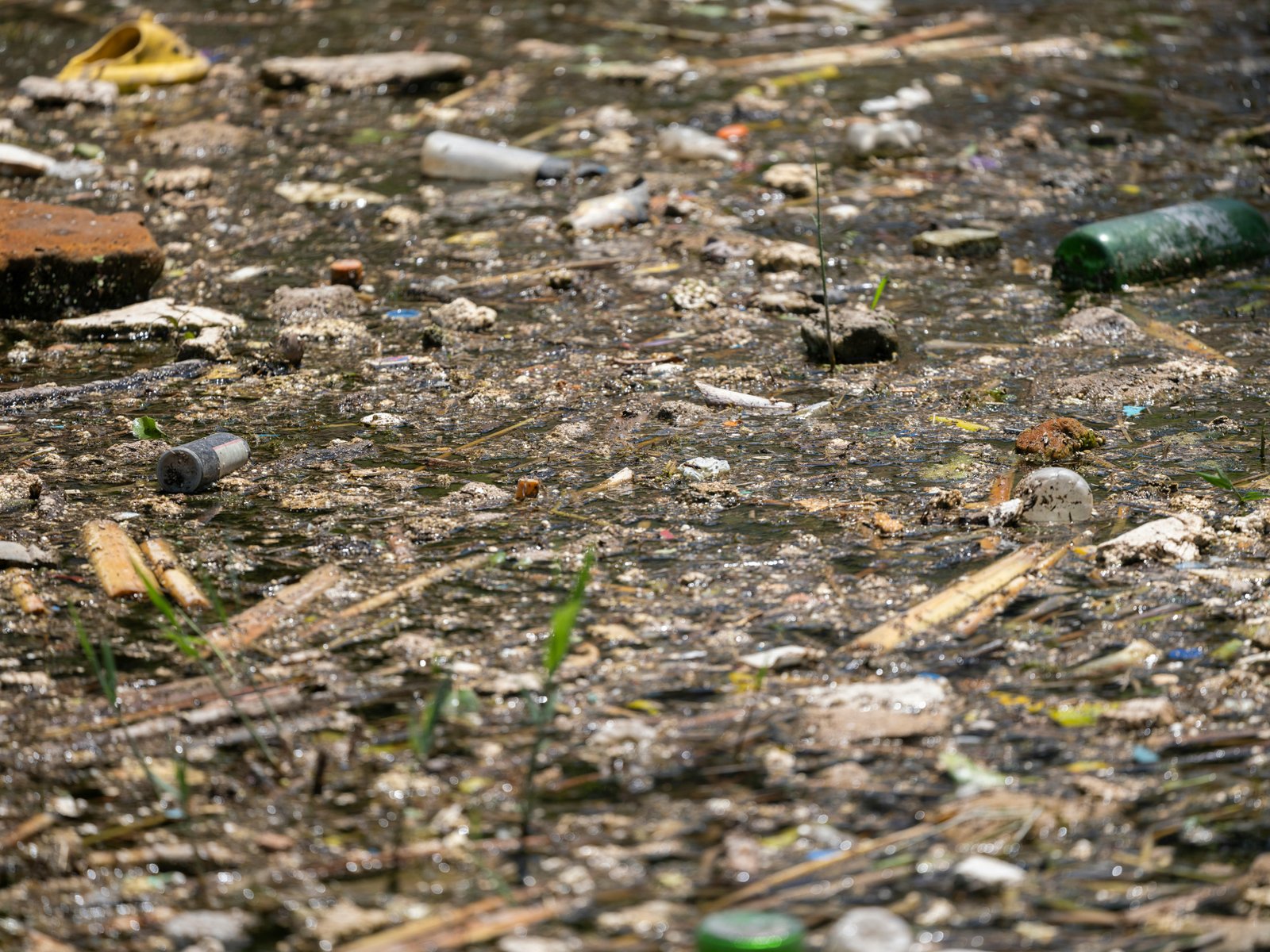
Hazardous Waste Management: Classification Systems, High-Risk Chemical Categories, Treatment Technologies, and Regulatory Compliance Frameworks for Industrial Waste Streams
Hazardous Waste Management: Classification Systems, High-Risk Chemical Categories, Treatment Technologies, and Regulatory Compliance Frameworks for Industrial Waste Streams
Reading Time: 75 minutes
Key Highlights
• Global Hazardous Waste Crisis: Approximately 400 million tonnes of hazardous waste generated annually worldwide, with only 10-20% properly treated and disposed, creating massive environmental and health risks from improper handling, illegal dumping, and inadequate infrastructure1
• Most Hazardous Categories: Highly toxic chemicals (cyanides, mercury compounds), reactive wastes (peroxides, explosives), persistent organic pollutants (PCBs, dioxins), radioactive materials, and infectious medical waste represent highest-risk categories requiring specialized handling and disposal infrastructure2
• Health Impact: WHO estimates 1.7 million deaths annually from exposure to hazardous chemicals and waste, with lead poisoning alone affecting 800 million children worldwide, while mercury poisoning impacts millions through contaminated fish consumption and occupational exposure3
• Regulatory Framework: Basel Convention with 189 parties establishes international control system for transboundary movement of hazardous wastes, while Stockholm Convention regulates persistent organic pollutants, creating comprehensive global governance framework requiring national implementation1
• Treatment Technology: Advanced treatment methods including high-temperature incineration (1200°C+), chemical stabilization, bioremediation, and secure landfill with engineered barriers provide safe disposal pathways, though infrastructure availability varies dramatically between developed and developing countries4
Executive Summary
Hazardous waste management constitutes critical global environmental and public health challenge, with approximately 400 million tonnes of hazardous materials generated annually from industrial processes, healthcare facilities, agricultural operations, electronic waste streams, and household sources. These materials exhibit characteristics including toxicity, reactivity, flammability, corrosivity, or infectiousness presenting serious risks to human health and environmental quality when improperly handled, stored, transported, treated, or disposed. International regulatory frameworks led by Basel Convention on Control of Transboundary Movements of Hazardous Wastes establish governance structures, though implementation quality varies dramatically between countries with developed nations maintaining sophisticated management infrastructure while many developing countries struggle with inadequate facilities, limited technical capacity, weak enforcement, and resource constraints enabling widespread improper disposal.1
Classification systems for hazardous waste combine multiple approaches including characteristic-based assessment identifying materials exhibiting dangerous properties, list-based classification enumerating specific hazardous waste streams from particular sources, and concentration threshold criteria establishing hazardous designation based on contaminant levels. United Nations Recommendations on Transport of Dangerous Goods provide internationally harmonized classification framework with nine hazard classes forming basis for global transport regulations, while Basel Convention annexes define materials subject to international control. Understanding classification systems proves essential for proper identification, handling protocols, regulatory compliance, transportation requirements, and treatment technology selection appropriate for specific waste characteristics and risk profiles.
Certain hazardous waste categories present particularly severe risks requiring enhanced management controls and specialized treatment infrastructure. Highly toxic chemicals including cyanide compounds, mercury and its derivatives, arsenic compounds, and acute toxins capable of causing death or serious injury at very low exposure levels demand stringent containment, specialized disposal, and emergency response capabilities. Persistent organic pollutants including PCBs, dioxins, furans, and certain pesticides resist environmental degradation while bioaccumulating through food chains creating long-term ecosystem contamination requiring destruction at extreme temperatures. Reactive wastes including organic peroxides, explosive materials, and water-reactive substances present immediate physical hazards from fires, explosions, or toxic gas generation requiring careful segregation and specialized handling protocols. Infectious medical waste containing pathogens potentially transmitting serious diseases necessitates sterilization before disposal protecting healthcare workers, waste handlers, and public health.
Proper hazardous waste management requires integrated approach combining source reduction minimizing waste generation, segregation at point of generation preventing cross-contamination and enabling appropriate treatment, safe temporary storage in properly designed facilities with containment and monitoring, transportation by licensed carriers following dangerous goods regulations, treatment through appropriate technologies neutralizing hazards or reducing toxicity, and final disposal in engineered facilities preventing environmental release. Management system effectiveness depends on multiple factors including adequate regulatory frameworks with enforcement mechanisms, technical capacity and infrastructure availability, financial resources for capital investment and ongoing operations, trained personnel understanding hazards and proper protocols, and organizational commitment prioritizing environmental protection and worker safety throughout waste lifecycle.
This comprehensive analysis examines hazardous waste management from technical, regulatory, and practical implementation perspectives, providing detailed frameworks for understanding risk profiles, establishing compliant management systems, and selecting appropriate treatment technologies. Beginning with internationally recognized classification systems establishing foundation for hazardous waste identification, discussion progresses through detailed analysis of highest-risk waste categories including toxic chemicals, reactive materials, persistent pollutants, and infectious wastes, examining specific health and environmental concerns requiring specialized management approaches. Treatment technology options from chemical neutralization through high-temperature incineration receive detailed evaluation including technical requirements, applicability limitations, and economic considerations. Regulatory compliance frameworks spanning international conventions through national regulations and industry standards provide guidance for legal compliance, while practical implementation roadmaps address organizational requirements, infrastructure development, and continuous improvement programs ensuring long-term management system effectiveness and environmental protection.
International Classification Systems and Regulatory Framework
Hazardous waste classification systems establish foundation for appropriate management, with multiple international frameworks providing complementary approaches to waste identification and categorization. These systems serve critical functions including regulatory compliance determining which materials require hazardous waste controls, transportation safety establishing proper shipping requirements under dangerous goods regulations, treatment technology selection matching waste characteristics to appropriate disposal methods, risk assessment evaluating potential human health and environmental impacts, and international trade controls under Basel Convention governing transboundary movements. Understanding classification frameworks proves essential for waste generators, transporters, treatment facilities, regulators, and all stakeholders involved in hazardous waste management lifecycle.1
Basel Convention on Control of Transboundary Movements of Hazardous Wastes and Their Disposal, adopted in 1989 with 189 parties by 2024, constitutes primary international legal framework governing hazardous waste management and transboundary movement. Convention establishes legally binding obligations for parties including prior informed consent requirements for waste exports, ensuring receiving country has capacity for environmentally sound management, prohibition of exports to non-parties except through special agreements, and general obligation to minimize hazardous waste generation. Annex I lists waste categories subject to Convention controls organized by source and composition, while Annex III defines hazardous characteristics including explosivity, flammability, toxicity, ecotoxicity, and capability of yielding toxic substances. Annex VIII and IX provide lists of wastes presumed hazardous or non-hazardous respectively, though parties may dispute these classifications based on national regulations and waste characteristics in their jurisdiction.
Major International Hazardous Waste Classification Systems:
Basel Convention Hazardous Characteristics (Annex III):
H1 - Explosive: Substances capable of producing explosion, detonation, or exothermic reaction
H3 - Flammable Liquids: Flash point below 60.5°C (closed cup test)
H4.1 - Flammable Solids: Readily combustible or friction-sensitive materials
H4.2 - Spontaneously Combustible: Substances liable to spontaneous heating or ignition
H4.3 - Water-Reactive: Materials generating dangerous quantities of flammable gas on water contact
H5.1 - Oxidizing: Substances yielding oxygen intensifying fire in other materials
H5.2 - Organic Peroxides: Thermally unstable materials liable to decomposition
H6.1 - Acute Toxicity: Fatal or seriously harmful through inhalation, ingestion, or skin contact
H6.2 - Infectious: Containing viable microorganisms causing disease
H8 - Corrosive: Causing severe damage to living tissue or materials
H10 - Liberation of Toxic Gases: Releasing dangerous gases on contact with water or acidic environment
H11 - Toxic (Delayed/Chronic): Long-term health effects from repeated exposure
H12 - Ecotoxic: Presenting immediate or delayed adverse environmental impacts
H13 - Yielding Toxic Substances: Capable of producing hazardous materials after disposal
UN Dangerous Goods Classification (Transport):
Class 1: Explosives (six divisions based on explosion hazard)
Class 2: Gases (flammable, non-flammable, toxic)
Class 3: Flammable Liquids (flash point categories)
Class 4: Flammable Solids; Spontaneously Combustible; Water-Reactive
Class 5: Oxidizing Substances and Organic Peroxides
Class 6: Toxic and Infectious Substances
Class 7: Radioactive Materials
Class 8: Corrosive Substances
Class 9: Miscellaneous Dangerous Goods including environmentally hazardous substances
GHS Hazard Classification System:
Physical Hazards (16 classes): Explosives, flammable gases/aerosols/liquids/solids, oxidizers, peroxides, self-reactive, pyrophoric, self-heating, water-reactive, pressure, corrosive to metals, desensitized explosives
Health Hazards (10 classes): Acute toxicity, skin/eye corrosion/irritation, respiratory/skin sensitization, germ cell mutagenicity, carcinogenicity, reproductive toxicity, target organ toxicity (single/repeated exposure), aspiration hazard
Environmental Hazards (2 classes): Hazardous to aquatic environment (acute/chronic), hazardous to ozone layer
US EPA RCRA Waste Classification:
Listed Wastes: F-list (non-specific source), K-list (specific source), P-list (acute hazardous), U-list (toxic)
Characteristic Wastes: Ignitability (D001), Corrosivity (D002), Reactivity (D003), Toxicity (D004-D043 based on TCLP extraction)
Universal Wastes: Batteries, pesticides, mercury-containing equipment, lamps
Mixed Wastes: Containing both hazardous and radioactive components
European Union Waste Framework Directive:
Hazardous Properties (HP1-HP15): Similar to Basel Convention including explosive, oxidizing, flammable, irritant, toxic, carcinogenic, corrosive, infectious, toxic for reproduction, mutagenic, sensitizing, ecotoxic, waste producing toxic substances
European Waste Catalogue (EWC): Six-digit codes identifying waste streams with asterisk (*) denoting hazardous
Concentration Thresholds: Specified limits for hazardous substance content determining hazardous designation
Stockholm Convention on Persistent Organic Pollutants complements Basel Convention by regulating production, use, and disposal of POPs - highly toxic chemicals that persist in environment, bioaccumulate through food chains, and transport long distances through atmospheric and oceanic circulation. Convention initially covered 12 POPs (the "dirty dozen") including pesticides like DDT and aldrin, industrial chemicals like PCBs, and unintentional byproducts like dioxins and furans, subsequently expanding to include additional chemicals through amendment process. Parties must take measures eliminating or restricting POP production and use, ensuring environmentally sound waste disposal, reducing unintentional releases, and developing implementation plans and inventories. Waste containing POPs requires destruction or irreversible transformation eliminating POP characteristics, typically through high-temperature incineration at 1200°C or alternative methods achieving equivalent destruction efficiency.2
National hazardous waste regulations implement international framework obligations while addressing country-specific concerns, waste streams, and management infrastructure capabilities. United States Resource Conservation and Recovery Act establishes comprehensive "cradle-to-grave" management system with generator, transporter, and treatment/storage/disposal facility regulations, manifest tracking system following waste movements, and enforcement mechanisms including civil and criminal penalties. European Union Waste Framework Directive establishes waste hierarchy prioritizing prevention, reuse, recycling, recovery, and disposal as last resort, with member states implementing through national legislation addressing specific waste streams. Developing countries increasingly adopt hazardous waste regulations based on international frameworks, though implementation challenges including limited institutional capacity, inadequate infrastructure, resource constraints, and enforcement difficulties often undermine effective management despite regulatory frameworks on paper.
High-Risk Hazardous Waste Categories: Detailed Analysis
Hazardous wastes span enormous diversity of materials and waste streams, but certain categories present particularly severe risks to human health and environmental quality requiring specialized management infrastructure, enhanced safety protocols, and strict regulatory controls. These high-risk categories share common characteristics including extreme toxicity at very low exposure levels, environmental persistence resisting degradation, bioaccumulation potential concentrating through food chains, or physical hazards from reactivity, explosivity, or infectiousness. Understanding specific risk profiles, exposure pathways, health effects, environmental impacts, and management requirements for each high-risk category proves essential for developing appropriate handling protocols, selecting treatment technologies, establishing emergency response capabilities, and ensuring adequate protective measures throughout waste lifecycle from generation through final disposal.3
CATEGORY 1: HIGHLY TOXIC CHEMICALS - ACUTE AND CHRONIC HAZARDS
CYANIDE COMPOUNDS
Chemical Characteristics and Sources:
• Cyanide salts (NaCN, KCN) and complexes from metal plating, mining (gold extraction), organic synthesis
• Extremely toxic inhibiting cellular respiration through cytochrome oxidase blockage
• Lethal dose: 50-200 mg NaCN oral, 100-300 mg inhaled HCN gas
• Rapid onset toxicity causing respiratory arrest, cardiac failure, death within minutes
• Annual global generation: ~500,000 tonnes primarily from gold mining operations
• Environmental persistence: Degrades through oxidation but toxic until neutralized
Primary Health Concerns:
Acute Exposure: Headache, confusion, rapid breathing, seizures, loss of consciousness, respiratory/cardiac arrest
Chronic Exposure: Thyroid dysfunction, neurological damage, reproductive effects
Occupational Risk: Electroplating workers, mining personnel, laboratory technicians
Environmental Impact: Aquatic toxicity at <0.1 mg/L, wildlife poisoning, soil/groundwater contamination
Management Requirements:
• Storage: Segregate from acids (HCN gas generation risk), locked secure area, spill containment
• Treatment: Alkaline chlorination oxidizing cyanide to cyanate then CO2/N2, sulfur dioxide reduction
• Disposal: Chemical destruction achieving <1 mg/L cyanide before discharge or secure landfill
• Emergency Response: Antidotes (hydroxocobalamin, sodium thiosulfate), respiratory support equipment
• PPE Requirements: Level B (supplied air respirator), chemical-resistant suits, emergency decontamination
• Regulatory: Basel Y33 (cyanides inorganic), UN 1689 (sodium cyanide), acute hazardous P-list waste
MERCURY AND MERCURY COMPOUNDS
Chemical Characteristics and Sources:
• Elemental mercury, inorganic salts (HgCl2), organic compounds (methylmercury, phenylmercury)
• Sources: Chlor-alkali plants, fluorescent lamps, thermometers, dental amalgam, artisanal gold mining
• Neurotoxin with particular risk to fetal development and children
• Environmental persistence: Bioaccumulates through aquatic food chain concentrating 100,000× in predator fish
• Atmospheric transport: Volatilized mercury circulates globally depositing far from sources
• Annual global releases: ~2,000 tonnes to atmosphere, ~1,000 tonnes to water from anthropogenic sources
Primary Health Concerns:
Acute Exposure: Respiratory distress from vapor, kidney failure from salts, gastrointestinal damage
Chronic Exposure: Neurological damage (tremor, cognitive impairment, personality changes), kidney damage
Developmental: Fetal brain damage even at low maternal exposure, reduced IQ, developmental delays
Global Burden: 800 million children with elevated blood mercury levels, Minamata disease cases ongoing
Management Requirements:
• Storage: Sealed containers preventing vapor release, cool ventilated area, secondary containment
• Treatment: Stabilization with sulfur or sulfide forming insoluble HgS, thermal desorption, amalgamation
• Disposal: Secure landfill with engineered barriers or deep geological repository for high concentrations
• Minamata Convention: Phase-out of mercury-added products, emission controls, waste management requirements
• Lamp Recycling: Specialized crushing/distillation systems recovering mercury from fluorescent lamps
• Monitoring: Workplace air <0.025 mg/m³ TWA, biological monitoring (urine mercury <20 μg/L)
ARSENIC AND ARSENIC COMPOUNDS
Chemical Characteristics and Sources:
• Inorganic arsenic (As2O3, arsenates, arsenites), organic arsenic (less toxic methylated forms)
• Sources: Smelting operations, wood preservatives (CCA), pesticide manufacturing, semiconductor industry
• Carcinogenic (lung, skin, bladder cancers), cardiovascular and respiratory effects
• Environmental persistence in soil/water, mobility depends on oxidation state and pH
• Naturally occurring in groundwater affecting 140 million people globally (Bangladesh, India, China)
• Industrial waste generation: ~50,000 tonnes annually from metallurgical operations
Primary Health Concerns:
Acute Exposure: Gastrointestinal distress, cardiovascular collapse, multi-organ failure (lethal dose ~100-300 mg)
Chronic Exposure: Skin lesions, peripheral neuropathy, cancer (lung, bladder, skin)
Drinking Water: WHO guideline 10 μg/L, Bangladesh crisis affecting millions with >50 μg/L exposure
Occupational: Smelter workers, CCA treatment plant personnel at elevated cancer risk
Management Requirements:
• Storage: Acid-resistant containers, segregate from acids, secure dry area
• Treatment: Stabilization with ferric compounds forming insoluble ferric arsenate
• Disposal: Secure landfill meeting TCLP limits (<5 mg/L arsenic leaching), or vitrification
• Contaminated Soil: Excavation with disposal or in-situ stabilization
• PPE: Respiratory protection (P100 filters), impervious gloves, protective clothing
• Monitoring: Air <10 μg/m³ TWA, biological monitoring (urine arsenic <50 μg/L)
LEAD AND LEAD COMPOUNDS
Chemical Characteristics and Sources:
• Elemental lead, inorganic salts (lead oxide, lead chromate), organic compounds (tetraethyl lead)
• Sources: Battery manufacturing/recycling, paint (legacy), smelting, contaminated soil
• Neurotoxin with no safe exposure level particularly harmful to children
• Bioaccumulates in bones (half-life ~20 years) serving as ongoing internal exposure source
• Global burden: 800 million children with blood lead levels >5 μg/dL causing cognitive impairment
• Annual lead waste generation: ~6 million tonnes primarily from spent batteries
Primary Health Concerns:
Children: Reduced IQ (3-5 points per 10 μg/dL increase), behavioral problems, developmental delays
Adults: Hypertension, kidney damage, reproductive effects, neurological impairment
Occupational: Battery workers, smelter personnel, demolition workers at high exposure risk
Environmental: Legacy lead paint, contaminated soil, lead-acid battery recycling sites major sources
Management Requirements:
• Battery Recycling: Closed-loop smelting with emission controls, workplace hygiene programs
• Stabilization: Phosphate treatment forming insoluble lead phosphates
• Disposal: Secure landfill or recycling (preferred for lead recovery)
• Paint Abatement: Wet methods, HEPA vacuums, containment during removal
• Monitoring: Blood lead testing for workers (action level >20 μg/dL), air monitoring <50 μg/m³
• Chelation Therapy: Medical intervention for elevated blood lead levels
CATEGORY 2: PERSISTENT ORGANIC POLLUTANTS (POPs)
POLYCHLORINATED BIPHENYLS (PCBs)
Chemical Characteristics and Sources:
• 209 congeners with varying chlorine substitution, commercial mixtures (Aroclor, Clophen)
• Historical uses: Transformer/capacitor dielectric fluids, hydraulic fluids, plasticizers
• Production banned globally but legacy contamination widespread in electrical equipment, buildings
• Environmental persistence: Half-life decades to centuries depending on congener and conditions
• Bioaccumulation: Concentrates >1,000,000× through aquatic food chains
• Global inventory: ~3 million tonnes produced historically, ~1 million tonnes remaining in use/waste
Primary Health Concerns:
Carcinogenicity: Probable human carcinogen (liver, biliary tract cancers)
Immunotoxicity: Impaired immune system function, increased infection susceptibility
Developmental: Neurodevelopmental effects, reduced birth weight, delayed development
Endocrine Disruption: Thyroid hormone interference, reproductive effects
Exposure Route: Primarily dietary (>90%) through contaminated fish, meat, dairy products
Management Requirements:
• Identification: Testing of transformer oils, building materials (caulks, paints), sediments
• Removal from Service: Phase-out timelines, inventory of PCB equipment
• Storage: Liquid-tight containers, secondary containment, secure facility
• Destruction: High-temperature incineration >1200°C with 99.9999% destruction efficiency
• Alternative Treatment: Base-catalyzed decomposition, chemical oxidation, plasma arc
• Stockholm Convention: Eliminate use, environmentally sound disposal, reporting requirements
• Contaminated Sites: Dredging or capping of sediments, soil remediation
DIOXINS AND FURANS (PCDD/PCDF)
Chemical Characteristics and Sources:
• 75 polychlorinated dibenzo-p-dioxin and 135 polychlorinated dibenzofuran congeners
• 2,3,7,8-TCDD ("dioxin") most toxic synthetic chemical known (Agent Orange contaminant)
• Unintentional byproducts from combustion (waste incineration, fires), chemical manufacturing
• Extreme environmental persistence (half-life 7-10 years in soil, decades in sediments)
• Bioaccumulation through food chain (>90% human exposure from animal products)
• Global emissions: ~10-20 kg TEQ annually (toxic equivalency), declining from emission controls
Primary Health Concerns:
Carcinogenicity: Human carcinogen (all cancers, especially lung, soft tissue sarcoma)
Chloracne: Severe persistent skin lesions from dermal exposure
Immunotoxicity: Suppressed immune response, increased infection risk
Developmental: Birth defects, neurodevelopmental effects, reduced birth weight
Endocrine: Multiple hormone system disruption
Toxic Equivalency: WHO 1-4 pg TEQ/kg body weight/day tolerable daily intake
Management Requirements:
• Prevention: Best available techniques for combustion processes minimizing formation
• Emission Control: Activated carbon injection, fabric filters, scrubbers
• Contaminated Waste: Incineration >1200°C, alternative thermal treatment
• Soil Contamination: Excavation and treatment or capping/containment
• Stockholm Convention: Minimize/eliminate unintentional releases, BAT/BEP implementation
• Food Chain Protection: Monitoring programs, contaminated site management
OBSOLETE PESTICIDES
Chemical Characteristics and Sources:
• Legacy stockpiles of banned pesticides (DDT, chlordane, aldrin, dieldrin, endrin, toxaphene)
• Organochlorine pesticides: Persistent, bioaccumulative, toxic to non-target organisms
• Global stockpiles: ~500,000 tonnes obsolete pesticides, primarily in developing countries
• Storage conditions often poor (leaking containers, contaminated soil, unprotected warehouses)
• Environmental contamination from improper storage, disposal, agricultural use
• Ongoing DDT use for malaria control creates continued management needs
Primary Health Concerns:
Acute Toxicity: Neurotoxicity (seizures, tremors), respiratory failure in severe poisoning
Chronic Effects: Liver damage, endocrine disruption, developmental effects
Carcinogenicity: Some compounds probable carcinogens (DDT, chlordane)
Wildlife Impact: Reproductive failure in birds (eggshell thinning), aquatic organism toxicity
Occupational: Pesticide applicators, warehouse workers, remediation personnel at risk
Management Requirements:
• Inventory: Identification and quantification of obsolete pesticide stockpiles
• Safeguarding: Repackaging leaking containers, improved storage conditions
• Disposal: High-temperature incineration >1100°C, cement kiln co-processing
• Contaminated Sites: Soil remediation, groundwater treatment
• International Assistance: FAO programs supporting developing country disposal
• Prevention: Improved pesticide management preventing future obsolete stockpile accumulation
CATEGORY 3: REACTIVE AND EXPLOSIVE WASTES
ORGANIC PEROXIDES AND OXIDIZERS
Chemical Characteristics and Sources:
• Organic peroxides (MEKP, benzoyl peroxide, cumene hydroperoxide), inorganic oxidizers (nitrates, chlorates)
• Sources: Polymer production initiators, laboratory reagents, industrial oxidizing agents
• Thermally unstable with potential for rapid exothermic decomposition
• Sensitizers reducing stability (shock, friction, heat, contamination)
• Fire intensification through oxygen release supporting combustion
• Some compounds explosive concentration-dependent (>50% active oxygen may be Division 1.1)
Primary Safety Concerns:
Fire Hazard: Violent combustion with ordinary combustibles, difficult to extinguish
Explosion Risk: Deflagration or detonation from shock, friction, heat, contamination
Decomposition: Self-accelerating exothermic decomposition above SADT temperature
Incompatibility: Violent reactions with reducing agents, combustibles, acids/bases, heavy metals
Health Effects: Eye/skin irritation, respiratory sensitization, some compounds carcinogenic
Management Requirements:
• Storage: Cool (<30°C), segregated from incompatible materials, vented containers, quantity limits
• Segregation: Separate from reducing agents, acids, bases, metal powders, organic materials
• Container Integrity: Avoid pressure buildup from decomposition gases, relief vents
• Emergency Response: Water cooling, evacuation protocols, specialized fire suppression
• Disposal: Dilution followed by chemical treatment, incineration with extreme caution
• Expired Materials: Immediate proper disposal as stability degrades over time
WATER-REACTIVE SUBSTANCES
Chemical Characteristics and Sources:
• Alkali metals (sodium, potassium, lithium), metal hydrides (NaH, LiAlH4), carbides (CaC2)
• Phosphorus compounds (PCl3, POCl3), acyl chlorides, anhydrides
• Sources: Chemical manufacturing, metallurgy, laboratory operations
• Violent reaction with water generating heat, flammable gases (H2, acetylene, HCl), toxic vapors
• Some combinations produce sufficient heat for ignition without external source
• Humidity exposure over time may cause gradual degradation and hazard increase
Primary Safety Concerns:
Fire/Explosion: Hydrogen gas generation igniting spontaneously, acetylene explosions
Toxic Gas Release: HCl, HF, phosphine, arsine generation from water contact
Thermal Hazard: Rapid temperature increase potentially shattering containers
Spattering: Violent bubbling projecting molten material or corrosive solution
Humidity Sensitivity: Gradual reaction with atmospheric moisture increasing hazard
Management Requirements:
• Storage: Dry atmosphere, inert gas blanketing (argon, nitrogen), sealed containers
• Segregation: Isolate from water sources, acids, oxidizers, organics
• Handling: Dry glove box or hood, no water-based fire suppression systems
• Spill Response: Dry absorbents (vermiculite, sand), never water, inert atmosphere containment
• Disposal: Controlled reaction with excess reagent in appropriate medium, incineration for some
• Emergency: Class D fire extinguishers (metal fires), evacuation protocols
CATEGORY 4: INFECTIOUS AND PATHOLOGICAL WASTES
MEDICAL WASTE - CATEGORY A (HIGH RISK)
Waste Characteristics and Sources:
• Cultures, stocks, sharps contaminated with pathogens causing serious disease
• Sources: Microbiology laboratories, research facilities, clinical diagnostics, dialysis centers
• High-consequence pathogens: Ebola, tuberculosis, HIV, hepatitis B/C, antibiotic-resistant bacteria
• Global generation: ~16 billion injections annually, 5-10% of medical waste highly infectious
• Transmission routes: Needlestick injuries, mucous membrane exposure, inhalation
• Occupational risk: Healthcare workers, waste handlers, recyclers major at-risk populations
Primary Health Concerns:
Bloodborne Pathogens: HIV (33,800 infections/year), Hepatitis B (66,000 infections/year), Hepatitis C (16,000 infections/year) from occupational exposures globally
Drug-Resistant Organisms: MRSA, VRE, CRE, MDR-TB spreading through inadequate sterilization
Sharps Injuries: 2 million occupational needlesticks annually with 40% from unsafe disposal
Community Risk: Scavenging at dumps, medical waste recycling exposing public
Environmental: Surface water contamination, soil pathogen persistence months to years
Management Requirements:
• Segregation: Red bags/containers, biohazard symbol, separation at point of generation
• Sharps: Puncture-resistant containers, never recapping needles, full container disposal
• Storage: Refrigeration if held >7 days, locked facilities, rodent/pest control
• Treatment: Autoclaving (121°C, 30min, 15psi), chemical disinfection, microwave, incineration
• Verification: Biological indicators (Bacillus spores) validating sterilization effectiveness
• Final Disposal: Treated waste to municipal landfill or ash from incineration
• PPE: Gloves, gowns, face shields, respiratory protection for aerosol-generating procedures
• Training: Staff competency in handling, spill response, post-exposure protocols
PHARMACEUTICAL WASTE
Waste Characteristics and Sources:
• Expired/unused medications, contaminated materials, production residues
• Hazardous pharmaceuticals: Cytotoxics (chemotherapy), antibiotics, hormones, controlled substances
• Sources: Hospitals, pharmacies, pharmaceutical manufacturing, household returns
• Environmental concern: Persistence, endocrine disruption, antibiotic resistance, ecotoxicity
• Global problem: Pharmaceutical residues detected in surface water, groundwater, drinking water
• Disposal challenges: Incineration required for many compounds, landfill leaching concerns
Primary Concerns:
Cytotoxic Drugs: Carcinogenic, mutagenic, teratogenic; occupational exposure causing cancer
Antibiotic Resistance: Environmental antibiotic presence selecting resistant pathogens
Endocrine Disruption: Contraceptive hormones feminizing fish, wildlife reproduction effects
Aquatic Toxicity: Pharmaceutical residues at ng/L-μg/L affecting aquatic organisms
Diversion Risk: Controlled substances requiring secure disposal preventing abuse
Management Requirements:
• Classification: Hazardous (cytotoxics, selected drugs) vs non-hazardous pharmaceuticals
• Segregation: Separate cytotoxics, controlled substances, antibiotics from general waste
• Storage: Secure locked facilities, controlled substance requirements, inventory tracking
• Treatment: High-temperature incineration >1100°C for hazardous pharmaceuticals
• Encapsulation: Immobilization in solid matrix for landfill (limited applications)
• Take-Back Programs: Collection from households, pharmacies for proper disposal
• Wastewater: Facilities treating pharmaceutical production wastewater before discharge
Treatment Technologies and Disposal Methods
Hazardous waste treatment technologies aim to neutralize hazards, reduce toxicity, recover valuable materials, or prepare wastes for safe final disposal, with technology selection depending on waste characteristics, regulatory requirements, treatment objectives, available infrastructure, and economic considerations. Treatment hierarchy prioritizes source reduction preventing waste generation, followed by recycling and recovery extracting value, treatment reducing hazards, and disposal as final option when other approaches infeasible. Physical treatment methods modify waste properties without chemical transformation, chemical treatment neutralizes hazards through reactions, thermal treatment uses heat for destruction or stabilization, and biological treatment employs microorganisms degrading organic contaminants. Comprehensive treatment programs often combine multiple technologies in treatment trains achieving regulatory compliance and environmental protection objectives.4
COMPREHENSIVE TREATMENT TECHNOLOGY MATRIX
| Technology | Applications | Operating Parameters | Limitations |
|---|---|---|---|
| THERMAL TREATMENT | |||
| High-Temperature Incineration | POPs (PCBs, dioxins), toxic organics, infectious waste, pharmaceutical waste | Temperature: 1200-1400°C for POPs Residence time: 2+ seconds DRE: 99.9999% (six nines) Emissions: APC system required |
High capital/operating cost Public opposition Metals volatilization Ash disposal required |
| Cement Kiln Co-Processing | Organic hazardous waste with fuel value, obsolete pesticides, contaminated oils | Temperature: 1400-1600°C Residence time: 4-6 seconds Alkaline environment destroys acids Metals incorporated into clinker |
Waste feed limitations Cement quality considerations Regulatory approval complex Not suitable all waste types |
| Plasma Arc Treatment | Mixed hazardous waste, asbestos, difficult-to-treat organics | Temperature: 3000-7000°C Molecular dissociation Vitrified slag output Syngas production |
Very high energy use Limited commercial scale Electrode replacement cost Technology complexity |
| CHEMICAL TREATMENT | |||
| Chemical Oxidation | Cyanide destruction, organic destruction, disinfection | Oxidants: Chlorine, H2O2, ozone, persulfate pH control critical Reaction time: Minutes to hours Temperature: Ambient to 80°C |
Incomplete oxidation risk Byproduct formation Oxidant cost pH adjustment required |
| Chemical Reduction | Chromium VI→III, mercury stabilization, PCB dechlorination | Reductants: Ferrous sulfate, sodium sulfide, dithionite Metals precipitation pH control: Acidic or alkaline depending |
Reagent cost Sludge generation May require multi-step Metals still present (less toxic form) |
| Neutralization | Acids, bases, corrosive waste streams | Reagents: Lime, caustic, acid Target pH: 6-9 Monitoring: Continuous pH Heat generation control |
Exothermic reactions Splashing/foaming hazards Salt production Simple but critical control |
| STABILIZATION/SOLIDIFICATION | |||
| Cement-Based Stabilization | Heavy metals, inorganic waste, contaminated soil | Binders: Portland cement, fly ash, lime Metal hydroxide precipitation Physical encapsulation TCLP testing for validation |
Volume increase 20-50% Not effective for organics Long-term stability concerns Leaching potential |
| Vitrification | Contaminated soil, radioactive waste, asbestos, mixed waste | Temperature: 1100-1600°C Glass matrix formation Metals immobilization Organics destroyed |
Very high energy cost Off-gas treatment required Limited to inorganic constituents Not mobile technology |
| BIOLOGICAL TREATMENT | |||
| Bioremediation (Ex-situ) | Petroleum hydrocarbons, PAHs, some pesticides, explosives | Landfarming, biopiles, bioreactors Aeration, nutrient addition Moisture 40-60% Time: Weeks to months |
Slow process Climate dependent Residual contamination Not for highly toxic/recalcitrant |
| Bioremediation (In-situ) | Groundwater plumes, contaminated aquifers, soil remediation | Bioventing, biosparging, permeable reactive barriers Nutrient injection Bioaugmentation option Monitoring wells |
Hydrogeology limitations Time: Years for completion Difficult to verify Groundwater monitoring required |
| PHYSICAL TREATMENT | |||
| Activated Carbon Adsorption | Organics from water/wastewater, vapor treatment, mercury removal | GAC or PAC Contact time design Regeneration or disposal Pre-filtration required |
Spent carbon hazardous Not selective Fouling from particulates Regeneration cost |
| Solvent Extraction | Contaminated soil, sludge dewatering, oil recovery | Extractants: Organic solvents, surfactants Mixing, separation, solvent recovery Multiple stages may be needed |
Solvent cost/recovery Secondary waste (solvent) Fire/explosion hazards Emulsion formation issues |
TREATMENT SELECTION DECISION CRITERIA:
Technical Feasibility: Waste characteristics match technology capabilities, proven effectiveness
Regulatory Compliance: Meets disposal/discharge standards, permits obtainable
Economic Viability: Cost-effective for waste volume and frequency generated
Infrastructure: Available locally or transportation to facility economically viable
Safety: Occupational risks manageable with available controls
Environmental: Minimizes overall environmental impact including energy use
Reliability: Consistent performance, proven track record
Flexibility: Handles waste variability, adaptable to changes
Residuals: Secondary waste (ash, sludge, emissions) manageable
Final disposal options for treated hazardous waste or materials requiring disposal without treatment include engineered secure landfills with liner systems preventing leachate migration, deep injection wells disposing liquid wastes into isolated deep geological formations, and in exceptional cases deep geological repositories for long-lived radioactive or extremely persistent hazardous wastes. Modern secure landfills incorporate multiple engineered barriers including clay liners, geomembrane liners, leachate collection systems, groundwater monitoring wells, and gas collection systems. Waste acceptance criteria specify allowable waste types and concentrations, with treatment often required before disposal meeting landfill operating parameters. Closure requirements including final caps, long-term monitoring, and financial assurance ensure continued protection after facility closure extending decades beyond operational period.
Hazardous Waste Management System Implementation Framework
IMPLEMENTATION ROADMAP: FROM ASSESSMENT TO MATURE OPERATIONS
PHASE 1: ASSESSMENT AND PROGRAM DESIGN (Months 1-3)
Waste Stream Characterization:
☐ Comprehensive inventory of all hazardous waste generation points
☐ Waste characterization testing determining hazardous characteristics
☐ Quantification of generation rates by waste type
☐ Process analysis identifying waste reduction opportunities
☐ Regulatory classification per applicable frameworks
☐ Documentation of waste stream profiles
Deliverable: Complete waste inventory and characterization database
Regulatory Compliance Gap Analysis:
☐ Review applicable international conventions (Basel, Stockholm)
☐ Identify national hazardous waste regulations and permits required
☐ Assess current practices against regulatory requirements
☐ Document compliance gaps requiring remediation
☐ Develop compliance action plan with timelines
☐ Estimate costs for achieving full compliance
Critical: May identify significant compliance deficiencies requiring immediate action
Infrastructure and Capability Assessment:
☐ Evaluate existing storage facilities for adequacy and compliance
☐ Assess internal technical capabilities for waste management
☐ Identify available treatment and disposal facilities and costs
☐ Evaluate transportation requirements and licensed haulers
☐ Review emergency response capabilities and equipment
☐ Assess training needs across organization
Outcome: Understanding of infrastructure investment needs
PHASE 2: INFRASTRUCTURE DEVELOPMENT (Months 3-9)
Storage Facility Establishment:
☐ Design compliant storage facilities with appropriate segregation
☐ Construction or modification meeting regulatory standards
☐ Secondary containment installation (110% of largest container)
☐ Ventilation systems for volatile materials
☐ Security measures (locked access, inventory control)
☐ Spill response equipment and eyewash/safety showers
☐ Signage and labeling systems
Investment: Varies widely by scale, typically USD 50,000-500,000+
Vendor Selection and Contracting:
☐ Identify licensed hazardous waste treatment/disposal facilities
☐ Obtain facility permits, insurance, compliance documentation
☐ Site visits to key facilities verifying capabilities
☐ Negotiate service contracts with pricing and terms
☐ Establish licensed transporter relationships
☐ Backup vendor identification for critical waste streams
Due Diligence: Essential to avoid liability from improper disposal
Documentation Systems:
☐ Waste tracking system from generation to disposal
☐ Manifest system for off-site shipments
☐ Storage inventory management
☐ Analytical data management
☐ Regulatory reporting systems
☐ Training records and compliance documentation
Technology: Consider electronic waste tracking systems
PHASE 3: PROGRAM IMPLEMENTATION (Months 9-18)
Source Reduction and Minimization:
☐ Process modifications reducing waste generation
☐ Material substitution replacing hazardous with less hazardous
☐ Improved inventory management reducing expired materials
☐ Recycling programs for solvents, oils, batteries
☐ Vendor take-back programs for packaging
☐ Employee awareness campaigns
Economics: Often cost-negative (savings from reduced waste)
Standard Operating Procedures:
☐ Segregation procedures at point of generation
☐ Labeling and containerization requirements
☐ Storage management procedures
☐ Shipment preparation and manifesting
☐ Spill response and emergency procedures
☐ Inspection and monitoring protocols
☐ Periodic review and update process
Format: Clear, illustrated procedures accessible to all staff
Training Program Execution:
☐ Hazard communication and chemical safety
☐ Waste identification and classification
☐ Proper handling and storage techniques
☐ PPE selection and use
☐ Emergency response and spill cleanup
☐ Role-specific training (generators, handlers, facility staff)
☐ Refresher training annually minimum
Regulatory: Many jurisdictions mandate specific hazardous waste training
PHASE 4: OPTIMIZATION AND CONTINUOUS IMPROVEMENT (Months 18+)
Performance Monitoring:
☐ Waste generation metrics by type and source
☐ Costs tracking and trend analysis
☐ Regulatory compliance verification
☐ Incident and near-miss investigation
☐ Training completion and competency assessment
☐ Vendor performance evaluation
☐ Continuous improvement initiatives
KPIs: Waste per unit production, cost per tonne, compliance rate, incident rate
Audit and Assurance:
☐ Internal compliance audits (quarterly to annual)
☐ Management system reviews
☐ Regulatory inspections preparation and response
☐ Third-party verification audits
☐ Corrective action tracking and verification
☐ Documentation for ISO 14001 or similar certification
Frequency: Annual comprehensive audit minimum, more frequent for high-risk operations
Technology and Practice Updates:
☐ Regulatory change monitoring and implementation
☐ Emerging treatment technology evaluation
☐ Industry best practice benchmarking
☐ Process improvements from lessons learned
☐ Stakeholder engagement and community relations
☐ Sustainability reporting and public disclosure
Evolution: Mature programs continuously improve rather than maintaining status quo
Cost Analysis and Economic Considerations
Hazardous waste management costs vary dramatically based on waste type, quantity, treatment requirements, local infrastructure availability, regulatory requirements, and organizational approach. Understanding cost structures enables realistic budgeting, identification of cost reduction opportunities, and economic evaluation of waste minimization investments. Direct costs include treatment and disposal fees, transportation, laboratory analysis, storage facilities, personal protective equipment, and labor for handling and administration. Indirect costs encompass regulatory compliance activities, training, insurance premiums, liability risks, and potential for fines or remediation costs from improper management. While hazardous waste management represents significant expense, improper management creates far larger liabilities including regulatory penalties (USD millions potential), environmental remediation (USD tens to hundreds of millions for major contamination), legal liability, reputational damage, and health impacts to workers and communities.
HAZARDOUS WASTE MANAGEMENT COST STRUCTURE
Typical Treatment and Disposal Costs (USD per tonne, indicative ranges):
| Waste Type / Treatment | Low Cost | Typical Cost | High Cost | Notes |
|---|---|---|---|---|
| High-Temperature Incineration (POPs, toxic organics) | $1,500 | $2,500 | $5,000+ | PCBs, dioxin-contaminated may exceed $10,000/tonne |
| Cement Kiln Co-Processing (organic waste) | $500 | $800 | $1,200 | Fuel credit may reduce cost if calorific value high |
| Chemical Treatment (cyanide oxidation, metal precipitation) | $300 | $600 | $1,000 | Depends on reagent requirements and complexity |
| Stabilization/Solidification (heavy metals) | $200 | $400 | $800 | Volume increase adds to final disposal cost |
| Secure Landfill Disposal (stabilized waste) | $100 | $250 | $500 | Pre-treatment usually required, varies by country |
| Medical Waste Incineration | $500 | $1,200 | $2,500 | Alternative autoclave treatment $300-800/tonne |
| Solvent Recycling/Recovery | $200 | $500 | $1,000 | May receive credit for clean solvent recovered |
| Oil/Water Separation and Treatment | $150 | $300 | $600 | Clean oil may have fuel value offsetting cost |
| Laboratory Chemical Pack-Out | $5,000 | $15,000 | $50,000 | Per project, not per tonne; sorting/ID intensive |
ADDITIONAL COST COMPONENTS:
Transportation Costs:
• Local hauling: $50-200 per load depending on distance and waste class
• Long-distance transport: $2-5 per km plus loading/unloading fees
• International shipment (Basel Convention): Additional documentation, insurance, typically 20-50% premium
• Emergency or expedited service: 50-100% cost premium
Analytical Costs:
• Waste characterization profile: $300-1,500 per sample depending on parameters
• TCLP (toxicity leaching): $150-400 per sample
• PCB analysis: $100-300 per sample
• Full scan metals: $200-500
• Organics screening: $500-2,000 depending on compounds
Infrastructure and Equipment:
• Storage building/area: $200-1,000 per square meter for compliant facility
• Secondary containment pallets: $100-500 each
• Containers and drums: $20-100 per unit depending on specification
• Spill response equipment: $5,000-20,000 initial investment
• PPE and safety equipment: $500-2,000 per worker annually
• Eyewash/safety showers: $1,000-5,000 per station installed
Administrative and Compliance:
• Permit applications: $500-10,000 depending on jurisdiction and complexity
• Training programs: $100-500 per employee per year
• Consulting services: $100-300 per hour for specialists
• Insurance premium increase: 5-20% of waste management costs
• Third-party audits: $5,000-25,000 annually depending on scope
COST REDUCTION STRATEGIES:
| Strategy | Potential Savings |
| Source reduction/waste minimization | 20-50% reduction in waste volume = proportional cost savings plus material cost savings |
| Proper segregation preventing contamination | Avoid treating non-hazardous as hazardous: 50-90% cost reduction for clean streams |
| On-site treatment where feasible | Neutralization, stabilization may reduce disposal cost 40-70% |
| Recycling/recovery programs | Solvents, oils, batteries: Recover value offsetting 30-100% of disposal cost |
| Vendor consolidation and negotiation | Volume discounts, long-term contracts: 10-25% cost reduction |
| Improved inventory management | Reduce expired chemicals requiring disposal: 10-30% avoidable waste |
Return on investment calculations for waste minimization projects often demonstrate attractive economics despite initial capital requirements. Process modifications substituting water-based for solvent-based systems, closed-loop recycling of rinse water, improved application efficiency reducing overspray, and enhanced maintenance preventing leaks all reduce waste generation providing ongoing cost savings. Example: Manufacturing facility spending USD 500,000 annually on solvent disposal implementing USD 200,000 solvent recovery system recovering 70% of solvent achieves 2.0 year payback through reduced virgin solvent purchases and disposal cost elimination, with ongoing savings of USD 350,000 annually after payback. Environmental benefits and reduced liability risk provide additional value beyond direct financial returns.
Frequently Asked Questions
Q1: How do I determine if my waste is hazardous?
Waste hazard determination combines multiple approaches: (1) List-based identification if waste appears on regulatory hazardous waste lists (F, K, P, U lists in US; Basel Convention Annexes internationally). (2) Characteristic-based testing if waste exhibits ignitability (flash point <60°C), corrosivity (pH ≤2 or ≥12.5), reactivity (unstable, water-reactive, cyanide/sulfide generating), or toxicity (toxic metals exceeding TCLP limits). (3) Process knowledge understanding waste origin and constituent materials. When uncertain, laboratory analysis provides definitive characterization. Generator bears legal responsibility for proper waste classification making "when in doubt, treat as hazardous" prudent approach until testing confirms otherwise. Misclassifying hazardous waste as non-hazardous creates significant regulatory and environmental liability.
Q2: What are most dangerous hazardous waste types requiring special precautions?
Highest-risk hazardous wastes include: (1) Acute toxins (cyanides, arsenic compounds, certain pesticides) causing death or severe injury at very low doses requiring extreme care in handling and immediate medical response capability. (2) Reactive wastes (peroxides, water-reactive materials, explosives) presenting fire/explosion hazards demanding specialized storage segregated from incompatible materials. (3) Persistent organic pollutants (PCBs, dioxins) bioaccumulating through food chains requiring high-temperature destruction. (4) Infectious medical waste containing pathogens transmitting serious disease necessitating sterilization before disposal. (5) Radioactive wastes requiring shielding, monitoring, and specialized long-term disposal. Each category demands specific handling protocols, PPE requirements, emergency response capabilities, and treatment/disposal technologies matching risk profile.
Q3: What is Basel Convention and how does it affect hazardous waste management?
Basel Convention on Control of Transboundary Movements of Hazardous Wastes and Their Disposal, adopted 1989 with 189 parties, establishes international legal framework governing hazardous waste management and trade. Key provisions include: (1) Prior informed consent requirement for waste exports with receiving country explicitly approving shipment. (2) Ensuring receiving country has facilities for environmentally sound management. (3) Prohibition of exports to non-parties except through bilateral agreements. (4) Ban Amendment prohibiting hazardous waste exports from developed to developing countries for final disposal. (5) Requirements for minimizing waste generation and ensuring adequate disposal facilities. Convention affects any organization shipping hazardous waste internationally requiring notification procedures, import/export permits, tracking documents, and compliance with both exporting and importing country regulations. Violations potentially subject to criminal penalties.
Q4: How much does proper hazardous waste disposal typically cost?
Disposal costs vary dramatically by waste type, treatment required, and location. Typical ranges: Chemical waste requiring incineration USD 1,500-5,000 per tonne (POPs may exceed USD 10,000); chemical treatment USD 300-1,000/tonne; stabilization/solidification USD 200-800/tonne; secure landfill disposal USD 100-500/tonne for treated waste; medical waste incineration USD 500-2,500/tonne. Laboratory chemical disposal particularly expensive (USD 5,000-50,000 per cleanout) due to sorting and identification requirements. Additional costs include transportation (USD 50-200 per load locally), analytical testing (USD 300-1,500 per sample), and regulatory compliance. Total annual costs for medium industrial facility might range USD 50,000-500,000 depending on waste types and volumes. Proper disposal proves far less expensive than regulatory penalties (USD millions potential), remediation costs (USD tens to hundreds of millions for major contamination), or health/environmental damages from improper management.
Q5: What personal protective equipment is required for hazardous waste handling?
PPE requirements depend on specific waste hazards and exposure routes. Minimum general requirements typically include: (1) Chemical-resistant gloves appropriate for waste constituents (nitrile, neoprene, or butyl depending on chemicals). (2) Safety glasses with side shields or goggles for splash protection. (3) Chemical-resistant apron or coveralls preventing skin contact. (4) Steel-toe boots protecting feet from container hazards. (5) Respiratory protection when volatile chemicals present or aerosol generation possible (half-face or full-face respirator with appropriate cartridges, fit-tested annually). Higher-hazard situations require: (6) Full-face respirator or supplied-air respirator for high toxicity or oxygen-deficient environments. (7) Chemical-resistant suits (Level B or A) for highly toxic materials or large spills. (8) Emergency equipment including eyewash/safety showers immediately accessible. Specific PPE selection requires hazard assessment considering chemical properties, physical form, concentration, exposure duration, and work activities performed.
Q6: Can hazardous waste be recycled or must it all be disposed?
Many hazardous wastes amenable to recycling or recovery: (1) Spent solvents distilled removing contaminants and reclaiming clean solvent (typically 70-90% recovery). (2) Waste oil re-refined to lubricating oil or burned as fuel following treatment. (3) Lead-acid batteries recycled recovering 95%+ of lead and plastic casings. (4) Mercury-containing lamps and equipment processed recovering mercury for reuse. (5) Electronic waste recycled for metals and components. (6) Metal-bearing waste processed recovering valuable metals (precious metals from catalysts, copper from solutions). (7) Acids and bases reclaimed through purification or neutralization producing useful salts. Recycling often proves economically attractive versus disposal while reducing environmental impact, though not all hazardous wastes recyclable. POPs, mixed radioactive waste, highly contaminated materials, and some others require destruction or secure disposal rather than recycling due to contamination persistence or safety concerns.
Q7: What are key elements of effective hazardous waste training program?
Comprehensive hazardous waste training program includes: (1) Hazard communication covering health and physical hazards of materials handled. (2) Waste identification and classification procedures determining when waste becomes hazardous. (3) Proper handling, containerization, and labeling techniques. (4) Storage requirements including segregation, secondary containment, security. (5) Spill response procedures and emergency actions. (6) PPE selection, use, and limitations for specific hazards. (7) Regulatory requirements and organizational policies. (8) Role-specific training for generators, handlers, and facility operators. (9) Hands-on exercises with waste containers, spill cleanup, PPE donning/doffing. (10) Emergency scenarios and response drills. Training frequency minimum annual with more frequent refreshers for critical operations, documentation required proving competency. Regulatory requirements vary by jurisdiction but US OSHA mandates 24-hour initial plus 8-hour annual refresher for hazardous waste operations, while other countries have comparable requirements.
Q8: What happens if hazardous waste is disposed improperly?
Consequences of improper hazardous waste disposal potentially severe: (1) Regulatory penalties including civil fines (USD 10,000-75,000 per day per violation in US) and criminal prosecution with imprisonment for knowing violations. (2) Environmental remediation liability extending decades with costs ranging millions to hundreds of millions for major contamination. (3) Third-party liability for health damages, property damage, natural resource injury. (4) CERCLA/Superfund liability in US making generators liable for cleanup even if waste sent to licensed facility subsequently found contaminated. (5) Business disruption from government orders ceasing operations until compliance achieved. (6) Reputational damage affecting community relations, customer confidence, investor perceptions. (7) Increased insurance costs or loss of coverage. (8) Debarment from government contracts. (9) Officer and director personal liability in some jurisdictions. Prevention through proper management programs infinitely preferable to dealing with consequences of non-compliance or environmental release.
Q9: How should company establish hazardous waste management budget?
Hazardous waste budget development requires systematic approach: (1) Waste characterization and quantification establishing volumes by waste type generated annually. (2) Treatment/disposal cost estimation based on vendor quotes for each waste stream. (3) Transportation costs considering frequency, distance, waste class. (4) Analytical testing budget for characterization, compliance verification. (5) Infrastructure costs including storage facilities, containers, equipment. (6) PPE and safety equipment requirements. (7) Training program costs. (8) Regulatory compliance costs (permits, reporting, audits). (9) Contingency for unexpected waste generation or disposal cost increases (typically 10-20%). (10) Waste minimization project investment and savings offsetting disposal costs. Track costs by waste stream enabling identification of reduction opportunities and vendor performance evaluation. Benchmark against industry standards (typically 0.5-3% of operating costs for chemical manufacturing, 0.1-0.5% for light industry). Management commitment to adequate budget prevents compliance shortcuts creating larger long-term liabilities.
Essential Terminology Glossary
Basel Convention: International treaty controlling transboundary movement of hazardous wastes requiring prior informed consent and environmentally sound management
Characteristic Hazardous Waste: Waste exhibiting ignitability, corrosivity, reactivity, or toxicity characteristics regardless of source
Cradle-to-Grave Liability: Generator remains legally responsible for waste from generation through final disposal including third-party facility failures
Destruction and Removal Efficiency (DRE): Percentage of hazardous constituents destroyed or removed by treatment process, typically 99.99% or 99.9999% required
Land Disposal Restrictions (LDR): Prohibitions on landfill disposal of untreated hazardous wastes requiring treatment meeting standards before disposal
Manifest: Shipping document tracking hazardous waste from generation through transportation to final disposal facility
Persistent Organic Pollutants (POPs): Toxic chemicals persisting in environment, bioaccumulating, and subject to Stockholm Convention controls
RCRA (Resource Conservation and Recovery Act): US federal law establishing comprehensive hazardous waste management framework (cradle-to-grave system)
Secure Landfill: Engineered disposal facility with liner systems, leachate collection, groundwater monitoring designed to contain hazardous waste
Stabilization/Solidification: Treatment process reducing mobility and toxicity through chemical reactions or physical encapsulation in solid matrix
TCLP (Toxicity Characteristic Leaching Procedure): Laboratory test simulating landfill leaching conditions determining if waste exhibits toxicity characteristic
Treatment Storage and Disposal Facility (TSDF): Permitted facility authorized to treat, store, or dispose of hazardous wastes under regulatory oversight
Universal Waste: Widely generated hazardous wastes (batteries, lamps, pesticides, mercury devices) subject to streamlined management requirements
Waste Minimization: Systematic approach to reducing hazardous waste generation through source reduction and recycling
Waste Stream: Complete flow of specific waste type from generation point through management system to final disposition
Conclusions and Global Outlook
Hazardous waste management remains critical global challenge requiring sustained attention, significant investment, and continuous improvement as industrial development expands hazardous material use while environmental awareness and regulatory standards strengthen worldwide. Approximately 400 million tonnes of hazardous waste generated annually with only 10-20% receiving proper treatment and disposal creates massive environmental contamination, public health risks, and economic costs far exceeding investment required for sound management. Success stories from developed countries demonstrate that systematic approaches combining strong regulatory frameworks, adequate infrastructure investment, technical capacity building, and consistent enforcement achieve dramatic improvements protecting human health and environmental quality. However, persistent challenges in developing countries including infrastructure limitations, resource constraints, capacity gaps, and weak governance enable continued improper disposal threatening communities and ecosystems.
Technology advancement provides increasingly effective and economically viable treatment options, with high-temperature incineration, chemical treatment, stabilization, and biological methods addressing diverse waste characteristics. Emerging technologies including plasma arc treatment, advanced oxidation processes, and novel bioremediation approaches offer potential for improved performance or reduced costs, though proven conventional technologies remain foundation of effective hazardous waste management. Economic analysis consistently demonstrates proper management proving far less expensive than environmental remediation, regulatory penalties, health costs, and liability risks from improper disposal, with waste minimization investments typically achieving attractive returns through reduced disposal costs and material savings. Integration of hazardous waste management into broader environmental management systems following ISO 14001 or similar frameworks provides organizational structure supporting continuous improvement.
International cooperation through Basel Convention, Stockholm Convention, and other mechanisms facilitates knowledge transfer, technology dissemination, and financial/technical assistance supporting developing country capacity building. However, illegal waste trafficking, inadequate enforcement, and infrastructure gaps continue undermining international framework effectiveness. Strengthening national regulatory systems, increasing treatment facility availability, building technical capacity, and ensuring adequate financial resources remain critical needs globally. Private sector engagement through responsible waste management practices, supply chain due diligence, and extended producer responsibility programs increasingly contributes to improved hazardous waste management outcomes complementing government regulatory and infrastructure roles.
Future outlook requires addressing emerging waste streams including electronic waste containing hazardous materials, increasing pharmaceutical waste from healthcare expansion, nanomaterials with uncertain environmental fate and effects, and waste from renewable energy technologies including solar panels and wind turbine components containing hazardous constituents. Climate change impacts including extreme weather events affecting storage facilities, changing treatment technology effectiveness under altered conditions, and potential for contaminated site remobilization from sea level rise or flooding create additional management challenges. Successful hazardous waste management in coming decades depends on sustained political commitment, adequate resource allocation, continuous technology development, international cooperation, private sector responsibility, and public engagement supporting necessary investments and policies protecting human health and environmental quality for current and future generations.
References and Data Sources:
1. UNEP Basel Convention. Technical Guidelines on Hazardous Waste Management.
https://www.basel.int/Portals/4/download.aspx?d=UNEP-CHW-OEWG.14-INF-8-Rev.1.English.pdf
2. UNEP-FAO. The Hazardous Chemicals and Wastes Conventions - Rotterdam & Stockholm.
https://www.pic.int/Portals/5/download.aspx?d=UNEP-FAO-RC-GEN-PUB-3_conventions.English.pdf
3. IFC World Bank Group. (2007). Environmental, Health and Safety Guidelines - Waste Management.
https://www.ifc.org/content/dam/ifc/doc/2000/2007-general-ehs-guidelines-waste-management-en.pdf
4. World Bank. The Safe Disposal of Hazardous Wastes - Policy and Practice.
https://documents.worldbank.org/curated/en/695131468764392542/pdf/multi-page.pdf
5. Tanzania NEMC. Guidelines for Management of Hazardous Waste.
https://www.vpo.go.tz/uploads/publications/sw-1592643909-GUIDELINES-FOR-MANAGEMENT-OF-HAZARDOUS-WASTE.pdf
6. Gurit. (2023). Waste Management Guidelines - International Standards.
https://www.gurit.com/wp-content/uploads/bsk-pdf-manager/2023/10/Waste-Management-Guidelines-V0.1.pdf
7. India IWMA. Hazardous and Other Wastes Management Rules.
https://www.iwma.in/HWM%20Rules.pdf
8. PT PLN Indonesia. (2025). Hazardous Waste Management Guideline.
https://web.pln.co.id/statics/uploads/2025/07/14.-Hazardous-Waste-Management-Guideline.pdf
9. Egypt EEAA. (2022). Hazardous Waste Management Manual.
https://www.eeaa.gov.eg/Uploads/Project/Files/20221229120059133.pdf
10. SPREP. The International Transfer and Disposal of Hazardous Wastes.
https://library.sprep.org/sites/default/files/The%20International%20transfer%20and%20disposal%20of%20hazardous%20wastes%20OPS%20no.1-Reduced.pdf

Professional Hazardous Waste Management Consulting and Compliance Services
SUPRA International provides comprehensive hazardous waste management consulting services including waste characterization and classification, regulatory compliance assessment, treatment technology selection, facility design and permitting, waste minimization program development, training and capacity building, emergency response planning, audit and certification support, and remediation project management. Our expertise spans industrial hazardous waste, medical waste, electronic waste, contaminated sites, and specialized waste streams across chemical manufacturing, healthcare, mining, electronics, energy, and other sectors requiring sophisticated hazardous waste management solutions ensuring environmental protection, regulatory compliance, and operational sustainability.
Need expert guidance on hazardous waste management and regulatory compliance?
Contact us to discuss your B3 waste management challenges and compliance requirements
Share:
If you face challenges in water, waste, or energy, whether it is system reliability, regulatory compliance, efficiency, or cost control, SUPRA is here to support you. When you connect with us, our experts will have a detailed discussion to understand your specific needs and determine which phase of the full-lifecycle delivery model fits your project best.