
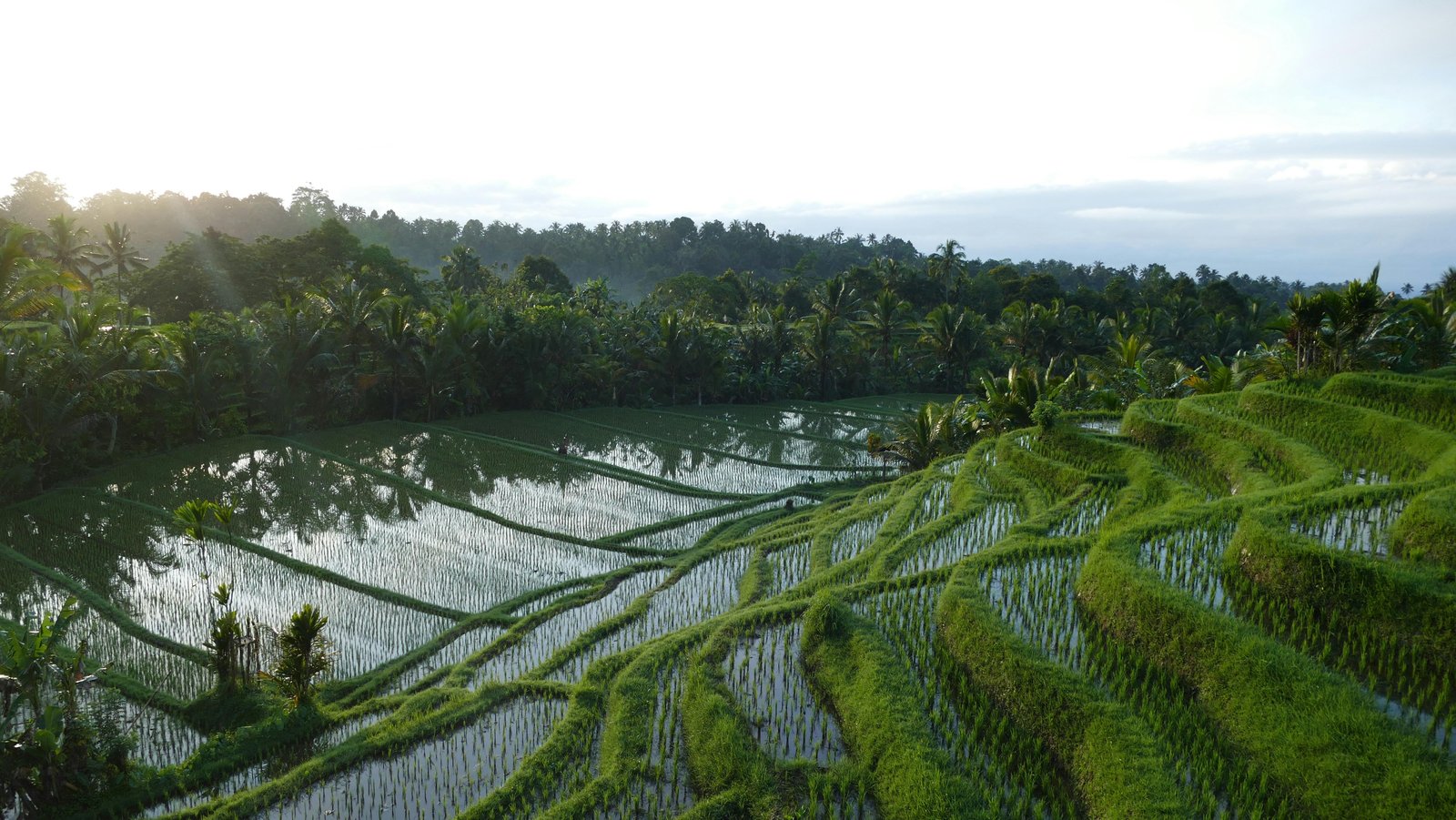
Indonesia’s Energy Transition Toward 2026 and the Outlook for Renewable Energy Development
Indonesia's Green Energy Transition 2026: Comprehensive Analysis of Renewable Energy Development, Policy Framework, and Investment Opportunities
Reading Time: 79 minutes
Key Highlights
• Green Energy Transition 2026 Targets: Indonesia aims to achieve 23% renewable energy share by 2025-2026, requiring acceleration from current 12% baseline through deployment of 4,680 MW solar PV, 3,500 MW geothermal, and substantial hydro and wind capacity additions
• Strategic Investment Requirements: RAPBN 2026 allocates IDR 37.5 trillion (USD 2.3 billion) for energy sector development, focusing on B40 biodiesel program, hydropower expansion, solar rooftop incentives, and grid infrastructure modernization supporting renewable integration
• Net Zero Commitment: Presidential commitment to net-zero emissions by 2060 or sooner drives comprehensive energy transition roadmap encompassing power generation, industrial processes, transportation electrification, and carbon capture deployment across Indonesian archipelago
• Economic Opportunity: Green energy transition presents USD 1.7 trillion cumulative investment opportunity through 2030, creating substantial employment in manufacturing, installation, operations, and supporting industries while reducing fossil fuel import dependency and enhancing energy security
Essential Reading: Key Green Energy Reports for Indonesia 2026
Indonesia Energy Transition Outlook (IETO) 2026 - Full Report

Institute for Essential Services Reform (IESR) comprehensive analysis of Indonesia's pathway to 100% renewable energy, including 2026 milestones, solar/geothermal deployment scenarios, policy recommendations, and investment requirements. 156 pages of detailed technical and economic analysis.
Download Full Report (PDF) View OnlineIEA Roadmap to Net Zero Energy Sector for Indonesia
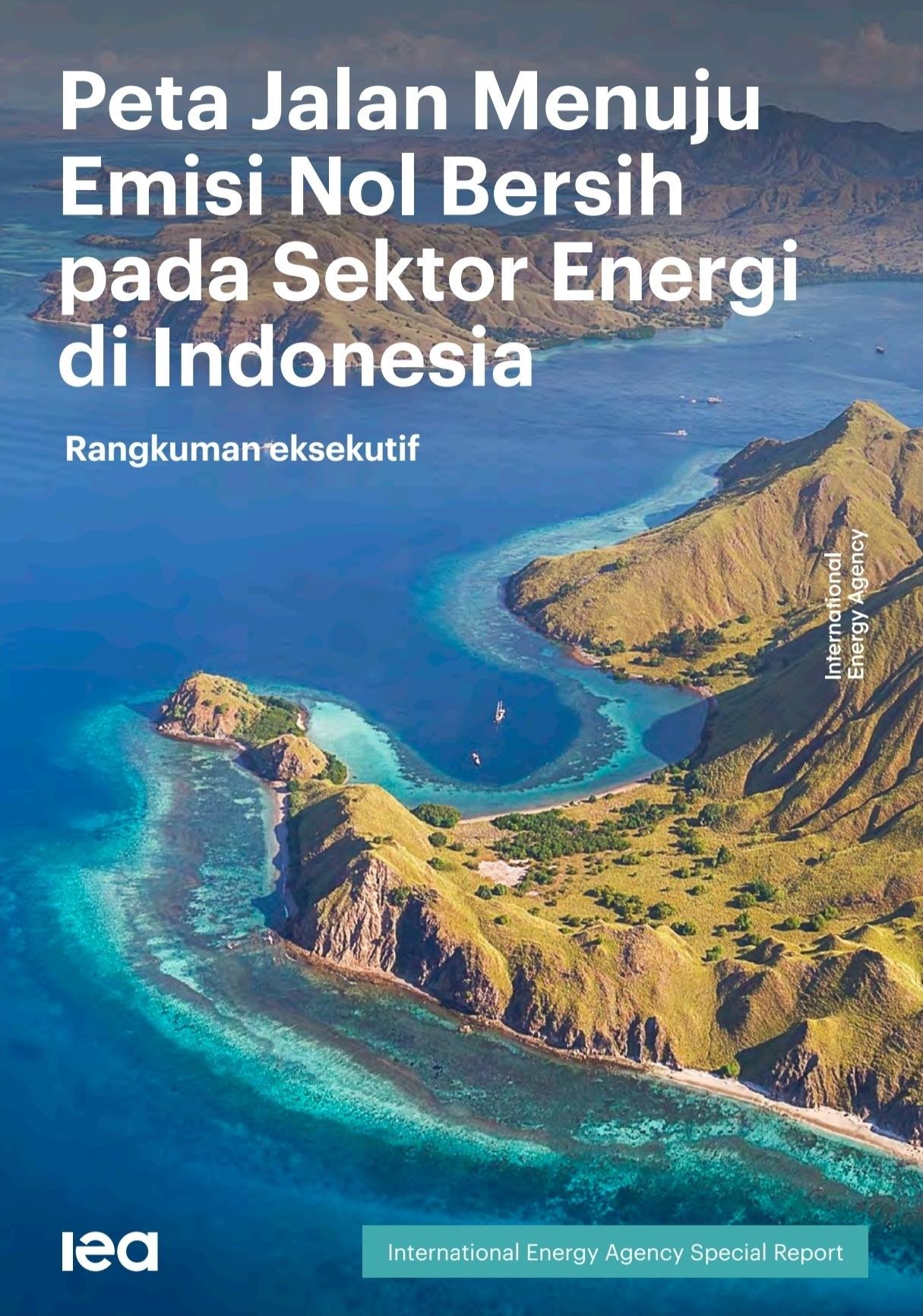
International Energy Agency comprehensive roadmap covering electrification strategies, renewable energy deployment pathways, grid modernization requirements, and policy frameworks for achieving net-zero energy sector by 2060. Available in English and Indonesian versions.
Download Indonesian Version English VersionPwC Indonesia Carbon Market White Paper
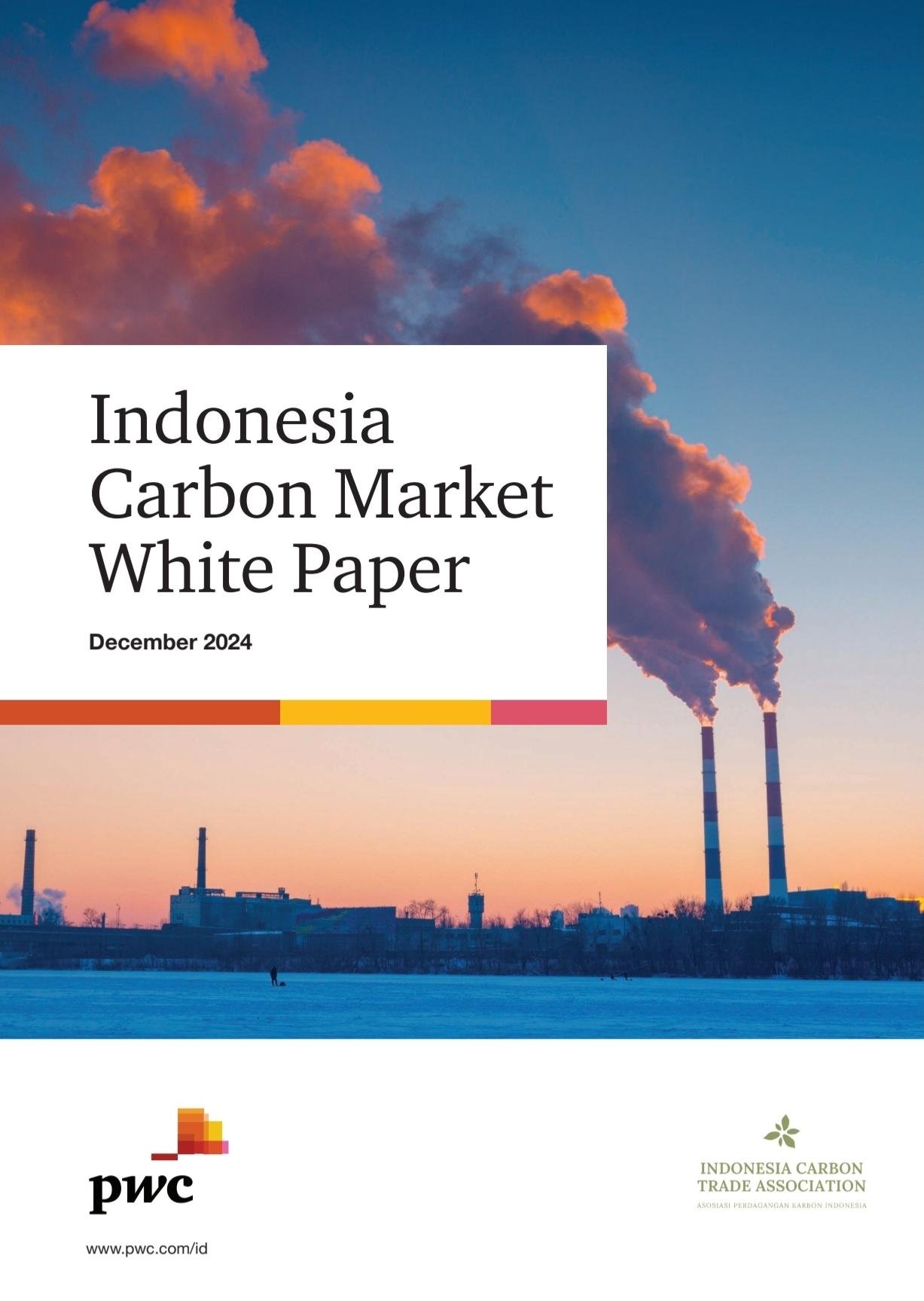
Comprehensive analysis of Indonesia's emerging carbon market mechanisms, green financing instruments, renewable energy investment frameworks, and corporate sustainability strategies. Essential for understanding commercial opportunities in green energy transition.
Download White Paper (PDF)IESR Energy Transition and Decarbonization Strategy
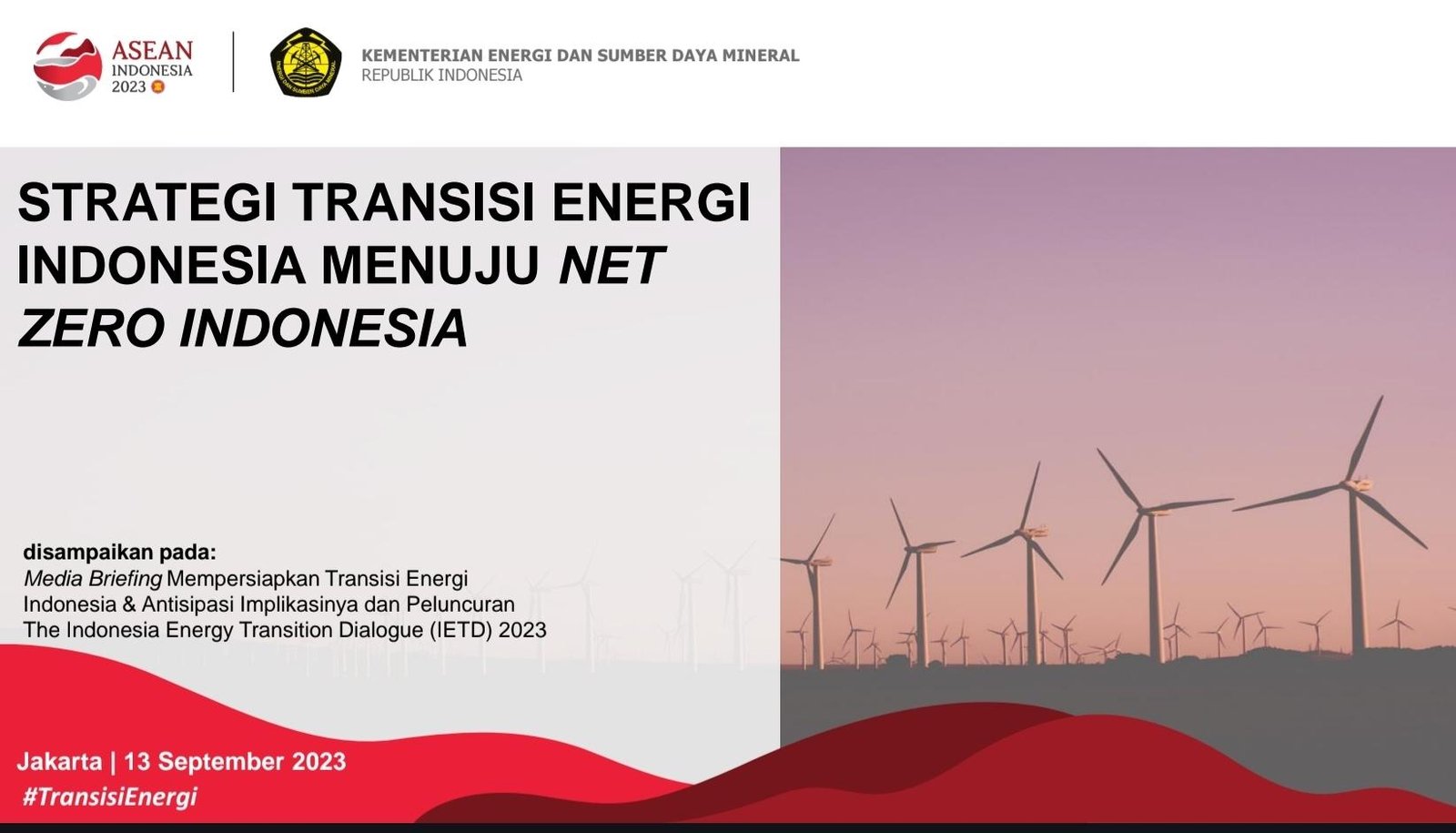
Technical strategy document outlining Indonesia's pathway to net-zero through renewable energy deployment, industrial decarbonization, transportation electrification, and carbon management. Developed jointly with Ministry of Energy and Mineral Resources (ESDM).
Download Strategy Document (PDF)Executive Summary
Indonesia as world's fourth most populous nation and largest economy in Southeast Asia accelerates transition from fossil fuel-dependent energy system toward clean, renewable power generation. With presidential commitment to achieve net-zero emissions by 2060 or sooner, government establishes ambitious intermediate targets including 23% renewable energy share by 2025-2026, up from current baseline of approximately 12%, requiring unprecedented deployment pace across solar photovoltaic, geothermal, hydropower, wind, and bioenergy technologies. This transition encompasses not merely power generation transformation but comprehensive economic restructuring affecting industrial processes, transportation systems, building energy use, and land use practices across sprawling archipelago of 17,000 islands.
Year 2026 represents pivotal milestone in Indonesia's energy trajectory, marking mid-point of current national energy plan (RUKN 2021-2030) and first full implementation year under President Prabowo Subianto's administration elected October 2024. Government budget allocation through RAPBN 2026 designates IDR 37.5 trillion (approximately USD 2.3 billion) specifically for energy sector development, with substantial portions directed toward renewable energy infrastructure, B40 biodiesel program expansion supporting energy security while utilizing domestic palm oil resources, hydropower project acceleration particularly in Kalimantan and Papua regions, solar rooftop deployment incentives for residential and commercial sectors, and critical grid infrastructure modernization enabling variable renewable energy integration at scale unprecedented in Indonesian power system history.
Indonesia Energy Statistics 2026 Overview
~88,000 MW
Target by end-2026
~20-23%
Up from 12% in 2023
4,680 MW
Cumulative by 2030
USD 25-30B
Annual through 2030
Technical and economic foundations for Indonesia's green energy transition strengthened considerably through 2020s as renewable energy technologies achieved cost competitiveness with fossil generation across most applications. Solar photovoltaic module prices declined from USD 0.40/Watt to under USD 0.20/Watt between 2015-2024, while utility-scale solar project costs fell below USD 1,000/kW making solar levelized cost of electricity (LCOE) competitive at USD 0.04-0.07/kWh compared to coal generation at USD 0.06-0.10/kWh when externalities included. Indonesia's exceptional solar resource averaging 4.5-5.5 kWh/m²/day across archipelago, stable geothermal potential exceeding 29,000 MW (world's second largest after United States), substantial hydropower resources particularly in outer islands, and emerging wind potential in eastern provinces create diverse renewable portfolio opportunity reducing technology risk while enabling region-specific optimization based on local resource availability, demand patterns, and grid infrastructure constraints.
Policy framework development through 2025-2026 period addresses historical barriers constraining renewable energy deployment including power purchase agreement pricing mechanisms, permitting and licensing procedures, land acquisition processes, grid connection requirements, and local content regulations. Ministry of Energy and Mineral Resources (ESDM) implements reformed electricity pricing allowing renewable energy projects to achieve commercial viability without subsidy dependence, while Presidential Regulation simplifies licensing reducing permitting timeline from 18-24 months to 6-9 months for priority renewable projects. PLN (state electricity company) publishes transparent grid connection procedures with standardized technical requirements and predictable timelines, eliminating previous uncertainty deterring private investment. Ministry of Finance establishes green financing instruments including sovereign green bonds, concessional lending facilities, and risk mitigation mechanisms attracting international development finance supporting renewable energy deployment at required scale.
This comprehensive analysis examines Indonesia's green energy landscape in 2026 across technology sectors, regional development patterns, policy frameworks, investment opportunities, and implementation challenges. Drawing on authoritative sources including Institute for Essential Services Reform (IESR) energy transition outlook, International Energy Agency net-zero roadmap, Ministry of Energy strategic plans, World Bank assessments, and industry data, discussion provides rigorous foundation for understanding Indonesia's renewable energy trajectory, evaluating investment opportunities, informing policy development, and supporting project implementation advancing national energy transition objectives while contributing to global climate mitigation efforts.
Indonesia's Energy Landscape: Current State and 2026 Trajectory
Indonesia's electricity system in 2026 reflects transition phase characterized by declining but still dominant fossil fuel generation, rapidly growing renewable energy capacity, geographic fragmentation across thousands of islands creating diverse regional energy systems, and substantial grid infrastructure investment enabling renewable integration while maintaining reliability serving 280 million population with growing per capita consumption. Total installed generation capacity approaches 88,000 MW by end-2026, representing approximately 10,000 MW additions from 2023 baseline, with renewable energy additions accelerating from historical 500-800 MW annually to target 2,000-3,000 MW annual pace required achieving 2030 renewable energy targets and supporting broader net-zero commitment.
Indonesia Power Generation Mix 2023-2026
| Energy Source | 2023 Capacity (MW) |
2026 Target (MW) |
Share 2026 (%) |
Growth Rate (CAGR) |
|---|---|---|---|---|
| Coal | 39,400 | 41,200 | 46.8% | +1.5% |
| Natural Gas | 16,800 | 17,600 | 20.0% | +1.6% |
| Oil/Diesel | 5,200 | 4,800 | 5.5% | -2.6% |
| Hydropower | 6,700 | 8,500 | 9.7% | +8.2% |
| Geothermal | 2,400 | 3,200 | 3.6% | +10.1% |
| Solar PV | 400 | 1,800 | 2.0% | +64.5% |
| Wind | 150 | 450 | 0.5% | +44.2% |
| Bioenergy | 1,900 | 2,450 | 2.8% | +8.8% |
| TOTAL CAPACITY | 72,950 | 88,000 | 100% | +6.5% |
| Renewable Share | 11,550 (15.8%) | 16,400 (18.6%) | - | +12.4% |
Note: Renewable share by generation exceeds capacity share due to higher capacity factors for geothermal and hydro compared to fossil peaking plants. Target 23% renewable by energy includes biofuels in transport sector.
Coal generation maintains dominant position in 2026 providing baseload capacity and dispatchable generation balancing variable renewables, though future trajectory indicates gradual displacement as renewable capacity scales, energy storage deployment enables firming, and retirement of aging coal plants commences post-2030 aligned with net-zero pathway. Government policy maintains moratorium on new coal-fired power plants announced 2021, with limited exceptions for captive industrial generation and projects with advanced ultra-supercritical technology achieving efficiency above 43% and designed for future ammonia co-firing enabling emissions reduction. Existing coal fleet averaging 25-30% efficiency presents opportunity for efficiency improvements through technology retrofits, operational optimization, and selective retirement of least efficient plants, though complex commercial arrangements with independent power producers (IPPs) under long-term power purchase agreements (PPAs) constrain rapid transition requiring negotiated solutions balancing transition imperatives with contractual obligations and financial stability.
Natural gas maintains important role providing dispatchable capacity complementing variable renewables, with combined-cycle gas turbines (CCGT) offering rapid startup and efficient part-load operation suitable for following renewable generation variations. Domestic gas production from mature fields declining necessitates imported liquefied natural gas (LNG) for Java-Bali system serving 60% national electricity demand, with LNG regasification capacity expansion at Cirebon and other facilities enabling gas supply growth. Long-term gas strategy balances transition imperative with practical constraints recognizing gas as lower-carbon alternative to coal during transition decades while avoiding long-term lock-in through appropriate plant design, site selection enabling future hydrogen conversion, and limiting new gas capacity additions to replacement of retiring coal capacity rather than pure expansion.
Key Energy Sector Characteristics in 2026:
Geographic Distribution:
• Java-Bali system: ~75% total capacity, highly interconnected grid
• Sumatra: ~15% capacity, multiple regional grids with limited interconnection
• Kalimantan: ~5% capacity, isolated systems, significant hydro potential
• Sulawesi: ~3% capacity, growing renewable development
• Eastern Indonesia: ~2% capacity, diesel-dependent, renewable opportunities
• Off-grid areas: ~1.5 million households lacking electricity access
Demand Growth Drivers:
• Population growth: 1.0-1.2% annually reaching 280+ million in 2026
• Economic development: 5-6% GDP growth driving industrial electricity demand
• Urbanization: 60% urban population by 2026 with concentrated demand
• Electrification: transportation, cooking, heating transitioning to electricity
• Industrial expansion: nickel processing, battery manufacturing, data centers
• Per capita consumption growth: from 1,100 kWh/year toward regional averages
Infrastructure Modernization Needs:
• Transmission expansion: Java-Bali 500kV backbone, inter-island connections
• Distribution upgrades: aging infrastructure, losses reduction from 8-9% to 5%
• Smart grid deployment: advanced metering, distribution automation, voltage control
• Grid flexibility: frequency regulation, voltage support, ramping capability
• Energy storage: battery systems, pumped hydro, future hydrogen integration
• Grid codes: updated requirements for renewable integration, fault ride-through
Institutional Framework:
• PLN: state electricity company managing generation, transmission, distribution
• ESDM: Ministry of Energy and Mineral Resources, policy and regulation
• Independent power producers: 40-45% generation capacity under PPAs with PLN
• Regulatory reform: unbundling discussions, competitive procurement, third-party access
• Regional variation: autonomous regions with local energy authority
• Private sector participation: increasing role in renewable energy development
Electricity demand growth projections for 2026 indicate continuation of 5-7% annual increase driven by economic development, population growth, electrification of transport and industrial processes, and rising per capita consumption as living standards improve. Total electricity generation expected to reach approximately 350-370 TWh by 2026, up from 300 TWh in 2023, requiring substantial generation capacity additions maintaining reserve margins while supporting economic growth objectives. Demand concentration in Java-Bali system creates distinct challenges from outer islands where smaller, isolated grids serve lower demand densities making large-scale generation less economical while renewable resources often abundant creating opportunities for distributed generation, microgrids, and innovative hybrid systems combining renewable generation with storage and smart management optimizing local resource utilization.
Solar Photovoltaic Development: Accelerating Deployment Toward 2030 Targets
Solar photovoltaic technology emerges as fastest-growing renewable energy sector in Indonesia through 2026, driven by dramatic cost reductions making solar economically competitive with fossil generation, abundant solar resource across archipelago averaging 4.5-5.5 kWh/m²/day enabling high capacity factors, modular scalability from watts to megawatts suitable for diverse applications, and supportive policy framework including simplified permitting for rooftop systems, net metering regulations, and competitive auctions for utility-scale projects. Cumulative solar PV capacity targeted to reach approximately 1,800 MW by end-2026, representing substantial acceleration from 400 MW baseline in 2023, with deployment spanning utility-scale solar farms, commercial and industrial rooftop systems, residential installations, and off-grid applications in remote communities lacking grid access.
Solar PV Deployment Roadmap 2023-2030
| Segment | 2023 Baseline |
2026 Target |
2030 Target |
Key Drivers |
|---|---|---|---|---|
| Utility-Scale Solar Farms | 180 MW | 800 MW | 2,500 MW | Competitive auctions, PLN procurement |
| Commercial & Industrial Rooftop | 150 MW | 700 MW | 1,500 MW | Economics, net metering, ESG commitments |
| Residential Rooftop | 50 MW | 200 MW | 480 MW | Declining costs, financing programs |
| Off-Grid & Hybrid Systems | 20 MW | 100 MW | 200 MW | Rural electrification, diesel replacement |
| TOTAL SOLAR PV | 400 MW | 1,800 MW | 4,680 MW | Multiple deployment channels |
Utility-scale solar development accelerates through 2026 driven by competitive auction programs managed by PLN procuring renewable energy capacity meeting least-cost generation expansion planning requirements while satisfying renewable energy mandates. Auction design demonstrates incorporating international best practices including clear eligibility criteria, standardized documentation, transparent evaluation procedures, and bankable power purchase agreements providing revenue certainty attracting international and domestic developers. Recent auctions achieved winning bids below USD 0.05/kWh for favorable locations demonstrating solar cost competitiveness, though grid connection requirements, land acquisition challenges, and permitting procedures remain constraints requiring continued policy attention streamlining development processes while maintaining environmental and social safeguards ensuring sustainable development aligned with community interests.
Rooftop solar segment experiences rapid growth driven by favorable economics where avoided utility electricity costs at USD 0.12-0.18/kWh for commercial/industrial tariffs exceed levelized cost of rooftop solar at USD 0.08-0.12/kWh creating immediate payback without subsidy dependence. Net metering regulations allowing excess generation to offset consumption across billing periods improve economics enabling 5-8 year payback periods attractive for commercial property owners, industrial facilities, hotels, shopping centers, and other large electricity consumers. Regulatory framework development through 2025-2026 clarifies interconnection procedures, standardizes technical requirements, and establishes transparent approval processes reducing development timeline and uncertainty previously constraining deployment. Financing innovations including green bonds, sustainable lending facilities, and equipment leasing arrangements address upfront capital barriers enabling broader market participation beyond large corporations with strong balance sheets.
Solar PV Technology and Market Dynamics:
Technology Trends:
• Module efficiency: 21-23% for monocrystalline PERC, 23-25% for heterojunction
• Bifacial modules: capturing reflected light, 10-20% additional generation
• Tracking systems: single-axis tracking adding 15-25% generation at moderate cost
• Inverter technology: string inverters dominant for rooftop, central for utility-scale
• Energy storage integration: increasingly common for peak shifting and backup
• Smart monitoring: cloud-based systems optimizing performance and maintenance
Cost Structure 2026:
• Utility-scale installed cost: USD 800-1,000/kW for ground-mount systems
• Rooftop installed cost: USD 1,000-1,400/kW depending on size and complexity
• Module costs: USD 0.18-0.25/W for quality crystalline silicon products
• Balance of system: USD 0.30-0.45/W for mounting, electrical, installation
• Soft costs: permitting, financing, developer margins adding USD 0.20-0.35/W
• Operations & maintenance: USD 15-25/kW-year for utility-scale, USD 20-35/kW for rooftop
Market Barriers and Solutions:
• Grid connection capacity: transmission upgrades, distributed generation emphasis
• Land acquisition: brownfield sites, degraded land, floating solar on reservoirs
• Financing availability: development finance institutions, local bank capacity building
• Technical expertise: training programs, installer certification, quality standards
• Equipment supply chain: domestic manufacturing, regional sourcing, quality control
• Policy uncertainty: long-term targets, stable regulatory framework, enforcement
Regional Development Priorities:
• Java-Bali: large-scale solar farms, extensive rooftop deployment, grid integration
• Sumatra: utility-scale development, plantation solar, off-grid applications
• Kalimantan: floating solar on mining ponds and reservoirs, hybrid systems
• Sulawesi: distributed generation, island microgrids, tourism facilities
• Eastern Indonesia: off-grid systems, diesel replacement, community solar
• Urban centers: aggressive rooftop targets, building-integrated PV, parking structures
Floating solar photovoltaic (FPV) technology gains attention in Indonesia as solution addressing land constraints while utilizing abundant water surface area in reservoirs, mining ponds, and other water bodies. Multiple demonstration projects totaling 150-200 MW capacity under development or operation by 2026 validate technical feasibility and economic competitiveness, with floating solar offering advantages including reduced land use conflicts, lower module operating temperatures improving efficiency, reduced water evaporation from covered surfaces, and potential co-location with hydropower providing hybrid generation combining solar during day with hydro for evening peak and storage. Challenges including higher installation costs compared to ground-mount systems, maintenance access complexity, environmental impact on aquatic ecosystems, and limited local expertise require continued development of standards, best practices, and supply chain capacity supporting FPV deployment at scale aligned with technical and environmental suitability assessments.
Geothermal Energy: World-Class Resource Potential
Indonesia possesses world's second-largest geothermal resources after United States, with estimated potential exceeding 29,000 MW concentrated in volcanic arc stretching from Sumatra through Java and Bali to eastern archipelago. Geothermal technology provides baseload renewable generation operating 24/7 with capacity factors typically 85-95%, offering dispatchable capacity complementing variable solar and wind while reducing fossil fuel dependence. Current installed geothermal capacity of approximately 2,400 MW represents merely 8% of technical potential, indicating enormous development opportunity constrained historically by high upfront development costs, exploration risks, complex permitting in protected forest areas, price competitiveness challenges, and limited international investment interest given project complexity and long development timelines spanning 7-10 years from initial exploration through commercial operations.
Geothermal Development Pipeline 2026-2030
| Project/Region | Capacity (MW) |
Status 2026 | COD Target | Developer |
|---|---|---|---|---|
| Muara Laboh (Sumatra) | 220 | Under construction | 2026-2027 | Supreme Energy |
| Rantau Dedap (Sumatra) | 91 | Operational Phase 1 | 2024-2026 | Supreme Energy |
| Sokoria (NTT) | 10 | Operational | 2024 | Pertamina GE |
| Ciwidey (Java) | 110 | Development phase | 2027-2028 | Star Energy |
| Hululais (Bengkulu) | 55 | Exploration complete | 2028-2029 | Pertamina GE |
| Wapsalit (Maluku) | 3 | Under construction | 2026 | PLN |
| Expansion of Existing Fields | 350 | Various stages | 2026-2029 | Multiple |
| TOTAL ADDITIONS | 839 MW | - | By 2029 | - |
Note: Target 3,200 MW by 2026 requires acceleration beyond current pipeline. Additional projects in early exploration or tendering phases not shown.
Policy reforms through 2020s address historical barriers constraining geothermal development including streamlined permitting in protected forest areas where most geothermal resources located, improved power purchase agreement terms providing adequate returns attracting international developers, government-supported exploration risk mitigation through drilling cost sharing or guarantee mechanisms reducing upfront investment risks, and regulatory clarity around concession boundaries, environmental requirements, and revenue sharing with local communities. Presidential Regulation on Geothermal Development establishes one-stop service for licensing reducing permitting timeline from 3-4 years to 12-18 months, critical improvement for long-duration projects requiring sustained commitment from developers and financiers through extended development periods involving geological surveys, exploration drilling, reservoir testing, environmental assessments, engineering design, construction, and commissioning before revenue generation commences.
Technical characteristics of geothermal development create distinct project economics and risk profiles compared to solar or wind. High upfront costs for exploration drilling, reservoir development, and steam gathering systems requiring USD 3,000-5,000/kW capital investment substantially exceed solar at USD 800-1,000/kW, though geothermal's high capacity factor and baseload capability produce greater annual energy output per MW capacity installed. Exploration risk represents major barrier as geological surveys and limited drilling cannot guarantee commercial reservoir discovery, with success rates historically 30-50% meaning multiple unsuccessful attempts precede successful development creating risk profile unsuitable for traditional project finance requiring proven reserves and bankable revenue streams. Government risk mitigation mechanisms including exploration drilling cost sharing, reservoir performance guarantees, or sovereign backing for initial projects demonstrate resource viability reducing perceived risk attracting private investment for subsequent development.
Geothermal Development Considerations:
Resource Potential by Region:
• Sumatra: 8,700 MW potential, multiple world-class fields including Sarulla (330 MW)
• Java: 8,100 MW potential, highest demand centers enabling direct interconnection
• Sulawesi: 2,500 MW potential, supporting regional grid development
• Nusa Tenggara: 2,200 MW potential, isolated grids benefiting from baseload capacity
• Maluku: 1,800 MW potential, small-scale opportunities for off-grid communities
• Papua: 400 MW identified potential, likely substantial undiscovered resources
Technology Options:
• Flash steam plants: conventional technology for high-temperature resources above 180°C
• Binary cycle systems: utilizing moderate-temperature resources 100-180°C
• Combined cycle: maximizing efficiency for mixed-temperature reservoirs
• Modular units: smaller 5-20 MW units for remote applications reducing upfront cost
• Enhanced geothermal systems (EGS): future potential accessing hot dry rock resources
• Direct use applications: cascaded energy utilization for heating, industrial processes
Economic Parameters 2026:
• Capital cost: USD 3,000-5,000/kW installed capacity depending on resource characteristics
• Levelized cost: USD 0.07-0.12/kWh varying by reservoir quality and project scale
• Capacity factor: typically 85-95% providing consistent baseload generation
• Operations & maintenance: USD 0.02-0.03/kWh ongoing throughout 25-30 year lifetime
• Development timeline: 7-10 years from exploration through commercial operation
• Power purchase agreements: typically 25-30 year terms providing revenue certainty
Environmental and Social Considerations:
• Protected forest areas: most resources located requiring careful permitting and impact mitigation
• Community engagement: benefit sharing, employment, local development programs
• Water management: produced fluids reinjection maintaining reservoir pressure
• Gas emissions: non-condensable gases treatment meeting air quality standards
• Land use: relatively small surface footprint compared to energy output
• Induced seismicity: monitoring and management protocols for reservoir operations
Geothermal's baseload characteristics provide particular value for Indonesian power system as dispatchable renewable capacity displacing coal and gas while complementing variable solar and wind. High capacity factors mean geothermal delivers 7,500-8,300 MWh/MW-year compared to solar at 1,600-2,000 MWh/MW-year, requiring substantially less capacity to deliver equivalent annual energy. For island grids lacking interconnection to larger networks, geothermal provides reliable baseload capacity enabling diesel displacement while avoiding energy storage requirements necessary for high renewable penetration with variable sources alone. Strategic deployment focusing on locations with proven resources, proximity to load centers or transmission infrastructure, and favorable regulatory environment through streamlined permitting and risk mitigation enables geothermal contribution toward renewable energy targets while providing system stability and reliability essential for economic development and quality of life.
Hydropower Development: Balancing Renewable Energy and Environmental Sustainability
Hydropower constitutes largest renewable energy source in Indonesia's current generation mix, with installed capacity of approximately 6,700 MW in 2023 growing toward 8,500 MW target by 2026 through completion of projects under construction and commissioning of new developments particularly in Kalimantan, Papua, and Sumatra regions possessing abundant water resources and topographic conditions suitable for dam construction. Hydropower provides dispatchable renewable generation with reservoir projects offering energy storage enabling load following and peak generation, while run-of-river installations provide continuous baseload capacity at lower environmental impact avoiding large reservoir creation and associated social displacement. Indonesia's theoretical hydropower potential exceeds 75,000 MW, though environmental constraints, social impacts including community resettlement, investment requirements, and long development timelines limit practical development to economically viable projects with acceptable environmental and social impacts managed through rigorous assessment processes and stakeholder engagement.
Major Hydropower Projects 2024-2028
| Project Name | Location | Capacity (MW) |
Type | COD |
|---|---|---|---|---|
| Jatigede | West Java | 110 | Reservoir | 2024 |
| Karian | Banten | 22 | Reservoir | 2025 |
| Peusangan | Aceh | 86 | Reservoir | 2026 |
| Kayan Cascade | N. Kalimantan | 1,200 | Reservoir (planned) | Post-2028 |
| Asahan 3 | N. Sumatra | 174 | Run-of-river | 2026-2027 |
| Multiple Small Hydro | Various | 300 | Run-of-river (<10MW) | 2024-2028 |
| TOTAL NEAR-TERM ADDITIONS | 1,892 MW | By 2028 | ||
Large dam projects face increasing scrutiny globally regarding environmental impacts including aquatic ecosystem disruption, sediment transport alteration affecting downstream areas, methane emissions from reservoir decomposition in tropical regions, and community displacement requiring resettlement programs. Indonesian policy framework requires comprehensive environmental and social impact assessments (AMDAL) for major projects, including biodiversity surveys, greenhouse gas assessment, downstream impact analysis, cultural heritage evaluation, and participatory processes engaging affected communities in project design and benefit sharing arrangements. These requirements lengthen development timelines and increase project costs but essential for sustainable development ensuring hydropower contributes to renewable energy targets while respecting environmental values and community rights fundamental to Indonesian society and international development standards.
Small hydro development (typically defined as capacity below 10 MW) offers distinct advantages including lower environmental impact suitable for run-of-river designs without large dams, modular development enabling incremental capacity additions matching demand growth, distributed generation near rural communities reducing transmission requirements, and simpler permitting through streamlined procedures for projects below environmental assessment thresholds. Indonesia possesses substantial small hydro potential in mountainous regions of Sumatra, Kalimantan, Sulawesi, and Papua where abundant rainfall and topographic relief create numerous suitable sites. Policy support including feed-in tariffs for small renewable energy projects, simplified licensing procedures, and technical assistance programs for community-owned developments facilitate small hydro deployment contributing to renewable energy targets while supporting rural electrification and economic development in remote areas currently dependent on expensive diesel generation or lacking electricity access entirely.
Hydropower Technical and Policy Considerations:
Technology Categories:
• Large reservoir projects: >100 MW capacity, energy storage capability, flood control
• Medium scale: 10-100 MW, run-of-river or small reservoir configurations
• Small hydro: 1-10 MW, typically run-of-river with minimal environmental impact
• Micro hydro: <1 MW, community-scale for remote village electrification
• Pumped storage: potential for grid-scale energy storage supporting variable renewables
• Rehabilitation of existing dams: adding generation to existing multipurpose reservoirs
Economic Characteristics:
• Capital cost: USD 1,500-3,500/kW depending on site characteristics and scale
• Levelized cost: USD 0.04-0.08/kWh for favorable sites with good hydrology
• Capacity factor: 40-60% for run-of-river, 50-70% for reservoir projects
• Project lifetime: 50-100 years with periodic refurbishment and equipment replacement
• Development timeline: 5-10 years for large projects including assessment and construction
• Operations cost: typically 2-3% of capital cost annually including maintenance
Environmental Management:
• Fish passage systems: enabling migration for aquatic species conservation
• Minimum environmental flow: maintaining downstream ecosystem health
• Sediment management: flushing protocols preventing reservoir siltation
• Greenhouse gas emissions: assessment and minimization in tropical reservoirs
• Biodiversity conservation: habitat protection, species monitoring programs
• Water quality management: preventing thermal pollution and oxygen depletion
Social Considerations:
• Community consultation: free, prior, and informed consent processes
• Resettlement planning: adequate compensation, livelihood restoration for displaced people
• Benefit sharing: local employment, infrastructure development, revenue distribution
• Cultural heritage: protection of archaeological sites, sacred areas
• Downstream communities: ensuring water availability, flood management
• Indigenous peoples: respecting customary land rights, traditional practices
Pumped storage hydropower represents strategic opportunity for Indonesia supporting renewable energy integration through large-scale energy storage. Technology utilizes two reservoirs at different elevations, pumping water uphill during periods of excess generation or low demand, then releasing water downhill through turbines generating electricity during peak demand or when variable renewables unavailable. Global experience demonstrates pumped storage as most economically competitive large-scale energy storage technology with 90-95 GW installed capacity worldwide, cycle efficiency typically 70-85%, and operational lifetimes exceeding 50 years. Indonesian potential for pumped storage development exists particularly in mountainous regions of Java, Sumatra, and Sulawesi where topographic relief and existing or potential reservoir sites enable economically viable projects. However, high capital costs (USD 1,500-3,000/kW), long development timelines, environmental impacts, and market structure questions around valuation of flexibility services currently limit investment despite technical potential and strategic value for high renewable penetration scenarios requiring substantial energy storage capacity.
Wind Power and Ocean Energy: Emerging Renewable Resources
Wind power remains relatively nascent in Indonesia compared to solar, geothermal, or hydropower, with installed capacity of approximately 150 MW in 2023 concentrated in few locations possessing adequate wind resources including Sidrap in South Sulawesi (75 MW), Tolo in Central Sulawesi (72 MW), and small pilots elsewhere. Wind resource assessment indicates limited high-quality wind resources compared to leading global wind markets, with most Indonesian locations experiencing average wind speeds below 6 m/s at hub height insufficient for economic wind farm development using conventional technology. However, specific locations particularly in eastern Indonesia including Nusa Tenggara, southern Sulawesi, and coastal areas of southern Java demonstrate wind speeds of 6-8 m/s enabling economically viable wind development with modern high-capacity-factor turbines designed for moderate wind regimes common in Southeast Asian contexts.
Wind Power Development Status and Potential
| Metric | Current (2023-2024) |
2026 Target |
2030 Outlook |
Notes |
|---|---|---|---|---|
| Installed Capacity | 150 MW | 450 MW | 1,800 MW | Accelerating deployment in favorable sites |
| Number of Projects | 3 operational | 8-10 projects | 25-30 projects | 50-75 MW typical project size |
| Average Capacity Factor | 25-35% | 30-40% | 35-45% | Improving with modern turbines |
| Levelized Cost (LCOE) | $0.08-0.12/kWh | $0.06-0.10/kWh | $0.05-0.08/kWh | Declining with technology and scale |
| Technical Potential | ~60,000 MW (onshore), ~500,000 MW (offshore theoretical) | Most potential in eastern Indonesia | ||
Wind power project development in Indonesia faces challenges beyond resource quality including complex permitting processes requiring multiple approvals from national and local authorities, land acquisition difficulties particularly in populated coastal areas, grid connection constraints in remote locations with best wind resources, intermittency management requiring backup generation or storage, and limited domestic supply chain requiring imported turbines and specialized installation equipment increasing costs and development complexity. Policy support through streamlined permitting similar to solar rooftop, standardized power purchase agreements with acceptable terms, and transmission planning prioritizing grid connection in windy regions enables acceleration from current low deployment levels toward meaningful contribution to renewable energy targets by 2030.
Offshore wind technology offers substantial long-term potential for Indonesia given extensive coastline, strong and consistent winds over ocean areas, and avoiding land use conflicts from onshore development. Global offshore wind industry experiences rapid growth with cumulative capacity exceeding 60 GW by 2024 and costs declining below USD 3,000/kW for projects in favorable conditions. Indonesian offshore wind potential concentrated in shallow waters of Java Sea, Makassar Strait, and eastern archipelago where water depths below 60 meters suitable for fixed-bottom foundations and wind resources exceed 7 m/s average. However, technology remains expensive compared to onshore alternatives, requires specialized installation vessels and supply chain currently undeveloped in Indonesia, faces unclear regulatory framework around maritime spatial planning and offshore energy development, and competes with fishing, shipping, and conservation interests requiring careful planning and stakeholder engagement. Initial offshore wind development likely post-2030 following demonstration projects and regulatory framework development, with meaningful capacity deployment in 2030s as costs decline and experience grows.
Ocean Energy Resources and Development:
Tidal and Wave Energy Potential:
• Tidal resources: concentrated in narrow straits with strong currents, limited areas
• Wave energy: best resources in southern coasts exposed to Indian Ocean swells
• Technical potential: estimated 3,000-5,000 MW tidal, 1,000-2,000 MW wave
• Technology maturity: early commercial stage globally, demonstration phase Indonesia
• Current deployment: pilot projects only, no commercial-scale installations
• Cost competitiveness: currently higher than conventional renewables, improving with R&D
Ocean Thermal Energy Conversion (OTEC):
• Resource availability: tropical waters with temperature differential enabling OTEC
• Technical potential: substantial in deep waters near major islands
• Technology status: demonstration phase globally, concept studies Indonesia
• Co-benefits: desalination, aquaculture, air conditioning applications
• Challenges: high cost, technical complexity, environmental impacts
• Timeline: unlikely before 2035-2040 absent major technology breakthrough
Strategic Priorities for Marine Renewables:
• Resource assessment: detailed measurements of tidal, wave, current resources
• Technology evaluation: pilot projects demonstrating suitable technologies
• Regulatory framework: permitting procedures, environmental standards, stakeholder consultation
• Grid integration: connection planning for remote coastal and island locations
• Supply chain development: manufacturing, installation, maintenance capabilities
• International collaboration: technology transfer, knowledge sharing, joint ventures
Near-Term Prospects:
• Focus on wind energy: more mature technology with proven economics
• Tidal pilots in specific locations: narrow straits with strong predictable currents
• Wave energy monitoring: long-term resource measurement informing future development
• OTEC feasibility studies: assessing technical and economic viability
• Limited commercial deployment before 2030: demonstration projects only
• Post-2030 opportunity: as technologies mature and costs decline with global experience
Marine renewable energy technologies including tidal power, wave energy, and ocean thermal energy conversion represent long-term opportunities for Indonesia as island nation with extensive coastline and ocean resources, though current technology maturity and cost competitiveness lag wind and solar limiting near-term deployment. Strategic approach emphasizes resource assessment through measurement campaigns quantifying available resources, technology demonstration through pilot projects evaluating suitable technologies for Indonesian conditions, regulatory framework development establishing clear permitting and approval processes, and international collaboration accessing global expertise and technology transfer accelerating Indonesian capability development. Marine renewables likely contribute modestly to 2030 renewable energy targets but potentially significant in post-2030 period as technologies mature, costs decline, and Indonesian experience and supply chain capacity develops through initial demonstration and early commercial projects in favorable locations.
Bioenergy and Waste-to-Energy: Sustainable Resource Utilization
Bioenergy encompasses diverse technologies utilizing organic materials for electricity generation, transport fuels, and thermal energy, including biomass power plants combusting agricultural residues or energy crops, biogas digesters processing organic waste producing methane for power generation or cooking fuel, biofuel production from palm oil, sugarcane, or other feedstocks, and waste-to-energy facilities combusting municipal solid waste generating electricity while reducing landfill requirements. Indonesia possesses substantial bioenergy potential derived from agricultural economy producing palm oil, rice, sugarcane, and other crops generating residues suitable for energy utilization, livestock operations producing manure for biogas generation, and growing municipal solid waste streams in urban areas requiring sustainable management solutions. Current bioenergy capacity approximately 1,900 MW in 2023 growing toward 2,450 MW by 2026 through expansion of palm oil mill biogas systems, rice husk power plants, and initial waste-to-energy facilities in major cities.
Bioenergy Technologies and Applications
| Technology | Feedstock | Current Capacity |
Potential | Key Applications |
|---|---|---|---|---|
| Palm Oil Mill Biogas | POME | 500 MW | 3,000 MW | Mill electricity, grid export, biogas upgrading |
| Rice Husk Power | Rice husk | 200 MW | 800 MW | Rice mill captive power, rural electricity |
| Sugarcane Bagasse | Bagasse | 600 MW | 1,200 MW | Sugar mill cogeneration, seasonal generation |
| Wood/Forestry Residues | Wood chips | 400 MW | 2,000 MW | Industrial captive, district heating/power |
| MSW Waste-to-Energy | Municipal waste | 50 MW | 500 MW | Urban waste management, baseload power |
| Livestock Biogas | Manure | 20 MW | 300 MW | Farm energy, cooking fuel, fertilizer |
| Biodiesel (transport) | Palm oil | B30-B35 | B40-B100 | Diesel blending, fossil fuel displacement |
Palm oil industry generates massive volumes of palm oil mill effluent (POME) requiring treatment before discharge, with anaerobic digestion providing dual benefits of methane capture for energy generation and environmental protection preventing greenhouse gas emissions from open lagoon treatment systems. Indonesia's palm oil sector comprising approximately 16 million hectares plantation area and over 800 mills creates technical potential for 3,000-4,000 MW biogas power generation, though current utilization remains below 20% of potential due to challenges including remote mill locations distant from grid connection, seasonal production creating variable biogas supply, technical complexity requiring skilled operations, and investment requirements for biogas collection and power generation equipment. Government policy support through POME biogas mandate requiring mills to capture and utilize methane, grid connection facilitation, and carbon finance recognition accelerates deployment contributing to renewable energy targets while reducing greenhouse gas emissions from palm oil sector addressing sustainability concerns affecting international market access for Indonesian palm products.
Waste-to-energy technology processes municipal solid waste through incineration generating steam for electricity generation while reducing waste volumes by 90% and eliminating landfill methane emissions and environmental contamination. Indonesia generates approximately 65 million tons municipal solid waste annually with volumes growing 3-5% per year driven by population and economic growth, urbanization, and changing consumption patterns. Major cities including Jakarta, Surabaya, Bandung, and others face waste management crises with inadequate landfill capacity, environmental pollution from poorly managed disposal sites, and health impacts on nearby communities. Waste-to-energy facilities offer integrated solution providing electricity generation, landfill diversion, and improved sanitation, though high capital costs (USD 5,000-7,000/kW), technical complexity, and waste supply consistency requirements constrain deployment. Several projects totaling 50-100 MW capacity operational or under construction by 2026 in major metropolitan areas demonstrate feasibility, with expansion dependent on sustainable financing mechanisms, appropriate technology selection, and comprehensive waste management systems ensuring adequate fuel supply and emissions control meeting environmental standards protecting public health.
Bioenergy Development Considerations:
Sustainability Criteria:
• Feedstock sourcing: avoiding deforestation, land use change, food security impacts
• Lifecycle emissions: ensuring net greenhouse gas reduction compared to fossil fuels
• Biodiversity protection: sustainable agricultural practices, habitat conservation
• Water resources: efficient irrigation, wastewater treatment, ecosystem protection
• Social considerations: smallholder inclusion, land rights, community benefits
• Certification schemes: RSPO for palm oil, FSC for forestry products
Technical and Economic Factors:
• Feedstock availability: supply consistency, seasonal variations, transport costs
• Conversion efficiency: 20-35% for biomass power, 35-45% for cogeneration
• Capacity factors: typically 50-80% depending on feedstock supply
• Capital costs: USD 2,500-4,500/kW varying by technology and scale
• Operating costs: feedstock procurement, maintenance, labor requirements
• Grid integration: dispatchable generation complementing variable renewables
Policy and Regulatory Framework:
• Biofuel mandate: B30 biodiesel blend requirement supporting palm oil utilization
• Feed-in tariffs: premium pricing for renewable energy from biomass
• POME biogas requirement: mandatory methane capture at palm oil mills
• Waste management regulations: incentives for waste-to-energy facilities
• Carbon pricing: valuing emissions reductions from bioenergy deployment
• Land use planning: sustainable biomass production avoiding protected areas
Integration with Agriculture and Forestry:
• Circular economy: utilizing residues from agricultural processing operations
• Income diversification: additional revenue streams for farmers and mill operators
• Rural development: distributed generation serving agricultural areas
• Value-added processing: biorefinery concepts producing fuels, chemicals, materials
• Agro-forestry systems: integrating energy crops with food production
• Technology clusters: biomass collection, processing, conversion facilities
Biodiesel program represents major component of Indonesia's renewable energy strategy, with current B35 blend mandate requiring 35% palm oil-based biodiesel in diesel fuel targeting B40 or higher blends by 2026. Program serves multiple objectives including fossil fuel import reduction supporting energy security, palm oil industry support providing market for domestic production, and greenhouse gas emissions reduction displacing petroleum diesel with renewable fuel. Government allocates substantial budget supporting biodiesel program through price subsidies maintaining retail diesel costs while covering higher biodiesel production costs, with RAPBN 2026 designating approximately IDR 15-20 trillion for fuel subsidy including biodiesel support. Sustainability questions around palm oil production including deforestation concerns, peatland development, and social conflicts require ongoing attention ensuring biodiesel program contributes to climate mitigation objectives without counterproductive environmental or social impacts, with certification schemes and monitoring systems providing assurance that feedstock sourced from sustainable operations meeting international standards for responsible palm oil production.
Grid Infrastructure and Energy Storage: Enabling Renewable Integration
Electricity grid infrastructure modernization constitutes critical enabler for renewable energy integration, as legacy transmission and distribution systems designed for unidirectional power flow from centralized fossil generators to consumers require substantial upgrades accommodating bidirectional flows, managing variable generation from solar and wind, maintaining voltage and frequency stability, and enabling distributed energy resources including rooftop solar, battery storage, and demand response. Indonesia's power system complexity with Java-Bali interconnected grid serving 60% demand, multiple regional grids in Sumatra, and isolated systems in Kalimantan, Sulawesi, and eastern provinces creates diverse technical requirements and investment priorities. RAPBN 2026 allocates significant resources for transmission expansion including 500 kV backbone reinforcement in Java-Bali, inter-regional transmission links, submarine cables for island interconnection, distribution network upgrades reducing losses, and smart grid technology deployment enabling advanced monitoring, control, and optimization capabilities essential for high renewable penetration.
⚡ Grid Modernization Priorities 2024-2030
| Infrastructure Type | Current Status | 2026 Target | Investment (USD bn) |
Strategic Objective |
|---|---|---|---|---|
| 500kV Transmission | 12,500 km | 15,000 km | 2.5-3.0 | Bulk power transfer, renewable integration |
| 150kV Transmission | 25,000 km | 28,500 km | 1.8-2.2 | Regional distribution, medium-scale renewables |
| Submarine Cables | 850 km | 1,200 km | 0.8-1.0 | Island interconnection, renewable sharing |
| Distribution Upgrades | Aging network | Modern equipment | 1.5-2.0 | Loss reduction, DER integration, reliability |
| Smart Grid Systems | Limited deployment | Pilot expansion | 0.5-0.8 | AMI, SCADA, distribution automation |
| Substation Capacity | 65,000 MVA | 75,000 MVA | 1.2-1.5 | Load growth, generation connection |
| TOTAL GRID INVESTMENT 2024-2030 | 8-11 | Comprehensive modernization | ||
Transmission expansion priorities focus on strengthening backbone 500 kV network in Java-Bali enabling bulk power transfer from generation centers including coal plants in western Java and eastern Java, geothermal resources in central Java and Bali, and future large-scale solar farms to load centers in Jakarta, Surabaya, and industrial zones. Inter-regional transmission links including Sumatra-Java submarine cable (currently limited capacity of approximately 600 MW), Java-Bali interconnection, and future Kalimantan connections enable renewable energy resource sharing across regions optimizing utilization of diverse resources while providing system resilience through geographic diversity reducing correlated renewable generation variations. Distribution network upgrades address aging infrastructure, reduce technical losses currently 8-9% nationally through improved equipment and operational practices, and enable distributed generation integration from rooftop solar requiring reverse power flow capability, voltage regulation, and protection systems designed for bidirectional energy flows rather than traditional unidirectional distribution from substations to customers.
Smart grid technology deployment encompasses advanced metering infrastructure (AMI) enabling time-of-use pricing and demand response programs, supervisory control and data acquisition (SCADA) systems providing real-time visibility and remote control of transmission and distribution assets, distribution automation optimizing voltage profiles and reducing outage duration through automated switching, and energy management systems coordinating generation dispatch, renewable forecasting, demand response, and energy storage operation optimizing overall system performance. International experience demonstrates smart grid investments deliver significant benefits including 5-10% energy savings through improved efficiency, 15-30% reduction in outage duration through automated fault isolation and restoration, 3-5% loss reduction through voltage optimization, and enhanced renewable integration through better forecasting and real-time balancing. Indonesia's smart grid roadmap emphasizes phased deployment beginning with high-priority urban areas and expanding progressively as technology matures, costs decline, and institutional capacity develops for sophisticated grid operations requiring advanced analytics, control systems, and cybersecurity protecting critical infrastructure from physical and digital threats.
Energy Storage Technologies and Deployment:
Battery Energy Storage Systems (BESS):
• Technology: Lithium-ion dominant, flow batteries emerging for long duration
• Applications: frequency regulation, peak shaving, renewable firming, backup power
• Costs: USD 300-500/kWh for lithium-ion systems declining 10-15% annually
• Current deployment: approximately 50-100 MW pilot and commercial projects
• 2026 target: 500-800 MW cumulative capacity across utility and distributed applications
• Grid-scale vs distributed: utility storage for bulk system services, behind-meter for customers
Pumped Hydro Storage:
• Technology: most economically competitive large-scale storage (>100 MW, 8+ hours)
• Potential sites: mountainous regions of Java, Sumatra, Sulawesi
• Capital cost: USD 1,500-3,000/kW depending on site characteristics
• Efficiency: typically 70-85% round-trip energy efficiency
• Current status: feasibility studies, no operational projects specifically for energy storage
• Development timeline: long lead times 7-10 years constraining near-term deployment
Other Storage Technologies:
• Compressed air energy storage (CAES): potential for large-scale applications
• Flywheel energy storage: fast response for frequency regulation services
• Thermal energy storage: supporting concentrated solar or industrial heat
• Hydrogen storage: long-term potential for seasonal storage and fuel production
• Supercapacitors: ultra-fast response for power quality applications
• Virtual power plants: aggregating distributed resources for grid services
Policy and Market Development:
• Storage mandates: requiring renewable projects include firming capacity
• Market mechanisms: compensating storage for multiple value streams
• Technical standards: safety, performance, interconnection requirements
• Investment incentives: tax credits, accelerated depreciation, concessional lending
• Procurement programs: PLN tenders for storage capacity and services
• Regulatory clarity: ownership models, accounting treatment, grid access rights
Battery energy storage deployment accelerates globally with cumulative capacity exceeding 50 GW by 2024 and costs declining rapidly making storage economically competitive for various applications. Indonesia's battery storage market grows from minimal deployment in 2020 to approximately 50-100 MW pilot and commercial projects by 2024, targeting 500-1,000 MW by 2026 driven by renewable integration requirements, frequency regulation services, peak demand management, and grid reliability enhancement in areas with intermittent supply. Applications span utility-scale installations providing grid services including frequency regulation responding within milliseconds to balance generation and load, renewable firming ensuring dispatchable capacity from variable solar and wind, peak shaving reducing generation capacity requirements and transmission congestion, and backup power for critical infrastructure. Behind-meter residential and commercial storage grows driven by rooftop solar integration, electricity cost reduction through time-shifting consumption from peak to off-peak periods, and backup power for buildings requiring high reliability including hospitals, data centers, telecommunications facilities, and industrial processes sensitive to interruptions.
Future hydrogen economy represents long-term opportunity for Indonesia producing green hydrogen through water electrolysis using renewable electricity, with hydrogen serving as energy carrier for applications including industrial feedstock replacing fossil-based hydrogen in ammonia and fertilizer production, heavy transport fuel for shipping and aviation difficult to electrify directly, seasonal energy storage converting surplus renewable electricity to hydrogen then back to electricity via fuel cells or gas turbines during deficit periods, and export commodity supplying hydrogen demand in Japan, South Korea, and other markets pursuing hydrogen strategies. Indonesia possesses advantages for hydrogen production including abundant renewable energy resources enabling low-cost green hydrogen production, existing ammonia industry and infrastructure providing ready applications, strategic location for export to key Asian markets, and industrial decarbonization imperative driving hydrogen demand for steel, cement, and chemical production. However, hydrogen technology remains early commercial stage with high costs, technical challenges in storage and transport, and competing uses for renewable electricity making direct electrification often more efficient than hydrogen intermediate conversion. Strategic approach emphasizes continued technology monitoring, pilot project support demonstrating viability in specific applications, policy framework development enabling hydrogen market emergence, and international collaboration accessing global experience and supply chain development positioning Indonesia for hydrogen economy participation as technology matures and costs decline in 2030s and beyond.
Policy Framework and Institutional Development: Enabling Environment for Green Energy
Comprehensive policy framework spanning national energy planning, electricity sector regulation, environmental standards, fiscal incentives, and institutional capacity building creates enabling environment for renewable energy investment and deployment. Indonesia's policy development through 2020s addresses historical barriers including unclear regulatory procedures, inadequate pricing mechanisms, complex permitting requirements, and limited enforcement capability constraining renewable energy development despite technical potential and improving economics. National Energy Policy (Kebijakan Energi Nasional) establishes 23% renewable energy target by 2025 and 31% by 2050, National Electricity Master Plan (RUKN) specifies generation capacity expansion priorities including renewable energy projects, Presidential Regulations simplify permitting procedures for renewable energy developments, and Ministry of Energy and Mineral Resources implements detailed regulations covering power purchase agreements, grid connection, technical standards, and licensing requirements providing regulatory certainty supporting investment decisions.
Key Policies Supporting Green Energy Development
| Policy Instrument | Description | Status 2026 |
|---|---|---|
| National Energy Policy (KEN) | 23% renewable energy by 2025, 31% by 2050 | Active |
| RUKN 2021-2030 | Electricity generation expansion plan, renewable capacity targets | Active |
| Net Metering Regulation | Rooftop solar export credit, up to 100% offset | Implemented |
| Feed-in Tariff (FiT) | Premium pricing for small-scale renewable projects | Limited scope |
| Competitive Auction | Transparent procurement for utility-scale renewables | Expanding |
| Tax Incentives | Import duty exemption, tax holidays for renewables | Active |
| Carbon Pricing | Carbon tax and emissions trading system development | Pilot phase |
| Green Bond Framework | Sovereign and corporate green bonds for RE financing | Operational |
| Simplified Permitting | One-stop service, reduced timeline for RE projects | Implementing |
| Local Content Requirement | 40% domestic content for solar, equipment manufacturing support | Active |
Power purchase agreement reform addresses historical pricing challenges where regulated tariffs below market rates deterred private renewable energy investment requiring subsidies or government backing to achieve financial viability. New regulations establish pricing mechanisms for renewable energy including ceiling prices based on generation cost of alternative fossil fuel generation, levelized tariff calculations incorporating capital and operating costs over project lifetime, and competitive bidding procedures for large projects ensuring market-based pricing while maintaining cost competitiveness. Feed-in tariffs for small-scale projects (typically below 10 MW) provide price certainty enabling project finance while standardized contracts reduce transaction costs and development timelines. These reforms enable projects to achieve commercial viability without direct subsidies, improving fiscal sustainability while channeling public resources toward strategic priorities including transmission infrastructure, energy storage deployment, and technology innovation supporting long-term transition objectives.
Environmental and social safeguards ensure renewable energy development proceeds sustainably minimizing negative impacts while maximizing co-benefits for communities and ecosystems. Comprehensive environmental impact assessment (AMDAL) requirements apply to projects exceeding size thresholds, covering greenhouse gas emissions, biodiversity impacts, water resources, air quality, noise, visual impacts, and cumulative effects from multiple developments. Social impact assessment addresses community consultation, benefit sharing, employment and training opportunities, land acquisition procedures respecting customary rights, cultural heritage protection, and grievance mechanisms enabling communities to raise concerns and seek redress for project impacts. International development finance institutions supporting renewable energy projects in Indonesia apply additional safeguards aligned with World Bank, Asian Development Bank, or International Finance Corporation standards providing assurance that projects meet international best practices for environmental protection and social responsibility beyond minimum Indonesian regulatory requirements.
Institutional Framework and Capacity Development:
Government Agencies and Roles:
• Ministry of Energy and Mineral Resources (ESDM): policy development, regulation, licensing
• PLN (Perusahaan Listrik Negara): state electricity company, system operator, bulk purchaser
• Ministry of Finance: fiscal policy, green financing, sovereign green bonds
• Ministry of Environment and Forestry (KLHK): environmental standards, protected areas
• Bappenas (National Development Planning Agency): long-term planning, coordination
• Regional governments: local permitting, land use planning, community engagement
Private Sector Participation:
• Independent power producers (IPPs): 40-45% generation capacity
• Renewable energy developers: international and domestic project developers
• Equipment suppliers: modules, inverters, turbines, balance of system
• Engineering and construction: EPC contractors for project implementation
• Financial institutions: commercial banks, development finance, private equity
• Service providers: O&M, asset management, consulting services
Capacity Building Priorities:
• Technical training: engineers, technicians, operators for renewable technologies
• Institutional strengthening: regulatory capacity, enforcement, monitoring systems
• Financial sector development: project finance expertise, risk assessment capabilities
• Research and development: technology adaptation, innovation, local solutions
• Standards development: technical specifications, quality assurance, safety protocols
• Knowledge sharing: international best practices, regional cooperation, technology transfer
Coordination Mechanisms:
• National Energy Council: high-level policy coordination across ministries
• Inter-ministerial working groups: addressing cross-cutting issues
• Public-private dialogue: engaging industry in policy development
• Subnational coordination: national and regional government alignment
• International cooperation: bilateral partnerships, multilateral engagement
• Civil society consultation: environmental NGOs, community organizations, academia
Workforce development represents critical enabler for renewable energy transition requiring skilled professionals across engineering design, project development, construction, operations and maintenance, and supporting services. Current estimates suggest Indonesia requires 50,000-100,000 additional renewable energy professionals by 2030 meeting deployment targets, with skills needed spanning electrical engineering, power systems, renewable energy technologies, project management, environmental assessment, financial analysis, and regulatory compliance. Educational institutions including universities and vocational schools expand renewable energy programs incorporating international best practices and practical training through industry partnerships. Industry certification programs for solar installers, wind technicians, and other specialized roles ensure quality standards while providing career pathways for technical workforce. Government-sponsored training initiatives, international cooperation programs, and private sector investments in human capital development collectively build workforce capacity essential for successful transition at scale required meeting national renewable energy targets while creating economic opportunities and supporting industrial development in emerging green economy sectors.
Investment Landscape and Financing Mechanisms
Renewable energy investment in Indonesia accelerates through 2020s driven by improving project economics, supportive policy framework, international climate finance availability, and corporate sustainability commitments motivating renewable energy procurement. Cumulative renewable energy investment 2020-2030 estimated at USD 80-120 billion across solar, geothermal, wind, hydro, and bioenergy technologies plus supporting infrastructure including transmission, distribution, and energy storage. Annual investment requirements approximate USD 8-12 billion in 2026, scaling toward USD 15-20 billion annually by 2030 meeting deployment trajectories aligned with national renewable energy targets and net-zero commitment. Investment sources span government budget allocations including RAPBN 2026 energy sector funding, PLN internal resources and borrowing capacity, commercial bank lending increasingly available as renewable energy projects demonstrate bankability, development finance institutions providing concessional terms and risk mitigation, international climate finance from Green Climate Fund and bilateral sources, and private equity seeking returns from energy transition opportunities.
Renewable Energy Investment Framework
| Financing Source | Share of Investment |
Typical Terms |
Project Types |
Key Providers |
|---|---|---|---|---|
| Commercial Banks | 30-40% | 8-12% 10-15 yr |
All scales | BRI, Mandiri, BCA, BNI |
| Development Finance | 20-25% | 3-6% 15-25 yr |
Large utility | ADB, World Bank, JICA, KfW |
| Corporate Balance Sheet | 15-20% | Internal funding |
Rooftop C&I | Industrial companies, PLN |
| Private Equity | 10-15% | 15-20% IRR target |
Greenfield | Infrastructure funds, RE specialists |
| Climate Finance | 5-10% | Concessional | Priority tech | GCF, bilateral climate funds |
| Green Bonds | 5-8% | 7-10% 5-10 yr |
Portfolio | GOI sovereign, PLN, corporates |
| Government Budget | 5-10% | Grant/equity | Strategic | RAPBN allocation, state enterprises |
Project finance structures dominate utility-scale renewable energy investment, utilizing non-recourse or limited-recourse financing where lenders rely primarily on project cash flows rather than sponsor balance sheets for debt service. Typical capital structure comprises 70-80% debt and 20-30% equity, with debt provided by commercial banks, development finance institutions, or bond markets, and equity from project sponsors (independent power producers), infrastructure funds, or strategic investors. Power purchase agreements with PLN or large off-takers provide revenue certainty essential for project finance, typically spanning 20-25 years with predictable pricing enabling accurate cash flow projections. Development finance institutions offer several advantages beyond capital provision including longer tenors (15-25 years vs 10-15 years for commercial banks), lower interest rates (3-6% vs 8-12%), grace periods accommodating construction duration, and willingness to accept higher perceived risks in early-stage markets catalyzing commercial investment through demonstration and risk mitigation.
Green bonds emerge as important financing instrument with Indonesia issuing sovereign green bonds since 2018, cumulative value exceeding USD 4 billion by 2024 funding renewable energy, sustainable transport, and other eligible green projects. Corporate and bank green bonds from PLN, commercial banks, and other issuers expand market depth channeling international capital toward Indonesian sustainable infrastructure. Green bond issuance provides benefits beyond capital raising including enhanced issuer reputation attracting ESG-focused investors, requirements for transparent reporting on use of proceeds and environmental impacts improving accountability, and development of green finance market infrastructure supporting broader sustainable finance ecosystem. Investor demand for green bonds remains strong from pension funds, insurance companies, and asset managers incorporating environmental, social, and governance (ESG) criteria in investment decisions, with Indonesian green bonds typically pricing at similar or slightly lower yields compared to conventional bonds reflecting investor preference for sustainable investments.
Investment Considerations and Risk Factors:
Commercial Viability Factors:
• Project economics: LCOE competitiveness, capacity factor, operating costs
• Power purchase agreements: pricing, duration, off-taker credit quality
• Grid connection: availability, cost, timeline for transmission access
• Site characteristics: resource quality, land availability, environmental constraints
• Technology selection: proven vs emerging, local supply chain, warranty support
• Development risk: permitting, community acceptance, construction execution
Risk Mitigation Strategies:
• Political risk insurance: covering government action, currency inconvertibility
• Partial credit guarantees: development finance institution support reducing lender risk
• Hedging instruments: foreign exchange, interest rate protection
• Performance guarantees: equipment warranties, O&M contracts
• Insurance coverage: construction, business interruption, equipment breakdown
• Contingency planning: backup suppliers, alternative execution strategies
Investment Opportunities:
• Greenfield development: new project development from concept through operation
• Brownfield optimization: efficiency improvements, repowering, capacity additions
• Distributed generation: rooftop solar, microgrids, behind-meter applications
• Infrastructure services: transmission, storage, smart grid technology
• Equipment manufacturing: local content requirements driving domestic production
• Service provision: O&M, asset management, financing, consulting
Regulatory and Policy Considerations:
• Tariff mechanisms: adequacy and predictability of compensation
• Contract enforcement: rule of law, dispute resolution procedures
• Currency risk: repatriation, exchange rate volatility
• Local content: domestic sourcing requirements and compliance
• Environmental standards: compliance requirements and enforcement
• Political stability: policy continuity across administration changes
Blended finance approaches combining concessional public finance with commercial investment prove effective for projects facing commercial viability challenges despite strong development impacts. Structures include first-loss equity or subordinated debt from development agencies absorbing initial losses improving risk-return profile for commercial investors, technical assistance grants supporting project preparation reducing development costs and improving bankability, risk guarantees from development finance institutions covering political or performance risks deterring commercial lenders, and results-based financing providing payments upon achievement of specified outcomes incentivizing performance. These instruments catalyze private investment by reducing perceived risks, improving returns, or providing technical support enabling projects to achieve commercial viability that otherwise would not proceed. Blended finance particularly relevant for innovative technologies lacking track record, projects in challenging regulatory environments, and developments serving underserved markets including rural electrification or sustainable bioenergy where social benefits exceed private returns justifying public support catalyzing private participation.
Regional Development and Distributed Energy: Serving Diverse Indonesian Context
Indonesia's geographic diversity across 17,000 islands spanning 5,000 kilometers creates distinct regional energy contexts requiring tailored renewable energy strategies. Java-Bali system serves 60% of national electricity demand with highly developed interconnected grid enabling large-scale renewable integration, urban density supporting rooftop solar deployment, industrial concentration creating demand for captive renewable generation, and transmission capacity facilitating renewable resource development in optimal locations with bulk power transfer to load centers. Outer islands including Sumatra, Kalimantan, Sulawesi, and eastern regions face different challenges and opportunities with isolated grid systems limiting economies of scale, lower demand densities reducing commercial viability, abundant renewable resources often distant from demand centers, and substantial off-grid populations requiring distributed generation solutions. Regional energy strategies balance technology options, development priorities, and implementation approaches suited to specific contexts maximizing renewable energy contribution across diverse Indonesian archipelago.
Regional Renewable Energy Development Priorities
| Region | Priority Technologies |
Current RE Share |
2030 Target |
Key Development Focus |
|---|---|---|---|---|
| Java-Bali | Solar, geothermal | 12% | 25-30% | Large-scale solar farms, rooftop solar, geothermal expansion |
| Sumatra | Hydro, geothermal, biomass | 35% | 50-55% | Hydropower projects, palm oil biogas, geothermal fields |
| Kalimantan | Hydro, solar, coal phase-out | 18% | 40-45% | Large hydropower cascade, floating solar, new capital support |
| Sulawesi | Geothermal, hydro, wind | 25% | 45-50% | Geothermal development, small hydro, wind pilot expansion |
| Papua & Maluku | Hydro, solar, microgrids | 45% | 60-70% | Off-grid solar, mini-hydro, diesel replacement |
| Nusa Tenggara | Geothermal, wind, solar | 30% | 55-60% | Geothermal fields, wind farms, solar hybrid systems |
Off-grid and mini-grid solutions serve 1.5-2 million households in remote areas of eastern Indonesia, remote islands, and interior regions of Kalimantan and Sulawesi lacking grid connection and unlikely to receive grid extension due to low demand density and high infrastructure costs. Solar home systems provide household electricity for lighting, phone charging, and small appliances, with costs declining to USD 150-300 per system enabling economic viability through microfinance, leasing arrangements, or government subsidy programs. Community microgrids combine solar photovoltaic, battery storage, and often diesel generators in hybrid systems providing 24-hour electricity service for villages of 50-500 households, with economics improving dramatically through battery storage cost reduction enabling higher renewable penetration displacing expensive diesel fuel. Government programs including Ministry of Energy initiatives and PLN subsidiary activities deploy thousands of off-grid systems annually, though sustainability challenges including maintenance requirements, spare parts availability, and revenue collection necessitate careful business model design and ongoing support ensuring systems continue operating after initial installation providing lasting energy access benefits.
Nusantara new capital city in East Kalimantan represents showcase opportunity for green urban development integrating renewable energy, energy efficiency, sustainable transport, and smart infrastructure from inception. Presidential commitment envisions Nusantara as "forest city" with extensive green space, net-zero carbon emissions, and resilient design adapted to tropical climate and environmental conditions. Energy system plan emphasizes solar photovoltaic on buildings and open areas, potential geothermal resources in surrounding regions, hydropower from regional resources, bioenergy from forestry and agricultural residues, advanced energy storage enabling high renewable penetration, smart grid technology optimizing energy use, and electric vehicle charging infrastructure supporting zero-emission transport. Nusantara development creates opportunities for technology demonstration, innovative financing models, international collaboration, and showcasing Indonesian capability for sustainable urban development potentially replicable in other Indonesian cities and internationally. However, substantial development costs, construction timeline, and complexity coordinating multiple infrastructure systems across energy, transport, water, and communications require sustained commitment and effective execution delivering on ambitious green vision through practical implementation overcoming inevitable challenges emerging in world's largest greenfield urban development project.
Distributed Energy and Microgrid Development:
Technology Components:
• Solar PV: primary generation source 50-200 kW typical community scale
• Battery storage: 100-500 kWh capacity enabling 24-hour service
• Diesel generators: backup and supplementary generation during low solar periods
• Smart controllers: optimizing hybrid system operation, load management
• Distribution network: local mini-grid distributing power to households/businesses
• Metering systems: prepaid or postpaid billing supporting revenue collection
Economic Considerations:
• Capital cost: USD 5,000-8,000/kW for complete community microgrid
• Levelized cost: USD 0.25-0.50/kWh depending on diesel price and system size
• Comparison: competitive vs diesel-only (USD 0.40-0.80/kWh) or grid extension
• Financing: blended finance combining grants, concessional loans, user payments
• Tariff design: balancing affordability and cost recovery for sustainability
• Subsidy requirements: often necessary given low income in remote communities
Implementation Challenges:
• Remote locations: logistics for equipment delivery and installation
• Technical capacity: limited local expertise for operations and maintenance
• Spare parts: supply chain difficulties for remote island locations
• Revenue collection: limited payment capability and informal economy
• Load management: preventing overload, managing demand growth
• Institutional framework: unclear roles between PLN, local government, private operators
Success Factors:
• Community engagement: local ownership, training, participatory planning
• Appropriate technology: proven systems, suitable for local conditions
• Business model: sustainable financing, clear tariffs, professional management
• Capacity building: technical training, management skills, financial literacy
• Ongoing support: maintenance contracts, spare parts supply, technical assistance
• Productive uses: supporting economic activities generating income for tariff payment
Industrial renewable energy integration represents substantial opportunity as manufacturing facilities, mining operations, plantations, and other industrial consumers possess high electricity demand, available land for renewable installations, and economic incentive to reduce energy costs. Captive renewable generation including rooftop or ground-mount solar, biomass cogeneration utilizing production residues, and small hydropower on industrial sites provides cost savings, energy security, reduced grid dependence, and corporate sustainability benefits supporting ESG commitments increasingly important for international market access and investor relations. Industrial clusters and special economic zones offer advantages for renewable energy deployment through coordinated planning, shared infrastructure costs, economies of scale for equipment procurement, and potential for innovative approaches including utility-scale solar serving multiple facilities, combined heat and power systems, or microgrids with multiple participants sharing generation and storage resources. Continued industrial growth projected through Indonesia's economic development plans creates expanding demand for industrial renewable energy solutions, with supportive policies including simplified permitting for captive generation, export provisions allowing excess generation sales to grid, and technical standards ensuring safe interconnection enabling accelerated deployment contributing to national renewable energy targets while supporting industrial competitiveness through cost reduction and sustainability enhancement.
Challenges, Barriers, and Strategic Solutions
Despite favorable conditions including abundant renewable resources, improving economics, supportive policy framework, and strong political commitment, Indonesia's renewable energy transition faces multiple challenges requiring coordinated solutions across technical, economic, institutional, and social dimensions. Grid infrastructure limitations including transmission capacity constraints, distribution network aging, and limited flexibility for variable renewable integration necessitate substantial investment in backbone transmission, grid modernization, and energy storage deployment. Financing availability despite growing investment remains insufficient given scale of transformation requirements, with commercial banks lacking deep project finance expertise, development finance constrained by overall demand across developing countries, and domestic capital markets underdeveloped for long-term infrastructure investment. Technical capacity gaps span engineering design, project development, construction execution, operations management, and regulatory oversight, requiring sustained workforce development and institutional strengthening. Land acquisition complexity, environmental permitting requirements, community consultation processes, and social acceptance particularly for large projects create development delays and cost increases necessitating improved procedures, stakeholder engagement, and benefit-sharing mechanisms ensuring communities perceive renewable energy projects positively rather than as external impositions lacking local benefit.
Key Implementation Challenges and Barriers
| Challenge Category | Specific Issues | Proposed Solutions |
|---|---|---|
| Grid Infrastructure | Limited transmission capacity, distribution aging, inflexibility | Accelerated transmission investment, smart grid deployment, storage integration |
| Financing | Limited bank capacity, high cost of capital, currency risk | Development finance mobilization, green bonds, blended finance, local currency lending |
| Policy Stability | Regulatory uncertainty, changing requirements, enforcement gaps | Long-term policy framework, stakeholder consultation, capacity building |
| Technical Capacity | Skilled workforce shortage, limited local expertise, technology gaps | Training programs, international partnerships, technology transfer, R&D investment |
| Land and Permitting | Complex procedures, land tenure issues, protected area restrictions | Streamlined permitting, land use planning, dispute resolution mechanisms |
| Social Acceptance | Community opposition, benefit sharing, displacement concerns | Participatory planning, benefit-sharing mechanisms, transparent consultation |
Coal transition represents particularly complex challenge given Indonesia's position as major coal producer and exporter, substantial domestic coal fleet providing affordable baseload capacity, employment dependent on coal mining and power generation, and coal-producing regions facing economic transition challenges. Just transition principles emphasize equitable distribution of transition costs and benefits, supporting workers and communities affected by coal phasedown through retraining programs, alternative employment opportunities, economic diversification initiatives, and social protection measures. Coal plant retirement strategy requires careful planning balancing climate imperatives with energy security, affordability, and employment considerations. Options include early retirement of oldest and least efficient plants with compensation for stranded assets, life extension of modern facilities through efficiency improvements or cofiring with biomass or ammonia reducing emissions intensity, conversion to gas or renewable energy where feasible, and natural retirement as plants reach end of designed service life post-2030 enabling renewable capacity expansion without premature retirement costs. Policy development requires stakeholder dialogue engaging government, utilities, coal companies, labor unions, environmental organizations, and affected communities in transparent discussion acknowledging trade-offs while pursuing solutions protecting vulnerable populations during transition period.
International cooperation plays critical role supporting Indonesia's renewable energy transition through technology transfer, capacity building, financial resources, and knowledge sharing. Bilateral partnerships with Japan, Germany, South Korea, United States, and others provide technical assistance, concessional financing, and joint research initiatives. Multilateral engagement through ASEAN Power Grid cooperation enables regional electricity trade optimizing renewable resource utilization across borders, while participation in international climate finance mechanisms including Green Climate Fund, Climate Investment Funds, and bilateral climate finance provides additional resources beyond commercial financing. Private sector partnerships linking Indonesian companies with international technology providers, developers, and investors facilitate knowledge transfer, supply chain development, and project implementation bringing global best practices to Indonesian context. Academic and research collaboration including joint programs with leading universities, research institution partnerships, and student exchanges builds human capital and innovation capacity essential for long-term technological advancement and industrial development positioning Indonesia as regional renewable energy leader rather than merely recipient of external assistance.
Conclusion: Accelerating Indonesia's Green Energy Future
Indonesia stands at pivotal moment in 2026 as Southeast Asia's largest economy accelerates transition from fossil fuel-dependent energy system toward clean, renewable power generation serving economic development, climate mitigation, and energy security objectives. Favorable fundamentals including abundant solar, geothermal, hydro, and biomass resources, improving technology economics making renewables cost-competitive with fossil generation, supportive policy framework establishing targets and regulatory procedures, and strong political commitment at highest levels create opportunity for transformational change delivering 23% renewable energy by 2025-2026 and positioning Indonesia for net-zero emissions by 2060 or sooner. Progress through 2020s demonstrates accelerating deployment across solar photovoltaic, geothermal, hydropower, and bioenergy technologies, with cumulative renewable capacity growing from approximately 11,500 MW in 2023 toward 16,400 MW target by 2026 representing annual growth rates exceeding 10% compared to historical 3-5% growth.
Challenges remain substantial requiring sustained effort, investment, and institutional development. Grid infrastructure modernization demands USD 8-11 billion investment 2024-2030 enabling renewable integration through transmission expansion, distribution upgrades, and smart grid technology deployment. Financing mobilization requires continued development of commercial bank capacity, development finance institution engagement, green bond market growth, and innovative financing mechanisms including blended finance and climate finance access. Workforce development and capacity building across engineering, project development, operations, and regulatory oversight necessitate comprehensive training programs, international partnerships, and institutional strengthening. Just transition management addressing coal phasedown impacts on employment and coal-dependent regions requires policy attention, stakeholder engagement, and support programs ensuring equitable distribution of transition costs and benefits. These challenges, while significant, prove surmountable through coordinated action leveraging Indonesia's substantial resources, growing technical capacity, and international support available for renewable energy transition aligned with global climate objectives.
Beyond 2026, trajectory toward 2030 and mid-century net-zero target requires acceleration from current deployment pace, with renewable capacity additions targeting 3,000-4,000 MW annually by 2030 compared to 1,500-2,000 MW in mid-2020s. Technology mix development emphasizes solar photovoltaic scaling from hundreds of megawatts to gigawatt-scale annual deployment through utility projects and distributed rooftop systems, geothermal showing world-class resources through continued policy support and risk mitigation, hydropower development balancing renewable energy contributions with environmental sustainability, and emerging technologies including offshore wind and green hydrogen supporting deep decarbonization in later decades. System integration becomes increasingly critical as variable renewable share grows, requiring energy storage deployment, grid flexibility enhancement, demand response programs, and regional interconnection enabling resource sharing across Indonesia's diverse geographic regions. Success requires sustained policy commitment through political cycles, continued investment mobilization at required scale, technical capacity development across value chain, and social consensus around renewable energy transition as national priority delivering economic, environmental, and energy security benefits justifying required resources and effort.
For international investors, technology providers, and development partners, Indonesia presents compelling opportunity participating in one of world's largest energy transition journeys serving 280 million population with rapidly growing electricity demand. Market size, government commitment, improving regulatory framework, and international climate finance availability create favorable conditions for renewable energy investment across utility-scale projects, distributed generation, grid infrastructure, energy storage, and supporting services. Strategic positioning in 2026 enables participation in multi-decade transformation creating sustainable returns while contributing to global climate mitigation and Indonesian sustainable development. This analysis provides foundation for understanding Indonesia's renewable energy landscape, evaluating investment opportunities, informing policy development, and supporting project implementation advancing national energy transition objectives while delivering economic, environmental, and social benefits for Indonesian people and global community depending on Indonesia's success navigating renewable energy transition in coming decades.
Frequently Asked Questions
Q1: What are Indonesia's renewable energy targets for 2026 and how achievable are they?
Indonesia targets 23% renewable energy share by 2025-2026, up from approximately 12% baseline in 2023. Achieving this target requires accelerated deployment across solar, geothermal, hydro, and bioenergy averaging 2,000-3,000 MW annual additions compared to historical 500-800 MW. While ambitious, improving economics, supportive policy reforms, and government commitment through RAPBN 2026 budget allocation make target achievable with sustained effort. However, grid infrastructure constraints, financing mobilization challenges, and permitting complexity create risks requiring policy attention and stakeholder coordination. More likely outcome approximates 18-20% renewable share by 2026, with continued acceleration required reaching longer-term targets including 31% by 2050 and net-zero by 2060.
Q2: How competitive is renewable energy with fossil fuels in Indonesia today?
Renewable energy achieves cost competitiveness with fossil generation across most applications by 2026. Utility-scale solar photovoltaic delivers electricity at USD 0.04-0.07/kWh comparable to coal at USD 0.06-0.10/kWh when environmental costs included. Rooftop solar for commercial/industrial consumers costs USD 0.08-0.12/kWh undercutting retail tariffs at USD 0.12-0.18/kWh creating immediate economics without subsidy. Geothermal at USD 0.07-0.12/kWh competes favorably as baseload capacity displacing coal while providing dispatchable generation. Wind and biomass show similar competitiveness in favorable locations. However, capital availability, grid connection costs, and intermittency management requirements create practical barriers beyond simple levelized cost comparisons. Overall trend strongly favors renewables with technology improvements and scale economies continuing to reduce costs while fossil fuel prices face upward pressure from carbon pricing and resource depletion.
Q3: What role does PLN play in renewable energy development and what are the challenges?
PLN (Perusahaan Listrik Negara) serves as dominant player managing generation, transmission, distribution, and acting as single buyer for independent power producers under power purchase agreements. PLN's renewable energy role includes direct development of projects particularly hydropower and geothermal, procurement through competitive auctions and direct negotiations, grid connection provision and integration, long-term off-take commitments enabling project finance, and system operations balancing variable renewables. Challenges include financial constraints limiting capital availability for required investments, legacy contracts with fossil generators constraining flexibility, institutional capacity gaps for renewable integration and advanced grid operations, and conflicting objectives between commercial viability and public service obligations. PLN reform discussions address unbundling generation from transmission/distribution, competitive market introduction, third-party grid access, and improved governance, though implementation faces political and institutional hurdles requiring careful management protecting existing investments while enabling transition.
Q4: How does Indonesia's green energy transition address job creation and economic development?
Renewable energy transition creates substantial employment across manufacturing, installation, operations, and supporting services, with estimates suggesting 50,000-100,000 jobs by 2030 compared to declining coal employment as plants retire and mining contracts expire. Job creation spans solar module and component manufacturing in special economic zones, installation and construction activities distributed across regions, operations and maintenance providing long-term employment through facility lifetimes, engineering and consulting services supporting project development and optimization, and supply chain activities including transport, ware```html housing, logistics, and financial services. Economic development benefits include reduced energy costs improving industrial competitiveness, domestic manufacturing capacity development supporting local content requirements, export opportunities in renewable energy equipment and services, reduced fossil fuel imports improving trade balance and energy security, and technology innovation spillovers to other sectors. Just transition programs address coal sector employment decline through retraining initiatives, economic diversification in coal-dependent regions, social protection for affected workers and communities, and renewable energy project prioritization in transition regions creating alternative employment. Overall employment impacts positive as renewable energy proves more labor-intensive than fossil generation across construction and operations phases, though geographic distribution differs requiring workforce mobility or development focus in affected regions.
Q5: What are the main barriers to rooftop solar adoption in Indonesia and how are they being addressed?
Rooftop solar barriers include high upfront capital costs despite declining prices, limited awareness among potential customers about economics and benefits, unclear or complex interconnection procedures deterring adoption, financing availability particularly for small commercial and residential customers lacking collateral, roof structural adequacy concerns especially in older buildings, and split incentives in rental properties where building owners and tenants have misaligned interests. Policy solutions include net metering regulations allowing export credit offsetting consumption, standardized interconnection procedures with transparent timelines, financing programs including green mortgages and equipment leasing, tax incentives such as accelerated depreciation or VAT exemption, awareness campaigns highlighting economics and environmental benefits, and technical standards ensuring quality installation and safety. Recent regulatory improvements through 2025-2026 period substantially streamline approval processes reducing timeline from 6-12 months to 2-3 months, while financing innovation including pay-as-you-save models and green bonds lower barriers enabling broader market participation beyond large corporations to medium enterprises and residential customers.
Q6: How will energy storage deployment support renewable energy integration in Indonesia?
Energy storage provides critical services enabling high renewable penetration including frequency regulation responding within milliseconds to balance generation and load, voltage support maintaining power quality, capacity firming converting variable solar/wind to dispatchable generation, peak shaving reducing generation capacity requirements, time shifting moving energy from high generation to high demand periods, and backup power for reliability. Battery energy storage systems (BESS) using lithium-ion technology achieve cost competitiveness for various applications with prices declining from USD 600/kWh in 2020 to USD 300-500/kWh in 2026 and projected under USD 200/kWh by 2030. Indonesia targets 500-1,000 MW battery storage by 2026 growing to 5,000+ MW by 2030 through utility-scale installations providing grid services, renewable project co-location meeting firming requirements, and behind-meter commercial/industrial systems. Pumped hydro storage offers large-scale long-duration storage though high capital costs and long development timelines limit near-term deployment. Policy support includes storage mandates requiring renewable projects include firming, market mechanisms compensating multiple value streams, standardized interconnection procedures, and investment incentives catalyzing deployment.
Q7: What international cooperation opportunities exist for renewable energy development in Indonesia?
International cooperation encompasses technology transfer through partnerships with equipment manufacturers and developers, capacity building programs training Indonesian professionals in renewable energy technologies and project development, financial resources from development finance institutions (World Bank, ADB, JICA, KfW) providing concessional lending and grants, climate finance from Green Climate Fund and bilateral mechanisms, joint research initiatives with leading universities and research institutions, and regional cooperation through ASEAN Power Grid enabling cross-border electricity trade. Specific opportunities include Japan-Indonesia partnership on geothermal development and hydrogen economy, Germany-Indonesia cooperation on energy transition strategy and grid modernization, South Korea engagement in battery manufacturing and smart grid technology, United States collaboration on regulatory reform and clean energy investment, and Chinese involvement in solar manufacturing and EPC services. Private sector partnerships connect Indonesian companies with international technology providers, investors, and operators facilitating knowledge transfer and project implementation. Academic exchanges and research cooperation build long-term institutional capacity supporting innovation and technological advancement positioning Indonesia as regional renewable energy leader.
Q8: How does Indonesia's biodiesel program contribute to renewable energy targets and what are sustainability concerns?
Biodiesel program using palm oil achieves current B35 blend (35% biodiesel in diesel fuel) targeting B40 by 2026, contributing to renewable energy targets through transport sector fossil fuel displacement. Program serves multiple objectives including energy security reducing petroleum imports, palm oil industry support providing domestic market, and greenhouse gas emissions reduction. RAPBN 2026 allocates IDR 15-20 trillion supporting biodiesel through price subsidies maintaining retail diesel costs while covering higher production costs. Sustainability concerns include deforestation from plantation expansion, peatland development releasing stored carbon, biodiversity loss from habitat conversion, social conflicts over land rights, and water pollution from mill effluent. Addressing concerns requires certification schemes like RSPO ensuring sustainable palm oil production, enforcement of environmental regulations prohibiting deforestation and peatland conversion, smallholder support improving practices, and lifecycle emissions monitoring ensuring net carbon benefit. International market pressure for sustainable palm oil creates incentive for industry improvement, with European Union and other markets increasingly requiring certification for imports. Balance between domestic energy security, economic benefits, and environmental sustainability requires ongoing policy attention and stakeholder engagement.
Q9: What role will green hydrogen play in Indonesia's energy future and what is the timeline for deployment?
Green hydrogen produced through water electrolysis using renewable electricity represents long-term opportunity for Indonesia in applications including industrial feedstock replacing fossil-based hydrogen in ammonia and fertilizer production, heavy transport fuel for shipping and aviation difficult to electrify directly, seasonal energy storage, and export commodity to Japan, South Korea, and other hydrogen-pursuing markets. Indonesia possesses advantages including abundant renewable resources enabling low-cost production, existing ammonia industry providing ready applications, strategic location for Asian export markets, and industrial decarbonization imperative driving demand. However, technology remains early commercial stage with high costs (green hydrogen currently USD 4-7/kg vs gray hydrogen USD 1-2/kg), technical challenges in storage and transport, and efficiency losses compared to direct electrification. Timeline suggests pilot projects 2025-2030 demonstrating viability, early commercial deployment 2030-2035 in favorable applications like ammonia production, and broader adoption post-2035 as costs decline and hydrogen economy infrastructure develops. Policy priorities include continued technology monitoring, pilot project support, regulatory framework development, and international collaboration positioning Indonesia for hydrogen economy participation as technology matures in coming decades.
Q10: How can foreign investors participate in Indonesia's renewable energy sector and what are key considerations?
Foreign investment opportunities span independent power producer (IPP) development building and operating renewable energy projects under power purchase agreements with PLN, equipment supply and manufacturing establishing local production facilities meeting domestic content requirements, engineering and construction services for project implementation, operations and maintenance long-term service contracts, distributed generation development for commercial/industrial customers, and infrastructure investment including transmission, storage, and smart grid technologies. Investment considerations include regulatory framework understanding particularly power purchase agreements and grid connection procedures, political risk assessment including policy stability and contract enforcement, partnership requirements with Indonesian entities meeting foreign ownership restrictions, environmental and social due diligence ensuring compliance with national and international standards, financing structures utilizing project finance with development finance institution participation, and local content compliance requiring domestic sourcing for equipment and services. Entry strategies include joint ventures with Indonesian partners providing local knowledge and relationships, acquisition of existing projects or platforms, competitive auction participation for utility-scale projects, and direct negotiation for smaller or specialized projects. Key success factors include patient capital given long development timelines, strong local partnerships, technical excellence, and commitment to sustainability and community engagement ensuring social license to operate.
References and Data Sources:
1. Institute for Essential Services Reform (IESR). (2025). Indonesia Energy Transition Outlook (IETO) 2026 - Full Report.
https://iesr.or.id/wp-content/uploads/2025/11/IETO-2026-Full-Report.pdf
https://iesr.or.id/en/pustaka/indonesia-energy-transition-outlook-ieto-2026/
2. International Energy Agency (IEA). (2022). A Roadmap to a Net Zero Energy Sector for Indonesia.
https://iea.blob.core.windows.net/assets/8af7e5d0-a594-4bd8-aab7-3f0eec4e878f/ARoadmaptoaNetZeroEnergySectorforIndonesia_ES_Indonesian.pdf
https://www.iea.org/reports/a-roadmap-to-a-net-zero-energy-sector-for-indonesia
3. IESR. (2023). Strategi Transisi Energi Indonesia Menuju Net Zero - Dekarbonisasi Energi dan Transisi.
https://iesr.or.id/wp-content/uploads/2023/09/130923-DEK-IETD-IESR-ESDM.pdf
4. PwC Indonesia. (2024). Indonesia Carbon Market White Paper.
https://www.pwc.com/id/en/publications/esg/indonesia-carbon-market-white-paper.pdf
5. Kementerian Keuangan - DJPb. (2025). Menjaga Denyut Energi Indonesia Melalui RAPBN 2026.
https://djpb.kemenkeu.go.id/portal/en/847-berita/opini/4553-menjaga-denyut-energi-indonesia-melalui-rapbn-2026.html
6. Bappenas. (2025). Green SMEs and Net Zero: Strategic Framework for Indonesia's Climate-Aligned Economic Transformation.
https://perpustakaan.bappenas.go.id/e-library/file_upload/koleksi/dokumenbappenas/konten/Dokumen%202025/Konten/ENG%20-%20Green%20SMEs%20and%20Net%20Zero-%20Strategic%20Framework%20for%20Indonesia%E2%80%99s%20Climate-Aligned%20Economic%20Transformation%20FINAL%20EBOOK%20(1).pdf
7. Lemhannas RI. Implementasi Green Economy Melalui Pemanfaatan Energi Baru Terbarukan.
http://lib.lemhannas.go.id/public/media/catalog/0010-112200000000056/swf/7508/PPRA%2064%20-%2042%20S.pdf
8. Lemhannas RI. Peningkatan Pemanfaatan Energi Baru Terbarukan dalam Mendukung Ketahanan Energi Nasional.
http://lib.lemhannas.go.id/public/media/catalog/0010-092400000000094/swf/7859/80%20-%20Sidik%20Setiyono.pdf
9. IESR. (2019). Kebijakan Nasional Energi Baru Terbarukan - Indonesia Clean Energy Outlook.
https://iesr.or.id/wp-content/uploads/2019/11/191216-IESR-Clean-Energy-Outlook.pdf
10. Asian Development Bank (ADB). Indonesia: Water Supply and Sanitation Sector Assessment, Strategy and Road Map.
https://www.adb.org/sites/default/files/institutional-document/33808/files/indonesia-water-supply-sector-assessment.pdf
11. World Bank. (2023). Indonesia - Planning for an Uncertain Future: Strengthening the Resilience of Indonesian Water Utilities.
https://documents1.worldbank.org/curated/en/361301614063858845/pdf/Planning-for-an-Uncertain-Future-Strengthening-the-Resilience-of-Indonesian-Water-Utilities-Technical-Report.pdf
12. IRENA. (2024). Renewable Energy Market Analysis: Southeast Asia.
https://www.irena.org/publications/2024/Jan/Renewable-energy-market-analysis-Southeast-Asia
13. Indonesia Business Post. (2024). Indonesia Needs US$ 1.7 Trillion for Water Infrastructure by 2030.
https://indonesiabusinesspost.com/risks-opportunities/indonesia-needs-us-1-7-trillion-for-water-infrastructure-by-2030/
14. Ministry of Energy and Mineral Resources (ESDM). National Energy Plan (RUKN) 2021-2030.
https://www.esdm.go.id/
15. PLN (Perusahaan Listrik Negara). (2024). PLN Statistics and Renewable Energy Development Reports.
https://web.pln.co.id/
16. Global Energy Monitor. (2024). Global Solar Power Tracker and Indonesia Energy Infrastructure.
https://globalenergymonitor.org/
17. International Renewable Energy Agency (IRENA). (2023). Renewable Power Generation Costs.
https://www.irena.org/publications/2023/Aug/Renewable-Power-Generation-Costs-in-2022
18. Bloomberg New Energy Finance (BNEF). (2024). Energy Transition Investment Trends.
https://about.bnef.com/
19. Climate Investment Funds. Indonesia Renewable Energy Programs.
https://www.climateinvestmentfunds.org/country/indonesia
20. Green Climate Fund. Indonesia Portfolio and Funded Projects.
https://www.greenclimate.fund/countries/indonesia

Expert Consulting for Indonesia's Green Energy Transition
SUPRA International provides comprehensive consulting services supporting renewable energy development across Indonesia including feasibility studies for solar, geothermal, hydro, wind, and bioenergy projects, grid integration analysis and planning, energy storage system design, policy and regulatory advisory, project finance structuring, environmental and social impact assessment, technology selection and evaluation, operations optimization, and capacity building programs. Our multidisciplinary team combines international expertise with deep Indonesian market knowledge serving government agencies, utilities, independent power producers, industrial customers, financial institutions, and development organizations advancing Indonesia's energy transition objectives.
Planning renewable energy investments or seeking technical expertise for green energy projects in Indonesia?
Contact our energy transition specialists for comprehensive project support and strategic advisory services
Share:
If you face challenges in water, waste, or energy, whether it is system reliability, regulatory compliance, efficiency, or cost control, SUPRA is here to support you. When you connect with us, our experts will have a detailed discussion to understand your specific needs and determine which phase of the full-lifecycle delivery model fits your project best.