
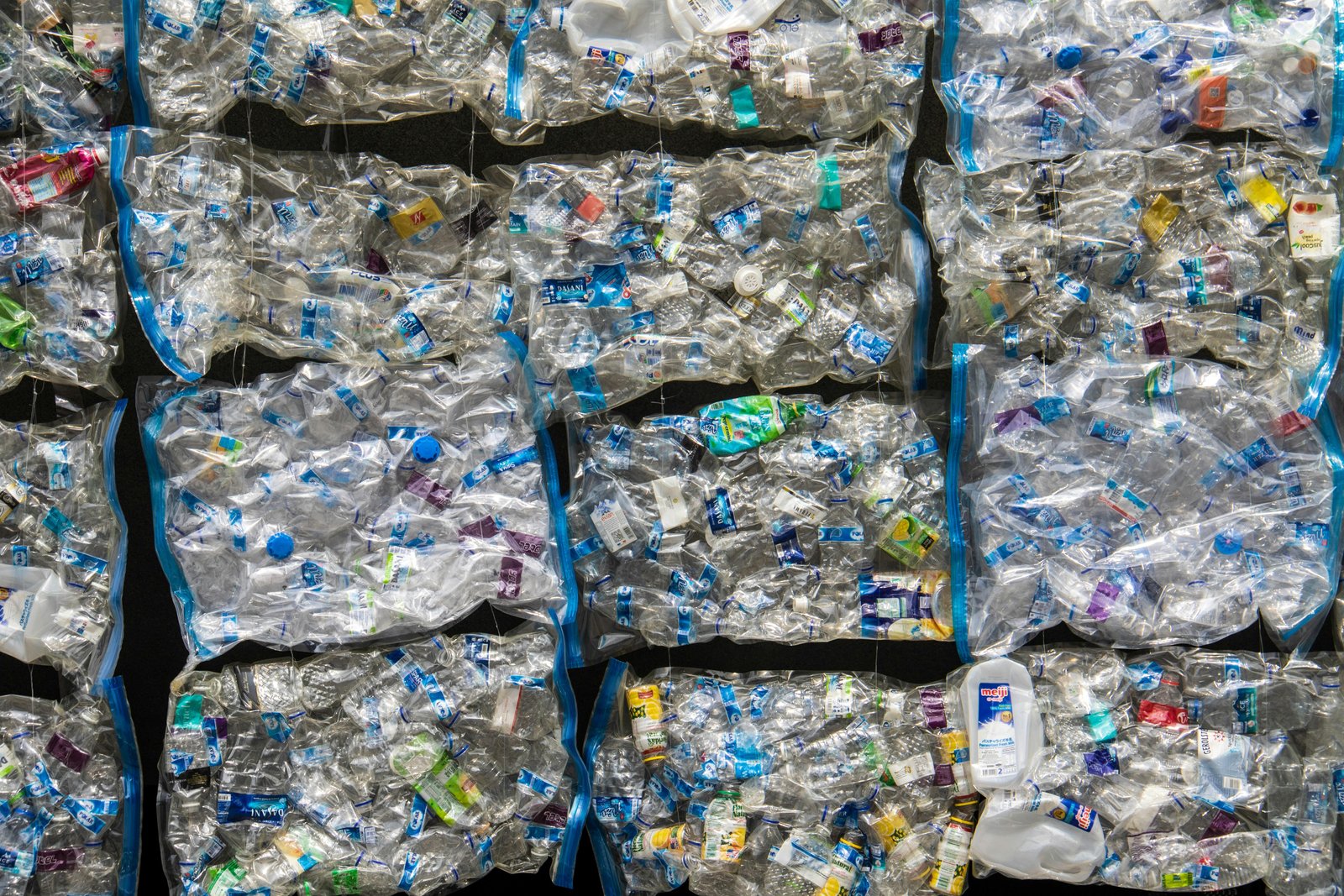
Refuse Derived Fuel (RDF): Technical Implementation, Best Practices, and Indonesian Case Studies for Sustainable Waste-to-Energy Solutions
Refuse Derived Fuel (RDF): Technical Implementation, Best Practices, and Indonesian Case Studies for Sustainable Waste-to-Energy Solutions
Reading Time: 85 minutes
Key Highlights
• Global RDF Market Expansion: International RDF production capacity reached approximately 50 million tons annually as of 2024, with cement industry consuming over 60% as coal substitute achieving 15-40% replacement rates in kiln operations
• Indonesian Development Trajectory: Major projects including TPST Bantargebang (capacity 2,000 tons/day producing 700-750 tons RDF), RDF Rorotan (2,500 tons/day input, 875 tons/day output), and Cilacap pilot facility (Indonesia's first operational RDF plant since 2020)
• Technical Performance Parameters: Quality RDF achieves calorific values of 3,000-5,500 kcal/kg (12.5-23 MJ/kg), moisture content below 25%, ash content 10-20%, with chlorine content critical threshold below 0.9% for cement kiln compatibility
• Environmental and Economic Benefits: RDF production reduces landfill volume by 70-90%, achieves CO2 emissions reduction of 0.8-1.2 tons per ton coal replaced, generates revenue potential of USD 24-35 per ton depending on quality specifications and market conditions
Executive Summary
Refuse Derived Fuel represents advanced waste management technology converting combustible fractions of municipal solid waste into standardized fuel products through mechanical and thermal treatment processes. This approach addresses dual challenges of escalating waste generation and fossil fuel dependence by transforming problematic waste streams into valuable energy resources supporting industrial operations, particularly cement manufacturing, power generation, and industrial boiler applications. As waste generation continues expanding with urbanization and economic development, RDF technology provides technically and economically viable pathway diverting materials from landfills while delivering renewable energy content replacing conventional fossil fuels.
Indonesia confronts substantial waste management challenges with approximately 67.8 million tons annual waste generation as of 2024, dominated by organic materials (39.8%), plastics (17%), and other combustibles totaling significant energy potential. Current waste management infrastructure relies heavily on landfilling with limited processing capabilities, creating environmental pressures including methane emissions, leachate contamination, and land constraints as urban areas expand. Government initiatives targeting 70% marine plastic debris reduction by 2025 and plastic pollution elimination by 2040 necessitate innovative approaches beyond traditional disposal methods. RDF technology emerges as strategic solution aligning waste reduction objectives with renewable energy development supporting national climate commitments and circular economy principles.
Indonesian RDF sector demonstrates accelerating development trajectory anchored by pioneering Cilacap facility inaugurated July 2020 processing 120 tons/day municipal waste producing 50 tons/day RDF for cement industry consumption. Subsequent major installations including TPST Bantargebang landfill mining and RDF plant commenced operations 2023 with 2,000 tons/day processing capacity serving PT Indocement and PT Solusi Bangun Indonesia cement facilities. Jakarta's ambitious RDF Rorotan project under construction by PT Wijaya Karya targeting 2,500 tons/day input capacity represents largest single facility globally, demonstrating government commitment scaling RDF adoption addressing metropolitan waste crisis while supporting industrial decarbonization initiatives.
This comprehensive analysis examines RDF technology fundamentals, processing methodologies, quality parameters, international best practices, Indonesian implementation experiences, regulatory frameworks, economic considerations, and strategic recommendations for stakeholders across waste management value chain. Drawing on established international standards including European EN 15359 specifications, ASTM testing protocols, Indonesian Ministry of Environment and Forestry guidelines, and operational data from implemented facilities, this discussion provides technical foundation for understanding RDF production, application, and integration within sustainable waste management systems serving Indonesian industrial, municipal, and environmental objectives through circular economy approaches minimizing resource depletion while maximizing waste valorization opportunities.
RDF Technology Fundamentals and Classification Systems
Refuse Derived Fuel encompasses broad category of solid fuels manufactured from combustible waste components through size reduction, classification, drying, and optional densification processes producing standardized products suitable for thermal applications. Unlike raw municipal solid waste exhibiting high variability in composition, moisture content, and calorific value, RDF undergoes mechanical processing achieving consistent specifications enabling reliable combustion performance in industrial equipment designed for solid fuel consumption. Processing separates combustible organic materials including paper, cardboard, textiles, wood, and non-recyclable plastics from non-combustible inorganic components such as metals, glass, inert materials requiring alternative disposal or recovery pathways.
Historical development of RDF technology traces to energy crisis periods of 1970s when industrialized nations explored alternative fuel sources reducing petroleum dependence. Early implementations in United States and Europe demonstrated technical feasibility converting municipal waste streams into boiler fuel for power generation and industrial process heat applications. Subsequent decades witnessed technological refinement improving processing efficiency, fuel quality standardization, and environmental performance through advanced sorting, contamination reduction, and emission control technologies. Contemporary RDF systems integrate sophisticated mechanical processing, automated quality monitoring, and logistical infrastructure supporting consistent fuel delivery to end-user facilities replacing conventional fossil fuels at significant scale.
International RDF Classification Standards:
ASTM E856 Classification (United States):
• RDF-1: Waste processed to coarse particle size with minimal processing
• RDF-2: Waste processed to coarse particle size with ferrous metal removal
• RDF-3: Fluff or shredded fuel derived from municipal solid waste
• RDF-4: Combustible waste processed into powder form
• RDF-5: Densified refuse-derived fuel compressed into pellets or briquettes
• RDF-6: Refuse-derived fuel processed into liquid fuel form
• RDF-7: Refuse-derived fuel processed into gaseous fuel form
European EN 15359 Standard (Solid Recovered Fuel):
• Classification based on three main parameters: net calorific value, chlorine content, mercury content
• Statistical approach using mean values and 80th percentile measurements
• Additional parameters including moisture, ash, biomass content
• Quality classes ranging from Class 1 (highest quality) to Class 5 specifications
• Mandatory documentation and chain of custody requirements
• Sampling and analysis protocols following CEN/TC 343 technical committee standards
Indonesian Guidelines (Ministry of Environment and Forestry):
• Minimum calorific value: 3,200 kcal/kg for cement kiln applications
• Maximum moisture content: 25% (wet basis) for quality RDF production
• Maximum chlorine content: 0.9% (dry basis) protecting equipment from corrosion
• Physical form: fluff (loose) or pelletized depending on application requirements
• Particle size specifications: typically 10-50mm for kiln feeding systems
• Quality monitoring frequency: minimum weekly testing for major parameters
Distinction between Refuse Derived Fuel and Solid Recovered Fuel terminologies reflects developing standards and quality expectations. RDF represents broader category encompassing various processing levels and quality grades, while SRF denotes higher specification material meeting European EN 15359 standard requirements for consistent calorific value, controlled contaminant levels, and certified quality assurance systems. SRF typically commands premium pricing reflecting superior and more predictable combustion characteristics, reduced maintenance requirements, and lower environmental emissions compared to lower-grade RDF materials. Indonesian context primarily utilizes RDF terminology though emerging facilities increasingly adopt international quality standards aligning with SRF specifications serving sophisticated end-user requirements.
Material composition of quality RDF typically includes paper and cardboard (30-45%), plastics excluding PVC (25-40%), textiles and fabrics (10-20%), wood and organic non-food materials (5-15%), with remaining fraction comprising mixed combustibles meeting processing specifications. Optimal feedstock selection excludes materials problematic for combustion including PVC plastics releasing corrosive hydrogen chloride, food waste contributing excessive moisture and biological decomposition, inert materials like glass and ceramics lacking energy content, and hazardous substances requiring specialized treatment. Pre-sorting and contamination removal significantly enhance final RDF quality enabling consistent thermal performance and minimizing operational problems in end-user combustion systems.
RDF Production Process and Technical Requirements
RDF manufacturing involves systematic mechanical processing sequence transforming heterogeneous municipal solid waste into homogeneous fuel product meeting specified quality parameters. Process begins with feedstock reception and initial assessment evaluating waste composition, contamination levels, and suitability for RDF conversion. Incoming waste undergoes preliminary sorting removing oversized items, hazardous materials, and components inappropriate for fuel production. Manual or automated sorting systems separate valuable recyclables including ferrous and non-ferrous metals, clean plastics suitable for material recovery, and other materials commanding higher value through recycling channels compared to energy recovery applications.
Primary shredding reduces waste particle size facilitating subsequent processing and separation operations. Industrial shredders employing rotating hammer mills, knife mills, or shear shredders break down materials to intermediate particle sizes typically 100-300mm depending on equipment specifications and desired final product characteristics. Size reduction increases material handling efficiency, improves homogeneity, and enables effective separation of combustible and non-combustible fractions through density-based classification methods. Shredder design considerations include throughput capacity, energy consumption, maintenance requirements, and ability processing diverse material compositions including tough plastics, fibrous textiles, and woody materials present in municipal waste streams.
RDF Production Process Flow:
Stage 1 - Reception and Pre-Processing:
• Waste reception with initial quality control and contamination screening
• Removal of oversized items, hazardous materials, and inappropriate components
• Manual or automated pre-sorting for high-value recyclables recovery
• Initial shredding reducing materials to 100-300mm particle size
• Primary screening removing undersized materials including sand, dirt, glass
• Ferrous metal separation using magnetic systems recovering steel components
Stage 2 - Classification and Separation:
• Air classification (ballistic separation) segregating light combustibles from heavy inerts
• Secondary screening achieving desired particle size distribution
• Non-ferrous metal removal using eddy current separators
• Optical sorting systems identifying and removing specific material types
• Density separation using air knife or fluidized bed technologies
• Quality control sampling for composition and contamination assessment
Stage 3 - Drying and Conditioning:
• Biodrying utilizing biological heat generation reducing moisture content
• Mechanical-thermal drying systems using waste heat or external energy
• Natural air drying for tropical climates with adequate space availability
• Moisture reduction from 40-60% to target 15-25% optimizing calorific value
• Temperature monitoring preventing spontaneous combustion during storage
• Continuous material turning ensuring uniform drying and process control
Stage 4 - Final Processing and Quality Assurance:
• Secondary shredding achieving final particle size specifications (10-50mm typical)
• Optional pelletization densifying material for improved handling and transport
• Final quality testing measuring calorific value, moisture, ash, chlorine content
• Packaging or bulk storage preparation for delivery to end-users
• Documentation including composition analysis, quality certificates, chain of custody
• Continuous process optimization based on performance data and customer feedback
Air classification represents critical separation technology leveraging density differences between combustible lightweight materials and heavy non-combustible components. Process utilizes upward air stream at controlled velocity lifting paper, plastics, and textiles while heavier materials including glass, stones, and dense organics settle downward for separate collection. Air classifier configuration, fan capacity, and operational parameters require optimization based on specific waste composition and desired separation efficiency. Well-designed air classification systems achieve 80-95% combustibles recovery while effectively removing problematic inerts reducing ash content and improving final RDF quality for end-user applications.
Drying constitutes essential processing step reducing moisture content from typical 40-60% in raw waste to target 15-25% in finished RDF significantly enhancing calorific value and combustion performance. Biodrying represents cost-effective approach utilizing biological decomposition generating metabolic heat naturally evaporating moisture without external energy input beyond process aeration requirements. Material placement in windrows or enclosed vessels with forced or passive aeration enables controlled aerobic decomposition elevating temperatures to 50-70°C effectively drying materials over 7-21 day retention periods depending on climate conditions, material characteristics, and process management. Alternative thermal drying systems employ waste heat from industrial facilities, dedicated heating systems, or solar drying methods depending on site-specific conditions, available resources, and economic considerations.
Pelletization or densification provides optional enhancement improving material handling, transportation efficiency, and combustion characteristics. Pellet mills or briquetting systems compress dried RDF fluff into dense cylindrical pellets (typically 6-20mm diameter) or rectangular briquettes reducing bulk volume by 70-85% compared to loose material. Densified RDF advantages include improved flowability enabling automated feeding systems, reduced transportation costs per energy unit, enhanced storage stability minimizing dust generation and fire risk, and more uniform combustion behavior in boilers and kilns. Equipment investment, energy consumption, and operational complexity must be weighed against benefits for specific application requirements and logistical circumstances determining optimal product form selection.
Quality Parameters and Analytical Testing Protocols
RDF quality specification encompasses multiple parameters determining fuel suitability for specific applications, combustion performance characteristics, environmental compliance, and economic value in alternative fuel markets. Primary specification parameter is net calorific value (also termed lower heating value or LHV) representing actual energy content available for thermal processes accounting for moisture evaporation during combustion. Quality RDF achieves calorific values ranging 3,000-5,500 kcal/kg (12.5-23 MJ/kg) depending on composition, moisture content, and material selection during processing. Higher calorific values enable greater fossil fuel substitution rates, reduce transportation costs per energy unit, and command premium pricing in competitive alternative fuel markets.
Moisture content critically influences calorific value with water requiring significant latent heat for evaporation reducing net energy available for productive thermal applications. Each percentage point moisture increase reduces net calorific value approximately 20-25 kcal/kg depending on material composition and hydrogen content. Target moisture specifications typically range 15-25% representing practical balance between achievable drying costs and fuel quality requirements. Excessive moisture below 10% requires unnecessary drying energy investment without proportional benefit, while moisture exceeding 30% substantially impairs combustion performance, increases handling difficulties through material cohesion, and elevates risks of biological degradation and spontaneous combustion during storage periods.
Critical RDF Quality Parameters and Testing Standards:
Primary Physical and Chemical Parameters:
• Net Calorific Value: 3,000-5,500 kcal/kg (12.5-23 MJ/kg) - ASTM D5865, EN 15400
• Moisture Content: 15-25% (wet basis) - ASTM D3173, EN 15414-3
• Ash Content: 10-20% (dry basis) - ASTM D3174, EN 15403
• Volatile Matter: 60-80% (dry basis) - ASTM D3175, EN 15402
• Fixed Carbon: 5-15% (dry basis) calculated by difference
• Bulk Density: 150-400 kg/m³ (loose) or 400-800 kg/m³ (pellets)
Critical Contamination Parameters:
• Chlorine Content: <0.9% (dry basis) - EN 15408, critical for cement kilns
• Sulfur Content: <0.5% (dry basis) - ASTM D4239, EN 15408
• Mercury Content: <0.2 mg/kg (dry basis) - EN 15411
• Heavy Metals (Cd, Pb, Cr, Cu, Ni): various limits - EN 15411
• PCB Content: <50 mg/kg (dry basis) - specialized analysis
• Particle Size Distribution: 10-50mm typical - mechanical sieving analysis
Ultimate Analysis Components (Optional):
• Carbon: 40-50% (dry basis) - ASTM D5373, EN 15407
• Hydrogen: 5-7% (dry basis) - ASTM D5373, EN 15407
• Nitrogen: 0.5-2% (dry basis) - ASTM D5373, EN 15407
• Oxygen: 20-35% (dry basis) - calculated by difference
• Biomass Fraction: 40-70% - EN 15440, ASTM D6866 radiocarbon dating
• Ash Fusion Temperature: >1100°C - ASTM D1857, important for slagging behavior
Sampling and Quality Assurance Requirements:
• Representative sampling following EN 15442 or ASTM D2234 protocols
• Sample preparation including drying, grinding, homogenization
• Laboratory testing frequency: minimum weekly for routine parameters
• Quality control charts tracking parameter variations over time
• Chain of custody documentation for commercial transactions
• Third-party verification for premium SRF classification and certification
Chlorine content represents most critical contamination parameter for cement kiln applications where chloride compounds cause refractory damage, coating formations, and operational disruptions limiting coal substitution rates. Chlorine primarily originates from PVC plastics and food waste requiring effective source separation and processing controls minimizing chloride contamination. Indonesian cement industry specifications typically require chlorine below 0.9% (dry basis) with some facilities accepting up to 1.2% depending on kiln design, existing coal chlorine content, and operational experience with alternative fuels. Each 0.1% chlorine increase typically reduces acceptable RDF substitution rate by 2-3% requiring tradeoffs between waste processing costs, RDF quality, and achievable fossil fuel replacement levels.
Ash content indicates inorganic material proportion remaining after complete combustion affecting handling requirements, disposal costs, and cement production impacts. RDF ash typically contains silica, alumina, calcium, iron oxides, and other inorganic compounds partially integrated into cement chemistry while excess ash requires disposal as waste residue. Target ash specifications range 10-20% (dry basis) balancing achievable separation efficiency against processing costs and end-user acceptance criteria. Excessive ash above 25% reduces net calorific value, increases material handling costs, and may exceed cement plant capacity integrating alternative fuel ash into product chemistry requiring special management approaches. Ash fusion characteristics determine slagging propensity in combustion equipment with higher fusion temperatures (above 1,100°C) preferred minimizing operational problems from molten ash deposition on equipment surfaces.
Biomass fraction quantifies renewable carbon content distinguishing biological materials (paper, wood, natural textiles, food residues) from fossil-based plastics enabling renewable energy credits, greenhouse gas accounting, and regulatory compliance with renewable energy incentives. Radiocarbon dating methodology employing Carbon-14 analysis accurately determines biomass proportion typically ranging 40-70% in municipal waste-derived RDF depending on waste composition, plastic content, and material selection during processing. Higher biomass fractions qualify for renewable energy certificates, carbon credits, and preferential regulatory treatment under various sustainability frameworks recognizing biological carbon neutrality compared to fossil fuel emissions contributing net atmospheric CO2 increases. Testing protocols following EN 15440 or ASTM D6866 standards require specialized analytical capabilities typically performed by certified laboratories supporting quality claims and regulatory documentation.
End-Use Applications and Combustion Technologies
Cement manufacturing represents primary RDF consumption application globally accounting for approximately 60-70% of total RDF utilization due to excellent compatibility between cement kiln operating conditions and RDF combustion characteristics. Rotary cement kilns operate at extremely high temperatures (1,400-1,500°C in burning zone) with extended residence times (3-6 seconds above 1,200°C) ensuring complete combustion of organic materials while integrating ash components into cement clinker chemistry. High alkalinity of cement raw materials neutralizes acidic combustion gases from chlorine and sulfur compounds, while metal contaminants incorporate into clinker structure preventing environmental release. These favorable conditions enable cement industry accepting lower quality alternative fuels including RDF compared to power generation or industrial boiler applications requiring cleaner fuel specifications.
Coal substitution rates in cement kilns using RDF typically range 15-40% of total thermal energy requirements depending on RDF quality, kiln configuration, pollution control equipment, and operational experience with alternative fuels. Gradual substitution increase follows systematic testing, process optimization, and quality consistency demonstration avoiding production disruptions or product quality impacts. Leading cement facilities achieve 50-60% or higher alternative fuel rates through optimized RDF preparation, dedicated feeding systems, and advanced process control enabling substantial fossil fuel reduction and greenhouse gas mitigation. Indonesian cement industry targets increasing alternative fuel utilization from current 15-20% average toward 30-40% by 2030 supported by domestic RDF production capacity expansion and favorable regulatory frameworks incentivizing renewable energy adoption.
RDF End-Use Applications and Requirements:
Cement Kiln Co-firing (Primary Application):
• Operating temperature: 1,400-1,500°C burning zone, 850-1,050°C preheater
• Typical substitution rates: 15-40% thermal energy, advanced facilities reach 50-60%
• Quality requirements: minimum 3,200 kcal/kg, chlorine <0.9-1.2%, particle size 10-50mm
• Feeding systems: rotary kiln main burner, precalciner, or mid-kiln injection
• Advantages: high temperature complete combustion, ash integration into clinker chemistry
• Leading companies: Holcim, Semen Indonesia, Indocement, Solusi Bangun Indonesia
Coal-Fired Power Plant Co-combustion:
• Operating temperature: 1,200-1,400°C combustion chamber
• Typical substitution rates: 5-15% thermal energy due to ash handling constraints
• Quality requirements: higher specifications than cement, calorific value >4,000 kcal/kg
• Challenges: ash disposal, slagging, fouling, emissions control, operational stability
• Pre-treatment: usually requires pelletization for automated feeding systems
• Implementation: limited compared to cement due to technical and regulatory barriers
Industrial Boiler Applications:
• Suitable industries: steel, pulp and paper, food processing, chemical manufacturing
• Boiler types: fluidized bed combustors most suitable for RDF firing
• Quality requirements: consistent specifications, low contamination, uniform particle size
• Operational considerations: ash handling, emission control, maintenance requirements
• Economic drivers: energy cost reduction, waste disposal savings, sustainability objectives
• Regulatory compliance: industrial emissions standards, waste incineration directives
Waste-to-Energy Incineration Plants:
• Dedicated RDF combustion facilities purpose-built for solid fuel firing
• Operating temperature: 850-1,100°C with extensive flue gas treatment
• Electricity generation: 400-800 kWh per ton RDF depending on calorific value
• District heating: combined heat and power improving overall energy efficiency
• Investment costs: higher than co-firing due to dedicated infrastructure requirements
• Operational experience: extensive in Europe (Germany, Sweden, Netherlands), emerging in Asia
Power generation through RDF co-combustion in coal-fired plants offers alternative application though technical and regulatory challenges limit widespread adoption compared to cement industry utilization. Coal power plants typically operate at lower temperatures (1,200-1,400°C) with shorter residence times compared to cement kilns creating greater sensitivity to fuel quality variations and contamination impacts. Ash generated from RDF combustion requires disposal as waste rather than productive utilization in cement, increasing operational costs and environmental considerations. Slagging and fouling propensity from RDF ash compounds can impair heat transfer surfaces necessitating increased maintenance and cleaning frequencies reducing plant availability and economic performance. These factors typically restrict RDF substitution rates in power plants to 5-15% thermal energy compared to higher rates achievable in cement manufacturing.
Dedicated waste-to-energy facilities designed specifically for RDF or municipal solid waste combustion represent capital-intensive infrastructure requiring substantial investment typically exceeding USD 150-300 million for 100,000-200,000 ton annual capacity plants depending on technology selection, emission control sophistication, and local construction costs. These facilities achieve higher energy recovery efficiency through optimized combustion systems, advanced steam turbines, and potentially combined heat and power configurations delivering both electricity and district heating. However, high capital costs, complex permitting processes, and public acceptance challenges limit deployment compared to co-firing approaches leveraging existing industrial infrastructure. European Union operates over 500 waste-to-energy plants processing approximately 95 million tons annually generating renewable electricity and heat, while Asian deployment remains more limited though expanding rapidly in Japan, South Korea, China, and emerging markets including Indonesia.
Feeding system design critically influences RDF combustion performance enabling controlled introduction of solid fuel into high-temperature environments while maintaining operational safety and process stability. Pneumatic conveying systems transport shredded or pelletized RDF through pipes using compressed air delivering material directly into kiln burners or furnace combustion chambers. Screw conveyors or belt systems provide alternative mechanical transport for shorter distances with lower operational costs though requiring careful dust control and fire prevention measures. Dosing accuracy, consistent feed rates, and emergency shutdown capabilities constitute essential feeding system requirements preventing operational upsets, product quality variations, or safety incidents during normal and abnormal operating conditions requiring rapid response to maintain process control and worker safety.
Environmental Performance and Emissions Considerations
RDF combustion in properly designed and operated facilities achieves environmental performance comparable to or better than traditional fossil fuel combustion regarding many pollutant parameters while providing substantial greenhouse gas reduction benefits through fossil fuel displacement and landfill diversion. Complete combustion at high temperatures with adequate residence time and oxygen availability destroys organic compounds including potential trace contaminants present in waste materials. Cement kilns operating at 1,400-1,500°C with residence times exceeding 3-6 seconds above 1,200°C effectively destroy dioxins, furans, and other organic micropollutants meeting stringent European Union emissions standards applied to waste incineration facilities. Modern air pollution control equipment including electrostatic precipitators, fabric filters, selective non-catalytic reduction, and acid gas scrubbers remove particulates, nitrogen oxides, sulfur dioxide, and other conventional pollutants maintaining compliance with environmental regulations protecting air quality and public health.
Greenhouse gas implications of RDF utilization reflect multiple factors including fossil fuel displacement, landfill methane avoidance, biomass carbon content, and transportation emissions requiring comprehensive lifecycle analysis for accurate carbon accounting. Each ton of coal replaced by RDF typically avoids 0.8-1.2 tons CO2 equivalent emissions depending on coal carbon content, RDF composition, and system boundaries applied in emissions calculations. Landfill diversion prevents methane generation from biodegradable waste components with methane possessing 28 times global warming potential of carbon dioxide over 100-year timeframe significantly enhancing climate benefits beyond direct fuel substitution. Biomass fraction averaging 40-70% in municipal waste-derived RDF contributes renewable carbon qualifying for renewable energy credits and climate mitigation accounting recognizing biological carbon cycle neutrality distinguishing biomass from fossil carbon adding net atmospheric CO2 burden.
Environmental Performance Metrics and Standards:
Air Emissions Performance (Cement Kiln Co-firing):
• Particulate Matter: <30 mg/Nm³ (European Waste Incineration Directive standards)
• Nitrogen Oxides (NOx): 200-800 mg/Nm³ depending on kiln configuration and controls
• Sulfur Dioxide (SO2): <50-400 mg/Nm³ dependent on fuel sulfur and kiln alkali content
• Carbon Monoxide (CO): <100 mg/Nm³ indicating combustion efficiency
• Hydrogen Chloride (HCl): <10 mg/Nm³ with proper neutralization in kiln system
• Dioxins/Furans: <0.1 ng TEQ/Nm³ achievable with high-temperature combustion
Greenhouse Gas Reduction Benefits:
• Fossil fuel displacement: 0.8-1.2 tons CO2 avoided per ton coal replaced
• Landfill methane avoidance: 0.4-0.8 tons CO2eq per ton waste diverted
• Total climate benefit: 1.2-2.0 tons CO2eq per ton RDF utilized
• Biomass carbon fraction: 40-70% qualifying as renewable energy
• Net carbon intensity: 40-60% lower than coal on lifecycle basis
• Contribution to NDC targets: supports national climate commitments and emission reductions
Waste Management Environmental Benefits:
• Landfill volume reduction: 70-90% through combustibles removal
• Landfill lifespan extension: 5-15 years depending on RDF diversion rate
• Leachate generation reduction: decreased organic loading and water infiltration
• Odor mitigation: removal of biodegradable materials generating nuisance odors
• Vector control improvement: reduced breeding habitat for disease-carrying organisms
• Land use efficiency: avoiding new landfill site requirements and associated impacts
Monitoring and Compliance Requirements:
• Continuous emission monitoring: online analyzers for CO, NOx, SO2, particulates
• Periodic stack testing: quarterly or annual comprehensive emissions surveys
• RDF quality documentation: certificates of analysis accompanying fuel deliveries
• Regulatory reporting: monthly or quarterly submissions to environmental authorities
• Third-party verification: independent audits confirming compliance and performance
• Community engagement: transparency regarding operations and environmental safeguards
Heavy metal partitioning during RDF combustion in cement kilns demonstrates favorable environmental outcomes with most metals integrating into cement clinker chemistry preventing environmental release while remaining metals captured by air pollution control devices collecting filter dust for appropriate management. Alkaline kiln conditions and clinker mineralogy incorporate cadmium, lead, chromium, copper, nickel, and other metals into calcium silicate and aluminate phases forming cement products. Volatile metals including mercury and thallium require specific capture technologies such as activated carbon injection ensuring compliance with stringent emission limits protecting worker and community health from toxic metal exposure. Comprehensive monitoring programs track metal content in RDF feedstock, cement products, air emissions, and residual wastes confirming effective metal management meeting environmental and product quality standards established by regulatory authorities and industry specifications.
Comparison with landfilling alternatives demonstrates clear environmental advantages favoring RDF recovery and utilization over continued reliance on waste disposal in landfills. Landfills generate methane emissions from anaerobic decomposition of biodegradable materials with incomplete capture rates typically 40-60% allowing substantial greenhouse gas releases continuing for decades following waste placement. Leachate containing organic compounds, ammonia, heavy metals, and other contaminants requires treatment preventing groundwater and surface water contamination risking environmental damage and public health impacts. Land consumption for expanding landfill capacity permanently removes productive land from alternative uses while creating long-term environmental liabilities requiring post-closure monitoring and maintenance extending 30 years or longer following facility closure. RDF technology provides superior environmental outcomes through fossil fuel displacement, landfill diversion, and resource recovery supporting circular economy principles maximizing waste valorization while minimizing environmental burdens associated with linear consumption and disposal patterns.
Stakeholder engagement and community acceptance constitute essential elements for successful RDF facility development requiring transparent communication regarding environmental performance, health protection measures, economic benefits, and operational safeguards. Public concerns regarding air emissions, truck traffic, odors, property value impacts, and waste accumulation necessitate proactive outreach demonstrating commitment to environmental excellence, regulatory compliance, and community welfare. Facility tours, community advisory panels, environmental performance reporting, and benefits sharing mechanisms build trust and support enabling project implementation while addressing legitimate concerns through design improvements, operational commitments, and community investments. International experience demonstrates that well-designed and operated RDF facilities compatible with residential neighbors when proper setbacks, emission controls, and operational standards maintained protecting public health and environmental quality throughout facility lifecycle.
Economic Analysis and Business Models
RDF production economics depend on multiple factors including feedstock costs, processing technology selection, facility scale, labor requirements, energy consumption, product quality achieved, and revenue streams from RDF sales and waste diversion credits. Capital investment for RDF facilities ranges widely from USD 3-10 million for basic 50-100 tons/day capacity utilizing simple mechanical processing to USD 20-50 million or more for sophisticated 300-500 tons/day installations with advanced sorting, drying, pelletization, and quality control systems. Indonesian installations demonstrate capital costs approximately USD 150,000-300,000 per ton daily capacity depending on site conditions, equipment specifications, civil works requirements, and technology provider selection. These investments require careful financial analysis evaluating project returns, payback periods, and financing structures supporting long-term economic viability within competitive waste management and energy markets.
Operating costs encompass labor, maintenance, energy, consumables, and overhead typically totaling USD 15-35 per ton processed waste depending on facility design, automation level, and local cost structures. Labor represents significant cost component particularly in developing economies where manual sorting and operations supervision constitute substantial workforce requirements. Maintenance includes routine equipment servicing, replacement parts, and periodic overhauls maintaining processing reliability and product quality consistency. Energy consumption for shredding, separation, and optional drying ranges 25-75 kWh per ton processed waste with biodrying approaches minimizing external energy requirements compared to thermal drying systems. Management overhead, regulatory compliance, quality testing, and administrative functions contribute additional costs requiring efficient organizational structures and process optimization minimizing unit costs while maintaining quality standards and operational performance.
RDF Project Economics and Financial Metrics:
Capital Investment Requirements:
• Basic facility (50-100 tons/day): USD 3-10 million
• Medium facility (100-300 tons/day): USD 10-30 million
• Large facility (300-500 tons/day): USD 30-60 million
• Specific cost: USD 150,000-300,000 per ton/day capacity (Indonesia)
• Major components: shredders, separators, screening, conveyors, buildings, utilities
• Soft costs: engineering, permitting, construction management, commissioning, contingency
Operating Cost Structure:
• Total operating costs: USD 15-35 per ton processed waste
• Labor: 30-45% of operating costs (higher in developing economies)
• Maintenance and parts: 20-30% including routine and major overhauls
• Energy: 10-20% covering electricity for equipment operations
• Consumables: 5-10% including oils, filters, testing supplies
• Overhead: 15-25% for management, compliance, administration, quality control
Revenue Streams and Pricing:
• RDF sales to cement plants: USD 20-35 per ton (Indonesia 2024)
• Pricing variation: based on calorific value, chlorine content, consistency, volume
• Tipping fees from waste generators: USD 5-15 per ton where applicable
• Recyclables revenue: metals, plastics contributing 5-15% additional income
• Government subsidies: waste diversion credits, renewable energy incentives
• Carbon credits: potential additional revenue from verified emission reductions
Financial Performance Indicators:
• Project payback period: 5-8 years for well-structured projects
• Internal rate of return: 12-18% for commercially viable operations
• Net present value: positive under realistic assumptions and stable off-take agreements
• Sensitivity factors: RDF pricing, throughput volumes, operating efficiency, coal prices
• Risk considerations: off-taker creditworthiness, feedstock consistency, regulatory changes
• Financing structures: project finance, municipal bonds, private equity, development banks
RDF pricing negotiations with end-users typically reference coal replacement value adjusted for quality differences, handling requirements, and logistics considerations. Indonesian cement companies pay approximately USD 20-35 per ton RDF (IDR 320,000-560,000 at December 2024 exchange rates) depending on calorific value, chlorine content, consistency, and contractual volumes. Premium quality RDF achieving 4,000-4,500 kcal/kg with chlorine below 0.7% commands higher prices approaching 80-90% of coal energy-equivalent value, while lower specification material may discount to 50-60% of coal energy basis reflecting higher handling costs, reduced substitution rates, and operational complications. Long-term fixed-price contracts provide revenue certainty supporting project financing, while market-indexed pricing mechanisms allocate commodity price risk between fuel suppliers and consumers requiring sophisticated contract structures balancing interests and managing volatility inherent in energy markets.
Business model variations reflect diverse ownership structures, risk allocations, and value chain integrations appropriate for different institutional contexts and stakeholder capabilities. Municipal ownership models leverage public sector resources and landfill access while requiring operational expertise potentially sourced through service contracts with private operators bringing technical knowledge and process management capabilities. Public-private partnerships combine municipal feedstock control with private sector capital, technology, and operational efficiency sharing project risks and returns through negotiated agreements allocating responsibilities and benefits appropriately between public and private partners. Private sector models depend on waste supply agreements and off-take contracts providing feedstock security and revenue certainty justifying capital investment without public ownership participation but requiring careful contract structuring managing allocation of supply, market, and regulatory risks across project lifecycle.
Indonesian RDF projects demonstrate diverse financing approaches reflecting institutional development stage and project-specific circumstances. TPST Bantargebang facility utilized approximately IDR 900 billion (USD 55-60 million) Jakarta provincial budget supporting landfill mining and RDF plant construction representing direct public investment addressing metropolitan waste crisis while creating revenue streams from RDF sales to cement companies. Cilacap pilot project employed multi-stakeholder financing combining Danish government grant funding for equipment, Ministry of Public Works infrastructure contributions, Central Java Provincial Government operational support, and Cilacap Regency land provision totaling approximately IDR 90 billion (USD 6 million) demonstrating blended finance approach leveraging international development assistance catalyzing domestic public and private participation. Private sector investments by PT Solusi Bangun Indonesia and other cement companies in RDF infrastructure reflect corporate sustainability strategies, alternative fuel targets, and vertical integration securing fuel supplies while supporting waste management objectives aligned with government policy priorities.
Indonesian Regulatory Framework and Policy Context
Indonesian waste management and alternative fuel policies established through Law No. 18/2008 on Waste Management, Law No. 32/2009 on Environmental Protection and Management, and various implementing regulations creating framework supporting RDF development as strategic approach addressing waste accumulation while advancing renewable energy objectives. These foundational laws establish principles including waste minimization, 3R (reduce, reuse, recycle) approaches, producer responsibility, and hierarchy prioritizing waste avoidance, material recovery, energy recovery, and disposal as last resort. Ministry of Environment and Forestry (KLHK) provides primary regulatory oversight issuing guidelines, permits, and monitoring requirements governing RDF production, quality standards, and environmental compliance ensuring health protection and pollution prevention throughout waste processing and fuel utilization value chains.
Presidential Regulation No. 35/2018 on Waste-to-Energy acceleration designates RDF technology as priority waste management approach complementing waste-to-energy incineration plants addressing urban waste challenges while supporting renewable energy development. Regulation establishes targets for 12 waste-to-energy facilities totaling 234 MW capacity by 2025 alongside complementary RDF production capacity supporting cement industry coal substitution programs. Implementation mechanisms include streamlined permitting procedures, public-private partnership frameworks, and coordinated support from multiple ministries including Public Works, Energy and Mineral Resources, and Industry facilitating integrated waste and energy sector planning. These policy commitments create enabling environment attracting public and private investment into RDF infrastructure development addressing waste management imperatives while contributing to national climate commitments under Paris Agreement framework.
Indonesian RDF Regulatory Framework:
Primary Legal Foundations:
• Law No. 18/2008 on Waste Management establishing comprehensive framework
• Law No. 32/2009 on Environmental Protection and Management (replaced by Law 11/2020)
• Presidential Regulation No. 35/2018 on Waste-to-Energy acceleration
• Government Regulation No. 22/2021 on Environmental Protection implementation
• Minister of Environment and Forestry Regulation on waste management technical standards
• Minister of Energy and Mineral Resources regulations on alternative fuel utilization
RDF Production and Quality Standards:
• KLHK Guidelines for RDF Processing and Use in Cement Industry (2016)
• Minimum calorific value requirements: 3,200 kcal/kg for cement applications
• Maximum chlorine content: 0.9% (dry basis) protecting kiln operations
• Moisture, ash, heavy metals specifications aligned with international practices
• Quality testing frequency and methodology requirements
• Documentation and chain of custody requirements for commercial transactions
Environmental Permitting Requirements:
• Environmental Impact Assessment (AMDAL) for facilities >100 tons/day capacity
• Environmental Management and Monitoring Plans (UKL-UPL) for smaller facilities
• Air emissions permits specifying pollutant limits and monitoring requirements
• Waste processing facility operating licenses from KLHK or provincial authorities
• Transportation permits for moving waste and RDF materials
• Periodic compliance reporting and inspection procedures
Institutional Roles and Responsibilities:
• Ministry of Environment and Forestry (KLHK): primary waste management oversight
• Ministry of Energy and Mineral Resources (ESDM): alternative fuel policy
• Ministry of Public Works and Housing (PUPR): infrastructure development support
• Ministry of Industry: cement sector coordination and sustainability programs
• Provincial and district governments: waste management service delivery
• Coordinating Ministry for Maritime and Investment Affairs: policy coordination
Ministry of Environment and Forestry Guidelines for Processing and Using RDF in Cement Industry issued 2016 establish technical specifications, quality requirements, and operational standards governing RDF production and utilization ensuring environmental protection, worker safety, and product quality consistency. Guidelines specify minimum calorific value 3,200 kcal/kg, maximum chlorine 0.9%, maximum moisture 25%, and particle size ranges suitable for cement kiln feeding systems. Quality testing protocols require regular sampling and analysis following established methodologies ensuring fuel consistency and compliance with specifications protecting equipment and production processes. Environmental monitoring requirements include air emissions testing, workplace exposure monitoring, and residual waste characterization documenting environmental performance and regulatory compliance throughout RDF production and application value chains.
Permitting requirements vary based on facility scale and location with large installations requiring comprehensive Environmental Impact Assessment (AMDAL) evaluating potential effects on air quality, water resources, land use, ecosystems, and communities followed by Environmental Management and Monitoring Plans detailing mitigation measures and monitoring programs ensuring environmental protection. Smaller facilities may qualify for simplified Environmental Management (UKL) and Environmental Monitoring (UPL) processes reducing documentation requirements while maintaining environmental safeguards appropriate for facility scale and impact magnitude. Processing timelines typically range 6-18 months for major facilities depending on assessment complexity, stakeholder engagement requirements, and administrative capacity of reviewing authorities requiring early planning and permitting initiation supporting project implementation schedules and financing commitments.
National climate commitments under Paris Agreement framework targeting 29% unconditional and 41% conditional emission reductions by 2030 compared to business-as-usual scenarios emphasize waste sector contributions including methane reduction from landfills and fossil fuel displacement through RDF utilization. Indonesia's updated Nationally Determined Contribution (NDC) submitted 2021 identifies waste management improvements and renewable energy development as priority mitigation strategies supporting ambitious emission reduction targets across economy sectors. RDF development aligns directly with these climate objectives delivering measurable emission reductions through landfill diversion preventing methane generation and coal substitution avoiding CO2 from fossil combustion. Quantification methodologies following IPCC guidelines and CDM protocols enable carbon accounting supporting national inventory reporting, voluntary carbon markets, and potential future compliance mechanisms creating economic incentives for emission reduction activities including RDF deployment.
Indonesian Case Study: TPST Bantargebang Landfill Mining and RDF Plant
Tempat Pemrosesan Sampah Terpadu (TPST) Bantargebang located in Bekasi, West Java, serves as Indonesia's largest integrated waste processing facility receiving approximately 8,000 tons daily municipal solid waste from DKI Jakarta Province. Facility commenced operations 1989 covering 110.3 hectares with accumulated waste volumes approaching maximum capacity necessitating innovative solutions beyond traditional landfilling preventing environmental crisis and land constraints. Jakarta provincial government initiated ambitious landfill mining and RDF plant project 2022 addressing waste accumulation while creating renewable fuel supporting industrial decarbonization and circular economy objectives. Project represents Indonesia's most significant RDF infrastructure investment demonstrating public sector commitment innovative waste management scaling lessons learned from earlier pilot demonstrations into metropolitan-scale implementation affecting millions of residents.
Project design encompasses dual processing streams handling both fresh incoming waste and excavated legacy materials from inactive landfill zones maximizing resource recovery from historical accumulations while preventing future buildup. Landfill mining component extracts aged waste buried 5-10 years or longer screening and processing materials into useful fractions including RDF feedstock, soil-like material for landscaping or daily cover, and residual waste requiring continued disposal in active zones. Fresh waste processing accepts 1,000 tons daily incoming materials sorting combustible fractions, recovering recyclables, and converting appropriate materials into RDF meeting cement industry quality specifications. Combined processing capacity of 2,000 tons daily (1,000 tons each stream) produces 700-750 tons RDF output daily representing approximately 35-38% yield from incoming materials reflecting moisture removal, recyclables recovery, and residue rejection during processing operations.
TPST Bantargebang Project Specifications:
Facility Configuration and Capacity:
• Total processing capacity: 2,000 tons/day (1,000 tons fresh + 1,000 tons mined waste)
• RDF production output: 700-750 tons/day
• Landfill mining capacity: 1,000 tons/day from inactive zones
• Fresh waste processing: 1,000 tons/day incoming municipal waste
• Site area: 7.5 hectares dedicated processing facilities
• Operational status: commissioned January 2023, full operations mid-2023
Investment and Financial Structure:
• Total project cost: IDR 900 billion (USD 55-60 million)
• Funding source: DKI Jakarta provincial budget (APBD)
• Construction period: February 2022 - December 2022
• Off-take agreements: PT Indocement (550 tons/day minimum), PT SBI (150 tons/day)
• RDF pricing: USD 24 per ton baseline, adjusted for quality and coal price indices
• Revenue generation: potential IDR 5-8 billion monthly from RDF sales
Technology and Equipment:
• Primary shredders: heavy-duty systems handling mixed waste streams
• Screening equipment: multiple stages separating particle size fractions
• Air classifiers: density separation removing heavy inerts from combustibles
• Magnetic and eddy current separators: ferrous and non-ferrous metal recovery
• Biodrying system: natural drying utilizing biological heat generation
• Quality control laboratory: calorific value, moisture, chlorine analysis capability
Performance and Impact Metrics:
• Landfill volume reduction: estimated 30% reduction in waste to active disposal
• Landfill lifespan extension: projected 5-8 years additional capacity utilization
• Coal displacement: approximately 500,000 tons/year coal substitution potential
• CO2 emission reduction: estimated 400,000-600,000 tons CO2eq annually
• Employment generation: 150-200 direct jobs in facility operations
• Economic value: converting negative-cost waste disposal into positive-value fuel product
Landfill mining operations utilize heavy excavation equipment extracting aged waste from inactive zones followed by screening separating soil-like fine fraction from larger combustible and inert materials. Excavated waste composition differs significantly from fresh waste with substantially reduced organic content due to biological decomposition, higher ash content from soil mixing during burial operations, and variable moisture depending on depth and drainage conditions. Processing yields approximately 35-40% RDF feedstock, 40-45% soil-like material usable for landscaping or landfill daily cover, and 15-20% residual requiring disposal predominantly comprising non-combustible inerts including glass, ceramics, and dense organics unsuitable for energy recovery. Soil-like material sales or reuse offset processing costs while reducing landfill volume requirements supporting overall project economics and environmental performance.
Off-take arrangements with PT Indocement Tunggal Prakarsa and PT Solusi Bangun Indonesia cement companies provide revenue certainty enabling project financial viability and operational sustainability. Initial agreements establish minimum purchase commitments of 700 tons daily combined with quality specifications, pricing mechanisms, and delivery logistics ensuring coordinated operations between waste processing and cement manufacturing facilities located 30-50 kilometers from Bantargebang site. Transportation arrangements utilize specialized trucks equipped with covers preventing spillage and minimizing dust generation during highway transit connecting waste processing facility with cement plant fuel handling systems. Quality consistency monitoring through regular sampling and analysis maintains customer satisfaction and contract compliance avoiding disputes while supporting continuous improvement optimizing RDF specifications meeting cement industry technical requirements and economic expectations.
Operational experience during initial commissioning and ramp-up periods identified several challenges requiring process adjustments and equipment modifications optimizing system performance. Feedstock variability from landfill mining operations necessitated flexible processing protocols accommodating composition changes and moisture fluctuations affecting separation efficiency and product quality. Shredder maintenance requirements exceeded initial projections due to high inert content in mined waste causing accelerated wear on cutting components requiring more frequent replacement and downtime. Air classifier optimization balanced combustibles recovery against contamination levels requiring iterative adjustments achieving acceptable compromise between yield maximization and quality consistency meeting off-taker specifications. These learning experiences inform ongoing operations improvements and future project designs incorporating lessons learned enhancing reliability, efficiency, and economic performance of subsequent RDF facilities planned for Jakarta and other Indonesian cities.
Indonesian Case Study: Cilacap RDF Pioneer Project
Cilacap Regency in Central Java pioneered Indonesian RDF development through collaborative project inaugurated July 2020 representing Indonesia's first operational municipal waste-to-RDF facility demonstrating technical feasibility and establishing foundation for subsequent national deployment. Initiative emerged from Cilacap government recognition that traditional landfilling approach proved unsustainable given limited land availability, escalating costs, and environmental concerns including leachate contamination and community opposition to landfill expansion. Partnership with PT Solusi Bangun Indonesia (formerly Holcim Indonesia), Danish International Development Agency, Central Java Provincial Government, and national ministries (Public Works, Environment and Forestry) created multi-stakeholder collaboration combining technical expertise, financial resources, and institutional support overcoming barriers limiting previous waste-to-energy attempts across Indonesia.
Facility located at Tritih Lor TPST in Jeruklegi District operates on 3-hectare site processing 120 tons daily municipal solid waste generating 40-60 tons RDF depending on seasonal waste composition and moisture variations. Processing methodology emphasizes biodrying technique utilizing natural biological heat generation from organic materials aerobically decomposing in windrows or enclosed vessels evaporating moisture without external thermal energy input reducing operating costs while achieving target specifications. Material sorted removing recyclables, contamination, and non-combustible components followed by shredding to uniform particle size typically 10-30mm suitable for pneumatic conveying and cement kiln injection systems. Final RDF product achieves calorific values 3,500-4,500 kcal/kg with moisture 15-20%, chlorine below 0.8%, meeting quality requirements specified by PT Solusi Bangun Indonesia cement plant located within economically viable transport distance supporting commercial operations sustainability.
Cilacap RDF Project Details:
Project Development and Financing:
• Total investment: IDR 90 billion (USD 6.09 million at 2020 rates)
• Danish government contribution: mechanical and electrical equipment through ESP3 program
• Ministry of Public Works: main infrastructure construction funding
• Central Java Province: supporting facilities and five-year operational subsidy
• Cilacap Regency: land provision (3 hectares) and long-term operational commitment
• Development timeline: 2017 planning, 2018-2020 construction, July 2020 inauguration
Technical Performance:
• Design capacity: 120 tons/day municipal waste input
• Actual throughput: 100-120 tons/day depending on waste availability
• RDF production: 40-60 tons/day (33-50% yield)
• Processing technology: biodrying, sorting, shredding, classification
• Product quality: 3,500-4,500 kcal/kg calorific value, <0.8% chlorine
• Operational availability: >90% excluding scheduled maintenance periods
Operational Results (2020-2024):
• 2020 performance: 21,965 tons waste processed, 7,668 tons RDF produced
• 2021 performance: 44,581 tons processed, 20,168 tons RDF (improved efficiency)
• 2022 performance: 47,837 tons processed, 26,578 tons RDF (continued growth)
• Coal substitution: approximately 15-20% replacement rate in SBI cement kiln
• CO2 reduction: estimated 15,000-20,000 tons CO2eq annually
• Landfill diversion: 70-85% volume reduction of processed waste materials
Lessons Learned and Challenges:
• Waste collection logistics: coordination with municipal collection systems critical
• Seasonal variations: rainy season moisture content increases affecting processing
• Quality consistency: achieving stable specifications requires process control and monitoring
• Community engagement: transparent operations and benefits sharing build local support
• Financial sustainability: operational subsidies transitioning toward cost recovery model
• Technology adaptation: Indonesian conditions require modifications from standard designs
Biodrying process employed at Cilacap facility demonstrates effective moisture reduction approach suitable for tropical climates with high ambient temperatures and humidity conditions characterizing Indonesian operating environment. Fresh waste placed in windrows or partially enclosed structures receives forced or passive aeration maintaining aerobic conditions supporting biological activity while preventing anaerobic decomposition generating odorous compounds and methane emissions. Metabolic heat from microbial respiration elevates material temperatures to 50-70°C naturally evaporating moisture without fossil fuel combustion or electricity-intensive mechanical drying significantly reducing operational energy costs and environmental footprint. Biodrying retention times typically 10-21 days depending on initial moisture content, material composition, ambient conditions, and target specifications requiring adequate land area and process management expertise achieving consistent performance across seasonal variations affecting waste characteristics.
Presidential visit in 2024 to Cilacap facility highlighted government recognition of project success and commitment replicating model nationally supporting waste management transformation. President Joko Widodo emphasized RDF technology contributions addressing waste accumulation challenges while supporting industrial decarbonization and circular economy principles aligned with national sustainability commitments. Presidential endorsement elevated RDF prominence in national waste management dialogue encouraging other municipalities and provinces exploring similar initiatives while signaling supportive policy environment for private sector investments in waste-to-energy infrastructure. Visit generated substantial media coverage raising public awareness regarding innovative waste management alternatives beyond traditional landfilling establishing foundations for broader societal acceptance and political support essential for sector transformation requiring substantial infrastructure investments and institutional changes.
Replication potential from Cilacap experience extends beyond technical processing aspects encompassing institutional frameworks, multi-stakeholder partnerships, and financial mechanisms enabling project implementation within Indonesian governance structures and resource constraints. Demonstration of viable business model combining moderate capital requirements (USD 6-8 million for 100-150 ton/day facilities), acceptable operational economics supported by RDF revenue streams, and manageable technical complexity deployable with local workforce capabilities lowers barriers for adoption by other municipalities considering waste management improvements. Documented performance data, operational experiences, and lessons learned provide evidence base supporting decision-making by government officials, financing institutions, and private sector partners evaluating RDF investment opportunities across diverse Indonesian contexts varying in waste generation rates, industrial demand, and institutional capacities.
RDF Rorotan: Jakarta's Ambitious Metropolitan-Scale Initiative
RDF Rorotan project under construction in North Jakarta represents Indonesia's most ambitious single RDF facility targeting 2,500 tons daily input capacity producing approximately 875 tons RDF output serving metropolitan waste management requirements while establishing global precedent for municipal waste processing scale. Project developed by PT Wijaya Karya (WIKA), Indonesia's leading state-owned construction company, under contract with DKI Jakarta Provincial Environmental Service commenced March 2024 with completion targeted February 2025 addressing escalating waste crisis as Bantargebang landfill approaches maximum capacity threatening environmental emergency unless alternative processing capacity deployed rapidly. Facility will process waste from 16 sub-districts in Jakarta significantly reducing landfill burden while generating renewable fuel supporting regional cement industry decarbonization objectives creating integrated waste-energy system beneficial for multiple stakeholders.
Design incorporates advanced processing technologies reflecting lessons learned from earlier Indonesian projects combined with international best practices adapted for local conditions and operating requirements. Automated sorting systems utilizing optical sensors, artificial intelligence, and mechanical separation technologies maximize recyclables recovery, improve RDF quality consistency, and reduce manual labor requirements enhancing worker safety and operational efficiency. Odor control systems including biofilters and negative air pressure management prevent nuisance emissions protecting surrounding communities while maintaining productive working environment for facility personnel. Fire prevention and suppression systems address combustible material handling risks through temperature monitoring, automatic sprinklers, and segregated storage areas preventing catastrophic incidents threatening facilities, workers, and surrounding areas requiring comprehensive safety management throughout design, construction, and operational phases.
RDF Rorotan Project Characteristics:
Scale and Capacity:
• Input capacity: 2,500 tons/day municipal solid waste
• RDF output: 875 tons/day (35% yield from input waste)
• Service area: 16 sub-districts in Jakarta (Northern and Central regions)
• Waste diversion: 30% reduction of Jakarta waste sent to Bantargebang
• Project classification: Largest single RDF facility globally
• Strategic significance: Demonstrates scalability for metropolitan waste management
Technology and Infrastructure:
• Automated sorting: optical sensors, AI-enabled material recognition
• Primary processing: industrial-scale shredders, screeners, separators
• Air classification: high-capacity ballistic separators and air knives
• Quality control: inline monitoring systems, automated sampling
• Environmental controls: biofilters, dust suppression, leachate management
• Safety systems: fire detection, suppression, temperature monitoring, emergency shutdown
Implementation Timeline and Status:
• Contract award: 2023 to PT Wijaya Karya (WIKA)
• Construction commencement: March 2024
• Progress status: 94.88% complete as of December 2024
• Operational target: February 2025 for initial commissioning
• Ramp-up period: 3-6 months achieving full capacity operations
• Long-term operation: 20-25 year concession period anticipated
Strategic Implications:
• Metropolitan waste solution: addressing Jakarta's 7,500+ tons/day generation
• Landfill extension: adding 5-10 years useful life to Bantargebang facility
• Renewable energy contribution: 700,000+ tons/year coal displacement potential
• Climate benefits: 500,000-750,000 tons CO2eq annual emission reductions
• Investment magnet: demonstrating commercial viability attracting private capital
• Technology showcase: establishing Indonesian RDF leadership regionally
Off-take arrangements for Rorotan facility involve multiple cement companies securing diversified revenue base while avoiding over-dependence on single customer potentially compromising project viability if industrial operations disrupted or contractual relationships deteriorate. PT Indocement, PT Solusi Bangun Indonesia, and potentially additional cement manufacturers participate in RDF procurement supporting facility economics while advancing corporate sustainability commitments reducing fossil fuel dependence in energy-intensive cement production processes. Contractual structures specify minimum purchase volumes, quality requirements, pricing mechanisms linked to coal indices and quality adjustments, delivery logistics, and force majeure provisions protecting parties from unforeseeable circumstances preventing contract performance. Multi-year agreements typically 10-15 years provide revenue visibility supporting project financing while including periodic price reviews accommodating market dynamics and operational experience informing commercially reasonable adjustments balancing supplier and consumer interests.
Financing structure likely incorporates public investment through Jakarta provincial budget supplemented by potential development finance from institutions supporting sustainable infrastructure in emerging markets. Asian Development Bank, World Bank, and bilateral development agencies including Japan International Cooperation Agency (JICA) demonstrate interest financing waste management and renewable energy projects aligning with climate mitigation and circular economy objectives. These institutions provide concessional lending, technical assistance, and risk mitigation instruments improving project economics while supporting capacity building and institutional development strengthening government capabilities managing complex infrastructure projects requiring sophisticated technical, financial, and regulatory expertise. Blended finance approaches combining public resources, development finance, and potentially private capital optimize capital structures balancing affordability with commercial sustainability supporting long-term infrastructure functionality serving public interest while demonstrating viability encouraging private sector participation in future waste management investments.
Successful Rorotan implementation will establish transformative precedent demonstrating metropolitan-scale RDF feasibility encouraging adoption by other major Indonesian cities including Surabaya, Bandung, Medan, and Semarang confronting similar waste management challenges requiring innovative solutions beyond traditional landfill-dependent approaches. Documented technical performance, economic outcomes, environmental benefits, and operational experiences provide evidence base informing replication while identifying necessary adaptations reflecting local conditions including waste composition variations, industrial fuel demand profiles, transportation logistics, and institutional capacities. National waste management transformation supporting circular economy transition depends substantially on successful large-scale demonstrations like Rorotan validating technologies, business models, and institutional frameworks enabling systematic sector modernization serving environmental protection, resource efficiency, and climate mitigation objectives fundamental for sustainable development in rapidly urbanizing Indonesian context.
Best Practices and Implementation Recommendations
Successful RDF implementation requires systematic attention to technical, operational, commercial, and institutional factors throughout project lifecycle from initial feasibility assessment through long-term operations ensuring sustainable performance meeting waste management, energy, and environmental objectives. International experience across diverse contexts identifies critical success factors applicable to Indonesian circumstances while requiring appropriate adaptation reflecting local conditions, capabilities, and constraints. Primary recommendations encompass comprehensive feasibility analysis, stakeholder engagement, appropriate technology selection, robust quality management, effective partnerships, and adaptive management approaches recognizing dynamic operating environments requiring flexible responses as experience accumulates and circumstances develop over extended operational periods spanning decades rather than months or years typical of conventional projects.
Feasibility analysis constitutes essential foundation evaluating project viability across technical, market, financial, environmental, and institutional dimensions before committing substantial capital resources. Technical feasibility examines waste composition, generation patterns, collection systems, available land, infrastructure requirements, technology options, and processing configurations appropriate for specific contexts. Market assessment evaluates end-user demand including cement plants, power stations, or industrial facilities requiring solid fuel analyzing quality requirements, purchase volumes, pricing expectations, competitive alternatives, and long-term security of off-take relationships. Financial analysis develops detailed capital and operating cost estimates, revenue projections, sensitivity analyses identifying key value drivers and risk factors, and investment metrics including payback periods, internal rates of return, and net present values supporting decision-making by investors, financiers, and government authorities allocating scarce public resources among competing priorities.
RDF Project Development Best Practices:
Feasibility Assessment Phase:
• Comprehensive waste characterization: composition, generation rates, seasonal variations
• End-user market analysis: demand assessment, quality requirements, pricing dynamics
• Technology evaluation: appropriate scale, complexity, climate adaptation
• Site assessment: location, access, utilities, environmental constraints, community proximity
• Financial modeling: realistic cost/revenue projections, sensitivity analysis, risk evaluation
• Regulatory review: permitting requirements, timelines, compliance obligations
Partnership and Governance Structures:
• Clear roles and responsibilities: waste supply, processing operations, off-take commitments
• Risk allocation: appropriate assignment of construction, operating, market, regulatory risks
• Quality assurance: specifications, testing protocols, dispute resolution mechanisms
• Performance monitoring: KPIs tracking technical, financial, environmental outcomes
• Adaptive management: mechanisms for contract adjustment based on experience
• Stakeholder engagement: transparent communication with communities and regulators
Technology Selection Criteria:
• Appropriate scale: matching capacity to available waste streams and market demand
• Climate adaptation: humidity, temperature, rainfall considerations for tropical operations
• Operational simplicity: maintenance requirements aligned with local technical capabilities
• Flexibility: accommodating waste composition variations and market requirement changes
• Proven performance: prefer demonstrated technologies over unproven innovations
• Local support: equipment availability, spare parts, technical assistance accessibility
Operational Excellence Factors:
• Quality control systems: consistent sampling, testing, documentation procedures
• Preventive maintenance: scheduled equipment servicing minimizing downtime
• Workforce development: training programs building operational competency
• Safety culture: comprehensive programs protecting workers and community
• Environmental management: monitoring, reporting, continuous improvement
• Community relations: transparent operations, benefits sharing, responsive communication
Technology selection represents critical decision significantly impacting capital requirements, operational complexity, maintenance needs, product quality, and ultimate project success or failure. Appropriate technology balances performance objectives with realistic assessment of available resources, technical capabilities, and operating environment challenges characterizing Indonesian context. Over-specification selecting sophisticated imported equipment requiring specialized maintenance capabilities, costly spare parts, and climate-controlled operating environments often yields disappointing results when maintenance support proves inadequate or operational conditions exceed design parameters. Conversely, under-specification choosing minimal processing systems fails achieving quality standards required by end-users limiting market access and revenue potential undermining project economics. Optimal approach selects proven technologies demonstrated in comparable climates and institutional contexts modified appropriately for specific project requirements balancing performance aspirations with practical implementation and operational sustainability considerations.
Quality management systems ensure consistent RDF specifications meeting off-taker requirements and supporting stable commercial relationships essential for long-term project viability. Systematic sampling protocols following statistical principles capture representative material samples for laboratory testing determining calorific value, moisture, ash, chlorine, and other critical parameters. Testing frequency depends on process stability and customer requirements with daily or weekly analyses typical during initial operations transitioning to less frequent testing as experience demonstrates consistent performance. Documentation systems track quality results, process parameters, feedstock characteristics, and operational interventions enabling data analysis identifying performance trends, optimization opportunities, and early warning of potential problems requiring corrective actions. Quality certificates accompany fuel deliveries providing customers assurance of specifications compliance while supporting commercial transactions and potential disputes requiring objective evidence regarding material characteristics and contractual conformance.
Workforce development and organizational capacity building receive insufficient attention in many projects yet critically determine operational success, efficiency, and sustainability over extended timeframes. Initial training during commissioning establishes basic competencies while ongoing professional development programs deepen technical knowledge, introduce improvement practices, and build institutional memory capturing operational experiences and lessons learned. International technical assistance and knowledge exchange programs expose local personnel to established RDF operations in Europe, Japan, or mature markets developing practical understanding of successful practices adaptable to Indonesian contexts. Career development pathways and competitive compensation retain skilled personnel preventing knowledge loss from staff turnover undermining operational effectiveness. Safety training and workplace culture prioritizing worker protection prevents injuries and fatalities while demonstrating organizational commitment to employee welfare building morale and productivity supporting long-term operational excellence serving waste management and energy objectives benefiting society broadly.
Download: RDF Technical Resources and Implementation Guides
Essential RDF Technical Documentation
International Standards and Guidelines
• European EN 15359 SRF Standard: Classification and specifications
• ASTM E856: Standard classification of refuse-derived fuels
• ASTM D6866: Determining biogenic carbon content
• EN 15440: Biomass content determination methods
• IEA Bioenergy Task 36: RDF quality management systems
Indonesian Regulatory Framework
• KLHK RDF Guidelines (2016): Processing and cement industry use
• Law 18/2008: Waste management framework
• Presidential Regulation 35/2018: Waste-to-Energy acceleration
• PROPER Environmental Rating: Performance assessment criteria
• SNI Standards: Indonesian national standards for waste management
Technical Implementation Resources
• World Bank: Solid waste management toolkits
• Asian Development Bank: Indonesia waste sector assessment
• UNEP: Waste-to-energy technology guidelines
• GIZ: RDF quality management and market development
• ISWA: International best practices for RDF production
Case Studies and Research
• IPEN Indonesia RDF Report (2022): Comprehensive sector analysis
• IPB University: Bantargebang landfill mining potential study
• Cilacap Case Study: Pioneer project implementation lessons
• Cement Industry Reports: Alternative fuel utilization experiences
• Academic Research: RDF characteristics and optimization studies
Note: Access detailed documentation through links provided in References section below
Frequently Asked Questions (FAQ)
1. What is the difference between RDF and regular municipal solid waste?
RDF is processed waste that has been sorted, shredded, dried, and optionally densified to meet specific fuel quality standards, typically achieving 3,000-5,500 kcal/kg calorific value with controlled moisture (15-25%) and contaminants. Regular MSW contains 40-60% moisture, mixed non-combustible materials, higher contamination, and inconsistent composition preventing reliable combustion in industrial equipment. RDF processing removes glass, metals, organics, and excess moisture while concentrating combustible fractions including paper, cardboard, plastics, and textiles into homogeneous fuel product suitable for cement kilns, boilers, and waste-to-energy facilities.
2. How much does it cost to build an RDF facility in Indonesia?
Capital costs typically range USD 150,000-300,000 per ton daily processing capacity depending on technology sophistication, site conditions, and included infrastructure. Basic 100 ton/day facility requires USD 15-30 million including land development, buildings, equipment, utilities, and commissioning. Operating costs average USD 15-35 per ton processed waste covering labor, maintenance, energy, and overhead. RDF revenue (USD 20-35 per ton) plus potential tipping fees and recyclables sales can support viable business models when combined with adequate feedstock volumes and secure off-take agreements. Project payback periods typically range 5-8 years under reasonable assumptions.
3. What environmental permits are required for RDF operations in Indonesia?
Large facilities (>100 tons/day) require Environmental Impact Assessment (AMDAL) analyzing potential air, water, soil, ecological, and social impacts followed by Environmental Management and Monitoring Plans (RKL-RPL). Smaller facilities qualify for simplified Environmental Management (UKL-UPL) processes. All operations need waste processing facility licenses from Ministry of Environment and Forestry or provincial authorities, air emission permits specifying pollutant limits, transportation permits, and potentially water discharge permits if wet processing employed. Permitting timelines range 6-18 months depending on assessment complexity and administrative capacity requiring early planning and stakeholder engagement supporting approval processes.
4. Can RDF completely replace coal in cement manufacturing?
Current best practice achieves 15-40% thermal energy substitution rates in cement kilns with leading facilities reaching 50-60% through optimized RDF quality, dedicated feeding systems, and process modifications. Complete coal replacement faces technical challenges including ash chemistry impacts on cement quality, chlorine content affecting kiln operations and emissions, and combustion kinetics differences requiring process adjustments. Research continues investigating higher substitution rates through improved RDF specifications, advanced kiln designs, and supplementary technologies. Realistically, RDF provides substantial but partial coal displacement supporting decarbonization while maintaining cement quality standards and operational reliability essential for commercial cement production.
5. What happens to materials that cannot be converted to RDF?
Non-combustible inerts including glass, ceramics, stones, and metals are separated during processing for recycling or disposal. Ferrous and non-ferrous metals extracted through magnetic and eddy current separators generate recyclable material revenue. Glass, fine inerts, and contaminated materials typically require landfill disposal though volumes reduced 70-90% compared to processing all incoming waste. Organic residues and process rejects may undergo composting or anaerobic digestion recovering additional value. Optimal RDF systems maximize material recovery across multiple pathways (recycling, energy recovery, biological treatment) while minimizing final disposal quantities supporting circular economy principles and resource efficiency objectives.
6. How does RDF quality affect pricing and market value?
Higher calorific value (4,500+ kcal/kg), lower moisture (<20%), reduced chlorine (<0.7%), and consistent specifications command premium pricing approaching 80-90% of coal energy-equivalent value. Lower quality RDF (3,200-3,500 kcal/kg, higher moisture, elevated chlorine) discounts to 50-60% of coal energy basis reflecting reduced substitution rates, increased handling costs, and operational complications. Quality consistency proves equally important as absolute specifications with reliable delivery of specified parameters supporting long-term commercial relationships and stable pricing. Quality improvement investments must be balanced against incremental market value gains requiring economic optimization for specific project circumstances and customer requirements.
7. What are the main operational challenges in tropical climates like Indonesia?
High humidity and frequent rainfall increase feedstock moisture content complicating drying processes and affecting RDF quality. Elevated temperatures accelerate biological decomposition requiring faster processing preventing odor generation and spontaneous combustion risks. Seasonal monsoon patterns create waste composition variations affecting processing consistency and product specifications. Equipment corrosion from humidity requires materials selection and maintenance protocols suited for tropical environments. Adequate drainage, covered storage, and climate-adapted drying systems (biodrying optimized for hot-humid conditions) address these challenges through appropriate engineering and operational management recognizing environmental realities rather than assuming temperate climate conditions characterizing most equipment design standards developed in Europe or North America.
8. How does RDF contribute to Indonesia's climate change commitments?
RDF directly supports Indonesia's Nationally Determined Contribution targeting 29% unconditional and 41% conditional emission reductions by 2030 through multiple mechanisms: fossil fuel displacement avoiding coal combustion CO2 (0.8-1.2 tons per ton coal replaced), landfill methane avoidance preventing potent greenhouse gas generation (0.4-0.8 tons CO2eq per ton waste diverted), and renewable energy from biomass fraction (40-70% of RDF) qualifying for climate mitigation accounting. Large-scale deployment processing several million tons annually could contribute 5-15% of waste sector emission reduction targets while supporting broader circular economy and sustainable development objectives. Carbon credit mechanisms under voluntary markets or potential future compliance regimes may provide additional revenue streams rewarding emission reductions beyond baseline scenarios.
9. What is required to ensure worker safety in RDF facilities?
Comprehensive safety programs address mechanical hazards from industrial equipment, dust explosion risks from combustible materials, biological hazards from waste handling, fire prevention and suppression, confined space safety, and vehicle operations. Personal protective equipment (PPE) including respirators, safety shoes, gloves, high-visibility clothing, and hard hats protects workers from injuries. Lockout-tagout procedures prevent equipment startup during maintenance. Fire detection, automatic sprinklers, and emergency response plans manage combustion risks. Regular safety training, incident investigation, and continuous improvement programs build safety culture where personnel actively identify and mitigate hazards. Indonesian occupational safety regulations (Permenaker 5/2018) establish minimum requirements requiring implementation through site-specific safety management systems.
10. Can small municipalities develop RDF facilities or is this only viable for major cities?
Smaller-scale RDF systems (50-100 tons/day) prove technically and economically viable for municipalities generating 150-300 tons daily waste when located near cement plants or industrial fuel users. Regional cooperation among multiple smaller municipalities aggregating waste streams achieves economies of scale supporting viable facility development. Technology selection emphasizing simpler processing (basic sorting, shredding, biodrying) rather than sophisticated automated systems reduces capital requirements and operational complexity suitable for limited technical capacity. Success factors include secure off-take agreements with cement companies, appropriate business models potentially involving private sector operation, and realistic expectations regarding process performance and economics. Cilacap example (120 tons/day serving approximately 200,000 population) demonstrates small-scale feasibility when supported by enabling partnerships and appropriate technology choices.
Brief Glossary of RDF Technical Terms
Alternative Fuel: Non-fossil fuel materials used as substitutes for conventional fossil fuels in industrial processes, including RDF, biomass, waste oils, and tires
Ash Content: Inorganic residue remaining after complete combustion of fuel, typically 10-20% in RDF affecting disposal costs and equipment impact
Ballistic Separator: Mechanical equipment using rotating paddles or screens separating materials by size, shape, and density properties
Biodrying: Biological drying process utilizing metabolic heat from aerobic decomposition reducing moisture content without external thermal energy
Biomass Fraction: Proportion of RDF derived from biological sources (paper, wood, textiles) versus fossil plastics, determined through radiocarbon dating
Calorific Value: Energy content per unit mass, expressed as kcal/kg or MJ/kg, with quality RDF achieving 3,000-5,500 kcal/kg
Chlorine Content: Chloride concentration in fuel (typically from PVC plastics) causing equipment corrosion and operational problems in cement kilns
Co-firing: Partial substitution of conventional fuel with alternative fuel in existing combustion equipment without complete fuel replacement
Eddy Current Separator: Magnetic induction device separating non-ferrous metals (aluminum, copper) from waste streams using electrical current principles
Feedstock: Raw materials (municipal solid waste) input to RDF processing facility for conversion into fuel products
Landfill Mining: Excavation and processing of previously buried waste recovering recyclable materials, producing RDF, and reclaiming landfill space
Lower Heating Value (LHV): Net calorific value accounting for moisture evaporation energy losses during combustion (also termed Net Calorific Value)
Moisture Content: Water percentage in material typically 15-25% in quality RDF, significantly affecting calorific value and combustion performance
Off-taker: Industrial facility (typically cement plant) purchasing RDF under long-term supply agreement providing revenue certainty for producers
Pelletization: Densification process compressing loose RDF fluff into cylindrical pellets improving handling, transport, and combustion characteristics
Refuse Derived Fuel (RDF): Processed solid fuel manufactured from combustible components of municipal solid waste meeting specified quality standards
Solid Recovered Fuel (SRF): High-specification RDF meeting European EN 15359 standard requirements for calorific value, chlorine, mercury, and quality assurance
Substitution Rate: Percentage of conventional fuel (typically coal) replaced by alternative fuel in thermal processes, commonly 15-40% in cement kilns
Tipping Fee: Charge paid by waste generators for disposal services at landfills or processing facilities, typically USD 5-20 per ton in Indonesia
Waste-to-Energy (WtE): Technology converting waste materials into electrical or thermal energy through combustion, gasification, or biological processes
References and Data Sources:
1. IPEN (International Pollutants Elimination Network). (2022). Refuse-Derived Fuel in Indonesia.
https://ipen.org/sites/default/files/documents/ipen-rdf-pef-indonesia-v1_5aw-en.pdf
2. IPB University. (2022). Potential Utilization of Municipal Solid Waste in Landfill Mining TPST Bantargebang to Become RDF Feed Stock. Jurnal Pengelolaan Sumberdaya Alam dan Lingkungan 12(2): 281-289.
https://journal.ipb.ac.id/index.php/jpsl/article/view/40258
3. UIN Malang. (2022). Studi Kelayakan Finansial Pengembangan RDF Melalui Pembiayaan Green Sukuk.
http://etheses.uin-malang.ac.id/44447/1/17510095.pdf
4. Neliti Media. (2019). Analisis Potensi Refuse Derived Fuel dari Sampah pada TPA Kabupaten Tegal. SINTEK Jurnal Volume 13 No. 1.
https://media.neliti.com/media/publications/292079-analisis-potensi-refuse-derived-fuel-rdf-07cf5049.pdf
5. Kompas.id. (2023). Fasilitas RDF Bantu Kurangi Beban Sampah di Bantargebang.
https://www.kompas.id/baca/metro/2023/06/27/fasilitas-pengolahan-sampah-menjadi-energi-alternatif-bantu-kurangi-beban-tpst-bantar-gebang
6. PT Wijaya Karya (WIKA). (2024). RDF Rorotan, RDF Waste Processing Pioneer in Indonesia, Largest in the World.
https://www.wika.co.id/en/media-and-information/press-release/rdf-rorotan-karya-wika-rdf-waste-processing-pioneer-in-indonesia-largest-in-the-world
7. Semen Indonesia Group (SIG). (2024). President Joko Widodo Visits First RDF Plant Facility in Indonesia.
https://www.sig.id/en/starting-2024-president-joko-widodo-visit-the-first-rdf-plant-facility-in-indonesia
8. The Jakarta Post. (2020). Government Inaugurates Central Java Plant Able to Produce Fuel from Waste.
https://www.thejakartapost.com/news/2020/07/21/govt-inaugurates-c-java-plant-able-to-produce-fuel-from-waste.html
9. Green Network Asia. (2024). Landfill Mining dan RDF Plant di TPST Bantargebang untuk Atasi Sampah Jakarta.
https://greennetwork.id/unggulan/landfill-mining-dan-rdf-plant-di-tpst-bantargebang-untuk-atasi-sampah-jakarta/
10. PT Indocement Tunggal Prakarsa Tbk. (2023). The First Delivery of RDF from TPST Bantargebang.
https://www.indocement.co.id/Berita-dan-Media/Keterbukaan-Informasi/Pengangkutan-RDF-Pertama-dari-TPST-Bantargebang
11. Tempo English. (2022). Anies Baswedan Introduces Landfill Mining, RDF Plant in Bantargebang.
https://en.tempo.co/read/1643658/anies-baswedan-introduces-landfill-mining-rdf-plant-in-bantargebang
12. Jakarta Investment Center. (2022). Governor Anies Soft-Launched the Largest RDF Plant in Indonesia.
https://invest.jakarta.go.id/news/98/governor-anies-soft-launched-the-largest-rdf-plant-in-indonesia
13. Geocycle Indonesia. (2018). Construction of First Integrated MSW to RDF Processing Facility in Indonesia.
https://www.geocycle.com/indonesia-construction-first-integrated-msw-rdf-processing-facility-indonesia-has-been-started
14. ScienceDirect. (2024). Refuse-Derived Fuel: Technical Overview and Applications.
https://www.sciencedirect.com/topics/engineering/refuse-derived-fuel
15. European Parliament. (2020). Refuse-Derived Fuel and Solid Recovered Fuel Regulations.
https://www.europarl.europa.eu/doceo/document/E-9-2020-006700-ASW_EN.html
16. European Investment Bank. (2023). Managing Refuse-Derived and Solid Recovered Fuels: Best Practice Options for EU Countries.
https://www.eib.org/attachments/lucalli/20230376_managing_refuse_derived_and_solid_recovered_fuels_en.pdf
17. Beta Analytic Services. (2025). Biogenic Carbon, Refuse-Derived Fuels, EN ISO 21644.
https://www.betalabservices.com/renewable-carbon/refuse-derived-fuels.html
18. Gold Standard Foundation. (2023). Refuse Derived Fuel (RDF) Rule Clarification.
https://globalgoals.goldstandard.org/standards/RC-2023-Refuse-Derived-Fuel.pdf
19. Wikipedia. (2024). Refuse-Derived Fuel Overview and Classifications.
https://en.wikipedia.org/wiki/Refuse-derived_fuel
20. Broad Group. (2024). RDF (Refuse Derived Fuel) Explained.
https://www.broadgroup.com/news/rdf-refuse-derived-fuel-explained

Professional Support for RDF and Waste-to-Energy Projects
SUPRA International provides comprehensive consulting services for refuse derived fuel feasibility studies, facility design, technology selection, regulatory permitting, environmental compliance, operational optimization, and quality management supporting sustainable waste-to-energy development. Our multidisciplinary team assists industrial clients, waste management companies, municipal governments, and project developers across RDF production, cement industry co-firing integration, environmental impact assessment, and circular economy strategy implementation throughout Indonesian archipelago.
Need expert guidance on RDF projects and waste-to-energy implementation?
Contact us to discuss your sustainable waste management and renewable energy objectives
Share:
If you face challenges in water, waste, or energy, whether it is system reliability, regulatory compliance, efficiency, or cost control, SUPRA is here to support you. When you connect with us, our experts will have a detailed discussion to understand your specific needs and determine which phase of the full-lifecycle delivery model fits your project best.