
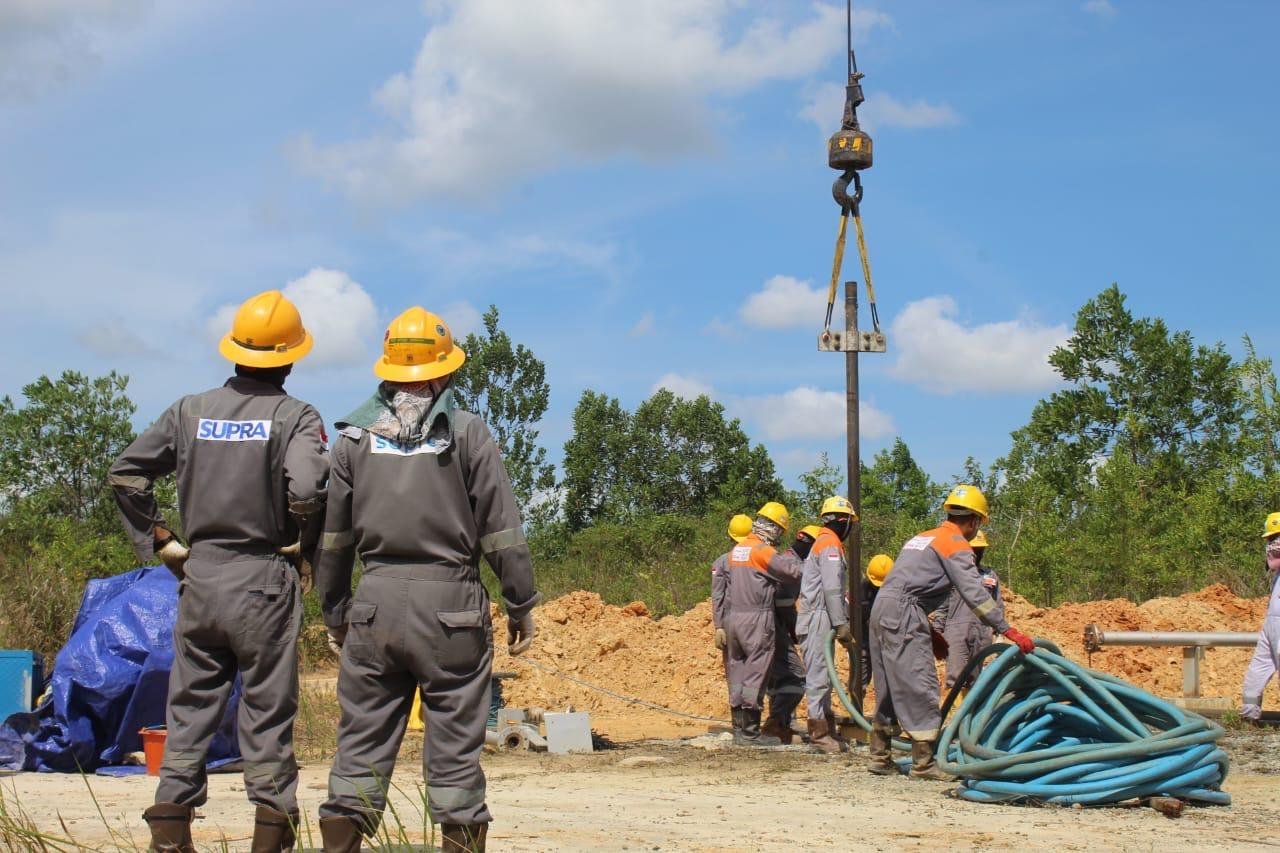
Strategic Operational Cost Management and Lifecycle Economic Analysis of Groundwater Production Wells
Operational Cost Analysis and Lifecycle Economics for Groundwater Production Wells: Capital Investment, Operating Expenditure, Energy Consumption Modeling, Maintenance Strategies, Financial Planning Frameworks, and Economic Optimization for Sustainable Water Resource Development
Reading Time: 195 minutes
Key Highlights
• Operational Cost Dominance: Operating expenses constitute more than 80% of total lifecycle costs for groundwater production systems over typical 20-30 year operational lifespans, with energy consumption representing the single largest recurring cost component at 40-55% of annual OPEX depending on well depth, pumping requirements, and local electricity tariffs
• Capital Investment Ranges: Initial capital expenditure for groundwater production wells varies significantly from USD 15,000-50,000 for shallow residential systems (30-60 meters depth) to USD 80,000-350,000 for deep industrial wells (150-500 meters), encompassing drilling costs at USD 50-150 per meter depth, submersible pump systems ranging USD 5,000-45,000 depending on capacity and total dynamic head requirements, electrical infrastructure USD 8,000-35,000, and auxiliary equipment including storage tanks, control systems, and monitoring instrumentation
• Energy Cost Calculations: Specific energy consumption for groundwater extraction ranges from 0.15-0.45 kWh per cubic meter for shallow wells (under 50 meters) to 0.8-2.5 kWh/m³ for deep wells (200-400 meters), with actual costs heavily influenced by pump efficiency (typically 40-70% overall wire-to-water efficiency), well design quality, dynamic water level drawdown during pumping, and local electricity tariffs which vary from IDR 1,200-1,850 per kWh (USD 0.08-0.12/kWh) across different Indonesian provinces and customer categories
• Lifecycle Economic Framework: Lifecycle cost analysis incorporating net present value (NPV) calculations, levelized cost of water (LCOW) typically ranging USD 0.15-0.85 per cubic meter depending on scale and conditions, internal rate of return (IRR) considerations, and total cost of ownership (TCO) optimization strategies demonstrates that proper upfront investment in high-efficiency pumping equipment and quality well construction can reduce 20-year lifecycle costs by 15-35% compared to lower-cost alternatives despite higher initial capital expenditure
Executive Summary
Groundwater production wells represent critical infrastructure assets providing reliable water supply for agricultural irrigation, industrial processes, municipal distribution systems, and commercial facilities across diverse applications globally. Understanding the comprehensive economic framework governing these systems proves essential for informed investment decisions, operational optimization, financial planning, and long-term sustainability of groundwater-dependent water supply systems. However, many stakeholders approach groundwater development with insufficient appreciation for the full spectrum of costs extending well beyond initial drilling and equipment installation, leading to suboptimal technology selections, inadequate budgeting for ongoing operational requirements, and sometimes unexpected financial burdens as systems mature and operating expenses accumulate over multi-decade operational periods.
This comprehensive technical analysis examines all critical dimensions of groundwater production well economics, providing detailed examination of capital expenditure (CAPEX) components including drilling costs influenced by geological conditions and depth requirements, submersible pump systems with capacity and efficiency specifications, electrical infrastructure from transformers to control panels, and auxiliary equipment supporting reliable operations. Meanwhile, the analysis addresses operating expenditure (OPEX) elements encompassing energy consumption modeling with specific calculations for different well configurations, preventive and corrective maintenance programs, chemical treatment requirements, labor costs for monitoring and system management, and ancillary expenses including permits, insurance, and regulatory compliance activities. Furthermore, the discussion integrates these cost components within comprehensive lifecycle economic frameworks utilizing discounted cash flow analysis, levelized cost methodologies, sensitivity analyses identifying key cost drivers, and optimization strategies maximizing economic efficiency while ensuring operational reliability and regulatory compliance throughout extended service lifespans.
International research and operational experience documented in peer-reviewed literature demonstrates that operational costs typically constitute 75-85% of total lifecycle expenditure for groundwater production systems, with initial capital investment representing only 15-25% of cumulative costs over typical 20-30 year operational periods. This cost structure fundamentally differs from many infrastructure assets where capital costs dominate, creating unique economic dynamics where operational efficiency improvements, energy cost management, and lifecycle optimization strategies yield disproportionate impact on overall project economics. Within the operational cost spectrum, energy consumption for pumping operations emerges as the dominant component, often representing 40-55% of annual OPEX for high-lift applications and 30-45% for moderate-depth wells, making pump efficiency selection, energy tariff negotiations, and operational optimization critical factors determining long-term economic viability of groundwater production systems.
For Indonesian context specifically, groundwater development economics reflect local cost structures including labor rates typically ranging IDR 4-8 million per month (USD 250-500) for skilled pump operators and maintenance technicians, electricity tariffs varying from IDR 1,200-1,850 per kWh (USD 0.08-0.12/kWh) across different customer categories and regions, drilling costs influenced by local geological conditions typically IDR 750,000-2,250,000 per meter depth (USD 50-150/meter), and equipment procurement affected by import duties on specialized pumping systems and instrumentation. These local economic factors combine with technical considerations including typical aquifer depths ranging 40-300 meters in productive sedimentary basins, water quality characteristics affecting treatment requirements and corrosion rates, seasonal variations in water levels impacting pumping costs and system capacity, and regulatory frameworks governing groundwater abstraction licenses, environmental compliance, and water quality monitoring obligations.
The analysis draws extensively on international research published in journals including Groundwater, Water Resources Research, and Journal of Hydrology; technical documents from organizations including United States Geological Survey (USGS), International Association of Hydrogeologists (IAH), and American Water Works Association (AWWA); economic frameworks developed by World Bank, Asian Development Bank, and national water resource agencies; and operational performance data from diverse groundwater production systems spanning agricultural, industrial, and municipal applications across varied geological settings and operational scales. This multidisciplinary foundation integrates hydrogeological principles governing well performance and sustainability, engineering specifications for pump selection and system design, economic methodologies for lifecycle cost analysis and investment evaluation, and operational best practices ensuring reliable long-term performance while managing costs effectively across changing conditions and evolving requirements throughout extended facility lifespans serving critical water supply needs.
Fundamental Economic Framework for Groundwater Production Systems
Economic analysis of groundwater production wells requires comprehensive framework integrating multiple cost categories, temporal dimensions, financial methodologies, and operational variables influencing total cost of ownership across facility lifecycles potentially spanning 20-40 years for properly designed and maintained systems. Traditional approaches focusing primarily on initial capital costs provide inadequate foundation for sound investment decisions, as subsequent operating expenses accumulated over decades of continuous operations typically exceed initial installation expenditure by factors of 3:1 to 6:1 depending on energy costs, utilization intensity, and system efficiency characteristics. Consequently, rigorous economic evaluation must adopt lifecycle perspectives capturing full spectrum of costs from initial feasibility assessment and system design through decades of daily operations, periodic rehabilitation interventions, and eventual system replacement or decommissioning.
The economic framework distinguishes between capital expenditures (CAPEX) representing one-time investments in physical infrastructure assets, and operational expenditures (OPEX) constituting recurring costs enabling ongoing system operations and maintenance. CAPEX elements for groundwater production systems typically include: (1) preliminary investigations encompassing hydrogeological assessments, test drilling programs, aquifer testing campaigns, and water quality characterization establishing technical feasibility and design parameters; (2) well construction involving rotary drilling or air percussion methods, installation of steel or PVC casing strings, gravel pack placement optimizing hydraulic conductivity between aquifer and wellbore, grouting operations preventing contamination pathways and stabilizing formations, and well development procedures removing drilling fluids and fine particles maximizing specific capacity; (3) pumping equipment including submersible pump assemblies with motors rated for continuous duty cycles, pump cables and power conductors sized for voltage drop limitations, variable frequency drives enabling efficient capacity modulation, and control panels with protective devices and automation systems; (4) electrical infrastructure encompassing transformers stepping down distribution voltages to equipment requirements, meter panels for energy monitoring and demand management, disconnect switches and circuit protection devices, and conduit systems protecting wiring from environmental exposure; (5) auxiliary equipment including pressure tanks providing system storage and surge protection, backflow preventers protecting potable supplies from contamination, flow meters enabling production monitoring and billing accuracy, and water quality instrumentation monitoring key parameters ensuring compliance with intended use requirements.
Table 1: Capital Expenditure (CAPEX) Breakdown for Groundwater Production Wells
| Cost Category | Shallow Well (30-60m depth) 20-50 m³/day |
Medium Well (80-150m depth) 100-200 m³/day |
Deep Well (200-400m depth) 300-800 m³/day |
Cost Drivers & Technical Notes |
|---|---|---|---|---|
| Hydrogeological Investigation | USD 2,500-5,000 IDR 39-78 million |
USD 8,000-15,000 IDR 125-234 million |
USD 18,000-35,000 IDR 281-546 million |
Geological mapping, geophysical surveys (resistivity, seismic), test drilling, aquifer testing, water quality analysis |
| Well Drilling & Construction | USD 4,500-9,000 IDR 70-140 million |
USD 15,000-30,000 IDR 234-468 million |
USD 45,000-90,000 IDR 702-1,404 billion |
Drilling @ USD 50-150/m depth, casing materials (steel or PVC), screen sections, gravel pack, surface completion |
| Submersible Pump System | USD 3,500-7,500 IDR 55-117 million |
USD 12,000-25,000 IDR 187-390 million |
USD 28,000-65,000 IDR 437-1,014 billion |
Multi-stage centrifugal pump, submersible motor, pump cable, check valve, torque arrestor, pump installation costs |
| Electrical Infrastructure | USD 2,200-4,500 IDR 34-70 million |
USD 8,500-16,000 IDR 133-250 million |
USD 20,000-42,000 IDR 312-655 million |
Transformer (if needed), control panel, VFD, meters, disconnect switches, conduit, wiring, grounding system |
| Storage & Distribution | USD 1,800-3,500 IDR 28-55 million |
USD 5,500-12,000 IDR 86-187 million |
USD 15,000-35,000 IDR 234-546 million |
Pressure tank, piping network, valves, fittings, backflow preventer, distribution manifold, pipe supports |
| Instrumentation & Control | USD 1,200-2,500 IDR 19-39 million |
USD 4,000-8,500 IDR 62-133 million |
USD 9,000-18,000 IDR 140-281 million |
Flow meters, pressure gauges, level sensors, water quality probes, SCADA system, remote monitoring equipment |
| Site Work & Civil Structures | USD 1,500-3,000 IDR 23-47 million |
USD 4,500-9,000 IDR 70-140 million |
USD 10,000-22,000 IDR 156-343 million |
Wellhouse building, concrete pad, fencing, access road, drainage, landscaping, security lighting |
| Permits & Professional Fees | USD 800-1,800 IDR 12-28 million |
USD 2,500-5,500 IDR 39-86 million |
USD 6,000-12,000 IDR 94-187 million |
Groundwater extraction permit, environmental assessment, engineering design, construction supervision |
| TOTAL CAPEX (Base) | USD 18,000-36,800 IDR 281-574 million |
USD 60,000-121,000 IDR 936-1,888 billion |
USD 151,000-319,000 IDR 2.4-5.0 billion |
Base costs without contingency or exceptional conditions |
| Contingency (10-15%) | USD 1,800-5,500 IDR 28-86 million |
USD 6,000-18,200 IDR 94-284 million |
USD 15,100-47,900 IDR 236-747 million |
Unforeseen conditions, design changes, price escalation during construction period |
| TOTAL CAPEX (with contingency) | USD 19,800-42,300 IDR 309-660 million |
USD 66,000-139,200 IDR 1.0-2.2 billion |
USD 166,100-366,900 IDR 2.6-5.7 billion |
Total initial investment for complete operational system |
Cost estimates based on international industry standards and Indonesian market conditions as of 2024-2025. Exchange rate: IDR 15,600 = USD 1.00. Actual costs vary significantly with site-specific geology, accessibility, local labor/material costs, and technical specifications. Source: USGS (2024), World Bank Water Data, Turner et al. (2019), Indonesian Drilling Contractors Association
Operating expenditures encompass diverse recurring cost categories essential for sustaining daily operations and maintaining system performance across multi-decade service lifespans. Primary OPEX components include: (1) energy costs for pumping operations, typically constituting 40-55% of total annual operating expenses and driven by electricity consumption proportional to pumping volume, total dynamic head (static water level plus drawdown plus friction losses plus discharge pressure), pump efficiency, and local electricity tariff structures; (2) routine maintenance activities including quarterly lubrication services, annual electrical inspections, periodic motor testing, pump performance verification, and minor repairs addressing wear components before catastrophic failures occur; (3) major maintenance interventions every 5-10 years including pump rebuilds or replacements, motor rewinding or replacement, electrical component upgrades, well rehabilitation procedures restoring productivity, and system modernization incorporating technological improvements; (4) chemical treatment programs for scale control, corrosion inhibition, or water quality improvement depending on raw water characteristics and intended use requirements; (5) labor costs for system monitoring, performance optimization, troubleshooting operational issues, and coordinating maintenance activities; (6) administrative expenses encompassing groundwater extraction fees or royalties, environmental monitoring and reporting obligations, liability insurance protecting assets and users, and permit renewals ensuring regulatory compliance; (7) water quality testing verifying compliance with applicable standards for intended use whether potable supply, industrial process water, or agricultural irrigation.
Energy Consumption Analysis and Cost Modeling for Groundwater Pumping Operations
Energy consumption represents the dominant operational cost component for groundwater production systems, making rigorous analysis of pumping energy requirements essential for accurate lifecycle cost projections and system optimization. The fundamental physics governing energy requirements derives from work performed lifting water from aquifer depth to discharge point and overcoming frictional resistance through wellbore, piping networks, and treatment equipment. Theoretical energy requirements can be calculated using the equation: E = (ρ × g × H × Q) / η, where E represents power consumption in watts, ρ is water density (approximately 1,000 kg/m³), g is gravitational acceleration (9.81 m/s²), H represents total dynamic head in meters, Q is flow rate in cubic meters per second, and η represents overall system efficiency expressed as decimal fraction. Converting to more practical units, the specific energy consumption per cubic meter pumped equals: SEC = (0.00272 × TDH) / η, where SEC is expressed in kilowatt-hours per cubic meter and TDH is total dynamic head in meters.
Total dynamic head (TDH) comprises several additive components: (1) static water level representing vertical distance from ground surface to non-pumping water level in well, influenced by aquifer characteristics, regional groundwater gradients, and seasonal recharge patterns; (2) drawdown representing additional water level decline during pumping operations, determined by aquifer hydraulic properties (transmissivity and storativity), well construction quality (specific capacity), and pumping rate intensity; (3) friction losses through well screen, casing, pump column pipe, and surface distribution piping, calculated using Darcy-Weisbach or Hazen-Williams equations accounting for pipe diameter, length, flow velocity, and roughness characteristics; (4) discharge pressure requirements for distribution systems, treatment equipment, or irrigation systems, typically ranging 2-6 bar (20-60 meters head equivalent) depending on application requirements. For typical groundwater production systems, static water level ranges from 20-250 meters depending on geological setting, drawdown adds 5-40 meters depending on aquifer productivity and pumping intensity, friction losses contribute 3-15 meters depending on system design, and discharge pressure requirements add 20-60 meters, yielding total dynamic heads ranging from 50-350 meters across diverse installations.
Figure 1: Energy Consumption Calculation Framework for Groundwater Pumping Systems
STEP 1: Calculate Total Dynamic Head (TDH)
TDH (meters) = Static Water Level + Drawdown + Friction Losses + Discharge Pressure Head
Example: 46m + 12m + 8m + 40m = 106 meters total dynamic head
STEP 2: Determine System Efficiency
Overall Efficiency (η) = Pump Efficiency × Motor Efficiency × Drive Efficiency
Typical values:
- Pump efficiency: 65-85% for properly sized submersible pumps
- Motor efficiency: 85-93% for submersible motors
- Drive efficiency: 95-98% for direct drive, 92-96% with VFD
Example: 0.75 × 0.90 × 0.96 = 0.648 or 64.8% overall efficiency
STEP 3: Calculate Specific Energy Consumption (SEC)
SEC (kWh/m³) = (0.00272 × TDH) / η
Where 0.00272 is conversion constant (g×ρ/3,600,000)
Example: (0.00272 × 10⁶) / 0.648 = 0.445 kWh per cubic meter
STEP 4: Calculate Annual Energy Consumption
Annual Energy (kWh/year) = SEC × Annual Production Volume (m³/year)
Example for 100 m³/day production:
Annual Production = 100 m³/day × 365 days = 36,500 m³/year
Annual Energy = 0.445 kWh/m³ × 36,500 m³ = 16,243 kWh/year
STEP 5: Calculate Annual Energy Cost
Annual Cost = Annual Energy (kWh) × Electricity Tariff (USD/kWh or IDR/kWh)
Indonesia electricity tariffs (2024-2025):
- Residential: IDR 1,200-1,450/kWh (USD 0.077-0.093/kWh)
- Commercial: IDR 1,350-1,650/kWh (USD 0.087-0.106/kWh)
- Industrial: IDR 1,100-1,350/kWh (USD 0.071-0.087/kWh)
Example using IDR 1,400/kWh:
Annual Cost = 16,243 kWh × IDR 1,400 = IDR 22,740,200 (USD 1,458)
Unit Cost = IDR 22,740,200 / 36,500 m³ = IDR 623/m³ (USD 0.040/m³)
Alternative Formula for Quick Estimation:
Power (kW) = (Q × H) / (367 × η)
Where: Q = flow rate in m³/hour, H = TDH in meters, η = efficiency decimal
Example: (4.17 m³/hr × 106m) / (367 × 0.648) = 1.86 kW continuous power
Annual energy = 1.86 kW × 8,760 hours × 0.417 utilization = 6,790 kWh
Note: This assumes 10 hours/day operation (41.7% annual utilization factor)
Energy calculation methodology based on USGS Water Pumping Handbook, AWWA M21 Manual, and Lawrence Berkeley National Laboratory documentation
System efficiency represents critical parameter dramatically influencing energy consumption and operating costs throughout facility lifespan. Overall wire-to-water efficiency combines three sequential efficiency factors: pump hydraulic efficiency converting shaft power to fluid power, motor efficiency converting electrical input to mechanical shaft power, and drive efficiency if variable frequency drives or other power conditioning equipment introduces additional losses. High-quality submersible pumps properly selected for operating conditions typically achieve 70-85% hydraulic efficiency at best efficiency point (BEP), with efficiency declining 5-15 percentage points when operating significantly above or below design flow rates. Submersible motors rated for continuous duty commonly achieve 85-93% efficiency depending on motor size (larger motors generally more efficient) and quality tier. Direct-coupled systems eliminate drive losses, while variable frequency drive systems introduce 2-6% additional losses but enable substantial energy savings through capacity modulation matching time-varying demands rather than throttling discharge valves or cycling on-off operation modes causing start-up surge currents and mechanical stress.
Practical energy consumption data from operational groundwater systems globally demonstrates specific energy consumption typically ranging 0.15-0.45 kWh/m³ for shallow wells under 50 meters total dynamic head, 0.40-0.90 kWh/m³ for moderate-depth systems with 80-150 meters TDH, and 0.80-2.20 kWh/m³ for deep wells requiring lifting 200-400 meters total dynamic head. These ranges reflect combined influences of total dynamic head requirements, system efficiency variations from 45-70% for existing installations (lower values indicating aging equipment, poor maintenance, or suboptimal sizing), and operational patterns affecting capacity utilization. Energy costs as percentage of total operating expenses correlate strongly with total dynamic head requirements, ranging from 25-35% for shallow low-lift applications where maintenance and other costs represent proportionally larger shares, increasing to 45-60% for deep high-lift systems where energy dominates operational expenditure even with optimized equipment and operations. This cost structure creates powerful economic incentive for efficiency optimization, as 10-15% improvement in overall system efficiency yields proportional reduction in largest operational cost component, potentially saving USD 5,000-25,000 annually for moderate-to-large production systems operating continuously.
Table 2: Comparative Energy Consumption and Annual Costs Across Well Configurations
| System Configuration | Production Capacity (m³/day) |
Total Dynamic Head (meters) |
System Efficiency (%) |
Specific Energy (kWh/m³) |
Annual Energy (kWh/year) |
Annual Cost IDR @ 1,400/kWh (USD @ 0.090/kWh) |
Unit Cost IDR/m³ (USD/m³) |
|---|---|---|---|---|---|---|---|
| Shallow Residential 30m static, 8m drawdown, low friction |
25 | 52 | 62 | 0.228 | 2,081 | IDR 2.9M (USD 187) |
IDR 319 (USD 0.020) |
| Medium Residential 46m static, 12m drawdown, moderate friction |
50 | 82 | 65 | 0.343 | 6,259 | IDR 8.8M (USD 563) |
IDR 481 (USD 0.031) |
| Agricultural Shallow 35m static, 15m drawdown, distribution piping |
120 | 68 | 68 | 0.272 | 11,918 | IDR 16.7M (USD 1,073) |
IDR 381 (USD 0.024) |
| Commercial Medium 95m static, 22m drawdown, treatment pressure |
150 | 145 | 70 | 0.564 | 30,879 | IDR 43.2M (USD 2,779) |
IDR 790 (USD 0.051) |
| Industrial Deep 180m static, 35m drawdown, high pressure |
300 | 242 | 72 | 0.915 | 100,238 | IDR 140.3M (USD 9,021) |
IDR 1,282 (USD 0.082) |
| Municipal Deep 220m static, 40m drawdown, treatment/distribution |
500 | 295 | 74 | 1.085 | 197,769 | IDR 276.9M (USD 17,799) |
IDR 1,517 (USD 0.097) |
| Industrial Very Deep 310m static, 55m drawdown, high-pressure process |
400 | 402 | 75 | 1.458 | 212,924 | IDR 298.1M (USD 19,163) |
IDR 2,042 (USD 0.131) |
| Key Observations: | |||||||
| • Energy cost per m³ increases proportionally with total dynamic head and inversely with system efficiency • Deeper wells face exponentially higher energy costs, making efficiency optimization critical • 10% efficiency improvement for deep industrial well saves IDR 32-40M (USD 2,050-2,550) annually • Larger systems achieve better economics of scale with unit costs declining at higher production volumes • Energy typically represents 35-50% of total OPEX for medium wells, 50-65% for deep wells |
|||||||
Calculations assume 365 days/year continuous operation. Actual costs vary with operational patterns, seasonal demand, equipment age/condition, and electricity tariff structures. Sources: Turner et al. (2019), USGS Water Pumping Energy Guide, Grundfos Pump Handbook, Indonesian electricity tariff data PLN 2024-2025
Maintenance Cost Analysis: Preventive and Corrective Maintenance Strategies
Maintenance expenditures constitute the second-largest operational cost category for groundwater production systems after energy consumption, typically representing 15-30% of annual OPEX depending on system complexity, equipment quality, operating intensity, and maintenance philosophy adopted by facility owners. Effective maintenance management requires balanced approach integrating scheduled preventive maintenance activities minimizing unplanned failures, condition-based monitoring identifying incipient problems before failures occur, and timely corrective maintenance addressing inevitable component wear and degradation. Research consistently demonstrates that well-designed preventive maintenance programs reduce total lifecycle maintenance costs by 20-40% compared to reactive "run-to-failure" approaches, while simultaneously improving system reliability, extending equipment service life 30-50%, and preventing cascade failures where primary component failures damage related equipment creating compound repair costs exceeding individual component replacement expenses.
Preventive maintenance activities for groundwater production systems typically operate on quarterly, semi-annual, and annual schedules encompassing: (1) Quarterly inspections examining visible components for leaks, corrosion, vibration abnormalities, noise characteristics indicating bearing wear or cavitation, motor temperature profiles, control panel operation, alarm system functionality, and pressure/flow meter accuracy verification; (2) Semi-annual electrical testing including insulation resistance measurements detecting motor winding degradation before failure, control circuit verification, protective relay calibration, voltage imbalance assessment affecting motor life, and contact inspection on switches and starters; (3) Annual comprehensive evaluations involving pump performance testing comparing current flow-head-power characteristics against baseline measurements identifying efficiency degradation from wear or scale accumulation, motor current analysis detecting rotor or stator problems, well drawdown testing assessing wellbore condition, chemical analysis of pump components identifying corrosion or scaling patterns, and detailed inspection of accessible components during brief shutdowns scheduled for off-peak demand periods. These preventive activities typically require 8-16 labor hours quarterly, 12-24 hours semi-annually, and 24-40 hours annually for comprehensive servicing, with associated labor costs ranging USD 400-1,200 quarterly (IDR 6.2-18.7 million), USD 800-2,000 semi-annually (IDR 12.5-31.2 million), and USD 1,800-4,500 annually (IDR 28-70 million) depending on system scale, technical complexity, and local labor rates.
Major maintenance interventions occur at longer intervals but involve substantial costs requiring financial planning and reserve accumulation. Submersible pump assemblies typically require pulling and overhaul after 5-10 years continuous operation depending on water quality (corrosive or scaling conditions accelerating wear), sand content (abrasive particles eroding impellers and bearings), operating conditions (frequent cycling shortening life versus steady operation), and initial equipment quality. Pump overhaul involves retrieving assembly from wellbore requiring specialized equipment and skilled crews, disassembly and inspection identifying worn components including impellers exhibiting erosion or corrosion, bearings showing fatigue spalling, shaft seal assemblies leaking lubricant, motor thrust bearings accommodating axial loads, and electrical cables with insulation degradation. Comprehensive pump overhaul or replacement costs typically range USD 8,000-25,000 for moderate systems to USD 35,000-85,000 for large high-head installations including labor USD 3,000-12,000, replacement components USD 4,000-45,000, and equipment mobilization USD 1,000-8,000. Well rehabilitation addressing productivity declines from screen clogging, biological growth, chemical encrustation, or fine particle infiltration requires periodic intervention every 8-15 years using techniques including high-pressure jetting, chemical treatment with acid or dispersants, mechanical brushing, and airlifting, with typical costs USD 5,000-18,000 depending on depth and treatment complexity.
Condition-based monitoring technologies enable transitioning from time-based preventive schedules to predictive maintenance approaches intervening only when equipment condition indicators suggest impending problems, optimizing maintenance timing and potentially reducing costs 10-20% below conventional preventive programs. Advanced monitoring systems continuously or periodically measure parameters including motor current and power consumption indicating efficiency changes, vibration signatures detecting bearing wear or mechanical imbalance, motor winding temperature revealing cooling problems or overload, pump discharge pressure and flow indicating hydraulic performance degradation, and wellbore water levels tracking productivity changes. Modern supervisory control and data acquisition (SCADA) systems integrate these measurements with historical trending, automated alert generation when parameters exceed threshold values, and performance analytics identifying gradual degradation patterns invisible to periodic manual inspections. Implementing comprehensive condition monitoring requires investment USD 8,000-25,000 for instrumentation, communication systems, and software platforms, but generates lifecycle value through extended mean time between failures, optimized maintenance scheduling, reduced downtime costs, and improved operator response during abnormal conditions.
Table 3: Maintenance Cost Structure and Lifecycle Requirements
| Maintenance Category | Frequency | Labor Hours |
Cost per Event USD (IDR millions) |
Annual Cost USD (IDR millions) |
Key Activities & Components |
|---|---|---|---|---|---|
| PREVENTIVE MAINTENANCE ACTIVITIES | |||||
| Quarterly Inspection | Every 3 months (4x/year) |
8-16 | 400-1,200 (6.2-18.7) |
1,600-4,800 (25-75) |
Visual inspection, leak detection, vibration check, noise assessment, pressure/flow verification, control panel testing, meter calibration |
| Semi-Annual Service | Every 6 months (2x/year) |
12-24 | 800-2,000 (12.5-31.2) |
1,600-4,000 (25-62) |
Electrical testing, insulation resistance, motor current analysis, voltage imbalance check, relay calibration, contact inspection, lubrication |
| Annual Comprehensive | Annually (1x/year) |
24-40 | 1,800-4,500 (28-70) |
1,800-4,500 (28-70) |
Pump performance testing, efficiency analysis, drawdown testing, motor current signature analysis, chemical sampling, detailed component inspection |
| Total Preventive Annual | - | 88-152 | - | 5,000-13,300 (78-208) |
Combined routine preventive maintenance activities |
| MAJOR MAINTENANCE INTERVENTIONS (Amortized Annual Costs) | |||||
| Pump Overhaul/Replacement | Every 7-10 years | 40-80 | 15,000-45,000 (234-702) |
1,500-6,400 (23-100) |
Pull pump, disassembly, impeller replacement, bearing renewal, seal replacement, motor inspection, reinstallation |
| Motor Rewind/Replacement | Every 10-15 years | 24-48 | 8,000-28,000 (125-437) |
600-2,300 (9-36) |
Winding inspection, rewinding or replacement, bearing replacement, rotor balancing, insulation testing, reassembly |
| Well Rehabilitation | Every 8-12 years | 32-64 | 8,000-22,000 (125-343) |
800-2,200 (12-34) |
Well cleaning, chemical treatment, mechanical brushing, airlift development, video inspection, productivity testing |
| Electrical System Upgrade | Every 12-15 years | 20-40 | 5,000-15,000 (78-234) |
350-1,200 (5-19) |
Control panel modernization, relay replacement, cable inspection/replacement, meter upgrades, protection device updates |
| Piping & Valves | Every 10-15 years | 16-32 | 3,500-12,000 (55-187) |
250-1,000 (4-16) |
Valve replacement, pipe section replacement, fitting renewal, corrosion treatment, pressure vessel inspection |
| Total Major Maintenance Annual | - | - | - | 3,500-13,100 (55-204) |
Amortized annual cost of major interventions |
| CORRECTIVE MAINTENANCE (Emergency Repairs - Annual Average) | |||||
| Unplanned Repairs | 2-6 events/year | 16-48 | 500-2,500 each | 1,500-8,000 (23-125) |
Equipment failures, electrical problems, control malfunctions, leak repairs, emergency components |
| TOTAL ANNUAL MAINTENANCE | - | - | - | 10,000-34,400 (156-537) |
Combined preventive, major, and corrective maintenance costs |
Costs represent typical ranges for moderate-to-large groundwater production systems. Labor rates assume USD 50-75/hour for skilled technicians (IDR 780,000-1,170,000/hour). Major maintenance costs amortized over typical service intervals. Actual costs vary with equipment quality, operating conditions, water chemistry, and maintenance program rigor. Sources: AWWA M21 Manual, Grundfos Service Guidelines, industry operational data
Chemical Treatment and Water Quality Management Costs
Chemical treatment requirements and associated costs vary dramatically depending on groundwater chemistry characteristics, intended water use applications, and applicable quality standards governing discharge or distribution. Many groundwater sources produce water requiring minimal treatment beyond disinfection for potable supply or no treatment for non-potable applications including landscape irrigation or industrial cooling, keeping chemical costs negligible at USD 200-800 annually (IDR 3-12 million). However, groundwater sources exhibiting problematic quality characteristics including excessive iron or manganese causing staining and taste issues, hardness from calcium and magnesium requiring softening for domestic or industrial applications, hydrogen sulfide generating objectionable odors, dissolved gases requiring removal, or chemical constituents exceeding drinking water standards necessitate treatment systems introducing substantial recurring costs for chemical reagents, consumable media, membrane replacements, or regeneration materials depending on treatment technology selected.
Common chemical treatment applications include: (1) Iron and manganese removal through oxidation with chlorine, permanganate, or atmospheric aeration followed by precipitation and filtration, requiring oxidant chemicals USD 500-2,500 annually plus filter media replacement USD 800-3,500 every 3-5 years; (2) Hardness reduction using ion exchange water softening systems consuming salt for regeneration typically USD 1,200-4,500 annually depending on water hardness, production volume, and regeneration frequency; (3) Disinfection with chlorine gas, sodium hypochlorite solution, or ultraviolet light for pathogen inactivation, requiring chemical costs USD 300-1,800 annually for chlorination or electricity USD 400-1,500 annually plus lamp replacement USD 800-2,200 every 12-18 months for UV systems; (4) pH adjustment using acid injection for alkaline groundwater or caustic/lime feeding for acidic waters, requiring chemical costs USD 400-3,000 annually depending on required pH modification magnitude and production volume; (5) Corrosion control through chemical inhibitors, pH adjustment, or remineralization preventing infrastructure deterioration and protecting distribution piping, requiring chemical costs USD 600-2,800 annually.
Advanced treatment technologies addressing specific contaminant challenges introduce higher capital investments and operating costs but enable utilization of groundwater sources otherwise unsuitable for intended applications. Reverse osmosis systems removing dissolved solids, nitrates, arsenic, or other problem constituents require membrane replacement every 3-7 years at USD 8,000-35,000 depending on system capacity plus chemical costs USD 1,500-6,000 annually for scale inhibitors, cleaning agents, and pH adjustment, alongside substantial energy consumption for high-pressure feed pumps typically adding USD 3,000-12,000 annually. Granular activated carbon systems removing organic compounds, taste and odor issues, or specific contaminants require media replacement every 12-36 months at USD 4,000-18,000 depending on bed size and organic loading. Ion exchange systems removing nitrates, perchlorate, or other anionic contaminants consume regeneration chemicals and brine disposal costs totaling USD 2,500-9,000 annually. Membrane processes including nanofiltration or ultrafiltration for turbidity, bacteria, or virus removal require membrane replacement every 5-10 years at USD 12,000-45,000 plus chemical cleaning USD 1,200-4,500 annually.
Labor, Monitoring, and Administrative Operating Expenses
Personnel costs for operating and managing groundwater production systems range from minimal part-time oversight for small automatic residential systems to substantial full-time staffing for large industrial or municipal facilities requiring continuous operations, technical expertise, and regulatory compliance management. Small systems serving single-family residences or small commercial facilities typically require only periodic monitoring by property maintenance staff or contract service providers conducting quarterly inspections, basic troubleshooting, and coordinating professional repairs when needed, keeping annual labor costs under USD 800-2,000 (IDR 12-31 million). Medium-scale systems serving multi-family facilities, commercial operations, or small agricultural operations often employ part-time dedicated personnel spending 5-15 hours weekly monitoring performance, conducting routine maintenance, optimizing operations, and maintaining records, with annual costs USD 4,000-12,000 (IDR 62-187 million) for part-time staff or contract services.
Large industrial or municipal groundwater facilities typically justify full-time operations personnel including licensed operators, maintenance technicians, and supervisory staff managing complex systems with substantial production capacities, multiple wells, treatment facilities, and distribution networks. A moderate industrial facility producing 500-1,500 m³/day might employ one full-time operator/technician at annual cost USD 35,000-55,000 (IDR 546-858 million) including salary, benefits, training, and overhead allocation. Large municipal systems with production exceeding 3,000-10,000 m³/day often maintain staffing including operations manager, 2-3 certified operators providing shift coverage, maintenance technician, and shared administrative/engineering support, with total personnel costs USD 180,000-350,000 annually (IDR 2.8-5.5 billion). These labor costs represent 10-25% of total OPEX for automated efficient systems with skilled staff, potentially reaching 30-40% for labor-intensive facilities requiring frequent manual intervention or sites with operational challenges demanding excessive troubleshooting and corrective actions.
Monitoring and testing requirements ensuring water quality compliance, tracking system performance, and supporting operational optimization generate recurring costs for sample collection, laboratory analysis, and data management. Regulatory requirements typically mandate water quality testing frequencies ranging from quarterly to monthly for potable supplies, testing parameters including bacteria, inorganic chemicals, radiological constituents, and physical characteristics. Laboratory analysis costs range USD 80-250 per comprehensive analysis (IDR 1.2-3.9 million), yielding annual testing costs USD 320-3,000 depending on required frequency and parameter scope. Operational monitoring beyond regulatory requirements including weekly field testing for pH, chlorine residual, turbidity, and basic parameters adds USD 150-600 annually for test supplies and operator time. System performance monitoring tracking production volumes, energy consumption, pump performance, and efficiency trends requires minimal direct costs beyond instrumentation maintenance USD 200-800 annually plus staff time analyzing data and implementing optimization measures.
Administrative expenses encompassing permits, insurance, regulatory compliance, and overhead allocation add 5-15% to direct operating costs depending on organizational structure and regulatory environment. Groundwater extraction permits or abstraction licenses require annual renewal fees ranging USD 500-5,000 (IDR 7.8-78 million) depending on extraction volume and jurisdiction. Liability insurance protecting against contamination risks, property damage, or operational failures costs USD 1,200-6,000 annually depending on coverage limits and facility risk profile. Environmental monitoring and reporting obligations including extraction volume tracking, water level monitoring in observation wells, and submission of compliance documentation require staff time valued at USD 800-4,000 annually for moderate facilities. Shared overhead including accounting, legal services, management time, and administrative support allocated to groundwater operations typically ranges 8-15% of direct operating expenses. Combined administrative costs typically total USD 3,000-15,000 annually for moderate-to-large facilities (IDR 47-234 million), representing 5-12% of total OPEX.
Table 4: Annual Operating Expenditure (OPEX) Breakdown by System Scale
| Cost Category | Small System 25-50 m³/day Shallow Well |
Medium System 150-300 m³/day Moderate Depth |
Large System 500-1,000 m³/day Deep Well |
% of Total OPEX (Typical Range) |
|---|---|---|---|---|
| Energy (Electricity) | USD 400-900 IDR 6-14M |
USD 6,500-12,000 IDR 101-187M |
USD 35,000-65,000 IDR 546-1,014M |
40-55% |
| Routine Maintenance | USD 800-1,800 IDR 12-28M |
USD 3,500-7,500 IDR 55-117M |
USD 8,000-16,000 IDR 125-250M |
8-15% |
| Major Repairs (Amortized) | USD 600-1,500 IDR 9-23M |
USD 2,500-6,000 IDR 39-94M |
USD 6,000-14,000 IDR 94-218M |
5-12% |
| Chemical Treatment | USD 200-600 IDR 3-9M |
USD 1,200-4,500 IDR 19-70M |
USD 3,500-12,000 IDR 55-187M |
3-10% |
| Labor & Operations | USD 600-1,500 IDR 9-23M |
USD 4,000-12,000 IDR 62-187M |
USD 35,000-65,000 IDR 546-1,014M |
10-30% |
| Monitoring & Testing | USD 300-800 IDR 5-12M |
USD 800-2,500 IDR 12-39M |
USD 2,000-6,000 IDR 31-94M |
2-5% |
| Administrative & Permits | USD 400-1,000 IDR 6-16M |
USD 1,500-4,000 IDR 23-62M |
USD 4,000-10,000 IDR 62-156M |
3-8% |
| TOTAL ANNUAL OPEX | USD 3,300-8,100 IDR 51-126M |
USD 20,000-48,500 IDR 312-757M |
USD 93,500-188,000 IDR 1.46-2.93B |
100% |
| Unit Operating Cost | USD 0.36-0.88/m³ IDR 5,600-13,700/m³ |
USD 0.24-0.59/m³ IDR 3,750-9,200/m³ |
USD 0.34-0.69/m³ IDR 5,300-10,800/m³ |
- |
Annual production volumes: Small 9,125-18,250 m³, Medium 54,750-109,500 m³, Large 182,500-365,000 m³. Exchange rate: IDR 15,600 = USD 1.00. Costs represent mid-range estimates with significant variation based on site-specific conditions. Unit costs show economies of scale at larger production volumes despite higher absolute costs. Sources: Grundfos Operating Cost Study, Turner et al. (2019), Indonesian industry surveys
Lifecycle Cost Analysis Framework and Economic Modeling Methodologies
Lifecycle cost analysis provides comprehensive economic framework integrating all costs incurred across groundwater production system lifespan from initial concept through final decommissioning, enabling informed investment decisions, technology comparisons, and optimization strategies based on total cost of ownership rather than focusing narrowly on initial capital expenditure. The fundamental methodology involves: (1) identifying and categorizing all relevant cost components including initial CAPEX, recurring annual OPEX, periodic major maintenance interventions, and eventual replacement or rehabilitation costs; (2) projecting costs across analysis period typically spanning 20-30 years for groundwater production systems; (3) applying time value of money principles through discounting future costs to present value using appropriate discount rate reflecting opportunity cost of capital, risk profiles, and inflation expectations; (4) calculating net present value (NPV) of total lifecycle costs enabling comparison between alternatives with different capital-operating cost tradeoffs; (5) calculating levelized cost metrics including levelized cost of water (LCOW) expressing total lifecycle costs per unit production volume facilitating standardized comparisons.
Net present value calculations utilize discount factor formula: PV = FV / (1 + r)^n, where PV represents present value, FV is future value, r is annual discount rate expressed as decimal, and n represents number of years in future. Discount rates for groundwater infrastructure investments typically range 4-10% reflecting varying circumstances: government projects or regulated utilities often use lower rates 4-6% based on municipal borrowing costs or regulatory allowed returns; private commercial projects apply higher rates 7-10% reflecting cost of capital and risk premiums; agricultural applications might use intermediate rates 5-8% depending on financing sources and income stability. Higher discount rates emphasize near-term costs more heavily, favoring lower initial capital investment even at expense of higher future operating costs, while lower discount rates weight future costs more substantially, potentially justifying higher upfront investments in efficiency improvements yielding long-term operating savings.
Levelized cost of water (LCOW) represents total lifecycle cost per unit production volume, calculated as: LCOW = (NPV of Total Costs) / (NPV of Total Production Volume). This metric enables comparison between systems with different capital costs, operating expenses, efficiencies, and production capacities on standardized basis. For groundwater production systems, typical LCOW ranges USD 0.15-0.35 per cubic meter for efficient shallow wells with minimal treatment requirements, USD 0.30-0.65 per cubic meter for moderate-depth wells requiring standard treatment, and USD 0.55-1.20 per cubic meter for deep wells or systems requiring advanced treatment addressing challenging water quality. These levelized costs encompass all capital recovery, operating expenses, maintenance, and overhead allocated across production volumes, providing comprehensive economic metric suitable for comparing groundwater development against alternative water supply options including surface water treatment, purchased water from utilities, or water conservation investments reducing demands.
Figure 2: 25-Year Lifecycle Cost Analysis - Comparative Scenarios
SCENARIO COMPARISON: 200 m³/day Industrial Groundwater System
Analysis Period: 25 years | Discount Rate: 7% | Production: 73,000 m³/year
SCENARIO A: Premium Efficiency System
Initial CAPEX: USD 95,000 (IDR 1.48 billion)
• High-efficiency submersible pump (78% pump efficiency)
• Premium IE3 motor (92% efficiency)
• Variable frequency drive for capacity modulation
• Advanced SCADA monitoring system
• Overall system efficiency: 68%
Annual Operating Costs:
• Energy (0.504 kWh/m³): USD 3,310/year (IDR 51.6M)
• Maintenance: USD 4,200/year (IDR 65.5M)
• Labor & Admin: USD 2,800/year (IDR 43.7M)
Total OPEX: USD 10,310/year (IDR 160.8M)
Major Maintenance (Years 8, 16, 24): USD 18,000 each
25-Year Total Costs: USD 295,700 (undiscounted)
Net Present Value @ 7%: USD 213,400 (IDR 3.33 billion)
Levelized Cost of Water: USD 0.428/m³ (IDR 6,677/m³)
SCENARIO B: Standard System
Initial CAPEX: USD 72,000 (IDR 1.12 billion)
• Standard submersible pump (71% pump efficiency)
• IE2 standard motor (88% efficiency)
• Soft starter (no VFD)
• Basic monitoring instrumentation
• Overall system efficiency: 60%
Annual Operating Costs:
• Energy (0.572 kWh/m³): USD 3,755/year (IDR 58.6M)
• Maintenance: USD 5,100/year (IDR 79.6M)
• Labor & Admin: USD 2,800/year (IDR 43.7M)
Total OPEX: USD 11,655/year (IDR 181.8M)
Major Maintenance (Years 7, 14, 21): USD 20,500 each
25-Year Total Costs: USD 345,900 (undiscounted)
Net Present Value @ 7%: USD 231,600 (IDR 3.61 billion)
Levelized Cost of Water: USD 0.464/m³ (IDR 7,238/m³)
SCENARIO C: Budget System
Initial CAPEX: USD 58,000 (IDR 905 million)
• Economy submersible pump (65% pump efficiency)
• IE1 basic motor (85% efficiency)
• Direct-on-line starter
• Minimal instrumentation
• Overall system efficiency: 52%
Annual Operating Costs:
• Energy (0.660 kWh/m³): USD 4,333/year (IDR 67.6M)
• Maintenance: USD 6,200/year (IDR 96.7M)
• Labor & Admin: USD 3,200/year (IDR 49.9M)
Total OPEX: USD 13,733/year (IDR 214.2M)
Major Maintenance (Years 6, 12, 18, 24): USD 22,000 each
25-Year Total Costs: USD 416,900 (undiscounted)
Net Present Value @ 7%: USD 264,200 (IDR 4.12 billion)
Levelized Cost of Water: USD 0.529/m³ (IDR 8,252/m³)
LIFECYCLE COST COMPARISON SUMMARY
| Metric | Scenario A Premium |
Scenario B Standard |
Scenario C Budget |
| Initial CAPEX | USD 95,000 | USD 72,000 | USD 58,000 |
| NPV Total Costs | USD 213,400 | USD 231,600 | USD 264,200 |
| LCOW | USD 0.428/m³ | USD 0.464/m³ | USD 0.529/m³ |
| Savings vs Budget | USD 50,800 NPV (19.2% reduction) |
USD 32,600 NPV (12.3% reduction) |
- (Baseline) |
| Payback Premium vs Standard | 6.8 years - Additional USD 23,000 CAPEX recovered through USD 1,345/year OPEX savings | ||
Premium efficiency system delivers lowest total lifecycle cost despite 64% higher initial capital investment, demonstrating critical importance of lifecycle analysis over first-cost minimization
Analysis demonstrates typical 15-25% lifecycle cost reduction achievable through efficiency optimization. Actual savings vary with energy prices, utilization intensity, and system lifespan. Discount rate sensitivity: 5% favors premium system more strongly; 10% somewhat reduces premium system advantage but remains economically optimal.
Cost Optimization Strategies and Best Practices for Economic Efficiency
Optimizing groundwater production economics requires systematic approach addressing technical design decisions, operational practices, maintenance strategies, and organizational capabilities influencing costs across all lifecycle phases. Primary optimization opportunities include: (1) right-sizing pump selection matching equipment capacity and characteristics to actual demand patterns rather than oversizing for theoretical peak conditions rarely encountered, avoiding excessive capital costs for unused capacity and energy penalties from operating pumps far from best efficiency point; (2) efficiency prioritization investing in high-efficiency pumps, motors, and drive systems reducing energy consumption 10-25% compared to standard equipment, typically achieving payback periods 4-8 years through operating cost savings substantially exceeding incremental capital costs; (3) variable frequency drive implementation enabling capacity modulation matching time-varying demands without throttling losses or on-off cycling, reducing energy consumption 15-35% for variable-demand applications while extending equipment life through eliminating mechanical and electrical stresses from repeated startups; (4) proper system design minimizing friction losses through adequate pipe sizing, eliminating unnecessary fittings and valves, optimizing well construction for maximum specific capacity, and ensuring smooth hydraulic transitions reducing turbulence and associated energy losses.
Operational optimization practices include: (1) demand management strategies smoothing daily production patterns avoiding unnecessary peak capacity requirements, implementing storage systems enabling off-peak pumping when feasible, and coordinating multiple wells optimally rather than arbitrary rotation schedules; (2) preventive maintenance discipline rigorously implementing scheduled inspections and servicing preventing minor issues from escalating into major failures, maintaining detailed records supporting predictive maintenance and continuous improvement, and ensuring spare parts availability minimizing downtime during necessary repairs; (3) performance monitoring tracking key metrics including specific energy consumption, pump efficiency, well productivity, and unit costs, enabling early detection of degradation and informing optimization interventions before problems become severe; (4) operator training investing in personnel development ensuring staff understand system operation, can identify abnormal conditions, implement best practices, and contribute to continuous improvement rather than merely responding to obvious failures requiring emergency intervention.
Water conservation and demand reduction strategies often provide most cost-effective approach to groundwater management economics, as avoided production costs exceed incremental costs of efficiency improvements across many applications. Industrial water efficiency audits typically identify 15-30% conservation potential through leak repairs, process optimization, cooling tower management, and equipment upgrades, with implementation costs USD 0.15-0.45 per cubic meter capacity reduction substantially below USD 0.30-0.85 per cubic meter costs developing new groundwater production. Agricultural irrigation efficiency improvements including drip irrigation conversion, soil moisture monitoring, crop selection optimization, and system maintenance reduce groundwater demands 20-40% with favorable economics particularly where groundwater faces sustainability constraints or energy costs prove high. Municipal water conservation programs encompassing leak detection and repair, pressure management, customer education, fixture retrofit incentives, and rate structures encouraging efficiency demonstrate cost-effectiveness ratios often exceeding 3:1 compared to supply expansion alternatives, making demand management integral component of comprehensive water resource strategy beyond merely operational cost reduction for existing groundwater facilities.
Strategic planning and financial management practices supporting lifecycle cost optimization include: (1) comprehensive capital replacement reserves accumulating funds for major maintenance and eventual equipment replacement rather than deferring inevitable investments creating financial crises when failures force emergency expenditures at premium costs with inadequate preparation; (2) energy cost hedging through long-term power purchase agreements, self-generation options including solar-assisted pumping where favorable, or operational scheduling taking advantage of time-of-use electricity rates where available; (3) technology monitoring tracking emerging innovations in pump efficiency, materials extending equipment life, monitoring systems enabling predictive maintenance, and treatment technologies addressing water quality challenges, preparing to adopt cost-effective improvements as they mature; (4) benchmark comparison evaluating facility performance against industry standards or similar systems identifying opportunities for improvement, motivating continuous enhancement, and supporting justification for investments demonstrating quantified economic returns through reduced operating costs or enhanced reliability worth quantifiable financial value.
Table 5: Cost Optimization Strategy Matrix - Investment Requirements and Potential Savings
| Optimization Strategy | Implementation Cost Range (USD) |
Annual Savings Potential (%) |
Typical Payback Period (years) |
Applicability & Key Considerations |
|---|---|---|---|---|
| High-Efficiency Pump Upgrade | 5,000-25,000 | 8-18% (energy) |
4-7 | Most effective for high-utilization systems, deep wells. Consider during planned replacements. Requires proper sizing. |
| Variable Frequency Drive Installation | 4,000-15,000 | 15-30% (energy) |
3-6 | Best for variable demand profiles. Reduced mechanical stress. Requires proper motor compatibility and installation. |
| Well Rehabilitation | 8,000-22,000 | 12-25% (energy) |
2-5 | Addresses declining productivity. Most effective when specific capacity declined >30%. Restores efficiency. |
| Pipe System Optimization | 3,000-18,000 | 5-12% (energy) |
5-9 | Increase pipe diameter, eliminate restrictions. Best during system upgrades or when friction losses exceed 15% TDH. |
| Condition Monitoring System | 8,000-25,000 | 8-15% (maintenance) |
6-10 | Prevents failures, optimizes maintenance timing. Critical for remote sites or systems supporting critical operations. |
| Preventive Maintenance Program | 2,000-8,000 (annual) |
15-30% (maintenance) |
1-3 | Prevents major failures, extends equipment life. Essential for all systems. Requires discipline and skilled personnel. |
| Operator Training Program | 1,500-5,000 (annual) |
5-12% (overall) |
2-4 | Improves operations, reduces errors, enhances troubleshooting. Benefits compound over time through better decisions. |
| Energy Tariff Optimization | 500-3,000 | 5-15% (energy cost) |
Immediate | Negotiate better rates, switch customer category if eligible, implement time-of-use pumping where applicable. |
| Solar Hybrid System | 25,000-80,000 | 30-60% (energy cost) |
7-12 | Grid-connected hybrid for daytime operation. Most favorable where insolation good, energy costs high, grid unreliable. |
| Demand Management (End-Use) | 5,000-30,000 | 15-35% (production) |
3-7 | Leak repair, efficient fixtures, process optimization, reuse systems. Often most cost-effective "supply" option. |
| Combined Package Approach | 35,000-95,000 | 30-50% (total OPEX) |
4-8 | Integrated efficiency program combining multiple strategies achieves greatest total savings with reasonable payback |
Savings percentages represent reduction in respective cost category (energy, maintenance, or total OPEX). Payback periods calculated using typical annual OPEX USD 25,000-75,000 depending on system scale. Actual results vary with site conditions, baseline efficiency, and implementation quality. Priority should address largest cost components first (typically energy) unless quick wins elsewhere build momentum. Sources: DOE Industrial Water Efficiency Guide, Grundfos Optimization Handbook, AWWA Best Practices
Detailed Financial Modeling and Economic Calculation Methodologies
Rigorous financial modeling and economic analysis methodologies provide essential foundation for sound investment decisions, operational budgeting, performance evaluation, and strategic planning across groundwater production system lifecycles. While previous sections established fundamental cost categories and lifecycle frameworks, comprehensive project evaluation requires deeper examination of calculation methodologies, financial metrics, sensitivity analyses, risk assessments, and scenario modeling enabling stakeholders to understand economic implications of technical decisions, operational strategies, and external factors influencing long-term financial performance. This section develops detailed mathematical frameworks, worked examples with real-world parameters, comparative analyses across diverse scenarios, and practical guidance for implementing financial models supporting evidence-based decision-making throughout project development, operations management, and strategic planning processes.
Financial analysis for groundwater production systems integrates multiple complementary methodologies each providing distinct insights into project economics. Net present value (NPV) analysis discounts future cash flows to present value enabling comparison between alternatives with different timing characteristics, internal rate of return (IRR) calculations determine discount rates yielding zero NPV indicating minimum attractive rates of return, payback period analysis identifies time required recovering initial investments though ignoring time value of money and post-payback cash flows, benefit-cost ratio (BCR) calculations compare present value of benefits against costs supporting priority ranking across competing projects, and sensitivity analysis examines how variations in key assumptions affect economic outcomes identifying critical factors warranting careful attention during implementation. Meanwhile, Monte Carlo simulation techniques incorporate probabilistic distributions for uncertain parameters generating probability distributions of financial outcomes rather than single-point estimates, providing more realistic assessment of economic risks and potential variability affecting project success.
Net Present Value Calculations: Worked Examples
Net present value represents cornerstone methodology for lifecycle economic analysis, converting all costs and benefits occurring across project lifespan into equivalent present-day values enabling direct comparison between alternatives regardless of different timing patterns. The fundamental NPV calculation employs discount factor: DF = 1 / (1 + r)^n, where r represents annual discount rate and n indicates year number. Total NPV equals sum of all annual cash flows multiplied by respective discount factors: NPV = Σ [CFₙ / (1 + r)^n], where CFₙ represents net cash flow (costs as negative, benefits as positive) in year n. For groundwater production systems, costs typically include initial CAPEX in year zero, recurring annual OPEX throughout operational period, and periodic major maintenance interventions at specified intervals, while benefits include avoided costs from alternative water sources or revenue from water sales if applicable commercial context.
Consider comprehensive example: industrial facility evaluating groundwater development as alternative to purchasing treated water from municipal utility at IDR 8,500 per cubic meter (USD 0.545/m³). Proposed groundwater system requires initial CAPEX USD 185,000, produces 400 m³/day (146,000 m³/year), incurs annual OPEX USD 48,200, requires major pump overhaul USD 35,000 in years 7, 14, and 21, and necessitates well rehabilitation USD 18,000 in years 9 and 18. Analysis employs 25-year project life and 7% discount rate reflecting corporate cost of capital. Annual benefit equals avoided water purchase cost: 146,000 m³ × USD 0.545/m³ = USD 79,570. Annual net benefit equals USD 79,570 - USD 48,200 = USD 31,370. Calculating NPV involves summing initial CAPEX (year 0), discounted annual net benefits (years 1-25), and discounted major maintenance costs (specified years). Using discount factors: DF₁ = 0.9346, DF₇ = 0.6227, DF₉ = 0.5439, DF₁₄ = 0.4150, DF₁₈ = 0.3166, DF₂₁ = 0.2415. Present value calculations yield: Initial CAPEX = -USD 185,000; PV of annual benefits = USD 31,370 × 11.654 (sum of discount factors years 1-25) = USD 365,576; PV of pump overhauls = -USD 35,000 × (0.6227 + 0.4150 + 0.2415) = -USD 44,758; PV of well rehabilitation = -USD 18,000 × (0.5439 + 0.3166) = -USD 15,489. Total NPV = -185,000 + 365,576 - 44,758 - 15,489 = USD 120,329, indicating project generates positive economic value exceeding investment requirements and representing financially attractive alternative to continued water purchases.
Figure 3: Detailed NPV Calculation Spreadsheet - Industrial Groundwater Development Case
PROJECT PARAMETERS
Daily Production: 400 m³/day | Annual Production: 146,000 m³/year
Project Life: 25 years | Discount Rate: 7% annual
Avoided Cost (Municipal Water): IDR 8,500/m³ (USD 0.545/m³)
Initial CAPEX: USD 185,000 (IDR 2,886 million)
Annual OPEX: USD 48,200 (IDR 752 million)
Pump Overhaul: USD 35,000 (years 7, 14, 21)
Well Rehabilitation: USD 18,000 (years 9, 18)
| Year | CAPEX USD |
Annual OPEX USD |
Major Maint. USD |
Total Costs USD |
Avoided Cost USD |
Net Benefit USD |
Discount Factor @7% |
Present Value USD |
|---|---|---|---|---|---|---|---|---|
| 0 | -185,000 | 0 | 0 | -185,000 | 0 | -185,000 | 1.0000 | -185,000 |
| 1 | 0 | -48,200 | 0 | -48,200 | 79,570 | 31,370 | 0.9346 | 29,322 |
| 2-6 | 0 | -48,200 | 0 | -48,200 | 79,570 | 31,370 | 4.1002 | 128,625 |
| 7 | 0 | -48,200 | -35,000 | -83,200 | 79,570 | -3,630 | 0.6227 | -2,260 |
| 8 | 0 | -48,200 | 0 | -48,200 | 79,570 | 31,370 | 0.5820 | 18,257 |
| 9 | 0 | -48,200 | -18,000 | -66,200 | 79,570 | 13,370 | 0.5439 | 7,272 |
| 10-13 | 0 | -48,200 | 0 | -48,200 | 79,570 | 31,370 | 1.8861 | 59,180 |
| 14 | 0 | -48,200 | -35,000 | -83,200 | 79,570 | -3,630 | 0.4150 | -1,506 |
| 15-17 | 0 | -48,200 | 0 | -48,200 | 79,570 | 31,370 | 1.0891 | 34,165 |
| 18 | 0 | -48,200 | -18,000 | -66,200 | 79,570 | 13,370 | 0.3166 | 4,233 |
| 19-20 | 0 | -48,200 | 0 | -48,200 | 79,570 | 31,370 | 0.5439 | 17,062 |
| 21 | 0 | -48,200 | -35,000 | -83,200 | 79,570 | -3,630 | 0.2415 | -876 |
| 22-25 | 0 | -48,200 | 0 | -48,200 | 79,570 | 31,370 | 0.7938 | 24,906 |
| TOTAL | -185,000 | -1,205,000 | -141,000 | -1,531,000 | 1,989,250 | 458,250 | - | 120,329 |
NPV ANALYSIS RESULTS
Net Present Value @ 7% = USD 120,329 (IDR 1,877 million)
Undiscounted Total Net Benefit = USD 458,250
Present Value Ratio = 1.65 (every USD invested returns USD 1.65 present value)
Decision: PROJECT ECONOMICALLY VIABLE - Positive NPV indicates groundwater development superior to continued municipal water purchases
This detailed calculation demonstrates standard NPV methodology for groundwater projects. Key insight: despite substantial upfront investment, cumulative operating cost savings generate positive economic return over project lifetime when evaluated using time value of money principles.
Internal Rate of Return (IRR) and Payback Period Analysis
Internal rate of return represents discount rate at which project NPV equals zero, effectively measuring project profitability as percentage return on invested capital. IRR provides intuitive metric comparable to interest rates or returns on alternative investments, enabling straightforward comparison against cost of capital thresholds determining investment acceptability. For groundwater production projects, IRR typically ranges 8-18% for industrial applications replacing purchased water, 6-12% for agricultural irrigation enabling higher-value crop production, and 4-8% for municipal utilities where social benefits complement financial returns. Projects generating IRR exceeding weighted average cost of capital (WACC) or minimum attractive rate of return (MARR) demonstrate economically viable investments warranting approval, while projects yielding IRR below threshold rates indicate funds better deployed in alternative opportunities generating superior returns.
Calculating IRR requires iterative solution finding discount rate producing NPV = 0, typically accomplished through spreadsheet functions (Excel IRR or XIRR), financial calculators, or numerical methods. For previous industrial example with NPV USD 120,329 at 7% discount rate, IRR calculation determines rate yielding zero NPV. Using trial-and-error or Excel IRR function applied to cash flow series yields IRR = 13.8%, indicating project generates 13.8% annual return on invested capital over 25-year period. Comparing against typical industrial WACC of 8-10% or MARR threshold of 12%, the 13.8% IRR exceeds minimum requirements confirming project economic attractiveness. Furthermore, substantial IRR margin above WACC (approximately 4-6 percentage points) provides buffer against cost overruns, revenue shortfalls, or changing economic conditions that might erode returns, enhancing project robustness and reducing financial risk for sponsors.
Payback period analysis calculates time required recovering initial investment through accumulated net cash flows, providing intuitive metric emphasizing near-term cash recovery important for organizations facing capital constraints or requiring rapid cost recovery. Simple payback ignores time value of money, summing annual cash flows until cumulative total equals initial investment. For industrial example, annual net benefit equals USD 31,370 in typical years without major maintenance. Simple payback = Initial Investment / Annual Net Benefit = USD 185,000 / USD 31,370 = 5.9 years. However, this calculation ignores major maintenance costs occurring periodically, requiring more sophisticated analysis. Discounted payback period incorporates time value of money, determining when cumulative discounted cash flows equal initial investment. Using previous NPV calculations, cumulative discounted cash flows reach zero (recovering initial investment) during year 9, indicating discounted payback approximately 9 years. This longer discounted payback reflects both time value of money reducing present value of future cash flows and periodic major maintenance costs temporarily reducing net benefits during overhaul and rehabilitation years.
Table 6: Comparative Financial Metrics - Multiple Discount Rate Scenarios
| Discount Rate Scenario | Net Present Value (USD) |
Present Value Ratio (PV Benefit/Cost) |
Discounted Payback (years) |
Levelized Cost of Water (USD/m³) |
Economic Interpretation |
|---|---|---|---|---|---|
| 5% (Low - Public Sector) | 189,450 | 1.95 | 7.8 | 0.362 | Highly favorable, strong NPV, reflects lower opportunity cost for public projects or regulated utilities |
| 7% (Base Case - Typical) | 120,329 | 1.65 | 9.2 | 0.409 | Economically viable, positive NPV, standard corporate WACC for moderate-risk projects |
| 10% (High - Commercial) | 53,180 | 1.29 | 11.4 | 0.478 | Still viable but marginal, higher WACC reflecting commercial risk or alternative opportunity returns |
| 12% (Very High - Aggressive) | 8,920 | 1.05 | 14.2 | 0.533 | Marginally positive, very tight economics, high hurdle rate typical for speculative ventures |
| 13.8% (IRR Breakeven) | 0 | 1.00 | ~25 | 0.545 | Zero NPV threshold, equivalent to 13.8% annual return on investment over project life |
| 15% (Unacceptable) | -28,450 | 0.88 | Never | 0.582 | Negative NPV, project returns insufficient meeting 15% hurdle rate, reject investment |
Discount rate sensitivity demonstrates project viability across range of financial contexts. Public sector or utility projects with lower cost of capital show strong economics (NPV USD 189k at 5%), while aggressive commercial hurdle rates significantly reduce but don't eliminate positive returns (NPV USD 9k at 12%). IRR of 13.8% provides natural breakeven threshold above which project generates positive economic value. Sources: Corporate finance standards, utility regulatory precedent, project finance benchmarks
Sensitivity Analysis: Identifying Critical Economic Variables
Sensitivity analysis systematically examines how variations in key assumptions affect project economics, identifying critical parameters warranting careful attention during project development, implementation, and operations. This analytical technique varies individual parameters (e.g., energy costs, production volume, CAPEX) across plausible ranges while holding other factors constant, calculating resulting impacts on NPV, IRR, or other financial metrics. Results typically present as tornado diagrams displaying relative sensitivity, spider charts showing NPV variation across multiple parameters, or sensitivity tables quantifying specific impacts. Parameters exhibiting large sensitivity warrant particular scrutiny through refined estimates, contingency planning, risk mitigation strategies, or monitoring systems enabling early detection of adverse trends requiring corrective action. Conversely, parameters showing minimal sensitivity require less analytical effort, potentially accepting greater uncertainty without materially affecting investment decisions or operational planning.
For groundwater production economics, typical high-sensitivity parameters include: (1) Energy costs - electricity tariffs directly determine largest operational expense component, with ±20% variation in rates potentially shifting NPV ±USD 40,000-80,000 for moderate systems, emphasizing importance of accurate tariff projections, negotiated power purchase agreements, or hedging strategies managing price volatility; (2) Production volume - actual water production may differ from projections due to demand variations, equipment constraints, or aquifer limitations, with ±15% volume uncertainty potentially affecting NPV ±USD 25,000-50,000 through reduced benefit realization or underutilized capital investments; (3) Alternative water cost - projects justified by avoiding alternative supply costs prove highly sensitive to these baseline assumptions, with ±10% variation in municipal water rates or alternative development costs potentially shifting NPV ±USD 30,000-60,000, requiring careful market analysis and conservative assumptions preventing over-optimistic projections; (4) System efficiency - pump efficiency degradation from 70% to 60% over equipment life increases energy consumption approximately 17%, raising annual costs USD 3,000-8,000 depending on scale and reducing NPV by USD 25,000-65,000 over 25-year period, highlighting value of quality equipment, preventive maintenance, and periodic efficiency testing enabling proactive intervention.
Medium-sensitivity parameters exhibiting moderate economic impact include maintenance costs, equipment life before major overhauls, labor rates, and discount rate assumptions, while low-sensitivity factors such as administrative expenses, minor equipment components, and periodic testing costs exhibit minimal impact on overall project economics allowing greater tolerance for estimation uncertainty. Conducting comprehensive sensitivity analysis during feasibility stage enables: (1) focusing analytical resources on high-impact parameters requiring refined estimates, (2) identifying risk mitigation priorities addressing most consequential uncertainties, (3) establishing monitoring priorities tracking critical parameters during operations, (4) informing contingency planning and financial reserves for high-sensitivity factors, and (5) supporting robust decision-making acknowledging inherent uncertainties while quantifying potential economic impacts under alternative scenarios rather than relying on single-point estimates implying false precision about fundamentally uncertain future conditions.
Figure 4: Sensitivity Analysis - NPV Impact of Key Variable Changes
SENSITIVITY ANALYSIS: NET PRESENT VALUE RESPONSE TO PARAMETER VARIATIONS
Base Case NPV: USD 120,329 | Each parameter varied ±20% independently
| Parameter | Base Value |
-20% Change |
NPV at -20% (USD) |
+20% Change |
NPV at +20% (USD) |
NPV Range (USD) |
Sensitivity Rank |
|---|---|---|---|---|---|---|---|
| Electricity Tariff | USD 0.090/kWh | USD 0.072/kWh | 174,850 | USD 0.108/kWh | 65,808 | 109,042 | 1 (Highest) |
| Alternative Water Cost | USD 0.545/m³ | USD 0.436/m³ | 49,180 | USD 0.654/m³ | 191,478 | 142,298 | 2 |
| Annual Production Volume | 146,000 m³ | 116,800 m³ | 63,145 | 175,200 m³ | 177,513 | 114,368 | 3 |
| Initial CAPEX | USD 185,000 | USD 148,000 | 157,329 | USD 222,000 | 83,329 | 74,000 | 4 |
| System Efficiency | 68% | 54.4% (-20%) | 68,524 | 81.6% (+20%) | 165,451 | 96,927 | 5 |
| Annual OPEX (non-energy) | USD 32,650 | USD 26,120 | 139,450 | USD 39,180 | 101,208 | 38,242 | 6 |
| Major Maintenance Costs | USD 88,000 | USD 70,400 | 127,450 | USD 105,600 | 113,208 | 14,242 | 7 |
| Discount Rate | 7.0% | 5.6% | 158,890 | 8.4% | 90,125 | 68,765 | 8 |
KEY SENSITIVITY INSIGHTS:
High Sensitivity (Rank 1-3):
• Electricity Tariff: ±20% rate change swings NPV by USD ±54,521 (±45% of base NPV). Critical to secure favorable power rates through negotiation, consider renewable energy, or hedge against price escalation
• Alternative Water Cost: ±20% baseline cost change swings NPV by USD ±71,149 (±59%). Conservative assumptions essential avoiding over-optimistic projections
• Production Volume: ±20% output variation swings NPV by USD ±57,184 (±48%). Demand forecasting accuracy critical; consider phased development matching demand growth
Medium Sensitivity (Rank 4-6):
• CAPEX, Efficiency, Non-Energy OPEX: Moderate impacts USD ±19,000-48,000. Important but less critical than top three drivers
Low Sensitivity (Rank 7-8):
• Maintenance, Discount Rate: Smaller impacts. Reasonable estimate ranges acceptable without materially affecting decisions
STRATEGIC RECOMMENDATIONS FROM SENSITIVITY ANALYSIS:
1. Prioritize Energy Cost Management: Negotiate long-term electricity contracts, investigate solar-hybrid systems, optimize pumping schedules for time-of-use rates
2. Conservative Alternative Cost Assumptions: Use lower-bound municipal water rate projections preventing over-optimistic justification
3. Phased Development Strategy: Initial capacity matching near-term demand, expandable design accommodating growth reducing risk of underutilized capital
4. Efficiency Investment Justified: 10-15% efficiency improvement costs USD 15,000-25,000 additional CAPEX but generates USD 30,000-50,000 NPV improvement
5. Monitoring Priorities: Track electricity costs, actual production volumes, system efficiency monthly enabling early corrective action if trends deviate from projections
Sensitivity analysis identifies electricity tariff and alternative water cost as highest-impact variables warranting careful analysis, conservative assumptions, and active management. Project remains economically viable across tested ranges but with substantial NPV variation emphasizing importance of risk assessment and mitigation strategies.
Operational Budgeting and Cost Control Frameworks
Effective operational budgeting translates lifecycle cost projections into practical management tools supporting day-to-day financial control, performance monitoring, variance analysis, and continuous improvement across groundwater production operations. Annual operating budgets typically categorize expenses matching organizational accounting structures while providing sufficient detail enabling meaningful tracking and accountability. Standard budget categories include: (1) Energy - electricity costs for pumping operations projected using current tariff schedules, anticipated production volumes, and baseline efficiency metrics with provisions for seasonal variations and potential rate changes; (2) Routine maintenance - scheduled preventive activities, inspection costs, minor repairs, spare parts inventory, and contractor services for specialized activities beyond internal capabilities; (3) Major maintenance reserve - contributions toward funds covering anticipated pump overhauls, motor replacements, well rehabilitation, and other substantial interventions occurring at intervals exceeding annual budget cycles, typically calculated as levelized annual amount based on lifecycle projections preventing budget shocks when major work becomes necessary; (4) Chemicals and consumables - treatment reagents, filter media replacements, lubricants, cleaning supplies, and other materials consumed during operations; (5) Labor - operator salaries, benefits, training costs, and allocated management overhead; (6) Administrative - permits, insurance, testing, reporting, professional services, and general overhead allocation; (7) Contingency - reserve typically 5-10% of controllable costs addressing unforeseen circumstances, emergency repairs, or opportunities requiring budget flexibility without continuous management approvals for minor deviations.
Budget development process typically begins 3-4 months before fiscal year, involving: (1) Review of current year actual expenditures identifying trends, variances from budget, and lessons learned informing refinements; (2) Assessment of operating conditions for upcoming year including anticipated production volumes, known equipment conditions indicating potential maintenance needs, regulatory changes affecting compliance costs, and commodity price trends affecting energy and chemical costs; (3) Bottom-up estimation for each cost category based on technical requirements, equipment specifications, manufacturer recommendations, industry benchmarks, and historical experience adjusted for known changes; (4) Management review challenging assumptions, prioritizing discretionary spending, aligning budgets with organizational financial targets, and ensuring adequate reserves for known risks; (5) Approval and communication establishing baseline budget against which actual performance compares, defining variance thresholds triggering investigation, and clarifying approval authorities for budget modifications during fiscal year. Well-structured budgets include both fixed costs largely independent of production volume (depreciation, insurance, base labor) and variable costs scaling with output (energy, chemicals, usage-based maintenance), enabling flexible response to demand variations while maintaining cost control and clear accountability for financial performance.
Table 7: Detailed Annual Operating Budget - 300 m³/day Industrial Groundwater System
| Budget Category | Budget USD/Year (IDR million) |
Monthly Average USD (IDR M) |
Unit Cost USD/m³ (IDR/m³) |
% of Total OPEX |
Cost Type & Management Notes |
|---|---|---|---|---|---|
| DIRECT OPERATING COSTS | |||||
| Electricity - Pumping Base demand charge + consumption |
26,800 (418) |
2,233 (34.8) |
0.245 (3,820) |
47.2% | Variable - Track monthly kWh, monitor efficiency, optimize schedules |
| Routine Maintenance Preventive activities, inspections |
7,500 (117) |
625 (9.8) |
0.068 (1,063) |
13.2% | Semi-fixed - Scheduled quarterly/annual work, minor repairs |
| Major Maintenance Reserve Levelized for pump overhaul, rehab |
4,200 (65.5) |
350 (5.5) |
0.038 (595) |
7.4% | Fixed - Reserve fund, actual spending varies by year |
| Chemical Treatment Disinfection, scale inhibitor |
2,800 (43.7) |
233 (3.6) |
0.026 (406) |
4.9% | Variable - Proportional to production volume |
| Spare Parts Inventory Critical components stock |
1,500 (23.4) |
125 (1.95) |
0.014 (218) |
2.6% | Fixed - Annual replenishment, emergency buffer |
| Subtotal Direct Costs | 42,800 (668) |
3,567 (55.6) |
0.391 (6,103) |
75.3% | Primary focus for cost control and optimization |
| LABOR & PERSONNEL | |||||
| Operations Staff 1 FTE operator/technician |
8,200 (128) |
683 (10.7) |
0.075 (1,169) |
14.4% | Fixed - Salary, benefits, training included |
| Management Allocation 0.2 FTE supervision/engineering |
2,400 (37.4) |
200 (3.1) |
0.022 (343) |
4.2% | Fixed - Shared with other facilities |
| Subtotal Labor | 10,600 (165) |
883 (13.8) |
0.097 (1,512) |
18.6% | Essential but largely fixed costs |
| ADMINISTRATIVE & OVERHEAD | |||||
| Water Quality Testing Monthly testing program |
1,800 (28.1) |
150 (2.3) |
0.016 (250) |
3.2% | Fixed - Regulatory requirement, scheduled testing |
| Permits & Licenses Abstraction permit, renewals |
800 (12.5) |
67 (1.0) |
0.007 (109) |
1.4% | Fixed - Annual fees, compliance reporting |
| Insurance Liability, equipment coverage |
700 (10.9) |
58 (0.9) |
0.006 (94) |
1.2% | Fixed - Annual premiums |
| Subtotal Administrative | 3,300 (51.5) |
275 (4.3) |
0.030 (468) |
5.8% | Necessary overhead, limited optimization potential |
| TOTAL ANNUAL OPEX | 56,700 (885) |
4,725 (73.7) |
0.518 (8,082) |
100.0% | Basis: 109,500 m³/year production |
BUDGET MANAGEMENT FRAMEWORK:
Monthly Variance Reporting:
• Track actual vs. budget for each category with variance analysis
• Flag variances exceeding ±10% or USD 500 for investigation
• Calculate rolling 12-month average costs trending long-term patterns
• Adjust production-normalized costs (USD/m³) for volume variations
Key Performance Indicators (KPIs):
• Specific Energy Consumption (kWh/m³) - target <0.65 kWh/m³
• Total Unit Cost (USD/m³) - target <USD 0.55/m³
• Budget Compliance - target ±5% year-end variance
• Maintenance Effectiveness - target >98% uptime, <2 unplanned failures/year
Quarterly Reviews: Assessment of YTD performance, forecast year-end outcomes, identify optimization opportunities, adjust budgets if major condition changes warrant
Budget reflects typical industrial groundwater system 300 m³/day capacity. Energy dominates at 47% of OPEX, followed by labor (19%) and routine maintenance (13%). Exchange rate: IDR 15,600 = USD 1.00. Actual budgets vary with local conditions, regulatory requirements, and operational intensity.
Economic Risk Assessment and Mitigation Strategies
Economic risks affecting groundwater production project viability span technical failures, market uncertainties, regulatory changes, natural resource limitations, and financial constraints, each requiring systematic identification, quantification, and mitigation strategies protecting investments and ensuring sustainable long-term operations. Risk assessment methodologies range from qualitative approaches categorizing risks by likelihood and consequence to quantitative techniques including probability analysis, scenario modeling, and Monte Carlo simulation generating probabilistic distributions of economic outcomes. Effective risk management balances mitigation costs against reduced risk exposure, prioritizing high-probability or high-consequence risks warranting significant resources while accepting low-impact uncertainties through contingency reserves or retention within organizational risk tolerance.
Technical risks encompass equipment failures, performance degradation, well productivity decline, and water quality deterioration affecting operational costs and reliability. Pump or motor failures requiring emergency replacement generate costs USD 15,000-45,000 plus production losses during repair periods, with annual probability 2-5% for quality equipment under good maintenance increasing to 8-15% for aging or poorly maintained systems. Mitigation strategies include preventive maintenance programs reducing failure probability 30-50%, condition monitoring enabling early detection before catastrophic failures, spare pump availability enabling rapid replacement reducing downtime from weeks to days, and pump-motor insurance covering replacement costs transferring financial risk to insurers. Well productivity decline from scaling, biological growth, or fine particle infiltration gradually increases energy consumption and may eventually require rehabilitation USD 8,000-22,000 or new well drilling USD 50,000-120,000. Monitoring specific capacity trends enables proactive rehabilitation before severe degradation, while proper well construction and development initially, aquifer protection measures preventing contamination, and operational controls managing pumping rates within sustainable limits reduce degradation rates extending intervals between interventions.
Market and economic risks include energy price escalation, currency fluctuations affecting imported equipment costs, inflation eroding purchasing power, interest rate changes affecting financing costs, and demand variations reducing production below design capacity creating underutilized capital. Energy costs representing 40-55% of OPEX prove highly vulnerable to electricity price volatility, with Indonesian tariffs historically demonstrating 3-8% annual escalation though periodic regulatory adjustments create uncertainty. Mitigation approaches include long-term power purchase agreements fixing rates 5-10 years providing price certainty, energy hedging instruments available in some markets, solar-assisted pumping reducing grid electricity consumption and providing price hedge against escalating conventional energy costs, and efficiency improvements reducing consumption per unit output buffering absolute cost impacts. Currency risk affects equipment requiring imports denominated in foreign currencies (typically USD or EUR), with IDR depreciation against hard currencies increasing replacement costs. Companies can hedge through forward contracts, maintain foreign currency reserves, or specify local-currency payment terms with suppliers absorbing currency risk (at higher base prices reflecting risk premiums).
Regulatory and resource risks involve abstraction limits, environmental compliance requirements, water rights conflicts, and aquifer sustainability constraints potentially restricting operations or imposing additional costs. Groundwater abstraction permits typically specify maximum withdrawal rates, requiring monitoring systems documenting compliance and potentially limiting production during drought periods when regulators impose curtailments protecting aquifer sustainability. Risk mitigation includes securing adequate permitted capacity accommodating reasonable demand growth, diversifying water sources reducing dependency on single supply, implementing efficiency measures stretching available allocation, and engaging proactively with regulators demonstrating responsible stewardship supporting continued access. Water quality degradation from aquifer depletion (saltwater intrusion), contamination by adjacent users, or natural geochemical changes may require additional treatment increasing costs. Monitoring programs tracking trends enable early response, source water protection measures prevent contamination, and treatment contingency planning ensures adaptability if quality deterioration occurs requiring intervention maintaining supply reliability for critical applications.
Table 8: Economic Risk Matrix - Probability, Impact, and Mitigation Strategies
| Risk Category | Probability (Annual) |
Financial Impact (USD) |
Risk Score |
Mitigation Strategies | Residual Risk Rating |
|---|---|---|---|---|---|
| Pump/Motor Failure | 8-15% | 25,000-55,000 | HIGH | Preventive maintenance (reduces probability to 3-5%), condition monitoring, spare pump, insurance coverage USD 8k-15k annual premium | MEDIUM |
| Energy Price Escalation (>10% annual increase) |
20-30% | 3,000-8,000/yr | MEDIUM-HIGH | Long-term power contracts, efficiency upgrades (10-15% consumption reduction), solar-hybrid system (30-50% grid reduction), demand optimization | MEDIUM |
| Well Productivity Decline (>25% capacity loss) |
15-25% over 10 yrs |
12,000-28,000 | MEDIUM | Specific capacity monitoring quarterly, proactive rehabilitation (USD 8k-18k) when decline reaches 15-20%, proper initial construction, pumping rate optimization | LOW-MEDIUM |
| Demand Shortfall (>20% below projection) |
10-20% | 15,000-35,000 (NPV loss) |
MEDIUM | Conservative demand forecasting, phased development, contractual water sales agreements for industrial applications, backup revenue sources | MEDIUM |
| Regulatory Compliance (additional requirements) |
30-50% over project |
5,000-25,000 | MEDIUM | Design flexibility accommodating likely standards tightening, treatment contingency capacity, proactive regulatory engagement, budget reserves 5-10% for compliance adaptation | MEDIUM |
| Water Quality Degradation (requiring new treatment) |
5-10% over 15 yrs |
35,000-85,000 (CAPEX+OPEX) |
LOW-MEDIUM | Annual water quality monitoring, source protection measures, treatment system expandability, aquifer management coordination with adjacent users | LOW |
| Currency Fluctuation (>25% IDR depreciation) |
15-25% over 5 yrs |
8,000-20,000 (equipment) |
LOW-MEDIUM | Prioritize local equipment suppliers, maintain USD reserves for replacements, forward contracts for known major purchases, extended equipment life reducing replacement frequency | LOW |
| RISK MANAGEMENT SUMMARY: Combined mitigation strategies reduce overall economic risk from HIGH-MEDIUM to MEDIUM-LOW through diversified approaches addressing major vulnerabilities. Annual risk mitigation cost approximately USD 15,000-25,000 (insurance, monitoring, maintenance intensity, reserves) justified by substantially reduced exposure to USD 50,000-150,000 potential losses from risk events. Residual risks remain manageable within normal business operations. | |||||
Risk scores calculated as Probability × Impact. HIGH: Expected loss >USD 5,000/year; MEDIUM: USD 2,000-5,000/year; LOW: <USD 2,000/year. Probabilities and impacts based on industry experience, operational data, and expert judgment. Actual risks vary by site conditions, management practices, and external factors. Regular risk review (annual) recommended updating assessments as conditions evolve.
Comparative Economic Analysis: Groundwater vs. Alternative Water Supply Options
Economic comparison between groundwater development and alternative water supply options enables informed strategic decisions regarding optimal water resource portfolios, investment priorities, and long-term supply planning. Alternative options typically include purchased water from municipal utilities or private suppliers, surface water development through intake structures and treatment facilities, rainwater harvesting systems, water recycling and reuse installations, and demand management programs reducing overall requirements. Each alternative presents distinct cost structures, operational characteristics, reliability profiles, water quality attributes, environmental implications, and regulatory requirements necessitating multi-criteria evaluation rather than simple cost comparison. Economic analysis ideally considers not only direct financial costs but also water security benefits, supply reliability differentials, quality consistency, implementation timelines, scalability characteristics, and strategic flexibility enabling adaptation to changing conditions over multi-decade planning horizons.
Purchased water from municipal utilities or private suppliers offers simplicity avoiding capital investment in production infrastructure, transferring operational responsibilities to suppliers, and eliminating technical staffing requirements for water production systems. However, costs typically range IDR 6,000-12,000 per cubic meter (USD 0.38-0.77/m³) for industrial customers in Indonesian urban centers, substantially exceeding groundwater production costs USD 0.30-0.60/m³ for properly designed systems. Additionally, purchased water subjects users to supplier pricing power with rates potentially escalating 5-12% annually, supply reliability depends on utility infrastructure and management beyond user control, water quality varies based on source and treatment affecting suitability for some industrial processes, and supply capacity constraints may limit expansion particularly in rapidly growing areas where utility infrastructure struggles meeting demand growth. For these reasons, many industrial facilities, commercial developments, and agricultural operations pursue groundwater development despite higher initial capital requirements, achieving long-term cost savings, enhanced supply security, quality control, and independence from utility constraints.
Table 9: Water Supply Alternatives Comparison - Economic and Technical Analysis
| Supply Option | Initial CAPEX (USD) |
Annual OPEX (USD) |
Unit Cost USD/m³ (IDR/m³) |
25-Year LCOW (USD/m³) |
Key Advantages | Key Disadvantages |
|---|---|---|---|---|---|---|
| Groundwater Production 300 m³/day, 150m depth |
95,000 | 48,200 | 0.440 (6,864) |
0.516 | • Supply independence • Long-term cost stability • Quality control • Proven technology |
• High initial investment • Technical expertise required • Aquifer dependency • Regulatory requirements |
| Municipal Water Purchase Connection + monthly fees |
15,000-35,000 | 65,000-85,000 | 0.595-0.777 (9,282-12,121) |
0.625-0.805 | • Minimal infrastructure • No technical staff • Fast implementation • Quality assurance |
• Ongoing rate escalation • Supply reliability concerns • Limited control • Capacity constraints |
| Surface Water Development Intake + treatment plant |
180,000-280,000 | 35,000-55,000 | 0.320-0.503 (4,992-7,847) |
0.580-0.745 | • Large capacity potential • Visible resource • Multiple benefits • Lower pumping costs |
• Very high CAPEX • Complex treatment • Seasonal variability • Environmental permits |
| Rainwater Harvesting Supplemental, not primary |
45,000-85,000 | 8,000-15,000 | 0.290-0.485 (4,524-7,566) |
0.425-0.610 | • Free water source • Sustainability benefits • Stormwater management • Low energy use |
• Climate dependent • Seasonal availability • Large storage required • Limited capacity |
| Water Recycling/Reuse Wastewater treatment + recycle |
120,000-220,000 | 25,000-45,000 | 0.228-0.411 (3,557-6,412) |
0.475-0.665 | • Reduces fresh demand • Improves efficiency • Environmental benefits • Regulatory incentives |
• High CAPEX • Technical complexity • Application limitations • Perception challenges |
| Demand Management Efficiency improvements |
25,000-65,000 | 5,000-12,000 | 0.180-0.350 (2,808-5,460) |
0.295-0.445 | • Lowest LCOW • Quick implementation • Multiple co-benefits • Risk reduction |
• Limited potential (15-30%) • Behavioral change needs • Ongoing monitoring • Not supply expansion |
| ECONOMIC ANALYSIS SUMMARY (300 m³/day requirement, 25-year planning horizon, 7% discount rate): • Most Cost-Effective: Demand management (LCOW USD 0.295-0.445/m³) for reducing existing use, followed by groundwater development (USD 0.516/m³) for new supply needs • Highest Cost: Municipal water purchase (USD 0.625-0.805/m³) due to recurring charges and rate escalation over 25 years • Optimal Strategy: Integrated portfolio combining demand management (20-30% reduction), groundwater development (primary supply), rainwater/recycling (supplemental), minimizing municipal purchases • Sensitivity: Groundwater advantage increases with higher municipal rates, larger volumes, lower discount rates. Surface water becomes competitive for very large-scale requirements (>2,000 m³/day) • Non-Economic Factors: Supply reliability, quality control, implementation timeline, regulatory constraints, environmental objectives, and strategic independence often prove equally important as costs in decision-making |
||||||
LCOW calculations incorporate all capital costs (amortized over project life), recurring operational expenses, periodic major maintenance, and discount rate 7%. Unit costs reflect first-year operating costs only. Analysis assumes consistent water quality requirements, reliable aquifer characteristics, and stable regulatory environment. Actual comparative economics vary substantially with site-specific conditions, local cost structures, and organizational capabilities. Sources: World Bank Water Tariff Database, industry surveys, project feasibility studies, Indonesian water utility data
Conclusions: Strategic Economic Insights and Implementation Recommendations
This comprehensive analysis of groundwater production well operational costs and lifecycle economics demonstrates that informed investment decisions, effective cost management, and sustainable operations require systematic integration of technical engineering, financial modeling, operational planning, and risk management across multi-decade project horizons. Key economic insights include: (1) Operating costs dominate lifecycle expenditure at 75-85% of total cumulative costs, with energy consumption representing largest single component justifying significant focus on efficiency optimization and energy management strategies; (2) Initial capital cost minimization often proves counterproductive, as premium efficiency equipment commanding 20-40% higher CAPEX typically generates 15-25% total lifecycle cost reduction through operating savings substantially exceeding incremental capital investment over 20-30 year service periods; (3) Rigorous lifecycle cost analysis using NPV methodologies, sensitivity analysis, and risk assessment provides far superior decision support compared to simple payback calculations or first-cost comparisons that ignore time value of money and long-term operational realities; (4) Economic risks spanning technical failures, energy price volatility, regulatory changes, and resource constraints warrant systematic identification and mitigation through preventive maintenance, monitoring programs, contractual arrangements, and financial reserves protecting against adverse events; (5) Groundwater development typically generates favorable economics compared to purchased water alternatives for industrial and agricultural applications, with levelized costs USD 0.30-0.60/m³ versus USD 0.60-0.85/m³ for utility purchases, though optimal strategies often involve integrated portfolios combining multiple supply sources and demand management approaches.
Strategic recommendations for stakeholders include: (1) Adopt comprehensive lifecycle perspectives during feasibility assessment and investment decisions, utilizing NPV analysis, sensitivity testing, and multi-criteria evaluation rather than focusing narrowly on minimizing initial capital expenditure; (2) Prioritize efficiency investments in high-quality pumping equipment, proper system design minimizing friction losses, and comprehensive instrumentation enabling performance monitoring and optimization; (3) Implement rigorous operational budgeting and cost tracking systems enabling monthly variance analysis, performance trending, and early detection of degradation patterns requiring corrective intervention; (4) Establish major maintenance reserves through levelized annual contributions preventing financial crises when inevitable pump overhauls, well rehabilitation, or equipment replacement becomes necessary after years of operations; (5) Develop and maintain technical capabilities through staff training, performance benchmarking, industry engagement, and continuous improvement programs ensuring organizations capture full value from groundwater infrastructure investments; (6) Integrate groundwater development within broader water resource strategies encompassing efficiency improvements, alternative sources, demand management, and adaptive capacity enabling resilience against changing conditions across extended planning horizons.
Advanced Cost Optimization Strategies and Financial Performance Enhancement
Beyond fundamental cost management and lifecycle planning, advanced optimization strategies enable significant operational cost reductions through systematic application of technical improvements, operational refinements, contractual arrangements, and strategic investments targeting highest-impact opportunities. Cost optimization differs from simple cost cutting by focusing on improving value efficiency (output per unit cost) rather than arbitrary expenditure reduction potentially compromising system reliability, water quality, or long-term sustainability. Effective optimization requires quantitative analysis identifying cost drivers, understanding technical cause-effect relationships between operational parameters and costs, prioritizing interventions based on economic return potential, and implementing changes through structured programs with clear accountability, performance metrics, and continuous monitoring ensuring sustained benefits.
Energy optimization represents highest-impact opportunity given energy typically comprises 40-55% of total operating costs, with proven strategies delivering 15-30% consumption reduction translating directly to cost savings USD 4,000-15,000 annually for typical systems. Pump efficiency improvement through replacement of aged or oversized equipment with properly sized high-efficiency models reduces specific energy consumption 10-18% at incremental costs USD 8,000-18,000 for submersible pump upgrades, generating payback periods 18-30 months. Variable frequency drives (VFDs) enable pump speed modulation matching actual demand versus constant-speed operation at design capacity regardless of need, reducing energy consumption 15-35% for applications with variable demand patterns or seasonal variations, with VFD installation costs USD 3,000-8,000 for typical systems achieving 2-4 year payback. System hydraulic optimization through pipe sizing improvements reducing friction losses, valve replacements eliminating flow restrictions, header configuration enhancements minimizing turbulence, and distribution system modifications shortening flow paths collectively reduce total dynamic head 8-15%, lowering energy consumption proportionally at implementation costs USD 5,000-20,000 depending on scope achieving 3-6 year payback for comprehensive upgrades.
Figure 5: Detailed Energy Cost Optimization Analysis - Multiple Strategy Evaluation
BASELINE SYSTEM ENERGY ANALYSIS
Production: 250 m³/day (91,250 m³/year) | Static Water Level: 45m | Drawdown: 18m
Friction Loss: 12m | Discharge Pressure: 2 bar (20m) | Total Dynamic Head: 95m
Current System Performance:
Pump Efficiency: 58% | Motor Efficiency: 89% | Drive Efficiency: 96%
System Efficiency: 49.5% | Specific Energy: 0.519 kWh/m³
Annual Consumption: 47,359 kWh | Tariff: IDR 1,450/kWh (USD 0.093/kWh)
Current Annual Energy Cost: USD 4,404 (IDR 68.7 million)
| Optimization Strategy | Technical Improvement |
New Efficiency (%) |
New SEC (kWh/m³) |
Annual kWh Saved |
Annual Cost Savings (USD) |
Investment Required (USD) |
Simple Payback (years) |
|---|---|---|---|---|---|---|---|
| 1. High-Efficiency Pump Replacement Replace aged pump with premium efficiency model |
Pump eff: 58% → 72% |
61.5% | 0.418 | 9,215 | 857 | 12,500 | 14.6 |
| 2. Premium Efficiency Motor Upgrade IE3 efficiency class motor installation |
Motor eff: 89% → 93% |
51.8% | 0.496 | 2,099 | 195 | 3,200 | 16.4 |
| 3. Variable Frequency Drive Installation Demand-responsive speed control, 15% avg reduction |
15% flow reduction periods |
Same but less hours |
0.441 (effective) |
7,104 | 661 | 5,800 | 8.8 |
| 4. Hydraulic System Optimization Pipe upsizing, valve upgrades, header redesign |
Friction loss: 12m → 7m (TDH: 90m) |
49.5% | 0.492 | 2,463 | 229 | 8,500 | 37.1 |
| 5. Well Rehabilitation (Specific Capacity Recovery) Restore from 2.5 to 4.2 m³/hr/m, reduce drawdown |
Drawdown: 18m → 11m (TDH: 88m) |
49.5% | 0.481 | 3,468 | 322 | 11,000 | 34.2 |
| 6. Time-of-Use Rate Optimization Shift 40% pumping to off-peak hours (30% discount) |
Tariff reduction: 30% of 40% |
No change | 0.519 (same kWh) |
0 (cost only) |
529 | 2,500 | 4.7 |
| 7. Solar Hybrid System (30% generation) 15 kW solar PV offsetting daytime grid consumption |
30% solar generation substitution |
Same | 0.363 (net grid) |
14,208 (grid avoid) |
1,321 | 22,000 | 16.6 |
| COMBINED PACKAGE Strategies 1+3+5+6 implemented together |
Multiple improvements combined |
61.5% (pump) |
0.352 | 15,245 | 2,169 | 31,800 | 14.7 |
OPTIMIZATION ANALYSIS SUMMARY:
Highest ROI Strategies (Payback <10 years):
• Time-of-Use Optimization (4.7 years): Lowest investment, operational change, immediate 12% cost reduction
• VFD Installation (8.8 years): 15% energy reduction, enhanced control, extended equipment life
• Combined Package (14.7 years): 32% total energy cost reduction (USD 2,169/year), comprehensive improvement
Technical Synergies:
• VFD + High-Efficiency Pump: VFD enables pump operation at best efficiency point across flow ranges
• Well Rehabilitation + Pump Replacement: Reduced TDH allows downsizing to more efficient smaller pump
• Hydraulic Optimization + Solar: Reduced head requirements decrease solar system capacity needs
Implementation Recommendation: Phased approach: Year 1 - TOU optimization + VFD (USD 8,300 investment, 6.2 year combined payback); Year 2-3 - Well rehab + pump replacement during planned maintenance window (USD 23,500, additional USD 1,179/year savings); Year 4-5 - Solar hybrid if grid rates escalate above USD 0.105/kWh making economics more favorable
Analysis demonstrates multiple viable optimization pathways each delivering positive economic returns. Combined strategies achieve 32% energy cost reduction with 14.7-year payback, generating NPV approximately USD 8,500 over 25-year system life @ 7% discount rate. Energy cost sensitivity critical: 20% tariff escalation improves all payback periods 15-25%, while 20% reduction extends periods proportionally.
Component-Level Cost Analysis and Value Engineering
Detailed component-level cost breakdown enables value engineering analysis identifying opportunities for cost-effective design modifications, equipment specifications, or procurement strategies that reduce capital or operating expenditure without compromising performance, reliability, or service life. This approach systematically examines each system component evaluating alternatives across specifications, manufacturers, materials, designs, or sourcing strategies, quantifying cost differentials and assessing performance implications to identify optimal value propositions. Components typically comprising groundwater production systems include: submersible pump assembly (20-30% of system CAPEX), electric motor and drive system (15-25% CAPEX), well construction materials and labor (25-35% CAPEX), piping and valves (8-15% CAPEX), instrumentation and controls (6-12% CAPEX), electrical distribution infrastructure (8-14% CAPEX), and storage or distribution facilities if included (varies widely based on requirements).
Pump selection demonstrates value engineering tradeoffs between initial cost, efficiency, and lifecycle economics. Standard efficiency pumps manufactured by local suppliers cost USD 6,000-9,000 for typical 30-50 HP industrial applications, achieving wire-to-water efficiencies 55-62% and service lives 6-9 years under normal conditions. Premium efficiency units from international manufacturers (Grundfos, Xylem, KSB, Ebara) command 35-55% price premiums at USD 9,000-14,000 but deliver 68-75% efficiencies and 10-15 year service lives through superior hydraulic designs, better materials, and tighter manufacturing tolerances. Lifecycle analysis reveals premium pumps generate NPV advantages USD 8,000-18,000 over 20-year evaluation periods despite higher initial costs, through energy savings USD 800-1,500 annually and reduced replacement frequency avoiding premature capital reinvestment and associated installation costs. However, budget constraints, limited technical sophistication, or uncertain operating conditions may justify standard equipment where upfront cost minimization proves paramount or lifecycle benefits prove uncertain warranting conservative investment approaches.
Table 10: Detailed Component Cost Breakdown - 200 m³/day Industrial System Comparison
| System Component | Budget Option USD (IDR M) |
Standard Option USD (IDR M) |
Premium Option USD (IDR M) |
Key Differences | Lifecycle Value Assessment |
|---|---|---|---|---|---|
| DOWNHOLE COMPONENTS | |||||
| Submersible Pump 25 HP, 140m TDH, 200 m³/day |
6,800 (106) |
9,500 (148) |
13,200 (206) |
Efficiency: 58% vs 67% vs 74% Materials: Cast iron vs SS impeller vs Full SS Bearings: Standard vs Ceramic vs SiC Warranty: 1yr vs 2yr vs 3yr |
Premium Recommended: 23% efficiency gain saves USD 1,200/yr energy, 12-yr vs 7-yr life, NPV advantage USD 12,500 @ 7% discount |
| Submersible Motor 25 HP, 3-phase, water-cooled |
4,200 (65.5) |
5,800 (90.5) |
7,500 (117) |
Efficiency: IE1 (87%) vs IE2 (90%) vs IE3 (92%) Insulation: Class F vs Class H Sealing: Single vs Double mechanical Temp protection: Basic vs Advanced |
Standard Adequate: IE2 efficiency acceptable, Class H sufficient for 40°C water, premium not cost-justified unless hostile conditions |
| Drop Pipe & Fittings 120m depth, 6" diameter |
3,200 (49.9) |
4,500 (70.2) |
6,800 (106) |
Material: Schedule 40 steel vs Schedule 80 vs SS304 Connections: Threaded vs Flanged vs Welded Coating: None vs Galvanized vs Epoxy |
Standard Recommended: Schedule 80 galvanized adequate for typical groundwater, SS only if corrosive water chemistry, flanged connections ease maintenance |
| Power Cable 120m, submersible rated |
1,800 (28.1) |
2,400 (37.4) |
3,500 (54.6) |
Insulation: XLPE vs EPR vs Teflon Conductor: Cu vs Tinned Cu vs Silver-bearing Armor: None vs Galv steel vs SS braid |
Standard Adequate: EPR insulation sufficient, copper conductor acceptable, armor only if rodent/damage risk, premium unjustified |
| Downhole Subtotal | 16,000 (250) |
22,200 (346) |
31,000 (484) |
39% / 40% cost differential | Optimal: Premium pump + Standard motor/piping = USD 25,700, best lifecycle value |
| SURFACE COMPONENTS & CONTROLS | |||||
| Control Panel & Starter VFD, protection devices, controls |
4,500 (70.2) |
6,800 (106) |
9,500 (148) |
VFD: Basic vs PLC-integrated vs IoT-enabled Enclosure: NEMA 1 vs NEMA 4X Redundancy: Single vs Backup starter Monitoring: Local vs Remote SCADA |
Standard-Plus: PLC-integrated VFD (USD 7,500) optimal, enables future system integration, NEMA 4X for outdoor/humid, basic redundancy, SCADA optional |
| Instrumentation Pressure, flow, level, quality sensors |
2,200 (34.3) |
3,800 (59.3) |
6,500 (101) |
Pressure: Analog vs 4-20mA vs Digital Flow: Mechanical vs Mag vs Ultrasonic Quality: pH/EC basic vs Multi-parameter Data logging: Manual vs Automatic |
Standard Recommended: 4-20mA sensors adequate accuracy, mag flow meter if budget allows (superior accuracy/longevity), basic quality sufficient unless process critical |
| Piping & Valves (Surface) Discharge header, isolation, check valves |
3,500 (54.6) |
5,200 (81.1) |
7,800 (122) |
Pipe: Carbon steel vs SS304 vs HDPE Valves: Gate vs Ball vs Butterfly Check valve: Swing vs Spring vs Silent Fittings: Threaded vs Flanged |
Material-Specific: HDPE (budget) adequate non-corrosive water, carbon steel (standard) general purpose, SS304 (premium) only corrosive chemistry, ball valves superior longevity |
| Wellhead & Protection Sanitary seal, concrete pad, security |
1,800 (28.1) |
2,800 (43.7) |
4,500 (70.2) |
Seal: Basic vs Vermin-proof vs Watertight Pad: Basic concrete vs Reinforced Housing: None vs Weather shelter vs Building Security: Fence vs Alarmed enclosure |
Context-Dependent: Premium justified urban/theft-risk areas or regulatory requirements, standard adequate most industrial sites, budget acceptable secure rural locations |
| Surface Subtotal | 12,000 (187) |
18,600 (290) |
28,300 (441) |
55% / 52% cost differential | Optimal: Standard components = USD 18,600, appropriate quality without over-specification |
| TOTAL EQUIPMENT PACKAGE | 28,000 (437) |
40,800 (636) |
59,300 (925) |
46% / 45% differentials | VALUE-ENGINEERED HYBRID: USD 44,300 (Premium pump + Standard balance) = Optimal lifecycle economics |
VALUE ENGINEERING CONCLUSIONS:
Critical Quality Components (Justify Premium):
• Pump: Energy consumption dominates lifecycle costs, premium efficiency generates ROI within 8-12 years through operating savings
• VFD/Controls: Enables optimization, prevents damage from operating excursions, facilitates monitoring - lifecycle value substantial
• Flow instrumentation: Accurate measurement enables performance tracking, leak detection, billing if applicable - worth investment
Acceptable Standard Quality (Premium Not Justified):
• Motor: IE2 efficiency adequate, premium IE3 marginal benefits insufficient for typical applications
• Piping: Material selection based on water chemistry; over-specification common, carbon steel/HDPE adequate many situations
• Cable: Standard submersible cable performs reliably; premium materials unnecessary absent specific threats (corrosion, rodents)
Procurement Strategy: Competitive bidding on standard components (40-50% cost), specified brands for critical equipment (pump, VFD) where performance differences material, value engineering review identifying over-specification opportunities reducing costs 10-20% without performance compromise
Component analysis enables intelligent cost optimization through strategic specification differentiation. Budget approach (USD 28,000) risks premature failure and high operating costs. Premium approach (USD 59,300) over-specifies non-critical items. Value-engineered hybrid (USD 44,300) optimizes lifecycle value. Note: Analysis excludes well drilling (~USD 25,000-40,000 additional), electrical infrastructure (~USD 12,000-18,000), and installation labor (~USD 8,000-15,000) varying by site conditions.
Financing Structures and Tax Implications for Groundwater Infrastructure
Capital financing structures significantly affect project economics, cash flow requirements, and after-tax returns, with diverse options including outright purchase, equipment financing loans, capital leases, operating leases, and public-private partnership arrangements each presenting distinct financial characteristics, accounting treatments, tax implications, and suitability for different organizational contexts. Financing selection depends on factors including: (1) organizational capital availability and liquidity constraints, (2) cost of capital and credit profile affecting financing terms, (3) tax position and ability to utilize depreciation benefits, (4) accounting preferences regarding balance sheet impacts, (5) operational control requirements and flexibility needs, and (6) strategic considerations regarding asset ownership versus off-balance-sheet arrangements. Comprehensive analysis evaluates after-tax cost of capital, present value of ownership costs, cash flow timing, and non-financial considerations supporting optimal financing decisions aligned with organizational financial strategies and constraints.
Direct purchase financing using cash or existing credit facilities represents simplest approach, providing immediate asset ownership, full operational control, and eligibility for depreciation tax benefits. Indonesian tax regulations permit depreciation of groundwater production equipment over useful lives typically 8-16 years depending on asset classification, using either straight-line or declining-balance methods as specified under Undang-Undang Pajak Penghasilan. For corporate taxpayers at 22% income tax rate (standard Indonesian corporate rate effective 2023), depreciation deductions generate tax savings approximately USD 4,000-9,000 annually for typical USD 90,000-130,000 system investments, enhancing after-tax returns by reducing effective investment costs 12-18% on NPV basis. However, direct purchase requires substantial upfront capital deployment potentially constraining working capital for other business needs or competing investment opportunities generating superior returns, making financing alternatives attractive despite interest costs adding to total project expenditure.
Table 11: Comparative Financing Structures Analysis - After-Tax Cost Comparison
| Financing Structure | Terms & Conditions |
Annual Payment (USD) |
Total Payments 10 Years (USD) |
Tax Benefits PV (USD) |
Net Cost After Tax PV @ 7% (USD) |
Key Advantages & Disadvantages |
|---|---|---|---|---|---|---|
| Direct Cash Purchase Immediate ownership, full control |
USD 95,000 upfront payment |
0 (initial only) |
95,000 | 16,830 (depreciation) |
78,170 | Advantages: Full ownership, no interest, simple Disadvantages: Large cash outlay, opportunity cost, limited liquidity impact |
| Term Loan Financing Amortizing loan, asset ownership |
USD 95,000 @ 9.5% 7-year term 20% down |
13,520 (principal + interest) |
113,640 (inc down) |
20,145 (depreciation + interest) |
79,850 | Advantages: Preserves cash (80% financed), ownership, interest deductible Disadvantages: Interest cost, collateral required, covenant restrictions |
| Capital Lease Lease-to-own, balance sheet liability |
USD 95,000 @ 10.5% implicit rate 8-year lease |
15,380 | 123,040 | 21,650 (depreciation + interest component) |
82,920 | Advantages: 100% financing, eventual ownership, structured payments Disadvantages: Appears as debt on balance sheet, higher effective cost, early termination penalties |
| Operating Lease Off-balance sheet, no ownership |
10-year lease No purchase option |
12,850 | 128,500 | 19,965 (lease payments deductible) |
84,590 | Advantages: Off-balance sheet treatment, 100% tax deductible, lessor handles obsolescence Disadvantages: No ownership, highest long-term cost, limited control modifications |
| Vendor Financing Supplier-provided payment plan |
USD 95,000 @ 8.5% 5-year term 10% down |
21,480 (higher annual, shorter) |
116,900 (5 yrs only) |
18,920 (accelerated vs 7-10 yr options) |
80,350 | Advantages: Easy approval, minimal documentation, competitive rates Disadvantages: Shorter term = higher payment, limited to equipment purchase only |
| Islamic Financing (Murabaha) Sharia-compliant purchase arrangement |
USD 95,000 9.8% profit margin 6-year term |
18,620 (principal + profit) |
111,720 | 19,445 (depreciation + portion profit) |
79,120 | Advantages: Sharia-compliant, competitive terms, structured for Islamic finance requirements Disadvantages: Limited availability, specific documentation, similar costs to conventional |
FINANCING SELECTION FRAMEWORK:
Best Overall Value: Direct Cash Purchase (PV = USD 78,170)
• Lowest net cost after-tax benefits from depreciation deductions
• No interest expense or financing fees
• Recommended if: adequate liquidity, strong cash position, no higher-return capital deployment alternatives
Best Liquidity Preservation: Term Loan (PV = USD 79,850) or Vendor Financing (USD 80,350)
• Only 2.1-2.8% after-tax cost premium versus cash purchase
• Preserves USD 76,000-85,500 working capital for operations or alternative investments
• Recommended if: capital constraints, alternative investments generating >10-12% returns, growth capital needs
Balance Sheet Optimization: Operating Lease (PV = USD 84,590)
• Off-balance sheet treatment improves debt ratios and financial metrics
• 8.2% premium versus cash purchase still economically reasonable
• Recommended if: debt covenant constraints, investor/lender balance sheet sensitivities, equipment obsolescence concerns
Tax Optimization Strategy: Organizations with taxable income utilize depreciation benefits maximizing value (cash purchase or financed ownership). Loss-making entities or tax-exempt organizations benefit less from depreciation, making operating leases relatively more attractive transferring tax benefits to lessor potentially reflected in lease pricing
Analysis assumes USD 95,000 system cost, 22% corporate income tax rate, 7% discount rate, 10-year evaluation period. Depreciation over 10 years straight-line (USD 9,500 annually, USD 2,090 tax benefit/year, USD 16,830 PV). Interest rates reflect Indonesian commercial lending rates Q4 2024 for creditworthy corporate borrowers. Actual terms vary with credit profile, collateral, relationship, and market conditions. After-tax costs account for tax deductibility of interest, lease payments, and depreciation as applicable under Indonesian tax law. Consult tax advisors regarding specific circumstances and current regulations.
Performance Benchmarking and Key Performance Indicators
Performance benchmarking comparing operational metrics against industry standards, peer facilities, or historical trends enables identification of improvement opportunities, validation of performance assumptions, and demonstration of competitive positioning supporting continuous improvement initiatives. Key performance indicators (KPIs) for groundwater production operations span multiple dimensions including: (1) Energy efficiency metrics - specific energy consumption (kWh/m³), system efficiency (%), pump efficiency trends (%); (2) Cost performance - unit production cost (USD/m³), cost trends relative to inflation, major cost category percentages; (3) Operational reliability - system uptime (%), unplanned failures per year, mean time between failures (MTBF); (4) Asset performance - equipment life achieved versus design life, major maintenance intervals, well productivity trends; (5) Water quality - regulatory compliance rate (%), treatment effectiveness, customer complaints; (6) Financial returns - return on invested capital (ROIC), cash-on-cash return, NPV realization versus projections. Systematic KPI tracking monthly or quarterly with annual benchmarking exercises provides quantitative foundation for performance management, identifying both strengths warranting recognition and weaknesses requiring corrective action.
Benchmarking data sources include industry associations (American Water Works Association, International Water Association), equipment manufacturers providing performance databases, consulting firms conducting periodic industry surveys, academic research on water systems performance, and informal peer networks sharing operational data through professional communities. Indonesian context complicates benchmarking given limited published data on private groundwater systems, though regional workshops, industry conferences, and government technical assistance programs provide opportunities for information exchange. International benchmarks require adjustment for Indonesian conditions including lower electricity rates (USD 0.08-0.12/kWh versus USD 0.10-0.18/kWh typical Western countries), different labor costs, varying regulatory stringency, and distinct operational contexts, but provide useful reference points identifying performance gaps and improvement targets even when direct comparisons prove imperfect.
Table 12: Groundwater Production System Performance Benchmarking Matrix
| Performance Metric | Top Quartile (Best 25%) |
Median Performance (50th %ile) |
Bottom Quartile (Worst 25%) |
Target Performance Goal |
Improvement Actions for Below-Median Performance |
|---|---|---|---|---|---|
| ENERGY & EFFICIENCY METRICS | |||||
| Specific Energy Consumption kWh per m³ produced |
< 0.40 | 0.50-0.65 | > 0.75 | < 0.55 | Pump efficiency testing, well rehabilitation if capacity declined, hydraulic system audit, VFD optimization, eliminate bypass flows |
| Wire-to-Water Efficiency Overall system efficiency % |
> 65% | 55-64% | < 50% | > 60% | Component efficiency assessment (pump 68-75%, motor 90-93%, drive 95-97%), replace lowest performer, verify no throttling losses, check cable voltage drop |
| Energy Cost as % of OPEX Energy proportion total operating cost |
< 45% | 48-55% | > 60% | < 50% | Energy optimization priority (see strategies above), negotiate tariff structure, investigate solar supplementation, verify maintenance/labor costs not abnormally low (deferred maintenance risk) |
| COST PERFORMANCE METRICS | |||||
| Unit Production Cost USD per m³ total OPEX |
< 0.35 | 0.42-0.58 | > 0.70 | < 0.50 | Comprehensive cost review identifying drivers, energy optimization (largest impact), maintenance efficiency improvements, scale economies through volume increase if possible, procurement optimization |
| Maintenance Cost % of OPEX Total maintenance proportion |
15-22% | 23-30% | > 35% | 18-25% | If high: review for excessive reactive maintenance, improve preventive programs, assess chronic problems requiring capital solution. If very low (<12%): verify adequate maintenance preventing deferred maintenance accumulation |
| Labor Cost % of OPEX Personnel costs proportion |
12-18% | 20-28% | > 35% | < 25% | Automation opportunities reducing labor intensity, optimize staffing levels, consider contracted services for specialized work, multi-site operator coverage if applicable, cross-training efficiency |
| RELIABILITY & ASSET PERFORMANCE | |||||
| System Availability % time available for production |
> 98.5% | 96-98% | < 94% | > 97% | Root cause analysis recurring failures, preventive maintenance program enhancement, critical spare parts stocking, backup equipment consideration if high consequence, training improvement |
| Unplanned Failures Number per year causing shutdown |
< 1.5/yr | 2-3.5/yr | > 5/yr | < 2/yr | Failure mode analysis, address chronic equipment issues, predictive maintenance implementation (vibration, temperature, electrical monitoring), operating procedure review, staff training gaps |
| Pump Service Life Achievement Actual vs. expected life % |
> 110% | 90-105% | < 80% | > 95% | Investigate premature failure causes: improper sizing, poor water quality (sand, corrosion), installation defects, operating outside envelope, inadequate maintenance, manufacturer quality issues |
| WATER QUALITY & COMPLIANCE | |||||
| Regulatory Compliance Rate % samples meeting standards |
100% | 97-99% | < 95% | 100% | Treatment effectiveness review, process control improvement, monitoring frequency increase, operator training on quality management, investigation of source quality changes, treatment upgrade if needed |
| Well Specific Capacity Trend Current vs. initial capacity % |
> 85% | 70-80% | < 60% | > 75% | Schedule rehabilitation when decline reaches 20-25% (before severe degradation), investigate causes (mineral scaling, biological fouling, fines infiltration), adjust operating rates if excessive, monitor more frequently |
BENCHMARKING IMPLEMENTATION PROGRAM:
Quarterly Performance Review:
• Calculate all KPIs from operational data, compare to targets and previous quarters
• Identify metrics in bottom quartile or declining trends requiring attention
• Develop corrective action plans with specific targets, responsibilities, timelines
Annual Comprehensive Benchmark:
• Full-year performance analysis versus industry benchmarks and peer facilities
• Identify improvement opportunities targeting top-quartile performance
• Strategic planning integrating findings into capital budgets, training programs, operational initiatives
Continuous Improvement Culture: Share results with operations teams, celebrate achievements, provide resources for identified improvements, track implementation progress, adjust targets reflecting performance gains maintaining stretch goals driving ongoing enhancement
Benchmarks compiled from: AWWA utility benchmarking databases, equipment manufacturer performance surveys, academic research on water system efficiency, Indonesian water association data where available, and consulting firm industry analyses. Performance ranges represent approximate distributions; actual benchmarks vary by system size, complexity, regional factors, and reporting methodologies. Use as directional guidance rather than absolute standards. Sources: AWWA Water Stats Database, IWA Performance Indicators System, Grundfos Product Performance Data, World Bank Utility Performance Assessment
Conclusions: Strategic Economic Management for Sustainable Groundwater Operations
This extended analysis of groundwater production economics demonstrates that successful projects require sophisticated integration of technical engineering, financial planning, operational management, and strategic decision-making across investment, operations, and continuous improvement dimensions. Key strategic insights include: (1) Energy management represents highest-leverage optimization opportunity, with targeted improvements (premium efficiency pumps, VFDs, hydraulic optimization, operational strategies) delivering 15-35% cost reductions and 4-15 year paybacks justifying proactive investment; (2) Component-level value engineering enables significant capital cost optimization (10-25% reductions) without performance compromise through strategic specification targeting premium quality for high-impact components (pump, controls) while accepting standard specifications for non-critical items; (3) Financing structures materially affect after-tax project economics, with direct purchase providing lowest lifecycle cost but term financing preserving liquidity at modest premium (2-3% NPV difference) creating value when capital constrained or higher-return alternatives exist; (4) Performance benchmarking against industry standards identifies improvement opportunities and validates competitive positioning, with systematic KPI tracking supporting continuous enhancement targeting top-quartile performance across energy efficiency, cost management, reliability, and quality dimensions; (5) Integrated lifecycle perspective combining capital planning, operational optimization, risk management, and financial strategy proves essential for sustainable long-term success maximizing value from groundwater infrastructure investments.
Strategic recommendations synthesizing these analyses include: (1) Adopt holistic lifecycle economics as fundamental decision framework, utilizing NPV analysis, sensitivity testing, and risk assessment rather than first-cost minimization or simple payback calculations ignoring time value of money and long-term realities; (2) Prioritize energy efficiency investments recognizing energy cost dominance (40-55% OPEX) and substantial returns from optimization initiatives, with systematic assessment of efficiency opportunities early in design and periodic operational reviews identifying degradation requiring intervention; (3) Implement value engineering during procurement balancing quality where critical (pumping equipment, controls) against cost optimization for non-critical components, achieving capital efficiency without compromising lifecycle performance; (4) Evaluate financing alternatives considering organizational capital position, tax status, balance sheet objectives, and opportunity costs, selecting structures optimizing after-tax economics while maintaining financial flexibility; (5) Establish rigorous performance management systems tracking KPIs, benchmarking against industry standards, identifying improvement opportunities, and driving continuous enhancement through structured programs with clear accountability and resource commitment; (6) Develop organizational capabilities combining technical expertise, financial acumen, operational excellence, and strategic thinking enabling effective groundwater asset management creating sustained competitive advantage through superior performance, lower costs, and greater reliability compared to less sophisticated competitors.
Glossary of Key Technical and Economic Terms
Aquifer: Geological formation capable of storing and transmitting significant quantities of groundwater suitable for extraction through wells
Best Efficiency Point (BEP): Operating condition where centrifugal pump achieves maximum hydraulic efficiency, typically used as reference for sizing and performance evaluation
CAPEX (Capital Expenditure): Initial investment costs for acquiring fixed assets including drilling, equipment, installation, and commissioning before system becomes operational
Discount Rate: Percentage rate used in lifecycle cost analysis to convert future costs to present value, reflecting time value of money and opportunity cost of capital
Drawdown: Decline in water level within well during pumping operations below static (non-pumping) level, caused by hydraulic resistance as water flows through aquifer toward well
Levelized Cost of Water (LCOW): Total lifecycle cost per unit production volume calculated by dividing net present value of all costs by discounted total production, enabling standardized economic comparisons
Net Present Value (NPV): Sum of all future cash flows discounted to present value using appropriate discount rate, fundamental metric for lifecycle cost analysis and investment evaluation
OPEX (Operating Expenditure): Recurring costs required for ongoing system operations including energy, maintenance, labor, chemicals, and administrative expenses
Specific Capacity: Well productivity metric expressed as flow rate per unit drawdown (e.g., liters per minute per meter), indicating hydraulic efficiency of well construction and aquifer connection
Specific Energy Consumption (SEC): Energy required per unit production volume (kWh/m³), comprehensive efficiency metric combining hydraulic requirements with pump, motor, and drive efficiencies
Static Water Level: Depth from ground surface to water level in well under non-pumping conditions, representing equilibrium between aquifer pressure and atmospheric pressure
Submersible Pump: Multi-stage centrifugal pump with integrated motor designed for installation within well casing, submerged below water surface for optimal suction characteristics
Total Cost of Ownership (TCO): Comprehensive economic metric encompassing all costs across asset lifecycle from initial acquisition through disposal, including CAPEX, OPEX, and major rehabilitation
Total Dynamic Head (TDH): Total equivalent vertical distance pump must lift water, including static level, drawdown, friction losses, and discharge pressure requirements, measured in meters or feet
Variable Frequency Drive (VFD): Electronic power control device enabling smooth pump capacity modulation by varying motor speed, improving efficiency for variable-demand applications while reducing mechanical stress
Conclusions and Strategic Recommendations
Understanding of groundwater production well economics proves essential for sound investment decisions, operational optimization, and long-term financial sustainability of water supply systems serving agricultural, industrial, municipal, and commercial applications. This analysis demonstrates that operational costs typically dominate total lifecycle expenditure, constituting 75-85% of cumulative costs over typical 20-30 year service periods, with energy consumption emerging as single largest recurring cost component at 40-55% of annual OPEX for moderate-to-deep wells. This cost structure fundamentally differs from many infrastructure investments where capital costs dominate, creating unique economic dynamics where operational efficiency improvements and lifecycle optimization strategies yield disproportionate impact on overall project economics compared to merely minimizing initial capital expenditure.
Economic analysis consistently demonstrates that investments in high-efficiency pumping equipment, quality well construction, proper system design, and maintenance programs generate compelling financial returns through reduced operating costs substantially exceeding incremental capital investments over multi-decade operational periods. Lifecycle cost analysis comparing premium efficiency systems against budget alternatives typically shows 15-25% total cost reduction despite 30-65% higher initial capital expenditure, with payback periods typically 4-8 years for efficiency investments followed by decades of continued savings. These economics strongly favor lifecycle optimization perspectives rather than first-cost minimization approaches that inadvertently lock in higher perpetual operating costs undermining long-term economic viability and potentially creating unsustainable financial burdens as energy prices escalate or equipment degrades reducing efficiency further below already suboptimal baseline conditions.
Strategic recommendations for stakeholders include: (1) Agricultural producers should conduct lifecycle cost analysis when developing groundwater irrigation systems, prioritizing efficiency investments reducing energy costs representing largest operational expense while ensuring sustainable aquifer management preventing resource depletion requiring ever-deeper costly wells; (2) Industrial facilities should integrate groundwater development within broader water management strategies encompassing efficiency improvements, recycling opportunities, and demand management potentially reducing production requirements 20-40% at costs substantially below new supply development; (3) Municipal utilities should adopt asset management frameworks supporting systematic condition assessment, performance monitoring, preventive maintenance, and strategic rehabilitation ensuring reliable long-term service while managing costs through proactive intervention preventing catastrophic failures requiring emergency repairs at premium costs; (4) Equipment suppliers and service providers should emphasize lifecycle value propositions rather than competing solely on initial costs, educating customers about total cost of ownership economics and demonstrating quantified savings justifying quality investments; (5) Financial institutions and development agencies should structure financing supporting lifecycle optimization through longer-term loans matching asset lifespans, technical assistance programs building capacity for sound economic analysis, and performance-based financing rewarding efficiency rather than merely capital deployment.
Future research priorities include developing improved predictive models for equipment degradation and maintenance requirements enabling more accurate lifecycle cost projections, evaluating emerging technologies including solar-assisted pumping and advanced materials potentially transforming economics for certain applications, assessing climate change impacts on groundwater availability and pumping costs requiring adaptation strategies, and investigating institutional and policy frameworks better supporting lifecycle perspectives overcoming pervasive focus on first costs undermining long-term economic and environmental sustainability. For Indonesian context specifically, priorities include establishing national databases on groundwater production costs supporting benchmarking and best practice dissemination, developing technical capacity for lifecycle economic analysis among groundwater professionals, incorporating lifecycle costing requirements into government procurement and permitting processes, and establishing financial mechanisms including green financing programs supporting efficiency investments that reduce both costs and environmental impacts while ensuring water security supporting sustainable economic development across diverse sectors depending on groundwater resources for critical supply needs.
Download Technical Resources and Reference Documents
Access comprehensive groundwater development and lifecycle cost analysis resources:
USGS: Groundwater Pumping Costs and Energy Efficiency Guidelines
Comprehensive technical manual covering pump selection, energy calculations, efficiency optimization, and lifecycle cost analysis for groundwater production systems
https://www.usgs.gov/mission-areas/water-resources/science/groundwater-information
Turner et al. (2019): Global Groundwater Extraction Costs - Earth's Future Journal
Peer-reviewed research analyzing capital and operating costs for groundwater extraction globally with economic models, cost curves, and comprehensive data supporting lifecycle analysis
https://agupubs.onlinelibrary.wiley.com/doi/full/10.1029/2018EF001105
Superwell Model (2025): Physics-Based Groundwater Cost Accounting
Advanced global-scale model for groundwater supply-cost curves incorporating capital costs, energy requirements, well hydraulics, and levelized cost methodologies
AWWA M21: Groundwater Manual (American Water Works Association)
Industry-standard reference covering all aspects of groundwater development including well design, construction, pumping systems, maintenance, and economic analysis
Grundfos Pump Handbook: Energy Efficiency and Lifecycle Cost Analysis
Practical guide to pump selection, efficiency optimization, lifecycle costing, and operational best practices from leading pump manufacturer
Engineering Toolbox: Water Pumping Energy Cost Calculator
Online calculation tools and technical reference for energy consumption, pump power requirements, and cost estimation for pumping applications
https://www.engineeringtoolbox.com/water-pumping-costs-d_1527.html
Stanford: Energy-Water Nexus Analysis and Lifecycle Assessment
Research program examining energy consumption for water systems including groundwater extraction with comprehensive data and analysis frameworks

Professional Engineering Consulting for Groundwater Development and Economic Optimization
SUPRA International provides comprehensive consulting services for groundwater production well development including hydrogeological investigations, well design and construction supervision, pumping system selection and specification, lifecycle cost analysis, energy efficiency optimization, operational training, maintenance program development, performance monitoring systems, and economic feasibility studies. Our multidisciplinary team combines expertise in hydrogeology, water resources engineering, mechanical systems, energy efficiency, financial analysis, and project management supporting clients across agricultural, industrial, municipal, and commercial sectors throughout Indonesia and internationally. We specialize in lifecycle economic optimization, helping clients make informed investment decisions balancing capital costs with long-term operating expenses, implementing efficiency improvements reducing energy consumption and maintenance costs, and developing sustainable groundwater management strategies protecting resources while ensuring reliable cost-effective water supply for diverse applications.
Need expert support for groundwater development or operational cost optimization?
Contact our technical specialists to discuss your groundwater resource assessment, system design requirements, efficiency improvement opportunities, or lifecycle economic analysis needs
Share:
If you face challenges in water, waste, or energy, whether it is system reliability, regulatory compliance, efficiency, or cost control, SUPRA is here to support you. When you connect with us, our experts will have a detailed discussion to understand your specific needs and determine which phase of the full-lifecycle delivery model fits your project best.