
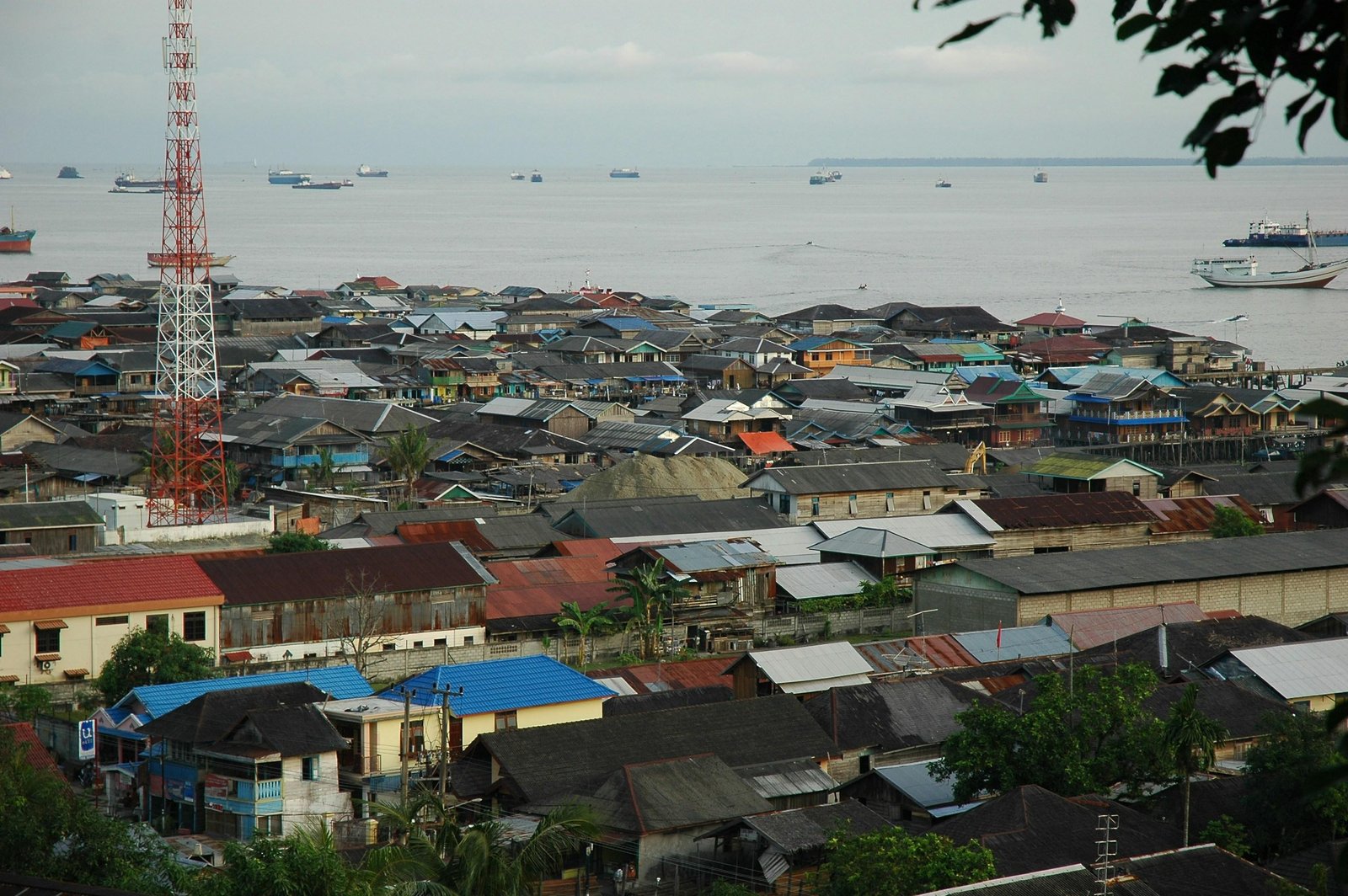
Understanding Saltwater Intrusion in Coastal Aquifer Systems
Saltwater Intrusion in Coastal Aquifer Systems: Technical Framework for Detection, Monitoring, Prevention Strategies, and Sustainable Groundwater Management
Reading time: 65 minutes
Key Highlights
• Saltwater Intrusion as Critical Coastal Groundwater Threat: Saltwater intrusion (SWI) represents one of the most widespread threats to coastal freshwater aquifer systems globally, occurring when saline seawater migrates inland into freshwater-bearing geological formations through natural hydrogeological processes or human-induced disturbances, particularly excessive groundwater extraction. This phenomenon affects substantial coastal populations worldwide dependent on groundwater resources, with contamination rendering freshwater supplies unsuitable for drinking, irrigation, and industrial applications once salinity exceeds regulatory thresholds (commonly 250 mg/L Cl⁻ for taste, up to 600 mg/L for health-based guidelines per WHO standards). The problem intensifies with climate-driven sea level rise, coastal urbanization increasing extraction demands, and agricultural intensification requiring groundwater irrigation.
• Hydrogeological Mechanisms and Governing Principles: Saltwater intrusion fundamentally derives from density differences between freshwater (ρ ≈ 1.000 g/cm³) and seawater (ρ ≈ 1.025 g/cm³), creating natural equilibrium interface governed by the Ghyben-Herzberg principle stating that for every meter of freshwater head above sea level, approximately 40 meters of freshwater exists below sea level in ideal conditions before encountering the saltwater interface in unconfined coastal aquifers. This delicate balance proves highly sensitive to perturbations where groundwater extraction lowering water table can allow substantial landward interface advance. Natural recharge variations, tidal fluctuations, and aquifer heterogeneity (permeability variations often spanning 2-3 orders of magnitude) complicate prediction and management, requiring detailed hydrogeological investigation and numerical modeling.
• Detection and Monitoring Methodologies: Effective saltwater intrusion management requires comprehensive detection and monitoring programs integrating multiple complementary techniques. Geophysical methods, particularly electrical resistivity tomography (ERT) and electromagnetic (EM) surveys, enable non-invasive subsurface imaging delineating freshwater-saltwater interfaces through conductivity contrasts (freshwater typically 50-500 μS/cm versus seawater 50,000-55,000 μS/cm). Hydrochemical monitoring through observation well networks measuring chloride concentrations, major ion chemistry, and stable isotopes (δ¹⁸O, δ²H) provides direct evidence of mixing processes, intrusion severity, and source water identification. Continuous monitoring systems deploying automated conductivity sensors with telemetry enable real-time intrusion tracking.
• Prevention and Mitigation Strategies: Saltwater intrusion control requires multi-faceted approach combining source control (extraction reduction), physical barriers, hydraulic interventions, and alternative water supply development. Groundwater extraction management through pumping reduction, well field relocation inland, or conversion to artificial recharge operations addresses primary intrusion drivers. Physical barrier systems including subsurface barriers (slurry walls, sheet piling), surface water injection barriers creating freshwater mounds repelling saltwater, and abstraction barriers demonstrate technical feasibility in specific geological settings, though capital requirements can be substantial and limit applicability.
Executive Summary
Saltwater intrusion into coastal freshwater aquifers represents one of the most critical and growing challenges facing global water security, particularly in densely populated coastal regions where groundwater serves as primary or supplementary water source. The phenomenon occurs when saline seawater displaces or mixes with freshwater in subsurface geological formations, degrading water quality and rendering affected aquifers unsuitable for most beneficial uses. Unlike many water quality problems amenable to treatment solutions, saltwater intrusion fundamentally diminishes aquifer storage capacity for freshwater, with remediation potentially requiring decades to centuries for natural flushing even after intrusion causes are eliminated, making prevention vastly more cost-effective than post-contamination restoration.
The global scope and severity of saltwater intrusion continues expanding through convergence of multiple anthropogenic and natural drivers. Coastal population concentration creates water demand in vulnerable zones, with published estimates indicating substantial majorities of global population residing within coastal proximity. Groundwater extraction rates in many coastal regions exceed sustainable yield, systematically lowering water tables and inducing landward hydraulic gradients. Climate change accelerates intrusion through multiple pathways including sea level rise (published climate assessments project increases ranging from several decimeters to over one meter by 2100 depending on emissions scenarios), changing precipitation patterns potentially reducing recharge in tropical and subtropical coastal zones, and increasing extreme weather frequency. Agricultural intensification in coastal plains, particularly in developing regions, drives groundwater demand growth, while land subsidence from excessive extraction exacerbates intrusion vulnerability.
This comprehensive technical guide examines saltwater intrusion across integrated domains providing scientific foundation and practical implementation guidance for coastal groundwater management: fundamental hydrogeology and physical processes; conceptual models and analytical solutions; detection and monitoring techniques; numerical modeling approaches; vulnerability assessment frameworks; prevention and mitigation strategies; and global management experiences demonstrating successful interventions and implementation challenges.
Fundamental Hydrogeology: Physical Processes and Governing Principles
Saltwater intrusion fundamentally represents displacement of freshwater by denser saline water within coastal aquifer systems, driven by density differences, hydraulic gradients, and hydrodynamic dispersion processes creating transition zones rather than sharp interfaces between water masses of contrasting salinity. Understanding physical mechanisms requires foundation in coastal aquifer hydrogeology where terrestrial freshwater recharge flowing seaward encounters oceanic saltwater, establishing dynamic equilibrium determined by relative densities, hydraulic heads, and aquifer hydraulic properties. In natural undisturbed conditions, freshwater typically overlies saltwater forming wedge-shaped geometry extending inland and downward from coastline, with interface position controlled by balance between seaward freshwater discharge pressure and landward saltwater pressure derived from density difference (seawater approximately 2.5% denser than freshwater due to dissolved salt content averaging 35,000 mg/L).
The classical Ghyben-Herzberg relationship provides first-order approximation of interface depth in unconfined coastal aquifers, derived from hydrostatic equilibrium assuming sharp interface between immiscible fluids. This relationship states that depth of interface below sea level (z) relates to freshwater head above sea level (h) through density ratio:
z = [ρf / (ρs - ρf)] × h
where ρf = freshwater density (~1.000 g/cm³) and ρs = saltwater density (~1.025 g/cm³)
Simplifying with typical density values yields approximate 40:1 ratio
This principle indicates that for every meter of freshwater head above sea level, approximately 40 meters of freshwater column exists below sea level before encountering saltwater interface. While useful for conceptual understanding and rough estimation, this assumes several conditions rarely met in natural systems: sharp interface with no mixing zone, static conditions with no flow, homogeneous isotropic aquifer, and hydrostatic pressure distribution. Real coastal aquifers exhibit transition zones ranging from a few meters to tens of meters thick where freshwater and saltwater mix through mechanical dispersion and molecular diffusion, with interface position dynamically responding to recharge variations, tidal fluctuations, seasonal extraction changes, and long-term climate trends.
Table 1: Physical Processes Governing Saltwater Intrusion
| Physical Process | Mathematical Expression / Principle | Practical Implications for Intrusion |
|---|---|---|
| Ghyben-Herzberg Equilibrium | z = [ρf/(ρs-ρf)] × h Simplified: z ≈ 40h where z = depth below MSL, h = head above MSL |
Demonstrates amplification effect: 1 meter water table decline potentially allows ~40 meter interface rise, making coastal aquifers extremely sensitive to extraction; small water table changes create disproportionate intrusion response |
| Darcy's Law (Groundwater Flow) | q = -K × (dh/dx) where q = specific discharge, K = hydraulic conductivity, dh/dx = hydraulic gradient |
Flow direction determined by hydraulic gradient; natural seaward gradient resists intrusion, pumping creates landward gradient inducing intrusion; gradient reversal accelerates saltwater advance |
| Hydrodynamic Dispersion | D = αL × v + Dm where D = dispersion coefficient, αL = dispersivity (typically 1-100m at field scale), v = velocity, Dm = molecular diffusion |
Creates transition zone rather than sharp interface; zone thickness increases with flow velocity and aquifer heterogeneity; high-extraction scenarios expand mixing zone affecting larger volumes than Ghyben-Herzberg predicts |
| Density-Dependent Flow | ρs/ρf ≈ 1.025 Density difference drives buoyancy effects; requires coupled flow-transport equations |
Lighter freshwater overrides denser saltwater creating stratification; density effects critical near interface requiring specialized numerical models (SEAWAT, SUTRA) accounting for variable-density flow |
| Tidal Influence | Tidal efficiency: TE = (Δhwell/Δhtide) × 100% Typically ranges from low percentage in deep confined to higher in unconfined near coast |
Tidal fluctuations propagate inland creating oscillating interface; daily cycles can temporarily advance saltwater; cumulative effect over spring tides may cause progressive intrusion if extraction coincides with high tide periods |
Detection and Monitoring Techniques: Integrated Approach
Effective saltwater intrusion management depends on comprehensive detection and monitoring programs providing spatial coverage and temporal trends essential for intervention planning. Modern monitoring approaches integrate complementary techniques exploiting different physical principles and operating at various spatial scales. The multi-method integration strategy proves essential because no single technique adequately addresses all monitoring requirements: geophysical methods offer extensive spatial coverage but require calibration against direct measurements; hydrochemical monitoring provides definitive data but only at discrete locations; and continuous sensors enable real-time tracking but remain costly for network-wide deployment.
Monitoring Method Classification and Technical Specifications
Geophysical Methods: Non-Invasive Subsurface Characterization
Electrical Resistivity Tomography (ERT)
- Physical principle: Freshwater exhibits high electrical resistivity (typically 10-300 Ωm) while saltwater shows low resistivity (commonly 0.5-5 Ωm) due to dissolved ion content, enabling detection through resistivity contrasts measured from surface electrodes
- Technical specifications: Electrode arrays commonly 24-96 electrodes at 5-50m spacing measuring apparent resistivity at multiple depths; creates 2D cross-sections along survey lines; vertical resolution typically 20-30% of electrode spacing
- Conductivity relationships: Freshwater EC: 50-500 μS/cm (resistivity 20-200 Ωm); Brackish water: 500-5,000 μS/cm (2-20 Ωm); Seawater: 50,000-55,000 μS/cm (0.2-2 Ωm)
- Applications: Regional screening identifying broad intrusion extent; temporal monitoring tracking interface migration through repeat surveys; targeting drilling locations for observation wells
- Advantages: Non-invasive, relatively rapid areal coverage, continuous spatial information
- Limitations: Indirect method requiring calibration; interpretation ambiguity where geological variations affect resistivity; surface infrastructure creates interference in urban areas
Electromagnetic (EM) Methods
- Physical principle: Electromagnetic induction where transmitter coil generates primary magnetic field inducing eddy currents in conductive subsurface materials; field strength proportional to ground conductivity (inverse of resistivity)
- System types: Ground-based (FDEM: frequency-domain; TDEM: time-domain); Airborne (helicopter-borne or fixed-wing systems for large-area coverage)
- Depth of investigation: Ground EM: typically 6-60m depending on coil separation and frequency; Airborne EM: 50-300m depending on system power and altitude
- Applications: Large-area regional mapping; inaccessible terrain requiring airborne surveys; rapid screening before detailed ground investigations
- Advantages: Extremely rapid data acquisition; no ground contact required in some configurations; excellent for reconnaissance
- Limitations: Similar interpretation ambiguities as resistivity; cultural interference from infrastructure; lower spatial resolution than ERT in some applications
Hydrochemical Methods: Direct Water Quality Measurement
Observation Well Networks and Chemical Analysis
- Key parameters: Chloride concentration (conservative tracer: freshwater <50 mg/L, seawater ~19,000 mg/L); Electrical conductivity (in-situ measurement); Major ions (Na⁺, Ca²⁺, Mg²⁺, SO₄²⁻, HCO₃⁻) for source identification
- Salinity classification: Fresh: <1,000 mg/L TDS; Slightly saline: 1,000-3,000 mg/L; Moderately saline: 3,000-10,000 mg/L; Highly saline: 10,000-35,000 mg/L; Brine: >35,000 mg/L
- Sampling protocols: Multi-level sampling measuring salinity at vertical intervals (commonly 5-15m); periodic sampling (quarterly to annual) for trend analysis; well purging (typically 3-5 well volumes) ensuring representative samples
- Environmental tracers: Stable isotopes (δ¹⁸O, δ²H) distinguishing seawater from evaporated surface water; Tritium (³H) and Carbon-14 (¹⁴C) for age dating; Ion ratios (Na/Cl, Ca/Cl, Mg/Cl) identifying mixing processes
- Applications: Definitive interface characterization; geophysical survey calibration and validation; long-term trend monitoring; regulatory compliance
Continuous Monitoring Systems
- Instrumentation: Multi-parameter sondes measuring EC/salinity, temperature, pressure/water level continuously; logging intervals typically 15-60 minutes; telemetry systems (cellular, satellite, radio) for data transmission
- Strategic deployment: Priority locations include wells near active pumping centers (detecting upconing), interface boundary zones (capturing advance/retreat), coastal sentinel wells (tidal and storm surge monitoring)
- Data management: Automated quality control; real-time alerts for threshold exceedance; web-based dashboards for stakeholder access
- Applications: Real-time early warning systems; capturing high-frequency variations (tidal cycles, storm responses); active management support where real-time data informs operational decisions
Table 2: Comparative Assessment of Monitoring Methods
| Method | Spatial Coverage & Resolution | Temporal Resolution | Primary Advantages and Limitations |
|---|---|---|---|
| ERT/VES | High (several km/day possible); 2D profiles to depths of ~100m; lateral resolution 10-50m typical | Low (annual to multi-annual repeat surveys typical due to cost/logistics) | + Rapid broad coverage, non-invasive, excellent for trend monitoring - Indirect requiring calibration, interpretation ambiguity, urban interference |
| Ground EM | Very high (tens of km/day); continuous profiles; depth 6-60m depending on system | Low (periodic repeat surveys) | + Extremely rapid, no ground contact needed, excellent reconnaissance - Limited depth range, cultural interference, lower resolution than ERT |
| Airborne EM | Extremely high (hundreds to thousands of line-km per day); regional scale coverage; depth 50-300m | Very low (high cost limits repeat frequency) | + Massive area coverage, inaccessible terrain capability, consistent quality - High cost, requires specialized contractors, limited repeat frequency |
| Observation Wells (Periodic) | Low (point measurements); well network density varies by project | Moderate (quarterly to annual sampling typical) | + Definitive direct measurement, full hydrochemistry capability, regulatory compliance - Point-scale only, installation costs, misses events between samples |
| Continuous Sensors | Very low (point measurements at instrumented wells) | Very high (15-60 min logging, real-time telemetry) | + Real-time early warning, captures tidal/storm dynamics, remote access - Higher cost per site limiting network density, maintenance intensive, point-scale |
| Environmental Isotopes | Low (targeted sampling at key locations) | Very low (one-time or infrequent campaigns) | + Definitively identifies sources/processes, quantifies mixing, research-grade data - Higher analysis cost, requires specialized laboratories, not for routine monitoring |
Note: Optimal monitoring programs combine multiple methods leveraging strengths of each. Typical effective strategy integrates: (1) initial regional geophysical survey, (2) targeted observation well installation, (3) periodic geophysical repeat surveys, (4) continuous monitoring at strategic sentinel locations, (5) periodic detailed hydrochemical/isotopic characterization.
Numerical Modeling: Simulating Complex Intrusion Dynamics
Numerical modeling represents essential tool for understanding and predicting saltwater intrusion in real-world coastal aquifer systems exhibiting complexity beyond analytical solution capabilities. Modern modeling software packages including SEAWAT (USGS), SUTRA (USGS), FEFLOW (DHI-WASY), and HydroGeoSphere provide robust computational frameworks solving governing equations through finite difference or finite element methods, generating detailed predictions of hydraulic heads, salinity distributions, and interface positions under current and future scenarios.
Modeling Protocol: Key Components and Technical Specifications
Phase 1: Conceptual Model Development
- Hydrogeological framework: 3D aquifer geometry, confining layer distribution, structural features (faults, paleochannels), geological cross-sections
- Hydraulic properties: Hydraulic conductivity (K) from pumping tests (typical ranges: gravel 100-1000 m/day, sand 1-100 m/day, silt 0.01-1 m/day, clay <0.01 m/day); anisotropy ratios (Kh/Kv commonly 5-100 in layered systems); storage coefficients (specific yield typically 0.1-0.3 for unconfined, specific storage 10⁻⁵ to 10⁻³ m⁻¹ for confined)
- Recharge and discharge: Precipitation-based recharge estimates; evapotranspiration calculations; surface water-groundwater interaction; submarine groundwater discharge quantification
- Extraction patterns: Well locations, depths, screen intervals; pumping rates and schedules; projected future demands
- Boundary conditions: Ocean boundary (time-variant tidal head, constant salinity ~35,000 mg/L); inland boundaries (no-flow at groundwater divides, specified flux from adjacent basins); initial conditions
Phase 2: Grid Design and Parameter Assignment
Grid Discretization Guidelines
- Horizontal: Variable spacing with refinement near coastline and pumping centers (typical: 500-1000m far-field, 100-250m intermediate, 25-50m near-coast/wells); grid alignment with geological boundaries improves representation
- Vertical: Multiple layers (commonly 10-30) capturing vertical stratification; layer thickness refined near interface zone (1-5m) and coarser away (10-30m)
- Temporal: Stress periods matching extraction/recharge changes; time steps: days to weeks initially for stability, months in later periods once stabilized; simulation periods typically decades to century for long-term scenarios
Parameter Assignment
- Hydraulic conductivity: Initial values from field tests and literature analogues; spatial variability through zonation or geostatistical methods; calibration within plausible ranges
- Dispersivity: Longitudinal dispersivity (αL) typically 1-100m for field-scale models (rule of thumb: αL ≈ 0.1 × characteristic domain length); transverse dispersivity an order of magnitude smaller; calibrated against observed salinity profiles
- Effective porosity: Typical values 0.15-0.35 for consolidated sediments, 0.25-0.45 for unconsolidated sands; controls advective transport velocities
Phase 3: Calibration and Validation
- Calibration targets: Water level measurements (spatial distribution, temporal trends); salinity data (vertical profiles, spatial distribution); interface position from geophysics
- Goodness-of-fit metrics: Root mean square error (RMSE); mean error (bias); Nash-Sutcliffe efficiency; visual comparison of contour maps and time-series
- Calibration approach: Manual iterative adjustment and/or automated parameter estimation (PEST, UCODE); sensitivity analysis identifying most influential parameters
- Validation: Testing predictions against independent dataset not used in calibration; successful validation builds confidence in predictive capability
Phase 4: Predictive Scenario Analysis
- Baseline: Future evolution under continuation of current stresses
- Management scenarios: Extraction reductions (various percentages), well field relocations (distances inland), barrier systems (injection/abstraction configurations), artificial recharge (rates and locations)
- Climate scenarios: Sea level rise increments (published climate assessments suggest ranges from several decimeters to over 1 meter by 2100); precipitation changes (±10-30% in many regions based on published projections); combined scenarios
- Uncertainty analysis: Parameter uncertainty propagation; multiple model structures; ensemble predictions providing confidence bounds
Prevention and Mitigation Strategies: Integrated Management Framework
Saltwater intrusion prevention and mitigation requires comprehensive management framework integrating demand-side interventions (extraction reduction, efficiency improvements, alternative supply development) with supply-side measures (artificial recharge, hydraulic barriers, well field optimization) and governance mechanisms (regulatory controls, stakeholder engagement, adaptive management protocols). Prevention typically proves substantially more cost-effective than remediation, with prevention-to-remediation cost ratios commonly reported in range of 1:5 to 1:20, emphasizing the value of early intervention when monitoring indicates incipient intrusion.
Strategy Toolbox: Technical Specifications and Implementation Guidance
TIER 1: DEMAND MANAGEMENT AND EXTRACTION CONTROL (Highest Priority)
Extraction Reduction Mandates:
Regulatory limits on total groundwater abstraction; progressive reductions allowing adaptation; differential restrictions based on vulnerability zones (stricter near coast, relaxed inland). Published examples demonstrate typical reduction targets ranging from 10-50% depending on intrusion severity. Effectiveness depends on enforcement capacity (metering, monitoring, penalties).
Water Use Efficiency Programs:
Agricultural: drip irrigation replacing flood irrigation (published efficiency improvements commonly 30-50%), crop switching, deficit irrigation. Municipal: leak repair (supply-side savings often 10-30%), low-flow fixtures (demand-side savings commonly 15-40%). Industrial: water recycling, process optimization. Requires upfront investment with payback through reduced pumping costs typically within several years.
Economic Instruments:
Groundwater pricing/taxation reflecting scarcity; progressive rate structures (increasing block tariffs) penalizing excessive use; tradeable extraction permits creating market-based allocation. Economically efficient inducing voluntary demand reduction, though equity concerns require careful rate design.
Well Field Relocation:
Moving pumping centers inland (commonly several hundred meters to several kilometers) away from vulnerable interface zone; decommission or convert coastal wells to monitoring; develop new well fields in less vulnerable areas with adequate recharge. Requires capital investment and hydrogeological investigation.
TIER 2: SUPPLY AUGMENTATION AND SOURCE DIVERSIFICATION (Complementary)
Surface Water Development:
Develop/expand surface water supplies (reservoirs, river intakes, transfers) replacing groundwater; conjunctive use managing surface and groundwater jointly. Can be capital intensive with environmental considerations; costs vary widely by source distance and treatment requirements.
Rainwater Harvesting:
Rooftop collection for non-potable uses (landscape irrigation, toilet flushing) potentially reducing potable demand; farm ponds storing monsoon runoff; urban stormwater capture. Distributed, low-tech solutions suitable for various contexts with scale limitations (per-household systems typically provide limited volumes relative to total demands).
Wastewater Reclamation and Reuse:
Treat municipal/industrial wastewater for reuse applications (irrigation, industrial cooling, indirect potable reuse via aquifer recharge); potentially reduces freshwater extraction significantly in water-stressed areas. Requires investment in treatment infrastructure; public perception challenges for potable reuse addressed through education and demonstration.
Desalination:
Seawater or brackish groundwater desalination via reverse osmosis or thermal processes; produces reliable drought-proof freshwater but with higher costs and energy intensity (commonly several kWh/m³ for seawater RO). Viable for high-value municipal/industrial uses; increasingly competitive as renewable energy reduces power costs.
TIER 3: ENGINEERED BARRIERS AND HYDRAULIC INTERVENTIONS (Site-Specific Solutions)
Artificial Recharge (Spreading Methods):
Surface infiltration basins, percolation ponds, modified streambeds enhancing natural recharge. Raises water table strengthening seaward gradient; requires source water and suitable land availability. Infiltration rates typically range 0.1-3.0 m/day depending on soil type; clogging management (scraping, resting cycles) maintains capacity.
Injection Well Barriers:
Line of injection wells parallel to coast (typical spacing hundreds of meters) injecting freshwater creating positive pressure ridge repelling saltwater. Highly effective in confined/semi-confined aquifers; requires reliable source water and well maintenance. Well clogging from suspended solids requires pre-treatment and periodic rehabilitation.
Abstraction (Scavenger) Wells:
Pumping wells screened in saltwater zone near coast extracting brackish/saline water before reaching freshwater production wells inland; creates hydraulic sink intercepting intrusion. Effective in unconfined aquifers; requires disposal solution for extracted saline water (ocean outfall, evaporation, desalination).
Subsurface Physical Barriers:
Slurry walls (soil-bentonite, cement-bentonite) or sheet piling installed perpendicular to flow blocking saltwater advance; depths commonly several tens of meters, lengths ranging from hundreds of meters to several kilometers; hydraulic conductivity <10⁻⁷ m/s creating near-impermeable cutoff. Permanent solution once installed but with substantial costs limiting application to highest-value sites.
Extraction Well Optimization:
Modify well design and operation minimizing upconing: shallower screens (upper portion of aquifer), reduced pumping rates (below critical rate inducing upconing), pulsed pumping (on/off cycles allowing interface relaxation), multiple shallow wells replacing single deep high-capacity wells. Lower-cost intervention delaying contamination and extending operational life.
Vulnerability Assessment: Systematic Risk Evaluation
Vulnerability assessment provides systematic framework for evaluating spatial variation in saltwater intrusion susceptibility across coastal regions, enabling prioritization of limited management resources. Assessment methodologies range from qualitative approaches for data-limited contexts to quantitative methods integrating extensive datasets through GIS-based multi-criteria analysis. Vulnerability derives from multiple interacting factors: intrinsic aquifer characteristics (hydrogeology, geometry), anthropogenic stresses (extraction intensity, land use), natural forcing (sea level, recharge variability), and protective capacity (institutional frameworks, technical resources).
Table 3: GALDIT Vulnerability Index Framework
Note: GALDIT (Groundwater occurrence, Aquifer hydraulic conductivity, height of groundwater Level above sea level, Distance from shore, Impact of existing status, Thickness of aquifer) represents empirically-derived vulnerability index specifically designed for saltwater intrusion assessment, with parameters selected based on physical processes controlling interface dynamics.
| Parameter (Weight) | Indicator Description | Rating Guidelines (Scale 1-10) | Data Sources |
|---|---|---|---|
| G: Groundwater Occurrence (Weight: 1) | Aquifer type and confinement status; confined aquifers offer greater protection than unconfined | 10: Unconfined aquifer 7.5: Unconfined with local semi-confining 5: Leaky confined/semi-confined 2.5: Confined aquifer |
Geological maps, borehole logs, hydrogeological reports |
| A: Aquifer Hydraulic Conductivity (Weight: 3) | Controls intrusion velocity; weighted heavily (3×) due to dominant influence on dynamics | 10: K >40 m/day 7.5: K = 10-40 m/day 5: K = 5-10 m/day 2.5: K = 1-5 m/day 1: K <1 m/day |
Pumping tests, grain size analysis, literature values |
| L: Height of Groundwater Level Above MSL (Weight: 4) | Water table elevation; lower heads provide less freshwater pressure; highest weight (4×) | 10: <1.0 m 7.5: 1.0-1.5 m 5: 1.5-2.0 m 2.5: 2.0-3.0 m 1: >3.0 m |
Water level monitoring, piezometer surveys |
| D: Distance From Shore (Weight: 4) | Proximity to saltwater source; weighted highly (4×) due to strong distance-vulnerability relationship | 10: <500 m 7.5: 500-750 m 5: 750-1000 m 2.5: 1000-1500 m 1: >1500 m |
GIS coastline data, spatial analysis |
| I: Impact of Existing Status (Weight: 1) | Current salinity status reflecting cumulative impacts; measured through Cl⁻ concentrations | 10: Cl >1000 mg/L 7.5: Cl = 500-1000 mg/L 5: Cl = 250-500 mg/L 2.5: Cl = 100-250 mg/L 1: Cl <100 mg/L |
Water quality sampling, monitoring network |
| T: Thickness of Aquifer (Weight: 2) | Saturated thickness controlling freshwater storage; thin aquifers more vulnerable | 10: <5 m 7.5: 5-10 m 5: 10-25 m 2.5: 25-50 m 1: >50 m |
Borehole logs, geophysical surveys, geological cross-sections |
| Vulnerability Index Calculation: GALDIT Index = (1×G + 3×A + 4×L + 4×D + 1×I + 2×T) / 15 Score interpretation: <5.0 = Low vulnerability; 5.0-6.9 = Moderate vulnerability; 7.0-8.4 = High vulnerability; ≥8.5 = Very High vulnerability |
|||
Climate Change Impacts: Sea Level Rise and Precipitation Variability
Climate change represents critical threat multiplier for saltwater intrusion, operating through multiple pathways: sea level rise (SLR) directly advancing saltwater-freshwater interface landward independent of extraction changes (published climate assessments project global mean SLR ranging from several decimeters to over one meter by 2100 depending on emissions scenarios and ice sheet dynamics); precipitation pattern changes potentially reducing recharge in many tropical and subtropical coastal regions (published regional climate projections suggest changes ranging from modest increases to substantial decreases depending on location); increased drought frequency and intensity creating periodic stress episodes allowing rapid interface advance; storm surge intensification temporarily inundating coastal aquifers with saltwater; and temperature increases elevating evapotranspiration potentially reducing effective recharge.
Assessing climate impacts on specific coastal aquifer systems requires integrated analysis combining global climate model (GCM) projections downscaled to regional level, hydrogeological characterization, and numerical modeling simulating coupled effects. Typical workflow: select ensemble of GCM projections spanning range of climate sensitivities; extract precipitation, temperature, sea level projections applying bias correction and statistical downscaling; estimate recharge changes using water balance modeling; incorporate SLR as boundary condition in groundwater models; simulate coupled impacts through multi-decade transient simulations; and evaluate adaptation requirements.
Climate Adaptation Strategies
Proactive Extraction Management:
Precautionary extraction reductions creating buffer against climate impacts; dynamic allocation adjusting permits based on recharge monitoring; seasonal restrictions prohibiting extraction during dry periods; expanded well setback distances. Provides no-regrets strategy beneficial across multiple climate scenarios.
Enhanced Monitoring and Early Warning:
Real-time salinity monitoring at sentinel locations; integration with climate monitoring (sea level gauges, precipitation stations); predictive models forecasting intrusion acceleration during dry periods triggering preemptive extraction curtailment; expanded network density in high-risk zones.
Accelerated Alternative Supply Development:
Fast-track surface water projects; rainwater harvesting expansion (mandatory for new construction); wastewater reuse expansion; desalination as strategic reserve (design/permitting completed but construction triggered only if impacts materialize). Diversified portfolio reduces climate-sensitive groundwater dependence.
Intensified Artificial Recharge:
Expand recharge infrastructure capacity capturing increased precipitation variability (intense wet periods); flood-managed aquifer recharge utilizing monsoon extremes; treated wastewater injection year-round maintaining elevated water tables; infiltration basin networks distributing recharge spatially.
Long-term Spatial Planning:
Development pattern adjustments over extended timeframes; moratorium on new high-risk area development; incentive programs encouraging gradual transition; infrastructure investment redirection toward more resilient inland zones.
Institutional and Policy Adaptation:
Climate considerations mandatory in water resource planning; regulatory frameworks enabling flexible adaptive management (annual permit adjustments); cross-sector coordination (water-agriculture-urban planning) aligning policies; capacity building for climate-informed decision-making.
Global Management Experiences: Lessons from Implementation
Experience from various regions worldwide demonstrates both successful interventions and persistent challenges in saltwater intrusion management. These examples illustrate the importance of context-specific approaches, sustained institutional commitment, and adaptive management while highlighting the gap between technical knowledge and implementation capacity in different socioeconomic contexts.
Illustrative Case: Large-Scale Injection Barrier Implementation
In some developed coastal regions, large-scale injection barrier systems have been successfully implemented to address saltwater intrusion affecting major metropolitan areas. These systems typically involve:
- Multiple lines of injection wells (numbers commonly in the tens) installed several kilometers inland from coast
- Injection of highly treated wastewater or imported surface water creating hydraulic barriers
- Substantial capital investment and ongoing operational commitment
- Comprehensive monitoring networks (hundreds of wells) tracking system performance
- Decades of sustained operation demonstrating long-term viability
Reported outcomes from such systems:
- Interface stabilization or seaward retreat from historical maximum extent (commonly several kilometers)
- Water quality improvement in affected zones (chloride reductions from thousands mg/L to acceptable levels)
- Continued beneficial use of coastal aquifer portions that would otherwise require abandonment
- Operational reliability through multiple drought cycles with proper maintenance
Critical success factors: Long-term institutional commitment, adequate and sustained funding, technical excellence in design and operations, adaptive management based on comprehensive monitoring, stakeholder cooperation. These approaches demonstrate technical feasibility but require resources and capacity typically available in developed contexts serving large populations with substantial economic capacity.
Illustrative Case: Resource-Constrained Coastal Region Challenges
In some developing coastal regions with extensive low-lying areas, saltwater intrusion affects substantial agricultural populations dependent on groundwater. Common implementation challenges include:
- Limited monitoring infrastructure (observation well density orders of magnitude lower than in developed regions)
- Institutional fragmentation (numerous agencies with overlapping mandates)
- Weak enforcement of groundwater regulations
- Resource constraints limiting infrastructure investment
- Intense population pressure and agricultural dependence creating extraction demand
- High climate vulnerability (substantial land area at low elevation, high exposure to sea level rise and storm surge)
Common adaptation approaches:
- Community-scale rainwater harvesting and pond storage (thousands to tens of thousands of household/community systems)
- Agricultural adjustments: salt-tolerant crop varieties, crop diversification, calendar adjustments
- Exploration of deeper aquifer zones where feasible (though with sustainability and affordability concerns)
- Some spontaneous migration from most affected areas
Observed outcomes:
- Interventions provide localized benefits but regional intrusion trends continue
- Infrastructure sustainability challenges after donor-funded project completion (maintenance failures, siltation)
- Equity concerns with poorest households least able to afford adaptation investments
- Recognition that known technical solutions may prove inadequate where implementation capacity and resources severely limited
Key lessons: Importance of interventions appropriate to local capacity and resources; need to address root causes including governance and socioeconomic factors; recognition that technical knowledge alone insufficient without enabling institutional, financial, and political conditions; value of sustained international support for adaptation in highly vulnerable regions with limited domestic resources.
Glossary of Technical Terms
| Term | Definition |
|---|---|
| Aquifer | Subsurface geological formation sufficiently permeable to store and transmit groundwater in usable quantities; classified as unconfined (water table aquifer with direct surface connection) or confined (bounded by impermeable layers) |
| Brackish Water | Water with salinity between freshwater and seawater; typically 1,000-10,000 mg/L total dissolved solids (TDS) |
| Chloride (Cl⁻) | Conservative tracer ion used for salinity monitoring; freshwater <50 mg/L, seawater ~19,000 mg/L; drinking water standards commonly 250 mg/L (taste) to 600 mg/L (health); chemically stable making it reliable intrusion indicator |
| Density-Dependent Flow | Groundwater flow influenced by fluid density variations; seawater ~2.5% denser than freshwater creating buoyancy effects requiring specialized numerical models (SEAWAT, SUTRA) |
| Dispersion (Hydrodynamic) | Mixing process creating transition zone between freshwater and saltwater through mechanical dispersion and molecular diffusion; controlled by dispersivity parameter (α) typically 1-100m at field scale |
| Electrical Conductivity (EC) | Water's ability to conduct electrical current, strongly correlated with dissolved ion content; measured in μS/cm or dS/m; freshwater 50-500 μS/cm, seawater 50,000-55,000 μS/cm |
| Ghyben-Herzberg Principle | Hydrostatic relationship: z = [ρf/(ρs-ρf)] × h, simplifying to approximate 40:1 ratio indicating that for every 1 meter freshwater head above sea level, approximately 40 meters freshwater column exists below sea level before encountering saltwater interface in ideal conditions |
| Hydraulic Conductivity (K) | Measure of aquifer material's ability to transmit water; typical values: gravel 100-1000 m/day, sand 1-100 m/day, silt 0.01-1 m/day, clay <0.01 m/day; controls intrusion velocity and aquifer response |
| Hydraulic Gradient | Change in hydraulic head per unit distance (dh/dx); determines groundwater flow direction and velocity via Darcy's Law: q = -K × dh/dx; natural seaward gradient resists intrusion while landward gradients induce intrusion |
| Interface (Freshwater-Saltwater) | Boundary separating freshwater and saltwater in coastal aquifer; typically a diffuse transition zone (commonly several to tens of meters thick) rather than sharp interface due to dispersion and mixing |
| Managed Aquifer Recharge (MAR) | Intentional recharge of aquifers using techniques including surface spreading (infiltration basins), injection wells, induced bank filtration; purposes include aquifer storage, intrusion barrier creation, water quality improvement |
| Recharge | Water entering aquifer from surface through infiltration; natural recharge from precipitation (minus evapotranspiration and runoff); controls aquifer sustainability and intrusion resistance |
| Salinity | Measure of dissolved salt content; expressed as TDS (mg/L), EC (μS/cm), or Cl⁻ concentration (mg/L); freshwater <1,000 mg/L TDS, brackish 1,000-10,000 mg/L, saline >10,000 mg/L, seawater ~35,000 mg/L |
| Transition Zone | Mixing zone between freshwater and saltwater where salinity gradually increases; thickness commonly ranges from few meters to tens of meters depending on dispersivity, flow velocity, and aquifer heterogeneity |
| Upconing | Localized upward movement of saltwater interface beneath pumping well creating cone-shaped intrusion; occurs when extraction rate exceeds critical rate; can cause sudden well salinity increase |
Concluding Perspectives: Toward Sustainable Coastal Groundwater Management
Saltwater intrusion represents a paradigmatic challenge for sustainable water resources management in coastal regions, intersecting hydrogeological complexity, climate change uncertainty, socioeconomic pressures, and governance limitations. The fundamental physics governing intrusion are well-understood through decades of research establishing robust theoretical foundations, monitoring and modeling technologies exist enabling accurate characterization and prediction, and management interventions have been successfully demonstrated in various contexts globally from developed nation engineered barrier systems to community-scale adaptations in resource-constrained settings.
Several critical insights emerge from global experience: Prevention typically proves vastly preferable to remediation both economically (commonly reported cost ratios ranging 1:5 to 1:20) and practically (remediation requiring decades to centuries for aquifer recovery); effective management generally requires portfolio approaches combining multiple strategies rather than single-solution interventions; technical interventions benefit from supportive institutional frameworks providing regulatory authority, stakeholder engagement, sustained financing, and long-term commitment; and climate considerations transform intrusion from relatively predictable engineering problem to uncertain evolving threat requiring adaptive strategies performing adequately across range of plausible futures.
Looking forward, priorities include investment in monitoring infrastructure providing data foundation for informed decision-making, capacity development for technical institutions building in-house expertise, mainstreaming of intrusion considerations in broader coastal zone planning integrating water management with land use and climate adaptation, innovative financing mechanisms mobilizing investment in proactive protection, and knowledge sharing enabling experience transfer between regions. Ultimately, saltwater intrusion management represents a microcosm of broader sustainability challenges requiring integration of technical knowledge, economic resources, political will, and social acceptance operating across multiple scales from local community adaptation to international cooperation, testing humanity's capacity for long-term thinking and collective action addressing slowly-developing threats potentially far more consequential for future generations.

Professional Saltwater Intrusion Assessment and Management Services
SUPRA International provides comprehensive saltwater intrusion management services for coastal municipalities, water utilities, industrial facilities, and development projects including detailed hydrogeological investigations characterizing aquifer vulnerability and intrusion extent through geophysical surveys (ERT, EM) and hydrochemical monitoring, numerical modeling using SEAWAT/FEFLOW predicting interface dynamics under current and future scenarios, monitoring network design and implementation establishing surveillance systems, mitigation strategy development integrating demand management, alternative supply options, and engineered barriers tailored to site-specific conditions, and capacity building programs training local technical staff. Our multidisciplinary team combines international expertise with regional experience delivering practical implementable solutions achieving measurable intrusion control.
Planning coastal groundwater development or addressing saltwater contamination concerns?
Contact our hydrogeology specialists to discuss intrusion assessment, monitoring program design, numerical modeling, or integrated management strategies protecting your coastal aquifer resources
Share:
If you face challenges in water, waste, or energy, whether it is system reliability, regulatory compliance, efficiency, or cost control, SUPRA is here to support you. When you connect with us, our experts will have a detailed discussion to understand your specific needs and determine which phase of the full-lifecycle delivery model fits your project best.