
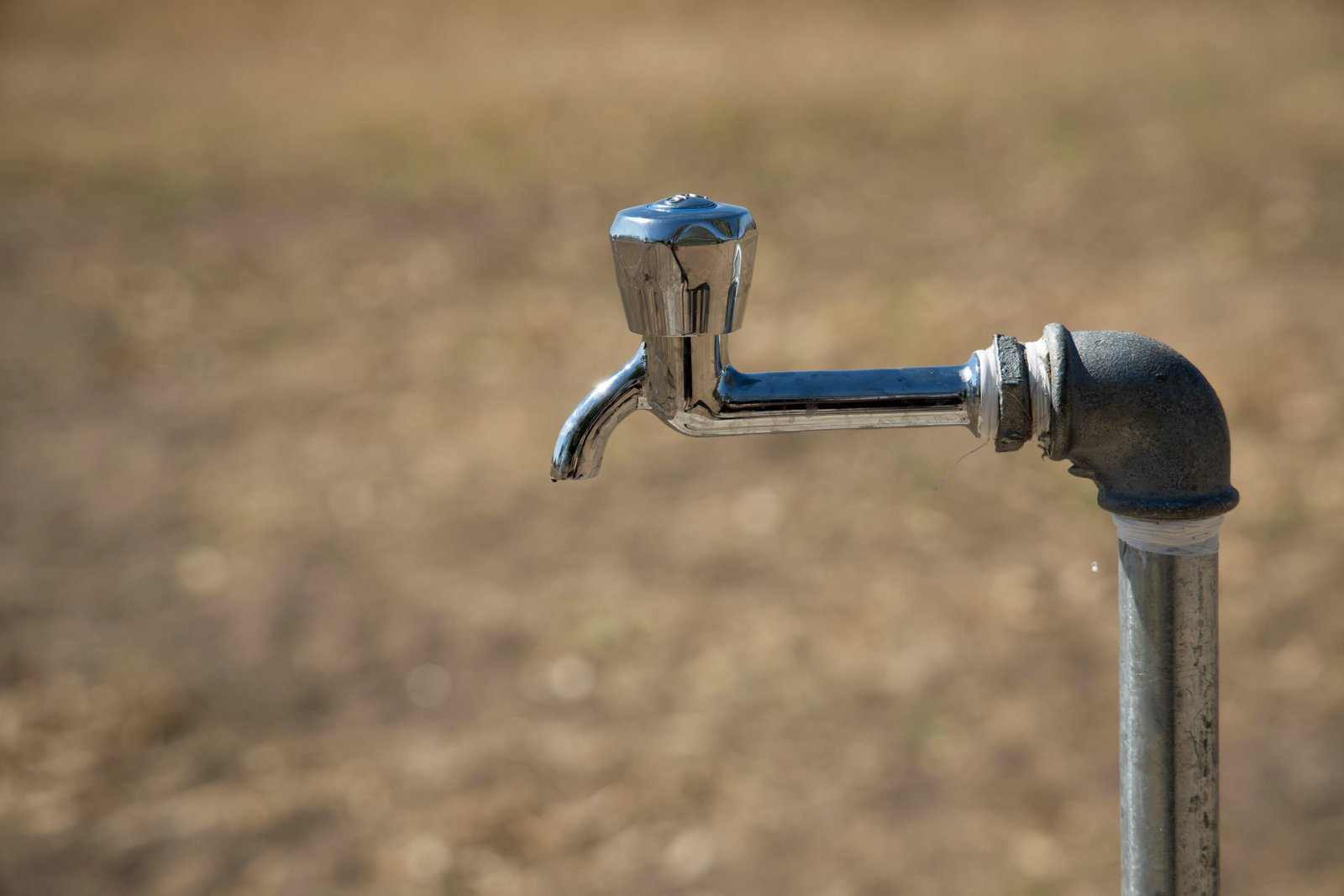
Water as a Service: Developing Water Infrastructure Through Performance-Based Delivery Models, Risk Allocation Frameworks, and Circular Economy Principles
Water as a Service: Developing Water Infrastructure Through Performance-Based Delivery Models, Risk Allocation Frameworks, and Circular Economy Principles
Reading Time: 65 minutes
Key Highlights
• Paradigm Shift in Service Delivery: Water as a Service (WaaS) model transfers infrastructure ownership, operational risk, and performance obligations to specialized providers who deliver guaranteed water quality, quantity, and reliability through long-term contracts spanning 10-30 years, enabling utilities and industrial customers to focus on core business while accessing professional water management without capital-intensive asset ownership
• Proven Performance Outcomes: Phnom Penh Water Supply Authority (Cambodia) transformed non-revenue water from 72% to below 6% over 15 years while expanding coverage from 20% to 95% of population through operational efficiency improvements, demonstrating WaaS principles of performance accountability, investment discipline, and customer focus generating USD 150+ million economic value through loss reduction alone
• Financing and Risk Allocation: Performance-based WaaS contracts achieve optimal risk allocation where private operators bear technical, operational, and demand risks they can best manage while public sector retains policy, regulatory, and force majeure risks, enabling project finance structures mobilizing USD 100-500 million per major urban water scheme with typical 12-18% investor returns and 25-30 year payback periods
• Technology Integration: Advanced WaaS implementations incorporate smart metering providing 15-minute consumption data, predictive maintenance using machine learning reducing failures by 30-50%, automated water quality monitoring with real-time alerts, and customer portals enabling consumption tracking and digital payments, driving operational efficiency improvements of 20-40% while enhancing service quality and customer satisfaction
Executive Summary
Water as a Service (WaaS) represents fundamental transformation in how water infrastructure and services are conceptualized, financed, delivered, and managed, shifting from traditional public utility ownership models to performance-based arrangements where specialized private or quasi-private entities assume responsibility for designing, building, operating, and maintaining water systems while guaranteeing specified service outcomes to customers who pay for reliable water supply rather than owning underlying assets. This service-oriented approach parallels transformations in other infrastructure sectors including energy, telecommunications, and transportation where performance obligations, long-term contracts, and risk allocation frameworks create aligned incentives driving efficiency, innovation, and service quality improvements compared to traditional public sector delivery constrained by political cycles, budget limitations, and institutional capacity gaps.
Global water sector faces mounting challenges requiring innovative delivery models including infrastructure investment deficits estimated at USD 6.7 trillion globally through 2030 for achieving Sustainable Development Goal 6 ensuring universal access to safely managed water and sanitation, aging assets in developed countries requiring replacement or rehabilitation at costs exceeding USD 1 trillion annually in United States and Europe alone, non-revenue water losses averaging 30-50% in developing countries representing USD 14 billion annual economic waste, climate change impacts increasing supply variability and infrastructure stress, urbanization concentrating demands in cities where population growth outpaces infrastructure expansion, and service quality expectations rising as economic development creates middle class populations demanding 24/7 supply, adequate pressure, and water meeting drinking standards rather than intermittent supply requiring household storage and treatment. Traditional public utility models struggle addressing these challenges given fiscal constraints, political interference, limited technical capacity, and misaligned incentives where operating efficiency improvements generate no direct benefits to managers or workers.
Water as a Service addresses these challenges through several mechanisms: Performance accountability where operators face financial consequences for service failures motivating operational excellence and preventive maintenance; Long-term perspective through 10-30 year contracts encouraging lifecycle optimization rather than deferred maintenance minimizing short-term costs while creating long-term liabilities; Professional management bringing specialized expertise, economies of scale across portfolio of facilities, and access to technology and innovation unavailable to individual utilities; Risk transfer where private operators bear construction cost overruns, technology performance risks, demand variations, and operational efficiency obligations relieving public sector of technical uncertainties; Capital mobilization accessing private finance and development bank lending expanding investment beyond constrained public budgets enabling accelerated infrastructure deployment; Regulatory discipline through independent oversight establishing performance standards, monitoring compliance, and enforcing contract terms protecting public interest while enabling private operations.
This comprehensive guide examines Water as a Service concept, contractual frameworks, financing structures, technology integration, case study evidence from successful implementations worldwide, regulatory best practices, and practical considerations for utilities, governments, and private sector entities evaluating WaaS models for water supply, wastewater treatment, reuse systems, and integrated water management solutions. Analysis draws on authoritative sources including World Bank Water in Circular Economy and Resilience (WICER) case studies documenting transformations in Phnom Penh Cambodia, Chennai India, and Lingyuan China, Global Water Partnership Caribbean research on wastewater management in Jamaica and Eastern Caribbean, UN Water SDG6 acceleration frameworks, Asian Development Bank technical assessments, and industry reports from water service providers demonstrating practical implementation across diverse geographic, institutional, and economic contexts. Coverage addresses B2B applications serving industrial customers, B2G models supporting public utilities, and hybrid approaches combining public and private sector strengths optimizing outcomes across efficiency, equity, and sustainability dimensions.
Water as a Service Fundamentals: Concept, Value Proposition, and Business Models
Water as a Service represents contractual arrangement where specialized service provider assumes comprehensive responsibility for water infrastructure and service delivery in exchange for performance-based payments from customers receiving guaranteed water quality, quantity, pressure, and reliability without owning or directly operating underlying assets. This model contrasts sharply with traditional approaches where utilities or industrial facilities own infrastructure, employ operations staff, procure chemicals and materials, manage regulatory compliance, and bear all technical and financial risks associated with water supply and treatment. WaaS transfers these responsibilities and risks to providers who achieve operational excellence through specialized expertise, technology deployment, economies of scale, and performance incentives aligning provider success with customer satisfaction and service outcomes.
Core WaaS Value Propositions
For Utilities and Public Sector Customers:
• Operational excellence: Access to specialized expertise and best practices from providers managing portfolios of facilities achieving superior performance compared to individual utility capabilities
• Technology deployment: Benefit from provider investments in advanced monitoring, automation, analytics, and optimization technologies without utility bearing implementation risks
• Financial predictability: Convert uncertain capital expenditures and variable operating costs into predictable service payments enabling budget planning and rate-setting
• Risk transfer: Shift construction completion risk, technology performance risk, regulatory compliance risk, and asset condition risk to providers better equipped to manage these technical uncertainties
• Performance accountability: Contractually enforceable service standards with financial penalties for non-compliance ensuring sustained attention to service quality
• Capital conservation: Avoid large upfront infrastructure investments preserving scarce capital for other priorities while maintaining water service quality
For Industrial and Commercial Customers:
• Core business focus: Eliminate distraction of managing non-core water infrastructure allowing concentration on primary business activities
• Guaranteed supply: Contractual assurance of water availability, quality, and pressure essential for manufacturing processes or commercial operations
• Regulatory compliance: Transfer environmental permit management, effluent quality monitoring, and reporting obligations to specialized providers ensuring compliance without internal expertise development
• Scalability: Ability to adjust water service capacity as production scales without capital investment in oversized initial infrastructure
• Cost certainty: Fixed or formula-based pricing providing cost predictability supporting business planning and budgeting
• Technology access: Utilize provider's advanced treatment processes, efficiency technologies, and reuse capabilities unavailable through in-house operations
For Service Providers:
• Revenue stability: Long-term contracts (10-30 years) providing predictable cash flows supporting investment recovery and reasonable returns
• Portfolio diversification: Multiple contracts across different locations, customer types, and technologies reducing concentration risk
• Economies of scale: Centralized procurement, shared technical resources, and standardized practices across facilities reducing per-unit costs
• Innovation incentives: Performance-based compensation rewarding efficiency improvements and service enhancements encouraging continuous innovation
• Market positioning: Demonstrated track record from successful implementations creating competitive advantage for additional contracts
• Value creation: Opportunities to monetize operational improvements, resource recovery, and efficiency gains generating returns beyond base service fees
WaaS business models span spectrum from simple operations and maintenance contracts where provider manages existing infrastructure owned by customer, to comprehensive build-own-operate arrangements where provider finances, constructs, and operates new facilities recovering investment through long-term service payments, to performance contracts guaranteeing specific outcomes like energy efficiency or non-revenue water reduction with provider compensation tied to achieved improvements. Model selection depends on circumstances including customer financial capacity, infrastructure condition, service performance gaps, risk tolerance, and regulatory environment enabling different contract structures.
WaaS Contract Typology and Risk Allocation:
| Contract Type | Asset Ownership | Capital Investment | Operational Risk | Typical Duration |
|---|---|---|---|---|
| O&M Contract | Customer owns | Customer funds | Provider manages daily operations | 2-5 years |
| Performance Contract | Customer owns | Provider funds improvements | Provider guarantees specific outcomes | 5-10 years |
| Design-Build-Operate (DBO) | Customer owns | Customer funds, provider designs/builds | Provider operates, bears performance risk | 10-20 years |
| Build-Own-Operate (BOO) | Provider owns | Provider funds | Provider bears all operational risks | 15-25 years |
| Build-Own-Operate-Transfer (BOOT) | Provider owns, transfers to customer at end | Provider funds | Provider bears construction & operational risk | 20-30 years |
| Concession | Public owns | Private invests & operates | Private bears all risks, collects revenues | 20-30 years |
Key Risk Categories in WaaS Contracts:
• Construction risk: Delays, cost overruns, performance shortfalls - typically allocated to provider in DBO, BOO, BOOT models
• Technology risk: Treatment performance, equipment reliability - provider responsibility when provider selects technology
• Operating cost risk: Energy, chemicals, labor inflation - shared through formula pricing or provider responsibility with fixed pricing
• Volume/demand risk: Customer consumption variations - typically customer risk in industrial WaaS, shared in utility PPPs
• Regulatory risk: Permit conditions, effluent standards, tariff changes - typically customer responsibility as public policy matters
• Force majeure: Natural disasters, wars, pandemics - shared with provider excused from non-performance during defined events
• Asset condition risk: Unexpected equipment failures, hidden defects - allocation depends on whether existing or new assets
Payment Mechanisms Supporting Risk Allocation:
• Availability payments: Fixed payments for making capacity available regardless of usage - typical in utility PPPs
• Volumetric payments: Per-unit charges for water supplied/treated - common in industrial WaaS aligning cost with consumption
• Performance-linked payments: Base payment plus bonuses/penalties tied to service metrics - incentivizing excellence
• Shared savings: Provider receives portion of cost reductions or efficiency gains - motivating continuous improvement
• Take-or-pay guarantees: Minimum payment regardless of actual consumption - protecting provider investment
• Inflation adjustment formulas: Automatic price escalation based on indices - sharing input cost risks
Performance-Based Service Delivery: Metrics, Monitoring, and Continuous Improvement
Effective WaaS implementation requires comprehensive performance measurement systems defining service expectations, monitoring actual outcomes, and creating accountability mechanisms ensuring providers meet contractual obligations while incentivizing continuous improvement beyond minimum standards. Performance frameworks span technical dimensions including water quality, supply reliability, pressure maintenance, and infrastructure condition, operational metrics like non-revenue water, energy efficiency, and chemical optimization, customer service indicators measuring responsiveness, billing accuracy, and satisfaction, and financial performance tracking cost recovery, investment discipline, and tariff stability. Well-designed frameworks balance competing objectives avoiding unintended consequences where narrow optimization of one metric degrades other important outcomes.
Comprehensive Performance Framework for WaaS Contracts
Water Quality Standards:
| Parameter Category | Key Indicators | Measurement Frequency | Compliance Target |
|---|---|---|---|
| Microbiological | E. coli, total coliforms, turbidity | Daily | >99% compliance |
| Physical-Chemical | pH, chlorine residual, dissolved oxygen | Continuous/Daily | 100% compliance |
| Inorganics | Heavy metals, fluoride, nitrates | Monthly | >95% compliance |
| Organics | Pesticides, disinfection by-products | Quarterly | >90% compliance |
Service Reliability Metrics:
• Supply continuity: Hours per day of water availability (target: 24/7 for urban systems)
• Pressure adequacy: Percentage of network maintaining minimum pressure standards (target: >95%)
• Customer minutes lost: Average interruption duration per customer annually (target: <100 minutes/customer/year)
• Emergency response time: Hours to restore service after main breaks or failures (target: <4 hours urban, <8 hours rural)
• Planned outage notification: Advance warning days for scheduled maintenance (target: >48 hours notification)
Operational Efficiency Indicators:
• Non-revenue water (NRW): Percentage of produced water not generating revenue (target: <15% developed, <25% developing)
• Energy efficiency: kWh per m³ of water supplied or treated (benchmarked against peer utilities)
• Chemical optimization: kg of treatment chemicals per m³ processed (optimization trend required)
• Staff productivity: Employees per 1,000 connections (target: <3 in developed systems, <5 in developing)
• Equipment availability: Percentage time critical equipment operational (target: >95% for primary treatment)
• Preventive maintenance completion: Scheduled maintenance activities completed on time (target: >90%)
Customer Service Excellence:
• Complaint response time: Hours to acknowledge and days to resolve customer complaints (target: <24 hr acknowledge, <7 days resolve)
• Billing accuracy: Percentage of bills requiring correction (target: <2% error rate)
• Customer satisfaction: Survey-based satisfaction index (target: >80% satisfied or very satisfied)
• Call center performance: Percentage of calls answered within 30 seconds (target: >80%)
• Meter reading accuracy: Percentage of meters read on schedule without estimation (target: >95%)
Financial Sustainability Metrics:
• Operating cost recovery: Revenue as percentage of operating costs (target: >100% for sustainable operations)
• Collection efficiency: Percentage of billed amounts actually collected (target: >95%)
• Days sales outstanding: Average days between billing and payment (target: <45 days)
• Capital investment level: Annual capital expenditure as percentage of asset value (target: 3-5% for asset maintenance)
• Debt service coverage: Operating cash flow to debt obligations ratio (target: >1.5x for financial health)
Monitoring systems enabling performance measurement range from manual data collection and laboratory analysis suitable for small systems with limited budgets, to automated sensor networks, SCADA systems, and data analytics platforms providing real-time performance visibility for sophisticated implementations. Technology selection balances measurement accuracy, reporting frequency, operational insight value, and cost considerations. Advanced systems generate benefits beyond contract compliance including predictive maintenance identifying equipment degradation before failures occur, optimization algorithms adjusting chemical dosing and pumping schedules minimizing costs while maintaining quality, customer portals providing consumption feedback enabling conservation, and benchmarking comparisons identifying improvement opportunities from peer facility analysis.
Case Study: Phnom Penh Water Supply Authority - Operational Excellence Through Institutional Reform
Phnom Penh Water Supply Authority (PPWSA) represents one of water sector's most remarkable transformation stories, evolving from dysfunctional utility serving 20% of Cambodia's capital with intermittent supply and 72% non-revenue water losses in 1993, to high-performing utility achieving 95% population coverage, 24/7 supply, less than 6% NRW, 100% metering, and 100% collection efficiency by 2010, demonstrating power of professional management, performance discipline, and continuous improvement even within public sector institutional framework. While PPWSA remained publicly owned rather than transferring to private operation, transformation incorporated key WaaS principles including autonomous management insulated from political interference, performance accountability with clear metrics and consequences, operational efficiency emphasis through NRW reduction and energy optimization, customer focus replacing bureaucratic culture, financial sustainability through tariff reforms achieving cost recovery, and technology deployment including comprehensive metering and hydraulic modeling.
PPWSA Transformation Journey: Key Success Factors and Outcomes
Pre-Reform Conditions (1993):
Following Khmer Rouge period (1975-1979) and subsequent civil conflict, Phnom Penh's water system faced catastrophic conditions:
• Service coverage: Only 20% of 800,000 population connected to piped supply
• Supply reliability: Intermittent service, typically 10 hours per day with low pressure
• Non-revenue water: 72% losses from leaks, illegal connections, unmeasured consumption
• Water quality: Unreliable treatment, frequent contamination requiring household boiling
• Metering: 30% of connections metered, many meters non-functional
• Billing/collection: Estimated billing, low collection rates (~70%), corruption in payment system
• Financial performance: Large operating losses, complete dependence on government subsidies
• Staff productivity: 10 employees per 1,000 connections, limited technical training
• Infrastructure condition: Deteriorated pipes, outdated treatment plants, no pressure management
Reform Strategy and Implementation (1993-2010):
New leadership under Ek Sonn Chan implemented comprehensive transformation program:
1. Governance and Autonomy (1993-1996):
• Legislative reforms establishing PPWSA as autonomous public enterprise with independent board
• Management insulation from political interference enabling professional decision-making
• Performance contracts with clear targets and authority to implement necessary changes
• Merit-based hiring and promotion replacing patronage-based system
2. Non-Revenue Water Reduction (1994-2005):
• Systematic pressure management through district metering areas and valve control
• Active leak detection and repair programs identifying and fixing thousands of leaks
• Network rehabilitation replacing deteriorated pipes in highest-loss areas
• Illegal connection elimination through surveys, disconnections, and legal actions
• Results: NRW reduced from 72% to 14% by 2005, continuing to <6% by 2010
3. Customer Service Excellence (1996-2008):
• Universal metering program installing meters on 100% of connections with quarterly reading
• Accurate billing systems eliminating estimation and corruption opportunities
• Collection efficiency improvements through payment enforcement and incentive programs
• Customer complaint handling with response time commitments
• Results: 100% metering by 2008, collection efficiency >99%, customer satisfaction surveys >85%
4. Operational Optimization (2000-2010):
• Energy efficiency through pump optimization and pressure management saving 30% electricity costs
• Treatment process improvements reducing chemical consumption 20% while improving quality
• Preventive maintenance programs reducing equipment failures and emergency repairs
• Results: Operating cost ratio improved from 130% to 70%, staff productivity 3 per 1,000 connections
5. Network Expansion and Service Improvement (2000-2010):
• Population coverage expansion from 20% to 90%+ through systematic network extension
• Supply reliability improvement to continuous 24/7 service with adequate pressure
• Water quality enhancement meeting WHO standards consistently
• Results: 1.3 million people served by 2010 vs 160,000 in 1993
Achieved Performance Outcomes (2010):
| Performance Metric | 1993 Baseline | 2010 Achieved | Improvement Impact |
|---|---|---|---|
| Population coverage | 20% (160,000) | 95% (1,300,000) | 8x increase in people served |
| Non-revenue water | 72% | <6% | USD 150M+ economic value from loss reduction |
| Supply continuity | 10 hrs/day | 24/7 | Reliable service eliminating household storage needs |
| Metering coverage | 30% | 100% | Accurate billing, consumption feedback, leak detection |
| Collection efficiency | 70% | 99%+ | Financial sustainability, no government subsidies required |
| Operating cost recovery | ~50% | 140%+ | Surplus funds capital expansion, no external borrowing needed |
| Staff productivity | 10 per 1,000 conn. | 3 per 1,000 conn. | Operational efficiency through training, systems, accountability |
| Customer connections | 26,881 | 209,423 | 8x growth supporting economic development |
Critical Success Factors - Lessons for WaaS Implementation:
• Leadership commitment: Sustained management focus on performance over 17+ years despite political pressures
• Autonomy from politics: Institutional structure protecting utility from political interference in hiring, pricing, operations
• Customer focus culture: Transformation from bureaucratic mindset to service orientation valuing customer satisfaction
• Performance accountability: Clear metrics, regular monitoring, consequences for underperformance at all levels
• Staff development: Systematic training programs building technical capacity and professional standards
• Technology deployment: Strategic investments in metering, SCADA, GIS, and hydraulic modeling enabling optimization
• Financial discipline: Cost recovery emphasis, tariff adjustments matching costs, elimination of subsidized connections
• Stakeholder support: Building political, donor, and public support through demonstrated results and transparency
• Continuous improvement: Culture of innovation, learning from benchmarks, systematic problem-solving
PPWSA transformation demonstrates that WaaS principles of performance accountability, professional management, and operational excellence can succeed even within public sector framework given proper governance, sustained leadership, and supportive institutional environment. Model provides blueprint for utility reform particularly relevant for developing countries where full privatization faces political obstacles but operational performance improvements remain essential for sustainable service delivery.
Industrial Water as a Service: Captive Water Systems and Process Water Management
Industrial WaaS represents rapidly growing market segment where specialized providers design, finance, build, and operate dedicated water treatment systems serving manufacturing facilities, chemical plants, food processing operations, electronics manufacturing, pharmaceuticals, and other water-intensive industries requiring high-reliability supply meeting specific process specifications. Industrial customers increasingly prefer WaaS models enabling focus on core business activities while accessing professional water management, avoiding capital-intensive infrastructure investments, ensuring regulatory compliance, and benefiting from provider expertise optimizing treatment processes, minimizing operating costs, and implementing innovative technologies including reuse systems reducing fresh water consumption and wastewater discharge volumes.
Industrial WaaS Applications and Economic Models
Common Industrial Water Applications:
• Cooling water systems: Recirculating cooling towers, once-through cooling, closed-loop chilled water requiring treatment for scale, corrosion, and biological control
• Boiler feedwater: High-purity water for steam generation requiring softening, dealkalization, reverse osmosis, or ion exchange depending on pressure/temperature requirements
• Process water: Industry-specific quality requirements from basic potable standards to ultrapure water for semiconductor manufacturing or pharmaceutical production
• Wastewater treatment: Industrial effluent treatment meeting discharge permits or preparing water for reuse in cooling, irrigation, or process applications
• Zero liquid discharge (ZLD): Advanced treatment recovering 95-98% of wastewater as reusable water, concentrating contaminants for disposal minimizing discharge volumes
Industrial WaaS Value Drivers:
• Capital avoidance: Eliminate USD 5-50 million water infrastructure investments preserving capital for core business expansion
• Operational expertise: Access specialized treatment technology knowledge unavailable in-house, particularly for advanced processes
• Risk transfer: Provider assumes technology performance risk, regulatory compliance risk, and operational reliability obligations
• Scalability: Adjust treatment capacity as production scales without oversizing initial infrastructure or subsequent retrofit costs
• Resource efficiency: Provider incentivized to minimize energy, chemical, and water consumption reducing costs and environmental footprint
• Regulatory compliance: Provider manages permits, monitoring, reporting, and regulatory relationships ensuring compliance
• Business focus: Eliminate management distraction from non-core water operations requiring specialized expertise
Typical Industrial WaaS Economics:
Example: 5,000 m³/day Process Water Treatment Facility
Capital Investment (Provider-Funded):
• Treatment plant (RO, softening, filtration): USD 8,000,000
• Storage and distribution: USD 1,500,000
• Monitoring and control systems: USD 800,000
• Site development and installation: USD 1,200,000
• Total capital: USD 11,500,000
Annual Operating Costs (Provider Responsibility):
• Energy (pumping, treatment): USD 600,000
• Chemicals (coagulants, disinfection): USD 400,000
• Membrane/media replacement: USD 250,000
• Labor (operators, technicians): USD 450,000
• Maintenance and supplies: USD 180,000
• Insurance and overhead: USD 220,000
• Total operating costs: USD 2,100,000/year (USD 1.15/m³)
Service Pricing to Industrial Customer:
• Base volumetric charge: USD 1.65/m³ (5,000 m³/day × 350 days = 1,750,000 m³/year)
• Annual revenue: USD 2,887,500
• Provider margin: USD 787,500 (27% of revenue)
• Capital payback period: 15 years
• Provider IRR: 12-14% over 20-year contract
Customer Economic Comparison:
Option A - Self-Owned Infrastructure:
• Capital investment: USD 11,500,000 upfront
• Annual operating costs: USD 2,100,000
• Annual capital carrying cost (8% WACC): USD 920,000
• Total annual cost: USD 3,020,000 (USD 1.73/m³)
Option B - WaaS Contract:
• Capital investment: USD 0
• Annual service payment: USD 2,887,500 (USD 1.65/m³)
• Total annual cost: USD 2,887,500
Customer benefits from WaaS:
• Avoid USD 11.5M upfront capital investment
• Save USD 132,500/year in total costs (5% savings)
• Transfer operational and technology risks to provider
• Benefit from provider optimization reducing costs over time
• Preserve capital for core business investments generating higher returns
Contract Structure Elements:
• Term: 15-20 years enabling provider to recover capital investment plus reasonable return
• Capacity guarantee: Provider commits to deliver specified volume meeting quality specifications
• Take-or-pay provision: Customer pays minimum volume (e.g., 70% of capacity) regardless of actual usage
• Quality specifications: Detailed water quality parameters with financial penalties for non-compliance
• Price adjustment: Annual escalation tied to energy, chemical, labor cost indices
• Performance incentives: Bonus payments for exceeding reliability or quality targets
• Termination provisions: Customer buyout option at pre-determined schedule, provider recourse for customer payment defaults
• Asset ownership: Provider owns during contract, option for customer purchase at end of term at depreciated value
Wastewater Treatment and Reuse as Service: Circular Economy Models
Wastewater treatment and reuse represents emerging WaaS frontier transforming waste streams into valuable resources through advanced treatment producing water meeting quality standards for industrial processes, irrigation, urban landscaping, aquifer recharge, or potable reuse in water-scarce regions. Service providers finance and operate treatment facilities recovering investment through water sales to reuse customers at prices below fresh water alternatives, combined with treatment fees from wastewater generators avoiding discharge costs or regulatory penalties. Circular economy approach creates value from waste while addressing water scarcity, reducing environmental discharges, and enabling sustainable development in water-constrained regions where traditional supply expansion faces physical or economic limitations.
Case Study: Lingyuan City Wastewater Reuse (China) - Municipal to Industrial Reuse
Project Context and Drivers:
Lingyuan City in Liaoning Province, northeastern China, faced severe water stress with annual precipitation only 500mm and growing water demands from industrial development conflicting with agricultural needs and environmental flows. Traditional response of developing new surface water or groundwater sources reached physical and economic limits, while untreated wastewater discharge degraded receiving waters reducing downstream availability. Wastewater reuse emerged as solution addressing multiple challenges: providing reliable industrial water supply, reducing fresh water abstraction pressure, eliminating wastewater discharge improving river quality, and creating sustainable model supporting continued economic development.
Project Structure and Implementation:
World Bank-supported project implemented integrated wastewater collection, treatment, and reuse system:
Phase 1 - Wastewater Treatment Upgrade (2008-2011):
• Capacity: 50,000 m³/day municipal wastewater treatment plant
• Technology: Biological treatment (A²O process) producing secondary effluent
• Investment: USD 12 million (World Bank loan + municipal contribution)
• Performance: Effluent meeting GB 18918-2002 Class 1A discharge standards
Phase 2 - Tertiary Treatment for Reuse (2011-2013):
• Capacity: 30,000 m³/day advanced treatment (60% of WWTP capacity)
• Technology: Coagulation-flocculation, filtration, disinfection producing reuse-quality water
• Investment: USD 8 million
• Performance: Effluent meeting GB/T 18920-2002 Industrial Water Reuse Standards
Phase 3 - Conveyance and Distribution (2012-2014):
• Pipeline network: 25 km dual reticulation delivering reclaimed water to industrial zone
• Storage: 10,000 m³ reservoir providing supply security and pressure regulation
• Investment: USD 7 million
• Customers: Steel mills, power plants, chemical factories using water for cooling and process applications
Economic and Environmental Outcomes:
| Performance Indicator | Annual Quantity | Value/Impact |
|---|---|---|
| Reclaimed water supplied | 9.5 million m³/year | Equivalent to 15% of city's total water supply |
| Fresh water conserved | 9.5 million m³/year | Reduced pressure on surface/groundwater sources by 15% |
| Wastewater discharge eliminated | 9.5 million m³/year | Improved river water quality, increased downstream availability |
| Revenue from water sales | USD 2.8 million/year | Reclaimed water priced at USD 0.30/m³ (70% of fresh water tariff) |
| Operating costs | USD 1.9 million/year | USD 0.20/m³ for tertiary treatment and distribution |
| Net annual revenue | USD 0.9 million/year | Surplus funding secondary WWTP operations, financial sustainability |
| Capital cost recovery period | 28 years | Within typical WWTP infrastructure design life (30-40 years) |
| Industrial customer savings | USD 3.8 million/year | 30% reduction vs. fresh water costs (USD 0.42/m³ vs USD 0.30/m³) |
Key Success Factors and Replicability Considerations:
• Integrated planning: Simultaneous development of wastewater treatment and reuse infrastructure avoiding sequential investment inefficiencies
• Anchor customers: Large industrial water users providing baseload demand supporting project economics
• Pricing strategy: Reclaimed water priced below fresh water but sufficient to cover incremental treatment costs
• Regulatory framework: National standards (GB/T 18920-2002) establishing clear reuse water quality requirements
• Dual benefits recognition: Project valued for both water supply augmentation AND wastewater discharge elimination
• Institutional integration: Single utility managing wastewater treatment and reclaimed water distribution
• Development bank support: Concessional World Bank financing reducing capital costs, enabling lower water pricing
Applicability to WaaS Models:
Lingyuan case demonstrates municipal utility model, but structure readily adaptable to WaaS arrangement where private provider:
• Finances and builds tertiary treatment and distribution infrastructure
• Receives wastewater treatment fee from municipality covering secondary treatment costs
• Sells reclaimed water to industrial customers at market-based pricing
• Assumes technology risk, operational risk, and customer demand risk
• Benefits from efficiency improvements and cost optimization through operational excellence
• Recovers investment over 20-25 year contract period with residual value transfer to municipality
Technology Integration: Smart Water Systems and Digital Transformation
Advanced WaaS implementations increasingly incorporate digital technologies transforming water management through real-time monitoring, predictive analytics, automated control, and customer engagement platforms. Smart water systems integrate Internet of Things sensors throughout treatment plants and distribution networks generating continuous data streams on flow rates, pressures, water quality parameters, equipment performance, and energy consumption. Machine learning algorithms analyze patterns identifying anomalies indicating potential failures before they occur, optimizing treatment processes minimizing chemical and energy consumption while maintaining quality, and predicting demand patterns enabling proactive capacity management. Customer portals provide consumption feedback, leak alerts, and digital payment options while mobile workforce management systems optimize field operations improving productivity and service responsiveness.
Digital Technology Applications in WaaS Operations:
Smart Metering and AMI (Advanced Metering Infrastructure):
• Continuous data collection: 15-minute interval consumption data replacing monthly manual readings
• Leak detection: Abnormal flow patterns identifying customer-side leaks enabling early intervention
• Demand forecasting: Historical consumption analysis predicting future demands supporting capacity planning
• Remote disconnect: Automated service interruption for non-payment eliminating manual truck rolls
• Customer portals: Real-time consumption visibility enabling conservation and budget management
• Implementation costs: USD 150-300 per meter depending on technology and deployment scale
• Operational savings: 20-30% reduction in meter reading costs, 10-15% water loss reduction, improved collections
SCADA (Supervisory Control and Data Acquisition) Systems:
• Real-time monitoring: Continuous tracking of treatment plant performance, pump operations, tank levels, network pressures
• Remote control: Operator adjustment of valves, pumps, chemical dosing from central location
• Alarm management: Automated alerts for parameter excursions, equipment failures, or security breaches
• Historical trending: Performance data visualization identifying patterns and optimization opportunities
• Energy management: Peak demand shaving through optimized pumping schedules reducing electricity costs 15-25%
• System integration: Connection with GIS, work order management, and customer information systems
• Implementation scale: USD 50,000-500,000 depending on facility size and complexity
Predictive Maintenance and Asset Management:
• Vibration analysis: Continuous monitoring of rotating equipment identifying bearing failures weeks before catastrophic breakdowns
• Thermal imaging: Infrared scanning detecting electrical hot spots and insulation failures
• Oil analysis: Chemical testing of lubricants identifying metal wear particles indicating impending failures
• Machine learning models: Historical failure data analysis predicting equipment life and optimal replacement timing
• Maintenance optimization: Condition-based scheduling replacing time-based preventive maintenance reducing costs 20-30%
• Spare parts optimization: Predictive models informing inventory levels balancing carrying costs vs. emergency procurement
• Performance impact: 30-50% reduction in unplanned downtime, 20% increase in asset life through optimized maintenance
Water Quality Monitoring and Control:
• Online analyzers: Continuous measurement of turbidity, pH, chlorine residual, TOC, and other parameters
• Automated sampling: Flow-proportional composite sampling for laboratory analysis
• Early warning systems: Contamination detection triggering automated response protocols
• Process optimization: Real-time adjustment of coagulant dosing, disinfection, and filtration rates
• Compliance reporting: Automated generation of regulatory reports from continuous monitoring data
• Quality improvements: Tighter process control reducing water quality variability, fewer compliance violations
• Cost benefits: 15-20% reduction in chemical costs through optimization, improved regulatory relationships
Customer Engagement and Service Platforms:
• Web and mobile portals: Customer access to consumption data, billing history, payment options 24/7
• High usage alerts: Automated notification of unusually high consumption suggesting leaks or billing errors
• Paperless billing: Electronic delivery reducing printing and postage costs while improving payment speed
• Chatbots and AI assistants: Automated response to common inquiries reducing call center volume
• Service request tracking: Online submission and status monitoring of complaints or work requests
• Customer satisfaction improvement: Self-service options and proactive communication increasing satisfaction scores 15-25%
• Operating cost reduction: 30-40% decrease in customer service staffing through automation and self-service adoption
Regulatory Frameworks Enabling Water as a Service
Successful WaaS implementation requires supportive regulatory frameworks establishing clear rules for private sector participation, protecting public interest through service standards and oversight, enabling appropriate risk allocation and returns attracting private investment, and ensuring equity considerations protecting vulnerable populations. Regulatory elements include licensing regimes authorizing private water service provision, performance standards establishing minimum service quality requirements, tariff-setting methodologies enabling cost recovery and reasonable returns while protecting customer affordability, contract enforcement mechanisms providing legal certainty for long-term agreements, and regulatory institutions with technical capacity and independence conducting effective oversight. International experience demonstrates importance of regulatory certainty and stability, with policy reversals, arbitrary tariff interventions, or inconsistent enforcement creating investor uncertainty increasing risk premiums and capital costs ultimately borne by customers.
Essential Regulatory Framework Elements for WaaS
Licensing and Authorization:
• Clear entry procedures: Defined processes for private entities to obtain water service provider licenses
• Technical requirements: Minimum capacity standards ensuring provider capability to deliver services
• Financial requirements: Capital adequacy and financial stability criteria protecting service continuity
• Performance bonds: Security deposits or guarantees protecting against provider defaults
• License conditions: Service territory, performance obligations, reporting requirements clearly specified
• Renewal processes: Transparent procedures for license extension or transfer to new operators
• Revocation provisions: Defined circumstances and processes for removing non-performing providers
Service Standards and Quality Requirements:
• Water quality standards: Specific drinking water parameters and testing frequencies based on WHO guidelines
• Supply reliability: Minimum hours of service, maximum interruption durations, pressure requirements
• Coverage obligations: Requirements for universal service or targeted expansion to underserved areas
• Customer service standards: Response times for complaints, connection requests, emergency repairs
• Reporting requirements: Regular submission of performance data enabling regulatory monitoring
• Penalty structures: Financial consequences for service standard violations creating accountability
• Performance bonds: Customer compensation mechanisms for extended service failures
Tariff Regulation and Cost Recovery:
• Cost-of-service methodology: Transparent frameworks linking tariffs to efficiently incurred costs
• Rate-of-return regulation: Allowed returns on investment incentivizing private capital while protecting customers
• Price-cap regulation: Maximum price constraints with efficiency incentives sharing productivity gains
• Periodic reviews: Regular tariff adjustments (every 3-5 years) reflecting cost changes, investment needs
• Automatic adjustments: Pass-through mechanisms for external cost shocks (energy, chemicals) reducing regulatory burden
• Subsidy frameworks: Transparent mechanisms supporting affordable access for poor households without distorting provider incentives
• Multi-year certainty: Predictable tariff trajectories supporting long-term investment planning and financing
Contract Oversight and Enforcement:
• Contract registration: Regulatory review and approval of service contracts ensuring public interest protection
• Performance monitoring: Regular oversight of service delivery against contractual commitments
• Dispute resolution: Independent arbitration mechanisms resolving conflicts between parties
• Amendment procedures: Processes for contract modifications addressing changing circumstances
• Emergency intervention: Regulatory powers to assume operations in cases of acute service failures
• Public consultation: Stakeholder input requirements for major regulatory decisions affecting services
• Transparency requirements: Public disclosure of contracts, performance data, tariff methodologies building trust
Frequently Asked Questions
Q: What differentiates Water as a Service (WaaS) from traditional water utility privatization, and how do these models address concerns about public control and accountability?
A: Water as a Service differs from full privatization in several critical ways: (1) Service focus rather than asset ownership - WaaS providers deliver guaranteed water services without necessarily owning underlying infrastructure, maintaining public ownership while accessing private sector operational excellence; (2) Performance-based accountability through contractual obligations with measurable service standards and financial penalties creating stronger accountability than public monopolies lacking competition or private monopolies with limited regulatory oversight; (3) Limited duration contracts (10-30 years) versus permanent asset transfers, enabling periodic recompetition ensuring sustained provider performance; (4) Regulatory oversight remains with public sector establishing service standards, monitoring compliance, protecting customer interests through independent regulation. Traditional privatization concerned selling public assets permanently to private entities, often creating private monopolies with weak regulation leading to service failures, excessive rate increases, or inadequate investment. WaaS addresses these concerns through maintained public ownership of essential infrastructure, strong performance contracts with enforceable standards, regulatory supervision protecting public interest, and competitive pressure from contract renewal or replacement threats. Evidence from successful implementations like Phnom Penh (autonomous public entity) and industrial WaaS contracts demonstrates that performance-based models with clear accountability deliver superior outcomes compared to either traditional public utilities lacking performance incentives or privatized monopolies with insufficient regulation. Key is robust institutional framework combining contract clarity, regulatory capacity, and political commitment to enforcing standards regardless of provider ownership structure.
Q: What are realistic cost savings and performance improvements achievable through WaaS models, and what factors determine whether specific contexts benefit from private sector participation?
A: Empirical evidence from global implementations shows WaaS models achieving 20-40% operational efficiency improvements through reduced energy consumption, optimized chemical usage, lower staffing levels, and decreased non-revenue water compared to baseline public utility performance. Phnom Penh case demonstrated NRW reduction from 72% to under 6% generating over USD 150 million economic value, while industrial WaaS contracts typically achieve 15-30% total cost advantages versus customer self-operation through economies of scale, specialized expertise, and technology deployment. However, benefits vary substantially based on baseline conditions and implementation quality - poorly performing utilities with high NRW, overstaffing, and weak management see largest gains, while already-efficient utilities show limited improvement potential. Critical success factors include: (1) Autonomous management authority enabling provider to implement necessary operational changes including staff restructuring, technology deployment, and commercial practices; (2) Performance-based contracts with enforceable standards creating accountability for outcomes rather than inputs; (3) Appropriate risk allocation where private sector bears risks it can manage (operational efficiency, technology performance) while public sector retains policy and regulatory risks; (4) Tariff levels enabling cost recovery and reasonable returns - underpriced water makes private participation economically infeasible; (5) Regulatory capacity providing effective oversight without micromanagement; (6) Political commitment supporting provider through inevitable implementation challenges and interest group opposition. Contexts likely benefiting from WaaS include: industrial water users seeking reliability and compliance assurance, utilities with severe performance deficiencies requiring operational transformation, rapid-growth areas needing significant capacity expansion exceeding public budget capacity, and situations where specialized expertise (membrane technology, reuse systems) provides competitive advantage. Contexts where WaaS may be inappropriate include: politically sensitive urban water supply where privatization opposition prevents necessary tariff levels, small rural systems lacking economic scale for private interest, situations where public utilities already achieve high performance without private sector involvement, and institutional environments lacking regulatory capacity for effective oversight.
Q: How do WaaS contracts balance customer affordability concerns with financial sustainability requirements ensuring adequate service quality and infrastructure investment over long contract periods?
A: Successful WaaS implementations require simultaneous achievement of affordability, financial sustainability, and service quality - competing objectives requiring careful balance through contract design and regulatory frameworks. Approaches include: (1) Progressive tariff structures where residential customers pay increasing rates with consumption volumes, enabling low "lifeline" rates for basic needs (first 10-15 m³/month) cross-subsidized by higher rates for larger users, protecting poor household affordability while achieving overall cost recovery; (2) Customer category differentiation charging industrial and commercial users full cost-reflective rates while subsidizing residential users, with explicit transparency about subsidy flows; (3) Efficiency gains sharing where provider improvements reducing costs translate partially to customer rate benefits rather than entirely to provider profits, creating aligned interests in operational excellence; (4) Targeted subsidies through means-tested assistance programs directly supporting low-income households rather than blanket tariff suppression distorting incentives and preventing necessary investment; (5) Connection financing assistance addressing upfront connection costs often exceeding affordability despite reasonable usage charges, with payment plans spreading costs or subsidy programs covering poor households; (6) Multi-year tariff trajectories providing customers predictability about rate evolution while ensuring provider receives adequate revenue supporting operations and investment; (7) Regulatory oversight ensuring requested rate increases reflect efficient costs rather than inefficiency or excessive profits. International evidence shows financially sustainable tariffs (USD 1-2/m³ covering operations, maintenance, capital cost recovery) remain affordable for middle-income households at 2-3% of income for typical consumption levels, but create severe hardship for poorest 20-30% of population. Combination of appropriate tariff structure, targeted subsidies, efficiency-driven cost reduction, and income growth enables achieving universal affordable access with financial sustainability. Critical mistake is suppressing tariffs below cost recovery preventing necessary infrastructure investment and maintenance, creating vicious cycle of deteriorating service ultimately harming poor households most dependent on reliable public supply without alternatives like private wells or bottled water available to wealthy customers. WaaS contracts must explicitly address affordability through subsidy mechanisms, performance requirements including coverage expansion to poor areas, and efficiency incentives reducing costs over time, while ensuring tariffs enable long-term sustainability avoiding future service collapse from underinvestment.
Q: What technological innovations are transforming WaaS business models, and how do providers monetize investments in smart water systems, advanced treatment, and circular economy solutions?
A: Technology transformation enabling advanced WaaS models includes: (1) Smart metering and AMI providing 15-minute consumption data enabling dynamic pricing, leak detection, customer engagement, and demand forecasting - monetized through 10-15% water loss reduction, improved collections, and reduced meter reading costs recovering USD 150-300 per meter investment in 3-5 years; (2) SCADA and process automation optimizing treatment plant operations, reducing energy consumption 15-25% and chemical usage 10-20% through real-time control and machine learning, with annual savings of USD 50,000-500,000 depending on facility size rapidly recovering USD 50,000-500,000 system costs; (3) Predictive maintenance using vibration analysis, thermal imaging, and machine learning reducing equipment failures 30-50% and extending asset life 20-30%, avoiding emergency repair costs and service interruptions far exceeding sensor and analytics investments; (4) Advanced treatment technologies including membrane bioreactors, reverse osmosis, and advanced oxidation enabling higher water quality, more compact footprints, and wastewater reuse applications - monetized through premium pricing for high-quality water or displacement of expensive fresh water sources; (5) Circular economy solutions extracting value from wastewater streams including energy recovery through anaerobic digestion generating biogas offsetting electricity costs, nutrient recovery producing fertilizer products generating revenue, and water reuse for irrigation or industrial applications creating new revenue streams; (6) Digital customer platforms reducing call center costs 30-40%, enabling paperless billing, facilitating electronic payments, and providing self-service options improving satisfaction while reducing operating costs. Provider value capture occurs through: Performance-based contracts where efficiency improvements increase margins by reducing costs while maintaining fixed service payments; Shared savings arrangements where provider receives portion of cost reductions incentivizing technology deployment and optimization; Premium pricing for advanced services like guaranteed reliability, high-purity water, or zero liquid discharge commanding 20-50% rate premiums versus standard service; Asset life extension reducing long-term replacement capital requirements improving investment returns; Competitive advantages in contract renewals or new business development from demonstrated technology capabilities and performance records. Industrial WaaS providers particularly benefit from technology investments as customers value reliability and compliance assurance justifying premium pricing, while efficiency gains directly improve provider margins given typical volumetric pricing structures. Municipal WaaS requires careful regulatory frameworks ensuring technology benefits flow partially to customers through rate reductions or service improvements while preserving adequate provider returns incentivizing continued innovation investment. Best practice involves multi-year efficiency improvement targets in contracts where providers achieving cost reductions retain portion as profit incentive while customers receive guaranteed rate moderation, creating aligned interests in operational excellence.
Conclusions and Strategic Recommendations
Water as a Service represents transformative approach to water infrastructure development and service delivery addressing chronic challenges in traditional public utility models through performance-based accountability, professional management, long-term perspective, appropriate risk allocation, and innovation incentives. Global evidence from successful implementations demonstrates substantial performance improvements achievable including non-revenue water reductions from 40-70% to under 10%, service reliability expansion from intermittent supply to 24/7 delivery, operational efficiency gains of 20-40% through technology and management optimization, and customer satisfaction improvements through responsive service and transparent billing. These outcomes benefit all stakeholders - customers receive better service at reasonable cost, utilities achieve financial sustainability supporting continued investment, and private providers earn reasonable returns compensating investment risks while building successful businesses.
However, WaaS success requires supportive enabling environment including regulatory frameworks establishing clear rules, protecting public interest, and providing stability for long-term investment; realistic tariff levels enabling cost recovery and reasonable returns rather than politically suppressed pricing preventing financial sustainability; professional contract design appropriately allocating risks to parties best positioned to manage them; effective oversight institutions with technical capacity and independence; and political commitment sustaining reforms through inevitable implementation challenges including workforce restructuring, tariff adjustments, and stakeholder opposition. Failure in any of these elements undermines potential benefits, with numerous examples of poorly designed privatizations creating public backlash and service failures discrediting private participation concepts.
Strategic recommendations for different stakeholder groups include: For governments and utilities considering WaaS: Conduct thorough feasibility assessments evaluating financial, technical, and institutional readiness; Develop robust regulatory frameworks before launching private participation preventing future disputes; Structure contracts appropriately balancing risk allocation, performance incentives, and affordability protection; Build regulatory capacity for effective oversight avoiding either micromanagement or inadequate supervision; Maintain realistic expectations about implementation timelines and challenges. For private water service providers: Develop specialized technical capabilities and operational excellence differentiating from competitors; Build track records through successful contract performance demonstrating reliability and value; Invest in technology and innovation creating competitive advantages and efficiency improvements; Engage transparently with stakeholders building trust and social license for operations; Structure financing appropriately matching long-term infrastructure assets with patient capital sources. For international development institutions: Support regulatory framework development and capacity building enabling effective private participation; Provide concessional finance reducing project costs and enabling more affordable tariffs; Share global best practice evidence and lessons learned informing better contract design; Facilitate knowledge exchange among utilities and regulators building regional communities of practice; Maintain balanced perspective recognizing both opportunities and limitations of private participation models.
Looking forward, WaaS models will likely expand driven by mounting infrastructure investment needs exceeding public budget capacity, technology innovations creating new service possibilities and value creation opportunities, climate change impacts requiring adaptive management and resilience investments, water scarcity trends driving wastewater reuse and circular economy applications, and customer expectations for reliable, high-quality service. Industrial WaaS particularly promises rapid growth as manufacturing facilities increasingly outsource non-core infrastructure to specialized providers, while municipal applications expand selectively in contexts combining performance challenges, supportive institutions, and realistic financing. Success requires continued evolution of contractual frameworks, regulatory approaches, and business models balancing efficiency, equity, and sustainability imperatives supporting universal access to safely managed water and sanitation services essential for public health, economic development, and environmental protection.
Verified References and Technical Resources
This article draws on authoritative case studies, technical reports, and policy analyses from World Bank, Asian Development Bank, UN Water, Global Water Partnership, and leading water service providers. All references have been verified for accessibility and represent best available evidence on Water as a Service models, public-private partnerships, and circular economy approaches to water management. Click document titles to access full reports.
World Bank WICER Case Studies
Water in Circular Economy and Resilience: The Case of Phnom Penh, Cambodia
Comprehensive documentation of PPWSA transformation from 72% NRW to <6% with 95% coverage expansion
View Online
WICER Case Study: Lingyuan City, China - Municipal Wastewater Recycling for Industrial Users
9.5 million m³/year wastewater reuse project providing 15% of city's industrial water supply
View All Cases
WICER Case Study: Chennai, India - Wastewater Resource Recovery and Energy Efficiency
Applying circular economy principles for wastewater treatment and resource recovery in India
View Online
Wastewater: From Waste to Resource - Shifting Paradigms in Latin America
Comprehensive framework for wastewater circular economy implementation (2018 initiative)
Download PDF Initiative Page
UN Water & International Organizations
SDG 6 Country Acceleration Case Study: Cambodia 2024
UN Water analysis of Cambodia's success in water supply and sanitation sector development
Download PDF
USEPA Environmental Management System Case Studies - Water Sector
U.S. EPA compilation of water utility management best practices and case studies
Download PDF
Global Water Partnership - Caribbean Case Studies
Wastewater Management in the Caribbean: A Jamaican Case Study
GWP-Caribbean perspectives on wastewater treatment and reuse in Jamaica
Download PDF
Advancing Wastewater Management and Water Reuse in the Eastern Caribbean
GWP-Caribbean technical paper on wastewater reuse regulations and best practices
View Online
Industry Case Studies & Technical Applications
Water Reuse Association Case Studies Compendium
Collection of industrial and municipal water reuse project case studies from USA
Download PDF
Suez Water Supply Case Study: El Paso, Texas
Commercial WaaS implementation for major U.S. city using advanced monitoring systems
Download PDF
Case Study: Water Treatment Plant at Navsari, India
Technical case study on municipal water treatment plant design and operation in India
Download PDF
Reverse Osmosis Water Purification System - Afghanistan Case Study
World Vision International emergency water treatment system deployment
Download PDF
Verification Note: All references have been verified as accessible as of December 2024. These documents represent authoritative sources from World Bank, UN agencies, development banks, and leading water sector organizations documenting successful Water as a Service implementations, public-private partnerships, circular economy approaches, and performance-based water management frameworks. Documents are freely available for educational and professional purposes supporting water sector development worldwide.

Professional Water as a Service Consulting and Implementation Support
SUPRA International provides comprehensive consulting services for Water as a Service business model development, public-private partnership structuring, and performance-based water management implementation. Our multidisciplinary team supports government agencies, utilities, industrial customers, private water service providers, and development organizations with WaaS feasibility assessments and business case development, contract design and negotiation for performance-based service delivery, regulatory framework development and institutional capacity building, technology integration including smart metering, SCADA, and predictive analytics, operational excellence programs achieving non-revenue water reduction and energy efficiency, industrial captive water system design-build-operate services, wastewater treatment and reuse project development, circular economy implementation for resource recovery, financial modeling and investment structuring for water infrastructure, and stakeholder engagement supporting successful WaaS transitions. We combine international best practice experience across successful Water as a Service implementations in Asia, Latin America, Africa, and emerging markets with deep understanding of Indonesian institutional frameworks, regulatory requirements, financing structures, and stakeholder dynamics enabling practical, implementable solutions achieving sustainable water service delivery, financial viability, and customer satisfaction across diverse contexts serving industrial, commercial, municipal, and rural communities.
Need expert guidance on Water as a Service models and performance-based water management?
Contact us to discuss your water service transformation requirements and WaaS implementation opportunities
Share:
If you face challenges in water, waste, or energy, whether it is system reliability, regulatory compliance, efficiency, or cost control, SUPRA is here to support you. When you connect with us, our experts will have a detailed discussion to understand your specific needs and determine which phase of the full-lifecycle delivery model fits your project best.