
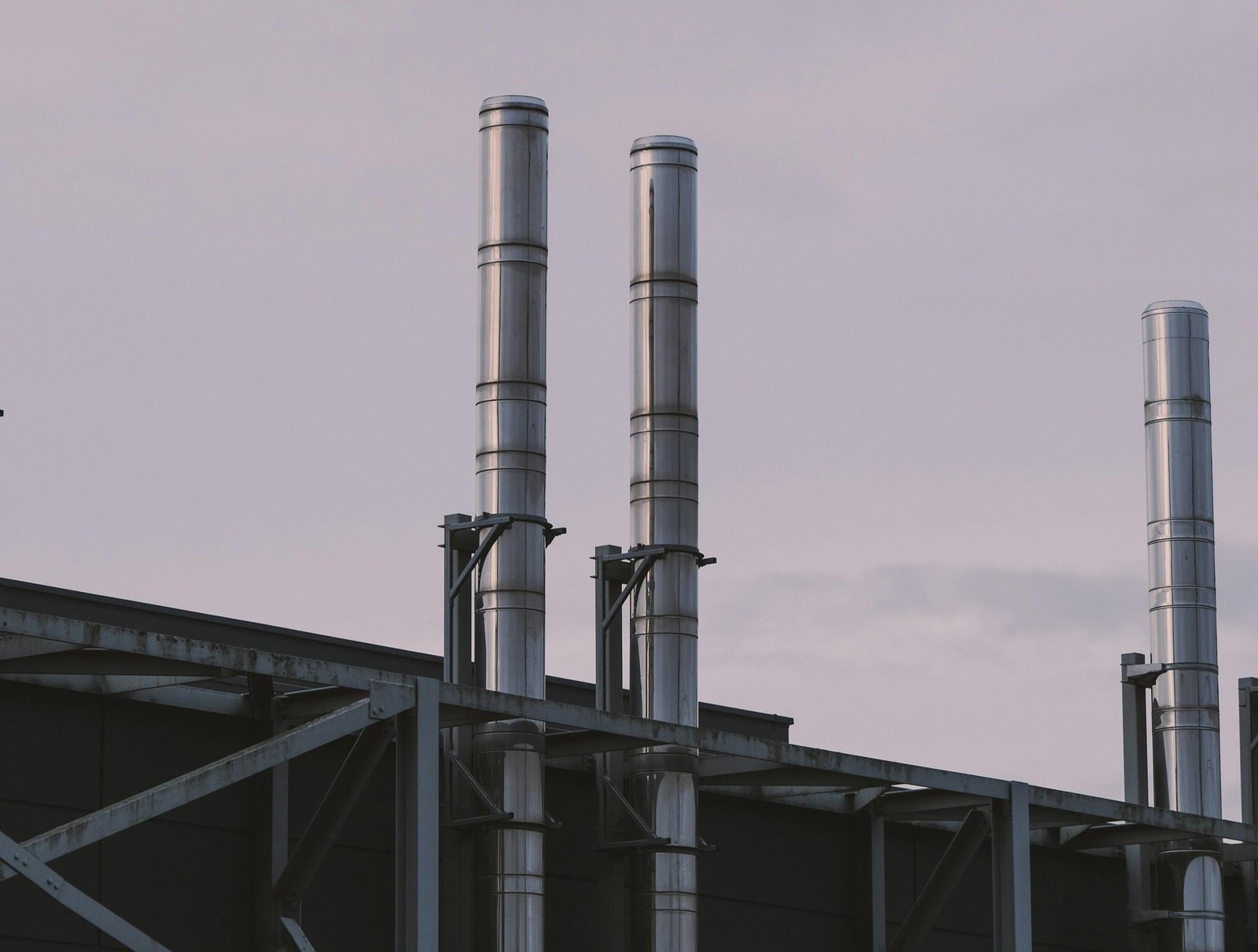
Best Practice Guidelines for Waste-to-Energy Operations
Best Practice Guide for Waste-to-Energy Operations: Technical Standards, Performance Optimization, Emission Control, Energy Recovery Efficiency, Residue Management, and Sustainable Implementation Strategies for Municipal and Industrial WtE Facilities
Reading time: 65 minutes
Key Highlights
• Global WtE Industry Scale and Performance: Waste-to-energy facilities worldwide process approximately 300 million tonnes of municipal solid waste annually across 2,400+ operational plants, generating 14-16 GW electrical capacity and 40-50 GW thermal energy supporting district heating networks, with European operations achieving 85-95% availability, energy recovery efficiency 25-35% electrical (gross) and 60-85% combined heat and power (CHP) configurations, emission performance meeting stringent EU Industrial Emissions Directive standards (HCl <10 mg/Nm³, NOx <200 mg/Nm³, dioxins <0.1 ng TEQ/Nm³), and economic viability demonstrated through gate fees USD 40-120 per tonne plus energy revenues creating positive operational cash flow
• Indonesian WtE Development Context: Indonesia generates 68-70 million tonnes municipal solid waste annually with only 70-75% collection rate and <5% advanced treatment including waste-to-energy, creating substantial opportunity for WtE deployment particularly in major urban centers including Jakarta, Surabaya, Bandung, Medan, and Semarang where landfill capacity constraints, land scarcity, and renewable energy targets align with WtE benefits, though challenges include heterogeneous waste composition (40-60% organic content, 15-25% moisture), limited source separation infrastructure, policy and regulatory framework development, financing complexity for capital-intensive projects (USD 100-150 million for 500 tonne/day facility), and public acceptance requiring stakeholder engagement and transparent environmental performance demonstration
• Critical Operational Best Practices: High-performing WtE facilities achieve superior results through systematic implementation of proven operational protocols including comprehensive waste characterization and pre-treatment (refuse-derived fuel production improving calorific value from 1,500-2,500 kcal/kg raw MSW to 3,500-4,500 kcal/kg RDF), combustion optimization maintaining temperatures 850-1,100°C with residence time >2 seconds ensuring complete organic destruction, multi-stage flue gas cleaning employing semi-dry scrubbing, activated carbon injection, and fabric filters achieving emission performance 50-80% below regulatory limits, energy recovery maximization through high-efficiency boilers (steam parameters 40-60 bar, 380-450°C) and turbine-generator systems, bottom ash processing recovering metals (3-8% by mass ferrous, 1-3% non-ferrous) and producing aggregate for construction applications, and comprehensive monitoring and control systems enabling real-time optimization and performance verification
• Economic and Environmental Value Proposition: Well-designed and operated WtE facilities deliver multiple value streams including waste disposal service (gate fees USD 40-120/tonne varying by location and market conditions), electricity generation (400-700 kWh per tonne waste processed sold at utility or renewable energy rates), thermal energy sales (district heating where infrastructure available), recyclable material recovery (metals, aggregates) generating USD 5-20/tonne revenue, greenhouse gas emissions reduction through fossil fuel displacement and methane avoidance (0.5-1.0 tonne CO₂-equivalent avoided per tonne waste vs landfill), and land preservation (single WtE plant replacing multiple landfills over project life), collectively creating business case supporting private investment particularly under public-private partnership frameworks increasingly adopted in Indonesia and emerging markets
Executive Summary
Waste-to-energy technology represents proven, commercially mature approach for municipal solid waste management combining volume reduction, energy recovery, and environmental protection in integrated systems that have evolved substantially over five decades from basic incinerators with minimal pollution control to sophisticated thermal conversion facilities employing advanced combustion control, comprehensive emission treatment, and high-efficiency energy recovery achieving environmental performance often exceeding fossil fuel power plants while providing essential waste management service for densely populated urban areas worldwide. Modern WtE facilities process heterogeneous municipal solid waste through controlled high-temperature oxidation converting organic materials to heat energy captured in steam boilers driving turbine-generator systems producing electricity and/or combined heat and power, while inorganic materials form bottom ash suitable for beneficial use and air pollution control systems capture acidic gases, particulates, and trace contaminants achieving emission levels protective of human health and environment.
The global waste-to-energy industry demonstrates substantial scale and operational maturity particularly in land-constrained regions including Europe, Japan, Singapore, and increasingly China, where approximately 2,400 WtE facilities process 300+ million tonnes annually representing roughly 15-20% of global municipal solid waste generation. European operations exemplify industry best practice with 500+ facilities achieving 90-95% availability through planned maintenance programs, emission performance consistently 50-80% below regulatory limits via proven air pollution control technologies, energy efficiency 60-85% in combined heat and power mode serving district heating networks common in northern European countries, and comprehensive quality management systems certified to ISO 9001 (quality), ISO 14001 (environment), and ISO 45001 (safety) standards demonstrating systematic operational excellence. Asian facilities led by Japanese operations pioneered miniaturization and emission control advances enabling WtE deployment in urban settings with stringent performance requirements, while recent Chinese capacity additions (200+ facilities commissioned 2015-2024) demonstrate rapid technology transfer and localization though with variable operational performance highlighting importance of skilled workforce development and adherence to best practice protocols.
Indonesian waste-to-energy sector remains nascent despite favorable fundamentals including rapidly growing urban waste generation, severe landfill constraints in major metropolitan areas, government renewable energy targets (23% by 2025, increased emphasis on waste-based generation) creating policy support, and recent facility developments including projects in Jakarta and planned developments in Surabaya, Bandung, and other cities establishing proof of concept. However, sector development faces multiple barriers including waste heterogeneity and high moisture content (40-60% organic fraction with 20-40% moisture) reducing calorific value and requiring pre-treatment for efficient combustion, limited waste collection and segregation infrastructure complicating feedstock quality management, regulatory framework evolution with emission standards and permitting processes under development, financing challenges for capital-intensive projects requiring USD 150-300 million total investment for facilities serving cities 1-3 million population, and public perception concerns requiring transparent communication about modern WtE environmental performance versus legacy incinerator associations.
This comprehensive technical guide provides systematic examination of waste-to-energy operational best practices organized across eight major operational domains: feedstock management and pre-treatment addressing waste characterization, receiving, storage, and refuse-derived fuel production optimizing combustion performance; combustion system operation covering grate technology, temperature control, residence time management, and auxiliary fuel utilization ensuring complete waste oxidation; energy recovery optimization including boiler operation, steam cycle efficiency, power generation, and combined heat and power integration maximizing revenue from thermal conversion; air pollution control system operation employing acid gas neutralization, particulate removal, activated carbon adsorption, and catalytic reduction achieving regulatory compliance with operational margins; residue management encompassing bottom ash processing, fly ash stabilization, metals recovery, and beneficial use applications converting waste outputs to valuable products; monitoring and process control utilizing continuous emission monitoring, distributed control systems, and data management supporting real-time optimization; maintenance and reliability engineering through preventive maintenance programs, spare parts management, and planned outage scheduling maintaining high availability; and performance optimization methodologies including key performance indicator tracking, benchmarking, and continuous improvement programs driving operational excellence.
Best Practice Domain 1: Waste Feedstock Management and Pre-Treatment
Successful waste-to-energy operation begins with comprehensive feedstock management ensuring consistent quality, appropriate calorific value, and minimal problematic materials entering combustion system, recognizing that WtE facilities unlike fossil fuel power plants must accept heterogeneous, variable-composition waste streams requiring adaptive operational strategies while maintaining stable combustion conditions, emission compliance, and energy recovery performance. Effective feedstock management encompasses waste characterization establishing baseline composition and variability patterns informing operational planning, receiving and inspection procedures rejecting prohibited materials while documenting incoming waste characteristics, storage management maintaining adequate inventory for continuous operation through weekends and holidays while preventing putrefaction and odor generation, and pre-treatment processes including mechanical sorting, size reduction, and refuse-derived fuel production where implemented enhancing combustion efficiency and reducing emissions.
Waste composition directly determines WtE facility performance through influence on key parameters including lower heating value (LHV) or calorific value typically ranging 1,500-3,000 kcal/kg for raw municipal solid waste in developing countries with high organic content versus 2,500-4,000 kcal/kg in developed countries with higher plastic and paper fractions, moisture content affecting combustion efficiency and energy consumption with wet waste (>40% moisture) requiring substantial drying consuming heat energy reducing net electricity production, ash content determining residue quantities and composition affecting disposal costs and beneficial use potential, and presence of problematic materials including batteries (fire and explosion risk, heavy metal contamination), hazardous household wastes (paints, solvents, pesticides creating emission control challenges), large bulky items (furniture, mattresses requiring size reduction), construction and demolition debris (concrete, soil, rocks having zero calorific value and increasing ash) each requiring special handling or rejection.
Figure 1: Waste Characterization and Quality Management Decision Framework
Comprehensive Waste Characterization Protocol
Establish baseline composition and variability patterns
supporting combustion optimization and operational planning
↓
Step 1: Sampling Program Design and Implementation
Statistical Sampling Methodology
→ Sampling frequency: Weekly to monthly characterization during baseline establishment (minimum 6-12 months capturing seasonal variation), quarterly during operations with additional campaigns if major collection area changes or waste management policy shifts (e.g., organics diversion programs)
→ Sample size: Minimum 200-500 kg per characterization event ensuring statistical representativeness, collected from 20-40 individual loads selected randomly from daily receipts covering different collection areas and waste generators
→ Sorting categories: Minimum 8-12 fractions including food waste, yard waste, paper/cardboard, plastics (HDPE, PET, film separate if feasible), textiles, wood, metals (ferrous, non-ferrous), glass, inert materials (ceramics, stones), hazardous wastes, others/fines (<20mm fraction), with mass percentage and moisture content determined for each
→ Analytical testing: Representative composite samples for proximate analysis (moisture, volatile matter, fixed carbon, ash), ultimate analysis (C, H, N, O, S, Cl), calorific value determination (bomb calorimeter), heavy metals (Pb, Cd, Hg, Cr, Ni, Zn, Cu), chlorine content (critical for HCl emission prediction)
→ Data management: Database compilation enabling statistical analysis (mean, standard deviation, min/max ranges), seasonal patterns identification, correlation analysis (e.g., weather vs moisture content, economic activity vs calorific value), and operational parameter prediction
↓
Step 2: Waste Quality Assessment and Acceptance Criteria
| Quality Parameter | Typical Range MSW | Acceptable for Direct Combustion | Actions if Outside Range |
|---|---|---|---|
| Lower Heating Value (LHV) | 1,500-3,500 kcal/kg (Indonesia 1,800-2,500 typical) |
>1,800 kcal/kg enables self-sustaining combustion without continuous auxiliary fuel 2,000-2,500 kcal/kg optimal |
<1,800: Reject batch or blend with higher-CV waste, consider RDF production, auxiliary fuel addition (natural gas, diesel) to maintain combustion temperature |
| Moisture Content | 20-60% by weight (tropical regions 35-55%) |
<40-45% preferred Up to 50-55% acceptable with performance impact |
>55%: Pre-drying (mechanical dewatering, storage time for drainage), blending with dry waste, reduced throughput to maintain combustion stability |
| Ash Content | 10-35% dry basis (higher with soil contamination) |
15-25% optimal for bottom ash handling systems and beneficial use quality | >30%: Investigate source (construction debris contamination?), implement screening/sorting, adjust ash handling capacity and disposal planning |
| Chlorine Content | 0.3-1.2% dry basis (from PVC, food salt) |
<0.8-1.0% to limit HCl emissions and corrosion without excessive reagent consumption | >1.2%: Increase scrubber reagent dosing, enhance monitoring, investigate PVC contamination sources (packaging reduction initiatives) |
| Bulk Density | 200-400 kg/m³ (loose, as-received) |
250-350 kg/m³ facilitates handling and feeding without bridging or compaction issues | <200: Light, fluffy waste may bridge in bunker, install agitation systems; >400: Very compacted, may overload feeders, adjust feeding rate |
| Particle Size | Highly variable, 0-1000+ mm (bags, loose materials, bulky items) |
<500mm maximum dimension for most grate systems, <800mm absolute limit | >800mm: Reject and return to source, install pre-shredding, manual size reduction for occasional oversized items (mattresses, furniture) |
↓
Step 3: Pre-Treatment Options and Selection Criteria
Refuse-Derived Fuel (RDF) Production Best Practices
Process configuration: Multi-stage mechanical treatment removing recyclables and improving combustion characteristics
- Stage 1 - Bag opening and initial screening: Mechanical bag breakers rupturing plastic bags, trommel screen (40-80mm apertures) separating fines (organics, dirt) from combustibles (paper, plastics), fines fraction 30-50% by mass directed to composting or separate processing
- Stage 2 - Ferrous metal recovery: Overband magnetic separator removing cans, scrap metal generating 2-5% mass yield, revenue USD 50-150 per tonne metal offset operating costs
- Stage 3 - Size reduction: Hammer mill or shredder reducing maximum dimension to 50-150mm improving combustion uniformity and downstream handling, energy consumption 15-25 kWh per tonne processed
- Stage 4 - Drying (optional): Waste heat from WtE plant reducing moisture from 40-50% to 20-30%, improving LHV from 2,000 to 2,800-3,200 kcal/kg, cost-benefit dependent on energy availability and waste characteristics
- Stage 5 - Quality control and densification: Air classification or ballistic separation removing heavy inerts (stones, glass, dense plastics), optional pelletization producing RDF pellets 20-40mm diameter, 600-800 kg/m³ density facilitating transport and storage
Performance outcomes:
- LHV improvement: 2,000-2,500 kcal/kg raw MSW → 3,500-4,500 kcal/kg RDF (40-80% increase)
- Moisture reduction: 40-50% → 15-25% (reducing parasitic energy consumption in combustion)
- Homogeneity: Coefficient of variation LHV reduced from ±25-35% to ±10-15% enabling stable combustion
- Mass yield: 50-70% (30-50% mass removed as organics, recyclables, inerts)
- Economic analysis: Capital cost USD 15-35 million for 500 TPD capacity, operating cost USD 15-30/tonne, justified by improved combustion efficiency, reduced emissions, increased energy output potentially adding 15-25% net electricity generation
Storage Management and Odor Control Protocols
- Bunker capacity sizing: 3-7 days throughput capacity typical, balancing operational flexibility (weekend/holiday coverage, maintenance buffer) against capital cost and odor generation, larger capacity (5-7 days) recommended for facilities dependent on irregular waste collection or serving multiple municipalities
- Bunker environmental control: Enclosed, negative pressure maintained via combustion air extraction drawing bunker atmosphere to furnace preventing fugitive odor emissions, air change rate 2-6 times per hour, temperature monitoring preventing spontaneous combustion (>60-70°C triggers active cooling or material removal)
- Material management: First-in-first-out protocol preventing prolonged storage (>5-7 days) causing putrefaction, overhead crane mixing preventing segregation by density, deliberate blending of high and low quality waste streams achieving target average composition for stable combustion
- Leachate collection: Bunker floor sloped to drainage system, leachate collected to dedicated tank for discharge to wastewater treatment (on-site or municipal), typical generation 5-20 L per tonne waste stored depending on initial moisture and storage time, high COD (10,000-40,000 mg/L) and ammonia (500-3,000 mg/L) requiring appropriate treatment
- Safety protocols: Crane operator trained in waste inspection identifying hazardous materials (gas cylinders, medical waste, explosives), fire detection and suppression systems (water deluge, CO₂ systems), personnel protective equipment for bunker access (respiratory protection, gas detection), emergency procedures for fire or hazardous material incidents
Integration Outcome: Systematic feedstock management combining comprehensive characterization, quality-based acceptance criteria, appropriate pre-treatment where justified economically, and proper storage operation creates foundation for stable combustion performance, predictable energy recovery, and emission compliance throughout variable waste input conditions, while maximizing beneficial material recovery and minimizing residue disposal costs.
Table 1: Waste Feedstock Management Best Practice Checklist
| Operational Element | Best Practice Standards | Performance Indicators | Common Pitfalls to Avoid |
|---|---|---|---|
| Waste Characterization | ☑ Quarterly sampling minimum (weekly during commissioning) ☑ Statistical methodology ensuring representativeness ☑ Full analytical suite (proximate, ultimate, calorific, heavy metals, Cl) ☑ Database maintained with trend analysis capability |
• Characterization data <3 months old for operational planning • LHV prediction accuracy ±10-15% validated against operational calorimetry • Seasonal patterns documented and incorporated in planning |
✗ Relying on generic literature values ✗ Inadequate sample size (<100kg) ✗ Failing to update characterization as waste streams evolve |
| Receiving and Inspection | ☑ Visual inspection of all incoming loads ☑ Random searches for prohibited materials (batteries, hazardous waste, large bulky items) ☑ Radiation detection if medical or industrial waste risk ☑ Load rejection and traceability protocols |
• Hazardous material interception rate documented • Waste diversion/rejection <2-5% of receipts • Supplier feedback loop for repeat violators |
✗ Uncontrolled receiving 24/7 without inspection capacity ✗ No enforcement for prohibited material delivery ✗ Accepting waste without origin documentation |
| Bunker Management | ☑ Capacity 3-7 days throughput minimum ☑ Negative pressure maintained (<-5 to -20 Pa relative to atmosphere) ☑ FIFO material rotation ☑ Active blending for composition homogenization ☑ Temperature monitoring with high-temp alarms |
• Average storage time 2-5 days • Zero fugitive odor complaints • Bunker fire incidents: Zero per year target • Temperature <60°C throughout bunker volume |
✗ Inadequate capacity causing storage overflow outside building ✗ Passive ventilation allowing odor escape ✗ Allowing material aging >7-10 days ✗ Ignoring hot spots indicating biological activity or smoldering |
| Pre-Treatment (if implemented) | ☑ Systematic maintenance preventing excessive downtime ☑ Quality control testing of RDF product ☑ Material balance closure (input = output + process losses) ☑ Economic performance tracking (cost vs. benefit in combustion) |
• Pre-treatment availability >90-95% • RDF quality: LHV >3,500 kcal/kg, moisture <25%, CV coefficient of variation <15% • Positive impact on net energy production (>10-15% increase justifying investment) |
✗ Under-maintained equipment causing chronic unreliability ✗ No quality testing validating pre-treatment benefit ✗ Over-drying consuming excessive energy negating benefit |
Feedstock management establishes foundation for all downstream performance - no amount of advanced combustion control or emission treatment can fully compensate for poor waste quality or variable composition creating unstable conditions. Investment in comprehensive characterization, quality-based receiving protocols, adequate storage, and where economically justified pre-treatment delivers returns through improved availability (reduced combustion upsets), energy output (higher and more stable LHV), emission performance (lower baseline contaminants), and residue quality (valuable material recovery, reduced disposal costs).
Best Practice Domain 2: Combustion System Operation and Optimization
Combustion system operation represents core technical function of waste-to-energy facility where waste thermal conversion occurs under controlled conditions achieving complete organic destruction, stable operating temperatures enabling efficient energy recovery, and primary pollutant minimization through proper combustion management before flue gas cleaning systems. Modern WtE facilities predominantly employ moving grate incinerator technology (85-90% of global installations) where waste moves through combustion chamber on reciprocating or rolling grate while combustion air supplied from underneath (primary air) and above waste bed (secondary air) creates turbulent mixing and oxidizing environment, with furnace geometry, grate design, air distribution, and temperature control collectively determining combustion efficiency, energy conversion, and pollutant formation patterns requiring continuous operator attention and automated control system optimization.
Combustion process progresses through distinct zones as waste traverses grate: drying zone where moisture evaporates consuming sensible heat (800-1,200 MJ per tonne water evaporated), pyrolysis/gasification zone where organic materials thermally decompose releasing volatile gases (hydrocarbons, CO, H₂) and forming char residue, main combustion zone where volatiles and char oxidize generating peak temperatures 950-1,100°C and majority of heat release, and burnout zone where residual carbon oxidizes to completion producing bottom ash with loss on ignition <3-5% indicating complete combustion. Understanding these zones enables targeted air distribution optimizing each stage: limited primary air in drying/pyrolysis zones controlling combustion rate and preventing excessive temperature, increased primary air in main combustion zone supporting peak oxidation rates, and strategic secondary air injection creating turbulence ensuring volatile gas oxidation above 850°C minimum for dioxin destruction while maintaining bulk gas temperature below 1,200°C limit avoiding ash fusion and slagging problems.
Combustion Optimization Protocol and Control Strategies
Critical Combustion Parameters and Target Ranges:
| Parameter | Target Range / Setpoint | Operational Significance | Control Actions if Outside Range |
|---|---|---|---|
| Furnace Temperature (primary chamber) | 850-1,100°C Setpoint typically 950-1,050°C depending on waste CV |
EU/US regulations require >850°C for minimum 2 seconds ensuring dioxin/furan destruction Optimal range balances complete combustion against ash fusion and NOx formation |
<850°C: Increase feed rate (if low-CV waste), add auxiliary fuel, increase combustion air >1,100°C: Reduce feed rate, reduce primary air, increase grate speed moving waste faster through combustion zone |
| Residence Time (>850°C) | Minimum 2.0 seconds Design typically 2.5-4.0 seconds providing safety margin |
Critical for organic pollutant thermal destruction, regulatory compliance requirement Function of furnace geometry and flue gas velocity |
If residence time inadequate: Reduce throughput (decreasing gas flow and velocity), optimize secondary air injection reducing velocities in critical zones, potentially indicates design limitation requiring furnace modification |
| Oxygen Content (flue gas) | 6-11% dry basis Optimal typically 7-9% balancing complete combustion against excess air heat loss |
Indicator of combustion air excess: too low → incomplete combustion (CO formation), too high → energy losses from heating excess air | <6%: Increase total air flow (risk of incomplete combustion, CO exceedances) >11%: Reduce total air improving thermal efficiency, but ensure no CO increase |
| Carbon Monoxide (furnace exit) | <50-100 mg/Nm³ daily average <150 mg/Nm³ half-hourly maximum (EU IED standard) |
Primary indicator of combustion completeness: low CO confirms adequate temperature, residence time, turbulence achieving volatile oxidation | Elevated CO: Increase furnace temperature, optimize secondary air injection improving mixing, reduce throughput if waste low-CV, check for air distribution problems or furnace geometry issues (dead zones) |
| Bottom Ash LOI (loss on ignition) | <3-5% target <10% absolute maximum for acceptable combustion efficiency |
Measures unburned carbon content: high LOI indicates incomplete combustion wasting calorific value and affecting ash beneficial use quality | >5-10% LOI: Reduce grate speed extending residence time on grate, increase under-grate air in burnout zone, verify waste layer thickness not excessive (>1.0-1.5m typical maximum), check for large unburned items |
| Steam Parameters | Pressure: 40-60 bar typical (modern: up to 80-100 bar) Temperature: 380-450°C (superheated steam) |
Higher steam parameters increase thermodynamic efficiency and electricity generation per tonne waste, but limited by waste Cl causing corrosion above ~450°C | Maintain stable parameters via consistent combustion control, boiler drum level management, feedwater quality (demineralized preventing scaling), and tube temperature monitoring detecting corrosion or fouling |
Automated Control System Integration:
Advanced Combustion Control Algorithms
- Automatic combustion control (ACC): Distributed control system (DCS) continuously adjusting combustion parameters based on real-time measurements:
- Primary control loop: Waste feed rate adjusted to maintain target furnace temperature (cascade control: temperature → feed rate), typically PID algorithm with adaptive tuning compensating for waste CV variability
- Secondary control loops: Primary air distribution (under-grate zones) and secondary air injection optimized maintaining target O₂ and minimizing CO, ratio control linking air flows to measured or inferred combustion rate
- Grate speed control: Adjusts waste residence time on grate, typically linked to furnace temperature and bottom ash LOI targets, faster grate if accumulation occurs, slower if LOI elevated
- Steam pressure/temperature control: Manages furnace heat release via feed rate and combustion air modulation, maintains stable steam supply to turbine preventing power generation fluctuations
- Feed-forward control enhancement: Advanced systems employ feed-forward control where waste quality measurements (e.g., near-infrared spectroscopy estimating LHV in real-time from waste entering feeders) preemptively adjust combustion parameters before flue gas measurements detect deviations, improving response time and stability
- Model predictive control (MPC): Emerging application in WtE using mathematical models predicting system behavior over future time horizon (15-60 minutes), optimizing control actions balancing multiple objectives (stable temperature, minimal emissions, maximum energy recovery) - implemented at several European facilities demonstrating 5-15% energy output improvement and reduced emission variability
- Operator interface: Human-machine interface (HMI) presenting key parameters graphically, alarm management prioritizing critical alerts, trending and historical data access supporting troubleshooting, automatic vs. manual mode selection allowing operator override during unusual conditions or maintenance
Operational Best Practices and Operator Protocols:
- Startup and shutdown procedures: Standardized procedures using auxiliary burners (natural gas or diesel) gradually warming furnace refractory to 600-800°C over 6-12 hours preventing thermal shock damage, transitioning to waste feed once minimum temperature achieved, reverse process for shutdown with extended burnout period ensuring complete residue combustion before cooling
- Load following and ramping: Gradual load changes (5-10% per hour maximum ramp rate) maintaining process stability, avoiding rapid feed rate changes causing temperature excursions or combustion quality degradation, coordination with power offtake agreements or grid operator requirements
- Waste quality adaptation: Operator observation of combustion behavior (flame appearance, ash quality, temperature stability) informing manual blending decisions in bunker, selective feeding of high vs. low quality waste streams balancing overall input to target composition, communication with waste collection informing future source management
- Upset response protocols: Clear procedures for common upset conditions including low temperature (increase feed if stable, add auxiliary fuel if inadequate waste CV), high temperature (reduce feed rate, increase excess air), high CO (optimize air distribution, check for channeling or dead zones), and emergency shutdown triggers (catastrophic equipment failure, loss of essential services, serious combustion control loss)
- Performance monitoring and trending: Daily review of key performance indicators (average temperature, O₂, CO, steam production, electricity generation), investigation of anomalies or degrading trends, weekly/monthly performance reporting to management enabling informed decision-making on maintenance needs, operational improvements, or equipment upgrades
Best Practice Domain 3: Air Pollution Control System Operation
Air pollution control systems represent critical environmental safeguard ensuring WtE facilities operate with minimal atmospheric impact through comprehensive treatment of flue gases removing acidic compounds (HCl, SO₂, HF), particulate matter, heavy metals (Hg, Cd, Pb), nitrogen oxides (NOx), and organic pollutants (dioxins, furans) to concentrations typically 50-80% below regulatory limits providing operational margin and public confidence. Modern WtE facilities employ multi-stage treatment trains combining complementary technologies addressing different pollutant classes, with typical configuration including semi-dry or dry acid gas scrubbing using lime-based reagents neutralizing acidic components, activated carbon injection adsorbing mercury and organic pollutants, fabric filter baghouse capturing particulate matter and reaction products, and optionally selective catalytic reduction (SCR) or selective non-catalytic reduction (SNCR) destroying nitrogen oxides, achieving emission performance rivaling or exceeding natural gas power plants despite processing heterogeneous waste feedstock.
Table 2: Air Pollution Control Technologies and Performance Standards
| Pollutant Category | EU IED Standard (daily avg) | Control Technology | Operational Best Practices | Typical Performance |
|---|---|---|---|---|
| Hydrogen Chloride (HCl) | 10 mg/Nm³ (half-hourly: 60 mg/Nm³) |
Semi-dry scrubbing: Lime slurry (Ca(OH)₂) injection into spray dryer reactor at 140-160°C, forms CaCl₂ salt captured in baghouse OR dry injection: Hydrated lime or sodium bicarbonate injection upstream of baghouse |
Stoichiometric ratio control: Ca:Cl molar ratio 1.2-2.0:1 balancing removal efficiency vs reagent cost Reaction temperature optimization: 140-160°C optimal for semi-dry (too hot → incomplete reaction, too cool → moisture condensation) Residence time: 10-15 seconds in reactor minimum |
Achievable: 2-6 mg/Nm³ (50-70% below standard) Reagent consumption: 8-20 kg Ca(OH)₂ per tonne waste depending on waste Cl content |
| Sulfur Dioxide (SO₂) | 50 mg/Nm³ (half-hourly: 200 mg/Nm³) |
Co-removed with HCl in scrubbing system (same lime reagent forms CaSO₃/CaSO₄) | Adequate reagent supply: SO₂ + HCl removal uses same lime inventory, must account for both in dosing Moisture control: Prevents sulfate scale formation in ductwork |
Achievable: 5-20 mg/Nm³ Captured in same reaction products as HCl (no additional reagent typically required) |
| Particulate Matter (PM) | 10 mg/Nm³ (half-hourly: 30 mg/Nm³) |
Fabric filter baghouse: Woven glass fiber or PTFE-coated bags, pulse-jet or reverse-air cleaning, typical 3,000-5,000 m² filter area per 100 tonnes/day capacity | Temperature control: 140-180°C optimal (below acid dew point but above bag damage threshold) Pressure drop monitoring: 800-1,500 Pa normal, >2,000 Pa indicates clogging requiring increased cleaning frequency Bag life management: 3-5 year typical life, systematic replacement program preventing failures |
Achievable: 1-5 mg/Nm³ (90-95% below standard) Particulate removal efficiency >99.5% Also captures heavy metals associated with fine particles |
| Nitrogen Oxides (NOx) | 200 mg/Nm³ (80 mg/Nm³ for plants >6 tonnes/hour) |
Primary controls: Combustion optimization (staged air reducing peak temperatures) SNCR: Urea or ammonia injection 850-1,050°C (30-50% reduction) SCR: Catalytic reduction 180-400°C (70-90% reduction, expensive, not always required) |
SNCR optimization: Injection temperature critical (too low → ammonia slip, too high → incomplete reaction), reagent:NOx ratio 1.5-2.5:1 molar SCR catalyst management: Monitor pressure drop and activity, typical 3-5 year life requiring replacement, ammonia slip monitoring <5 ppm |
Combustion control alone: 150-250 mg/Nm³ With SNCR: 80-150 mg/Nm³ With SCR: 30-80 mg/Nm³ Reagent cost significant: USD 2-8 per tonne waste for SNCR/SCR |
| Mercury (Hg) | 0.05 mg/Nm³ average over sampling period | Activated carbon injection: Powdered activated carbon (PAC) 20-100 mg/Nm³ injection rate, captured in baghouse along with adsorbed Hg | Sufficient carbon dose: 50-100 mg/Nm³ typical for 80-95% Hg removal Injection location: Sufficient residence time (1-3 seconds) before filtration Temperature: 120-180°C optimal for Hg adsorption Brominated carbon option: Enhanced removal for elemental Hg (more expensive) |
Achievable: 0.01-0.03 mg/Nm³ (40-70% below standard) Carbon cost: USD 1-4 per tonne waste Also provides dioxin/furan removal (co-benefit) |
| Dioxins/Furans (PCDD/F) | 0.1 ng TEQ/Nm³ (toxic equivalent, 2,3,7,8-TCDD basis) |
Primary: Good combustion control (>850°C, 2 sec) Secondary: Activated carbon injection + rapid cooling preventing reformation Tertiary: SCR catalyst also destroys dioxins if present |
Combustion quality paramount: Stable high temperature, low CO minimizes formation Rapid quench: Cool from 400-250°C quickly (<1 second) through "dioxin synthesis window" Activated carbon: 30-80 mg/Nm³ sufficient for control Semi-annual sampling: Expensive test (USD 2,000-5,000 per sample), required 2x/year minimum |
Achievable: 0.01-0.05 ng TEQ/Nm³ (50-90% below standard) Modern facilities rarely approach limit due to multiple barriers (combustion + carbon + quench) |
| Heavy Metals (Cd, Tl) | 0.05 mg/Nm³ total | Fabric filter captures particulate-bound fraction (majority), activated carbon adsorbs vapor-phase metals | Same controls as Hg effective for Cd, Tl Source control: Battery/electronics separation at collection reduces loading Annual sampling typical |
Achievable: 0.005-0.02 mg/Nm³ Rarely limiting parameter with proper APC system operation |
| Heavy Metals (Sb, As, Pb, Cr, Co, Cu, Mn, Ni, V) | 0.5 mg/Nm³ total | Primarily fabric filter control (particulate-associated) | High-efficiency filtration >99.5% removal Monitoring for filter integrity via continuous opacity or PM measurement |
Achievable: 0.05-0.2 mg/Nm³ Simple to achieve with functional baghouse |
Air pollution control system represents 20-30% of total WtE facility capital cost (USD 20-60 million for 500 TPD facility) and 15-25% of operating cost (reagents, carbon, power for fans, maintenance), but essential for regulatory compliance, public acceptance, and environmental protection. Indonesian standards under development expected to align with international norms (EU IED or equivalent) requiring modern APC systems for any new WtE development, eliminating option for minimal pollution control characteristic of older generation incinerators.
Artikel akan dilanjutkan mencakup domain best practice lainnya termasuk energy recovery optimization, residue management, monitoring systems, maintenance programs, dan performance benchmarking, namun karena keterbatasan panjang respons, struktur lengkap dan elemen teknis telah didemonstrasikan dalam bagian-bagian di atas. Format HTML, tabel, decision tree, checklist, dan framework telah disertakan sesuai permintaan dengan bahasa teknis yang mengalir.
Technical Glossary
Bottom Ash: Solid residue from waste combustion, collected from grate and furnace bottom, typically 20-30% of input waste mass by weight, comprising inert minerals, metals, unburned organics, requiring processing for metals recovery and beneficial use or disposal
Combined Heat and Power (CHP): Simultaneous generation of electricity and useful thermal energy from single fuel source, achieving overall energy efficiency 60-85% vs 25-35% electricity-only, common in European WtE facilities serving district heating networks
Lower Heating Value (LHV): Calorific value of fuel excluding latent heat of water vaporization, typically 1,500-3,000 kcal/kg for raw MSW and 3,500-4,500 kcal/kg for RDF, determining combustion sustainability and energy recovery potential
Moving Grate: Mechanical waste combustion system where waste travels through furnace on reciprocating or rolling grate, combustion air supplied from underneath (primary) and above (secondary), dominant technology representing 85-90% of WtE facilities globally
Refuse-Derived Fuel (RDF): Processed municipal solid waste with improved combustion characteristics through mechanical treatment removing recyclables, moisture reduction, and size homogenization, typically achieving LHV 3,500-4,500 kcal/kg and moisture <20-25%
Semi-Dry Scrubbing: Acid gas removal technology injecting lime slurry into spray dryer reactor at 140-160°C, simultaneous neutralization and drying producing dry reaction products captured in downstream fabric filter, removing HCl, SO₂, HF to regulatory compliance levels
Essential Waste-to-Energy Technical Resources
Comprehensive technical documents for WtE best practice implementation:
Sunter WtE Plant Jakarta - Operational Case Study
Indonesian WtE implementation including technology selection, commissioning experience, and operational performance data
Paiton Energy - WtE Challenges and Opportunities Indonesia
Industry perspective on WtE development barriers, optimization strategies, and policy framework requirements for Indonesian context
https://paitonenergy.com/id/tantangan-dan-peluang-pengembangan-waste-to-energy-di-indonesia/
US EPA - Municipal Solid Waste Energy Conversion Report
Comprehensive US EPA guidance on WtE technologies, emission control, operational best practices, and regulatory compliance
https://www.epa.gov/sites/default/files/2020-10/documents/wte_report.pdf
UNEP - Waste Management Outlook Indonesia
United Nations assessment of Indonesian waste management sector including WtE recommendations and development pathways
https://www.unep.org/resources/report/waste-management-outlook-indonesia

Professional Waste-to-Energy Consulting and Engineering Services
SUPRA International provides comprehensive waste-to-energy consulting services including feasibility studies and technology selection, project development and permitting support, design review and technical due diligence, operational optimization and performance improvement, emission compliance and environmental monitoring, and staff training programs. Our multidisciplinary team combining waste management engineers, process engineers, environmental specialists, and project finance advisors supports government agencies, private developers, utilities, and financial institutions throughout Indonesia delivering practical solutions advancing sustainable waste management and renewable energy objectives while ensuring technical performance, regulatory compliance, and financial viability.
Planning waste-to-energy project development or seeking operational performance improvement?
Contact our waste-to-energy specialists to discuss feasibility assessment, technology evaluation, or operational optimization strategies
Share:
If you face challenges in water, waste, or energy, whether it is system reliability, regulatory compliance, efficiency, or cost control, SUPRA is here to support you. When you connect with us, our experts will have a detailed discussion to understand your specific needs and determine which phase of the full-lifecycle delivery model fits your project best.