
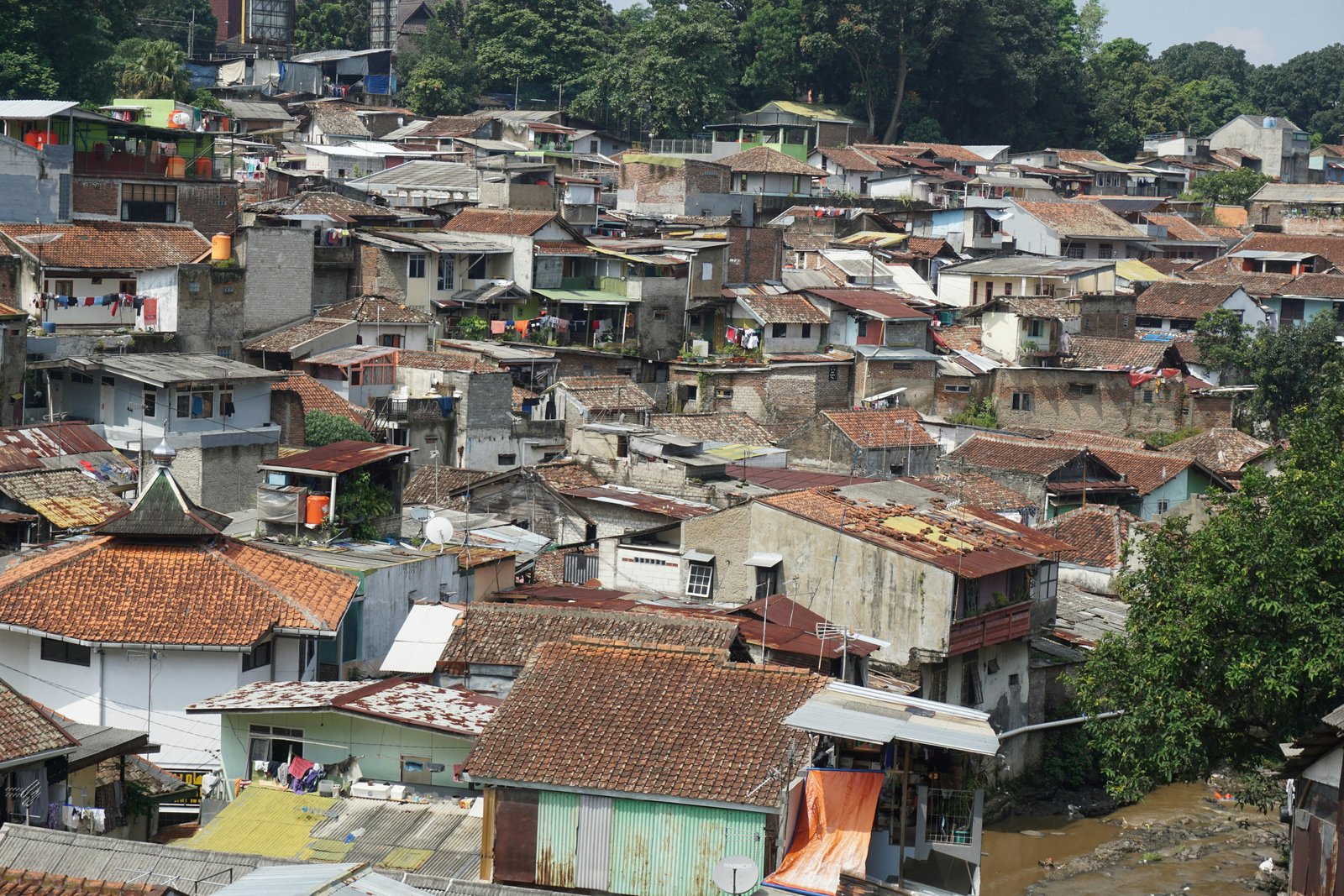
Water Leakage Management in Urban Residential Piping Networks
Water Leakage Management in Urban Residential Piping Networks: Detection Technologies, Rehabilitation Strategies, Non-Revenue Water Reduction, Regulatory Framework, and Sustainable Implementation for Indonesian Housing Complexes and Municipal Distribution Systems
Reading time: 60 minutes
Key Highlights
• Non-Revenue Water Crisis in Indonesian Urban Areas: Indonesian water utilities face severe non-revenue water (NRW) challenges averaging 35-45% nationally with major urban centers experiencing losses ranging 30-40% (Jakarta, Surabaya, Bandung) to 45-55% (smaller cities), compared to international best practice targets of 15-20% and world-class performance <10%, representing annual economic losses estimated IDR 8-12 trillion (USD 520-780 million) from combination of physical losses through leakage (20-30% of system input volume), commercial losses from metering inaccuracies and unauthorized connections (10-20%), and administrative inefficiencies, creating financial stress limiting infrastructure investment and service expansion capabilities
• Leakage Causes and Distribution Patterns: Physical water losses in Indonesian residential networks stem from multiple interconnected factors including aging infrastructure with 40-60% of distribution pipes exceeding 20-year design life experiencing accelerated deterioration from corrosion, joint failures, and material fatigue; improper installation practices during rapid housing development periods creating weak points vulnerable to failure under operational pressures; excessive pressure variations from inadequate pressure management and topographic challenges causing stress cycles and bursts; ground movement from traffic loading, excavation activities, and soil subsidence particularly affecting shallow buried pipes in densely developed areas; and poor material quality in historical installations using non-standard pipes and fittings prone to premature failure
• Detection and Quantification Technologies: Modern leakage management employs systematic approaches combining passive methods where utilities respond to visible leaks and customer complaints (reactive, addressing only 20-40% of total losses), with active leakage control through systematic leak detection surveys using acoustic listening devices, correlating loggers, ground microphones, and leak noise correlators identifying hidden leaks before surface manifestation, achieving detection rates 60-80% of total leakage when deployed comprehensively; water balance analysis establishing input-output accounting quantifying overall system losses and prioritizing intervention zones; pressure management through district metered area (DMA) establishment, flow monitoring, and pressure reduction valves optimizing operating pressures reducing leak flow rates and frequency; and emerging smart technologies including permanent acoustic sensors, satellite detection, and AI-powered analytics enabling continuous monitoring and rapid response
• Economic and Social Imperatives: Effective leakage reduction delivers multiple benefits including water resource conservation critical in water-stressed regions where every liter saved defers expensive supply augmentation (new sources, treatment capacity expansion typically USD 0.50-2.00 per m³ capital cost); revenue recovery generating immediate cash flow improvement (each 1% NRW reduction in medium-sized utility serving 500,000 people represents approximately IDR 2-5 billion or USD 130,000-325,000 annual revenue gain); deferred capital investment where leakage reduction extends capacity of existing infrastructure postponing or eliminating need for system expansion; improved service reliability and water quality through reduced pressure transients and contamination intrusion events; and enhanced sustainability supporting Indonesia's universal water access targets (100% coverage by 2030) requiring both supply expansion and loss minimization in integrated strategies
Executive Summary
Water leakage in residential piping networks represents critical challenge for Indonesian urban water utilities, housing developments, and municipal infrastructure managers, with physical losses through pipe breaks, joint failures, and distribution system deterioration consuming substantial portions of treated water production before reaching consumers, creating economic inefficiency, environmental waste, and operational complications that undermine sustainable water service delivery. Unlike point-source problems amenable to single interventions, leakage manifests as systemic issue distributed throughout networks spanning hundreds to thousands of kilometers, requiring comprehensive management programs integrating detection technologies, infrastructure rehabilitation, pressure optimization, operational protocols, and organizational commitment sustained over multi-year periods achieving measurable, progressive reductions toward internationally accepted performance benchmarks.
The Indonesian context presents particular leakage management challenges driven by rapid urbanization creating pressure on aging infrastructure originally designed for smaller populations, housing boom periods (1980s-2000s) where construction quality varied substantially affecting long-term pipe integrity, limited historical documentation of network layouts and materials complicating systematic assessment and intervention planning, operational constraints including inadequate budgets for proactive maintenance, insufficient technical capacity in leak detection methodologies, and competing priorities diverting attention from leakage despite substantial losses, and regulatory gaps where non-revenue water performance monitoring and enforcement remain inconsistent across regions despite national guidelines establishing reduction targets. Major metropolitan areas including Jakarta served by PAM Jaya and private operators, Surabaya's PDAM Surya Sembada, Bandung's PDAM Tirtawening, and dozens of smaller municipal utilities collectively serve 50-60 million people through distribution networks experiencing losses that, if reduced to international best practice levels, would provide water for an additional 10-15 million people without new source development or treatment capacity expansion.
This comprehensive technical guide examines water leakage management in Indonesian residential contexts through systematic analysis organized across seven operational domains: leakage fundamentals and NRW accounting establishing definitions, measurement methodologies, and performance indicators enabling baseline assessment and target setting; leak detection technologies and methodologies covering acoustic methods, correlation techniques, tracer gas applications, and emerging smart technologies with applicability assessment for Indonesian conditions; pressure management and hydraulic optimization through district metered area implementation, pressure reducing valve deployment, and real-time monitoring systems reducing both leak occurrence frequency and individual leak flow rates; infrastructure assessment and rehabilitation including condition assessment protocols, pipe material evaluation, prioritization methodologies, and replacement/renovation techniques addressing root causes of leakage; operational best practices encompassing maintenance programs, response protocols, quality control in repairs, and workforce development ensuring sustainable performance; economic analysis and business case development quantifying costs and benefits supporting investment justification and resource allocation; and regulatory framework and institutional arrangements including Indonesian policy landscape, performance benchmarking, stakeholder roles, and reform pathways enabling sector-wide improvement.
Leakage Fundamentals and Non-Revenue Water Accounting
Understanding leakage requires foundation in water balance methodology and non-revenue water classification systems that enable utilities to quantify total losses, identify component contributions, and track performance over time through standardized indicators facilitating benchmarking and improvement targeting. The International Water Association (IWA) water balance framework, widely adopted globally and increasingly in Indonesia, divides total system input volume into revenue water (billed authorized consumption generating income) and non-revenue water (water produced but not generating revenue), with NRW further subdivided into physical losses (real losses through leakage from transmission and distribution mains, service connections, and storage tanks) and commercial losses (apparent losses from customer meter under-registration, data handling errors, and unauthorized consumption through illegal connections or meter bypasses), requiring distinct management approaches for each component.
Physical leakage manifests through three primary pathways in residential distribution systems: background leakage comprising numerous small, undetectable leaks from joints, fittings, and pipe wall defects individually contributing <0.1-0.5 L/second but collectively representing 20-40% of total leakage particularly in aging systems with many connection points; unreported bursts and leaks flowing from visible breaks that customers or utility staff have not yet reported to control center, time-dependent component averaging 12-72 hours from occurrence to repair depending on location visibility and reporting system effectiveness; and reported bursts and leaks under active repair, representing 5-15% of total leakage at any given time, controlled through response time minimization and repair quality ensuring permanent rather than temporary fixes.
Figure 1: IWA Water Balance Framework and NRW Component Analysis
System Input Volume (SIV)
Total water entering distribution system
Measured at treatment plant or bulk meters
Indonesian utilities: 100-500 million liters/day typical range
Authorized Consumption
Billed Authorized:
• Billed metered (residential, commercial, industrial)
• Billed unmetered (public taps, fixed charges)
= REVENUE WATER (target >80-85%)
Unbilled Authorized:
• Unbilled metered (fire fighting, training)
• Unbilled unmetered (public fountains, street cleaning, tank flushing)
Typical: 1-3% of SIV
NON-REVENUE WATER
Physical Losses (Real Losses):
• Transmission/distribution main leakage
• Service connection leakage
• Storage tank overflows and leaks
Indonesian avg: 20-30% of SIV
Commercial Losses (Apparent Losses):
• Unauthorized consumption (illegal connections)
• Customer meter inaccuracies (under-registration)
• Data handling errors
Indonesian avg: 10-20% of SIV
Performance Indicators
| Indicator | Calculation Method | Indonesian Performance Range | International Benchmark |
|---|---|---|---|
| NRW Percentage | NRW % = (NRW Volume / SIV) × 100 | Major cities: 30-40% Smaller utilities: 40-55% Best performers: 20-30% |
Good: <20% Best practice: <15% World-class: <10% |
| Infrastructure Leakage Index (ILI) | ILI = Actual Losses / Unavoidable Annual Real Losses (UARL) UARL considers system characteristics |
Typical ILI: 3-8 (3× to 8× unavoidable baseline) |
Good: <2.5 Fair: 2.5-4.0 Poor: >4.0 Target-based, accounts for system pressure/length |
| Physical Loss Rate | Liters/connection/day or Liters/km mains/day |
200-800 L/connection/day typical 5,000-20,000 L/km/day on mains |
<100 L/connection/day excellent <2,000 L/km/day good performance |
| Financial Indicator | NRW Cost = NRW Volume × (Production Cost + Opportunity Cost) | Typical: IDR 2,000-5,000/m³ NRW Annual cost: IDR 20-100 billion for medium utility |
Benefit-cost ratio >1.5-2.0 justifies active leakage control investment |
Indonesian NRW Baseline Establishment Protocol
- System Input Volume (SIV) measurement: Install/calibrate bulk meters at all sources (treatment plants, booster stations, bulk purchase points), conduct monthly meter reading and verification, cross-check against production records (pump runtime, flow totalizers), typical accuracy target ±2-5%
- Billed authorized consumption: Extract from billing database (total billed volume monthly), verify data quality (detect anomalies like sudden consumption changes suggesting meter or billing errors), adjust for billing cycle variations (normalize to calendar month)
- Unbilled authorized consumption estimation: Survey and quantify: public facilities (hospitals, schools, mosques using municipal water), firefighting (estimate from incident records, typical 0.1-0.5% SIV), operational uses (tank flushing, main cleaning, estimated from maintenance logs), street cleaning vehicles (fuel consumption correlation or direct metering)
- NRW calculation: NRW = SIV - Billed Authorized - Unbilled Authorized, express as volume (m³/month) and percentage (NRW/SIV × 100), minimum 12-month baseline establishing seasonal patterns
- Physical vs commercial loss separation: Requires night flow analysis, customer meter testing programs, and systematic assessment - see subsequent sections for detailed methodologies
Critical Success Factor: Accurate water balance requires reliable metering infrastructure (bulk meters, customer meters), robust data management systems, and systematic procedures for data collection and validation. Indonesian utilities often struggle with inadequate metering coverage (60-80% of connections metered vs. >95% international best practice) and data quality issues requiring investment in metering infrastructure and information systems as foundation for effective NRW management.
Table 1: Indonesian Residential Leakage Characteristics and Causes
| Leakage Type / Location | Primary Causes in Indonesian Context | Typical Manifestation | Detection Difficulty | Contribution to Total Loss |
|---|---|---|---|---|
| Distribution Main Breaks | Corrosion (40-60% of pipe stock >20 years old), ground movement from traffic loading or excavation, pressure transients from pumping operations, poor bedding/backfill during installation | Surface water appearance, pavement subsidence, low pressure complaints from downstream customers, visible crack or hole in pipe wall | Easy to moderate: Large breaks surface quickly (hours), smaller leaks may take days-weeks depending on soil permeability and depth | 15-30% of physical losses High individual leak rates (1-50 m³/hour) but relatively low frequency (0.1-0.5 breaks per km-year typical) |
| Service Connection Leaks | Corrosion at ferrule-main connection (galvanic if dissimilar metals), poor installation technique (inadequate tightening, thread damage), thermal stress from shallow burial (<0.6m depth), vehicle impact on customer-side piping | Wet spots in customer yard or street verge, constant meter rotation when all taps closed, localized soft ground, vegetation changes (greener grass) | Moderate to difficult: Customer-side more visible, utility-side (ferrule to curb stop) often undetected for months, requires acoustic methods or customer notification | 30-50% of physical losses Individual rates small (0.1-2 m³/hour) but high frequency in aging systems (5-15% connections leaking at any time) |
| Joint Failures | Rubber gasket degradation (UV exposure pre-installation, chemical attack from aggressive soil/water), improper joint assembly (misalignment, inadequate insertion depth), differential settlement at joints causing angular deflection beyond design limits | Localized leak at pipe joint visible during excavation, may create surface expression or remain subsurface depending on depth and soil conditions | Moderate: Detectable via acoustic survey, flow patterns (increased night flow in affected zones), often found during other excavation work | 10-20% of physical losses Common in PVC systems (push-on joints) and older asbestos cement pipes |
| Background Leakage (distributed small leaks) | Pinhole leaks from internal corrosion pitting, micro-cracks from fatigue loading, weeping joints from gasket aging, fitting connections with minor imperfections | No visible surface indication, detected only through water balance analysis showing unexplained losses after other leaks repaired, or via intensive acoustic survey finding many small signals | Very difficult: Individual leaks often undetectable economically, managed through pressure reduction and systematic pipe replacement rather than leak-by-leak detection | 20-40% of physical losses in aging systems Hundreds to thousands of individual leaks at <0.01-0.1 m³/hour each |
| Storage Tank Overflows and Leaks | Float valve failures allowing continuous overflow, structural cracks from poor construction or foundation settlement, inadequate maintenance of overflow pipes and level controls | Continuous overflow visible at tank overflow pipe, wet ground around tank base, elevated zone supply fluctuations, tank level never reaches maximum despite inflow | Easy: Usually visible during tank inspection, overflow pipes discharge visibly, can be verified via tank level monitoring or inflow-outflow balance | 5-15% of physical losses Highly variable depending on tank condition and control system maintenance, common in systems with inadequate SCADA or manual operations |
| Illegal Connections / Unauthorized Use | Direct tapping of distribution mains bypassing meters (common in informal settlements), meter bypass for reducing bills, unauthorized hydrant use (construction sites, vehicle washing), corruption (officials enabling illegal connections) | Physical tap on main discovered during maintenance, discrepancy between census-based expected connections and actual accounts, night flow patterns suggesting unmeasured consumption, tips from community members | Moderate to difficult: Requires field surveys, community engagement, sometimes forensic flow analysis identifying abnormal patterns, may face social/political resistance to enforcement | Variable: 5-25% of NRW in systems with weak commercial controls Classified as commercial loss (apparent loss) not physical leakage, but contributes to total NRW requiring management |
Leakage patterns vary significantly across Indonesian cities based on pipe age distribution, materials (PVC, AC, GI, PE), installation quality, soil conditions (volcanic, sedimentary, coastal), pressure regimes (gravity vs pumped systems), and maintenance history. Comprehensive characterization through systematic surveys and data analysis essential for developing effective, targeted reduction programs rather than generic approaches often failing to address site-specific dominant causes.
Leak Detection Technologies and Methodologies
Systematic leak detection represents cornerstone of active leakage control programs, transitioning utilities from purely reactive response to reported bursts toward proactive identification and repair of hidden leaks before they surface or enlarge, achieving substantial loss reductions through comprehensive network coverage with appropriate detection technologies matched to local conditions, pipe materials, and operational constraints. Indonesian applications increasingly employ international best practice methods adapted for tropical climate, varied soil conditions (volcanic, alluvial, coastal), mixed pipe materials legacy systems, and budget limitations requiring cost-effective approaches maximizing impact per investment rupiah.
Acoustic leak detection exploits fundamental principle that water escaping under pressure through pipe opening generates characteristic sound/vibration transmitted through pipe wall, water column, and surrounding soil, detectable via sensitive listening equipment even when leak produces no visible surface indication. Technology suite ranges from simple mechanical listening sticks (manual ground microphones costing USD 100-500) enabling basic detection but requiring experienced operators, through electronic leak noise correlators (USD 8,000-25,000) pinpointing leak position between two sensor points via time-delay analysis of sound propagation, to permanent acoustic sensor networks (USD 1,000-3,000 per sensor deployed at 100-300 meter spacing) providing continuous monitoring and automatic alert generation, with selection dependent on network characteristics, available budget, and desired detection thoroughness.
Leak Detection Survey Methodology and Implementation Protocol
Systematic Survey Planning and Execution:
Step 1: Zone Prioritization and Survey Design
- Water balance-based prioritization: Establish District Metered Areas (DMAs) or pressure zones with flow metering, calculate night flow and minimum night flow (MNF) occurring 2:00-4:00 AM when legitimate consumption minimal (typically 10-30% of daily average flow), identify zones with elevated MNF (>50-100 L/hour per connection suggesting leakage) for priority survey attention
- Historical data review: Analyze burst/leak repair records identifying "hot spots" with recurrent failures suggesting systematic problems (aging infrastructure, pressure issues, poor soil conditions), prioritize these areas for intensive survey effort
- Age and material assessment: Target surveys toward older pipe installations (>20-30 years), materials with known deterioration patterns (asbestos cement, unlined cast iron, early PVC with inadequate wall thickness), and areas experiencing development pressures (increased traffic, construction activities)
- Customer complaint mapping: Geo-reference low pressure complaints, water quality issues (discoloration suggesting line breaks), and reported leaks creating database highlighting problem areas warranting systematic survey
- Survey frequency: High-priority zones (high MNF, aging infrastructure): 6-12 month survey cycles, medium-priority: annual surveys, low-priority (new infrastructure, low MNF): 2-3 year surveys, with continuous adjustment based on results
Step 2: Field Survey Execution with Acoustic Equipment
A. Sounding Survey (preliminary screening):
- Equipment: Mechanical listening stick or basic electronic ground microphone (USD 200-2,000), headphones with volume control
- Methodology: Survey conducted at night (10 PM - 4 AM optimal) when background noise minimal and pressure typically higher (many systems boost pressure during day, reduce at night), surveyor places listening device on exposed pipe fittings (hydrants, valves, meters, service connections) at 25-50 meter intervals along mains, listens for characteristic "hissing" or "rushing" sound indicating leak nearby
- Coverage rate: Experienced surveyor achieves 5-10 km per night in favorable conditions (accessible fittings, low ambient noise), lower in difficult areas (deep burial, limited access points, traffic noise), typical residential survey 2-5 km per night realistic
- Result: Identifies pipe sections with suspected leaks for further investigation via pinpointing methods, reduces survey area requiring intensive effort by 70-90%
B. Leak Noise Correlation (precise location):
- Equipment: Correlating logger system or correlation unit with two sensors (accelerometers or hydrophones), data processor calculating leak position (equipment cost USD 8,000-25,000)
- Methodology: Two sensors placed on pipe fittings (hydrants, valves) flanking suspected leak section (typically 100-300 meters apart), sensors record leak noise simultaneously, correlator analyzes time delay between signals reaching each sensor, calculates leak position using known pipe length and sound velocity in pipe material (varies by material: PVC 400-500 m/s, metallic pipes 1,000-1,400 m/s)
- Accuracy: ±1-3 meters typical in favorable conditions (metallic pipes, low background noise, good sensor coupling), ±3-10 meters in difficult conditions (PVC pipes with lower sound transmission, noisy environments, uncertain pipe material/length), requires excavation at calculated location to confirm and repair
- Application: Use after sounding identifies suspect section, or deploy in high-value areas (major distribution mains, areas where surface leakage would cause significant damage) even without prior sounding, 5-15 setups per night achievable depending on travel distances and setup complexity
C. Ground Microphone Confirmation (pre-excavation verification):
- Equipment: Sensitive electronic ground microphone with spike or plate sensor (USD 1,000-5,000), placed directly on ground surface above suspected leak
- Methodology: Surveyor methodically tests ground surface at 0.5-1 meter intervals across correlation-identified leak zone, sound intensity peaks directly above leak location, confirming position before excavation avoiding unnecessary digging
- Success rate: 70-90% positive confirmation rate (leak found within ±2 meters of predicted location) when proper correlation and ground microphone procedures followed, lower success in very deep pipes (>2-3 meters) where sound attenuation limits ground microphone sensitivity
Step 3: Advanced Technologies for Specific Applications
- Tracer gas detection: Inject helium or hydrogen-nitrogen mixture into isolated pipe section under pressure, gas escapes through leak and migrates to surface, detected via probe inserted into ground (handheld sniffer or systematic grid measurement), effective for plastic pipes where acoustic methods limited, non-hazardous gases, expensive (USD 5,000-15,000 per survey) limiting to specific problem situations
- In-line inspection (smart ball): Free-swimming acoustic sensor device traverses pipe propelled by water flow, records leak noise along route, downloads data at retrieval point identifying leak locations, requires pipe ≥150-200mm diameter with sufficient flow velocity, limited deployment in Indonesia due to network complexity and retrieval challenges, cost USD 15,000-50,000 per deployment
- Satellite/aerial detection: Infrared or radar satellite imagery potentially detecting moisture anomalies or vegetation changes associated with leakage, emerging technology with limited validation in tropical contexts, research application rather than routine operational tool currently
- Permanent acoustic monitoring: Fixed acoustic sensors installed on distribution mains at strategic intervals (100-300m spacing), continuous recording and analysis via cloud-based platform, automatic leak detection and alert generation, high capital cost (USD 500,000-2,000,000 for comprehensive coverage of 100-200 km network) but enables very early detection (within hours of leak development vs weeks-months for periodic surveys), pilot implementations in Jakarta, Surabaya demonstrating 30-50% leakage reduction potential
Survey Program Performance Metrics and Continuous Improvement:
- Coverage tracking: Maintain GIS database recording survey dates, methods employed, findings (leaks detected, repairs completed), next scheduled survey, achieving complete network coverage over defined cycle (typically 1-3 years depending on prioritization)
- Effectiveness indicators: Leaks found per kilometer surveyed (benchmark: 0.2-1.0 leaks/km in aging systems, lower in newer infrastructure), positive excavation rate (leaks confirmed / total excavations, target >70-80%), reduction in night flow post-survey (quantify impact via flow monitoring), cost-effectiveness (survey cost per m³ water saved annually, target
- Surveyor performance: Monitor individual/team productivity (km surveyed per shift, leak find rate, confirmation accuracy), provide ongoing training on equipment use, sound recognition, correlation interpretation, invest in skill development as technology alone insufficient without competent operators
- Adaptive methodology: Review results identifying technology limitations (e.g., poor correlation success in certain pipe materials or network configurations), adjust methods for specific conditions, invest in complementary technologies where primary approach proves inadequate, continuous learning cycle
Pressure Management and Hydraulic Optimization
Pressure management represents highly cost-effective leakage reduction strategy exploiting direct relationship between operating pressure and both leak flow rate (approximately 0.5-1.1 power law depending on leak orifice characteristics and pipe material flexibility) and leak occurrence frequency (higher pressures induce more failures through increased stress on pipe walls, joints, fittings), enabling simultaneous reduction in existing leak water losses and prevention of new leak development through controlled pressure optimization within acceptable service delivery parameters. Indonesian applications face particular challenges from topographic variations creating natural pressure zones, intermittent supply patterns where pressure fluctuations are extreme, and historical infrastructure designed for higher pressures than currently necessary given modern low-flow fixtures and customer expectations, creating substantial optimization opportunity through systematic pressure management implementation.
Table 2: Pressure Management Technologies and Implementation Strategies
| Technology / Approach | Technical Description | Leakage Reduction Mechanism | Implementation Considerations Indonesia |
|---|---|---|---|
| District Metered Area (DMA) Establishment | Subdivide distribution network into discrete hydraulic zones (500-3,000 connections typical), single inlet with flow meter and pressure monitoring, closed boundary valves isolating from adjacent zones | Enables detailed water balance at zone level, identifies high-loss areas for targeted intervention, facilitates pressure optimization within zone without affecting entire system, night flow monitoring quantifies leakage | Challenges: Existing network often lacks isolation valves, requires new valve installation (USD 500-2,000 each), flow meter investment (USD 3,000-15,000 depending on size/telemetry), may reduce network redundancy affecting reliability Best practice: Pilot in 2-5 zones, prove concept, expand systematically |
| Fixed Outlet Pressure Reducing Valve (PRV) | Mechanical or pilot-operated valve maintaining constant downstream pressure regardless of upstream fluctuations or flow variations, installed at DMA inlet or intermediate locations within large zones | Reduces average operating pressure throughout downstream zone from typical 40-70 m head to optimized 25-35 m head (sufficient for 2-3 story buildings), leak flow rates decrease proportionally (30-50% flow reduction for 30-40% pressure reduction typical) | Cost: USD 2,000-10,000 per valve depending on size (50-300mm typical for residential DMAs) Limitation: Fixed setpoint may provide excessive pressure during low-demand periods (night) when minimum pressure requirement lower, may provide insufficient pressure during peak demand if not carefully designed Target: 20-30 m minimum at critical point (highest elevation, furthest from inlet) |
| Time-Modulated PRV | Electronically controlled valve adjusting outlet pressure setpoint on programmed schedule, typically higher during day (peak demand) and lower at night (minimal consumption, maximum leakage impact) | Night pressure reduction (e.g., 25 m vs 35 m daytime) achieves 20-40% additional leakage reduction beyond fixed PRV while maintaining adequate daytime pressure for customer service, targets period when leakage dominates consumption (night) | Cost: USD 5,000-15,000 per valve (electronic controller + valve) Benefit: Optimizes pressure temporally, 10-20% greater leak reduction than fixed PRV for modest cost increment Caution: Requires careful design ensuring minimum pressure maintained during all periods, customer communication regarding night pressure if complaints emerge |
| Flow-Modulated PRV | Advanced control varying outlet pressure based on measured flow through valve, pressure increases proportionally with demand maintaining adequate pressure at critical point during peak flow | Provides minimum necessary pressure at all times, during low flow (night, representing mostly leakage) pressure minimized maximizing leak reduction, during high flow (peak) pressure increases ensuring service quality, optimal balance | Cost: USD 8,000-20,000 per valve (sophisticated controller, requires hydraulic modeling for setpoint determination) Requirement: Accurate zone hydraulic model, flow and pressure monitoring, skilled technical staff for commissioning and troubleshooting Best application: Large DMAs or zones with significant topographic variation |
| Pump Scheduling Optimization | For pumped systems, program pumps and booster stations to operate on schedules minimizing unnecessary pressure, use variable frequency drives (VFDs) modulating pump speed matching demand rather than fixed-speed on-off cycling | Eliminates pressure spikes from pump startup/shutdown, reduces average system pressure during low-demand periods, VFD operation provides smoother pressure profiles reducing transient stress contributing to pipe failure | Common in Indonesia: Many systems pumped due to topography or inadequate storage Opportunity: Pumps often run continuously or on crude timers, optimization via SCADA integration and intelligent scheduling achieves 15-30% leakage reduction Cost: VFD retrofit USD 3,000-15,000 per pump depending on size, SCADA integration variable |
| Network Reconfiguration | Modify network topology creating separate pressure zones serving different elevations from dedicated sources (tanks, boosters) rather than single high-pressure system attempting to serve entire elevation range | Eliminates excessive pressure in low-elevation areas (where pressure determined by elevation difference to source, often 50-80 m head when 25-35 m sufficient), tailors pressure to actual requirement by zone | Structural solution: Requires capital investment in additional infrastructure (tanks, pumps, pipes), long-term planning Application: New development areas or major rehabilitation projects where network redesign feasible, challenging in existing dense urban areas Benefit: Permanent solution addressing root cause rather than band-aid PRV installations |
Pressure management implementation requires hydraulic modeling capability (EPANET, WaterGEMS, or similar software) predicting pressure distributions under various demand scenarios and proposed interventions, ensuring customer service standards maintained (minimum 10-15 m pressure at ground level typical requirement, higher for multi-story buildings) while optimizing for leakage reduction. Many Indonesian utilities lack modeling capacity, requiring either in-house capability development or consultant support for initial implementations until expertise established.
Infrastructure Assessment and Rehabilitation Strategies
Infrastructure rehabilitation represents long-term structural solution addressing root causes of persistent leakage rather than continuous reactive repair of individual failures, recognizing that aging pipe networks with deteriorated materials, corroded joints, and compromised structural integrity require systematic replacement or renovation achieving sustainable loss reduction and service reliability improvements unattainable through detection and repair programs alone. Indonesian water utilities face substantial rehabilitation needs with asset inventories showing 40-60% of distribution mains exceeding 20-30 year design life, materials including asbestos cement pipes banned internationally due to health concerns but still comprising 15-30% of networks in older cities, unlined cast iron pipes suffering advanced corrosion creating both leakage and water quality degradation, and early-generation PVC installations with inadequate wall thickness or poor joint systems experiencing premature failures requiring proactive intervention before catastrophic network deterioration occurs.
Pipe condition assessment methodologies enable data-driven prioritization of rehabilitation investment, moving beyond reactive replacement only after complete failure toward predictive programs targeting pipes approaching end of useful life before service disruptions occur. Assessment approaches range from desktop analysis using asset age, material type, and failure history to predict remaining life and prioritize replacement (lowest cost but least precise, suitable for initial screening), through non-invasive condition assessment techniques including leak detection survey results indicating problem areas, acoustic pipe wall thickness measurement detecting corrosion, and video inspection of larger diameter sewers and water mains revealing internal conditions, to invasive sampling programs where pipe sections extracted for laboratory testing of residual strength, corrosion rates, and joint integrity providing definitive condition data supporting major investment decisions for critical mains or uncertain material performance.
Pipe Rehabilitation Decision Framework and Implementation Methodology
Stage 1: Network Condition Assessment and Prioritization Matrix
| Assessment Criterion | Data Sources | Scoring Methodology | Weight Factor | Indonesian Context |
|---|---|---|---|---|
| Pipe Age and Material | Asset register, installation records, GIS database, historical construction documents | Score 1-10: 10: >50 years AC/CI 8: 30-50 years AC/CI 5: 20-30 years PVC/GI 2: <10 years HDPE/modern PVC |
30-40% (Primary predictor of condition) |
Many Indonesian utilities lack complete asset records requiring field verification, material identification via excavation samples |
| Failure History / Break Rate | Maintenance records, repair logs, customer complaint database, leak detection survey results | Score based on breaks per km per year: 10: >1.0 breaks/km/yr 7: 0.5-1.0 4: 0.2-0.5 1: <0.1 |
25-35% (Direct evidence of deterioration) |
Repair records often incomplete or paper-based requiring digitization, geo-referencing in GIS enables spatial analysis |
| Criticality / Consequence of Failure | Network hydraulic model, customer database, land use maps, traffic/infrastructure sensitivity | Score based on: • Customers affected (>5,000 = 10 pts) • Redundancy (none = +5 pts) • Location (major road = +3 pts) • Facility criticality (hospital supply = +5 pts) |
15-25% (Risk management priority) |
Prioritize mains serving critical facilities (hospitals, airports), high-traffic areas where excavation disrupts commerce/transport |
| Hydraulic Performance | Pressure monitoring data, customer low-pressure complaints, hydraulic capacity analysis | Score based on inadequacy: 10: Chronic low pressure, capacity insufficient 5: Marginal performance peak periods 1: Adequate capacity and pressure |
10-15% (Opportunity for upsizing) |
Replacement opportunity to upsize undersized mains addressing both condition and capacity in single project |
| Coordination Opportunities | Municipal road programs, sewer rehabilitation plans, other utility work schedules, property development | Score based on timing: 10: Road reconstruction scheduled next 1-2 years 5: Potential coordination 3-5 years 0: No coordination opportunity |
10-15% (Cost savings through coordination) |
Indonesian road programs often lack coordination with utilities, proactive engagement with Public Works department identifies opportunities reducing excavation and restoration costs 30-50% |
Prioritization Score Calculation and Investment Planning
- Composite scoring: Calculate weighted score for each pipe segment (multiply criterion score × weight factor, sum all criteria), rank all segments highest to lowest score identifying priority candidates for rehabilitation
- Economic overlay: Estimate rehabilitation cost per segment (length × unit cost varying by diameter, material, location access), calculate benefit-cost ratio (water savings value + failure cost avoidance + service improvement) / rehabilitation cost, prioritize projects with BCR >1.5-2.0 threshold
- Budget allocation: Indonesian PDAM typical rehabilitation budgets 5-15% of total capex (IDR 5-50 billion annually for medium utilities), prioritization enables targeting highest-impact projects within budget constraint rather than ad-hoc selection
- Multi-year programming: Develop 5-10 year rehabilitation master plan identifying annual tranches, enables advance planning, design preparation, procurement efficiency, and coordination with other agencies/utilities improving execution
- Performance tracking: Monitor post-rehabilitation performance (break rate reduction, leakage decrease, pressure improvement, customer satisfaction) validating prioritization model and enabling refinement for future cycles
Stage 2: Rehabilitation Technology Selection and Implementation
| Rehabilitation Method | Technical Description | Applicability and Advantages | Cost and Indonesian Context |
|---|---|---|---|
| Complete Pipe Replacement (Open Cut) | Excavate existing pipe, remove and dispose, install new pipe (typically HDPE, ductile iron, or modern PVC), backfill and restore surface to original condition | Advantages: Complete renewal, opportunity to upsize, relocate, or improve layout, allows connection upgrades, proven technology Best for: Severely deteriorated pipes, locations requiring upsizing, shallow burial where trenchless not feasible |
Cost: IDR 2-8 million/meter (USD 130-520) depending on diameter, depth, surface type Indonesian practice: Most common method, labor-intensive but employs local workforce, disruption significant in dense urban areas requiring traffic management |
| Pipe Bursting | Trenchless method pulling bursting head through existing pipe fragmenting it while simultaneously pulling new pipe (HDPE) into place, requires only insertion and reception pits (not continuous trench) | Advantages: Minimal surface disruption (70-90% less excavation than open cut), faster installation, less traffic impact, can upsize 1-2 nominal sizes Best for: Brittle pipe materials (AC, CI, clay) in paved areas, depth >1.2m, straight alignments |
Cost: IDR 3-10 million/meter, competitive with open cut when surface restoration costs high (asphalt, concrete) Limited adoption Indonesia: Equipment availability low, requires specialized contractor, gaining traction in Jakarta, Surabaya for main road projects |
| Cured-in-Place Pipe (CIPP) Lining | Insert resin-impregnated fabric liner into existing pipe, inflate against pipe wall, cure (heat or UV light) forming structural pipe within existing pipe, minimal excavation (access points only) | Advantages: Minimal disruption, maintains existing alignment and connections, protects against internal corrosion, smooth interior improves hydraulics Best for: Structurally sound pipes with corrosion or minor leaks, diameter ≥100mm, cannot upsize (reduces internal diameter 6-12mm) |
Cost: IDR 2.5-7 million/meter depending on diameter, competitive for difficult access locations Indonesian application: Very limited, few contractors capable, quality control challenges in tropical heat/humidity affecting cure, mainly pilot projects |
| Slip Lining | Insert smaller diameter new pipe (typically HDPE) into existing pipe, grout annular space, creates new pipe protected by old pipe acting as casing | Advantages: Simple technology, suitable for range of existing pipe conditions, proven in various climates Limitations: Capacity reduction (15-30% depending on size differential), requires flow management during installation |
Cost: IDR 1.5-5 million/meter Applicability: Useful where existing oversized or capacity reduction acceptable, simpler than CIPP with lower quality control requirements suitable for Indonesian contractors |
| Selective Repair / Targeted Replacement | Rather than wholesale replacement, identify and replace only worst sections (recurrent failure zones, severely corroded segments) retaining serviceable pipe segments reducing overall cost | Advantages: Lower total cost, faster implementation, addresses immediate problems while deferring total replacement Strategy: Interim solution for budget-constrained utilities, buy time (5-10 years) before full replacement required |
Cost: 30-60% of complete replacement Indonesian reality: Common practice due to budget constraints, requires good condition assessment identifying which sections truly need replacement vs. adequate for continued service |
Implementation Best Practices for Indonesian Context
- Phased implementation: Avoid wholesale network replacement (financially infeasible, operationally disruptive), implement 2-5% of network annually achieving complete renewal over 20-50 years, prioritization model guides annual selections
- Service continuity planning: Design temporary bypass systems maintaining customer service during replacement (typically temporary above-ground HDPE pipes with quick-connect fittings), schedule work minimizing duration (night work, weekend work for critical mains), communicate with affected customers providing advance notice and realistic timelines
- Quality assurance: Require pressure testing of all new installations (typically 1.5× operating pressure for 2-4 hours) before acceptance, mandated disinfection and bacteriological testing, as-built documentation updating GIS with actual installed materials, sizes, locations
- Contractor capability: Trenchless technologies require specialized equipment and trained crews limited in Indonesia, open-cut replacement uses conventional equipment widely available, capacity building programs training contractors in advanced methods enable technology adoption
- Funding mechanisms: Rehabilitation funding from tariff revenues (ongoing operational budget), government grants (infrastructure development programs, special allocations), donor financing (World Bank, ADB, JICA supporting water sector), private finance (performance-based contracts where investor funded, repaid from savings), requiring multi-year budget certainty challenging in Indonesian annual budget cycles
Economic Analysis and Business Case Development
Economic justification for leakage reduction investment requires comprehensive analysis quantifying costs of intervention programs against multiple benefit streams including water resource savings, revenue recovery, deferred capital investment, operational cost reduction, and service quality improvements, demonstrating financial viability supporting utility management decisions, regulatory approvals, and potential external financing from government agencies or development banks. Indonesian applications face particular challenges including low water tariffs (often IDR 2,000-8,000 per m³ or USD 0.13-0.52 compared to production costs IDR 3,000-10,000 per m³) limiting revenue recovery potential, competing investment priorities (service expansion to unserved areas, treatment upgrades, customer service improvements) constraining budgets, and institutional capacity limitations affecting program execution effectiveness requiring realistic assessment of achievable benefits versus idealized international benchmarks.
Table 3: Leakage Reduction Economic Analysis Framework - Indonesian Utility Example
Baseline Assumptions: Medium-sized Indonesian PDAM serving 500,000 people (125,000 connections)
| Parameter | Baseline (Before Program) | Target (After 3-year Program) |
|---|---|---|
| System Input Volume (SIV) | 180,000 m³/day (65.7 million m³/year) | 150,000 m³/day (54.8 million m³/year) 16.7% reduction from leakage control |
| Non-Revenue Water (NRW) | 40% (72,000 m³/day, 26.3 million m³/year) | 25% (37,500 m³/day, 13.7 million m³/year) 15 percentage point reduction |
| Physical Losses (Real Losses) | 28% of SIV (50,400 m³/day, 18.4 million m³/year) | 15% of SIV (22,500 m³/day, 8.2 million m³/year) 10.2 million m³/year reduction |
| Commercial Losses (Apparent Losses) | 12% of SIV (21,600 m³/day, 7.9 million m³/year) | 10% of SIV (15,000 m³/day, 5.5 million m³/year) 2.4 million m³/year reduction from metering/commercial improvements |
Program Cost Estimates (3-year comprehensive program):
| Cost Component | Investment Estimate | Annual Operating Cost |
|---|---|---|
| Leak Detection Equipment & Surveys | IDR 3.5 billion (USD 227,000) • Correlators, loggers: IDR 2 billion • Ground microphones: IDR 0.5 billion • Vehicles, tools: IDR 1 billion |
IDR 2.5 billion (USD 162,000) • Survey team salaries (8 staff) • Equipment maintenance • Consumables, fuel |
| Pressure Management (DMAs & PRVs) | IDR 18 billion (USD 1.17 million) • 20 DMA flow meters: IDR 6 billion • 15 PRV installations: IDR 9 billion • Boundary valves, controls: IDR 3 billion |
IDR 1.2 billion (USD 78,000) • Monitoring, data management • PRV maintenance, calibration • Staff for DMA management |
| Pipe Rehabilitation (Priority Sections) | IDR 45 billion (USD 2.92 million) • Replace 15 km worst condition mains • Average IDR 3 million/meter • Phased over 3 years (5 km/year) |
N/A (capital investment) Future O&M included in routine maintenance budget |
| Active Leak Repair Program | IDR 2 billion (USD 130,000) • Repair crew equipment upgrade • Materials inventory establishment |
IDR 8 billion (USD 519,000) • Repair crew salaries (25 staff) • Materials (pipes, fittings, valves) • Equipment operation |
| Metering & Commercial Loss Reduction | IDR 12 billion (USD 779,000) • Replace 15,000 faulty meters • Meter testing facility • Illegal connection removal |
IDR 3.5 billion (USD 227,000) • Meter reading/testing • Enforcement activities • Data quality management |
| Technical Assistance & Capacity Building | IDR 4 billion (USD 260,000) • Consultant support (design, training) • International study tours • GIS/SCADA software systems |
IDR 1.5 billion (USD 97,000) • Ongoing training programs • Software licenses, IT support • Performance monitoring |
| TOTAL PROGRAM COSTS | IDR 84.5 billion (USD 5.49 million) Capital investment over 3 years |
IDR 16.7 billion/year (USD 1.08 million) Incremental operating cost |
Annual Benefit Quantification:
| Benefit Category | Calculation Basis | Annual Value (Steady State) |
|---|---|---|
| Production Cost Savings | Physical loss reduction: 10.2 million m³/year × IDR 3,500/m³ variable cost (energy, chemicals, staff) | IDR 35.7 billion (USD 2.32 million) Immediate operational savings |
| Revenue Recovery | Commercial loss reduction: 2.4 million m³/year × IDR 5,000/m³ average tariff | IDR 12.0 billion (USD 779,000) Billed consumption increase |
| Deferred Capital Investment | 30,000 m³/day capacity freed = defer treatment plant expansion 5-8 years, NPV of deferral @ 10% discount | IDR 8.5 billion (USD 552,000) Annual equivalent deferral benefit |
| Failure Cost Avoidance | Estimated 200 fewer main breaks/year @ average IDR 15 million repair cost (direct + indirect costs) | IDR 3.0 billion (USD 195,000) Emergency repair reduction |
| Service Quality Improvement | Pressure improvement enabling 24-hour supply expansion to 20,000 additional customers, customer satisfaction increase | Qualitative benefit (Supports tariff increase justification, reduces customer complaints, political capital) |
| Environmental / Sustainability | Water resource conservation 10.2 million m³/year, energy savings 15-20 million kWh/year (pumping, treatment) | Qualitative / strategic benefit (Contributes to SDG targets, climate commitments, resource stewardship) |
| TOTAL QUANTIFIED ANNUAL BENEFITS | Sum of production savings, revenue recovery, deferred capex, failure avoidance | IDR 59.2 billion/year (USD 3.84 million) |
Financial Performance Indicators:
- Benefit-Cost Ratio (BCR): Annual benefits IDR 59.2 billion / Annual costs (capital amortized + operating) IDR 45.0 billion = 1.32:1 ratio (Total benefits exceed costs, economically justified)
- Net Present Value (NPV): 10-year analysis @ 10% discount rate: Benefits NPV IDR 364 billion, Costs NPV IDR 277 billion, Net benefit IDR 87 billion (USD 5.65 million) positive
- Internal Rate of Return (IRR): 18.5% exceeding typical utility cost of capital 8-12%, demonstrating strong financial returns
- Payback Period: Simple payback (cumulative benefits exceed cumulative costs) achieved in year 4-5, reasonable for infrastructure investment
- Marginal Cost of Water Saved: Total program cost IDR 84.5 billion / Total water saved over program life 102 million m³ = IDR 828/m³ (USD 0.054/m³), substantially below supply augmentation cost IDR 3,000-8,000/m³ (new sources, treatment expansion)
Economic Analysis Insights: This example demonstrates that comprehensive NRW reduction programs are economically viable for Indonesian utilities even with relatively low water tariffs, primarily due to high production cost savings and deferred capital investment benefits. However, success requires sustained implementation over multi-year period, adequate initial capital investment (often requiring external financing or government support), and institutional commitment to maintaining program beyond initial enthusiasm. Utilities with tariffs below production cost or very low NRW baseline (<25%) may face less favorable economics requiring careful analysis and potentially phased implementation targeting highest-return interventions first.
Regulatory Framework and Institutional Arrangements in Indonesia
Effective leakage management requires supportive regulatory and institutional frameworks establishing performance expectations, monitoring requirements, incentive structures, and accountability mechanisms driving utility behavior toward proactive loss reduction, recognizing that purely voluntary approaches often fail to overcome institutional inertia, competing priorities, and short-term budget pressures that perpetuate high NRW levels despite long-term benefits of reduction programs. Indonesian water sector governance involves multiple stakeholders including national Ministry of Public Works and Housing (PUPR) providing sector oversight and technical guidance, provincial and district governments owning and overseeing PDAM utilities, national regulator (not yet fully established for water sector unlike electricity or telecommunications creating regulatory gap), and increasingly private sector participants through concessions, management contracts, or public-private partnerships introducing commercial discipline and performance accountability.
Indonesian NRW Policy Landscape and Performance Improvement Mechanisms
Current Regulatory Framework and Initiatives:
National NRW Reduction Policy and Targets
- RPJMN (National Medium-Term Development Plan) targets: Progressive NRW reduction from national average ~40% (2020 baseline) toward 25% by 2024 and 20% by 2030, aligned with universal access goals requiring both service expansion and efficiency improvement
- Ministry PUPR programs: PAMSIMAS (community water supply), SPAM (drinking water supply systems) incorporating NRW components including leak detection equipment provision, training programs, and performance-based grants incentivizing utilities achieving reduction milestones
- PERPAMSI (Indonesian Water Utilities Association): Industry body promoting best practice sharing, benchmarking programs enabling peer comparison, technical working groups on NRW management, annual conferences highlighting successful utility programs creating knowledge exchange platform
- Performance assessment system: Ministry PUPR conducts annual PDAM performance evaluation across multiple indicators including NRW percentage, with scoring affecting eligibility for government grants and technical assistance, creating accountability mechanism though enforcement limited
Challenges in Current Framework and Reform Opportunities
- Tariff regulation constraints: Local government approval required for tariff increases, political sensitivity limits utilities' ability to price water at cost-recovery levels, resulting in average tariffs IDR 3,000-6,000/m³ vs production costs IDR 4,000-10,000/m³ creating structural deficits limiting NRW investment capacity
- Reform opportunity: Automatic adjustment mechanisms (indexing to inflation, input costs) reducing political discretion, performance-based tariff approval where utilities demonstrating NRW reduction, service improvement granted tariff increases funding further improvements
- Absence of independent regulator: Unlike electricity (regulated by MEMR) or telecommunications (regulated by Ministry of Communication), water sector lacks independent economic and technical regulator, oversight fragmented between PUPR, local governments, creating inconsistent standards and weak enforcement
- Reform opportunity: Establish independent water regulator (national or regional level) setting performance standards, monitoring compliance, imposing penalties for persistent poor performance, approving tariffs based on objective criteria
- Data quality and reporting gaps: Many utilities lack reliable bulk metering, customer meter coverage incomplete, water balance calculations inconsistent or infrequent, limiting ability to monitor performance accurately or identify problem areas
- Reform opportunity: Mandatory standardized reporting requirements (quarterly NRW data submission to PUPR), third-party verification audits for utilities above threshold size, public disclosure of performance data creating transparency and accountability
- Institutional capacity constraints: Smaller utilities (serving <100,000 people, representing 60-70% of PDAMs) lack technical staff with leak detection, pressure management, or GIS/hydraulic modeling skills, limiting ability to implement sophisticated programs
- Reform opportunity: Regional shared service centers providing specialized expertise (leak detection teams, modeling support) to multiple small utilities on cost-sharing basis, mandatory minimum staffing and training standards for technical positions, certification programs for NRW practitioners
- Weak accountability for poor performance: PDAM directors appointed by local government (bupati/walikota), political considerations often override technical competence, limited consequences for persistent poor performance enabling complacency
- Reform opportunity: Merit-based appointment criteria requiring professional qualifications, performance contracts with measurable NRW reduction targets and consequences (bonus/penalty, renewal/termination), increased private sector participation through management contracts introducing commercial accountability
International Support Programs and Financing Mechanisms:
| Program / Donor | Focus Areas and Approach | Representative Projects and Results |
|---|---|---|
| World Bank | Long-term loans for infrastructure investment, policy reform support (tariff rationalization, institutional strengthening), results-based financing linking disbursements to NRW reduction milestones | PAMSIMAS program: USD 500+ million multi-phase supporting community water systems with NRW components Typical outcomes: Participating utilities achieving 25-35% NRW (from 40-50% baseline) through systematic programs over 5-7 years |
| Asian Development Bank (ADB) | Infrastructure loans for network rehabilitation and expansion, technical assistance for capacity building, support for private sector participation models | Metropolitan Sanitation Management Investment Project: Supporting Jakarta, Bandung, Makassar with NRW components achieving 20-30% reductions Approach: DMA establishment, active leakage control, pressure management |
| JICA (Japan) | Concessional loans (low interest, long maturity), grant technical cooperation (expert deployment, training), technology transfer from Japanese utilities with world-class NRW performance (<5-7%) | Projects in Jakarta, Surabaya, Medan: Introducing Japanese leak detection methodologies, DMA concepts, quality control protocols Knowledge transfer: Study tours to Japan exposing Indonesian staff to best practices |
| Performance-Based Contracts | Private contractors paid based on water saved (measured NRW reduction), incentivizes effective intervention, contractor bears performance risk, utility pays from operational savings | Limited adoption Indonesia: Pilot contracts in 2-3 cities demonstrating model viability, achieving 30-40% NRW reductions over 3-5 year contract periods Barrier: Requires accurate baseline metering, contract expertise, willingness to share savings |
Technical Glossary
District Metered Area (DMA): Discrete zone within distribution network with defined boundaries, single inlet metered for flow, enabling water balance calculation at zone level and targeted leakage management, typically 500-3,000 connections
Infrastructure Leakage Index (ILI): Ratio of actual annual real losses to unavoidable annual real losses (UARL), accounting for system-specific characteristics (pipe length, connections, pressure), enabling performance comparison between utilities with different system configurations
Minimum Night Flow (MNF): Lowest flow rate occurring during night period (typically 2:00-4:00 AM) when legitimate consumption minimal, primary indicator of leakage level, measured in liters per hour or per connection
Non-Revenue Water (NRW): Water produced and input to distribution system but not generating revenue, comprising physical losses (leakage) and commercial losses (unauthorized consumption, metering inaccuracies), expressed as percentage of system input volume
Pressure Reducing Valve (PRV): Hydraulic control device automatically maintaining constant downstream pressure regardless of upstream variations, used for pressure management in distribution networks to reduce leakage and protect infrastructure
Unavoidable Annual Real Losses (UARL): Theoretical minimum achievable leakage level for given system considering length of mains, number of service connections, average operating pressure, calculated via IWA-standardized formula, provides target baseline for performance assessment
Essential Leakage Management Technical Resources (Indonesian Context)
Validated Indonesian academic and technical references:
Studi Kehilangan Air Akibat Kebocoran Pipa - Perumahan Armada Estate Magelang
Research paper examining water losses from pipe leakage in residential housing complex with case study data and intervention analysis
Sistem Deteksi Kebocoran Area Pipa Air - UNISSULA Repository
Master's thesis on leak detection system design for residential water pipe networks with technology evaluation and implementation methodology
https://repository.unissula.ac.id/29712/1/Magister%20Teknik%20Elektro_20602000017_fullpdf.pdf
Telemetering Kebocoran Pipa Distribusi Air - ITS Repository
Technical research on telemetry-based leak detection for urban water distribution pipe networks with real-time monitoring approaches
https://repository.its.ac.id/51132/1/2214039019-Non_Degree.pdf
Monitoring Debit Air dan Deteksi Kebocoran Berbasis GIS - Universitas Brawijaya
Implementation of water flow monitoring and GIS-based leak detection system for Surabaya residential areas with spatial analysis integration
https://repository.ub.ac.id/id/eprint/185880/6/Muhammad%20Aldian%20Faizun%20Irsyad.pdf

Professional Water Loss Management and NRW Reduction Services
SUPRA International provides comprehensive non-revenue water reduction services including baseline assessment and water balance establishment, leak detection survey programs with advanced acoustic equipment, pressure management system design and implementation, district metered area planning and installation, infrastructure condition assessment and rehabilitation strategies, and performance improvement programs with operator training. Our technical team supports PDAM utilities, housing developers, property management companies, and municipal governments throughout Indonesia delivering measurable NRW reduction achieving 20-40% loss decreases within 12-24 months through systematic, evidence-based approaches adapted to Indonesian operational and financial realities.
Facing high water losses requiring systematic reduction program?
Contact our water loss specialists to discuss NRW assessment, leak detection deployment, or comprehensive loss reduction strategies
Share:
If you face challenges in water, waste, or energy, whether it is system reliability, regulatory compliance, efficiency, or cost control, SUPRA is here to support you. When you connect with us, our experts will have a detailed discussion to understand your specific needs and determine which phase of the full-lifecycle delivery model fits your project best.