
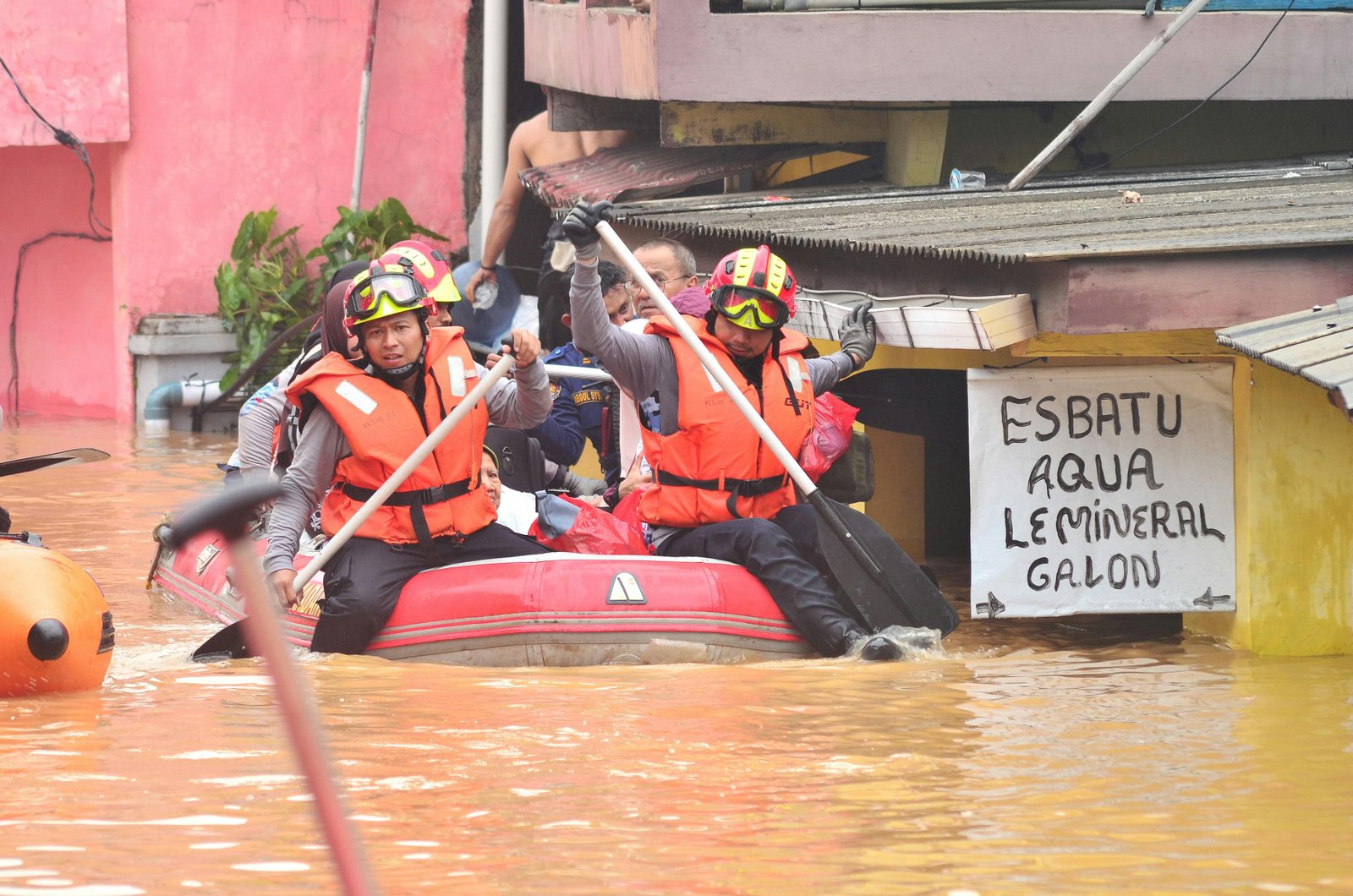
Clean Water Provision Framework for Flood-Affected Areas in Indonesia: Comprehensive Guidelines, Standards, Implementation Protocols, and Emergency Response Systems
Clean Water Provision Framework for Flood-Affected Areas in Indonesia: Comprehensive Guidelines, Standards, Implementation Protocols, and Emergency Response Systems
Reading Time: 98 minutes
Key Highlights
• National disaster impact: Indonesia experiences annual flooding affecting 63.7 million people living in flood-prone areas, with Jakarta alone experiencing floods during every monsoon season between November and March, displacing hundreds of thousands of residents and causing significant disruption to water supply infrastructure and sanitation systems1
• International standards compliance: Sphere humanitarian standards mandate minimum 7.5-15 liters per person per day for survival needs in emergencies, with post-emergency requirements increasing to 20 liters per person daily for basic personal and domestic needs including drinking, washing, cooking, and hygiene2
• Sendai Framework integration: Indonesia implements Sendai Framework for Disaster Risk Reduction 2015-2030 across all levels, emphasizing resilient water infrastructure that remains operational during and after disasters to provide life-saving services and limit disease spread through coordinated multi-agency response systems3
• Treatment technology deployment: Emergency water provision utilizes point-of-use household treatment including chlorination achieving 67.5% effectiveness in controlled programs, ceramic filtration providing 3-6 times cost advantage over centralized systems, and UV disinfection offering 99% pathogen reduction without chemical residue formation4
Executive Summary
Flood disasters constitute Indonesia's most frequent and widespread natural hazard, affecting urban and rural communities across the archipelago with recurring seasonal patterns and increasing intensity attributed to climate change, urbanization pressures, and land-use modifications. The Indonesian National Board for Disaster Management (BNPB) reports that 63.7 million people face exposure to flooding hazards, representing significant vulnerability requiring systematic emergency response frameworks ensuring access to safe drinking water during crisis periods when conventional water supply infrastructure becomes compromised or completely non-functional.5 Jakarta, the capital city, exemplifies these challenges through chronic urban flooding during monsoon seasons displacing tens of thousands annually while contaminating municipal water supplies and overwhelming sanitation systems, creating public health emergencies demanding immediate intervention.
Clean water provision during flood emergencies requires integrated frameworks combining international humanitarian standards with Indonesian institutional structures, technical protocols, and community engagement mechanisms. The Sendai Framework for Disaster Risk Reduction 2015-2030, adopted by Indonesia alongside 168 United Nations member states, provides overarching policy direction emphasizing disaster risk governance, resilient infrastructure, preparedness capacity, and coordinated response systems protecting populations from avoidable suffering.6 This global framework translates into Indonesian context through Law No. 24/2007 concerning Disaster Management, establishing BNPB as the lead coordinating authority working with sector ministries including Ministry of Health (Kementerian Kesehatan), Ministry of Public Works and Housing (Kementerian Pekerjaan Umum dan Perumahan Rakyat), and local government disaster management agencies (BPBD) across provinces and districts implementing emergency water provision protocols.
Sphere humanitarian standards constitute internationally recognized minimum requirements for water, sanitation, and hygiene (WASH) interventions in emergency contexts, specifying that affected populations require minimum 7.5-15 liters per person per day during acute emergency phases covering drinking, basic hygiene, and cooking needs, with quantities increasing to 20 liters per person daily during post-emergency periods allowing improved sanitation and domestic activities.7 These standards guide assessment methodologies, technology selection, service delivery mechanisms, and monitoring protocols ensuring humanitarian principles of dignity, safety, and equitable access govern emergency water provision regardless of political, economic, or social status of affected populations. Indonesian disaster response agencies incorporate Sphere standards through training programs, operational guidelines, and partnership frameworks with international humanitarian organizations including UNICEF, World Health Organization (WHO), and International Federation of Red Cross and Red Crescent Societies (IFRC) supporting national capacity.
Technical approaches for emergency water provision span source identification and protection, treatment technologies appropriate for disaster contexts, distribution systems enabling equitable access, quality monitoring ensuring safety, and hygiene promotion preventing disease transmission. Point-of-use water treatment methods including chlorination, ceramic filtration, and boiling demonstrate varying effectiveness ranging from 0-67.5% in Indonesian emergency contexts depending on pre-existing programs, user acceptance, product quality, and implementation support.8 Centralized or community-scale systems utilizing mobile treatment units, water trucking operations, and temporary distribution networks serve larger populations though requiring substantial logistical coordination, equipment availability, and qualified operators during chaotic disaster environments when normal infrastructure and administrative functions face severe disruption.
This comprehensive framework document provides detailed guidance for water provision planning, implementation, and monitoring in Indonesian flood disaster contexts. Drawing on international best practices adapted to local conditions, incorporating lessons from Jakarta and other urban flooding experiences, and reflecting current regulatory requirements and institutional arrangements, the framework serves government agencies, water utilities, humanitarian organizations, private sector providers, and community groups engaged in disaster preparedness and emergency response. Structured around disaster management cycle phases including prevention-mitigation, preparedness, response, and recovery-rehabilitation, the framework enables systematic capacity building and coordinated action ensuring flood-affected populations receive adequate safe water protecting health, dignity, and survival during vulnerable periods following disaster impacts.
International and National Framework Integration
Clean water provision during flood disasters operates within nested framework layers spanning global humanitarian principles, regional cooperation mechanisms, national legislation and institutions, and local implementation structures. Understanding this multi-level architecture proves necessary for effective coordination, resource mobilization, technical standard application, and accountability to affected populations and supporting stakeholders. Indonesian disaster management system reflects these nested frameworks through constitutional commitments protecting citizens from disaster impacts, statutory provisions establishing roles and responsibilities, regulatory guidelines operationalizing requirements, and institutional mechanisms enabling coordinated action across government, civil society, private sector, and international partners.
Sendai Framework for Disaster Risk Reduction 2015-2030:
Core priorities directly relevant to water provision:
• Priority 1 - Understanding disaster risk: Comprehensive assessment of water infrastructure vulnerabilities, population exposure patterns, and capacity gaps requiring systematic data collection, hazard mapping, and risk analysis informing preparedness investments
• Priority 2 - Strengthening governance: Multi-level coordination mechanisms connecting national agencies (BNPB, Ministry of Health, Ministry of Public Works), provincial/district disaster management offices (BPBD), water utilities (PDAM), and community structures ensuring clear roles, adequate resources, and accountability for emergency water provision
• Priority 3 - Investing in resilience: Infrastructure hardening protecting water treatment plants, pipelines, and storage facilities from flood damage; pre-positioning emergency equipment and supplies; training response personnel; developing early warning-early action protocols linking flood forecasts with water provision mobilization
• Priority 4 - Enhancing preparedness: Emergency response plans detailing water provision procedures, resource requirements, coordination mechanisms, and communication protocols; regular exercises testing plan effectiveness; public awareness campaigns promoting household preparedness including water storage and treatment knowledge
Global targets with water provision implications:
• Target A - Substantially reduce disaster mortality: Safe water provision preventing waterborne disease outbreaks and dehydration deaths among vulnerable populations including children, elderly, pregnant women, and persons with disabilities
• Target B - Substantially reduce number of affected people: Maintaining water services or rapidly restoring access minimizing disruption periods and secondary impacts from water scarcity
• Target D - Substantially reduce disaster damage to critical infrastructure: Protecting water infrastructure through flood-resistant design, backup systems, and rapid repair capacity maintaining service continuity9
Sphere humanitarian standards establish minimum requirements for emergency water provision based on extensive field experience and technical evidence, though recognizing that evidence base for specific quantitative thresholds remains limited requiring ongoing refinement through operational research and monitoring. Standards emphasize both quantitative requirements (water volumes, service ratios, distances, quality parameters) and qualitative principles (participation, accountability, dignity, safety) ensuring interventions address not only technical provision but also social, cultural, and protection dimensions affecting how populations access and utilize water services. The Sphere Handbook, revised periodically with current fourth edition published 2018, constitutes most widely recognized humanitarian standard globally, incorporated into training curricula, operational procedures, and partnership agreements across humanitarian sector including Indonesian disaster management agencies and non-governmental organizations.10
Indonesian National Disaster Management System for Water Provision
Legal and Regulatory Foundation:
Law No. 24/2007 on Disaster Management: Establishes comprehensive national system defining disaster management phases (pre-disaster including prevention-mitigation and preparedness; emergency response; post-disaster including recovery and reconstruction), institutional structures, funding mechanisms, rights and obligations of government and communities, and coordination requirements across levels and sectors
Presidential Regulation establishing BNPB: Creates National Disaster Management Agency as non-ministerial government institution reporting directly to President, with authority coordinating disaster management nationwide, establishing standards and procedures, mobilizing resources during emergencies, and overseeing provincial/district disaster management agencies
Ministry of Health regulations: Specify health sector responsibilities including surveillance for waterborne diseases, environmental health assessments, hygiene promotion, water quality monitoring during emergencies, and coordination with water sector agencies ensuring public health protection
Ministry of Public Works regulations: Define water resources and water supply infrastructure responsibilities including assessment and rehabilitation of damaged systems, coordination with regional water utilities (PDAM), deployment of mobile treatment units, and technical standards for emergency water provision11
Institutional Coordination Mechanisms:
BNPB National Coordination: Leads inter-agency coordination through National Disaster Management Forum bringing together ministries, agencies, and stakeholders; establishes Emergency Operations Center during major disasters activating communication systems, information management, and resource coordination
Provincial BPBD Implementation: 34 provincial disaster management agencies coordinate within provinces, linking national policies with district implementation, managing provincial disaster management funds, and supporting inter-district coordination when disasters cross administrative boundaries
District/City BPBD Operations: Over 500 district and city agencies implement disaster management at local level closest to affected communities, conducting damage assessments, coordinating response activities including water provision, managing evacuation centers, and engaging community disaster preparedness structures
Cluster System for WASH: During major disasters activating cluster coordination system, WASH cluster led by Ministry of Public Works (or UNICEF as co-lead) coordinates all water, sanitation, and hygiene interventions among government agencies, UN organizations, NGOs, and private sector providers ensuring complementary activities without duplication12
Resource Mobilization and Funding:
National Disaster Management Fund: Annual budget allocation through BNPB for disaster preparedness, emergency response, and recovery activities, with procedures enabling rapid disbursement during declared emergencies
Provincial and District Budgets: Regional disaster management budgets allocated through BPBD supporting local preparedness infrastructure, equipment procurement, training, and initial emergency response before national resources mobilized
Contingency Budget Mechanisms: Special provisions enabling finance ministry release additional funds rapidly during major disasters exceeding pre-allocated resources, supporting scaled-up response including mass water provision operations
International Humanitarian Assistance: Framework for receiving and coordinating international aid including in-kind contributions (equipment, supplies) and financial support channeled through UN agencies, bilateral partners, and international NGOs complementing national resources during large-scale disasters13
Technical Standards and Specifications for Emergency Water Provision
Technical standards ensure emergency water provision meets minimum safety, quality, and accessibility requirements protecting public health while enabling systematic planning, procurement, and quality assurance across diverse implementation contexts. Standards span water quantity requirements ensuring adequate volumes for survival and basic hygiene, water quality parameters preventing disease transmission, accessibility criteria enabling equitable service delivery, and treatment technology specifications ensuring appropriate system selection and operation. Indonesian context requires adapting international standards including Sphere humanitarian criteria and WHO drinking water quality guidelines to tropical climate conditions, local disease profiles, cultural practices, infrastructure capabilities, and institutional arrangements characterizing disaster response environments across diverse geographic and socio-economic settings.
Water Quantity Standards for Flood Emergencies:
Survival minimum requirements (acute emergency phase 0-7 days):
• Drinking water: 2.5-3.0 liters per person per day varying with climate conditions, physical activity levels, and individual physiology; higher temperatures and humidity in Indonesian tropical climate may increase requirements
• Basic hygiene practices: 2-6 liters per person per day for handwashing, basic bathing, and sanitation supporting disease prevention
• Basic cooking needs: 3-6 liters per person per day for food preparation and dishwashing ensuring food safety
• Total minimum: 7.5-15 liters per person per day representing Sphere humanitarian standard for survival during acute emergency when infrastructure severely compromised14
Post-emergency requirements (stabilization phase 1-4 weeks):
• Domestic and personal hygiene: 15-20 liters per person per day enabling improved bathing, laundry, household cleaning, and sanitation supporting health, dignity, and comfort
• Public facilities addition: Schools, health centers, evacuation centers, communal kitchens require supplementary allocations beyond household consumption
• Special needs populations: Children, pregnant/lactating women, elderly, persons with chronic illnesses, persons with disabilities may require additional quantities for medical needs, hygiene support, and hydration
• Quality threshold: Water should meet WHO drinking water quality guidelines or Indonesian national standards (Permenkes 492/2010) for microbiological, chemical, and physical parameters15
Service delivery accessibility standards:
• Maximum distance from dwelling to water point: 500 meters ensuring reasonable collection time and effort, particularly important for vulnerable populations including women, children, elderly, and persons with disabilities
• Maximum queue time at water point: 15 minutes during peak hours preventing excessive waiting and ensuring practical access for households
• Ratio of population to water access points: Maximum 250 people per tap or 500 people per hand pump ensuring adequate capacity and minimizing crowding
• Minimum flow rate: 0.125 liters per second at water point enabling reasonable filling times for household containers (typically 10-20 liter jerrycans)16
Non-domestic institutional requirements:
• Health facilities: 40-60 liters per outpatient per day; 60-100 liters per inpatient per day depending on services provided
• Schools and child-friendly spaces: 3 liters per pupil per day for drinking and handwashing at minimum
• Communal feeding centers: 20-30 liters per person per day for cooking, dishwashing, and basic hygiene
• Evacuation centers: 15-20 liters per person per day for personal needs plus additional quantities for sanitation facility cleaning, food preparation, and building hygiene17
Water quality standards prioritize microbiological safety as primary concern during flood emergencies given high disease transmission risks from fecal contamination, while maintaining awareness of potential chemical and physical contaminants requiring assessment and treatment. Floods contaminate water sources through multiple pathways including surface runoff carrying sewage and waste, inundation of sanitation facilities (latrines, septic tanks) releasing fecal matter, overflow of drainage systems and waste dumps, and industrial contamination from flooded factories or storage facilities. Flood water itself should never be consumed untreated even if sources appear clean, as invisible microbiological contamination creates severe health risks including cholera, typhoid, hepatitis A, and diarrheal diseases causing significant morbidity and mortality particularly among children and vulnerable populations.
Water Quality Standards and Monitoring Requirements:
Microbiological quality parameters (priority during emergencies):
• Thermotolerant (fecal) coliform bacteria: 0 CFU per 100 ml at point of delivery (tap, distribution point, household storage); key indicator of fecal contamination and treatment effectiveness
• Escherichia coli (E. coli): 0 CFU per 100 ml; more specific indicator of recent fecal contamination than total coliforms
• Free chlorine residual: 0.2-0.5 mg/l at point of delivery when chlorination used, providing ongoing disinfection protection in distribution system and household storage
• Turbidity: Below 5 NTU ideally, maximum 20-30 NTU acceptable in emergency if water otherwise safe; high turbidity reduces disinfection effectiveness and indicates inadequate treatment18
Chemical quality considerations (context-dependent assessment):
• Arsenic, fluoride, nitrate: Natural contaminants potentially exceeding guidelines in certain groundwater sources
• Industrial chemicals: Petroleum products, solvents, pesticides, heavy metals from flooded industrial areas or storage facilities
• Disinfection byproducts: Trihalomethanes from chlorination of water with high organic content; risk typically acceptable given greater benefits from pathogen inactivation
• Salinity and hardness: Affecting taste and acceptability though not immediate health threats; may drive populations to use unsafe sources if treated water unpalatable19
Physical and aesthetic quality parameters:
• Turbidity: Cloudy appearance from suspended particles affecting acceptability and indicating potential contamination or inadequate treatment
• Color: Should be colorless or below 15 TCU; high color often indicates organic contamination or treatment inadequacy
• Taste and odor: Should be acceptable to users; unpleasant characteristics may drive populations to unsafe sources despite meeting microbiological standards
• pH: Ideally 6.5-8.5; extreme values affect corrosion, disinfection effectiveness, and acceptability20
Monitoring and testing requirements:
• Frequency: Daily testing of chlorine residual and turbidity at water points and storage tanks; weekly microbiological testing at representative sampling points; chemical analysis only if contamination suspected based on source characteristics or flood impacts
• Sampling locations: Water sources, treatment system outputs, distribution points, household storage containers representing consumption points
• Testing methods: Field test kits for chlorine and turbidity enabling rapid results; laboratory analysis for microbiological indicators and chemical parameters requiring specialized equipment
• Data management: Systematic recording, analysis, and reporting of water quality results informing treatment adjustments, supply source decisions, and public health surveillance21
Water Treatment Technologies for Flood Disaster Response
Selecting appropriate water treatment technologies for flood emergency contexts requires balancing multiple factors including effectiveness against relevant contaminants, operational simplicity during chaotic conditions, resource requirements including energy and consumables, cost considerations, user acceptability, and scalability matching population needs. Technologies span household-level point-of-use methods enabling family-scale treatment, community-level systems serving 50-500 people through shared facilities, and centralized approaches utilizing mobile treatment units or tanker operations serving thousands. No single technology suits all contexts, requiring assessment of specific conditions including water source characteristics, population density and location, infrastructure availability, supply chain capacity, institutional support, and cultural preferences determining optimal intervention strategies.
Point-of-Use Household Water Treatment Methods:
Chlorination (sodium hypochlorite solution):
• Effectiveness: Highly effective against bacteria and viruses (typically 99.9%+ reduction); less effective against protozoan cysts and helminth eggs; no effect on chemical contaminants or turbidity
• Dosage: 1-2 drops of 5% sodium hypochlorite (bleach) per liter water, adjusted based on turbidity and organic content; aim for 0.2-0.5 mg/l free chlorine residual after 30 minute contact time
• Cost: Very low, approximately USD 0.0002-0.0005 per liter treated; supplies widely available commercially
• User acceptability: Moderate; some populations reject chlorine taste/smell though this indicates proper treatment; requires behavior change and consistent use
• Program requirements: Distribution of chlorine solution or tablets, dosage demonstration and behavior change communication, monitoring of use and residual levels
• Indonesian experience: Pre-existing chlorination programs in Haiti achieved 67.5% effective use; unpromoted use in Indonesia post-disaster reached only 20-30% highlighting importance of prior promotion and supply chains22
Ceramic water filters:
• Effectiveness: 99%+ removal of bacteria; 90-99% removal of protozoa; limited virus removal unless impregnated with silver or colloidal silver; turbidity reduction from sedimentation and physical filtration
• Technology: Porous ceramic pot or candle filter allowing water passage while trapping particles and microorganisms; typical pore size 0.5-1.0 microns
• Flow rate: 1-3 liters per hour depending on design, sufficient for household needs (20-30 liters per day)
• Lifespan: 2-5 years with proper maintenance including daily brushing to remove accumulated particles; eventual replacement needed when flow rate declines excessively
• Cost: USD 15-40 per unit for initial purchase; minimal operating costs; 3-6 times more cost-effective than centralized systems in many contexts
• User acceptability: Generally high due to improved taste and no chemical addition; requires household space and ongoing cleaning
• Limitations: Fragility causing breakage during transport or handling; limited virus removal without silver enhancement; requires continuous water supply for household filling23
Boiling:
• Effectiveness: 100% pathogen inactivation including bacteria, viruses, protozoa, and helminth eggs; no effect on chemical contaminants or turbidity
• Procedure: Bring water to rolling boil for 1-3 minutes (WHO guidelines vary by altitude); allow to cool before consumption
• Energy requirement: Substantial fuel consumption (approximately 1 kg wood or 0.2 liters kerosene per 5 liters water boiled) creating economic burden and environmental impacts
• Safety concerns: Burn risks particularly affecting children and elderly; indoor air pollution from biomass combustion causing respiratory health impacts
• Cost: Variable depending on fuel availability and pricing; may be prohibitive for poor households during extended emergencies
• User acceptability: High familiarity across Indonesian culture; spontaneous adoption during disasters without external promotion
• Indonesian post-disaster experience: Unpromoted boiling usage reached 20-30% among affected populations, higher than distributed chlorination products without prior promotional programs24
Combined coagulation-disinfection products (sachets):
• Technology: Single-use sachets containing coagulant (typically aluminum sulfate) and disinfectant (sodium hypochlorite or calcium hypochlorite) treating 10-20 liters per sachet
• Process: Add sachet to water, stir vigorously for 5 minutes allowing flocculation, strain or decant after 30 minutes settling, wait additional 20 minutes for disinfection
• Effectiveness: Turbidity reduction 90-99%; pathogen removal 99%+ for bacteria, viruses, protozoa; some chemical reduction through adsorption to flocs
• Cost: USD 0.01-0.03 per sachet treating 10-20 liters; single-use increasing costs compared to reusable technologies
• Advantages: Simultaneous turbidity and pathogen treatment; simple instructions; individually packaged for distribution
• Limitations: Longer treatment time (60+ minutes); requires containers for treating and settling; chemical residue (aluminum) in treated water; single-use packaging creating waste
• Applications: Particularly valuable for highly turbid flood water requiring clarification before effective disinfection; temporary emergency use supplementing longer-term sustainable approaches25
Community-scale and centralized water treatment approaches prove necessary when household-level interventions insufficient due to population density, lack of containers or fuel, limited user capacity, or desire for institutional oversight ensuring water safety. These larger systems require qualified operators, regular supply of consumables and spare parts, energy sources (electricity or fuel), and maintenance support, creating dependencies requiring careful planning and logistics coordination during emergency response when normal support structures disrupted. Mobile treatment units offer flexibility deploying to affected areas, though requiring significant upfront investment, skilled operators, and supply chains supporting ongoing operations limiting deployment to major disasters justifying resource mobilization.
Community and Centralized Treatment Systems:
Mobile water treatment units:
• Technology: Trailer or container-mounted systems incorporating multiple treatment stages (screening, coagulation-flocculation, filtration, disinfection) producing 5-50 cubic meters per hour treated water
• Configuration options: Rapid sand filtration + chlorination for moderately turbid surface water; ultrafiltration membrane systems for high-quality output; reverse osmosis for brackish water or severe contamination
• Capacity: Serve 500-5,000 people per day depending on unit size and operating hours
• Deployment requirements: Source water access (surface water intake or well), suitable positioning area, electricity supply (generator or grid), distribution system or tanker loading
• Operating requirements: Trained operators (2-4 personnel per unit), chemical supplies (coagulants, chlorine), spare parts and maintenance supplies, quality testing equipment
• Cost: Capital investment USD 50,000-500,000 per unit depending on capacity and sophistication; operating costs USD 0.01-0.05 per liter produced for chemicals, fuel, labor, maintenance
• Indonesian deployment: Ministry of Public Works maintains fleet of mobile units for disaster response; some provincial governments and large water utilities possess units; may be supplemented by international humanitarian agency deployments during major disasters26
Water trucking operations:
• Concept: Transport treated water from safe sources (functioning treatment plants, protected wells, bottled water facilities) to affected areas using tank trucks
• Distribution methods: Direct delivery to evacuation centers, communal storage tanks, or household distribution points; may involve fixed routes or demand-based requests
• Capacity: Typical truck capacity 5-15 cubic meters requiring multiple trips daily serving dispersed populations; total capacity depends on truck availability, distance, road conditions
• Quality assurance: Source water certification, truck sanitation (dedicated water trucks avoid cross-contamination), chlorination at loading or delivery point, monitoring at distribution
• Cost: Relatively expensive USD 0.05-0.20 per liter delivered considering fuel, labor, vehicle rental/amortization, overhead; justified when alternatives unavailable or for initial emergency response before treatment systems established
• Duration: Appropriate for short-term emergency (days to weeks); becomes unsustainable for extended periods due to cost, logistics burden, limited reach; should transition to local treatment systems rapidly
• Coordination requirements: Assignment of delivery areas, scheduling to ensure regular supply, identification of accessible distribution points, communication with communities regarding schedule, monitoring to prevent inequitable distribution27
Rehabilitation of existing infrastructure:
• Assessment: Rapid technical assessment of conventional water supply infrastructure (treatment plants, pumping stations, distribution networks, wells) determining damage extent and rehabilitation requirements
• Priority repairs: Focus on critical components enabling partial system restoration (generator repair, pump replacement, pipeline fixing, chemical supply replenishment) rather than waiting for complete reconstruction
• Temporary measures: Bypass damaged sections, utilize flexible hoses over broken pipes, deploy temporary chlorination at wellheads or reservoirs, establish satellite distribution points
• Coordination: Engage regular water utility operators (PDAM) as primary implementers supported by disaster response agencies; leverage existing staff knowledge and relationships
• Timeline: May enable restoration of partial service within days to weeks for damaged-but-repairable systems; allows transition from emergency response to early recovery
• Cost-effectiveness: Rehabilitation typically more cost-effective than establishing parallel emergency systems when feasible; returns to sustainable local management faster than temporary external interventions28
Implementation Framework and Operational Protocols
Systematic implementation of emergency water provision requires structured frameworks guiding assessment, planning, resource mobilization, coordination, operations management, and monitoring throughout disaster management cycle phases. Framework components include needs assessment methodologies determining affected population characteristics and requirements, response planning translating assessments into intervention designs and resource requirements, coordination mechanisms linking multiple actors avoiding duplication while ensuring coverage gaps addressed, operational management overseeing daily service delivery and problem solving, and monitoring-evaluation systems tracking performance and enabling adaptive management improving effectiveness. Indonesian disaster management system provides institutional structures supporting these framework elements, requiring operational procedures and technical guidance translating policy commitments into field-level actions under challenging emergency conditions.
Rapid Assessment Framework for Emergency Water Provision Needs
Phase 1: Initial Rapid Assessment (0-24 hours post-disaster)
Objective: Provide initial situational overview enabling immediate response decision-making and resource mobilization
Information requirements:
• Affected population: Total number of people in flood-affected areas; breakdown by location (neighborhoods, villages, evacuation centers); identification of vulnerable groups (children, pregnant women, elderly, persons with disabilities)
• Infrastructure damage: Status of conventional water supply systems (treatment plants operational/damaged, pumping stations, distribution networks); extent of flooding affecting water sources (wells contaminated, surface water intakes submerged)
• Current water access: Are affected populations able to access any water currently? What sources and quantities? Is water being provided by authorities, communities, or others?
• Priority needs: Immediate life-threatening situations (no water access, evacuation centers without facilities); geographic areas or population groups requiring urgent intervention
• Access constraints: Physical access limitations (flooded roads, damaged bridges); security concerns; administrative/coordination challenges
Assessment methods:
• Secondary data: Utilize pre-existing disaster preparedness data, population statistics, infrastructure maps, vulnerability assessments compiled during preparedness phase
• Remote sensing: Flood extent mapping from satellite imagery or aerial surveys; social media monitoring for crowdsourced disaster information
• Key informant consultations: Contact local government officials, BPBD staff, community leaders, water utility operators by telephone or radio communications
• Limited field observations: If accessible, deploy assessment teams to highest-priority areas for visual confirmation; interview affected population representatives
Outputs:
• Preliminary affected population estimates and geographic distribution
• Severity classification: Critical, high, moderate priority areas
• Initial response recommendations: Immediate interventions required, resources needed, coordination requirements
• Information gaps: Areas requiring more detailed assessment once access improves29
Phase 2: Detailed Needs Assessment (2-7 days post-disaster)
Objective: Comprehensive understanding of needs, capacities, and response requirements supporting detailed operational planning
Assessment components:
A. Population and Demographics:
• Precise population counts: Affected population in home locations versus evacuated to centers; population movement patterns
• Demographic breakdown: Age distribution (infants, children, adults, elderly), sex distribution, pregnant/lactating women, persons with chronic illnesses or disabilities, other vulnerability factors
• Socio-economic characteristics: Income levels, housing types, pre-existing water access patterns, cultural/religious practices affecting water use
• Household size and structure: Average household size, presence of extended families, female-headed households, other factors affecting water collection and use
B. Water Infrastructure and Services:
• Pre-disaster baseline: What water sources and services existed before floods? Coverage rates, service levels, reliability, quality
• Damage assessment: Detailed technical assessment of infrastructure condition (structural damage, equipment failure, contamination, loss of electricity); estimated repair requirements and timelines
• Current functionality: What systems partially operational? Can they serve some populations? What repairs or support needed for continued operation?
• Alternative sources: Protected springs, functioning wells, bottled water sources, neighboring unaffected systems potentially extended into disaster area
C. Current Water Access and Use:
• Water sources: What sources are affected populations currently using? Quality, quantity, distance, reliability?
• Collection practices: Who collects water (women, children, men)? How much time required? What container sizes? Any safety concerns during collection?
• Water use patterns: How much water per household per day? What used for (drinking, cooking, hygiene, other)? Any uses being skipped due to insufficient access?
• Treatment practices: Are households treating water? What methods? Effectiveness?
• Cost and payment: Are people paying for water? How much? Ability to afford continued access?
D. Hygiene, Sanitation, and Health:
• Sanitation status: Functioning toilets/latrines available? Type, number, condition? Open defecation occurring where and by whom?
• Hygiene facilities: Handwashing stations available? Soap access? Bathing facilities? Menstrual hygiene management support?
• Health surveillance: Any waterborne disease reports (diarrhea, dysentery, typhoid)? Disease trends compared to pre-disaster baseline?
• Health facility status: Medical facilities operational? Water access sufficient for clinical services, cleaning, patient care?
E. Coordination and Capacities:
• Response actors: Who providing water assistance currently? Government agencies, humanitarian organizations, community groups, private sector? What each providing and where?
• Coverage gaps: Population groups or geographic areas not receiving assistance? Why?
• Duplication: Any areas receiving multiple interventions creating inefficiency?
• Local capacities: Community organizations, skilled personnel (plumbers, operators), materials and equipment locally available?
• Coordination mechanisms: Is WASH cluster or equivalent coordination forum functioning? Meeting frequency, participant engagement?
Assessment methods:
• Household surveys: Representative samples (10-15% households in each geographic area or population category) using standardized questionnaires
• Focus group discussions: Separate groups with women, men, adolescents, elderly, disabled persons understanding different perspectives and needs
• Key informant interviews: Local officials, community leaders, religious leaders, teachers, health workers providing community-level information
• Technical inspections: Water infrastructure assessments by engineers/technicians; water quality testing at sources and consumption points
• Observation: Water point observations documenting crowding, waiting times, collection practices, safety concerns; market assessments evaluating water prices, treatment product availability
• Secondary data: Population statistics, health records, pre-disaster WASH coverage data, historical disaster impacts, vulnerability assessments30
Phase 3: Ongoing Monitoring and Re-assessment
Purpose: Track changing conditions, evolving needs, response effectiveness enabling adaptive management and transition planning
Monitoring indicators:
• Access: Percentage of affected population with access to minimum 7.5 liters per person per day; 15 liters per person per day; distribution by geographic area and population group
• Quality: Percentage of water samples meeting microbiological standards (zero thermotolerant coliforms); chlorine residual presence when chlorination used
• Utilization: Average water collection per household per day; uses (drinking, cooking, hygiene); treatment practices
• Health: Incidence of diarrheal disease, acute respiratory infection, skin diseases; trends compared to baseline and other areas
• Coverage: Percentage of identified needs being met by current interventions; geographic and demographic gaps
Re-assessment triggers:
• Significant population movements (evacuation center closures, returns to home areas, new displacements)
• Infrastructure changes (treatment plant restored, new water point constructed, system failure)
• Disease outbreaks suggesting water quality or hygiene problems
• Transition planning from emergency to recovery phase
• Program evaluation assessing intervention effectiveness and needed adjustments
Data management:
• Standardized reporting formats enabling compilation and comparison across areas and time periods
• Database or information management system tracking indicators with disaggregation by area, population group, time
• Regular analysis and sharing with coordination forums, management teams, and decision makers
• Feedback mechanisms enabling affected populations, field staff, partners to raise concerns and suggest improvements31
Emergency Response Planning and Resource Mobilization
Assessment findings translate into operational response plans specifying interventions, resource requirements, implementation responsibilities, timelines, and coordination arrangements. Response planning occurs at multiple levels: national plans providing overall strategy and resource allocation, provincial/district plans detailing local implementation, and organizational plans guiding individual agency or NGO contributions. Plans balance immediate life-saving priorities with medium-term stabilization objectives and transition planning toward sustainable recovery, recognizing that emergency phase typically spans days to weeks before transitioning to early recovery requiring different approaches, actors, and funding mechanisms. Effective planning incorporates flexibility enabling adaptation as situations evolve, populations move, infrastructure repairs progress, and seasonal conditions change.
Response Planning Components:
Intervention Selection and Design:
• Water quantity objectives: Meet Sphere minimum standards (7.5-15 liters per person per day initial phase, progressing toward 20 liters per person per day)
• Water quality targets: Zero thermotolerant coliforms at point of delivery; 0.2-0.5 mg/l free chlorine residual when chlorination employed
• Coverage strategy: Prioritize most vulnerable populations and worst-affected areas; phase expansion to broader coverage as resources and access permit
• Technology selection: Match technologies to context considering water source characteristics, population density, infrastructure availability, user preferences, implementation capacity
• Service delivery approach: Household-level distribution (filters, chlorine, containers) versus community water points versus mobile treatment and trucking; combinations addressing different contexts
• Integration with other sectors: Link water provision with sanitation facilities, hygiene promotion, health services, nutrition programs creating comprehensive WASH response32
Resource Mobilization and Procurement:
• Personnel: Technical staff (engineers, water quality specialists), operators for treatment systems, logistics personnel, community mobilizers for distribution and hygiene promotion; utilize government staff, NGO workers, contracted personnel, trained volunteers
• Equipment: Treatment units (mobile plants, filters, chlorinators), testing equipment (field kits, lab instruments), distribution materials (tanks, taps, hoses, containers), vehicles (trucks for water transport, equipment delivery, staff mobility)
• Consumables: Treatment chemicals (coagulants, chlorine products), water quality testing supplies, fuel for generators and vehicles, spare parts for equipment maintenance
• Supplies for distribution: Household water containers (jerrycans, buckets), point-of-use treatment products (chlorine, filters, sachets), hygiene items (soap, water purification tablets)
• Procurement approaches: Utilize pre-positioned emergency stocks, activate framework agreements with suppliers, conduct emergency tenders, accept in-kind donations from partners
• Cost estimation: Calculate per-capita daily costs for different intervention types; estimate total budget requirements based on affected population and response duration; identify funding sources and gaps33
Implementation Timelines and Phasing:
• Immediate (0-72 hours): Deploy available resources to highest priority needs; initiate water trucking to evacuation centers; distribute emergency water supplies; conduct initial damage assessments
• Early response (3-14 days): Scale up interventions expanding geographic coverage and increasing per-capita supply; deploy mobile treatment units; initiate household treatment distribution; begin infrastructure repairs
• Stabilization (2-8 weeks): Achieve minimum standards across all affected populations; transition from trucking to local treatment systems; establish community management of water points; plan recovery phase
• Early recovery (2-6 months): Restore or reconstruct permanent infrastructure; transition from emergency management to development actors and funding; strengthen local capacity for sustainable service delivery
• Exit strategy: Define conditions for response phase completion; transfer responsibilities to regular government agencies or community management; document lessons learned and update preparedness plans34
Coordination Arrangements:
• WASH Cluster activation: Establish or activate coordination forum bringing together all actors (government agencies, UN organizations, international and local NGOs, private sector); designate lead agency and co-lead
• Geographic and sectoral division: Assign responsibility areas to different organizations avoiding duplication while ensuring comprehensive coverage; agree technical approaches and standards
• Information management: Establish common assessment formats, reporting templates, databases tracking activities by location and organization; produce regular situation reports and coverage maps
• Joint planning and evaluation: Regular coordination meetings reviewing progress, identifying gaps and problems, adjusting strategies; joint evaluation missions to affected areas
• Resource mobilization: Coordinate funding appeals; facilitate resource sharing (equipment loans, supply pooling); avoid competition undermining collaborative approaches35
Community Engagement and Hygiene Promotion
Technical water provision alone proves insufficient protecting health without accompanying hygiene promotion ensuring populations understand proper water collection, storage, treatment, and use practices preventing recontamination and disease transmission. Community engagement encompasses two-way communication informing populations about water services while gathering feedback on preferences, problems, and suggestions improving service delivery. Hygiene promotion utilizes multiple communication channels including mass media, community meetings, household visits, distribution point demonstrations, and schools reaching diverse population segments with age-appropriate, culturally-sensitive messages. Effective programs recognize affected populations as active participants rather than passive recipients, engaging community structures, leveraging existing social networks, and building on local knowledge and practices rather than imposing external approaches without community ownership.
Hygiene Promotion Priority Messages for Flood Contexts:
Safe Water Practices:
• Source selection: Never drink flood water or visibly contaminated sources; use designated safe water points from treatment systems or protected sources
• Collection hygiene: Use clean containers with narrow openings and covers; avoid contaminating containers during filling; transport covered to prevent dust, insects, splashing
• Household storage: Store water in covered containers; use cups or ladles for extraction avoiding hand contact with water; clean storage containers daily; separate drinking water from other uses
• Treatment verification: Check for chlorine smell/taste indicating proper treatment; observe water clarity (turbidity) as indicator of treatment need; follow treatment instructions carefully (dosage, contact time)
• Vulnerable groups: Prepare infant formula and food with safe water only; provide boiled or treated water to children, elderly, pregnant women, persons with compromised immunity36
Handwashing and Personal Hygiene:
• Critical times: After toilet use and before preparing or eating food; after changing infant diapers; after contact with sick persons or their waste
• Proper technique: Use soap (or ash if unavailable); rub all hand surfaces for 20 seconds; rinse with clean flowing water (not basin reused water); air dry or use clean cloth
• Handwashing facilities: Establish dedicated handwashing stations at latrines, food preparation areas, communal eating locations; ensure water, soap, and drainage available
• Bathing: Bathe regularly using designated bathing areas away from water collection points; use soap; dispose wastewater in drainage or soak pits not water sources
• Menstrual hygiene: Provide private, safe bathing and washing facilities; distribute sanitary materials; dispose used materials safely in designated receptacles not open areas or water bodies37
Food and Kitchen Hygiene:
• Food preparation: Wash fruits and vegetables with safe water; cook food thoroughly; avoid raw or partially cooked foods during emergency when preservation difficult
• Kitchen utensils: Wash dishes, pots, utensils with safe water; air dry rather than using potentially contaminated towels; store utensils covered protecting from flies and dust
• Food storage: Keep food covered; store off ground in clean, dry, cool locations; consume leftovers quickly or discard; prevent contact with pests (rodents, insects)
• Communal feeding: If feeding centers operating, ensure hygiene standards including safe water use, food handler handwashing, clean utensils, proper food temperatures, safe waste disposal38
Environmental Hygiene and Waste Management:
• Sanitation: Use designated toilet facilities not open defecation; maintain latrines clean; ensure hand washing after use; report facility problems (full pits, broken structures, lack supplies) immediately
• Solid waste: Dispose refuse in designated collection points or pits; do not throw waste in water sources, drainage channels, or living areas attracting pests and creating contamination
• Drainage: Keep drainage channels clear of blockages; do not construct shelters or latrines in drainage ways; report flooding from blocked drains to authorities
• Excreta disposal: For infants and young children using diapers or potties, dispose feces in latrines not open ground; wash soiled items in designated areas away from water sources
• Animal management: Keep animals separate from living areas, water points, and food preparation; dispose animal waste properly; prevent animal access to latrines and water sources39
Community engagement strategies employ participatory approaches recognizing affected populations possess valuable knowledge, preferences, and capacities requiring incorporation into response design and implementation. Rapid participatory assessments through focus groups, community meetings, and household conversations identify local practices, beliefs, preferences, and constraints affecting hygiene behaviors and water service utilization. Community representatives participate in water point selection, service management, hygiene promotion planning, and complaint mechanisms ensuring services reflect user needs rather than merely technical considerations. Women and girls require specific engagement given their primary water collection and hygiene responsibilities in most Indonesian contexts, though avoiding overburdening or exposing them to risks through excessive unpaid labor or unsafe collection practices.
Case Study: Jakarta Flood Response 2020 - Multi-Agency Emergency Water Provision
Disaster Context and Impact
Event characteristics: Extreme rainfall December 31, 2019 through January 1, 2020, produced widespread flooding across Greater Jakarta affecting multiple provinces including Jakarta, West Java, and Banten
Population impact: Over 400,000 people displaced to evacuation centers across affected areas; several hundred thousand additional affected in flooded homes but not evacuated
Water infrastructure damage: Multiple water treatment plants experienced flooding disrupting intake structures and electrical systems; distribution network breaks in numerous locations from soil movement and debris impact; groundwater well contamination from flood water infiltration
Service disruption: PAM Jaya (Jakarta water utility) estimated 800,000 customer connections experiencing service interruption or water quality degradation; restoration required several weeks in worst-affected areas
Public health concerns: Diarrheal disease reports increased 30-40% above baseline in affected districts; respiratory infections also elevated associated with crowded evacuation centers and flood exposure40
Emergency Response Implementation
Immediate Response (0-72 hours):
• Water trucking operations: DKI Jakarta BPBD mobilized water tanker trucks delivering to evacuation centers; initially 50-60 trucks providing 500,000-600,000 liters daily, approximately 1.25-1.5 liters per displaced person per day (well below Sphere minimum standards)
• Bottled water distribution: Government procurement and corporate donations provided bottled water to evacuation centers; approximately 2 million liters distributed first three days supplementing trucked water
• Rapid assessment: BNPB, Jakarta BPBD, and partners conducted initial assessments identifying 250+ evacuation centers requiring water support; prioritization based on population size, vulnerable group concentrations, existing water access
Scaled Response (3-14 days):
• Increased trucking capacity: Additional trucks mobilized from national BNPB fleet, military assets, private sector contractors; daily delivery volumes increased to 1.5-2.0 million liters serving both evacuation centers and flooded neighborhoods
• Mobile treatment units: Ministry of Public Works deployed 5 mobile water treatment plants with combined capacity 30,000 liters per hour; positioned at locations with suitable surface water sources; produced water distributed via trucks and temporary piping to nearby centers
• Household treatment distribution: NGO partners distributed chlorine solution (50,000 bottles), ceramic filters (5,000 units), and water storage containers (20,000 units) to affected households returning to flooded homes
• Infrastructure emergency repairs: PAM Jaya prioritized critical repairs enabling partial service restoration; generator installations at treatment plants with damaged electrical supply; temporary pipeline installations bypassing severely damaged sections
• Hygiene promotion: Health department teams conducted hygiene education sessions at evacuation centers; distributed information materials on safe water practices, handwashing, sanitation use
Stabilization Phase (2-6 weeks):
• Infrastructure restoration: PAM Jaya completed major repairs restoring piped water supply to 85% of affected connections within 3 weeks; remaining areas with severe damage required 4-8 weeks for full restoration
• Transition from trucking: As piped services restored and evacuees returned home, water trucking gradually scaled down; by week 4, operations serving only remaining evacuation centers and isolated communities without restored access
• Community-based management: NGO partners established community water management committees at 50 locations to operate and maintain distributed ceramic filters and chlorination programs; training provided on operations, simple maintenance, basic water quality testing
• Monitoring and surveillance: Health surveillance continued tracking waterborne disease trends; water quality testing at evacuation centers, community water points, and randomly selected households; results informed continued intervention adjustments41
Key Outcomes and Lessons Learned
Achievements:
• No major waterborne disease outbreaks despite severe infrastructure damage and population displacement (diarrheal disease increase contained at 30-40% above baseline without epidemic transmission)
• Water provision to evacuation centers reached Sphere minimum standards (7.5+ liters per person per day) within 72 hours at 80% of centers, remaining 20% within 5 days
• Affected population progressively returned home as flood waters receded and services restored; 90% of evacuees returned within 2 weeks reducing pressure on emergency water systems
• Multi-agency coordination through BPBD structures enabled complementary contributions avoiding significant duplication or coverage gaps
Challenges Encountered:
• Initial response insufficient: First 48 hours saw water provision well below minimum standards due to delayed mobilization, insufficient pre-positioned resources, coordination challenges
• Quality assurance difficulties: Limited water quality testing capacity during emergency phase; most testing occurred after stabilization reducing ability to identify and correct problems during critical initial period
• Vulnerable group gaps: Initial response focused on large evacuation centers; smaller informal shelters, isolated households, and populations with mobility limitations received delayed or inadequate assistance
• Communication breakdowns: Information management systems overwhelmed initially; competing situation reports from different agencies showed inconsistent population figures and needs assessments creating confusion
Lessons and Recommendations:
• Strengthen pre-positioning: Increase emergency water supply stockpiles (treatment equipment, household supplies, testing kits) at strategic locations enabling faster initial response
• Improve coordination mechanisms: Strengthen WASH cluster preparedness including pre-agreed roles, communication protocols, information management systems activated immediately when disasters strike
• Invest in infrastructure resilience: Flood-proof critical water infrastructure (treatment plants, pumping stations) through elevation, waterproofing, backup power, drainage improvements reducing disruption duration
• Enhance community preparedness: Household emergency water storage campaigns; community-based early warning and response systems; pre-training of community volunteers for water point management
• Strengthen assessment capacity: Develop rapid assessment tools and train assessment teams deployable within hours; establish baseline data on infrastructure, populations, vulnerabilities supporting rapid needs estimation42
Monitoring, Evaluation, and Accountability Systems
Systematic monitoring and evaluation proves essential ensuring emergency water provision meets standards, reaches intended populations equitably, adapts to changing conditions, and maintains accountability to affected populations and supporting stakeholders. Monitoring encompasses routine data collection tracking service delivery outputs (water quantity provided, quality parameters, population coverage) and population-level outcomes (water access and use, hygiene behaviors, health indicators). Evaluation involves periodic systematic assessment of intervention effectiveness, efficiency, relevance, and sustainability informing strategic decisions about program continuation, modification, or termination. Accountability mechanisms enable affected populations voice concerns, provide feedback, request assistance, and participate in decision-making ensuring services respond to actual needs and preferences rather than external assumptions.
Core Monitoring Indicators and Standards:
Access and Quantity Indicators:
• Access rate: Percentage of affected population with access to safe water source providing minimum 7.5 liters per person per day (emergency standard) or 15 liters per person per day (stabilization standard); target: 100% within 72 hours for emergency minimum, within 2 weeks for stabilization standard
• Average quantity collected: Liters per person per day actually collected by households (measured through household surveys, water point flow measurements, tanker delivery records); compare against standards and assess adequacy for drinking, hygiene, cooking needs
• Distance to water point: Percentage of population within 500 meters of functional water source; average distance traveled for water collection; identify populations exceeding standards requiring additional water points or alternative delivery
• Queuing time: Average time spent queuing at water points during peak collection periods; target maximum 15 minutes; extended queuing indicates inadequate water point capacity requiring additional sources or improved flow rates
• Water availability hours: Hours per day water available at collection points; continuous availability preferred though minimum 8-12 hours daily during peak demand periods (early morning, evening) acceptable during emergency phase43
Quality Indicators:
• Microbiological compliance rate: Percentage of water samples testing negative for thermotolerant coliforms (0 CFU per 100 ml); target: 95%+ of samples meeting standard; lower rates indicate treatment failures or post-treatment contamination requiring corrective action
• Chlorine residual presence: When chlorination employed, percentage of samples with detectable free chlorine residual (0.2-0.5 mg/l range); indicates disinfection occurred and some protection against recontamination during storage
• Turbidity levels: Percentage of samples below 5 NTU (ideal) or maximum 20-30 NTU (emergency acceptable); high turbidity reduces disinfection effectiveness and indicates inadequate treatment
• Taste/odor acceptability: User surveys assessing water acceptability; unacceptable characteristics may drive populations to unsafe sources despite technical quality compliance
• Household treatment practice: Percentage of households reporting water treatment (boiling, chlorination, filtration); verified through observation of treatment equipment, chlorine residual testing in household storage44
Service Delivery Indicators:
• Sanitation ratio: Number of persons per toilet/latrine; Sphere standard maximum 20 persons per toilet during initial emergency phase, 50 persons per latrine acceptable if properly maintained; excessive ratios create crowding, poor hygiene conditions
• Soap availability: Percentage of households with soap or ash for handwashing; minimum 250 grams soap per person per month required for handwashing and bathing
• Gender-disaggregated data: Water collection responsibilities, access barriers, safety concerns by sex and age; ensure women and girls not overburdened or exposed to violence during collection
• Vulnerable group coverage: Specific monitoring of access among children, elderly, persons with disabilities, pregnant/lactating women, chronic illness patients ensuring equitable service without discrimination
• Complaint response time: Average time from complaint received to resolution; rapid response (24-48 hours) to reported problems (water point breakdown, quality concerns, harassment) demonstrates accountability and maintains user confidence45
Health Outcome Indicators:
• Diarrheal disease incidence: Cases per 10,000 persons per week among affected population; compare to baseline and control areas identifying potential waterborne disease problems requiring investigation and response
• Acute malnutrition rates: Percentage of children under 5 years with acute malnutrition (measured through mid-upper arm circumference screening or weight-for-height assessment); water quantity shortages may affect food preparation and hygiene contributing to malnutrition
• Cholera, typhoid, hepatitis A surveillance: Active surveillance and laboratory confirmation for specific waterborne disease outbreaks; early detection enables focused outbreak response
• Skin and eye infections: Prevalence of scabies, impetigo, trachoma, conjunctivitis indicating inadequate hygiene water quantity or unhygienic practices
• Self-reported health: Household surveys assessing family member illness in past 2 weeks; simple indicator tracking general health trends though not specific to water-related conditions46
Transition from Emergency to Recovery and Development
Emergency water provision constitutes temporary intervention addressing acute crisis conditions; successful responses plan transition toward sustainable recovery and development from initial stages rather than creating parallel systems without exit strategies. Transition planning begins during emergency phase identifying opportunities for resilience building, institutional capacity strengthening, and infrastructure improvements preventing merely restoring pre-disaster vulnerabilities. Recovery phase emphasizes reconstruction or rehabilitation of damaged permanent infrastructure, transition from emergency management structures to regular government and community systems, and establishment of sustainable service delivery financing and governance arrangements. Development phase moves beyond recovery toward improved services, stronger disaster preparedness capacity, and risk reduction investments mitigating future flood impacts protecting populations from recurring disruptions.
Transition Planning Framework:
Infrastructure Recovery and Resilience:
• Damage assessment and prioritization: Comprehensive technical assessment of all damaged water infrastructure determining repair, rehabilitation, or replacement requirements; prioritize based on population served, strategic importance, cost-effectiveness
• Build back better principles: Rather than merely restoring pre-disaster conditions, incorporate flood resilience improvements (elevated structures, waterproof equipment, backup power, drainage) reducing future vulnerability
• Coordination with reconstruction planning: Ensure water infrastructure recovery integrated with broader reconstruction efforts (housing, roads, drainage, sanitation) avoiding piecemeal approaches
• Financing mechanisms: Mobilize recovery funding from government budgets, development bank financing, international reconstruction assistance; establish project management systems ensuring transparent, efficient implementation
• Timeline realism: Major infrastructure recovery requires months to years; ensure interim service arrangements maintained until permanent systems restored; avoid premature termination of emergency support creating service gaps47
Institutional Transition and Capacity Building:
• Transfer to regular authorities: Gradually transition water service responsibility from emergency management agencies (BNPB/BPBD) to regular water sector institutions (Ministry of Public Works, provincial/district water agencies, PDAM utilities)
• Capacity assessment: Evaluate institutional capacities for ongoing service delivery; identify gaps in personnel, equipment, management systems, financing requiring strengthening
• Training and technical assistance: Provide training on emergency-deployed technologies (mobile treatment units, point-of-use systems) ensuring local staff can operate and maintain; strengthen water quality monitoring, treatment operations, infrastructure maintenance capabilities
• Community-based management: Where appropriate, establish or strengthen community water management committees taking responsibility for local systems (communal taps, water points); training on operations, financial management, basic maintenance
• Policy and planning improvements: Update disaster preparedness plans incorporating lessons learned; strengthen early warning-early action protocols; improve coordination mechanisms tested during emergency48
Sustainable Service Delivery Models:
• Tariff and financing arrangements: Establish cost recovery mechanisms ensuring ongoing operational sustainability; balance affordability for poor households with financial viability through subsidies, progressive tariffs, or public financing
• Operation and maintenance systems: Implement preventive maintenance programs, spare parts supply chains, technical support networks sustaining service delivery; avoid dependence on continued emergency support or external assistance
• Governance and accountability: Establish user committees, customer service offices, complaint mechanisms enabling community participation and oversight; strengthen regulatory oversight ensuring service quality and equity
• Asset management: Develop comprehensive asset inventories, condition assessment systems, renewal investment planning preventing future infrastructure deterioration requiring emergency interventions
• Climate adaptation integration: Incorporate climate change projections into water resource planning, infrastructure design, emergency preparedness recognizing increasing flood risks requiring enhanced resilience investments49
Comprehensive Checklist Framework for Emergency Water Provision
Practical checklists provide systematic frameworks ensuring comprehensive coverage of critical activities across disaster management cycle phases. Following checklists guide preparedness planning, rapid assessment, emergency response deployment, ongoing operations management, quality assurance, coordination, and transition planning. Organizations and personnel should adapt checklists to specific operational contexts, institutional arrangements, and available resources while maintaining focus on core requirements ensuring effective, safe, equitable emergency water provision protecting flood-affected populations.
Checklist 1: Pre-Disaster Preparedness for Emergency Water Provision
A. Institutional Preparedness and Coordination
☐ Contingency plan developed: Written emergency water provision plan specifying scenarios, response strategies, roles, resources, and procedures
☐ Coordination mechanisms established: WASH cluster or equivalent forum with designated lead agency, regular meetings, participant roster, communication channels
☐ Institutional roles clarified: Memoranda of understanding or agreements defining responsibilities among government agencies, water utilities, NGOs, private sector
☐ Standard operating procedures documented: Step-by-step procedures for assessment, deployment, operations, monitoring, reporting accessible to all personnel
☐ Personnel trained: Assessment teams, treatment system operators, hygiene promoters, coordination staff trained on emergency protocols and technical procedures
☐ Simulation exercises conducted: Table-top exercises or field simulations testing plans, identifying gaps, building coordination relationships (minimum annually)
☐ Plans reviewed and updated: Regular review (at least annually) incorporating lessons learned, updated contact information, new resources, changed contexts
B. Infrastructure and Equipment Preparedness
☐ Critical infrastructure hardened: Water treatment plants, pumping stations elevated or flood-proofed; backup generators installed; vulnerable equipment protected
☐ Emergency equipment stockpiled: Mobile treatment units, water trucks, portable pumps, generators, hoses, containers positioned for rapid deployment
☐ Treatment supplies pre-positioned: Chlorine products, coagulants, ceramic filters, water purification tablets, testing supplies adequate for initial response (estimate 1-2 weeks)
☐ Distribution materials available: Water storage containers (jerrycans, collapsible tanks), distribution taps, hoses, pumps for household and community distribution
☐ Testing equipment ready: Field test kits for chlorine residual, turbidity, coliform bacteria; laboratory supplies if facilities available
☐ Communication equipment functional: Radios, satellite phones, mobile phones with emergency numbers programmed, charging equipment, backup batteries
☐ Vehicles and transport available: Water trucks, cargo vehicles, motorcycles for assessment and supervision assigned or contracted with mobilization agreements
☐ Equipment maintained: All emergency equipment regularly inspected, tested, maintained; consumables rotated before expiration; fuel stocks adequate
C. Information and Data Preparedness
☐ Baseline data compiled: Population statistics by area, demographic breakdowns, pre-disaster water coverage, vulnerable group locations documented
☐ Infrastructure mapping completed: Water supply infrastructure (treatment plants, pipelines, wells, storage) mapped with GIS or physical maps including technical specifications
☐ Hazard mapping available: Flood risk maps identifying high, medium, low risk zones; historical flood extent; population exposure analysis
☐ Vulnerability assessments conducted: Identification of vulnerable populations (children, elderly, disabled, poor) by location and characteristics
☐ Contact directories maintained: Updated contact information (phone, email, address) for key personnel in government, utilities, NGOs, community leaders
☐ Assessment tools prepared: Questionnaires, data collection forms, sampling protocols, reporting templates tested and available in digital/paper formats
☐ Early warning systems operational: Meteorological monitoring, flood forecasting, community alert mechanisms tested and functional
☐ Information management systems ready: Databases, reporting platforms, communication channels prepared for rapid activation during emergencies
D. Financial Preparedness
☐ Emergency budget allocated: Dedicated disaster response budget through national/regional disaster management funds or organizational reserves
☐ Rapid disbursement mechanisms established: Procedures enabling quick fund release when emergencies declared without lengthy approval processes
☐ Framework agreements signed: Pre-negotiated contracts with suppliers (chemicals, equipment, fuel), contractors (trucking, construction), service providers enabling immediate procurement
☐ Cost estimates prepared: Per-capita daily costs for different intervention types (trucking, treatment, household distribution) supporting rapid budget calculation
☐ Contingency funding identified: Backup funding sources (international assistance requests, contingency budget releases, organizational reserves) if initial funds insufficient
☐ Financial tracking systems ready: Expenditure tracking, procurement documentation, financial reporting systems prepared for emergency activation ensuring accountability
E. Community Preparedness
☐ Community disaster committees formed: Village or neighborhood disaster response committees with trained members, defined roles, communication systems
☐ Household preparedness promoted: Public campaigns encouraging emergency water storage (15-20 liters per person for 3 days), treatment knowledge, family emergency plans
☐ Community water infrastructure improved: Elevation of community water points, protection of wells, emergency storage tanks in high-risk areas
☐ Local suppliers identified: Hardware stores, contractors, water vendors mapped and relationships established for emergency procurement and services
☐ Vulnerable household mapping completed: Community-based identification of households with elderly, disabled, chronically ill, young children requiring priority assistance
☐ School-based education conducted: Disaster preparedness education in schools covering flood risks, safe water practices, family emergency planning
☐ Community drills organized: Evacuation drills, emergency water distribution simulations building community response capacity and familiarity with procedures
Checklist 2: Rapid Assessment for Emergency Water Provision (0-72 Hours)
A. Affected Population Assessment
☐ Total affected population estimated: Number of people in flooded areas, evacuated to centers, remaining in flooded homes
☐ Geographic distribution mapped: Affected areas identified (villages, neighborhoods, evacuation centers) with approximate population numbers
☐ Demographic breakdown obtained: Proportion of children, elderly, pregnant/lactating women, persons with disabilities, chronic illness patients
☐ Population movements tracked: Ongoing displacement patterns, evacuation center populations, return movements as flood waters recede
☐ Vulnerable groups identified: Specific locations and numbers of priority groups requiring immediate or specialized assistance
☐ Access constraints assessed: Flooded roads, damaged bridges, security concerns, administrative barriers limiting response access
☐ Priority areas determined: Areas/populations classified as critical, high, moderate priority based on severity and accessibility
B. Water Infrastructure Damage Assessment
☐ Treatment plant status determined: Operational, partially operational, non-functional; nature of damage; estimated repair time and requirements
☐ Distribution network assessed: Pipeline breaks, pressure problems, contamination extent; critical repair priorities identified
☐ Water sources evaluated: Wells contaminated or functional; surface water intakes damaged; alternative source availability
☐ Storage facilities checked: Tanks and reservoirs intact or damaged; contamination status; capacity for emergency supply
☐ Pumping stations inspected: Equipment functionality; electrical supply; fuel availability; operational capacity
☐ Repair requirements estimated: Materials, equipment, labor, timeline for critical repairs enabling service restoration
☐ Alternative infrastructure identified: Functioning systems in neighboring areas; potential for emergency extensions or connections
C. Current Water Access and Needs
☐ Current water sources identified: What sources are populations currently using? Safe or unsafe? Quantity adequate?
☐ Access distances measured: How far are populations traveling for water? Exceeding 500 meter standard?
☐ Quantity collected estimated: Approximate liters per person per day currently obtained; comparison to minimum standards (7.5-15 liters)
☐ Water quality observed: Visible contamination (turbidity, color, odor); any treatment being applied; quality concerns reported
☐ Water uses assessed: What water being used for (drinking, cooking, hygiene); any uses being skipped due to shortage?
☐ Collection practices observed: Who collects (women, children, men); time required; safety concerns during collection
☐ Treatment practices noted: Are households boiling, chlorinating, filtering water? With what materials and effectiveness?
☐ Container availability checked: Do households have adequate clean containers for collection, storage, and use?
D. Sanitation, Hygiene, and Health Situation
☐ Sanitation facilities assessed: Toilets/latrines available and functional? Sufficient numbers? Open defecation occurring?
☐ Hygiene facilities evaluated: Handwashing stations present? Soap available? Bathing facilities adequate?
☐ Waste management observed: Solid waste collection functioning? Drainage systems clear? Standing water problems?
☐ Health reports reviewed: Any diarrheal disease outbreaks? Skin infections? Respiratory problems? Trends compared to baseline?
☐ Health facility status checked: Medical clinics operational? Adequate water for clinical services, cleaning, patient care?
☐ Hygiene behavior observed: Handwashing practices, food handling, water storage and use practices indicating hygiene promotion needs
E. Response Coordination and Gaps
☐ Current response actors identified: Government agencies, NGOs, community groups, private sector providing water assistance
☐ Activities mapped: What each organization providing (trucking, treatment, household supplies) and where (specific locations, populations)
☐ Coverage gaps identified: Areas or population groups not receiving assistance; reasons for gaps (access, lack of resources, coordination)
☐ Duplication noted: Any areas receiving multiple interventions creating inefficiency or confusion
☐ Local capacities assessed: Community organizations, skilled personnel, materials, equipment locally available for mobilization
☐ Coordination mechanisms evaluated: Is WASH cluster or coordination forum functioning? Meeting frequency? Participant engagement?
☐ Information gaps documented: What additional information needed for detailed response planning? How will it be obtained?
☐ Immediate recommendations provided: Priority interventions needed urgently; resources required; coordination arrangements proposed
Checklist 3: Emergency Response Deployment and Initial Operations (3-14 Days)
A. Water Trucking Operations
☐ Safe water source identified: Functioning treatment plant, protected well, or bottled water facility confirmed safe through testing
☐ Water trucks mobilized: Vehicles dedicated for water (not previously used for fuel, chemicals, waste) or cleaned and sanitized
☐ Delivery schedule established: Routes, locations, timing planned ensuring regular supply (daily minimum) to priority areas
☐ Distribution points designated: Accessible, safe locations at evacuation centers and communities with distribution taps or containers
☐ Chlorination applied: Water chlorinated at loading or delivery point maintaining 0.2-0.5 mg/l residual; tested before distribution
☐ Delivery monitored: Records maintained for volume delivered, locations, frequency; population receiving calculated against standards
☐ Quality testing conducted: Chlorine residual checked daily; turbidity and microbiological testing weekly minimum
☐ Complaints addressed: Mechanism for users reporting problems (inadequate quantity, irregular delivery, quality concerns) with rapid response
B. Mobile Treatment Unit Deployment
☐ Suitable source water located: Surface water (river, lake) or groundwater with adequate flow/yield for treatment unit capacity
☐ Unit positioned and installed: Treatment unit placed on stable ground, intake installed, discharge piping to distribution or tanker loading
☐ Power supply established: Generator fueled and operational, or electrical connection from grid if available
☐ Chemical supplies stocked: Coagulants, chlorine, any other treatment chemicals adequate for 2+ weeks operation; resupply arranged
☐ Operators trained: Qualified personnel trained on unit operation, process optimization, troubleshooting, safety procedures
☐ Commissioning completed: Unit started, process optimized, output water tested meeting quality standards before distribution
☐ Operation schedule established: Operating hours (typically 12-24 hours daily) balancing capacity needs with operator workload and maintenance
☐ Maintenance plan implemented: Daily checks, routine maintenance, spare parts availability, technical support access
☐ Performance monitored: Production volume, water quality (turbidity, chlorine residual, microbiological), system problems documented and addressed
C. Household Water Treatment Distribution
☐ Appropriate products selected: Technology matched to water characteristics (turbidity levels), user preferences, supply chain capacity
☐ Quantities procured: Sufficient products for target population for intended duration (chlorine for 1-3 months; filters as household assets)
☐ Distribution strategy planned: Door-to-door household delivery, distribution at water points, or through community representatives
☐ Demonstration provided: Proper use demonstration at distribution including dosage/procedures, contact time, verification methods
☐ Information materials provided: Pictorial instructions, verbal explanations in local language covering key use steps and safety precautions
☐ Containers distributed: Clean water storage containers (jerrycans, buckets with lids) if households lack adequate storage
☐ Follow-up conducted: Household visits or surveys checking product use, addressing problems, re-demonstrating procedures, resupplying consumables
☐ Effectiveness monitored: Household surveys on use; chlorine residual testing in household storage; health outcome tracking
D. Infrastructure Emergency Repairs
☐ Damage assessment completed: Detailed technical evaluation determining repair requirements, materials, labor, timeline
☐ Priorities established: Critical repairs enabling maximum service restoration prioritized; less critical repairs deferred
☐ Materials procured: Pipes, fittings, pumps, electrical components, chemicals, other materials obtained via emergency procurement
☐ Repair teams deployed: Utility staff, contractors, or volunteers organized into teams with necessary skills and equipment
☐ Temporary measures implemented: Bypass pipes, flexible hoses, temporary pumps, emergency chlorination enabling partial service before permanent repairs
☐ Safety protocols followed: Worker safety equipment, electrical safety, excavation support preventing accidents during emergency repair rush
☐ Service restoration verified: Repaired systems tested, water quality checked, pressure adequate before declaring service restored
☐ Users notified: Communities informed when service restored, any quality concerns (boil water advisories), normal use instructions
☐ Documentation maintained: Repairs completed, materials used, labor hours, costs tracked for reporting and future reference
E. Hygiene Promotion Launch
☐ Messages developed: Priority hygiene messages adapted to flood context, culturally appropriate, in local language
☐ Communication channels identified: Community meetings, household visits, radio announcements, posters, school programs
☐ Hygiene promoters deployed: Trained staff, volunteers, or community health workers conducting hygiene education sessions
☐ Demonstrations conducted: Handwashing technique, water treatment procedures, food hygiene practices demonstrated at gatherings and water points
☐ Materials distributed: Soap, handwashing stations, information posters, flip charts supporting hygiene behavior adoption
☐ Vulnerable groups reached: Specific sessions for women, children, elderly, disabled persons addressing their particular needs and preferences
☐ Feedback collected: Community input on barriers to hygiene practices, suggestions for improvements, culturally sensitive approaches
☐ Behavior tracking initiated: Baseline hygiene behavior surveys enabling monitoring of behavior change over time
Checklist 4: Ongoing Operations Management and Monitoring (Weeks 2-8)
A. Daily Operations Management
☐ Service delivery monitored: Water trucking routes completed; treatment units operating; household supplies being used
☐ Production volumes tracked: Daily water volumes produced and distributed recorded; compared to target population needs
☐ Problems identified and resolved: Equipment breakdowns, supply shortages, access constraints addressed rapidly through management action
☐ Staff supervision conducted: Operators, drivers, hygiene promoters supervised ensuring performance standards, safety compliance
☐ Communications maintained: Daily check-ins with field teams via radio/phone; situation updates to coordination forum and management
☐ Supplies managed: Chemical stocks, fuel, spare parts, consumables monitored; resupply ordered before depletion
☐ Financial tracking updated: Expenditures recorded daily; compared to budget; forecast of remaining funds and needs
☐ Security assessed: Staff and asset security evaluated daily; movement restrictions, incident reports, mitigation measures
B. Water Quality Monitoring
☐ Daily chlorine residual testing: All water points and tanker trucks tested daily; results 0.2-0.5 mg/l target range
☐ Daily turbidity measurement: Treatment system outputs and distribution points checked; results below 5 NTU target, maximum 30 NTU
☐ Weekly microbiological testing: Representative samples (10-20% of water points on rotation) tested for thermotolerant coliforms
☐ Household storage monitoring: Random household visits testing water in storage containers; chlorine residual and/or coliform presence
☐ Source water testing: Regular testing of raw water sources monitoring contamination levels informing treatment adjustments
☐ Treatment process control: Chemical dosages, detention times, filtration rates checked and optimized based on water quality results
☐ Results documented: All test results recorded with date, time, location, parameter values, corrective actions in standardized log
☐ Corrective actions implemented: Any failing samples triggering immediate investigation; source identification; treatment adjustments; retesting
☐ Reporting completed: Weekly water quality summary reports to coordination forum, health department, management
C. Service Coverage and Accessibility Monitoring
☐ Population access tracked: Weekly estimates of percentage population with access to minimum water quantity (7.5 liters/person/day, progressing to 15 liters)
☐ Geographic coverage mapped: Areas receiving services identified; coverage gaps or underserved populations documented
☐ Vulnerable groups monitored: Specific tracking of access among children, elderly, disabled, pregnant women, chronically ill
☐ Distance and queue time assessed: Water point observations or user surveys measuring collection distance, waiting times; comparison to standards (500m, 15min queue)
☐ Water point functionality checked: Regular visits to community water points verifying operation, flow rates, chlorination, maintenance needs
☐ Household surveys conducted: Sample surveys (every 2-4 weeks) assessing water collection volumes, uses, treatment practices, problems
☐ Complaints documented: User complaints about inadequate quantity, poor quality, harassment, safety concerns recorded and addressed
☐ Coverage adjustments made: Service delivery adjusted based on monitoring results; resources redeployed to underserved areas; new water points added
D. Health and Hygiene Monitoring
☐ Disease surveillance active: Weekly reporting from health facilities on diarrhea, dysentery, typhoid, cholera, hepatitis A cases
☐ Outbreak detection: Any disease clusters investigated immediately; source tracing; containment measures; intensified WASH response
☐ Health facility monitoring: Regular checks that clinics, hospitals have adequate water for services, patient care, hygiene
☐ Hygiene behavior assessed: Periodic observations and surveys tracking handwashing, water treatment use, food hygiene practices
☐ Sanitation coverage tracked: Toilet/latrine availability, person-to-facility ratios, cleanliness, maintenance, usage patterns
☐ Soap availability verified: Household surveys confirming soap or ash available for handwashing; distribution if shortages identified
☐ Nutrition screening conducted: Child malnutrition screening (MUAC) in high-risk areas; water quantity/hygiene linkages assessed
☐ Health-WASH coordination: Regular meetings between water provision and health teams; joint problem-solving; integrated response
E. Coordination and Reporting
☐ Coordination meetings attended: Regular participation in WASH cluster or coordination forum (typically weekly during emergency)
☐ Activities reported: Standardized reporting on interventions, locations, populations served, resources deployed to coordination forum
☐ Information shared: Assessment findings, monitoring results, lessons learned shared with partners and coordination mechanisms
☐ Gaps identified collectively: Coordination forum analysis identifying coverage gaps, duplications, resource needs requiring collective action
☐ Joint planning conducted: Complementary interventions planned avoiding duplication; geographic area assignments; technical approach harmonization
☐ Situation reports produced: Weekly situation reports (sitreps) compiled by coordination lead summarizing overall WASH response status
☐ Donor reporting completed: Regular reports to funding organizations on activities, outputs, expenditures, challenges per their requirements
☐ Management briefings provided: Internal organizational reporting to supervisors and headquarters on implementation progress and issues
☐ Media and communications: Appropriate public communications on response activities; spokesperson designation; message coordination
Checklist 5: Transition Planning and Recovery Phase (Months 2-6)
A. Infrastructure Recovery Planning
☐ Comprehensive damage assessment: Detailed technical assessment of all infrastructure determining repair, rehabilitation, replacement requirements
☐ Recovery priorities set: Infrastructure projects prioritized based on population served, strategic importance, cost-effectiveness
☐ Build-back-better incorporated: Recovery designs include flood resilience improvements (elevation, waterproofing, drainage, redundancy)
☐ Detailed designs completed: Engineering designs, specifications, bills of quantity prepared for priority recovery projects
☐ Funding secured: Recovery financing identified from government budgets, development banks, reconstruction assistance, organizational funds
☐ Procurement completed: Contractors selected, equipment ordered, materials procured through appropriate procedures
☐ Construction supervised: Quality assurance during construction; regular inspections; problem resolution; progress monitoring
☐ Commissioning conducted: Completed infrastructure tested, optimized, handed over to operators with training and documentation
☐ Interim services maintained: Emergency water provision continued until permanent infrastructure restored avoiding service gaps
B. Institutional Transition and Capacity Building
☐ Handover planning initiated: Timeline and process for transitioning from emergency agencies to regular water sector institutions
☐ Capacity assessment conducted: Evaluation of water utility/agency capacity for ongoing operations, maintenance, management
☐ Training provided: Technical training for utility staff on new equipment, treatment processes, maintenance procedures, management systems
☐ Equipment transferred: Emergency equipment (mobile units, testing equipment, generators) transferred to utilities or returned to emergency stocks
☐ Operations manuals developed: Standard operating procedures, maintenance schedules, troubleshooting guides documented and provided
☐ Management systems established: Asset management, financial management, customer service systems appropriate for recovered infrastructure
☐ Community-based management: Where appropriate, community water committees trained and equipped for ongoing management of community systems
☐ Ongoing support arranged: Technical assistance, spare parts supply, troubleshooting support during transition period until fully independent
C. Sustainable Service Delivery Establishment
☐ Tariff structures reviewed: Water pricing adequate for cost recovery while maintaining affordability; subsidy mechanisms for poor households
☐ Revenue collection systems: Billing, collection, revenue management systems functional ensuring financial sustainability
☐ Operations budgets allocated: Adequate funding for staff, chemicals, energy, maintenance, administration from revenues or public budget
☐ Maintenance programs implemented: Preventive maintenance schedules, spare parts stocks, maintenance staff trained and equipped
☐ Supply chains established: Reliable suppliers for chemicals, spare parts, equipment; framework contracts or regular procurement procedures
☐ Governance structures functioning: Board oversight, customer committees, regulatory compliance, public accountability mechanisms operational
☐ Service monitoring ongoing: Water quality testing, service coverage tracking, customer feedback systems, performance reporting
☐ Emergency preparedness updated: Contingency plans, emergency stocks, trained personnel, coordination mechanisms updated with disaster lessons learned
D. Program Closure and Learning
☐ Exit criteria assessed: Conditions for emergency program closure met (standards achieved, infrastructure restored, institutions capable)
☐ Stakeholder consultation: Affected populations, government partners, implementing organizations consulted on transition readiness and concerns
☐ Final evaluation conducted: Comprehensive evaluation of emergency response effectiveness, efficiency, relevance, impact, sustainability
☐ Lessons documented: Detailed documentation of successes, challenges, innovations, mistakes informing future preparedness and response
☐ Best practices identified: Approaches proving particularly effective documented and shared with wider disaster response community
☐ Financial accounting completed: Final expenditure reports, audits, donor acquittals completed per requirements
☐ Asset disposition finalized: Equipment transferred, sold, or disposed per organizational and donor policies; documentation maintained
☐ Closure communications: Affected populations, partners, donors, public informed of program closure and transition arrangements
☐ Preparedness updated: National and organizational preparedness plans, emergency stocks, training programs updated incorporating disaster response lessons
Implementation Note: These checklists provide comprehensive frameworks that should be adapted to specific organizational contexts, resource availability, and operational constraints. Not all items will apply to every situation; prioritize based on assessment findings, available resources, and coordination with other response actors. Regular checklist review during response ensures critical activities not overlooked while allowing flexibility adapting to evolving disaster conditions and population needs.
Frequently Asked Questions About Clean Water Provision in Flood Emergencies
1. Why cannot flood water be consumed after boiling or filtering if it appears clean?
Flood water contains multiple contamination types that vary in treatability through simple household methods. Microbiological contamination from fecal matter, sewage overflow, and decomposing organic materials can be largely addressed through proper boiling (rolling boil for 1-3 minutes) or high-quality filtration removing bacteria and protozoa, though some viruses may pass through ceramic filters requiring chemical disinfection or boiling for complete safety. However, chemical contaminants including petroleum products from vehicles, industrial chemicals from flooded factories or warehouses, pesticides from agricultural areas, and heavy metals from various sources cannot be removed through boiling (which concentrates them by evaporating water) or simple filtration lacking activated carbon or specialized media. Turbidity (suspended particles) interferes with both boiling and chlorination effectiveness by protecting microorganisms from heat or disinfectants, requiring settling or filtration before treatment. Indonesian flood contexts often involve dense urban areas with numerous industrial, commercial, and waste sources creating complex contamination mixtures that cannot be adequately treated with household-level technologies, necessitating use of designated safe water sources from treatment systems or protected wells confirmed uncontaminated through testing. Even if flood water initially appears clear after sediments settle, invisible microbiological and chemical contamination persist creating health risks not detectable without laboratory analysis. Therefore, public health guidance universally recommends against consuming flood water regardless of appearance, directing populations toward designated safe sources from authorities, humanitarian organizations, or confirmed protected wells beyond flood water reach.
2. What are minimum water requirements for different emergency phases and how do these compare with normal consumption?
Sphere humanitarian standards specify water quantity requirements varying by emergency phase reflecting progressive improvement from survival minimum toward normal living conditions. Acute emergency phase (typically 0-7 days following disaster) requires absolute minimum 7.5-15 liters per person per day covering survival needs: 2.5-3 liters drinking water (varying with climate, activity, individual needs), 2-6 liters basic hygiene (handwashing, minimal bathing, sanitation hygiene), and 3-6 liters cooking and dishwashing. This total substantially below normal Indonesian household consumption averaging 60-120 liters per person per day in areas with piped water supply, representing 85-95% reduction requiring populations eliminate or severely curtail non-essential uses (laundry, household cleaning, bathing beyond minimal hygiene, gardening, vehicle washing). Post-emergency stabilization phase (1-4 weeks) targets 15-20 liters per person per day enabling improved hygiene, more adequate bathing, basic laundry, and household cleaning supporting dignity and health though still well below normal consumption. Full recovery aims restoring normal service levels 50-100+ liters per person per day depending on pre-disaster access and lifestyle. These standards represent minimum survival requirements not comfortable living conditions; populations experiencing these restrictions face significant hardship, time burdens for water collection and management, hygiene compromises increasing disease risks, and psychological stress from loss of normalcy. Emergency response should target achieving minimum standards rapidly (within 72 hours) while planning progressive improvement toward normal consumption as quickly as feasible through infrastructure repair, expanded emergency water supply, or transition to recovery phase interventions. Special populations including children, pregnant and lactating women, elderly, persons with chronic illnesses, and persons with disabilities may require quantities above general standards due to specific health needs, medication requirements, or mobility limitations affecting collection abilities necessitating targeted additional support beyond minimum allocations.
3. How should water quality be monitored during emergencies when laboratory capacity may be limited or unavailable?
Emergency water quality monitoring requires adapted approaches balancing technical rigor with practical constraints of disaster contexts including damaged laboratories, limited personnel, supply chain disruptions, and access limitations. Priority monitoring focuses on microbiological safety as primary health threat using field-based methods providing rapid results supporting operational decisions. Field test kits for thermotolerant (fecal) coliform bacteria using presence-absence tests (Colilert, Aquatest, or similar) enable binary assessment (contamination detected or not detected) within 18-24 hours using incubation at ambient temperature or simple heated incubators, suitable for field conditions without laboratory infrastructure. These simplified tests sacrifice precision of quantitative methods (providing count of colonies per 100 ml) but detect presence of fecal contamination indicating treatment failure or post-treatment contamination requiring corrective action. Free chlorine residual testing using DPD colorimetric comparators (simple color-comparison kits) provides immediate verification that chlorination occurred and some disinfectant remains protecting against recontamination, though does not confirm microbiological safety without accompanying coliform testing. Turbidity measurement using portable turbidimeters or visual comparison tubes assesses physical clarity indicating sediment removal and adequate pre-treatment before disinfection. These three parameters (coliform presence-absence, chlorine residual, turbidity) constitute minimum emergency monitoring program implementable with portable equipment, limited training, and minimal supply requirements. Chemical parameters generally require laboratory analysis unavailable during acute emergencies; prioritize chemical testing only when contamination suspected from source characteristics (industrial area flooding, fuel spills, mining zones) or population reports (unusual taste, odor, color), utilizing functioning laboratories in unaffected areas or deploying mobile laboratory units for major disasters. Sampling strategies emphasize water system outputs (treatment plant discharge, water point taps, tanker truck deliveries) and consumption points (household storage containers, communal feeding areas, health facilities) representing actual exposure rather than merely source water before treatment. Monitoring frequency balances thoroughness against practical capacity, typically daily chlorine residual testing at all water points, weekly microbiological testing at 10-20% of water points on rotating schedule, and investigation of any suspected problems (disease outbreak, user complaints, treatment system malfunction) triggering intensive testing determining contamination extent and remediation needs.
4. What factors determine selection between household-level treatment, community water points, or centralized treatment and trucking approaches?
Technology selection requires multi-criteria assessment considering population characteristics, settlement patterns, infrastructure conditions, resource availability, institutional capacity, and user preferences without single universal solution applicable across all contexts. Household-level point-of-use treatment (chlorination, filters, boiling) proves appropriate when populations dispersed making centralized distribution inefficient, safe water sources exist though untreated (protected wells, springs), populations possess containers and storage capacity, and users demonstrate acceptance and capacity for proper use. Advantages include household control over treatment timing and quantity, elimination of collection travel and queuing, reduced contamination risk during transport and storage, and lower infrastructure and operational costs when compared to centralized systems at equivalent coverage. Limitations encompass inconsistent use without sustained behavior change programs (Indonesian emergency contexts showing 20-30% spontaneous adoption without promotion), inability to address chemical contamination or extreme turbidity requiring specialized treatment, and ongoing supply requirements for consumables (chlorine, filter replacements) potentially disrupted in emergencies. Community water points serving 50-500 people through communal taps, hand pumps, or water kiosks suit concentrated populations in camps or urban neighborhoods, when households lack adequate storage containers, where water sources require treatment infrastructure beyond household capacity, and when community management structures can provide operational oversight. This approach enables quality control at communal treatment points, trained operator involvement, shared costs across multiple users, and social gathering spaces supporting community cohesion. However, community points create collection burdens particularly affecting women and girls, create crowding and sanitation concerns without adequate facilities, and may miss isolated households or mobility-limited individuals unable to travel to collection points. Centralized treatment and trucking using mobile treatment plants producing 5-50 cubic meters per hour and tanker truck distribution serves large concentrated populations in evacuation centers, provides highest quality control through professional operations, and enables service to areas without functioning local sources or treatment capacity. Major limitations include high operational costs (USD 0.05-0.20 per liter delivered), complex logistics requiring extensive vehicle, fuel, and maintenance support, limited geographical reach particularly in rural or road-damaged areas, and dependency on external resources unsustainable beyond short-term emergency response. Optimal approaches often combine multiple strategies: trucking for initial emergency phase rapidly delivering safe water to evacuation centers; community water points established as intermediate solution while infrastructure repairs progress; household-level treatment supporting populations returning home before piped systems restored; and transition to rehabilitated permanent infrastructure for long-term sustainable service. Selection must consider equity ensuring vulnerable populations including women, children, elderly, persons with disabilities, and poor households receive appropriate services matching their specific constraints and capacities.
5. How can emergency water provision ensure safety and dignity for women, girls, and other vulnerable populations?
Gender-responsive emergency water provision recognizes that men, women, boys, and girls experience disasters differently and face distinct risks, needs, and capacities requiring intentional service design addressing these variations. Women and girls typically bear primary responsibility for household water collection, hygiene maintenance, and caregiving in Indonesian cultural contexts, creating specific burdens and risks during emergencies when water becomes scarce or distant. Safety concerns include exposure to violence or harassment traveling to water points particularly during early morning or evening hours, waiting in crowded queues, or using isolated sanitation facilities. Service design addressing these concerns includes strategic water point siting near residential areas or high-traffic locations avoiding isolated spaces, adequate lighting for early/evening collection periods (though electricity may be unavailable), sufficient capacity reducing crowding and queuing, and protection presence (community volunteers, security personnel) if risk assessment indicates necessity. Women's participation in water point site selection, operational management committees, complaint mechanisms, and hygiene promotion program design ensures services reflect their perspectives and respond to practical constraints like child supervision responsibilities, domestic workloads, cultural modesty norms, and specific hygiene needs including menstrual hygiene requiring private washing facilities and sanitary materials not always provided in standard emergency responses. Persons with disabilities face multiple access barriers including physical accessibility of water points and sanitation facilities (steps, narrow doorways, inadequate grab rails, inappropriate toilet designs), distance limitations for those with mobility impairments, reliance on others for collection creating dependency and potential exploitation, and communication barriers for persons with hearing or visual impairments accessing information about services. Universal design principles incorporating ramps, handrails, accessible toilet designs, multiple tap heights, easy-to-use tap mechanisms, clear signage, audio announcements, and proximity standards (maximum 100 meters rather than 500 meters for general population) improve accessibility though frequently neglected in rapid emergency deployments prioritizing speed over inclusive quality. Elderly populations experience similar mobility and strength limitations compounded by chronic illnesses requiring additional water for medication administration, hygiene needs, and therapeutic purposes necessitating supplementary allocations beyond standard minimums. Children particularly young infants require special protection through caregiver education on safe infant feeding using treated water only, careful food preparation hygiene, and proper disposal of infant feces protecting water sources. Child-friendly spaces and schools in emergency contexts require dedicated water supply for drinking and handwashing supporting children's health, educational continuity, and psychosocial wellbeing during traumatic disaster experiences. Dignity considerations extend beyond safety addressing psychosocial dimensions including privacy, cultural acceptability, participation in decisions affecting service delivery, respectful treatment by service providers, and protection from discrimination or exploitation. Accountability mechanisms enabling affected populations register complaints confidentially, request assistance, and provide feedback without fear of retaliation prove essential detecting and addressing protection concerns, service failures, and exploitation not otherwise visible to external responders. Gender and vulnerability analysis during assessment phase identifies specific at-risk groups, their distinct needs and capacities, barriers to access, and potential protective measures requiring incorporation into response design from inception rather than added as afterthought or neglected entirely as frequently occurs in technically-focused emergency responses overlooking social dimensions of water service provision affecting half or more of populations served.
6. What role can Indonesian water utilities (PDAMs) play in flood emergency response?
Regional water utilities (Perusahaan Daerah Air Minum or PDAMs) constitute critical emergency response actors possessing technical expertise, infrastructure knowledge, operational capacity, and community relationships that external responders cannot replicate, though their capabilities vary substantially across Indonesia's 400+ utilities with diverse capacities, financial health, and disaster experiences. Well-performing PDAMs contribute through rapid damage assessment of water supply infrastructure leveraging staff familiarity with system layouts, component specifications, and operational characteristics enabling accurate estimation of repair requirements and timelines beyond superficial assessments possible by external evaluators. Emergency repairs and operational adjustments utilize utility technical staff, equipment, spare parts inventories, and supplier relationships enabling faster restoration than external contractors requiring time for mobilization, familiarization, and procurement. Utilities may implement temporary operational measures including alternative source activation, network reconfiguration bypassing damaged sections, pressure management extending available supply, and water quality interventions (increased chlorination, enhanced monitoring) protecting public health during infrastructure disruption periods. Communication with customer populations through established channels (customer service offices, billing notices, social media, radio announcements) provides credible information on service disruptions, safety guidance, and restoration timelines reducing panic and misinformation common during disasters. Coordination with emergency management agencies (BPBD), health departments, and humanitarian organizations ensures complementary interventions avoiding duplication (external water trucking to areas where utility restoring service rapidly) while addressing coverage gaps (areas beyond utility service territory or requiring extended restoration periods). However, many PDAMs particularly in smaller cities or rural areas face capacity constraints limiting emergency response effectiveness including insufficient technical staff for rapid damage assessment and repair, limited financial reserves for emergency procurement and overtime labor, inadequate equipment and spare parts stockpiles, and inexperienced management without emergency protocols or previous disaster response experience. Flood damage may affect utility operations facilities (office buildings, workshops, warehouses), vehicles, or equipment compounding operational challenges when staff themselves may be disaster-affected evacuating homes or unable to reach workplaces. Emergency preparedness investments strengthening PDAM response capacity prove cost-effective including infrastructure hardening (elevated control rooms, waterproof equipment, backup generators), emergency response planning and training, equipment and spare parts pre-positioning, emergency procurement framework agreements with suppliers, and mutual assistance agreements with neighboring utilities enabling resource sharing during disasters. Development partner support through Asian Development Bank, World Bank, and bilateral assistance programs increasingly incorporates disaster resilience components strengthening utility business continuity, emergency response capacity, and infrastructure climate adaptation as recognition grows that water supply reliability during and after disasters constitutes critical service dimension beyond normal operations. PDAM involvement requires integration into local disaster management structures through participation in contingency planning, coordination mechanism establishment, joint training exercises, and rapid deployment protocols activating utility contributions immediately when disasters strike rather than as afterthought days later when critical initial response windows passed.
7. How long typically should emergency water provision continue before transitioning to recovery and development approaches?
Emergency phase duration varies dramatically based on disaster scale, infrastructure damage extent, population displacement patterns, recovery capacity, and institutional responses ranging from days for localized flooding to months for catastrophic events affecting extensive areas or compounding with other disasters (earthquakes, tsunamis, volcanic eruptions with flood triggers). General guidance suggests acute emergency response focuses on first 2-4 weeks addressing immediate survival needs through temporary measures (water trucking, emergency treatment units, temporary distribution points, household supply distribution) while simultaneously initiating assessments and planning for stabilization and recovery interventions. Stabilization phase typically 1-3 months establishes more sustainable temporary services transitioning from resource-intensive approaches (trucking) toward locally-managed systems (rehabilitated infrastructure, community water points with local operation, household treatment with established supply chains) that can continue without intensive external support while permanent infrastructure reconstruction proceeds. Recovery reconstruction phase 3-24 months undertakes major infrastructure repair or replacement, institutional capacity building, and service restoration to pre-disaster levels or ideally improved standards incorporating resilience enhancements. However, these timelines represent general frameworks requiring adaptation to specific contexts; over-reliance on timelines risks premature transition before adequate sustainable alternatives established creating service gaps, or conversely excessive emergency support continuation creating dependencies and disincentivizing local capacity building and infrastructure investment. Decision criteria for emergency-to-recovery transition should emphasize conditions-based triggers rather than arbitrary timelines: infrastructure restoration achieving minimum service levels (sufficient water points within 500 meters, 15+ liters per person per day available, acceptable quality), institutional capacity demonstrated through successful local management during transition testing periods, funding secured for ongoing operations without continued emergency support, affected populations largely returned to homes or permanent settlements rather than temporary camps requiring external services, and coordination mechanisms transitioned from emergency management agencies (BNPB/BPBD) to regular sector institutions (water utilities, health departments, local governments) assuming sustained responsibilities. Flexibility proves essential as different geographic areas or population groups may transition at varying rates; urban areas with less severe damage may restore services within weeks while rural areas requiring extensive reconstruction may need months of continued emergency support. Similarly, original residents returning home may access rehabilitated permanent infrastructure quickly while displaced populations in temporary settlements require ongoing emergency services until housing reconstruction enables returns or permanent relocation. Phased transition approaches prove prudent gradually scaling down external emergency support as local capacities strengthen and infrastructure restores, maintaining flexibility to re-mobilize emergency resources if recovery efforts stall, funding gaps emerge, or additional disasters strike before full recovery completion. Exit strategies documented during initial emergency response planning specify criteria for support withdrawal, transition responsibilities, residual support mechanisms (technical assistance, equipment loans, emergency standby capacity) available if needs re-emerge, and lessons learned documentation informing future preparedness and response improvements. Coordination between emergency humanitarian actors (international and local NGOs, UN agencies) and development actors (government agencies, development banks, bilateral cooperation) during transition phase proves particularly challenging given different funding sources, accountability structures, operational approaches, and timelines requiring intentional handover processes ensuring continuity rather than abrupt service termination when emergency response mandates end before recovery systems fully functional.
8. What are most cost-effective emergency water provision approaches balancing rapid deployment with resource efficiency?
Cost-effectiveness analysis comparing emergency water provision approaches must consider both direct financial costs (capital equipment, operational expenses including chemicals, fuel, labor) and non-financial factors including timeliness, scalability, quality assurance, sustainability, and user acceptability creating multi-dimensional evaluation rather than simple per-liter cost comparisons. Water trucking operations appear expensive at USD 0.05-0.20 per liter delivered when considering fuel, vehicle, labor, and overhead costs substantially exceeding treated water production costs of USD 0.001-0.01 per liter in functioning treatment plants. However, trucking provides immediate service to concentrated populations (evacuation centers) within hours of disaster impact before alternative systems feasible, offers flexibility rapidly redeploying to changing needs, and requires minimal infrastructure or user capacity enabling immediate utilization. Cost-effectiveness improves as temporary measure during acute emergency (days to 2 weeks) but deteriorates rapidly beyond this when alternative approaches become practical and trucking limitations (constrained geographical reach, high recurring costs, vulnerability to fuel supply disruptions, heavy logistics burdens) become prohibitive. Point-of-use household treatment offers strongest cost-effectiveness for dispersed populations with available water sources requiring treatment, with ceramic filters demonstrating 3-6 times lower costs than centralized systems over 2-5 year lifespan given minimal operational costs after initial capital investment. Chlorination solutions prove even cheaper at USD 0.0002-0.0005 per liter treated though effectiveness depends on pre-existing promotion programs, supply chain reliability, and sustained user behavior change typically achieved only 20-30% spontaneous adoption in unpromoted emergency distributions increasing to 60-70% with intensive education and follow-up support. Household approaches face limitations in quality assurance (no independent verification of treatment effectiveness), user compliance (inconsistent use without sustained support), and inability to address chemical contamination or extreme turbidity beyond household technology capabilities. Community-scale systems (water kiosks, communal taps with local treatment) provide balance between household and centralized approaches achieving economies of scale through shared infrastructure and professional operation while maintaining decentralized service delivery reaching populations beyond trucking practical radius. Capital costs for community systems (USD 5,000-50,000 depending on capacity and technology) amortize over multi-year lifespans with recurring costs (USD 0.01-0.05 per liter) intermediate between household and centralized approaches. Mobile treatment units represent substantial capital investment (USD 50,000-500,000 per unit) justified primarily for major disasters or flood-prone regions justifying pre-positioning for repeated deployments amortizing costs over multiple emergency responses over 10-20 year equipment lifespans. Optimal cost-effectiveness typically emerges from sequenced approaches matching technologies to emergency phases: trucking for immediate response where indispensable despite costs; transition to community systems or household treatment within days to weeks once assessment completed and systems deployed; rehabilitation of permanent infrastructure where feasible enabling service restoration at sustainable costs (USD 0.001-0.02 per liter typical municipal water supply costs) eliminating continued emergency expenditure. Pre-positioned emergency stocks including household treatment supplies (chlorine, filters), testing equipment, and modular community systems enabling rapid deployment prove highly cost-effective investments reducing initial response delays when population suffering most acute. Cost-effectiveness analysis must incorporate non-financial dimensions including lives saved and illnesses prevented (difficult to quantify financially but fundamental to emergency response humanitarian objectives), maintenance of dignity and social cohesion through adequate water access, and avoided future costs from infrastructure resilience investments preventing recurring disaster impacts. Ultimately, appropriate balance between rapid deployment, adequate quantity and quality, geographic coverage, sustainability, and resource efficiency requires contextual judgment by experienced responders rather than rigid adherence to lowest-per-liter-cost approaches potentially sacrificing effectiveness, timeliness, or equity in pursuit of narrow financial efficiency.
9. How can flood-prone communities prepare for water disruptions reducing emergency response burden and improving resilience?
Community-level disaster preparedness for water supply disruptions encompasses physical preparedness (infrastructure hardening, emergency stockpiling, alternative source development), organizational preparedness (community response structures, training, coordination mechanisms), and household preparedness (emergency water storage, treatment knowledge, contingency planning) creating multi-layered resilience reducing vulnerability and external assistance dependence. Infrastructure preparedness in flood-prone areas includes elevating water treatment facilities, pumping stations, and storage tanks above flood levels through raised platforms or second-story installations, installing flood barriers or waterproof enclosures protecting electrical equipment, deploying backup generators maintaining operations during electricity disruptions frequent in flood disasters, and constructing redundant transmission pipelines via different routes reducing vulnerability to single-point failures when flood damage occurs. Water source diversification developing multiple intake points (surface water, groundwater, inter-connections with neighboring systems) provides alternatives when primary sources become contaminated or inaccessible during floods. Community-level emergency water storage in elevated tanks holding 1-3 day supply for immediate post-disaster needs before external assistance arrives or local systems restore capacity buffers initial crisis period when risks greatest. Community disaster management structures integrating water provision responsibilities into broader disaster response committees establishes pre-designated roles, resource mobilization procedures, communication channels, and coordination mechanisms with external agencies (BPBD, health department, water utility) activated immediately when flooding occurs rather than improvised during chaos of disaster impacts. Pre-disaster training for community water management committee members on emergency water treatment operation (chlorination, filter maintenance), water quality testing using field kits, water point management during emergencies, and hygiene promotion messaging ensures local capacity available immediately without waiting days for external technical personnel arrival. Framework agreements with local suppliers (hardware stores, construction companies, water vendors) ensuring priority access to emergency materials (pipes, fittings, chemicals, fuel) during disasters when demand surges supports rapid community-led repairs or emergency system establishment. Household preparedness campaigns promoting emergency water storage (recommended 15-20 liters per person for 3-day supply in clean covered containers rotated regularly maintaining freshness), knowledge of proper water treatment methods (boiling procedures, chlorine dosing, filter use), and contingency planning (family emergency plans identifying water collection points, communication methods, vulnerable family member support) empowers families to cope during initial disaster period before external assistance arrives and reduces dependency on emergency services enabling resources to prioritize most vulnerable populations lacking self-help capacity. Community flood early warning systems linking meteorological forecasts, river level monitoring, and community alert mechanisms enable anticipatory actions including water storage filling, equipment pre-positioning, and vulnerable population evacuation before flooding strikes reducing disaster impacts. School-based disaster preparedness education reaches children and through them families with age-appropriate information on flood risks, safety procedures including safe water practices during emergencies, and community resilience building creating culture of preparedness rather than reactive crisis response. Periodic disaster simulation exercises testing community response plans, evaluating coordination with external agencies, identifying weaknesses requiring correction, and maintaining readiness keeps preparedness active rather than allowing plans to become outdated or forgotten during inter-disaster periods sometimes spanning years between major flood events. Government support for community preparedness through provision of training, emergency equipment (treatment kits, storage containers, testing supplies), small infrastructure grants for resilience improvements (elevated water sources, community tanks), and integration into official disaster management planning legitimizes and enables community-level action complementing rather than substituting external emergency response capacity providing backstop when local resources overwhelmed by disaster scale.
10. What are emerging challenges and innovations affecting emergency water provision in Indonesian flood disaster contexts?
Indonesian emergency water provision faces evolving challenges and opportunities from climate change, urbanization, technological innovation, and institutional development requiring adaptive approaches maintaining effectiveness amid changing disaster risks and response capabilities. Climate change projections indicate increasing flood frequency and intensity across much of Indonesian archipelago from rising sea levels exacerbating coastal flooding, changing monsoon patterns producing extreme rainfall events, and land-use changes (deforestation, urbanization) reducing watershed absorption capacity increasing runoff and flood peaks. These trends necessitate enhanced disaster preparedness investments, stronger early warning systems, resilient infrastructure design anticipating higher-intensity events, and potentially permanent service delivery adjustments in chronically flood-affected areas moving beyond emergency response toward adapted development approaches accepting periodic inundation as ongoing challenge rather than exceptional crisis. Rapid urbanization particularly in coastal megacities like Jakarta, Surabaya, Semarang, and Makassar concentrates population density and critical infrastructure in flood-vulnerable areas while overtaxing drainage systems, degrading wetlands providing natural flood buffering, and creating complex contamination environments (industrial, commercial, residential, waste) producing hazardous flood water requiring sophisticated treatment beyond simple disinfection approaches. Peri-urban expansion often occurs informally without adequate water supply, sanitation, or drainage infrastructure leaving populations particularly vulnerable during floods when inadequate dry-season services deteriorate further under disaster impacts. Technology innovations offer improved emergency response capabilities including mobile water treatment units utilizing advanced membrane technologies producing higher quality water from severely contaminated sources, solar-powered treatment and pumping systems operating without fuel or electrical grid dependence valuable when conventional infrastructure disrupted, point-of-use treatment innovations (improved filters, long-lasting chlorine dispensers, combination products) enhancing effectiveness and user acceptance, and information technology applications including mobile apps for needs assessment data collection, real-time monitoring of water point functionality and usage, and SMS-based communication with affected populations providing service information and gathering feedback. Drone technology supports rapid flood extent mapping, infrastructure damage assessment in inaccessible areas, and water quality sampling in hazardous environments enhancing situational awareness supporting better-informed response decisions. Institutional developments including strengthened BNPB and BPBD capacity through sustained investment, improved coordination mechanisms between emergency management and sector agencies (water utilities, health departments), integration of disaster risk reduction into development planning "building back better" after disasters, and growing private sector engagement (corporate emergency response contributions, public-private partnerships for resilience infrastructure) enhance overall response ecosystem. Challenges persist including limited financial resources for preparedness investments competing against immediate development needs, coordination difficulties among multiple agencies and levels of government with overlapping responsibilities, capacity gaps particularly at district and community levels where most implementation occurs, and ensuring equitable service delivery reaching marginalized populations (urban poor, remote rural communities, ethnic minorities) often underserved even during normal periods. Social media and misinformation dynamics create both opportunities (rapid information dissemination, crowdsourced disaster intelligence) and risks (spreading rumors, creating panic, overwhelming responders with false information) requiring sophisticated communication strategies maintaining public trust while correcting misinformation. Balancing emergency response providing immediate water access with recovery investments strengthening long-term resilience and development approaches addressing root vulnerabilities (inadequate drainage, informal settlements in flood zones, watershed degradation) requires sustained political commitment, multi-year financing, and patience building sustainable solutions rather than merely responding repeatedly to recurring crises without addressing underlying causes. Indonesia's disaster management evolution over past two decades since 2004 Indian Ocean tsunami catalyzed major reforms demonstrates growing sophistication though implementation gaps persist between policy commitments and operational realities particularly at sub-national levels where most disaster management occurs. Continued learning from operational experiences, systematic documentation and dissemination of good practices and lessons learned, sustained investment in institutional capacity and infrastructure resilience, and integration of disaster risk reduction across development planning offer pathways toward enhanced preparedness and response effectiveness protecting Indonesia's disaster-vulnerable populations from preventable suffering during inevitable future flood events.
Comprehensive Glossary of Emergency Water Provision Terminology
Essential terms for understanding water provision frameworks, standards, and implementation in Indonesian disaster contexts
Acute Emergency Phase
Initial period following disaster impact typically lasting days to 2 weeks characterized by immediate life-threatening conditions, infrastructure disruption, population displacement, and mobilization of emergency response resources. Water provision during acute phase prioritizes survival minimum standards (7.5-15 liters per person per day) through rapid deployment approaches including water trucking, bottled water distribution, and emergency treatment while assessing damage and planning longer-term interventions.
AMDAL (Analisis Mengenai Dampak Lingkungan)
Environmental Impact Assessment process required for major infrastructure projects in Indonesia including water supply development and disaster recovery reconstruction. While full AMDAL may be streamlined during emergency response, environmental and social safeguards remain necessary ensuring interventions do not create unintended harms (pollution, social disruption, resource conflicts) requiring rapid environmental screening and mitigation measures for emergency water infrastructure.
BNPB (Badan Nasional Penanggulangan Bencana)
National Disaster Management Agency serving as primary government authority coordinating disaster management across Indonesia. Established through Law 24/2007, BNPB leads disaster preparedness, emergency response coordination, and post-disaster recovery at national level while providing technical and financial support to provincial and district disaster management agencies. For water provision, BNPB coordinates WASH cluster, mobilizes national resources, and provides policy guidance to implementing agencies.
BPBD (Badan Penanggulangan Bencana Daerah)
Regional (provincial or district/city) Disaster Management Agency implementing disaster management at sub-national levels. BPBD conducts local disaster preparedness activities, coordinates emergency response within provinces or districts, manages evacuation centers, conducts damage assessments, and oversees recovery activities. District/city BPBD typically serve as primary operational coordinators for emergency water provision working with local water utilities, health departments, and humanitarian organizations.
Chlorination
Water treatment method using chlorine compounds (sodium hypochlorite, calcium hypochlorite, chlorine gas) to disinfect water by killing or inactivating disease-causing microorganisms including bacteria, viruses, and some protozoa. Chlorination widely used in emergency contexts due to effectiveness, low cost, ease of use, and residual protection against recontamination. Household chlorination using liquid sodium hypochlorite (bleach) at 1-2 drops per liter or commercially-available water treatment tablets provides point-of-use disinfection. Free chlorine residual of 0.2-0.5 mg/l at point of consumption indicates adequate disinfection and ongoing protection.
Cluster System
Humanitarian coordination mechanism grouping organizations working in specific sectors (health, shelter, water/sanitation/hygiene, protection, education) under designated lead agencies. During major disasters in Indonesia activating international humanitarian response, cluster system coordinates interventions ensuring complementary coverage, agreed technical standards, efficient resource use, and information sharing. WASH cluster led by Ministry of Public Works (government) or UNICEF (humanitarian) coordinates all emergency water provision, sanitation, and hygiene promotion activities among multiple implementing partners.
Coliform Bacteria
Group of bacterial species (including thermotolerant or fecal coliforms and E. coli) used as indicators of fecal contamination in water. Coliforms themselves mostly non-pathogenic but their presence suggests water has been contaminated with fecal matter potentially containing disease-causing organisms (pathogens) including bacteria (Salmonella, Shigella, Vibrio cholerae), viruses (hepatitis A, rotavirus, norovirus), and protozoa (Giardia, Cryptosporidium). Water quality standards specify zero coliform bacteria per 100 ml at point of consumption ensuring microbiological safety.
Contingency Planning
Pre-disaster planning process anticipating potential disaster scenarios, defining response strategies, identifying resource requirements, establishing coordination mechanisms, and preparing operational procedures enabling rapid effective action when disasters strike. Contingency plans for water provision specify assessment procedures, intervention options matching different scenarios, pre-positioned equipment and supplies, institutional roles and responsibilities, communication protocols, and monitoring frameworks. Plans undergo regular review, updating with lessons learned, and testing through simulation exercises maintaining readiness.
Disaster Management Cycle
Conceptual framework organizing disaster risk management activities into phases: Prevention-Mitigation (reducing disaster likelihood and impact severity through infrastructure improvements, land-use planning, building codes), Preparedness (building capacity to respond effectively through planning, training, stockpiling, early warning), Emergency Response (immediate life-saving actions, damage assessment, coordination, service provision), and Recovery-Rehabilitation (restoring infrastructure, livelihoods, and strengthening resilience against future disasters). Cycle emphasizes continuous improvement integrating lessons learned into enhanced preparedness and prevention.
Early Warning System
Integrated system detecting emerging disaster threats (meteorological forecasts, river level monitoring, seismic detection), disseminating warnings to at-risk populations through multiple communication channels (sirens, SMS, radio, community volunteers), and enabling protective actions before disaster impacts. Effective early warning for floods enables anticipatory water provision actions including emergency storage filling, equipment pre-positioning, vulnerable population pre-evacuation, and activation of response coordination mechanisms reducing disaster impacts and response time.
Evacuation Center
Facility providing temporary shelter, water, sanitation, food, and other essential services to populations displaced from homes by disasters. May utilize schools, community halls, religious buildings, or purpose-built shelters. Evacuation centers require priority water provision ensuring minimum 15 liters per person per day, adequate sanitation facilities (maximum 20 persons per toilet Sphere standard), bathing facilities, laundry areas, and hygiene supplies. Center management coordinates with disaster management authorities, health services, and humanitarian organizations providing services.
Fecal-Oral Transmission
Disease transmission pathway where pathogens from human feces contaminate water, food, or environment, subsequently ingested by other individuals causing infection. Waterborne diseases including diarrhea, cholera, typhoid, hepatitis A, and intestinal parasites transmit through fecal-oral route. Breaking transmission requires multiple barriers: safe water provision eliminating fecal contamination, proper sanitation preventing environmental contamination, handwashing with soap at critical times (after toilet use, before food preparation/eating), and food hygiene using safe water and proper handling.
Filter, Ceramic
Point-of-use water treatment device using porous ceramic material (typically clay fired with combustible material creating fine pores 0.5-1.0 micron diameter) physically removing particles, bacteria, and protozoa. Silver or colloidal silver impregnation enhances microbiological removal and prevents biofilm growth on filter surface. Ceramic filters provide 99%+ bacteria removal, 90-99% protozoa removal, some turbidity reduction, and improve taste though limited virus removal without silver enhancement. Advantages include no chemicals, no energy requirement, 2-5 year lifespan, and high user acceptability. Requires daily brushing removing accumulated particles maintaining flow rate.
Free Chlorine Residual
Chlorine remaining in water after disinfection reactions, providing ongoing protection against recontamination during storage and distribution. Free chlorine residual measurement using DPD colorimetric test indicates both that disinfection occurred and sufficient residual remains for continued protection. Target residual 0.2-0.5 mg/l at point of consumption balances adequate disinfection and recontamination protection against excessive levels causing taste/odor objections. Higher residuals (0.5-1.0 mg/l) acceptable in emergency contexts prioritizing microbiological safety over aesthetic quality.
Handwashing with Soap
Critical hygiene practice removing pathogens from hands preventing fecal-oral disease transmission. Proper handwashing uses soap (or ash if unavailable) with clean water, rubbing all hand surfaces for 20 seconds, rinsing with clean flowing water (not reused basin water), and air-drying or using clean cloth. Critical times include after toilet use, after cleaning child who used toilet or changing diapers, before preparing food, before eating, and after contact with sick persons or waste. Handwashing interventions in disaster contexts reduce diarrheal disease incidence 30-48% representing one of most cost-effective health interventions.
Hygiene Promotion
Systematic approach encouraging hygiene behavior adoption through participatory methods understanding existing practices, identifying feasible improvements, addressing barriers to change, and supporting sustained behavior through multiple communication channels including community meetings, household visits, mass media, and schools. Key messages during flood emergencies emphasize safe water practices (collection, storage, treatment), handwashing with soap at critical times, food hygiene, safe waste disposal, and proper sanitation facility use. Effectiveness requires understanding cultural contexts, addressing practical constraints (water/soap availability, time, knowledge), and ongoing support beyond initial message delivery.
Mobile Water Treatment Unit
Portable or trailer-mounted water treatment system deployable to disaster-affected areas producing treated water from available surface or groundwater sources. Typical units incorporate multiple treatment stages (screening, coagulation-flocculation-sedimentation, filtration, disinfection) producing 5-50 cubic meters per hour meeting drinking water quality standards. Units require source water access, electricity or generator power, chemical supplies, trained operators, and distribution infrastructure or tanker loading. Capital costs USD 50,000-500,000 per unit depending on capacity and technology sophistication. Ministry of Public Works and some provincial governments maintain mobile unit fleets for disaster response.
Monitoring and Evaluation (M&E)
Systematic processes tracking emergency intervention implementation and outcomes. Monitoring involves routine data collection on outputs (water volume provided, population reached, quality parameters) and intermediate outcomes (water access, collection practices, hygiene behaviors, health indicators). Evaluation periodically assesses intervention effectiveness, efficiency, relevance, sustainability, and impact through surveys, technical assessments, and stakeholder consultations. M&E results inform adaptive management adjusting interventions responding to changing conditions, and accountability to affected populations and supporting agencies/donors funding emergency response.
PDAM (Perusahaan Daerah Air Minum)
Regional Water Supply Company, the Indonesian local government-owned water utility providing piped water services in cities and towns. Indonesia has approximately 400 PDAMs with varying sizes, capacities, and performance levels. During flood disasters, PDAMs assess water infrastructure damage, implement emergency repairs, coordinate with disaster management agencies on water provision, communicate with customers about service disruptions, and undertake recovery reconstruction. PDAM capacity for emergency response varies substantially; larger, better-performing utilities possess emergency protocols, equipment, and experience while smaller utilities may lack disaster preparedness and response capability.
Point-of-Use Water Treatment
Household-scale water treatment methods enabling families to treat collected water immediately before consumption. Common technologies include boiling (bringing water to rolling boil for 1-3 minutes), chlorination (adding sodium hypochlorite solution or tablets), ceramic filtration (passing water through porous ceramic filter), solar disinfection (exposing water in transparent bottles to sunlight for 6 hours), and combined coagulation-disinfection sachets. Advantages include household control, no infrastructure requirements, and lower costs compared to centralized systems. Challenges include inconsistent use requiring behavior change, variable effectiveness depending on water characteristics and user technique, and ongoing supply requirements for consumables.
Rapid Assessment
Initial disaster impact evaluation conducted within hours to days following disaster enabling immediate response decisions before comprehensive assessments possible. Rapid water provision assessment determines affected population size and locations, infrastructure damage extent, current water access status, immediate priority needs, access constraints, and initial response recommendations. Methods include secondary data review, remote sensing (satellite imagery, aerial surveys), key informant telephone consultations, and limited field observations in accessible areas. Results inform immediate resource mobilization while identifying information gaps requiring detailed follow-up assessments informing sustained response planning.
Resilience
Capacity of systems (physical infrastructure, institutions, communities, ecosystems) to absorb disaster shocks, adapt to changing conditions, and recover rapidly while maintaining essential functions and transforming toward improved future states. Water infrastructure resilience encompasses physical hardening protecting facilities from flood damage, operational flexibility enabling continued service during disruptions through backup systems and alternative sources, rapid damage repair capacity, and institutional preparedness through planning, training, and resources enabling effective emergency response. Building resilience requires upfront investment but reduces disaster losses and recovery costs over time.
Sendai Framework for Disaster Risk Reduction 2015-2030
United Nations framework adopted by 187 countries establishing global disaster risk reduction agenda. Framework defines four priorities: understanding disaster risk, strengthening disaster risk governance, investing in resilience, and enhancing preparedness for effective response and "Build Back Better" in recovery. Seven global targets include substantially reducing disaster mortality, affected people, economic losses, critical infrastructure damage, and increasing countries with disaster risk reduction strategies. Indonesia implements Sendai Framework through Law 24/2007, BNPB coordination, and integration into development planning.
Sphere Standards
Internationally recognized humanitarian standards specifying minimum requirements for disaster and conflict-affected populations' assistance in various sectors including water, sanitation, hygiene, shelter, health, food security, and protection. Sphere Handbook (current 4th edition 2018) developed through global consultation among humanitarian organizations provides quantitative standards (water quantity, access distances, service ratios) and qualitative principles (participation, accountability, dignity, safety) guiding intervention design and monitoring. Water supply standards specify minimum 7.5-15 liters per person per day during acute emergency progressing toward 15-20 liters during stabilization phase, with additional requirements for water quality, accessibility, and service delivery.
Thermotolerant (Fecal) Coliform Bacteria
Subset of coliform bacteria capable of growth at elevated temperatures (44-45°C) indicating fecal origin from warm-blooded animals. Thermotolerant coliforms (also called fecal coliforms) constitute more specific indicator of fecal contamination than total coliforms which include environmental bacteria not necessarily indicating fecal pollution. Water quality standard specifies zero thermotolerant coliforms per 100 ml at point of consumption. Testing uses membrane filtration, multiple-tube fermentation, or presence-absence methods depending on available laboratory facilities and testing throughput requirements.
Turbidity
Cloudiness or haziness of water caused by suspended particles (clay, silt, organic matter, microorganisms) scattering light. Measured in Nephelometric Turbidity Units (NTU) using turbidimeter or visual comparison tubes. High turbidity reduces disinfection effectiveness by protecting microorganisms from disinfectants, indicates inadequate treatment, and affects water acceptability. Drinking water quality targets specify turbidity below 5 NTU ideally, maximum 20-30 NTU acceptable during emergencies if water otherwise safe. Turbidity removal requires sedimentation, coagulation-flocculation, or filtration before disinfection for effective pathogen inactivation.
Vulnerable Populations
Population groups facing heightened disaster risks due to physical, social, economic, or political factors limiting their capacities to prepare for, cope with, and recover from disasters. Water provision context includes children (especially infants requiring safe water for formula preparation), elderly persons with mobility and health limitations, pregnant and lactating women with increased water and hygiene needs, persons with disabilities facing accessibility barriers, persons with chronic illnesses requiring additional water for medication and care, poor households lacking resources for emergency preparedness or private water purchase, and marginalized ethnic or social groups potentially discriminated against in emergency assistance. Humanitarian principles require equitable service delivery specifically addressing vulnerable group needs without discrimination.
WASH
Acronym for Water, Sanitation, and Hygiene sector in development and humanitarian contexts. WASH encompasses safe water provision, adequate sanitation facilities (toilets, latrines, wastewater management), and hygiene promotion (behavior change encouraging handwashing, food hygiene, environmental sanitation). These three elements constitute integrated package preventing fecal-oral disease transmission and protecting public health. During disaster response, WASH cluster coordinates all water, sanitation, and hygiene interventions among multiple implementing organizations under lead agency (typically Ministry of Public Works or UNICEF in Indonesia) ensuring coordinated, complementary activities meeting Sphere standards and humanitarian principles.
Water Trucking
Emergency water provision method using tank trucks to transport treated water from safe sources to disaster-affected areas lacking functioning local supplies. Typical trucks carry 5-15 cubic meters requiring multiple daily trips serving dispersed populations or concentrated evacuation centers. Advantages include rapid deployment providing immediate service before alternative systems established, flexibility redeploying to changing needs, and minimal infrastructure requirements at delivery points. Limitations include high operational costs (fuel, vehicles, labor), limited geographical reach particularly with damaged roads, quality assurance challenges, logistical complexity, and unsustainability beyond short-term emergency requiring transition to local treatment systems. Cost typically USD 0.05-0.20 per liter delivered depending on distance, road conditions, and truck availability.
WHO (World Health Organization)
United Nations specialized agency directing international health policy including water quality guidelines, disease surveillance, and emergency health response. WHO Guidelines for Drinking Water Quality provide internationally recognized standards for microbiological, chemical, and physical parameters ensuring water safety, adapted to national contexts through country-specific regulations. During disasters, WHO supports health sector coordination, disease surveillance, water quality monitoring, hygiene promotion, and technical guidance on emergency health interventions. WHO collaborates with Indonesia's Ministry of Health on emergency preparedness, response protocols, and health system strengthening.
Technical Guidelines and Resources for Download
Following section provides curated collection of authoritative technical guidelines, standards, toolkits, and reference materials supporting emergency water provision planning, implementation, and monitoring. Resources organized into international humanitarian standards and Indonesian national guidelines, selected for technical quality, operational relevance, and accessibility. Organizations and practitioners should download and familiarize with applicable guidelines during preparedness phase enabling rapid reference during emergency response when internet connectivity may be limited or unavailable.
International Guidelines and Standards
The Sphere Handbook: Humanitarian Charter and Minimum Standards (2018)
Publisher: Sphere Association
Pages: 406 pages | Language: English, Indonesian, and 20+ languages
Content: Comprehensive humanitarian standards covering WASH (water supply, sanitation, hygiene), shelter, health, food security, and protection. Water supply standards specify minimum 7.5-15 liters per person per day during acute emergencies, water quality parameters, accessibility criteria, and service delivery principles.
Key Sections: Chapter 2.1 Water Supply Standard, Chapter 2.2 Sanitation Standard, Chapter 2.3 Hygiene Promotion Standard, Appendix 4 Water Supply Technical Notes
WHO Guidelines for Drinking-Water Quality, 4th Edition (2017)
Publisher: World Health Organization
Pages: 631 pages | Language: English, French, Spanish, Arabic, Chinese, Russian
Content: Authoritative international standards for drinking water quality covering microbiological, chemical, and radiological parameters. Includes guidance on water safety planning, surveillance, emergency situations, and treatment technologies. Essential reference for water quality monitoring and treatment decision-making.
Key Sections: Chapter 7 Microbial Aspects, Chapter 8 Chemical Aspects, Chapter 11 Water Treatment, Annex 4 Chemical Fact Sheets
Technical Notes on Drinking Water, Sanitation and Hygiene in Emergencies (2013)
Publisher: WHO and WEDC (Water, Engineering and Development Centre)
Pages: 18 technical notes, each 4-8 pages | Language: English, French, Spanish
Content: Practical technical guidance on specific WASH topics including water sources, treatment technologies, storage and distribution, water quality testing, sanitation facilities, hygiene promotion, and solid waste management. Designed for field practitioners requiring quick technical reference.
Key Topics: TN 1 Minimum Water Quantity, TN 2 Water Sources, TN 3 Water Treatment, TN 4 Household Water Treatment, TN 9 Solid Waste Management, TN 11 Excreta Disposal
WASH in Health Care Facilities: Global Baseline Report 2019
Publisher: WHO and UNICEF
Pages: 92 pages | Language: English, French, Spanish
Content: Standards and monitoring framework for water, sanitation, and hygiene in health care facilities. Critical for emergency contexts ensuring clinics and hospitals maintain adequate WASH services for patient care, clinical procedures, and infection prevention. Includes specific requirements and assessment tools.
Key Sections: Chapter 2 WASH Services in Health Care Facilities, Chapter 3 Global Status, Chapter 4 Recommendations, Annex 1 Assessment Tools
IFRC WASH Manual for Refugee Settings (2015)
Publisher: International Federation of Red Cross and Red Crescent Societies
Pages: 342 pages | Language: English
Content: Comprehensive operational manual for WASH in displacement settings applicable to flood evacuation centers. Covers assessment, planning, implementation, and monitoring of water supply, sanitation, and hygiene interventions. Includes detailed technical specifications, procurement guidance, and case studies.
Key Chapters: Chapter 3 Water Supply in Emergencies, Chapter 4 Excreta Management, Chapter 5 Hygiene Promotion, Chapter 8 WASH in Evacuation Centers
Humanitarian WASH Response Monitoring Framework (2019)
Publisher: Global WASH Cluster
Pages: 65 pages | Language: English, French, Spanish, Arabic
Content: Standardized monitoring and evaluation framework for emergency WASH interventions. Defines core indicators, data collection methodologies, reporting templates, and analysis approaches. Essential for program monitoring, accountability, and coordination reporting ensuring consistent measurement across organizations.
Key Sections: Core WASH Indicators, Data Collection Tools, Monitoring Frequency, Quality Assurance, Reporting Templates
Sendai Framework for Disaster Risk Reduction 2015-2030 (2015)
Publisher: United Nations Office for Disaster Risk Reduction (UNDRR)
Pages: 32 pages | Language: English and all UN official languages
Content: Global framework adopted by 187 UN member states establishing disaster risk reduction agenda. Four priorities: understanding risk, strengthening governance, investing in resilience, enhancing preparedness. Seven global targets including reducing disaster mortality, affected people, and infrastructure damage. Foundation for national DRR policies including Indonesia.
Key Sections: Guiding Principles, Priorities for Action, Role of Stakeholders, International Cooperation
Household Water Treatment and Safe Storage (HWTS) Manual (2014)
Publisher: WHO
Pages: 158 pages | Language: English, French, Spanish
Content: Comprehensive guidance on point-of-use water treatment technologies including boiling, chlorination, filtration, solar disinfection, and combined methods. Covers technology selection, implementation strategies, behavior change approaches, monitoring, and evaluation. Essential for household-level emergency water treatment programs.
Key Chapters: Chapter 2 HWTS Technologies, Chapter 3 Implementation Approaches, Chapter 4 Monitoring and Evaluation, Annex Technology Performance Data
Water Quality Testing in Emergency Contexts: Field Guide (2013)
Publisher: Oxfam GB and DelAgua Health
Pages: 72 pages | Language: English, French
Content: Practical field guide for water quality monitoring during emergencies when laboratory facilities limited. Covers sampling techniques, field test methods (chlorine residual, turbidity, coliform bacteria), quality assurance, data interpretation, and corrective action procedures. Includes step-by-step illustrated procedures and troubleshooting guidance.
Key Sections: Sampling Protocols, Field Test Methods, Quality Control, Data Recording, Interpretation and Response
Indonesian National Guidelines and Regulations
Undang-Undang No. 24 Tahun 2007 tentang Penanggulangan Bencana
Penerbit: Pemerintah Republik Indonesia
Halaman: 55 halaman | Bahasa: Bahasa Indonesia
Konten: Undang-undang dasar pengelolaan bencana di Indonesia mendefinisikan tahapan manajemen bencana (pra-bencana, tanggap darurat, pasca-bencana), struktur kelembagaan (BNPB, BPBD), kewenangan dan tanggung jawab, sumber pendanaan, dan hak-hak masyarakat terdampak. Landasan hukum untuk seluruh kegiatan penanggulangan bencana termasuk penyediaan air darurat.
Bab Penting: Bab II Asas dan Tujuan, Bab III Tanggung Jawab dan Wewenang, Bab IV Kelembagaan, Bab V Tahapan Penanggulangan Bencana
Peraturan Menteri Kesehatan No. 492/2010 tentang Kualitas Air Minum
Penerbit: Kementerian Kesehatan RI
Halaman: 28 halaman | Bahasa: Bahasa Indonesia
Konten: Standar nasional kualitas air minum mencakup parameter mikrobiologi, kimia, fisika, dan radioaktif. Menetapkan nilai maksimum yang diperbolehkan untuk berbagai kontaminan, metode pengujian, frekuensi monitoring, dan tindakan korektif. Standar dasar untuk monitoring kualitas air dalam situasi darurat dan normal.
Lampiran Penting: Lampiran I Parameter Wajib, Lampiran II Parameter Tambahan, Lampiran III Metode Pengujian, Lampiran IV Pengawasan Kualitas Air
Pedoman Penanggulangan Bencana Bidang Kesehatan (2019)
Penerbit: Kementerian Kesehatan RI - Pusat Krisis Kesehatan
Halaman: 156 halaman | Bahasa: Bahasa Indonesia
Konten: Pedoman komprehensif untuk respons kesehatan dalam bencana mencakup penyediaan air bersih dan sanitasi sebagai komponen kunci. Meliputi assessment kesehatan lingkungan, surveilans penyakit berbasis air, promosi higiene, koordinasi sektor kesehatan dengan WASH, dan monitoring kesehatan masyarakat terdampak.
Bab Relevan: Bab 5 Kesehatan Lingkungan dalam Bencana, Bab 6 Surveilans dan Respon KLB, Bab 8 Manajemen Pengungsi, Lampiran Formulir Assessment
Standar Pelayanan Minimal (SPM) Bidang Pekerjaan Umum dan Penataan Ruang
Penerbit: Kementerian Pekerjaan Umum dan Perumahan Rakyat
Halaman: 74 halaman | Bahasa: Bahasa Indonesia
Konten: Standar pelayanan minimal untuk infrastruktur air minum dan sanitasi di daerah termasuk standar kuantitas (60 liter per orang per hari target normal), kualitas, kontinuitas, dan keterjangkauan. Relevan untuk target pemulihan pascabencana dan pembangunan kembali yang lebih baik (build back better).
Bagian Penting: Standar Pelayanan Air Minum, Indikator Kinerja, Metode Perhitungan, Target Pencapaian Bertahap
Rencana Nasional Penanggulangan Bencana (RENAS PB) 2020-2044
Penerbit: Badan Nasional Penanggulangan Bencana (BNPB)
Halaman: 184 halaman | Bahasa: Bahasa Indonesia
Konten: Rencana strategis nasional untuk pengurangan risiko bencana dan penanggulangan bencana jangka panjang. Menetapkan prioritas, target, program, dan indikator untuk periode 25 tahun. Mengintegrasikan pengurangan risiko bencana termasuk infrastruktur tangguh ke dalam perencanaan pembangunan nasional dan daerah.
Bab Relevan: Bab IV Prioritas dan Sasaran Nasional, Bab V Program Prioritas, Bab VI Peran Pemangku Kepentingan, Lampiran Indikator PRB
Pedoman Teknis Penyediaan Air Bersih pada Kondisi Darurat Bencana
Penerbit: Kementerian Pekerjaan Umum dan Perumahan Rakyat - Direktorat Jenderal Cipta Karya
Halaman: 98 halaman | Bahasa: Bahasa Indonesia
Konten: Panduan teknis spesifik untuk penyediaan air bersih darurat mencakup assessment kebutuhan, pemilihan teknologi (water trucking, mobile treatment unit, sistem komunitas, distribusi household), standar kualitas dan kuantitas, prosedur operasional, dan monitoring. Disesuaikan dengan kondisi dan kapasitas Indonesia.
Bab Utama: Bab 2 Standar Penyediaan Air Darurat, Bab 3 Teknologi Penyediaan Air, Bab 4 Operasional dan Pemeliharaan, Bab 5 Monitoring Kualitas Air
Indeks Risiko Bencana Indonesia (IRBI) 2021
Penerbit: Badan Nasional Penanggulangan Bencana (BNPB)
Halaman: 246 halaman | Bahasa: Bahasa Indonesia dan English
Konten: Pemetaan komprehensif risiko bencana di seluruh Indonesia tingkat kabupaten/kota. Menganalisis ancaman, kerentanan, dan kapasitas untuk berbagai jenis bencana termasuk banjir. Data penting untuk perencanaan kesiapsiagaan air darurat mengidentifikasi daerah prioritas, populasi berisiko, dan kebutuhan investasi pengurangan risiko.
Bab Penting: Bab 3 Metodologi Penilaian Risiko, Bab 4 Indeks Risiko Banjir per Provinsi, Bab 5 Rekomendasi Pengurangan Risiko, Lampiran Data Kabupaten/Kota
Pedoman Pengelolaan Pengungsian (2019)
Penerbit: Badan Nasional Penanggulangan Bencana (BNPB)
Halaman: 87 halaman | Bahasa: Bahasa Indonesia
Konten: Panduan pengelolaan pusat pengungsian/evacuation centers mencakup site selection, standar fasilitas (air, sanitasi, shelter, kesehatan, makanan), manajemen operasional, perlindungan kelompok rentan, dan exit strategy. Spesifik membahas kebutuhan air minimum 15 liter per orang per hari di pengungsian dan standar fasilitas sanitasi.
Bab Relevan: Bab 3 Standar Pelayanan Minimum Pengungsian, Bab 4 Penyediaan Air dan Sanitasi, Bab 5 Kesehatan dan Gizi, Bab 7 Perlindungan Kelompok Rentan
Pedoman Penanggulangan Bencana Banjir (2020)
Penerbit: Badan Nasional Penanggulangan Bencana (BNPB)
Halaman: 132 halaman | Bahasa: Bahasa Indonesia
Konten: Pedoman spesifik untuk manajemen bencana banjir mencakup karakteristik ancaman banjir, sistem peringatan dini, prosedur evakuasi, respons darurat sektoral termasuk penyediaan air dan sanitasi, serta pemulihan dan rehabilitasi. Mengintegrasikan pengalaman banjir Jakarta dan daerah lain dengan best practices internasional.
Bab Utama: Bab 3 Kesiapsiagaan Menghadapi Banjir, Bab 4 Respons Darurat Banjir, Bab 5 Penyediaan Air Bersih dan Sanitasi, Bab 6 Pemulihan Pascabanjir
SNI 01-3553-2006: Standar Air Minum dalam Kemasan
Penerbit: Badan Standardisasi Nasional (BSN)
Halaman: 22 halaman | Bahasa: Bahasa Indonesia
Konten: Standar Nasional Indonesia untuk kualitas air minum kemasan yang sering digunakan dalam respons darurat bencana. Menetapkan persyaratan mutu mikrobiologi, kimia, fisika, dan radioaktif serta metode pengujian. Referensi penting untuk procurement dan quality control air kemasan untuk distribusi darurat.
Bagian Penting: Syarat Mutu Air Minum, Pengambilan Contoh, Cara Uji, Syarat Pengemasan dan Penandaan
Additional Technical Resources and Toolkits
Emergency WASH Response Toolkit
Publisher: UNICEF
Content: Comprehensive collection of assessment tools, monitoring templates, technical specifications, procurement guidelines, and training materials supporting emergency WASH program implementation. Includes Excel calculators for population needs, treatment system sizing, and budget estimation.
WASH Cluster Indonesia Resources
Platform: Global WASH Cluster Indonesia Page
Content: Country-specific coordination tools, situation reports, assessment templates, 4W (Who does What Where When) mapping, contact directories, and meeting minutes. Updated regularly during emergency activations. Essential for coordination participants accessing shared resources and information.
BNPB Diklat (Pendidikan dan Pelatihan) Resources
Platform: BNPB Pusat Pendidikan dan Pelatihan
Content: Training curricula, modules, manuals, and online courses for disaster management personnel. Includes courses on emergency response coordination, damage assessment, evacuation center management, and sector-specific topics. Some materials available for self-study download.
Important Notes on Guideline Usage:
• Local Adaptation Required: International guidelines require adaptation to Indonesian context considering local regulations, resources, capacities, cultural practices, and institutional arrangements
• Complementary Use: Indonesian regulations provide legal framework and national standards; international guidelines offer technical detail and field-tested operational procedures; both essential for effective emergency response
• Version Updates: Guidelines periodically updated reflecting new evidence, lessons learned, and technological advances; check publisher websites for latest editions before major deployments
• Offline Access: Download critical guidelines during preparedness phase ensuring availability during emergencies when internet connectivity limited or unavailable
• Training Integration: Incorporate guideline review into staff training programs ensuring personnel familiar with standards, procedures, and tools before emergency deployment
References and Data Sources:
1. PreventionWeb. (2024). Indonesia - Disaster Statistics.
https://www.preventionweb.net/countries/idn/data
2. The Sphere Project. (2018). The Sphere Handbook: Humanitarian Charter and Minimum Standards in Humanitarian Response, 4th Edition.
https://spherestandards.org/handbook-2018/
3. UNDRR. (2015). Sendai Framework for Disaster Risk Reduction 2015-2030.
https://www.undrr.org/publication/sendai-framework-disaster-risk-reduction-2015-2030
4. Brown, J. and Sobsey, M.D. (2012). Boiling as Household Water Treatment in Cambodia: A Longitudinal Study of Boiling Practice and Microbiological Effectiveness. American Journal of Tropical Medicine and Hygiene, 87(3): 394-398.
https://www.ncbi.nlm.nih.gov/pmc/articles/PMC3435353/
5. BNPB (Badan Nasional Penanggulangan Bencana). (2023). Indonesia Disaster Risk Index.
https://bnpb.go.id/
6. Government of Indonesia. (2007). Law No. 24/2007 Concerning Disaster Management.
https://www.bnpb.go.id/ppid/file/UU_24_2007.pdf
7. UNICEF and WHO. (2012). Progress on Drinking Water and Sanitation: 2012 Update.
https://www.who.int/publications/i/item/9789241503297
8. Lantagne, D.S. and Clasen, T.F. (2012). Use of Household Water Treatment and Safe Storage Methods in Acute Emergency Response: Case Study Results from Nepal, Indonesia, Kenya, and Haiti. Environmental Science & Technology, 46(20): 11352-11360.
https://pubs.acs.org/doi/10.1021/es301842u
9. UNDRR. (2020). Hazard Definition and Classification Review: Technical Report.
https://www.undrr.org/publication/hazard-definition-and-classification-review-technical-report
10. Sphere Association. (2024). Sphere Standards in Action.
https://spherestandards.org/
11. Ministry of Public Works and Housing Indonesia. Water Resources Management Regulations and Guidelines.
https://pu.go.id/
12. Global WASH Cluster. (2023). WASH Cluster Coordination Handbook.
https://washcluster.net/
13. OCHA Indonesia. (2024). Indonesia Humanitarian Response Plans and Funding.
https://www.unocha.org/indonesia
14. UNHCR. (2015). WASH Manual for Refugee Settings.
https://wash.unhcr.org/
15. Ministry of Health Indonesia. (2010). Permenkes No. 492/2010 on Drinking Water Quality Standards.
https://www.kemkes.go.id/
16. WHO. (2017). Guidelines for Drinking-Water Quality, 4th Edition.
https://www.who.int/publications/i/item/9789241549950
17. WASH Cluster Indonesia. (2020). Emergency WASH Response Standards and Guidelines.
https://washcluster.net/countries/indonesia
18. WHO. (2023). Water Quality and Health Review.
https://www.who.int/health-topics/water-quality
19. UNICEF. (2008). UNICEF Handbook on Water Quality.
https://www.unicef.org/wash/water-quality
20. WHO and WEDC. (2013). Technical Notes on Drinking Water, Sanitation and Hygiene in Emergencies.
https://www.who.int/publications/m/item/technical-notes-on-drinking-water-sanitation-and-hygiene-in-emergencies
21. Centers for Disease Control and Prevention (CDC). (2022). Emergency Water Supply Planning Guide for Hospitals and Healthcare Facilities.
https://www.cdc.gov/healthywater/emergency/index.html
22. Reller, M.E. et al. (2003). A Randomized Controlled Trial of Household-Based Flocculant-Disinfectant Drinking Water Treatment for Diarrhea Prevention in Rural Guatemala. American Journal of Tropical Medicine and Hygiene, 69(4): 411-419.
https://www.ncbi.nlm.nih.gov/pubmed/14640503
23. Sobsey, M.D. et al. (2008). Point of Use Household Drinking Water Filtration: A Practical, Effective Solution for Providing Sustained Access to Safe Drinking Water in the Developing World. Environmental Science & Technology, 42(12): 4261-4267.
https://pubs.acs.org/doi/10.1021/es702746n
24. Rosa, G. and Clasen, T. (2010). Estimating the Scope of Household Water Treatment in Low- and Medium-Income Countries. American Journal of Tropical Medicine and Hygiene, 82(2): 289-296.
https://www.ncbi.nlm.nih.gov/pmc/articles/PMC2813168/
25. Crump, J.A. et al. (2005). Effect of Point-of-Use Disinfection, Flocculation and Combined Flocculation-Disinfection on Drinking Water Quality in Western Kenya. Journal of Applied Microbiology, 99(5): 1190-1196.
https://www.ncbi.nlm.nih.gov/pubmed/16238749
26. IFRC. (2013). Emergency Items Catalogue: Water and Habitat.
https://www.ifrc.org/emergency-items
27. Oxfam. (2013). Water Supply in Emergencies: Technical Guidelines.
https://oxfamilibrary.openrepository.com/handle/10546/115368
28. Asian Development Bank. (2020). Disaster Risk Management in Water Infrastructure Projects.
https://www.adb.org/publications/disaster-risk-management-water-infrastructure
29. ACAPS. (2014). Technical Brief: Humanitarian Needs Assessment.
https://www.acaps.org/humanitarian-needs-assessment
30. International Federation of Red Cross and Red Crescent Societies. (2013). IFRC Framework for Community Resilience.
https://www.ifrc.org/document/ifrc-framework-community-resilience
31. UNICEF. (2019). WASH in Emergencies: Monitoring and Evaluation Framework.
https://www.unicef.org/reports/wash-emergencies-monitoring-evaluation
32. Global WASH Cluster. (2020). Guidance on WASH Response in COVID-19 Context.
https://washcluster.net/resources/covid-19-guidance
33. USAID. (2014). Water and Conflict Toolkit.
https://www.usaid.gov/water-and-conflict-toolkit
34. UN-Habitat. (2018). SDG Goal 11 Monitoring Framework: Disaster Risk Reduction.
https://unhabitat.org/sdg-goal-11-monitoring-framework
35. OCHA. (2021). Humanitarian Programme Cycle Reference Module.
https://www.humanitarianresponse.info/en/programme-cycle/space
36. WHO. (2019). Water, Sanitation, Hygiene and Health: A Primer for Health Professionals.
https://www.who.int/publications/i/item/WHO-CED-PHE-WSH-19.02
37. UNICEF. (2015). Menstrual Hygiene Management in Emergencies Toolkit.
https://www.unicef.org/wash/menstrual-hygiene-management-emergencies
38. FAO. (2020). Good Hygiene Practices along the Food Chain.
https://www.fao.org/food-safety/resources/publications/en/
39. UN-Water. (2021). Summary Progress Update 2021: SDG 6 — Water and Sanitation for All.
https://www.unwater.org/publications/summary-progress-update-2021-sdg-6-water-and-sanitation-all
40. Jakarta Post. (2020). Jakarta Floods: Thousands Evacuated as Heavy Rain Causes Widespread Flooding.
https://www.thejakartapost.com/news/2020/01/01/jakarta-floods
41. BNPB. (2020). Jakarta Flood Emergency Response Report 2020.
https://bnpb.go.id/berita/jakarta-flood-2020-response
42. World Bank. (2021). Jakarta Urgent Flood Mitigation Project: Implementation Report.
https://projects.worldbank.org/en/projects-operations/project-detail/P111034
43. JMP (WHO/UNICEF Joint Monitoring Programme). (2022). Progress on Household Drinking Water, Sanitation and Hygiene 2000-2022.
https://washdata.org/reports
44. USAID. (2017). Water Quality Monitoring in Emergency Contexts.
https://www.globalwaters.org/resources/tools-and-toolkits/water-quality-monitoring
45. IASC. (2020). Accountability to Affected Populations Framework.
https://interagencystandingcommittee.org/accountability-affected-populations
46. WHO. (2021). WASH and Health Working Together: Guidelines for Collaboration.
https://www.who.int/publications/i/item/9789240022973
47. Asian Development Bank. (2023). Building Resilience in Water Infrastructure: Lessons from Asia and the Pacific.
https://www.adb.org/publications/building-resilience-water-infrastructure
48. World Bank. (2019). Disaster Risk Management in Water Supply and Sanitation.
https://www.worldbank.org/en/topic/disasterriskmanagement/brief/disaster-risk-management-water-sanitation
49. UNEP. (2022). Climate Adaptation in Water and Sanitation Utilities.
https://www.unep.org/resources/report/climate-adaptation-water-sanitation
50. Sphere Association. (2024). Sphere Training Resources for Emergency Response.
https://spherestandards.org/resources/sphere-training/

Expert Support for Emergency Water Provision and Disaster Preparedness
SUPRA International provides comprehensive technical assistance for emergency water provision planning, disaster preparedness capacity building, treatment technology selection, water quality monitoring systems, hygiene promotion program design, and institutional strengthening for government agencies, water utilities, humanitarian organizations, and community groups engaged in flood disaster response and resilience building across Indonesian archipelago.
Our services encompass contingency plan development incorporating international standards adapted to Indonesian contexts, assessment methodology training for rapid needs evaluation, technology specification and procurement support for emergency equipment, water quality testing protocol establishment, operator training for mobile treatment systems, coordination mechanism strengthening linking disaster management agencies with water sector institutions, and monitoring-evaluation framework design ensuring accountability and continuous improvement throughout emergency response and recovery phases.
Need technical guidance on emergency water provision or disaster preparedness for flood-prone communities?
Contact us to discuss emergency water system design, preparedness planning, and response capacity building
Share:
If you face challenges in water, waste, or energy, whether it is system reliability, regulatory compliance, efficiency, or cost control, SUPRA is here to support you. When you connect with us, our experts will have a detailed discussion to understand your specific needs and determine which phase of the full-lifecycle delivery model fits your project best.