
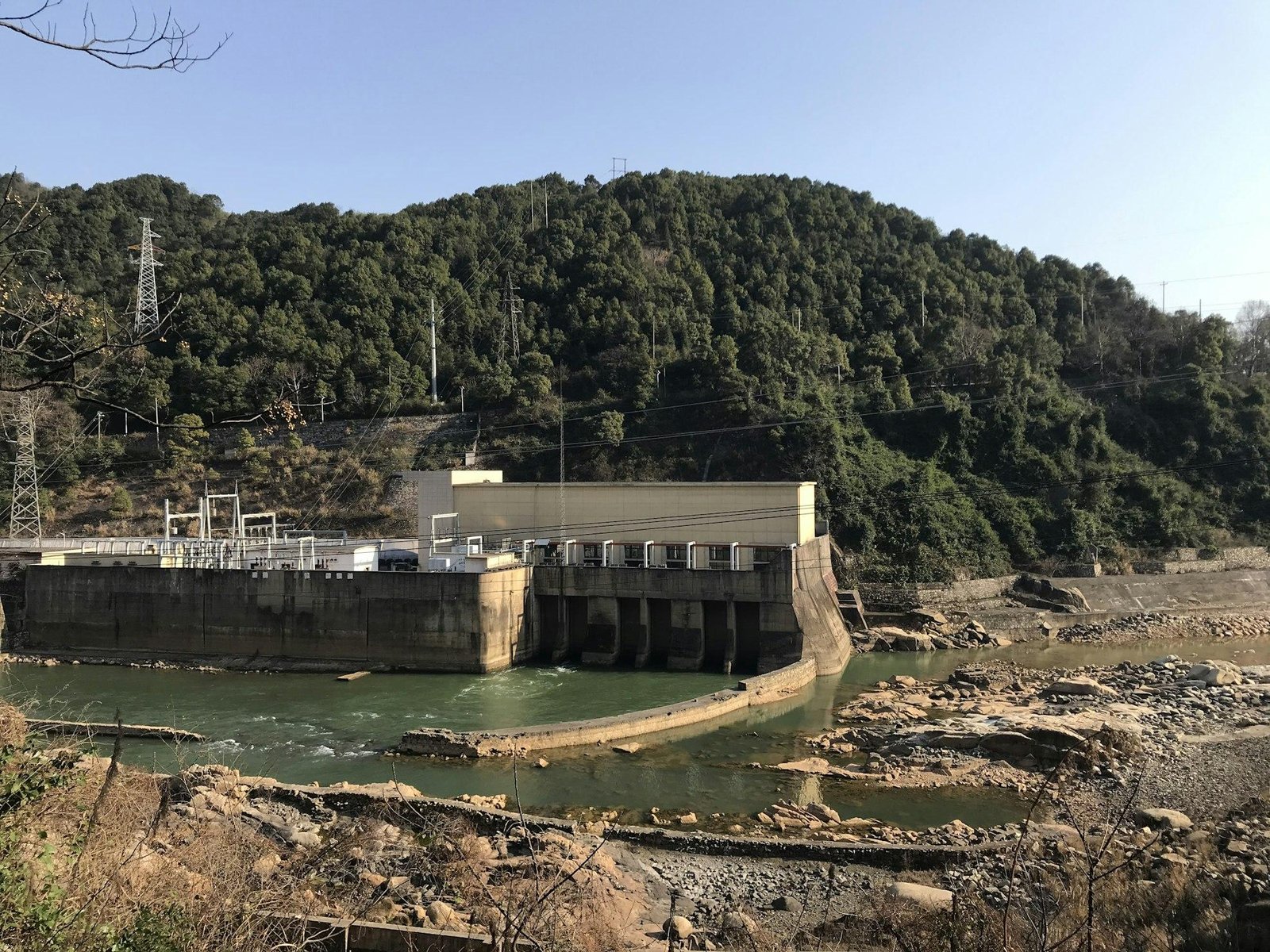
Comprehensive Guide to Micro Hydropower Feasibility Study and Best Practices: Framework for Sustainable Rural Electrification
Guide to Micro Hydropower Feasibility Study and Best Practices: Framework for Sustainable Rural Electrification
Reading Time: 79 minutes
Key Highlights
• Massive Global Potential: IRENA estimates 2,000 GW of small hydropower potential globally remains untapped, with micro hydropower (5-100 kW) offering viable solutions for 1.3 billion people without electricity access in remote areas
• Cost-Competitive Technology: Micro hydropower achieves levelized cost of electricity (LCOE) of USD 0.05-0.15/kWh with capacity factors 40-70%, competitive with diesel generation (USD 0.25-0.40/kWh) while eliminating fuel dependency
• Proven Reliability: Well-designed micro hydro systems operate 30-50 years with minimal maintenance, achieving 95-98% availability compared to 60-75% for diesel generators in remote applications
• Community Development Impact: IRENA research demonstrates micro hydro enabling productive uses increasing household incomes 40-150% through agro-processing, cold storage, and small-scale manufacturing in rural communities
Executive Summary
Micro hydropower systems, typically defined as installations generating 5-100 kW of electricity, represent proven technology for sustainable rural electrification addressing energy access challenges in remote mountainous and riverine communities worldwide. International Renewable Energy Agency (IRENA) assessments identify approximately 2,000 GW of small-scale hydropower potential globally, with micro hydropower particularly suited for distributed generation serving isolated communities where grid extension proves economically prohibitive due to distances exceeding 10-15 km from existing infrastructure or challenging terrain preventing cost-effective transmission line construction. These systems leverage flowing water kinetic energy through turbines generating mechanical power converted to electricity, operating continuously with minimal fuel requirements beyond initial installation, contrasting sharply with diesel generators requiring continuous fuel supply logistics proving challenging and expensive in remote locations.
Feasibility studies constitute critical foundation for successful micro hydropower development, systematically evaluating technical viability, economic competitiveness, environmental sustainability, and social acceptability before committing capital investment typically ranging USD 3,000-8,000 per installed kilowatt depending on site characteristics, access conditions, and local construction costs. Comprehensive feasibility assessment integrates hydrological analysis quantifying available water resources through stream flow measurements and rainfall-runoff modeling, topographical surveys establishing elevation differences (head) creating potential energy for conversion, technical design selecting appropriate turbine types and sizing electrical systems, civil engineering for intake structures and powerhouse construction, environmental impact evaluation ensuring ecosystem protection, and financial modeling determining project viability through metrics including net present value, internal rate of return, and levelized cost of electricity compared to alternatives.
International best practices for micro hydropower development, documented through IRENA publications and World Bank technical guidance, emphasize community engagement ensuring local ownership and sustainable operations, participatory planning incorporating traditional knowledge about seasonal flow patterns and environmental sensitivities, capacity building enabling local technicians to operate and maintain systems reducing dependence on external expertise, environmental flow provisions protecting aquatic ecosystems through minimum discharge requirements, and integrated resource planning addressing productive use demands alongside residential lighting to improve economic viability. Successful projects demonstrate that micro hydropower achieves levelized costs of USD 0.05-0.15 per kWh with capacity factors between 40-70% depending on flow variability, comparing favorably to diesel generation costs of USD 0.25-0.40 per kWh inclusive of fuel, maintenance, and logistics while eliminating greenhouse gas emissions and fuel price volatility risks.
This comprehensive technical guide examines micro hydropower feasibility study methodologies following international standards and best practices documented by IRENA, World Bank, United Nations Industrial Development Organization (UNIDO), and International Hydropower Association. Coverage encompasses fundamental principles of hydropower energy conversion, systematic feasibility study frameworks integrating technical and socioeconomic assessments, hydrological analysis techniques for resource quantification, site selection criteria balancing technical potential with environmental constraints, equipment selection matching turbine types to site characteristics, civil works design for intake structures and powerhouses, electrical system configuration including mini-grid development, environmental and social impact assessment protocols, financial analysis methodologies, risk evaluation and mitigation strategies, regulatory and permitting requirements, project implementation approaches, and operation and maintenance planning ensuring long-term sustainability. Drawing on case studies from Nepal, Indonesia, Peru, Kenya, and other countries with extensive micro hydro deployment, this analysis provides practical framework for project developers, government agencies, development organizations, and rural communities pursuing micro hydropower as sustainable energy solution.
Micro Hydropower Fundamentals and Global Potential
Micro hydropower harnesses kinetic and potential energy from flowing water, converting hydraulic energy to mechanical rotation through turbines that drive electrical generators producing electricity for local consumption. The fundamental physics governing hydropower systems follows the relationship P = ρ × g × Q × H × η, where power output (P) depends on water density (ρ = 1000 kg/m³), gravitational acceleration (g = 9.81 m/s²), flow rate (Q in m³/s), gross head or elevation difference (H in meters), and overall system efficiency (η typically 0.50-0.75 accounting for turbine, transmission, and generator losses). This simple relationship demonstrates that power generation scales linearly with both flow and head, enabling diverse configurations from high-head low-flow mountain streams to low-head high-flow river installations, each requiring appropriate turbine selection and civil works design optimizing energy capture within economic constraints.
Hydropower Classification and Characteristics:
| Classification | Capacity Range | Typical Applications | Key Characteristics |
|---|---|---|---|
| Pico Hydro | <100 W to 5 kW | Individual households, 5-50 people | Simple technology, local fabrication possible, minimal civil works |
| Micro Hydro | 5-100 kW | Village mini-grids, 50-500 people, small industries | Standardized equipment, community-scale, sustainable operations |
| Mini Hydro | 100 kW - 1 MW | Small towns, industrial clusters, grid-connected | Professional design required, significant civil works, commercial operations |
| Small Hydro | 1-10 MW | Regional grids, commercial generation | Full engineering required, environmental permits, grid integration |
Micro Hydropower Technical Advantages:
• Continuous baseload generation with capacity factors 40-70% vs. 15-25% for solar PV
• Long operational life 30-50 years with minimal degradation compared to 20-25 years for solar
• Low operational costs: USD 0.01-0.03/kWh vs. USD 0.05-0.10/kWh for diesel fuel alone
• Mature technology with 100+ years development, standardized equipment widely available
• Local manufacturing capability in many developing countries reducing costs and import dependency
• Minimal land requirements: powerhouse 20-50 m², intake structure 10-20 m²
• Passive operation requiring minimal operator attention compared to diesel generators
Application Constraints:
• Site-specific: requires minimum head (typically >3 meters) and flow (>20 L/s for 1 kW)
• Seasonal variability: flow reductions during dry season may reduce output 30-70%
• Civil works intensive: intake, canal, forebay, penstock, powerhouse require construction
• Environmental considerations: fish passage, minimum flow, sediment management
• Initial capital cost: USD 3,000-8,000/kW vs. USD 1,000-1,500/kW for solar PV
• Transmission distance: economical for communities within 5-10 km of generation site
Global micro hydropower potential remains largely untapped despite technology maturity and economic competitiveness. IRENA assessments estimate approximately 2,000 GW of small-scale hydropower potential worldwide, with significant concentrations in Himalayan regions (Nepal, Bhutan, northern India), Southeast Asian highlands (Indonesia, Philippines, Vietnam, Lao PDR), Andean countries (Peru, Ecuador, Colombia), East African highlands (Kenya, Tanzania, Uganda), and remote regions of Papua New Guinea and Pacific islands. Indonesia alone possesses estimated 75 GW of small hydro potential with less than 5% currently developed, while Nepal identifies 83,000 MW theoretical hydropower capacity with micro and mini hydro representing substantial portion suitable for rural electrification. These resources could provide electricity for hundreds of millions of people currently relying on kerosene lamps, candles, and diesel generators while supporting productive uses including agro-processing, cold storage, small manufacturing, and telecommunications infrastructure.
Power Output Calculation Example
Given Site Conditions:
• Gross head (H): 50 meters
• Design flow (Q): 100 liters/second = 0.10 m³/s
• Turbine efficiency (η_turbine): 80% = 0.80
• Generator efficiency (η_generator): 90% = 0.90
• Transmission losses: 5% = 0.95 efficiency
• Head losses in penstock: 5% of gross head = 2.5 m
• Water density (ρ): 1000 kg/m³
• Gravitational constant (g): 9.81 m/s²
Step 1: Calculate Net Head
H_net = H_gross - H_losses
H_net = 50 m - 2.5 m = 47.5 m
Step 2: Calculate Hydraulic Power
P_hydraulic = ρ × g × Q × H_net
P_hydraulic = 1000 × 9.81 × 0.10 × 47.5
P_hydraulic = 46,597.5 Watts = 46.6 kW
Step 3: Calculate Turbine Output Power
P_turbine = P_hydraulic × η_turbine
P_turbine = 46.6 kW × 0.80 = 37.3 kW
Step 4: Calculate Generator Output Power
P_generator = P_turbine × η_generator
P_generator = 37.3 kW × 0.90 = 33.6 kW
Step 5: Calculate Delivered Power (After Transmission)
P_delivered = P_generator × η_transmission
P_delivered = 33.6 kW × 0.95 = 31.9 kW
Overall System Efficiency:
η_overall = η_turbine × η_generator × η_transmission
η_overall = 0.80 × 0.90 × 0.95 = 0.684 = 68.4%
This example demonstrates typical micro hydro performance, with approximately 68% of theoretical hydraulic power converted to usable electricity delivered to consumers. The 31.9 kW output could serve approximately 100-150 households with basic electricity needs (3-5 hours evening use) or support productive uses including rice mills, cold storage, or small workshops.
Feasibility Study Framework and Methodology
Comprehensive feasibility studies for micro hydropower projects integrate technical, economic, environmental, and social assessments providing systematic evaluation of project viability and informing implementation decisions. The feasibility study process follows structured methodology progressing through preliminary assessment identifying promising sites based on desktop analysis, detailed field investigation quantifying resources and constraints, technical design developing engineering solutions, financial modeling evaluating economic returns, environmental and social impact assessment identifying mitigation measures, and final feasibility report synthesizing findings with recommendations for project advancement or modification. International best practices documented by IRENA, World Bank, and UNIDO emphasize participatory approaches engaging community stakeholders throughout feasibility assessment ensuring local knowledge integration, realistic demand projections, and sustainable institutional arrangements supporting long-term operations.
Feasibility Study Phase Framework:
Phase 1: Preliminary Assessment (2-4 weeks)
Objectives: Screen potential sites, identify most promising locations for detailed investigation
Activities:
• Desktop analysis: topographic maps (1:25,000 or 1:50,000 scale), Google Earth imagery
• Hydrological data review: rainfall records, stream gauge data if available, regional studies
• Accessibility assessment: road access, terrain difficulty, construction logistics
• Community consultation: initial meetings, interest assessment, preliminary demand survey
• Regulatory review: permitting requirements, protected areas, water rights framework
• Cost order-of-magnitude estimate: ±50% accuracy for budget planning
Outputs: Site ranking, go/no-go decision for detailed feasibility, preliminary design concept
Cost: USD 3,000-8,000 depending on number of sites and travel requirements
Phase 2: Detailed Hydrological Assessment (2-6 months)
Objectives: Quantify water resource availability, establish design flow parameters
Activities:
• Stream flow monitoring: manual measurements weekly-monthly, ideally 6-12 months minimum
• Catchment area delineation: GIS analysis, drainage area calculation
• Rainfall-runoff modeling: establish flow duration curves, estimate design flows
• Sediment assessment: suspended sediment monitoring, bedload estimation
• Water quality sampling: basic parameters (pH, temperature, conductivity, turbidity)
• Climate data analysis: seasonal patterns, inter-annual variability, climate change projections
Outputs: Flow duration curve, design flow recommendation (Q₃₀-Q₆₀ typical), hydrograph
Cost: USD 5,000-15,000 including equipment, field personnel, data analysis
Phase 3: Topographical Survey and Site Layout (2-4 weeks)
Objectives: Establish site elevations, determine available head, design infrastructure layout
Activities:
• Differential leveling: intake to powerhouse, vertical accuracy ±5-10 cm
• Horizontal survey: infrastructure locations, penstock route, access roads
• Cross-sections: canal alignment, river channel for intake design
• Geotechnical observations: soil/rock conditions, slope stability, foundation assessment
• Site photography and mapping: documenting existing conditions
• Land tenure investigation: ownership verification, easement requirements
Outputs: Topographic maps (1:500 to 1:2000 scale), longitudinal profiles, layout drawings
Cost: USD 4,000-12,000 depending on distance and terrain difficulty
Phase 4: Technical Design and Equipment Selection (3-6 weeks)
Objectives: Develop detailed technical design, specify equipment, estimate construction costs
Activities:
• Power potential calculation: P = ρ × g × Q × H × η, determine installed capacity
• Turbine selection: type (Pelton, Turgo, Crossflow, Francis, Kaplan) and sizing
• Civil works design: intake, settling basin, canal, forebay, penstock, powerhouse
• Electrical system design: generator, transmission, distribution, protection
• Load assessment: current and projected demand, load curves, diversity factors
• Equipment specifications and supplier quotations
Outputs: Engineering drawings, technical specifications, bill of quantities, cost estimate ±15-20%
Cost: USD 8,000-20,000 for engineering design services
Phase 5: Economic and Financial Analysis (2-3 weeks)
Objectives: Evaluate project economics, determine financial viability, assess financing options
Activities:
• Capital cost estimation: construction, equipment, engineering, contingency
• Operating cost projection: O&M, labor, administration, replacement reserves
• Revenue analysis: tariff projections, sales volumes, payment collection rates
• Financial modeling: NPV, IRR, payback period, LCOE calculation
• Sensitivity analysis: varying key parameters (costs, tariffs, demand, flows)
• Financing plan: grants, loans, equity, community contributions
Outputs: Financial model, economic analysis report, financing recommendations
Cost: USD 3,000-8,000 for financial analysis
Phase 6: Environmental and Social Assessment (3-8 weeks)
Objectives: Identify environmental/social impacts, design mitigation measures, obtain permits
Activities:
• Baseline environmental assessment: aquatic ecology, riparian habitat, species inventory
• Social baseline: demographics, livelihoods, existing water uses, vulnerable groups
• Impact identification: construction and operational impacts
• Mitigation measures: minimum flow, fish passage, erosion control, benefit sharing
• Stakeholder consultation: public meetings, key informant interviews, grievance mechanism
• Permitting and regulatory compliance documentation
Outputs: Environmental and social impact assessment report, management plan
Cost: USD 5,000-15,000 depending on regulatory requirements
Phase 7: Feasibility Report and Implementation Planning (1-2 weeks)
Objectives: Synthesize findings, make recommendations, develop implementation roadmap
Activities:
• Compile all technical, economic, environmental, social findings
• Financial viability assessment and recommendations
• Risk analysis and mitigation strategies
• Implementation plan: procurement, construction, commissioning timeline
• Institutional arrangements: ownership, governance, operations model
• Monitoring and evaluation framework
Outputs: Final feasibility study report, executive summary, presentation to stakeholders
Cost: USD 2,000-5,000 for report compilation and stakeholder engagement
TOTAL FEASIBILITY STUDY COST: USD 30,000-80,000 (0.5-1.5% of typical project cost)
TOTAL DURATION: 4-9 months depending on monitoring period and complexity
Hydrological Assessment and Resource Quantification
Hydrological assessment quantifies water resource availability establishing foundation for micro hydropower design through stream flow measurements, catchment analysis, and statistical modeling producing flow duration curves defining the relationship between flow magnitude and exceedance probability. Accurate flow characterization proves essential since power output varies linearly with discharge (P ∝ Q × H), meaning 50% flow reduction directly halves generation capacity, fundamentally affecting economic viability through reduced electricity sales while fixed costs remain constant. International guidelines recommend minimum 6-12 months of flow monitoring capturing seasonal variations, ideally spanning full hydrological year from beginning to end of wet season, though shorter monitoring periods combined with regional hydrological data and rainfall-runoff modeling can provide acceptable estimates for preliminary feasibility when extended monitoring proves impractical due to time or budget constraints.
Flow Measurement Methods Comparison
| Method | Accuracy | Equipment Cost | Best Application | Advantages | Limitations |
|---|---|---|---|---|---|
| Velocity-Area (Current Meter) | ±5-10% | USD 500-2,000 | Medium streams, accessible channels | Proven method, widely accepted | Requires wadeable depth, calm conditions |
| V-Notch Weir | ±2-5% | USD 200-500 | Small streams <100 L/s | High accuracy, simple to read | Requires construction, may block fish |
| Salt Dilution | ±10-15% | USD 300-1,000 | Turbulent mountain streams | Works where others fail (rocks, rapids) | Requires complete mixing, consumables |
| Float Method | ±20-30% | USD 50-100 | Rapid preliminary estimates | Very simple, minimal equipment | Low accuracy, not for design |
| Container/Bucket Method | ±5-10% | USD 20-50 | Very small streams <10 L/s | Highly accurate for small flows | Only for very low flows |
Flow duration curve development synthesizes individual flow measurements into probabilistic representation of water availability throughout the year. Construction methodology involves: (1) compiling all flow measurements chronologically, (2) ranking flows from highest to lowest, (3) calculating exceedance probability for each measurement as P = m / (n + 1) where m = rank order and n = total number of measurements, (4) plotting discharge versus exceedance probability on semi-log or linear axes, and (5) fitting smooth curve through data points. The resulting flow duration curve enables reading typical flows at any exceedance probability, with Q₅₀ representing median flow exceeded 50% of time, Q₉₀ representing low flow exceeded 90% of time, and Q₉₅ representing extreme low flow exceeded 95% of time critical for minimum flow requirements and drought resilience assessment.
Design Flow Selection Criteria
Option 1: Q₅₀ Design (50% Exceedance)
Turbine sized for: Median flow
• Generates at or above design capacity 50% of time
• Maximum capacity utilization and revenue generation
• Typical capacity factor: 50-60%
• Best for: High seasonal variability, grid-connected systems
• Capital cost: Lower (smaller turbine)
Option 2: Q₃₀-Q₄₀ Design (30-40% Exceedance) - MOST COMMON
Turbine sized for: Flow exceeded 30-40% of time
• Good balance between capital cost and energy generation
• Operates at or near capacity 60-70% of time
• Typical capacity factor: 55-65%
• Best for: Moderate flow variability, mini-grids
• Capital cost: Moderate, best economics typically
Option 3: Q₉₀ Design (90% Exceedance)
Turbine sized for: Low flow exceeded 90% of time
• Guarantees reliable generation year-round
• Operates at design capacity >90% of time
• Typical capacity factor: 40-50% (limited by turbine size)
• Best for: Critical loads requiring high reliability
• Capital cost: Higher (larger turbine underutilized in wet season)
Turbine Selection and Technical Design
Turbine selection represents critical design decision determining system efficiency, reliability, and economics. Different turbine types suit specific combinations of head and flow, with efficiency varying substantially outside optimal operating ranges. Pelton turbines excel at high heads (>50 m) with relatively low flows, utilizing one or more jets impinging on buckets mounted on a rotating wheel, achieving peak efficiency 85-90% but dropping rapidly at partial loads. Crossflow (Banki) turbines handle wide head range (5-200 m) with moderate flows, featuring simple construction enabling local manufacturing in many developing countries, maintaining reasonable efficiency (70-85% peak) across broad operating range making them popular for micro hydro despite lower peak efficiency than Pelton units. Francis and Kaplan turbines suit medium to low heads (<50 m) with higher flows typical of run-of-river installations, though complexity and cost generally limit use to larger mini and small hydro rather than micro scale.
Turbine Selection Matrix:
| Turbine Type | Head Range | Flow Range | Peak Efficiency | Advantages | Disadvantages |
|---|---|---|---|---|---|
| Pelton | 50-500 m | Low-Medium | 85-92% | Highest efficiency, simple design, good partial load | Expensive jets/nozzles, sensitive to sediment |
| Turgo | 30-300 m | Medium | 82-88% | Higher flow than Pelton, compact design | Less common, limited suppliers |
| Crossflow (Banki) | 5-200 m | Medium-High | 70-85% | Wide operating range, local fabrication possible, low cost | Lower peak efficiency, requires quality manufacturing |
| Francis | 10-350 m | Medium-High | 88-92% | High efficiency, wide head range, mature technology | Complex, expensive, requires skilled installation |
| Kaplan/Propeller | 2-40 m | High | 85-90% | Low head capability, high flow capacity | Very complex, high cost, rarely used in micro scale |
| Archimedes Screw | 1-10 m | High | 75-85% | Fish-friendly, debris-tolerant, simple operation | Limited to very low heads, emerging technology |
Selection Decision Framework:
• Head >80 m + sediment concern → Pelton (multi-jet if flow varies widely)
• Head 30-80 m + moderate flow → Turgo or Crossflow
• Head 10-30 m + cost critical → Crossflow
• Head <10 m + high flow → Kaplan or Archimedes Screw
• Local manufacturing capability → Crossflow (simplest design)
• Maximum efficiency critical → Pelton (high head) or Francis (medium head)
Generator selection matches turbine output with electrical requirements including voltage (single-phase 220-240V for small systems <5 kW, three-phase 380-400V for larger installations), frequency (50 Hz or 60 Hz depending on national standard), and speed synchronization. Synchronous generators produce stable voltage and frequency when driven at constant speed, requiring automatic voltage regulators maintaining output despite load variations, while proving suitable for grid-connected applications requiring synchronization. Induction generators offer simpler, more robust construction tolerating speed variations, though requiring external excitation (capacitors or grid connection) establishing magnetic field, making them popular for stand-alone systems with electronic load controllers maintaining constant load regardless of consumer demand variations. Permanent magnet generators eliminate field excitation requirements through rare-earth magnets, achieving high efficiency and reliability with minimal maintenance, though at higher initial cost typically justifiable for remote installations where maintenance access proves challenging.
Civil Works Design and Construction
Civil works for micro hydropower systems include intake structure diverting water from stream, conveyance system (canal or penstock) transporting water to turbine, forebay providing surge control and settling, powerhouse sheltering equipment, and tailrace returning water to stream. Design quality fundamentally determines long-term performance and maintenance requirements, with poorly-constructed intakes susceptible to flood damage or sediment blockage, undersized canals causing excessive head loss, inadequate forebay design leading to turbine damage from debris or surges, and insufficient powerhouse foundations resulting in equipment misalignment and vibration problems. International best practices emphasize appropriate sizing for design flood events (typically 25-50 year return period for intake structures), robust construction using durable materials, provisions for sediment management through flushing gates and settling basins, and accessibility for operation and maintenance throughout system lifecycle.
Civil Works Components and Design Criteria:
1. Intake Structure
Function: Divert design flow from stream while excluding sediment and debris
Types:
• Side intake: perpendicular to flow, angled trash rack (30-45°)
• Tyrolean/bottom intake: horizontal grill spanning channel width
• Dam intake: small weir creating pool, side offtake
Design Criteria:
• Capacity: 150-200% of turbine design flow (allow for partial blockage)
• Trash rack spacing: 20-50 mm for Pelton/Turgo, 50-100 mm for Crossflow
• Approach velocity: <0.5 m/s to minimize sediment entrainment
• Flood protection: withstand 25-50 year flood without failure
• Sluice gate: manual or automatic for flushing sediment
• Fish screen: 5-10 mm spacing if required by regulations
Materials: Reinforced concrete, masonry with cement mortar, steel trash rack
Typical Cost: USD 5,000-25,000 depending on stream size and site access
2. Settling Basin
Function: Remove sediment particles >0.2-0.5 mm protecting turbine from abrasive wear
Design Criteria:
• Settling velocity: Calculate using Stokes' Law for target particle size
• Surface loading rate: 2-5 m³/m²/h typical
• Detention time: 30-60 seconds minimum
• Length to width ratio: 3:1 to 6:1 for uniform flow distribution
• Inlet baffle: dissipate energy, distribute flow evenly
• Flushing gate: remove accumulated sediment (daily or weekly)
Sizing Example: For 100 L/s flow, 0.3 mm particle removal:
- Settling velocity ≈ 0.03 m/s
- Basin area = Q / (v × 3600) = 0.10 / (0.03 × 3600) ≈ 0.9 m²
- Basin dimensions: 3 m long × 0.4 m wide × 0.8 m deep (approximate)
Typical Cost: USD 2,000-8,000
3. Conveyance System
Option A: Open Canal (Low Head Systems 5-20 m)
Design:
• Gradient: 1:500 to 1:1000 (gentle slope maintaining flow velocity 0.5-1.0 m/s)
• Cross-section: Trapezoidal (side slopes 1:1 to 2:1) or rectangular (lined canals)
• Freeboard: 20-30% of water depth minimum (prevent overflow)
• Lining: Concrete, stone masonry, or geomembrane in unstable soils
• Spillways: Every 50-100 m for overflow protection
• Cross-drainage: Inverted siphons or aqueducts for streams/gullies
Advantages: Lower cost (USD 20-80/m), easier construction, local labor
Disadvantages: Higher losses (seepage 10-30%), maintenance (vegetation, silt), land use
Typical Cost: USD 5,000-50,000 depending on length (200-2000 m typical)
Option B: Penstock (Medium to High Head Systems 20-200 m)
Materials:
• HDPE: Lightweight, corrosion-resistant, flexible, USD 15-40/m (DN 200-400 mm)
• PVC: Low cost, smooth interior, brittle in cold, USD 10-25/m (DN 200-300 mm)
• Steel: High pressure capability, long life, requires welding, USD 50-150/m
• GRP (fiberglass): Corrosion-resistant, moderate cost, USD 40-100/m
Sizing:
• Diameter selection: balance cost vs. head loss (larger = less loss, higher cost)
• Target velocity: 2-4 m/s (higher velocities increase losses and water hammer)
• Pressure rating: 1.5-2.0 × static head (safety factor for water hammer)
Installation:
• Anchors at bends: thrust blocks sized for pressure × area
• Supports: 3-6 m spacing depending on pipe diameter and material
• Expansion joints: Steel pipes in areas with temperature variation
• Air release valves: High points to prevent air locks
• Drain valves: Low points for maintenance dewatering
Typical Cost: USD 10,000-80,000 depending on diameter, material, length (100-500 m typical)
4. Forebay Tank
Function: Surge control, final sediment settling, trash rack access, flow regulation
Design Criteria:
• Volume: 1-2 minutes of design flow (Q × 60-120 seconds)
• Dimensions: Length = 2-3 × width, depth = 1.5-2.5 m
• Trash rack: Finer screen (10-30 mm) protecting penstock/turbine
• Overflow weir: Safe discharge of excess water
• Access platform: Trash rack cleaning (daily or weekly)
• Drain valve: Complete dewatering for maintenance
Typical Cost: USD 3,000-12,000
5. Powerhouse
Function: Weather protection for equipment, security, operator workspace
Design:
• Dimensions: Allow 1.5-2 m clearance around equipment for maintenance
• Typical size: 20-50 m² for micro hydro (5-100 kW)
• Foundation: Reinforced concrete, isolated from turbine foundation (vibration)
• Roof: Waterproof (metal sheets, tiles), adequate height for crane/hoist
• Ventilation: Natural or forced air circulation (prevent condensation)
• Lighting: Natural (windows) plus artificial for night operations
• Access: Personnel door + equipment door for installation/replacement
• Drainage: Floor slope to drain, sump pump if below flood level
• Security: Locks, fencing, possibly alarm system
Typical Cost: USD 8,000-25,000 depending on size and finishes
Electrical System Design and Mini-Grid Development
Electrical system design encompasses generation equipment (generator, control panel, protection), transmission from powerhouse to distribution network, and distribution system delivering electricity to end users. System configuration varies from simple single-phase systems serving <5 kW for handful of households to three-phase mini-grids distributing 50-100 kW to entire villages with hundreds of connections. Voltage selection balances transmission losses (lower voltage requires heavier conductors or accepts higher losses) against safety considerations and equipment availability, with 220-240V single-phase suitable for small systems while larger installations employ 380-400V three-phase reducing conductor sizes and improving motor performance. Grounding and protection systems prove critical for safety, preventing electrocution hazards while protecting equipment from lightning strikes, short circuits, and overload conditions through circuit breakers, fuses, surge arrestors, and ground fault detection.
Transmission Line Design Calculations
Given System Parameters:
• Generator output: 30 kW at 380V three-phase
• Transmission distance: 2,000 meters
• Maximum acceptable voltage drop: 5% = 19V
• Power factor: 0.85 (typical for mixed residential/commercial loads)
• Conductor material: Aluminum (resistivity ρ = 0.0283 Ω·mm²/m at 20°C)
Step 1: Calculate Current
For three-phase: I = P / (√3 × V × pf)
I = 30,000 / (1.732 × 380 × 0.85)
I = 53.7 amperes
Step 2: Calculate Allowable Resistance
R_max = V_drop / I
R_max = 19 / 53.7 = 0.354 ohms (total for all conductors)
Step 3: Calculate Required Conductor Cross-Section
For three-phase, total conductor length = 2 × distance × √3 (approximate)
L_total = 2 × 2000 × 1.732 = 6,928 meters
R = ρ × L / A, therefore A = ρ × L / R
A = 0.0283 × 6,928 / 0.354
A = 554 mm²
Step 4: Select Standard Conductor Size
Standard ACSR conductors available: ..., 500 mm², 630 mm², 800 mm²
Selected: 630 mm² ACSR (next size up from calculated 554 mm²)
Step 5: Verify Actual Voltage Drop
R_actual = 0.0283 × 6,928 / 630 = 0.311 ohms
V_drop_actual = I × R = 53.7 × 0.311 = 16.7V
Percentage drop = (16.7 / 380) × 100 = 4.4% ✓ (within 5% limit)
Step 6: Calculate Power Loss
P_loss = I² × R = 53.7² × 0.311 = 896 watts
Percentage loss = (896 / 30,000) × 100 = 3.0%
Conclusion: Use 630 mm² ACSR conductor achieving 4.4% voltage drop and 3.0% power loss, both within acceptable limits. Estimated conductor cost: 630 mm² ACSR ≈ USD 4-6/meter × 4,000 m = USD 16,000-24,000 for conductors alone (plus poles, insulators, installation).
Distribution network design considers load distribution, voltage regulation, and protection coordination. Radial configurations with single feed from powerhouse serve most micro hydro mini-grids, offering simplicity and lower cost despite lack of redundancy acceptable for rural applications where reliability expectations differ from urban grid standards. Voltage regulation through tap-changing transformers or electronic voltage regulators maintains supply within ±10% of nominal despite load variations throughout day, while capacitor banks improve power factor reducing line losses and increasing deliverable capacity. Protection coordination employs circuit breakers at powerhouse main panel, fused disconnects at major load centers, and individual circuit protection at household connections, with overcurrent settings coordinated ensuring faults clear at location nearest to fault rather than tripping entire system.
Electrical System Component Specifications:
| Component | Specifications | Typical Cost | Key Considerations |
|---|---|---|---|
| Generator | Synchronous or induction, 380V 3-phase 50/60Hz, IP54 enclosure | USD 150-300/kW | Match turbine speed, adequate excitation, quality bearings |
| Electronic Load Controller (ELC) | Frequency regulation ±0.5 Hz, voltage regulation ±5%, dump load capacity 120% of generator | USD 80-150/kW | Essential for stand-alone systems, fast response <100ms |
| Main Distribution Panel | Molded case breakers, meters (kWh, voltage, current, frequency), surge protection | USD 2,000-8,000 | Weather-resistant enclosure, clearly labeled, lockable |
| Transmission Conductors | ACSR, AAC, or AAAC; sized for <5% voltage drop; ampacity >1.5× load current | USD 2-10/meter | Aluminum lighter than copper, ACSR strongest for spans |
| Distribution Poles | Wood (treated), concrete, or steel; 8-12 m height; 40-80 m spacing | USD 30-150/pole | Local timber often cheapest, concrete most durable |
| Meters (Household) | Single-phase kWh meters, accuracy class 1 or 2, tamper-resistant | USD 15-40 each | Pre-paid meters reduce collection issues (USD 40-80) |
| Lightning Protection | Surge arrestors at powerhouse and distribution transformers, grounding <10 ohms | USD 500-2,000 | Critical in high-lightning areas, protects expensive equipment |
Environmental and Social Impact Assessment
Environmental and social impact assessment identifies potential negative effects of micro hydropower development on ecosystems, water resources, and community wellbeing while designing mitigation measures ensuring sustainable project outcomes. Environmental concerns include altered flow regimes affecting aquatic ecosystems downstream of intake, barriers to fish migration if weirs or dams employed, sediment regime changes affecting riverine habitat, construction impacts including erosion and vegetation clearing, and cumulative effects when multiple small hydro schemes develop on same watershed. Social considerations encompass equitable benefit distribution ensuring poor households access electricity, protecting traditional water uses including irrigation and domestic supply, managing construction worker interactions with communities, addressing gender-specific impacts and opportunities, and establishing grievance mechanisms enabling affected stakeholders to raise concerns receiving timely response.
Environmental Mitigation Measures Checklist
1. Environmental Flow (Minimum Flow)
Requirement: Maintain minimum discharge in bypassed river section protecting aquatic habitat
Typical Standards:
• 10-30% of mean annual flow (conservative approach)
• Q₉₀ or Q₉₅ flow (maintains conditions present 90-95% of time naturally)
• Seasonal variation: higher flows during critical periods (spawning, dry season)
Implementation:
• Permanent overflow weir at intake set to design elevation
• Notch or gate ensuring minimum flow even when intake blocked
• Monitoring staff gauge recording actual discharge
Impact: Reduces project capacity 10-30% but essential for ecosystem protection
2. Fish Passage
Requirement: Enable upstream/downstream fish movement if weir >0.5 m height constructed
Options:
• Pool-and-weir fishway: Series of stepped pools (slope 1:10 to 1:20)
• Bypass channel: Natural stream-like passage around intake structure
• Rock ramp: Rough surface providing low-velocity path
Design Criteria:
• Maximum water velocity: 0.3-0.6 m/s depending on target species
• Minimum depth: 15-30 cm continuous flow
• Attraction flow: 5-10% of river discharge at fishway entrance
Cost: USD 2,000-10,000 depending on height and complexity
3. Erosion and Sediment Control
During Construction:
• Minimize clearing: Limit vegetation removal to necessary areas only
• Silt fences: Filter sediment from runoff before entering streams
• Sediment traps: Settle suspended solids from construction drainage
• Timing: Avoid construction during heavy rainfall periods
• Rapid revegetation: Stabilize disturbed areas within 2 weeks
Permanent Measures:
• Riprap: Armoring exposed stream banks preventing erosion
• Gabions: Wire baskets filled with rock for bank protection
• Bioengineering: Live stakes, brush layers combining vegetation with structures
• Drainage: Proper surface water management around structures
4. Water Quality Protection
• Prohibit: Washing equipment, cement mixing, waste disposal near stream
• Fuel storage: Bunded area >50 m from watercourse, spill kit available
• Sanitation: Worker toilet facilities away from drainage to streams
• Chemical storage: Secure, covered, away from water bodies
• Monitoring: Turbidity, pH during construction if sensitive downstream uses
5. Biodiversity Conservation
• Surveys: Identify protected species, critical habitats before construction
• Avoidance: Route infrastructure avoiding sensitive areas where possible
• Timing restrictions: Avoid critical periods (bird nesting, fish spawning)
• Habitat compensation: If unavoidable impacts, create equivalent habitat elsewhere
• Invasive species: Clean equipment preventing introduction, monitor vegetation
• No-go zones: Protected areas, critical habitat, sacred/cultural sites
Social impact assessment employs participatory methods including household surveys quantifying current energy sources and expenditures, focus group discussions exploring community priorities and concerns, key informant interviews with leaders and vulnerable group representatives, and public consultation meetings presenting project plans while soliciting feedback. Particular attention addresses gender impacts since women typically bear primary responsibility for collecting firewood or kerosene for lighting, standing to benefit substantially from electricity access reducing drudgery and indoor air pollution, while also potentially facing exclusion from decision-making and employment unless gender-sensitive approaches ensure their participation. Benefit distribution mechanisms warrant careful design, avoiding scenarios where wealthier households monopolize connections or productive use opportunities while poor families face unaffordable connection fees or tariffs, with options including targeted subsidies, phased connection programs prioritizing underserved households, and productive use promotion enabling income generation offsetting electricity costs.
Financial Analysis and Economic Evaluation
Financial analysis evaluates project viability from investor or community perspective, determining whether projected revenues from electricity sales sufficient to recover capital investment and ongoing operational costs while providing acceptable return. Economic evaluation assesses broader societal benefits including avoided costs of alternative energy sources, environmental benefits from displacing diesel generation or firewood collection, health improvements from reduced indoor air pollution, productive use impacts on incomes and employment, and gender and equity benefits. Analytical framework employs discounted cash flow methodology calculating net present value (NPV), internal rate of return (IRR), and payback period using project cost and revenue projections over evaluation period typically 20-30 years matching hydro system expected operational life.
Financial Model Framework - 30 kW Micro Hydro Example:
Capital Cost Estimation:
| Component | Unit Cost | Quantity/Detail | Subtotal (USD) |
|---|---|---|---|
| Intake Structure | Lump sum | Concrete, trash rack, gates | 15,000 |
| Settling Basin | Lump sum | 3m × 0.5m × 1m concrete | 3,500 |
| Penstock | USD 25/m | 300m × DN 250 HDPE | 7,500 |
| Forebay | Lump sum | Tank, trash rack, overflow | 6,000 |
| Turbine | USD 350/kW | 30 kW Crossflow | 10,500 |
| Generator + Controls | USD 230/kW | 30 kW 3-phase + ELC | 6,900 |
| Powerhouse | Lump sum | 30 m² building | 12,000 |
| Transmission Line | USD 8/m | 1,500 m to village | 12,000 |
| Distribution Network | USD 5/m | 3,000 m local distribution | 15,000 |
| Household Connections | USD 80/household | 120 households | 9,600 |
| Subtotal Construction | 98,000 | ||
| Engineering (8%) | Design, supervision | 7,840 | |
| Project Management (5%) | Administration, coordination | 4,900 | |
| Contingency (10%) | Unforeseen costs | 9,800 | |
| TOTAL CAPITAL COST | 120,540 | ||
| Specific Cost (per kW) | USD 4,018/kW | ||
Annual Operating Costs:
| Item | Detail | Annual Cost (USD) |
|---|---|---|
| Operator Salary | 1 full-time operator | 3,000 |
| Maintenance Labor | Part-time for cleaning, repairs | 1,200 |
| Spare Parts & Consumables | Bearings, belts, grease, minor repairs | 800 |
| Administration | Billing, accounting, management | 1,000 |
| Insurance | Equipment, liability (0.5% of capital) | 600 |
| Replacement Reserve | Major overhaul/replacement fund (1% of capital) | 1,200 |
| TOTAL OPERATING COST | 7,800 |
Revenue Projections:
• Installed capacity: 30 kW
• Capacity factor: 60% (accounting for seasonal flow variation)
• Annual generation: 30 kW × 8,760 hrs/yr × 0.60 = 157,680 kWh/year
• Technical losses (transmission, distribution): 12%
• Delivered energy: 157,680 × 0.88 = 138,758 kWh/year
• Collection rate: 95% (some non-payment expected)
• Sold energy: 138,758 × 0.95 = 131,820 kWh/year
• Average tariff: USD 0.15/kWh
• Annual revenue: USD 19,773
Financial Performance Indicators:
• Annual net income: USD 19,773 - 7,800 = USD 11,973
• Simple payback period: USD 120,540 / 11,973 = 10.1 years
• At 8% discount rate over 25 years:
- NPV = USD 7,100 (positive = viable)
- IRR = 9.2% (exceeds discount rate = acceptable)
• Levelized Cost of Electricity (LCOE):
- LCOE = (Capital × CRF + Annual O&M) / Annual kWh
- CRF = 0.094 (8% discount, 25 years)
- LCOE = (120,540 × 0.094 + 7,800) / 131,820
- LCOE = USD 0.145/kWh (compare to tariff USD 0.15/kWh)
Conclusion: Project is financially viable with 9.2% IRR, 10-year payback, and positive NPV, though modest returns indicate importance of careful cost control and revenue collection.
Risk Assessment and Mitigation Strategies
Risk assessment identifies potential threats to project success across technical, financial, environmental, social, and institutional dimensions while developing mitigation strategies reducing likelihood or consequences of adverse events. Technical risks include hydrological uncertainty from insufficient flow monitoring leading to oversized or undersized systems, equipment failures from poor quality or inappropriate selection, civil works deficiencies causing structural failures or excessive head losses, and transmission outages from lightning strikes or equipment faults. Financial risks encompass cost overruns exceeding budget due to unforeseen site conditions or scope changes, revenue shortfalls from lower demand or collection issues, tariff disputes or non-payment affecting cash flow, and inflation or currency fluctuations affecting imported equipment costs. Environmental and social risks include inadequate environmental flows causing ecosystem damage and community opposition, unforeseen environmental impacts requiring costly mitigation, social conflicts over benefit distribution or water allocation, and stakeholder resistance undermining project implementation or operations.
Key Risk Mitigation Strategies
Hydrological Risk Mitigation:
• Extended monitoring: Minimum 12 months flow data, ideally 2+ years capturing inter-annual variability
• Conservative design flow: Q₃₀-Q₄₀ rather than Q₅₀ provides buffer against dry years
• Climate change assessment: Review regional climate projections, consider 10-20% flow reduction scenarios
• Modular expansion: Design allowing turbine upgrade if flows exceed conservative estimates
• Demand management: Load control systems enabling priority rationing during low-flow periods
Technical Quality Assurance:
• Equipment specifications: Proven manufacturers with track record, warranty minimum 2 years
• Construction supervision: Experienced engineer monitoring quality throughout construction
• Testing protocols: Commissioning tests verify performance before final acceptance
• Spare parts inventory: Critical components (bearings, seals, belts) stocked locally
• Operator training: Comprehensive program including troubleshooting, preventive maintenance
• Maintenance contracts: Service agreements with suppliers for major repairs/technical support
Financial Risk Management:
• Realistic budgeting: 10-15% contingency covering typical unforeseen costs
• Staged financing: Tranched disbursement based on milestones reduces exposure to abandonment
• Tariff studies: Willingness-to-pay surveys establishing affordable yet cost-recovery tariffs
• Collection systems: Pre-paid meters, local collectors, disconnection procedures
• Productive use development: Income generation enables higher tariffs/better payment rates
• Operating reserve: 3-6 months operating costs covering revenue fluctuations
• Currency risk: Local procurement where possible, hedge major foreign equipment purchases
Environmental Risk Mitigation:
• Baseline studies: Document pre-project conditions enabling impact monitoring
• Minimum flow compliance: Physical weir/gate structure ensuring release (not operator-dependent)
• Adaptive management: Monitoring program allowing adjustment if impacts exceed predictions
• Stakeholder engagement: Fishermen, downstream users involved in environmental design
• Permits secured: Regulatory approvals before construction preventing shutdown orders
• Buffer zone compliance: Respect setbacks from streams, critical habitats
Institutional Sustainability:
• Clear governance: Formal structure (cooperative, private company, community group) with defined roles
• Transparent management: Financial reporting, public meetings, accountability mechanisms
• Conflict resolution: Grievance procedure, mediation process for disputes
• Capacity building: Training for board members, operators, financial managers
• External support: Ongoing technical assistance during first 2-3 years operations
• Legal framework: Clear ownership, water rights, easements preventing future conflicts
• Succession planning: Training multiple operators, cross-training preventing knowledge loss
Implementation Planning and Project Management
Implementation planning establishes roadmap from feasibility study completion through construction, commissioning, and transition to sustainable operations. Critical path scheduling identifies activity sequences determining project duration, with hydrological monitoring often on critical path when flow data collection extends 6-12 months before detailed design can finalize. Procurement strategies balance competitive bidding achieving best value against direct negotiation with experienced suppliers for complex equipment where quality and service support prove more critical than lowest price. Construction management requires coordination of civil works, equipment delivery, electrical installation, and commissioning, with weather-dependent activities (concrete work, penstock installation) scheduled during favorable seasons avoiding rainy periods causing delays and quality problems. Capacity building activities should parallel physical construction, training operators and maintenance staff while management committee develops operational procedures, tariff collection systems, and administrative processes ensuring readiness when system enters service.
Implementation Timeline - Typical 18-Month Schedule:
| Phase | Month 1-3 | Month 4-6 | Month 7-9 | Month 10-12 | Month 13-15 | Month 16-18 |
|---|---|---|---|---|---|---|
| Detailed Design | █████ | |||||
| Permitting | ████ | |||||
| Equipment Procurement | █████ | |||||
| Civil Works | ███ | |||||
| Equipment Installation | ██ | |||||
| Transmission & Distribution | ██ | |||||
| Commissioning & Testing | █ | |||||
| Capacity Building | █ | ██ | ||||
Operation and Maintenance Best Practices
Operation and maintenance practices determine long-term system reliability and economic performance, with well-maintained micro hydro installations operating 30-50 years while poor maintenance leads to premature failures requiring expensive repairs or early replacement. Preventive maintenance schedules establish routine tasks including daily visual inspections checking for leaks, unusual vibrations, or abnormal sounds, weekly trash rack cleaning preventing blockages reducing flow, monthly bearing lubrication and belt tension adjustment, quarterly electrical connection inspection and tightening, and annual turbine inspection removing accumulated sediment and checking for wear. Component replacement schedules anticipate predictable failures including bearing replacement every 3-5 years, generator rewinding after 15-20 years, and penstock repainting or coating renewal every 10-15 years, with reserve funds accumulating throughout operational period ensuring capital available when major maintenance required.
Preventive Maintenance Schedule
Daily Tasks (15-30 minutes):
• Visual inspection: Check for water leaks, oil leaks, unusual vibration or noise
• Meter readings: Record kWh generation, voltage, frequency in logbook
• Intake inspection: Verify adequate flow, check trash rack for blockage
• Powerhouse walk-around: Look for signs of overheating, belt wear, loose bolts
• ELC dump load check: Ensure operating properly (heating water or resistors)
Weekly Tasks (1-2 hours):
• Trash rack cleaning: Remove accumulated debris, vegetation, sediment
• Settling basin inspection: Check sediment accumulation, flush if >30% full
• Lubrication: Grease bearings if required (some sealed bearings less frequent)
• Belt inspection: Check for wear, cracks, proper tension
• Canal inspection: Walk full length checking for leaks, blockages, erosion
• Forebay cleaning: Remove debris, check overflow operation
Monthly Tasks (3-4 hours):
• Generator inspection: Check brushes (if applicable), connections, cooling
• Control panel: Inspect all electrical connections, clean dust, check terminals
• Turbine inspection: Look through inspection ports for sediment, wear
• Penstock walk-through: Inspect supports, anchors, check for damage/corrosion
• Transmission line: Visual inspection for damaged insulators, loose connections
• Distribution network: Check pole integrity, vegetation clearing around lines
Quarterly Tasks (Full Day):
• Detailed turbine inspection: Open casing, inspect runner for wear/damage
• Bearing inspection: Check for wear, adequate lubrication, replace if needed
• Electrical testing: Insulation resistance (megger test), grounding resistance
• Governor/ELC testing: Verify proper frequency/voltage regulation
• Civil structures: Inspect intake, forebay, powerhouse for cracks, settlement
• Safety equipment: Test emergency shutdown, fire extinguishers, first aid kit
• Performance assessment: Calculate capacity factor, compare to baseline
Annual Tasks (2-3 Days):
• Complete system shutdown for major inspection
• Turbine removal and detailed inspection, sediment removal
• Generator comprehensive inspection, winding resistance test
• Bearing replacement as needed (typically every 3-5 years)
• Penstock interior inspection (if accessible)
• Canal/intake sediment flushing, repair erosion damage
• Repainting of metalwork, touchup of coatings
• Electrical safety audit by qualified electrician
• Financial audit: review tariffs, collection rates, reserve funds
• Operator training refresher, skill assessment
Frequently Asked Questions
What is the minimum site requirement for viable micro hydropower?
Generally, sites require minimum 3-5 meters head and 20-30 liters/second continuous flow for economic viability at small scale (1-5 kW). Larger installations (20-100 kW) benefit from higher heads (>20 m) or flows (>100 L/s) achieving better economics through economies of scale. However, viability depends heavily on distance to load (transmission costs), alternative energy costs (if displacing expensive diesel or off-grid solar), and load density (many users within small area reduces per-connection costs). Some successful projects operate with heads as low as 2 meters or flows under 20 L/s when conditions favorable and expectations realistic.
How long does it take to develop a micro hydro project from initial concept to operation?
Typical timeline spans 2-3 years: feasibility study 4-9 months (including minimum 6-month flow monitoring), detailed design and permitting 3-6 months, equipment procurement and civil works construction 8-15 months, commissioning 1-2 months. Timeline varies substantially based on site accessibility (remote sites require longer), regulatory complexity (streamlined rural electrification processes faster than full environmental impact assessment), financing arrangements (community mobilization and fundraising can extend timeline significantly), and implementation capacity (experienced developers versus first-time projects). Accelerated programs completing in 12-18 months possible when flow data available from prior studies, standard designs employed, and adequate implementation support provided.
What are typical electricity tariffs for micro hydro mini-grids and how are they structured?
Tariffs typically range USD 0.10-0.30/kWh depending on project costs, financing terms, household incomes, and alternative energy costs. Tariff structure often employs flat rate (single price per kWh regardless of consumption) for simplicity in rural settings, though lifeline tariffs providing lower rates for initial consumption blocks (e.g., 0-30 kWh/month) ensure affordability for poor households while higher rates for larger consumers cross-subsidize. Connection fees range USD 10-50 recovering household wiring and meter costs, sometimes payable in installments. Monthly service charges (USD 1-3) cover fixed costs even when consumption low. Pre-paid meters increasingly popular eliminating billing and collection challenges while enabling users to control expenditure. Productive use customers (shops, mills, workshops) typically pay 20-50% premium recognizing income-generating benefits and higher load factors justifying lower unit cost of supply.
What grants or financing mechanisms are available for micro hydropower development?
Financing sources include: government rural electrification programs (capital grants covering 60-90% costs with community contribution), development bank concessional loans (World Bank, Asian Development Bank, African Development Bank with 1-3% interest and 15-20 year terms), bilateral aid programs (USAID, DFID, GIZ, JICA supporting energy access), climate finance (Green Climate Fund, Adaptation Fund treating hydro as climate-friendly), carbon credits (though small-scale CDM/VER processes complex and prices currently low USD 3-8/tCO2e), foundation grants (Shell Foundation, Rockefeller Foundation, local foundations), impact investors (patient capital accepting 5-8% returns with social impact), and microfinance (loans to communities or private developers, higher rates 10-15% but faster approval). Blended finance combining grants (covering feasibility, capacity building, risky components) with loans (covering majority of construction) proves effective. Success requires identifying financing matching project scale, risk profile, and implementer capacity.
How does micro hydro compare economically to solar PV for off-grid rural electrification?
Comparison depends critically on site characteristics and load requirements. Micro hydro advantages include: higher capacity factors (40-70% vs. 15-25% for solar), baseload generation (continuous vs. intermittent), no battery requirements (solar needs expensive batteries for night power), longer life (30-50 years vs. 20-25 years), lower levelized costs when good hydro sites available (USD 0.05-0.15/kWh vs. USD 0.20-0.40/kWh for solar+battery). Solar advantages include: faster deployment (months vs. years), no site constraints (works anywhere with sun), modular scalability (add panels incrementally), declining costs (solar panel costs dropped 90% since 2010), minimal O&M (no moving parts). Generally, micro hydro more economical for village mini-grids with good sites and concentrated loads (>50 households within 2 km), while solar better for dispersed settlements, individual households, or areas lacking suitable streams. Hybrid systems combining hydro baseload with solar supplementation during dry season increasingly common, leveraging complementary strengths.
What are main causes of micro hydro project failures and how can they be prevented?
Common failure modes include: (1) Inadequate hydrology - insufficient flow monitoring leading to overestimated generation, prevented through minimum 12-month monitoring and conservative design flows; (2) Poor equipment quality - failed turbines or generators from cheap suppliers, prevented through specifications requiring proven manufacturers and warranties; (3) Civil works deficiencies - failed intakes or canals from poor construction, prevented through qualified construction supervision and appropriate designs; (4) Financial unsustainability - insufficient tariff revenue covering O&M, prevented through realistic financial planning, productive use promotion, and tariff discipline; (5) Weak institutions - management conflicts, corruption, lack of technical capacity, prevented through governance training, transparent procedures, and ongoing external support; (6) Environmental damage - inadequate environmental flows causing conflicts, prevented through proper ESIA and stakeholder engagement; (7) Lack of demand - overestimated electricity uptake, prevented through market assessment and productive use development. Comprehensive feasibility studies, quality construction, adequate financing, strong community ownership, and ongoing support during first 2-3 years dramatically improve success rates.
What technical skills are required to operate and maintain micro hydro systems?
Operator requirements include: basic electrical knowledge (voltage, current, power concepts), mechanical aptitude (lubrication, belt tensioning, bolt tightening), troubleshooting skills (systematic diagnosis of problems), safety awareness (electrical hazards, lockout/tagout), record keeping (logbook maintenance, meter readings), and customer service (addressing user complaints). Formal qualifications vary - some programs require electrical/mechanical certificates while others provide on-the-job training for committed community members. Training programs typically 2-4 weeks covering: hydropower theory, system components and functions, daily operations, preventive maintenance tasks, emergency procedures, customer management, and financial record keeping. Refresher training annually reinforces skills and introduces new topics. Access to technical support from equipment suppliers or program implementing agency proves critical for complex repairs beyond operator capabilities. Many successful programs employ tiered support: local operators handle routine tasks, regional technicians address mechanical/electrical repairs, and specialized technicians (manufacturer representatives) handle major overhauls or complex troubleshooting. Operator salaries USD 100-300/month typical depending on system size and local wage rates.
Conclusions and Strategic Recommendations
Micro hydropower represents mature, cost-effective technology for sustainable rural electrification in mountainous and riverine regions worldwide, with proven capability to provide reliable, affordable electricity for decades supporting community development through lighting, communications, education, health services, and productive uses enabling income generation. Global potential remains largely untapped with IRENA estimating 2,000 GW of small hydropower resources available serving hundreds of millions of people currently lacking electricity access. Successful deployment requires comprehensive feasibility studies quantifying water resources, assessing technical and economic viability, evaluating environmental and social impacts, and designing sustainable institutional arrangements, with investment of 0.5-1.5% of project costs in quality feasibility assessment preventing costly mistakes during implementation and operations.
Technical best practices emphasize appropriate turbine selection matching site head and flow characteristics, robust civil works withstanding floods and minimizing maintenance requirements, proper electrical system design balancing safety with cost-effectiveness, and environmental provisions protecting aquatic ecosystems through minimum flows and fish passage. Equipment quality proves critical with reputable manufacturers providing warranties and technical support, standardized designs enabling local spare parts availability, and appropriate sizing matching realistic demand projections rather than optimistic scenarios exceeding actual uptake. Construction quality assurance through experienced supervision, material testing, and commissioning verification ensures systems perform as designed throughout operational life.
Financial viability depends on cost-effective implementation achieving specific costs USD 3,000-6,000 per installed kW through appropriate technology selection and efficient construction, realistic tariffs balancing affordability with cost recovery (typically USD 0.10-0.20/kWh), disciplined collection systems ensuring high payment rates (>90% target), and productive use development increasing electricity demand and enabling income generation offsetting electricity costs. Blended finance combining grants (covering feasibility, capacity building, high-risk components) with concessional loans (funding majority of construction) proves effective for community-owned systems, while private sector developers require commercial returns through grid sales, feed-in tariffs, or profitable mini-grid operations.
Institutional sustainability requires strong community ownership through participatory planning processes, transparent governance with clear roles and accountability mechanisms, adequate capacity building for operators and managers, technical support during initial years enabling learning and adaptation, and regulatory frameworks supporting small-scale independent power producers through streamlined licensing, fair grid access conditions, and appropriate environmental requirements balancing protection with development needs. Many successful programs employ phased support: intensive facilitation during planning and construction (1-2 years), transitional support addressing early operational challenges (years 2-4), and lighter-touch backstopping as systems mature (year 5+), with permanent connection to regional technical service providers ensuring access to specialized expertise for major repairs or upgrades.
Strategic Recommendations for Successful Implementation
For Government Agencies and Policymakers:
• Streamline permitting for micro hydropower (<100 kW) through simplified environmental review, fast-track licensing, and clear water rights procedures
• Provide capital subsidies (60-80% grants) recognizing public service nature while requiring community contribution ensuring ownership
• Develop national standards for equipment, design, and construction enabling quality control while avoiding excessive regulation
• Support technical assistance programs providing feasibility study support, design review, construction supervision, and operator training
• Enable private sector participation through feed-in tariffs, tax incentives, and standardized power purchase agreements
• Establish regional service centers providing spare parts, technical support, and capacity building
• Integrate micro hydro into national electrification plans recognizing complementary role to grid extension and other renewables
For Development Partners and NGOs:
• Fund comprehensive feasibility studies before committing to implementation, avoiding optimism bias common in community-driven projects
• Employ experienced technical partners for design and construction supervision rather than assuming community capacity
• Require and fund robust hydrological assessment (minimum 12 months monitoring) preventing undersized or oversized installations
• Budget for multi-year support (3-5 years) addressing operational challenges rather than abandoning projects after commissioning
• Promote productive use development through parallel enterprise support (processing equipment, cold storage, workshops)
• Build institutional capacity in governance, financial management, and conflict resolution alongside technical training
• Share lessons learned through case studies, technical publications, and practitioner networks
• Support policy advocacy for enabling regulatory environments at national and local levels
For Communities and Project Developers:
• Invest adequate time in community mobilization and consensus-building before commencing construction (3-6 months typical)
• Establish transparent governance from outset: clear roles, open financial reporting, inclusive decision-making
• Hire experienced consultants for feasibility study and design rather than relying solely on local knowledge
• Insist on quality equipment from reputable suppliers even if initially more expensive, avoiding cheap alternatives
• Budget realistically for full project scope including transmission, distribution, and contingencies (not just civil works and turbine)
• Develop viable business plan demonstrating financial sustainability through tariff revenues covering O&M minimum
• Identify and train committed operators with technical aptitude and community trust, providing competitive compensation
• Establish preventive maintenance culture from commissioning, not waiting for failures before addressing maintenance
• Build reserve funds for major repairs and equipment replacement rather than assuming perpetual external support
• Pursue productive use opportunities actively, not assuming demand will automatically materialize after electrification
Looking forward, micro hydropower will continue serving critical role in expanding electricity access for remote communities where grid connection remains uneconomic and where water resources provide reliable, cost-effective generation. Technology improvements including more efficient turbines, better electronic controls, and innovative civil works designs will reduce costs and improve performance, though fundamental principles remain unchanged from century of hydropower development. Integration with other technologies including solar PV and battery storage enables hybrid systems leveraging complementary characteristics - hydro providing baseload generation while solar supplements during dry season and batteries manage short-term variations. Digital technologies including mobile payment systems for tariff collection, remote monitoring enabling centralized technical support, and smart metering providing real-time performance data will improve operational efficiency and reduce transaction costs, particularly beneficial for clusters of micro hydro installations managed by regional utilities or private operators.
Climate change presents both challenges and opportunities, with changing precipitation patterns potentially affecting flow reliability in some regions while creating new opportunities in others experiencing increased rainfall or glacial melt. Adaptation strategies including conservative flow assumptions, flexible turbine selection enabling operation across wide flow ranges, and hybrid system configurations providing resilience against hydrological uncertainty will become increasingly important. Environmental and social sustainability will receive growing emphasis with stronger requirements for ecosystem protection, benefit sharing with indigenous and local communities, and participation in carbon markets generating additional revenue streams for GHG emission reductions compared to diesel alternatives. The fundamental attractiveness of micro hydropower - harnessing renewable water energy for reliable electricity generation - ensures continued relevance for decades to come, with success depending on learning from experience, applying international best practices, and tailoring approaches to local conditions and capabilities.
Essential Technical References
Access comprehensive technical guidelines and international standards from leading organizations including IRENA, World Bank, and international development agencies. All documents verified and accessible as of December 2024.
🔹 Pacific Power Association: Micro Hydropower System Design Guidelines
Comprehensive practical design manual covering hydrology assessment, turbine selection, civil works design, electrical systems, and mini-grid development for micro hydropower projects (5-100 kW)
Download PDF🔹 IRENA: Leveraging Local Capacity for Small-Scale Hydropower (2023)
Latest guidance on local manufacturing, capacity building, technology transfer, and sustainable business models for small hydropower development in developing countries
Download PDF🔹 IRENA: Policies and Regulations for Private Sector Renewable Energy Mini-Grids (2016)
Policy frameworks and regulatory approaches enabling private sector investment in renewable energy mini-grids including licensing, tariffs, and grid interconnection
Download PDF🔹 IRENA: Policies and Regulations for Renewable Mini-Grids (2018)
Updated policy guidance covering regulatory frameworks, business models, financing mechanisms, and enabling environments for successful mini-grid deployment
Download PDF🔹 IRENA: Smart Mini-Grids Outlook (2020)
Digital technologies, quality infrastructure standards, smart metering, remote monitoring, and innovative solutions for modern mini-grid systems
Download PDF🔹 IRENA: Hydropower Technology Brief (2015)
Concise technical overview of hydropower technology fundamentals, turbine types, efficiency considerations, and cost benchmarks across all scales
Download PDF🔹 IRENA: The Changing Role of Hydropower (2023)
Analysis of hydropower's evolving function in renewable energy systems including grid integration, flexibility services, and complementarity with variable renewables
Download PDF🔹 IRENA: Renewable Energy for Remote Communities (2023)
Strategies for deploying renewable energy solutions in off-grid and remote areas with focus on sustainability, community engagement, and technology selection
Download PDF🔹 Transparency Partnership: IRENA Handbook on Renewable Energy NAMAs
Practical guidance on Nationally Appropriate Mitigation Actions (NAMAs) for renewable energy including financing, MRV systems, and policy integration
Download PDFLink Verification Status: All links verified as accessible in December 2024. IRENA publications are hosted on their official CDN and remain permanently accessible. If you experience any download issues, please visit www.irena.org/publications to access documents directly from their publications database.
References and Technical Resources:
1. Pacific Power Association / IRENA. Micro Hydropower System Design Guidelines.
https://www.ppa.org.fj/wp-content/uploads/2020/06/Micro-Hydropwer-System-Design-Guideline-V1.pdf
2. IRENA. (2023). Leveraging Local Capacity for Small-Scale Hydropower.
https://www.irena.org/-/media/Files/IRENA/Agency/Publication/2023/Sep/IRENA_Leveraging_small_scale_hydropower_2023.pdf
3. IRENA. (2016). Policies and Regulations for Private Sector Renewable Energy Mini-Grids.
https://www.irena.org/-/media/Files/IRENA/Agency/Publication/2016/IRENA_Policies_Regulations_minigrids_2016.pdf
4. IRENA. (2018). Policies and Regulations for Renewable Mini-Grids.
https://www.irena.org/-/media/Files/IRENA/Agency/Publication/2018/Oct/IRENA_mini-grid_policies_2018.pdf
5. IRENA. (2020). Smart Mini-Grids Outlook.
https://www.irena.org/-/media/Files/IRENA/Agency/Publication/2020/Dec/IRENA_Smart_mini-grids_outlook_2020.pdf
6. IRENA. (2015). Hydropower Technology Brief.
https://www.irena.org/-/media/Files/IRENA/Agency/Publication/2015/IRENA-ETSAP_Tech_Brief_E06_Hydropower.pdf
7. IRENA. (2023). The Changing Role of Hydropower.
https://www.irena.org/-/media/Files/IRENA/Agency/Publication/2023/Feb/IRENA_Changing_role_of_hydropower_2023.pdf
8. IRENA. (2023). Renewable Energy for Remote Communities.
https://www.irena.org/-/media/Files/IRENA/Agency/Publication/2023/Nov/IRENA_Remote_Communities_2023.pdf
9. World Bank. Micro Hydro Power Resource Handbook.
https://documents.worldbank.org
10. USAID. Micro Hydropower Design Aid.
https://www.usaid.gov
11. GTZ / Energypedia. Micro Hydro Feasibility Study Guide.
https://energypedia.info
12. UNIDO. Small Hydropower Handbook.
https://www.unido.org
13. International Hydropower Association. Micro Hydro Best Practices Guide.
https://www.hydropower.org
14. Transparency Partnership. IRENA Handbook on Renewable Energy.
https://transparency-partnership.net/sites/default/files/handbook_re_namas.pdf
15. Alternative Energy Development Board. Micro Hydro Development Guidelines (various countries).
https://www.aedb.org

Professional Micro Hydropower Feasibility Study and Project Development Services
SUPRA International provides comprehensive consulting services for micro hydropower feasibility studies, project design, implementation support, and operational optimization. Our team of renewable energy specialists and civil engineers supports government agencies, development organizations, private developers, and rural communities with hydrological assessment and resource quantification, topographical surveys and site layout optimization, technical design and equipment specification, civil works design for intake structures and powerhouses, electrical system configuration and mini-grid development, environmental and social impact assessment, financial modeling and economic evaluation, regulatory compliance and permitting assistance, construction supervision and quality assurance, commissioning support and operator training, and ongoing technical assistance ensuring sustainable operations delivering reliable electricity for rural development.
Need expert guidance on micro hydropower feasibility assessment and project development?
Contact us to discuss your rural electrification requirements and renewable energy project needs
Share:
If you face challenges in water, waste, or energy, whether it is system reliability, regulatory compliance, efficiency, or cost control, SUPRA is here to support you. When you connect with us, our experts will have a detailed discussion to understand your specific needs and determine which phase of the full-lifecycle delivery model fits your project best.