
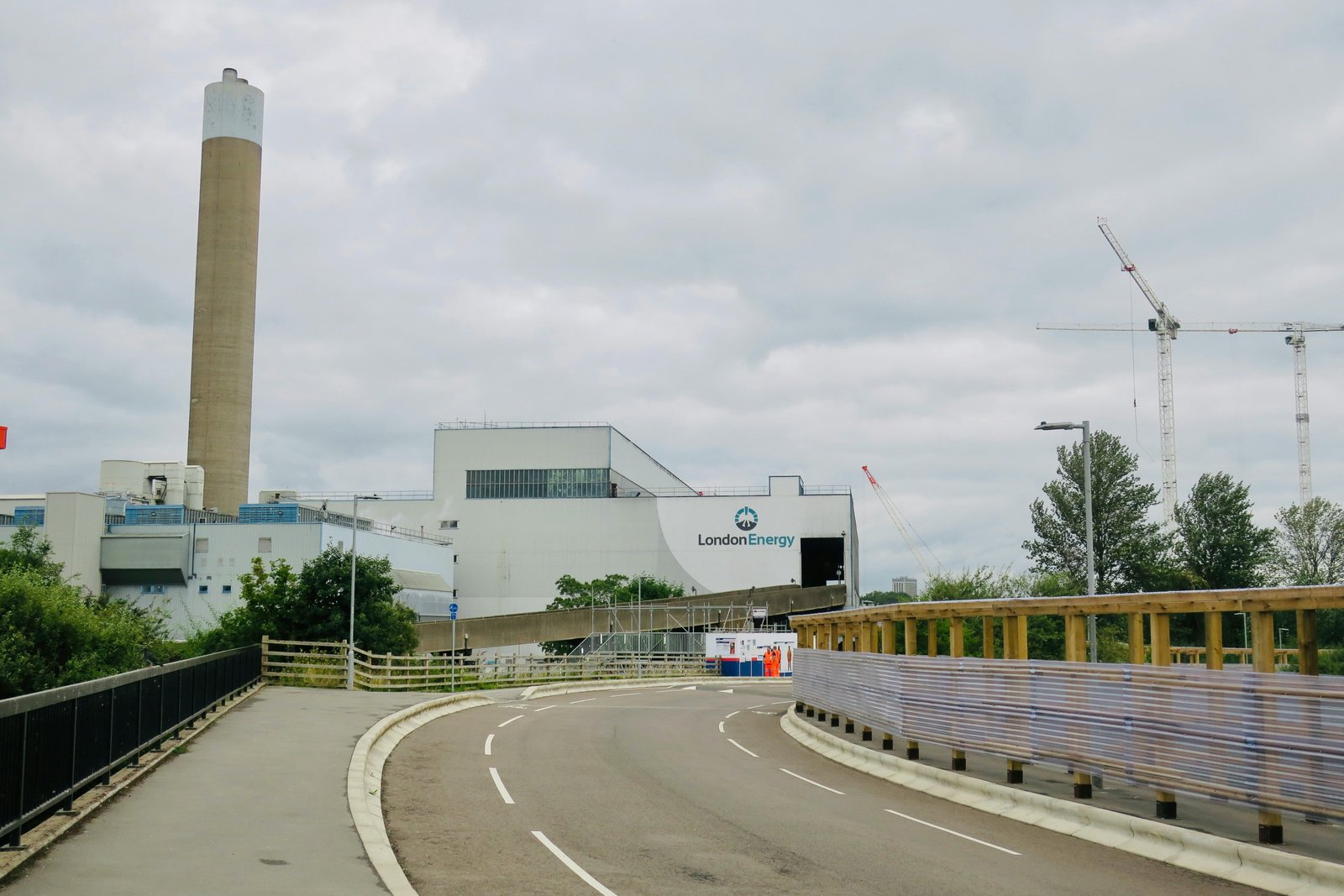
Waste-to-Energy Engineering Guide for Combustion Technology, Heat Recovery, and Emission Control Systems
Waste-to-Energy Engineering Guide for Combustion Technology, Heat Recovery, and Emission Control Systems
Reading Time: 78 minutes
Key Highlights
• Global WtE Capacity: Over 2,400 waste-to-energy facilities operate worldwide with combined capacity exceeding 350 million tons annual waste processing, generating approximately 140 TWh electricity annually equivalent to powering 40 million households
• Energy Recovery Performance: Modern mass burn incineration systems achieve 500-700 kWh electrical generation per ton municipal solid waste with lower heating values 8-12 MJ/kg, while overall thermal efficiency reaches 25-35% for electricity-only and 75-85% for combined heat and power configurations
• Emission Control Achievement: State-of-the-art air pollution control systems incorporating fabric filters, scrubbers, selective catalytic reduction, and activated carbon injection achieve emissions below 10 mg/Nm³ for particulates, 0.1 ng TEQ/Nm³ for dioxins/furans, meeting stringent European Union Industrial Emissions Directive standards
• Volume Reduction and Resource Recovery: Thermal treatment reduces waste volume by 90% and mass by 70%, with bottom ash (75-85% of total ash) suitable for construction applications after metal recovery, while flue gas heat recovery generates renewable electricity displacing fossil fuel consumption
Executive Summary
Waste-to-energy technology converts municipal solid waste into useful energy through controlled thermal treatment processes, addressing twin challenges of waste management and renewable energy generation in urban centers worldwide. Global WtE capacity exceeds 2,400 facilities processing over 350 million tons annually, concentrated in developed nations including Japan (400+ facilities), European Union (500+ facilities), and increasingly in developing countries facing escalating waste management crises combined with energy security imperatives. Modern WtE plants employ sophisticated combustion systems maintaining temperatures exceeding 850°C for complete organic destruction, integrated heat recovery boilers generating high-pressure steam driving turbines for electricity production, and multi-stage air pollution control systems achieving emission performance surpassing most fossil fuel power stations.
Technical systems comprise waste reception and storage bunkers providing 3-7 days capacity enabling continuous operations, moving grate or fluidized bed combustion chambers designed for heterogeneous municipal waste with moisture content 30-50% and lower heating values 8-12 MJ/kg typical for Asian and developing country waste streams, forced draft and induced draft fan systems supplying combustion air while controlling furnace pressure and flue gas flow, heat recovery steam generators extracting thermal energy at efficiencies 75-85%, steam turbine generator sets converting thermal to electrical energy at 20-25% net efficiency for condensing cycles or 75-85% overall efficiency for combined heat and power, and comprehensive emission control trains incorporating particulate removal, acid gas neutralization, nitrogen oxide reduction, and heavy metal/organic pollutant capture achieving performance meeting or exceeding international environmental standards.
This comprehensive engineering guide examines waste-to-energy technical systems drawing on authoritative sources including International Solid Waste Association (ISWA) technical guidelines, GIZ waste-to-energy implementation frameworks, Waste-to-Energy Research and Technology Council (WtERT) engineering handbooks, Institute for Global Environmental Strategies (IGES) incineration standards, and World Energy Council assessments. Coverage encompasses fundamental combustion principles and thermal conversion chemistry, combustion technology comparison across moving grate and fluidized bed systems, waste characteristics affecting combustion performance including moisture content and heating value, fan system engineering for primary and secondary air supply plus induced draft flue gas management, heat recovery optimization through boiler design and steam parameter selection, steam cycle thermodynamics and turbine generator configuration, air pollution control technology including fabric filters and scrubbers, selective catalytic reduction for nitrogen oxides, activated carbon systems for mercury and dioxin capture, ash management strategies for bottom ash utilization and fly ash treatment, plant operations and process control, energy efficiency optimization, environmental performance monitoring, and economic analysis frameworks evaluating project viability across diverse market conditions.
Content addresses engineers designing WtE facilities, technology providers evaluating equipment specifications, project developers assessing technical and economic feasibility, environmental professionals ensuring regulatory compliance, operations personnel optimizing plant performance, and government agencies establishing technical standards and procurement requirements. Detailed technical specifications, performance data, design calculations, and best practice guidance enable systematic understanding of WtE engineering principles supporting informed decision-making across project lifecycles from feasibility assessment through decades of reliable operations delivering sustainable waste management combined with renewable energy generation serving urban populations throughout global contexts.
Waste-to-Energy Fundamentals and Global Context
Waste-to-energy represents thermal treatment of municipal solid waste and similar waste streams through controlled combustion processes converting chemical energy stored in organic materials into useful thermal and electrical energy while achieving substantial volume and mass reduction compared to landfill disposal. The fundamental energy conversion follows combustion chemistry where organic compounds (primarily cellulose, plastics, proteins, fats) react with oxygen at elevated temperatures producing carbon dioxide, water vapor, and heat energy according to general equation: CxHyOz + O2 → CO2 + H2O + Heat. Heat energy released during combustion, quantified as lower heating value (LHV) typically 8-14 MJ/kg for municipal solid waste depending on composition and moisture content, transfers to water circulating through boiler heat exchange surfaces generating high-pressure steam that subsequently drives turbine generators producing electricity or provides industrial process heat in combined heat and power applications.
Global Waste-to-Energy Deployment Statistics:
| Region/Country | Number of Facilities | Annual Capacity (Million Tons) | Electricity Generation (TWh/year) | Key Characteristics |
|---|---|---|---|---|
| European Union | 500+ | 90-100 | 45-50 | Stringent emissions standards, high CHP utilization, mature regulatory framework |
| Japan | 400+ | 35-40 | 15-18 | Advanced technology, highest per capita WtE rate, land scarcity driver |
| China | 500+ | 120-140 | 50-60 | Rapid expansion, improving environmental standards, large-scale facilities |
| United States | 70-80 | 25-30 | 10-12 | Limited expansion due to landfill availability, concentrated in Northeast |
| South Korea | 40-50 | 8-10 | 3-4 | High technology standards, material recovery integration |
| Southeast Asia (Emerging) | 20-30 | 5-8 | 2-3 | Rapid growth phase, adapting technology to high-moisture waste |
| Global Total | 2,400+ | 350-370 | 130-150 | Equivalent to powering 40+ million households annually |
Waste-to-Energy Benefits:
• Volume reduction: 90% reduction compared to landfilling
• Mass reduction: 70% reduction creating manageable ash residue
• Energy recovery: 500-700 kWh/ton electrical generation from waste
• Greenhouse gas reduction: Avoids methane emissions from landfill decomposition
• Land conservation: Dramatically reduces landfill space requirements
• Metal recovery: Ferrous and non-ferrous metals recovered from bottom ash
• Continuous operation: Baseload renewable energy generation 8,000+ hours annually
Technical Challenges:
• Waste heterogeneity: Variable composition affecting combustion stability
• Moisture content: High moisture (40-60%) reduces heating value and efficiency
• Corrosion: Chlorine and sulfur compounds cause boiler tube corrosion
• Emissions control: Complex multi-stage treatment required for compliance
• Ash management: Proper handling and disposal/utilization of ash residues
• Capital intensity: High investment costs USD 250-400 million per facility
• Public perception: Historical concerns about air emissions requiring transparent operations
Waste characteristics fundamentally determine WtE system performance, with composition, moisture content, and heating value varying substantially across geographic regions, seasons, and waste management practices. European and North American municipal solid waste typically contains lower moisture (25-35%) due to reduced organic fraction and source separation programs, achieving heating values 10-14 MJ/kg enabling efficient energy recovery through standard designs. Asian and developing country waste streams frequently exhibit higher organic content (50-70%), moisture content (40-60%), and lower heating values (6-10 MJ/kg), necessitating technology adaptation including auxiliary fuel support, enhanced combustion air systems, or waste preprocessing through drying or refuse-derived fuel production improving combustion characteristics. Understanding these waste property variations proves essential for appropriate technology selection, realistic performance projections, and successful project implementation across diverse applications.
Energy Content Calculation Example
Waste Composition Analysis (Indonesian Urban MSW Example):
• Food waste: 55% (moisture 70%, LHV 3 MJ/kg)
• Paper/cardboard: 12% (moisture 8%, LHV 16 MJ/kg)
• Plastics: 15% (moisture 2%, LHV 35 MJ/kg)
• Wood/yard waste: 8% (moisture 45%, LHV 8 MJ/kg)
• Textiles: 3% (moisture 10%, LHV 18 MJ/kg)
• Rubber/leather: 2% (moisture 5%, LHV 22 MJ/kg)
• Glass/metals/other: 5% (non-combustible, LHV 0 MJ/kg)
Step 1: Calculate Weighted Average LHV (Dry Basis)
LHVdry = Σ(fractioni × LHVi)
LHVdry = (0.55 × 3) + (0.12 × 16) + (0.15 × 35) + (0.08 × 8) + (0.03 × 18) + (0.02 × 22) + (0.05 × 0)
LHVdry = 1.65 + 1.92 + 5.25 + 0.64 + 0.54 + 0.44 + 0 = 10.44 MJ/kg
Step 2: Calculate Weighted Average Moisture Content
Moistureavg = Σ(fractioni × moisturei)
Moistureavg = (0.55 × 0.70) + (0.12 × 0.08) + (0.15 × 0.02) + (0.08 × 0.45) + (0.03 × 0.10) + (0.02 × 0.05) + (0.05 × 0)
Moistureavg = 0.385 + 0.010 + 0.003 + 0.036 + 0.003 + 0.001 = 0.438 = 43.8%
Step 3: Calculate LHV (As-Received Basis)
Energy required to evaporate water: 2.44 MJ/kg water
LHVar = LHVdry × (1 - moisture) - (moisture × 2.44)
LHVar = 10.44 × (1 - 0.438) - (0.438 × 2.44)
LHVar = 10.44 × 0.562 - 1.07
LHVar = 5.87 - 1.07 = 4.80 MJ/kg (as-received)
Step 4: Estimate Electrical Generation Potential
Assuming net electrical efficiency 18% (typical for low-LHV waste):
Electrical energy = LHVar × efficiency × 0.278 (conversion factor MJ to kWh)
Electrical energy = 4.80 × 0.18 × 0.278
Electrical energy = 0.240 kWh/kg = 240 kWh/ton
This example demonstrates significant energy penalty from high moisture content. European waste (moisture 30%, LHV 12 MJ/kg) would generate approximately 600 kWh/ton, illustrating importance of waste characteristics on facility economics and requirement for appropriate technology selection matching local waste properties.
Combustion Technology Systems and Thermal Treatment Processes
Combustion technology selection represents critical design decision affecting facility performance, reliability, operational flexibility, and economic viability. Moving grate combustion systems dominate municipal solid waste incineration globally, processing unprepared heterogeneous waste without extensive preprocessing beyond removal of oversized items, achieving reliable operations through proven mechanical grate designs that transport waste through combustion zones while providing primary combustion air from below. Fluidized bed combustion technologies suit preprocessed refuse-derived fuel or relatively homogeneous waste streams, utilizing fluidizing air jets suspending inert bed material (sand) creating intense mixing and heat transfer enabling complete combustion at lower temperatures (800-900°C) compared to grate systems (850-1100°C). Technology choice depends on waste characteristics, desired throughput, environmental requirements, capital and operating cost considerations, and operational complexity tolerance, with each technology offering distinct advantages for specific applications.
Combustion Technology Comparison Matrix:
| Technology | Capacity Range | Waste Requirements | Combustion Temp | Advantages | Limitations |
|---|---|---|---|---|---|
| Moving Grate (Mass Burn) | 100-3,000 TPD | As-received MSW, minimal preprocessing | 850-1,100°C | Proven technology, handles heterogeneous waste, flexible capacity, high availability >8,000 hrs/yr | High capital cost, larger footprint, grate maintenance requirements |
| Fluidized Bed (Bubbling) | 50-500 TPD | RDF or shredded waste, particle size <200mm | 800-900°C | Good mixing, uniform temperature, lower NOx formation, compact design | Requires preprocessing, sensitive to oversize items, bed material management |
| Fluidized Bed (Circulating) | 100-800 TPD | RDF, high heating value waste | 850-950°C | Excellent mixing, high combustion efficiency, lower emissions | Complex operation, higher auxiliary power, fly ash recirculation |
| Rotary Kiln | 50-300 TPD | Hazardous waste, medical waste, industrial waste | 900-1,200°C | Handles difficult waste, complete burnout, high temperature capability | High refractory costs, lower energy recovery, primarily for special waste |
Moving Grate Design Variations:
• Forward-Acting Grate: Waste moves via forward-stepping grate bars, good mixing, proven design
• Reverse-Acting Grate: Backward-stepping motion, gentler agitation, reduced particulate carryover
• Roller Grate: Rotating cylinders transport waste, excellent for high-calorific waste
• Rocking Grate: Tilting grate sections provide mixing, simple mechanical design
• Water-Cooled Grate: Internal cooling prevents thermal damage, handles high temperatures
• Air-Cooled Grate: Combustion air provides cooling, simpler construction, lower cost
Moving grate combustion proceeds through distinct thermal zones as waste travels across grate length typically 6-10 meters over residence time 45-90 minutes depending on design. Drying zone occupies first 15-25% of grate length where moisture evaporates from waste through radiant heat transfer from overhead combustion zones and hot furnace walls, with primary air supply preheating waste to 200-300°C driving off free moisture. Ignition and main combustion zone spans 40-60% of grate length where volatile organic compounds release through pyrolysis (thermal decomposition in oxygen-deficient environment) and subsequently combust with secondary air introduced above grate creating turbulent mixing and temperatures 850-1,100°C ensuring complete oxidation. Burnout zone occupies final 20-30% of grate length where remaining char and fixed carbon combust achieving >95% burnout efficiency measured as loss-on-ignition <3-5% in bottom ash residue discharged to ash handling system.
Combustion Air Requirements and Distribution
Primary Air (Under-Grate Air):
• Function: Provides oxygen for solid char combustion, cools grate bars, controls waste temperature
• Distribution: Divided into zones matching combustion stages (drying, ignition, burnout)
• Volume: Typically 40-60% of total combustion air requirement
• Temperature: Ambient to 200°C depending on heat recovery from ash cooling
• Control: Individual zone dampers enabling optimization for varying waste properties
• Pressure: 3-8 kPa (300-800 mm H2O) overcoming grate resistance and waste bed depth
Secondary Air (Over-Fire Air):
• Function: Completes combustion of volatile organic compounds and CO, creates turbulent mixing
• Distribution: Multiple injection levels on front and rear furnace walls
• Volume: 40-60% of total combustion air, maintaining overall excess air 80-120% (λ = 1.8-2.2)
• Temperature: Preheated to 150-250°C using economizer or air preheater improving efficiency
• Velocity: High velocity injection (30-80 m/s) ensuring penetration and mixing across furnace width
• Position: Typically 2-4 meters above grate in secondary combustion chamber
Stoichiometric Combustion Calculation:
For complete combustion: C + O2 → CO2
Oxygen requirement = 2.67 kg O2/kg carbon (theoretically)
Air requirement = 11.5 kg air/kg carbon (assuming 23% oxygen in air by mass)
Example for MSW:
Typical MSW elemental composition: C=45%, H=6%, O=25%, N=1%, S=0.2%, ash=23%
Stoichiometric air = 5.5-6.5 kg air/kg waste (depending on exact composition)
Actual air supply = stoichiometric × excess air factor (1.8-2.2)
Actual air = 6.0 × 2.0 = 12 kg air/kg waste typical
At standard conditions: 12 kg air = 10 Nm³ air/kg waste
Excess Air Optimization:
• Too Low (<60%, λ<1.6): Incomplete combustion, CO emissions, unburned material, corrosion risk
• Optimal (80-120%, λ=1.8-2.2): Complete combustion, stable operation, reasonable efficiency
• Too High (>150%, λ>2.5): Excessive flue gas volume, heat loss, reduced efficiency, higher fan power
Modern automated combustion control systems continuously adjust air distribution responding to real-time measurements of oxygen concentration (target 6-10% O2 in flue gas), carbon monoxide (<50 mg/Nm³ target), and furnace temperature (850-1,000°C) maintaining optimal combustion across varying waste characteristics.
Fan Systems Engineering: Forced Draft and Induced Draft
Fan systems constitute critical components enabling controlled combustion through precise air supply and flue gas management, with forced draft fans delivering combustion air to furnace at required volumes and pressures while induced draft fans extract flue gases maintaining slightly negative furnace pressure preventing fugitive emissions. Forced draft (FD) fans handle ambient temperature air requiring moderate power consumption (30-50 kW per 100 tons/day capacity) but substantial volumetric flow rates accounting for stoichiometric plus excess air requirements typically 10-15 Nm³/kg waste. Induced draft (ID) fans operate in harsh conditions extracting 850-1,100°C flue gases (though cooled to 180-220°C after heat recovery boiler), handling corrosive acid gases, and overcoming resistance through boiler, air pollution control equipment, and stack, requiring robust construction with erosion-resistant impellers and variable frequency drive control enabling load-following operations matching waste throughput variations.
Fan System Specifications and Design Parameters:
Forced Draft Fan (Primary and Secondary Air Supply):
| Parameter | Primary Air (Under-Grate) | Secondary Air (Over-Fire) | Design Considerations |
|---|---|---|---|
| Volumetric Flow | 4-6 Nm³/kg waste | 4-6 Nm³/kg waste | Total 10-15 Nm³/kg including excess air for complete combustion |
| Static Pressure | 3-8 kPa | 1-3 kPa | Overcome grate resistance, waste bed depth, ductwork losses |
| Temperature | Ambient to 200°C | 150-250°C (preheated) | Preheating improves combustion stability and thermal efficiency |
| Fan Type | Centrifugal radial or backward-curved | Radial for higher pressure, backward-curved for efficiency | |
| Power Consumption | 30-50 kW per 100 TPD | VFD control reduces power at partial load operations | |
| Control Strategy | O2 trim control, zone dampers | Automated adjustment maintaining target O2 6-10% in flue gas | |
Induced Draft Fan (Flue Gas Extraction):
| Parameter | Typical Range | Design Basis |
|---|---|---|
| Volumetric Flow (Actual) | 15,000-25,000 Am³/hr per 100 TPD | Combustion air + moisture vapor + combustion products at 180-220°C |
| Static Pressure | 4-10 kPa | Boiler, economizer, APC equipment, stack draft losses |
| Operating Temperature | 180-220°C | After heat recovery, before fabric filter/scrubber (may cool further) |
| Material Requirements | Corrosion-resistant alloys | HCl, SO2, moisture create corrosive environment |
| Fan Type | Centrifugal radial impeller | Handles erosive fly ash particles, high pressure capability |
| Power Consumption | 80-150 kW per 100 TPD | Largest auxiliary power consumer in WtE facility |
| Redundancy | 2 × 60% or 2 × 100% | Backup capability essential for continuous operations |
Furnace Pressure Control Strategy:
• Setpoint: Slight negative pressure -20 to -50 Pa at furnace exit preventing fugitive emissions
• Control method: ID fan speed modulation responding to pressure transmitter feedback
• Cascade control: Furnace pressure master controller adjusting ID fan, which influences FD fan via O2 control
• Interlock logic: FD fan must start before ID fan; ID fan must run longer during shutdown
• Emergency scenarios: ID fan trip triggers FD fan shutdown and waste feed stoppage
• Load following: Automatic adjustment as waste feed rate varies throughout day
Fan Power Calculation Example (500 TPD Facility)
Given Facility Parameters:
• Waste throughput: 500 tons/day = 20.8 tons/hour
• Operating hours: 8,000 hours/year (91% availability)
• Combustion air requirement: 12 Nm³/kg waste
• Flue gas temperature after boiler: 200°C
• Excess air: 100% (λ = 2.0)
Forced Draft Fan Calculation:
Air volume = 20,800 kg/hr × 12 Nm³/kg = 249,600 Nm³/hr = 69.3 Nm³/s
Converting to actual volume at 20°C: Vactual = Vnormal × (T/273)
Vactual = 69.3 × (293/273) = 74.4 Am³/s
Static pressure: 5 kPa (average for primary + secondary air systems)
Fan power = (Flow × Pressure) / (Fan efficiency × Drive efficiency)
Fan power = (74.4 m³/s × 5,000 Pa) / (0.75 × 0.95)
Fan power = 372,000 W / 0.7125 = 522 kW for FD fans
Induced Draft Fan Calculation:
Flue gas volume increases due to combustion products and elevated temperature
Approximate flue gas: 13-15 Nm³/kg waste (including combustion products)
Flue gas = 20,800 kg/hr × 14 Nm³/kg = 291,200 Nm³/hr = 80.9 Nm³/s
Converting to actual volume at 200°C: Vactual = Vnormal × (473/273)
Vactual = 80.9 × 1.73 = 140.0 Am³/s
Static pressure: 7 kPa (boiler + APC + stack resistance)
Fan power = (140.0 m³/s × 7,000 Pa) / (0.70 × 0.95)
Fan power = 980,000 W / 0.665 = 1,473 kW for ID fans
Total Fan System Power:
Total installed capacity: 522 kW (FD) + 1,473 kW (ID) = 1,995 kW ≈ 2.0 MW
Specific power consumption: 2,000 kW / 500 TPD = 4.0 kW per ton/day capacity
Annual energy consumption: 2,000 kW × 8,000 hr = 16,000 MWh/year
Percentage of gross generation: Typically 10-15% of gross electrical output
This example demonstrates substantial parasitic power consumption by fan systems, highlighting importance of efficient fan selection, proper system design minimizing pressure drops, and variable frequency drives enabling part-load efficiency when waste throughput reduces below design capacity.
Heat Recovery Systems and Steam Generation
Heat recovery boilers extract thermal energy from high-temperature combustion gases (850-1,100°C leaving furnace) generating high-pressure steam subsequently driving turbine generators for electricity production or supplying industrial process heat. Boiler design incorporates multiple heat exchange sections arranged in temperature sequence maximizing energy recovery while maintaining flue gas temperatures above acid dewpoint (typically 140-160°C) preventing sulfuric acid condensation causing severe corrosion. Radiation section (furnace walls) absorbs intense radiant heat through water-wall tubes maintaining controlled furnace temperatures while generating steam. Convection sections downstream include superheater raising steam temperature above saturation for turbine efficiency, evaporator (steam drum and generating tubes) converting water to steam, economizer preheating feedwater using lower-temperature flue gases, and optionally air preheater warming combustion air improving efficiency though rarely used in WtE due to corrosion concerns from chlorine-containing flue gases.
Waste Heat Boiler Configuration and Performance:
| Boiler Section | Temperature Range | Function | Design Considerations |
|---|---|---|---|
| Furnace (Radiation Section) | 850-1,100°C → 650-800°C | Radiant heat absorption, temperature control | Water-wall tubes, membrane wall construction, corrosion-resistant materials |
| Superheater | 600-800°C → 450-600°C | Increase steam temperature 350-450°C | High-alloy steel tubes, sootblowers required, alkali chloride corrosion risk |
| Evaporator (Steam Drum + Generating Bank) | 450-600°C → 250-350°C | Water evaporation at constant temperature | Natural circulation or forced circulation, steam/water separation in drum |
| Economizer | 250-350°C → 180-220°C | Feedwater preheat using low-grade heat | Finned tubes for enhanced heat transfer, minimum exit temp >acid dewpoint |
| Air Preheater (Optional) | 200-250°C → 160-180°C | Combustion air preheating | Rarely used in MSW due to corrosion from acid gases, fouling risks |
Typical Steam Parameters:
| Application | Pressure | Temperature | Turbine Efficiency | Notes |
|---|---|---|---|---|
| Small Facility (<200 TPD) | 20-30 bar | 300-350°C | 18-22% | Lower parameters reduce boiler complexity and cost |
| Medium Facility (200-500 TPD) | 40-50 bar | 380-420°C | 22-26% | Good balance efficiency vs. complexity, most common range |
| Large Modern Facility (>500 TPD) | 60-80 bar | 420-450°C | 25-30% | Maximizes efficiency, requires advanced materials and controls |
| Combined Heat & Power | 40-60 bar | 400-440°C | 15-20% elec + 50-60% heat | Back-pressure or extraction turbine, overall efficiency 75-85% |
Boiler Efficiency Factors:
• Thermal efficiency: 75-85% (ratio of steam enthalpy to fuel energy input)
• Heat loss breakdown: Sensible heat in flue gas (10-15%), radiation/convection losses (2-4%), unburned carbon (1-3%)
• Optimization strategies: Lower flue gas exit temperature (↑efficiency but acid corrosion risk), higher steam parameters (↑turbine efficiency), improved insulation (↓radiation losses), complete combustion (↓unburned carbon)
• Maintenance critical items: Sootblowers (maintain heat transfer), water treatment (prevent scaling/corrosion), tube inspection (detect thinning/cracking)
Steam Cycle Energy Balance Calculation
Facility Parameters:
• Waste throughput: 500 tons/day × 1000 kg/ton = 500,000 kg/day = 20,833 kg/hr
• Waste LHV: 10 MJ/kg (as-received basis)
• Thermal input: 20,833 kg/hr × 10 MJ/kg = 208,333 MJ/hr = 57.9 MWthermal
Heat Recovery Boiler:
Boiler thermal efficiency: 80%
Heat recovered to steam: 57.9 MW × 0.80 = 46.3 MWthermal
Steam conditions: 45 bar, 420°C
Feedwater temperature: 105°C (from deaerator)
Steam enthalpy: hsteam = 3,320 kJ/kg (from steam tables)
Feedwater enthalpy: hfw = 440 kJ/kg
Enthalpy rise: Δh = 3,320 - 440 = 2,880 kJ/kg
Steam mass flow: Q = ṁ × Δh
46.3 MW = ṁ × 2,880 kJ/kg
ṁ = 46,300 kW / 2,880 kJ/kg = 16.1 kg/s = 57.9 tons/hr steam
Steam Turbine Generator:
Condensing turbine back pressure: 0.05 bar (vacuum)
Condenser temperature: 33°C
Exhaust enthalpy: hexhaust = 2,328 kJ/kg (saturated steam at 0.05 bar)
Isentropic enthalpy drop: Δhisen = 3,320 - 2,328 = 992 kJ/kg
Turbine isentropic efficiency: 85%
Actual enthalpy drop: Δhactual = 992 × 0.85 = 843 kJ/kg
Generator efficiency: 97%
Electrical power = ṁ × Δhactual × ηgen
Electrical power = 16.1 kg/s × 843 kJ/kg × 0.97
Electrical power = 13.2 MWelectrical
Overall Efficiency Analysis:
Gross electrical efficiency = 13.2 MWe / 57.9 MWth = 22.8%
Auxiliary consumption (fans, pumps, controls): 1.8 MW (typical 12-15% of gross)
Net electrical output: 13.2 - 1.8 = 11.4 MWnet
Net electrical efficiency = 11.4 / 57.9 = 19.7%
Specific generation: 11.4 MW / (500 ton/day ÷ 24 hr/day) = 547 kWh/ton waste
For combined heat and power with 30 MWthermal district heating extraction:
Electrical output reduces to ~9 MW, heat output 30 MW
Overall CHP efficiency = (9 + 30) / 57.9 = 67% (significantly higher than electricity-only)
Air Pollution Control Systems and Emission Standards
Air pollution control (APC) systems remove particulate matter, acid gases, nitrogen oxides, heavy metals, and organic pollutants from flue gases before atmospheric discharge, employing multi-stage treatment trains achieving emission concentrations orders of magnitude below uncontrolled levels and meeting stringent regulatory standards including European Union Industrial Emissions Directive, U.S. Environmental Protection Agency Maximum Achievable Control Technology (MACT) standards, and national requirements across developed and increasingly developing countries. Modern WtE facilities employ comprehensive control strategies: fabric filter baghouses or electrostatic precipitators for particulate removal, dry or semi-dry scrubbing systems neutralizing acid gases (HCl, SO₂, HF), selective non-catalytic or catalytic reduction controlling nitrogen oxides, and activated carbon injection capturing mercury and trace organic compounds including dioxins and furans. System integration requires careful sequencing, with some technologies sensitive to temperature, moisture, or chemical composition necessitating process optimization balancing efficiency across multiple pollutants simultaneously.
Emission Standards Comparison
| Pollutant | EU IED (2010) | US EPA MACT | Japan | Typical Modern WtE Performance |
|---|---|---|---|---|
| Particulate Matter (PM) | 10 mg/Nm³ | 24 mg/dscm | 20-30 mg/Nm³ | 2-5 mg/Nm³ |
| Total Organic Carbon (TOC) | 10 mg/Nm³ | - | - | <5 mg/Nm³ |
| Hydrogen Chloride (HCl) | 10 mg/Nm³ | 29 ppmv (≈25 mg/Nm³) | 50-80 mg/Nm³ | 2-8 mg/Nm³ |
| Sulfur Dioxide (SO₂) | 50 mg/Nm³ | 30 ppmv (≈80 mg/Nm³) | 50-100 mg/Nm³ | 10-30 mg/Nm³ |
| Nitrogen Oxides (NOx) | 200 mg/Nm³ | 205 ppmv (≈450 mg/Nm³) | 100-250 mg/Nm³ | 80-150 mg/Nm³ |
| Carbon Monoxide (CO) | 50 mg/Nm³ | - | 30-100 mg/Nm³ | 10-30 mg/Nm³ |
| Mercury (Hg) | 0.05 mg/Nm³ | 0.054 mg/dscm | 0.05 mg/Nm³ | 0.01-0.03 mg/Nm³ |
| Cadmium + Thallium (Cd+Tl) | 0.05 mg/Nm³ | - | - | <0.01 mg/Nm³ |
| Other Heavy Metals (Sb+As+Pb+Cr+Co+Cu+Mn+Ni+V) | 0.5 mg/Nm³ | - | - | 0.05-0.2 mg/Nm³ |
| Dioxins/Furans (PCDD/F) | 0.1 ng TEQ/Nm³ | 0.14 ng TEQ/dscm | 0.1-1.0 ng TEQ/Nm³ | 0.01-0.05 ng TEQ/Nm³ |
Note: All values normalized to 11% O₂, dry basis. TEQ = Toxic Equivalency. EU IED represents most stringent global standards, commonly adopted or exceeded by modern facilities worldwide.
Air Pollution Control Technology Selection and Integration:
1. Particulate Matter Control:
Fabric Filter Baghouse (Most Common for MSW):
• Mechanism: Flue gas passes through woven or felted filter bags capturing particles
• Efficiency: >99.9% for particles >1 micron, 95-99% for submicron particles
• Outlet concentration: 2-10 mg/Nm³ achievable
• Operating temperature: 120-200°C depending on bag material (fiberglass, PTFE, PPS)
• Filter cleaning: Reverse pulse-jet air cleaning, offline cleaning cycles
• Filter life: 2-5 years depending on waste characteristics and operation
• Pressure drop: 1.0-2.5 kPa clean, up to 3-4 kPa at end of bag life
• Advantages: High efficiency, captures fine particles and acid mist, serves as reactor for ACI
• Disadvantages: Bag replacement cost, temperature limitation, moisture sensitivity
Electrostatic Precipitator (ESP) - Alternative for Dry Systems:
• Mechanism: Electrically charge particles, collect on grounded plates
• Efficiency: 98-99.5% typical for WtE applications
• Outlet concentration: 10-30 mg/Nm³
• Operating temperature: 120-400°C (broader range than baghouse)
• Advantages: No consumables, low pressure drop (0.2-0.5 kPa), high temperature tolerance
• Disadvantages: Lower efficiency than fabric filter, less effective for submicron particles, requires larger footprint
2. Acid Gas Control (HCl, SO₂, HF):
Dry Scrubbing (Dry Sorbent Injection):
• Reagent: Hydrated lime Ca(OH)₂ or sodium bicarbonate NaHCO₃
• Injection location: Upstream of fabric filter, reaction on filter cake
• Reactions: Ca(OH)₂ + 2HCl → CaCl₂ + 2H₂O; Ca(OH)₂ + SO₂ → CaSO₃ + H₂O
• Stoichiometry: 1.5-3.0 times theoretical requirement for high removal
• Removal efficiency: 90-98% HCl, 80-95% SO₂
• Advantages: Simple, no wastewater, low capital cost
• Disadvantages: High reagent consumption, lower efficiency than wet systems, dry residue to dispose
Semi-Dry Scrubbing (Spray Dryer Absorber):
• Process: Atomize lime slurry into flue gas, reactions occur in spray tower, products dry before fabric filter
• Temperature: Approach saturation temperature (typically 10-20°C above to avoid condensation)
• Removal efficiency: 95-99% HCl, 90-98% SO₂
• Advantages: Better efficiency than dry, lower reagent consumption, no wastewater
• Disadvantages: Higher capital cost, tower required, atomizer maintenance
Wet Scrubbing (Multi-Stage Wet Scrubber):
• Process: Flue gas contacts alkaline solution (lime or caustic) in packed or tray tower
• Removal efficiency: >99% HCl, >98% SO₂, simultaneous particulate removal
• Advantages: Highest efficiency, lowest reagent consumption, also removes soluble heavy metals
• Disadvantages: Wastewater treatment required, higher capital and O&M costs, stack reheat needed
3. Nitrogen Oxide (NOx) Control:
Selective Non-Catalytic Reduction (SNCR):
• Reagent: Ammonia (NH₃) or urea (NH₂)₂CO injected into furnace
• Temperature window: 850-1,050°C for optimal reaction
• Reactions: 4NO + 4NH₃ + O₂ → 4N₂ + 6H₂O
• Removal efficiency: 40-70% depending on mixing and temperature control
• Stoichiometry: 1.5-2.5 NSR (molar ratio NH₃/NOx)
• Advantages: Low capital cost, simple retrofit to existing furnaces
• Disadvantages: Limited efficiency, ammonia slip (unreacted NH₃ in flue gas 5-15 ppm)
Selective Catalytic Reduction (SCR):
• Process: Ammonia injection upstream of catalyst bed, reaction at 180-250°C
• Catalyst: Titanium dioxide (TiO₂) with vanadium pentoxide (V₂O₅), honeycomb structure
• Removal efficiency: 80-95% achieving outlet <50-100 mg/Nm³
• Stoichiometry: 0.9-1.1 NSR (near stoichiometric with good mixing and catalyst)
• Ammonia slip: <2-5 ppm with proper control
• Catalyst life: 3-5 years, regeneration or disposal required
• Advantages: High efficiency, low ammonia slip
• Disadvantages: High capital cost, catalyst replacement costs, sensitive to catalyst poisons (alkali, sulfur)
4. Heavy Metals and Dioxin/Furan Control:
Activated Carbon Injection (ACI):
• Mechanism: Powdered activated carbon adsorbs mercury vapor and trace organics
• Injection rate: 10-50 mg carbon/Nm³ flue gas
• Injection location: Upstream of fabric filter, residence time in bag cake enhances contact
• Removal efficiency: 80-95% mercury, >95% dioxins/furans
• Carbon types: Lignite-based, coconut-based, brominated (enhanced Hg capture)
• Advantages: Effective for multiple pollutants simultaneously, proven technology
• Disadvantages: Operating cost (carbon consumption), spent carbon in ash complicates utilization
Ash Management: Bottom Ash and Fly Ash Handling
Thermal treatment generates two distinct ash streams requiring separate handling based on chemical and physical characteristics. Bottom ash comprises 75-85% of total ash generation, representing non-combustible mineral content (glass, ceramics, metals) falling through grate during combustion, typically exhibiting relatively benign environmental characteristics enabling beneficial use applications after ferrous and non-ferrous metal recovery. Fly ash comprises 15-25% of total ash, consisting of fine particles (PM <10 microns) entrained in flue gas and captured in air pollution control equipment, containing concentrated heavy metals, acid gas reaction products, and unburned carbon requiring stabilization treatment and secure disposal meeting hazardous waste criteria in many jurisdictions. Proper ash management protects environment while potentially generating revenue through metal recovery and bottom ash sales offsetting disposal costs, with total ash generation approximately 200-300 kg per ton waste processed depending on waste composition and combustion efficiency.
Bottom Ash Characteristics and Utilization
Physical Properties:
• Quantity: 150-250 kg/ton waste (15-25% by weight of input waste)
• Appearance: Granular material, gray to black color, varied particle sizes
• Particle size distribution: 0-4 mm (40-50%), 4-16 mm (30-40%), >16 mm (10-20%)
• Density: 1.2-1.6 ton/m³ loose, 1.4-1.8 ton/m³ compacted
• Moisture content: 15-25% as discharged from wet bottom ash conveyor
• Loss on ignition: <3-5% indicating good combustion efficiency
Chemical Composition:
• Major elements: SiO₂ (45-55%), CaO (15-25%), Al₂O₃ (10-15%), Fe₂O₃ (8-12%)
• Heavy metals: Typically below regulatory thresholds for non-hazardous classification
• Leaching behavior: Generally passes TCLP (Toxicity Characteristic Leaching Procedure) tests
• pH: Typically 10-12 (alkaline) due to lime and cement-like hydration reactions
• Salts: Soluble salts (chlorides, sulfates) requiring weathering before certain applications
Metal Recovery:
• Ferrous metals: 8-12% by weight of bottom ash, recovered using magnetic separation
• Non-ferrous metals: 1-3% (aluminum, copper, brass), recovered using eddy current separation
• Recovery efficiency: >95% ferrous, 70-85% non-ferrous with modern systems
• Metal value: USD 10-30 per ton bottom ash depending on metal prices and recovery rates
• Processing sequence: Screening → magnetic separation → eddy current → size classification
Utilization Applications:
• Road sub-base: Largest application, replaces natural aggregates in road construction
• Concrete aggregate: Up to 30% replacement of natural aggregate in non-structural concrete
• Embankment fill: Bulk fill material for earthworks
• Asphalt aggregate: Substitute for crushed stone in asphalt mixes (after weathering)
• Utilization rates: 70-90% in Netherlands, Denmark, Japan; 40-60% in Germany, France; <30% in US, developing countries
• Barriers: Quality variability, leaching concerns, lack of technical standards, competition with cheap virgin aggregates
Fly Ash Characteristics and Treatment Requirements
Physical and Chemical Properties:
• Quantity: 30-60 kg/ton waste (3-6% of input), higher with ACI and dry scrubbing
• Appearance: Fine powder, gray to brown color
• Particle size: Predominantly <10 microns, high surface area (10-30 m²/g)
• Density: 0.8-1.2 ton/m³ bulk density
• Composition: Mixture of combustion residue, APC reagent reaction products, activated carbon
• Heavy metals: Enriched in volatile metals (Cd, Pb, Zn, Hg) evaporating in furnace, condensing on particles
• Salts: High concentration of soluble chlorides and sulfates from acid gas neutralization
• pH: Highly alkaline (11-13) due to unreacted lime from scrubbing systems
Environmental Classification:
• European Union: Generally classified as hazardous waste requiring controlled disposal
• United States: Listed hazardous waste (K101 from APC devices), requires RCRA Subtitle C landfill
• Japan: Special management industrial waste with strict disposal requirements
• Leaching behavior: Elevated heavy metal leaching without treatment, especially Pb, Cd, Zn
• TCLP results: Often exceeds regulatory limits for Pb (5 mg/L), Cd (1 mg/L), requiring treatment
Stabilization/Solidification Treatment:
• Cement stabilization: Mix fly ash with Portland cement (10-30%), water, achieving chemical fixation
• Mechanism: Cement hydration encapsulates particles, raises pH binding heavy metals as hydroxides
• Performance: Reduces leaching to acceptable levels, creates monolithic solid
• Volume increase: 30-50% due to binder addition and void formation
• Chemical stabilization: Alternative using phosphates or sulfides precipitating metals
• Thermal treatment: Vitrification at high temperature (1,200-1,400°C) creating glass-like product (very expensive)
Disposal Options:
• Secure landfill: Engineered landfills with liners, leachate collection, monitoring (most common)
• Underground disposal: Abandoned mines or purpose-built caverns in some countries
• Co-disposal with bottom ash: Mix stabilized fly ash with bottom ash (requires demonstration of stability)
• Disposal cost: USD 100-300 per ton including treatment, transport, disposal fees
• Future approaches: Heavy metal recovery through advanced separation (research stage), use in ceramics or geopolymers
Plant Operations, Process Control, and Performance Optimization
Successful WtE operations require integrated process control systems continuously monitoring and adjusting numerous parameters maintaining stable combustion, optimizing energy recovery, ensuring emission compliance, and maximizing equipment availability. Modern distributed control systems (DCS) integrate thousands of measurement points including temperatures throughout combustion zones and heat recovery sections, pressures across system components, flow rates for combustion air and feedwater, flue gas composition including O₂, CO, CO₂, and continuous emission monitoring for regulatory compliance, waste feed rates, steam parameters, and auxiliary equipment status. Automated control algorithms adjust combustion air distribution responding to oxygen measurements, modulate waste feed rates maintaining stable furnace temperatures and steam production, regulate boiler feedwater supply matching steam demand, and coordinate emission control reagent injection achieving target pollutant reductions while minimizing reagent consumption.
Key Performance Indicators and Operating Parameters:
| Parameter | Target Range | Monitoring Method | Control Actions |
|---|---|---|---|
| Furnace Temperature | 850-1,050°C | Multiple thermocouples in combustion chamber | Adjust waste feed rate, primary/secondary air distribution, auxiliary fuel if needed |
| Flue Gas Oxygen | 6-10% O₂ | Zirconia or paramagnetic O₂ analyzer | Modulate combustion air fan speed or dampers maintaining target O₂ |
| Carbon Monoxide (CO) | <50 mg/Nm³ | Continuous CO analyzer (NDIR method) | Increase secondary air if CO rises, indicates poor mixing or incomplete combustion |
| Steam Pressure | ±5% of setpoint | Pressure transmitter at steam drum | Waste feed rate cascade control matching heat input to steam demand |
| Steam Temperature | ±10°C of setpoint | Thermocouples at superheater outlet | Attemperation spray (water injection) for fine control |
| Furnace Pressure | -20 to -50 Pa | Draft transmitter at furnace exit | ID fan speed modulation maintaining slight negative pressure |
| Grate Speed | Variable (site-specific) | Drive motor feedback | Adjust residence time based on waste characteristics, burnout quality |
| Bottom Ash LOI | <3-5% | Laboratory analysis (daily samples) | If high LOI: reduce grate speed (longer residence), increase under-grate air |
| Availability Factor | >8,000 hrs/yr (>91%) | Operating time / total time | Preventive maintenance, rapid troubleshooting, spare parts inventory |
| Net Electrical Efficiency | 18-25% (elec-only) | kWhnet / (waste tons × LHV) | Optimize steam parameters, minimize auxiliary loads, maintain combustion efficiency |
Operational Challenges and Solutions:
• Waste variability: Implement buffer storage (3-7 days), blend loads, automated combustion control responding to changing characteristics
• Corrosion management: Monitor tube thickness, waterwall panel replacement (10-15 year intervals), corrosion-resistant coatings, control steam temperature below critical limits
• Fouling and slagging: Regular sootblowing, optimize combustion temperature, avoid low-melting ash compounds through waste management
• Emission excursions: Automated alarms, control logic preventing regulatory violations, backup systems, operator training
• Equipment reliability: Condition-based maintenance, vibration monitoring, thermal imaging, predictive analytics identifying failure precursors
Economic Analysis and Project Financial Viability
Waste-to-energy project economics depend on multiple revenue and cost factors creating complex financial models requiring sensitivity analysis across key variables. Revenue streams include electricity sales at tariffs varying from wholesale power prices (USD 0.03-0.08/kWh) to feed-in tariffs or premium rates for renewable energy (USD 0.10-0.20/kWh), tipping fees charged to municipalities or waste generators for waste disposal service (USD 30-100 per ton depending on market conditions and alternative disposal costs), and ancillary revenues from metal recovery, heat sales if CHP, or carbon credits. Cost structure comprises capital investment typically USD 250-400 million for 500 ton/day facility (USD 500-800 per ton daily capacity), operating costs including labor, maintenance, reagents, ash disposal, insurance totaling USD 40-80 per ton processed, and financing costs reflecting debt service on project finance loans typically 60-80% of capital at commercial rates. Financial viability depends critically on site-specific factors requiring detailed analysis rather than generic conclusions about WtE economics applicable universally.
Simplified Financial Model - 500 TPD WtE Facility
Capital Cost Breakdown:
| Component | Cost (USD Million) | % of Total |
|---|---|---|
| Site preparation and civil works | 25 | 8% |
| Waste reception and storage | 20 | 7% |
| Combustion system (grate, furnace) | 50 | 16% |
| Heat recovery boiler | 40 | 13% |
| Turbine generator set | 25 | 8% |
| Air pollution control systems | 60 | 19% |
| Ash handling systems | 15 | 5% |
| Electrical systems and control | 30 | 10% |
| Engineering and project management | 25 | 8% |
| Contingency (10%) | 29 | 9% |
| Total Capital Investment | 319 | 100% |
Annual Operating Cost Estimation:
| Cost Category | Annual Cost (USD Million) | USD per Ton Processed |
|---|---|---|
| Labor (operations, maintenance, administration) | 4.5 | 25 |
| Maintenance parts and services | 3.6 | 20 |
| APC reagents (lime, activated carbon, ammonia) | 2.7 | 15 |
| Utilities (water, auxiliary power startup) | 0.9 | 5 |
| Ash disposal (net of metal revenues) | 1.8 | 10 |
| Insurance and administration | 1.5 | 8 |
| Total Operating Cost | 15.0 | 83 |
Revenue Projections (Base Case):
• Waste processed: 180,000 tons/year (500 TPD × 360 operating days)
• Electricity generated: 97,200 MWh/year (540 kWh/ton)
• Electricity tariff: USD 0.12/kWh (assumed feed-in tariff or PPA rate)
• Electricity revenue: USD 11.7 million/year
• Tipping fee: USD 40/ton
• Tipping fee revenue: USD 7.2 million/year
• Total annual revenue: USD 18.9 million
Financial Performance:
• Annual operating profit: USD 18.9M (revenue) - USD 15.0M (O&M) = USD 3.9 million
• Debt service (assuming 70% debt, 7% interest, 20 years): ~USD 23 million/year
• Project requires combination of revenues above baseline to achieve financial closure
• Break-even analysis:
- Required combined revenue: ~USD 38 million/year for debt service + O&M + equity return
- This requires either: Higher tipping fees (USD 100-120/ton) OR higher electricity tariff (USD 0.18-0.20/kWh) OR combination
• Sensitivity factors: ±20% capital cost changes IRR by ±3-5%; ±USD 20/ton tipping fee changes IRR by ±2-3%; electricity tariff most sensitive parameter
Frequently Asked Questions
Q: What is the difference between mass burn incineration and refuse-derived fuel (RDF) approaches?
A: Mass burn incineration processes heterogeneous municipal solid waste "as-received" with minimal preprocessing beyond removal of oversized items, utilizing moving grate combustion systems designed to handle variable waste characteristics. RDF approaches preprocess waste through shredding, screening, and separation producing more homogeneous fuel with higher heating value (typically 12-18 MJ/kg vs. 8-12 MJ/kg for raw MSW), removing non-combustibles and recyclables before thermal treatment. RDF can utilize fluidized bed combustion or co-firing in existing coal power plants. Mass burn offers simpler operations avoiding preprocessing costs but requires robust combustion systems, while RDF achieves higher efficiency but adds preprocessing complexity and cost. Choice depends on waste characteristics, existing infrastructure, and overall system objectives balancing energy recovery with material recycling priorities.
Q: How do modern WtE facilities control dioxin and furan emissions to very low levels?
A: Dioxin/furan control employs multiple strategies: (1) Combustion optimization maintaining temperatures >850°C with residence time >2 seconds and oxygen >6% achieving thermal destruction of precursors; (2) Rapid flue gas cooling from 850°C to <200°C within seconds minimizing temperature window (250-450°C) where dioxin reformation occurs ("de novo synthesis"); (3) Activated carbon injection adsorbing trace dioxins that form despite combustion control; (4) Fabric filter baghouse capturing carbon particles loaded with adsorbed dioxins. This multi-barrier approach achieves emissions 0.01-0.05 ng TEQ/Nm³, well below 0.1 ng TEQ/Nm³ regulatory limit, representing 99.9+% reduction from uncontrolled levels. Continuous monitoring of combustion parameters ensures optimal conditions, while periodic stack testing (quarterly or annually) verifies compliance through accredited laboratory analysis of collected samples.
Q: What factors most significantly affect WtE plant electrical efficiency?
A: Key efficiency factors include: (1) Waste heating value - higher LHV enables higher steam parameters and turbine efficiency; (2) Steam conditions - increasing pressure from 40 to 80 bar and temperature from 380°C to 440°C can improve turbine efficiency from 22% to 28%; (3) Moisture content - every 10% moisture increase reduces efficiency ~2-3 percentage points through evaporation energy loss; (4) Auxiliary power consumption - fan systems, pumps, and controls typically consume 12-18% of gross generation; (5) Heat recovery optimization - minimizing flue gas exit temperature (while avoiding acid condensation) improves boiler efficiency; (6) Combustion efficiency - maintaining complete burnout and optimal excess air minimizes unburned carbon and sensible heat losses. Combined heat and power dramatically improves overall efficiency to 75-85% when heat market exists, versus 18-25% for electricity-only configurations, though electrical output decreases due to steam extraction for heating.
Q: How does high moisture content in tropical waste streams affect WtE feasibility?
A: High moisture (50-60% vs. 25-35% in developed countries) significantly challenges WtE economics and operations through: (1) Reduced heating value - moisture content 60% yields LHV only 4-6 MJ/kg versus 10-14 MJ/kg at 30% moisture, halving energy recovery potential; (2) Combustion instability - high moisture requires auxiliary fuel (diesel, natural gas) for ignition and combustion support, adding operating cost; (3) Lower efficiency - substantial energy consumed evaporating water reduces net electrical efficiency from 22-25% to potentially 15-18% or lower; (4) Increased flue gas volume - evaporated moisture increases gas flow requiring larger fans and pollution control equipment. Mitigation strategies include: waste preprocessing through mechanical dewatering or drying, solar drying utilizing tropical sun, blending high-moisture organic waste with drier materials, RDF production removing moisture and non-combustibles, and accepting lower efficiency as cost of waste management service. Some projects prove uneconomic without tipping fees USD 60-100/ton compensating reduced electricity revenues from lower generation.
Q: What is the typical timeline from project concept to commercial operations for a WtE facility?
A: Development timeline typically spans 5-8 years encompassing: (1) Feasibility study and site selection: 6-12 months analyzing waste quantities/characteristics, technology options, preliminary economics, site suitability; (2) Environmental impact assessment and permitting: 12-24 months conducting baseline studies, impact analysis, stakeholder consultation, regulatory approvals often on critical path; (3) Detailed engineering and procurement: 12-18 months finalizing design, preparing specifications, competitive bidding, equipment procurement, financial closure; (4) Construction: 24-36 months for civil works, equipment installation, systems integration proceeding in overlapping phases; (5) Commissioning and startup: 3-6 months for testing, optimization, performance demonstration before full commercial operations. First-of-kind projects in new markets often experience longer timelines due to regulatory uncertainties, financing complexities, technology transfer requirements, and stakeholder concerns requiring extensive engagement. Experienced developers in established markets may compress timeline to 4-5 years through streamlined processes and standardized designs.
Q: Can WtE facilities utilize waste heat for applications beyond electricity generation?
A: Yes, combined heat and power (CHP) dramatically improves overall energy efficiency from 20-25% (electricity-only) to 75-85% through heat utilization. Common applications include: (1) District heating - steam or hot water distribution to residential/commercial buildings for space heating and domestic hot water (prevalent in Europe, Scandinavia, Russia, China); (2) Industrial process heat - steam supply to nearby industries for manufacturing processes, chemical production, food processing; (3) Desalination - thermal desalination using waste heat for freshwater production (relevant for coastal facilities in water-scarce regions); (4) Greenhouse heating - supporting year-round agricultural production; (5) Swimming pools and recreation centers. Economic viability requires sufficient heat demand density within 3-5 km (heat transmission beyond this distance becomes costly due to thermal losses and piping infrastructure). Seasonal variations in heating demand (winter peak, summer minimum) affect capacity utilization. Some facilities employ heat storage systems or backup heating maintaining supply reliability. Optimal CHP implementation requires integrated planning coordinating waste facility siting with heat infrastructure and demand development, ideally locating facilities near urban areas or industrial zones despite NIMBY concerns requiring careful community engagement.
Conclusions and Future Perspectives
Waste-to-energy technology provides proven solution addressing municipal solid waste management imperatives while generating renewable energy, with over 2,400 facilities operating globally demonstrating technical maturity, environmental compliance capability, and economic viability under appropriate conditions. Modern WtE plants employ sophisticated combustion systems, heat recovery boilers, turbine generators, and multi-stage air pollution control achieving performance meeting or exceeding stringent international environmental standards, with emission levels for many pollutants below those of fossil fuel power stations. Technical systems integration spanning waste reception through ash management requires comprehensive engineering expertise across mechanical, thermal, chemical, electrical, and control disciplines, with successful operations demanding skilled personnel, robust process control, preventive maintenance programs, and continuous performance optimization maintaining high availability factors exceeding 90% annually.
Economic viability depends on site-specific factors including waste characteristics determining energy recovery potential, capital costs reflecting local construction conditions and environmental requirements, operating costs for labor and consumables, revenue streams from electricity sales and tipping fees, and financing structures affecting debt service burdens. Projects generally require tipping fee revenues USD 40-100 per ton alongside electricity sales achieving total revenues USD 150-250 per ton processed covering capital recovery and operating costs while providing acceptable returns to investors. Supportive policy frameworks including renewable energy incentives, landfill restrictions or taxes making WtE economically competitive, streamlined permitting processes, and long-term contracts providing revenue certainty prove critical for project development, particularly in emerging markets lacking established WtE sectors.
Future WtE development will emphasize enhanced efficiency through higher steam parameters approaching those of modern coal plants (100+ bar, 500+°C) potentially achieving electrical efficiencies exceeding 30%, integration with district heating networks maximizing overall energy utilization to 80-90%, advanced emission control potentially eliminating visible plumes and achieving near-zero pollutant discharge, improved ash utilization through enhanced processing and broader acceptance of bottom ash in construction applications, and digital technologies including artificial intelligence optimizing combustion control, predictive maintenance preventing failures, and blockchain enabling transparent emission reporting building public trust. Climate change mitigation policies recognizing WtE benefits of avoided landfill methane emissions, fossil fuel displacement through renewable electricity generation, and potential carbon capture integration may enhance economic attractiveness through carbon pricing mechanisms.
Challenges persist including public acceptance in some regions requiring transparent operations with continuous emission monitoring publicly accessible, competition from increasingly cost-competitive renewable energy (solar, wind) putting pressure on electricity revenue assumptions, waste reduction and recycling initiatives potentially reducing waste quantities available for energy recovery, and high capital intensity creating financing barriers particularly in developing countries with limited access to long-term low-cost capital. Addressing these challenges requires comprehensive strategies emphasizing WtE role as complementary component of integrated waste management systems rather than standalone solution, combining material recovery through recycling with energy recovery from non-recyclable residual waste, locating facilities to enable combined heat and power maximizing efficiency, implementing rigorous environmental monitoring with public reporting building community confidence, and developing innovative financing mechanisms including public-private partnerships, multilateral development bank support, and blended finance catalyzing private investment in sustainable infrastructure serving rapidly urbanizing populations across global contexts.
Essential Technical References for Waste-to-Energy Systems
Access comprehensive technical guidelines from leading international organizations including ISWA, GIZ, WtERT, IGES, and World Energy Council. All documents verified and accessible for free download.
🔹 ISWA Whitebook on Energy-from-Waste (EfW) Technologies
Comprehensive technical guide covering combustion principles, moving grate and fluidized bed systems, fan systems for combustion air and flue gas, heat recovery boiler design achieving 20-30% electrical efficiency, and air pollution control technologies
Download PDF🔹 GIZ Waste-to-Energy Options in Municipal Solid Waste Management (2017)
Detailed analysis of incineration technology for waste with lower heating value >7 MJ/kg, co-processing alternatives, anaerobic digestion, technical specifications for MSWI achieving 80% cogeneration efficiency, induced draft fan systems for flue gas control, and bottom ash management strategies
Download PDF🔹 WtERT / IDB Waste-to-Energy Guidebook
Practical engineering handbook on moving grate combustion for as-received MSW, refuse-derived fuel shredding and preparation, energy balance calculations determining kWh/ton generation potential, fan systems for primary and secondary combustion air, and moisture impact on heating value and combustion performance
Download PDF🔹 IGES Waste-to-Energy Incineration Guideline
Classification of incinerator types, operation parameters including 850°C minimum combustion temperature requirement, heat recovery and power generation systems, fan integration in air pollution control (APC) systems, fly ash residue characterization and management requirements
Download PDF🔹 World Energy Council - Waste to Energy (2013)
Global lifecycle assessment, market trends and deployment statistics, technical aspects of thermal treatment processes, fan integration in steam cycles, and typical generation performance of 500-1,000 kWh per ton waste processed
Download PDF🔹 Asian Development Bank - Waste to Energy in the Age of the Circular Economy
Comprehensive handbook on integrating waste-to-energy with circular economy principles, material recovery optimization, energy efficiency enhancement, environmental performance standards, and sustainable waste management systems
Download PDF🔹 SWITCH-Asia Guide to Assess Waste-to-Energy Project Proposals (2023)
Practical assessment framework for evaluating WtE project viability including technical feasibility, economic analysis, environmental compliance, stakeholder engagement, and project development best practices
Download PDFTechnical Note: These documents provide authoritative guidance on waste-to-energy combustion systems, fan engineering (forced draft and induced draft), heat recovery optimization, emission control technology, and operational best practices. All links verified as accessible December 2024.
References and Technical Resources:
1. ISWA. (2023). White Book on Energy-from-Waste (EfW) Technologies.
https://www.iswa.org/wp-content/uploads/2023/07/ISWA-Whitebook-on-Energy-from-Waste-Technologies.pdf
2. GIZ. (2017). Waste-to-Energy Options in Municipal Solid Waste Management.
https://www.giz.de/en/downloads/GIZ_WasteToEnergy_Guidelines_2017.pdf
3. WtERT / Inter-American Development Bank. Waste-to-Energy Guidebook.
https://wtert.org/wp-content/uploads/2021/02/WTEGuidebook_IDB.pdf
4. IGES. Waste-to-Energy Incineration Guideline.
https://www.iges.or.jp/en/publication_documents/pub/policysubmission/en/10877/WtEI_guideline_web_200615.pdf
5. World Energy Council. (2013). Waste to Energy.
https://www.worldenergy.org/assets/images/imported/2013/10/WER_2013_7b_Waste_to_Energy.pdf
6. Asian Development Bank. (2020). Waste to Energy in the Age of the Circular Economy.
https://www.adb.org/sites/default/files/institutional-document/659981/waste-energy-circular-economy-handbook.pdf
7. SWITCH-Asia. (2023). A Guide to Assess Waste-to-Energy Project Proposals.
https://www.switch-asia.eu/site/assets/files/4196/a_guide_to_assess_wte_project_proposals_-_2023_09_13-final.pdf
8. European Commission. (2019). Best Available Techniques for Waste Incineration.
https://eippcb.jrc.ec.europa.eu/reference/wi
9. US EPA. Clean Air Act Standards for Municipal Waste Combustion.
https://www.epa.gov/stationary-sources-air-pollution/municipal-waste-combustors
10. International Energy Agency. Energy from Waste - Technology Brief.
https://www.iea.org
11. JICA. WTE Technical Standards and Implementation Guidelines.
https://openjicareport.jica.go.jp/pdf/12373338_03.pdf
12. Columbia University WtERT. Waste-to-Energy Research and Technology Council Publications.
https://wtert.org

Expert Consulting for Waste-to-Energy Technical Systems and Project Development
SUPRA International provides comprehensive engineering and consulting services for waste-to-energy infrastructure development including feasibility studies and waste characterization, combustion technology selection and system design, heat recovery optimization and steam cycle analysis, fan system engineering for forced and induced draft applications, air pollution control technology specification and performance optimization, ash management strategy development, plant operations improvement and efficiency enhancement, environmental compliance and emission monitoring, economic analysis and financial modeling, regulatory permitting and stakeholder engagement, and technical due diligence for investors and lenders. Our multidisciplinary team combines expertise in thermal engineering, environmental technology, process control, project finance, and regulatory compliance supporting government agencies, private developers, technology providers, and financial institutions across all phases of WtE project lifecycles from initial concept through decades of reliable operations.
Need specialized expertise in waste-to-energy engineering, technology assessment, or project development?
Contact us to discuss your waste management and energy recovery infrastructure requirements
Share:
If you face challenges in water, waste, or energy, whether it is system reliability, regulatory compliance, efficiency, or cost control, SUPRA is here to support you. When you connect with us, our experts will have a detailed discussion to understand your specific needs and determine which phase of the full-lifecycle delivery model fits your project best.