
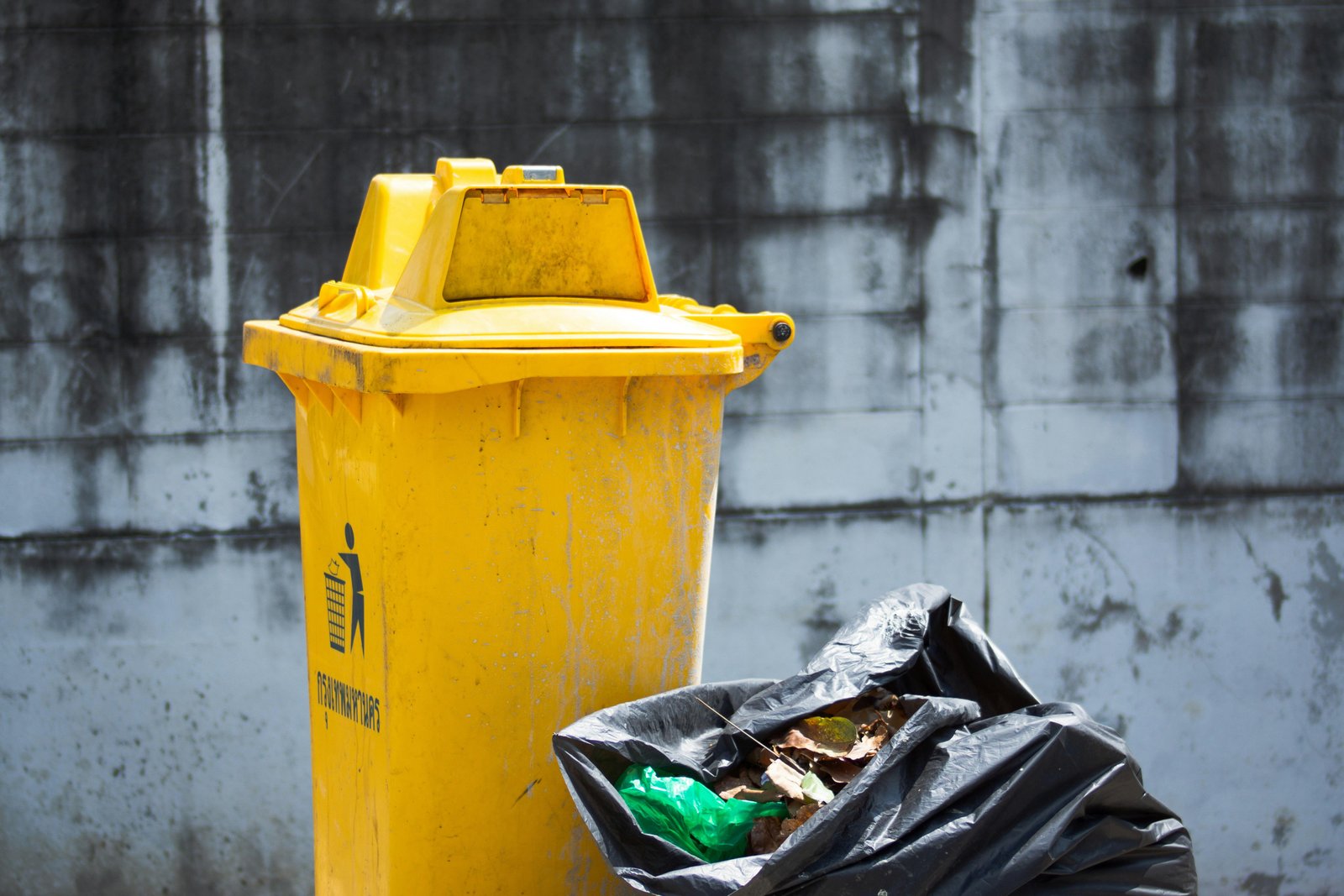
Municipal Solid Waste Management Guidelines: Technical Framework for Integrated Collection, Separation, Treatment, and Disposal Systems
Municipal Solid Waste Management Guidelines: Technical Framework for Integrated Collection, Separation, Treatment, and Disposal Systems
Reading Time: 67 minutes
Key Highlights
• Global Waste Crisis: Worldwide municipal solid waste generation exceeds 2.01 billion tons annually, projected to reach 3.4 billion tons by 2050, with developing countries experiencing fastest growth rates driven by urbanization and economic development requiring urgent infrastructure investment
• Integrated Management Approach: Modern waste management systems integrate source separation achieving 50-70% diversion rates, efficient collection optimizing routes and reducing costs 20-30%, material recovery facilities processing 200-500 tons/day recyclables, and controlled disposal for residual waste protecting environment and public health
• Economic Performance: Well-designed integrated systems achieve operating costs USD 50-150 per ton including collection, treatment, and disposal, with revenues from recyclable materials (USD 20-80/ton), compost sales (USD 10-30/ton), and energy recovery offsetting 30-60% of total system costs
• Environmental and Social Benefits: Integrated waste management diverts 60-80% from landfills through recycling and composting, reduces greenhouse gas emissions 0.5-1.5 tons CO₂e per ton waste compared to landfilling, creates 10-20 jobs per 10,000 tons annual waste processed, and eliminates health hazards from open dumping affecting billions globally
Executive Summary
Municipal solid waste management represents critical urban service affecting public health, environmental quality, economic development, and quality of life for billions of people worldwide. Global waste generation currently exceeds 2 billion tons annually with projections indicating dramatic increases to 3.4 billion tons by 2050 driven primarily by rapid urbanization in developing countries, economic growth increasing consumption patterns, and population expansion concentrating in metropolitan areas. Effective waste management requires integrated systems spanning waste prevention and minimization, efficient collection serving all population segments, source separation enabling material recovery, centralized sorting and processing infrastructure, treatment technologies including recycling, composting, and energy recovery, and environmentally-sound disposal of residual waste in engineered landfills preventing pollution and protecting public health.
Technical systems design encompasses waste characterization studies quantifying generation rates, composition, and seasonal variations informing infrastructure sizing and technology selection; collection system optimization balancing service frequency, vehicle routing, equipment selection, and transfer station integration minimizing costs while maintaining service quality; materials recovery facilities employing manual sorting, mechanical separation, and optical recognition achieving 85-95% material purity enabling market sales; organic waste processing through composting or anaerobic digestion producing soil amendments and biogas; thermal treatment via waste-to-energy facilities generating renewable electricity; and sanitary landfills incorporating liners, leachate collection, gas management, and daily cover preventing environmental contamination while maximizing airspace utilization through compaction and phased development.
Economic viability requires careful cost-benefit analysis considering capital investment for facilities and equipment, operating expenses including labor, fuel, maintenance, and disposal fees, revenue generation through recyclable sales, compost products, energy sales, and tipping fees charged to waste generators. Successful programs achieve total system costs USD 50-150 per ton depending on service levels, technology choices, and local market conditions, with integrated approaches often demonstrating lower lifecycle costs than simple landfill disposal when environmental externalities and resource values properly accounted. Financing mechanisms span municipal budgets funded through property taxes or user fees, public-private partnerships transferring operational risk while maintaining public oversight, private sector service contracts competing for efficiency, and development finance from multilateral banks supporting infrastructure investment in developing countries.
This comprehensive technical guide examines municipal solid waste management best practices drawing on authoritative sources including United Nations Environment Programme guidelines, World Bank technical handbooks, U.S. Environmental Protection Agency design manuals, European Union waste framework directives, and Asian Development Bank implementation guidance. Coverage encompasses waste generation assessment and forecasting methodologies, collection system design and optimization, source separation program development, materials recovery facility engineering, organic waste treatment technologies, thermal treatment and energy recovery, sanitary landfill design and operations, financial planning and economic analysis, institutional frameworks and governance models, stakeholder engagement and behavior change, monitoring and performance measurement, and regulatory compliance across international standards. Content serves waste management professionals, municipal engineers, environmental planners, policy makers, private sector service providers, and development organizations pursuing sustainable waste management solutions serving rapidly urbanizing populations across diverse geographic, economic, and institutional contexts globally.
Waste Generation Patterns and Characterization Methodologies
Understanding waste generation patterns constitutes foundational requirement for waste management system design, with generation rates and composition varying substantially across geographic regions, income levels, seasons, and cultural practices. Per capita waste generation ranges from 0.3-0.6 kg/person/day in low-income countries to 1.5-2.5 kg/person/day in high-income nations, with middle-income countries spanning 0.7-1.4 kg/person/day demonstrating positive correlation between economic development and waste generation. Urban areas typically generate 1.5-2.0 times more waste per capita than rural areas due to higher consumption, greater product packaging, reduced composting at home, and different lifestyle patterns. Waste composition reflects economic development with organic matter comprising 50-70% in developing countries versus 20-40% in developed nations, while plastics, paper, and packaging materials increase with income levels creating different management requirements and opportunities.
Global Waste Generation Statistics and Trends:
| Region/Income Level | Population (Billion) | Per Capita (kg/day) | Total Generation (Million tons/year) | Primary Composition |
|---|---|---|---|---|
| High Income Countries | 1.2 | 1.6-2.1 | 680 | Paper 25%, Plastics 15%, Organics 30%, Glass/Metal 10% |
| Upper-Middle Income | 2.5 | 1.0-1.4 | 590 | Organics 45%, Plastics 12%, Paper 18%, Other 25% |
| Lower-Middle Income | 2.9 | 0.7-1.0 | 530 | Organics 55%, Plastics 10%, Paper 10%, Other 25% |
| Low Income Countries | 1.0 | 0.4-0.6 | 210 | Organics 65%, Plastics 8%, Paper 5%, Other 22% |
| Global Total | 7.6 | 0.74 avg | 2,010 | Organics 44%, Paper 17%, Plastics 12%, Other 27% |
Waste Generation Growth Projections:
• 2025: 2.3 billion tons/year (+15% from 2020)
• 2030: 2.6 billion tons/year (+30%)
• 2050: 3.4 billion tons/year (+70%)
• Fastest growth regions: Sub-Saharan Africa (+300%), South Asia (+200%), East Asia (+80%)
• Key drivers: Urbanization rate (55% to 68% by 2050), GDP per capita growth, population increase from 7.6 to 9.7 billion
Composition Trends by Material Category:
• Organic waste: Food scraps, yard waste, wood - 44% global average (30-70% range)
• Paper and cardboard: Newspapers, packaging, office paper - 17% (5-30% range)
• Plastics: PET, HDPE, PVC, LDPE, PP, PS - 12% (5-20% range, increasing globally)
• Glass: Bottles, containers - 5% (2-10% range)
• Metals: Ferrous and non-ferrous - 4% (2-8% range)
• Textiles: Clothing, fabric - 3% (1-5% range)
• Rubber and leather: Tires, shoes - 2% (1-4% range)
• Other materials: Construction debris, electronics, hazardous - 13%
Waste characterization studies employ systematic methodologies quantifying generation rates and composition enabling data-driven system design. Standard approaches include stratified sampling selecting representative collection routes across different neighborhoods reflecting socioeconomic diversity, seasonal variations capturing differences between wet and dry seasons or holiday periods, and sample sizes ensuring statistical validity typically requiring 8-12 samples per stratum. Physical sorting manually separates waste into predefined categories (typically 10-20 categories) weighing each fraction calculating percentage composition, moisture content through drying samples at 105°C until constant weight, and density measurements dividing mass by volume for truck loading and facility sizing calculations. Data analysis establishes baseline generation rates per capita and per household, composition percentages by material type, seasonal variation factors, and geographic patterns across service areas informing collection system design, processing facility sizing, and diversion potential assessment.
Waste Characterization Study Design Example
Study Objectives for City of 500,000 Population:
• Determine per capita waste generation rate (kg/person/day)
• Establish waste composition by material category (%)
• Assess recyclable material potential for MRF design
• Evaluate organic waste percentage for composting feasibility
• Measure seasonal variations (wet vs dry season)
• Compare generation across income levels (high, middle, low)
Sampling Design:
Stratification: Divide city into 3 income strata: high (20% households), middle (50%), low (30%)
Sample size: 10 collection routes per stratum × 3 strata = 30 total samples
Duration: 2 weeks per season × 2 seasons (wet/dry) = 4 weeks total
Frequency: Daily sampling during study period
Material categories: Organics, paper, cardboard, plastics (by resin), glass, metals (ferrous/non-ferrous), textiles, rubber/leather, hazardous, inert, other
Field Methodology:
1. Select collection route ensuring 100-200 households represented
2. Collect all waste from route on designated day
3. Transport to sorting facility within 24 hours
4. Weigh total collected waste (gross generation)
5. Mix waste thoroughly and quarter sample to manageable size (200-300 kg)
6. Manually sort into predefined categories on tarps
7. Weigh each category to nearest 0.1 kg
8. Sub-sample organics, measure moisture content (oven drying method)
9. Measure loose density in standard containers
10. Record data, photograph samples, maintain chain of custody
Example Results - High Income Stratum:
Total waste collected: 8,540 kg from 150 households over 7 days
Average household size: 3.8 persons
Per capita generation: 8,540 kg ÷ (150 hh × 3.8 persons × 7 days) = 2.15 kg/person/day
Composition: Organics 32%, Paper 22%, Cardboard 8%, Plastics 18%, Glass 7%, Metals 5%, Textiles 4%, Other 4%
Recyclable fraction: Paper + Cardboard + Plastics + Glass + Metals = 60% potentially divertible
Moisture content: Organics 68%, Overall 42%
Bulk density: 180 kg/m³ loose, 450 kg/m³ compacted in collection truck
Extrapolating to city: 500,000 population × 2.15 kg/day = 1,075 tons/day = 392,000 tons/year
This data informs collection truck sizing, MRF capacity requirements (60% × 392,000 = 235,000 tons/year potential), and composting facility needs (32% × 392,000 = 125,000 tons/year organics)
Collection System Design and Optimization
Waste collection represents most visible and often most expensive component of integrated waste management systems, typically accounting for 50-80% of total municipal solid waste management budgets. Effective collection systems balance service quality including frequency and coverage with operational efficiency minimizing costs through optimized routing, appropriate vehicle selection, and productive crew utilization. Collection methods vary from door-to-door service providing maximum convenience but highest cost (USD 80-150 per ton), to curbside collection reducing travel time between stops (USD 60-100 per ton), communal bins serving multiple households reducing collection points but requiring user cooperation (USD 40-80 per ton), and bring systems where residents transport waste to centralized drop-off locations minimizing collection costs but requiring behavior change (USD 20-50 per ton). System selection depends on population density, income levels affecting willingness to pay, urban form influencing vehicle access, and institutional capacity for service management and enforcement.
Collection System Design Parameters:
Collection Frequency Determination:
| Waste Stream | Tropical Climate | Temperate Climate | Rationale |
|---|---|---|---|
| Mixed Waste (no separation) | 3-6 times/week | 2-3 times/week | High organic content, rapid decomposition, odor/vector control |
| Organics (separated) | 3-6 times/week | 1-2 times/week | Putrescible materials require frequent collection |
| Recyclables (dry waste) | 1-2 times/week | 1 time/week or biweekly | Non-putrescible, lower frequency acceptable |
| Residual/Reject Waste | 1-2 times/week | 1 time/week | Low volume after source separation |
| Commercial/Institutional | Daily or 6 days/week | 3-5 times/week | High generation rates, large volumes |
Collection Vehicle Selection:
| Vehicle Type | Capacity | Cost (USD) | Best Application |
|---|---|---|---|
| Rear-Loading Compactor | 15-25 m³ (8-12 tons) | 150,000-250,000 | Residential areas, curbside collection, wide streets |
| Side-Loading Compactor | 20-30 m³ (10-15 tons) | 180,000-280,000 | Automated collection, one-person operation, standardized bins |
| Front-Loading Compactor | 15-30 m³ (8-15 tons) | 140,000-220,000 | Commercial/institutional, large dumpsters (2-8 m³) |
| Open Truck (Non-Compactor) | 10-15 m³ (3-5 tons) | 40,000-80,000 | Low-density areas, recyclables, small communities |
| Small Pick-up/Motorized Cart | 1-3 m³ (0.3-1 ton) | 5,000-25,000 | Narrow streets, informal settlements, primary collection |
| Roll-Off Container Truck | 20-40 m³ containers | 120,000-180,000 | Transfer stations, large construction sites, special events |
Route Optimization Principles:
• Cluster routes: Group nearby collection points minimizing travel between stops
• Start downhill: Collect while vehicle light, return uphill when heavy maximizing fuel efficiency
• One-way streets: Avoid U-turns and backtracking through careful routing
• Traffic patterns: Schedule collection avoiding peak traffic congestion periods
• Balance loads: Distribute work evenly across crews preventing overtime on some routes while others finish early
• Transfer station integration: Locate transfer points minimizing haul distance for collection vehicles
• Software tools: GIS-based routing software optimizes paths reducing collection time 15-30%
• Performance metrics: Monitor tons collected per shift, stops per hour, fuel consumption per ton, maintenance costs per vehicle-km
Collection System Cost Calculation Example
Service Area Parameters:
• Population: 100,000 persons
• Households: 25,000 (average 4 persons/household)
• Per capita generation: 0.80 kg/day
• Total daily generation: 80 tons/day
• Collection frequency: 3 times per week
• Service type: Curbside collection with rear-loading compactors
Fleet Sizing:
Collection per trip: 10 tons per truck (15 m³ capacity × 0.67 compaction ratio)
Daily collection requirement: 80 tons × (3 days/7 days) = 34 tons/day average
Trucks required: 34 tons ÷ 10 tons/truck = 3.4 trucks
Fleet size: 4 trucks (including 1 spare for maintenance/backup)
Vehicle cost: 4 trucks × USD 200,000 = USD 800,000 capital investment
Crew Requirements:
Crew per truck: 1 driver + 2 loaders = 3 persons
Total crew: 4 trucks × 3 persons = 12 employees
Annual labor cost: 12 employees × USD 15,000 average salary = USD 180,000/year
Operating Costs:
Fuel consumption: 25 liters/100 km × 80 km/day average × 4 trucks × 300 days = 24,000 liters/year
Fuel cost: 24,000 liters × USD 1.20/liter = USD 28,800/year
Maintenance: 15% of vehicle value = USD 800,000 × 0.15 = USD 120,000/year
Insurance: 3% of vehicle value = USD 800,000 × 0.03 = USD 24,000/year
Administration: 10% of labor = USD 18,000/year
Total operating cost: USD 370,800/year
Unit Cost Analysis:
Annual waste collected: 80 tons/day × 300 days = 24,000 tons/year
Cost per ton: USD 370,800 ÷ 24,000 tons = USD 15.45/ton collection cost
Cost per household per month: (USD 370,800 ÷ 25,000 households) ÷ 12 months = USD 1.24/month
Cost per capita per month: USD 1.24 ÷ 4 persons = USD 0.31/person/month
Adding capital recovery (10-year depreciation): USD 80,000/year
Total system cost: USD 450,800/year = USD 18.78/ton = USD 1.50/household/month**
This represents collection only; total system cost including treatment and disposal typically USD 50-100/ton depending on technology choices and local conditions.
Source Separation and Waste Diversion Programs
Source separation represents cornerstone of modern integrated waste management systems, enabling high recovery rates for recyclable and compostable materials while reducing contamination that compromises material quality and market value. Effective programs require clear communication about separation categories, convenient infrastructure including household bins or bags with distinct colors or markings, consistent collection schedules for different waste streams, and enforcement mechanisms ensuring participation compliance. Common approaches include two-stream systems separating wet organics from dry recyclables achieving 40-60% diversion with moderate complexity, three-stream systems adding residual waste category improving sorting quality, and multi-stream systems with 4-6 categories maximizing material purity but requiring greater household effort and institutional management capacity. Program success depends critically on sustained public education, visible municipal commitment through infrastructure investment and enforcement, economic incentives or penalties affecting behavior, and reliable downstream markets ensuring separated materials actually get recycled rather than ultimately landfilled due to contamination or market failure.
Source Separation System Design Options
Option 1: Two-Stream Separation (Wet/Dry)
Categories:
• Wet stream (organic waste): Food scraps, yard waste, soiled paper
• Dry stream (recyclables + residuals): Plastics, paper, cardboard, metals, glass, non-recyclable items
Advantages: Simple for households, minimal bins required (2), low contamination of organics
Disadvantages: Recyclables contaminated with residuals, requires MRF for further sorting
Diversion potential: 40-55% (primarily organics to composting)
Best for: Developing countries, initial program implementation, high-organic waste streams
Option 2: Three-Stream Separation (Organic/Recyclable/Residual)
Categories:
• Organics: Food waste, yard waste
• Recyclables: Paper, cardboard, plastics, metals, glass
• Residual: Non-recyclable items, contaminated materials
Advantages: Cleaner recyclables, higher material value, moderate complexity
Disadvantages: Requires 3 bins, more complex education, mixed recyclables still need MRF sorting
Diversion potential: 55-70% (organics + recyclables)
Best for: Cities with established programs, moderate to high income populations, MRF infrastructure available
Option 3: Multi-Stream Separation (4-6 Categories)
Categories:
• Organics: Food and yard waste
• Paper and cardboard: Newspapers, magazines, corrugated boxes
• Plastics: PET bottles, HDPE containers, other plastics
• Glass and metals: Bottles, cans (sometimes separated further)
• Special waste: Electronics, batteries, hazardous materials
• Residual: True non-recyclables
Advantages: Highest material purity, maximum diversion, premium pricing for materials
Disadvantages: Complex logistics, extensive education required, high household effort, space constraints
Diversion potential: 65-80%
Best for: Affluent areas, environmentally-conscious populations, robust collection systems, strong markets for sorted materials
Key Success Factors Across All Systems:
• Clear communication: Visual guides, color-coding, multilingual materials, ongoing campaigns
• Convenient infrastructure: Adequate bin sizes, accessible placement, regular collection
• Consistent enforcement: Monitoring compliance, refusing contaminated loads, penalties for violations
• Economic incentives: Pay-as-you-throw for residuals, rewards for participation, visible community benefits
• Institutional commitment: Political leadership, adequate budget, trained workforce, long-term perspective
• Market development: Reliable buyers for materials, quality standards, fair pricing, contract stability
• Performance monitoring: Track participation rates, contamination levels, diversion percentage, cost-effectiveness
Public Education Campaign Design
Campaign Objectives:
• Achieve 80% household awareness of separation requirements within 6 months
• Attain 60% active participation rate (households properly separating waste)
• Reduce contamination rate to below 10% in recyclable stream
• Build community support for program through visible environmental benefits
Multi-Channel Communication Strategy:
1. Pre-Launch Phase (2-3 months before implementation):
• Press conferences, social media announcements building awareness
• Distribution of separation guidelines to all households via mail or hand delivery
• Community meetings in neighborhoods explaining program details and benefits
• School programs educating children who influence parent behavior
• Partnerships with community leaders, religious institutions, neighborhood associations
• Pilot program in select neighborhoods demonstrating feasibility
2. Launch Phase (First 3 months):
• Door-to-door distribution of color-coded bins or bags
• Collection crew training on inspecting loads, providing feedback to households
• Visible signage on collection vehicles, bins, public spaces
• Weekly tips via SMS, social media, community radio
• Recognition program highlighting top-performing neighborhoods
• Enforcement beginning with warnings, escalating to penalties for persistent violations
3. Sustain Phase (Ongoing):
• Quarterly newsletters reporting program results (tons diverted, environmental benefits)
• Annual festivals celebrating achievements, showcasing recycled products
• School competitions for highest participation rates
• Periodic refresher campaigns addressing common contamination issues
• Transparent performance data published online, accessible to citizens
• Continuous improvement based on feedback and observed challenges
Budget Allocation (City of 500,000 population):
Material production: USD 150,000 (brochures, posters, bin stickers, vehicle decals)
Media campaigns: USD 100,000 (radio spots, social media advertising, newspaper ads)
Community meetings: USD 30,000 (venue rental, materials, refreshments)
School programs: USD 40,000 (educational materials, teacher training, student competitions)
Personnel: USD 80,000 (education coordinators, community liaisons, monitoring staff)
Total campaign cost: USD 400,000 = USD 0.80 per capita
This investment typically recovers through reduced disposal costs and increased material revenues within 2-3 years, while providing lasting environmental and social benefits justifying expenditure as infrastructure investment rather than operating expense.
Materials Recovery Facility Design and Operations
Materials recovery facilities (MRFs) process commingled recyclable materials through combinations of manual sorting and mechanical separation producing commodity-grade materials for sale to end markets. Facility design varies from simple manual sorting lines processing 10-30 tons/day employing 20-40 workers suitable for small communities or developing country contexts, to sophisticated automated systems processing 200-500 tons/day utilizing optical sorters, eddy current separators, ballistic separators, and air classifiers with 10-20 workers primarily monitoring equipment and conducting quality control achieving higher throughput and consistency but requiring substantial capital investment (USD 5-15 million) and technical expertise for operations and maintenance. Effective MRF operations require careful feedstock control limiting contamination through source separation programs, systematic process flow from receiving to storage minimizing material handling and loss, quality control ensuring output materials meet buyer specifications typically 95-98% purity for premium pricing, and market development establishing reliable buyers willing to purchase at prices covering processing costs plus margin.
MRF Technology and Process Flow:
Manual Sorting MRF (Low-Technology Approach):
Process Flow:
1. Receiving: Collection vehicles dump on tipping floor, visual inspection for large contaminants
2. Primary screening: Workers remove bulky non-recyclables, hazardous items
3. Conveyor feeding: Front-end loader feeds material onto slow-moving conveyor (3-5 m/min)
4. Manual sorting: 15-25 sorters stationed along line picking designated materials into chutes/bins
- Typical categories: PET bottles, HDPE bottles, mixed plastics, clear glass, colored glass, aluminum, ferrous metals, cardboard, mixed paper
5. Baling: Recovered materials fed to balers creating 300-500 kg bales for transport
6. Residue management: Non-recyclable residue (reject) collected for disposal (typically 5-15% of input)
Capacity: 10-40 tons/day single-shift operation
Capital cost: USD 200,000-800,000 (conveyor, baler, buildings, utilities)
Labor: 25-40 employees (sorters, equipment operators, maintenance, administration)
Recovery rate: 85-92% depending on input quality and number of sort categories
Advantages: Low capital cost, creates employment, adaptable to varying input
Disadvantages: Labor intensive, worker safety concerns, throughput limitations, quality variability
Automated MRF (High-Technology Approach):
Process Flow:
1. Receiving and pre-sorting: Automated scales, visual inspection, removal of oversized items
2. Bag breaking: Rotating drums or perforated screens opening plastic bags
3. Screening: Disc or trommel screens separating by size (3D vs 2D materials, large vs small)
4. Magnetic separation: Overhead magnets removing ferrous metals (steel cans, tin)
5. Eddy current separation: Non-ferrous metal recovery (aluminum cans) using induced magnetic fields
6. Optical sorting: NIR (near-infrared) sensors identifying plastics by polymer type, air jets separating
- Multiple optical sorters in series for PET, HDPE, PP, other plastics
7. Glass cleanup: Density separation and optical color sorting producing clean cullet
8. Quality control: Manual sort stations for final cleanup, removing contaminants
9. Baling/storage: Automated baler, storage warehouse
Capacity: 150-500 tons/day two-shift operation
Capital cost: USD 8-20 million depending on automation level and capacity
Labor: 15-30 employees (equipment operators, maintenance technicians, QC sorters)
Recovery rate: 90-95% with high purity (>98% for most commodities)
Advantages: High throughput, consistent quality, lower labor costs per ton, safer working conditions
Disadvantages: High capital investment, technical expertise required, sensitivity to contamination, maintenance complexity
Hybrid Systems:
Many facilities combine manual and automated approaches using:
• Mechanical separation for straightforward tasks (screens, magnets, eddy currents)
• Manual sorting for complex decisions requiring human judgment (contamination removal, material quality assessment)
• Optical sorters for specific high-value streams (clear PET, natural HDPE) while manual sorting mixed plastics
• Phased automation starting manual, adding mechanical equipment as throughput and revenues justify investment
This approach balances capital investment, operating costs, employment generation, and material quality achieving economically optimized systems for local conditions and market requirements.
MRF Economic Analysis Example
Facility Parameters (Semi-Automated MRF):
Capacity: 100 tons/day input, 250 operating days/year = 25,000 tons/year
Technology: Manual pre-sort + mechanical screening + magnets + eddy current + manual quality control
Capital investment: USD 3,500,000 (equipment, building, site development)
Recovery rate: 88% (22,000 tons/year recovered, 3,000 tons residue to disposal)
Operating Costs (Annual):
Labor: 25 employees × USD 18,000 average = USD 450,000
Energy: 150 kWh/ton × 25,000 tons × USD 0.12/kWh = USD 450,000
Maintenance: 8% of equipment value = USD 280,000
Residue disposal: 3,000 tons × USD 40/ton = USD 120,000
Administration and overhead: 15% of labor+energy = USD 135,000
Total operating cost: USD 1,435,000/year
Revenue Projections:
| Material | Quantity (tons/yr) | Price (USD/ton) | Revenue (USD) |
|---|---|---|---|
| PET bottles (clear) | 1,800 | 350 | 630,000 |
| HDPE (natural) | 1,200 | 280 | 336,000 |
| Mixed plastics | 2,500 | 120 | 300,000 |
| Cardboard (OCC) | 6,500 | 80 | 520,000 |
| Mixed paper | 4,200 | 40 | 168,000 |
| Aluminum cans | 400 | 1,200 | 480,000 |
| Steel cans | 1,800 | 150 | 270,000 |
| Glass (mixed cullet) | 3,600 | 25 | 90,000 |
| Total Revenue | 22,000 | 2,794,000 |
Financial Performance:
Gross margin: USD 2,794,000 (revenue) - USD 1,435,000 (operating cost) = USD 1,359,000/year
Capital recovery (10-year depreciation): USD 350,000/year
Net income: USD 1,359,000 - USD 350,000 = USD 1,009,000/year
Return on investment (ROI): USD 1,009,000 ÷ USD 3,500,000 = 29% annual return
Payback period: USD 3,500,000 ÷ USD 1,359,000 = 2.6 years simple payback
Unit Economics:
Operating cost per ton input: USD 1,435,000 ÷ 25,000 = USD 57/ton
Revenue per ton input: USD 2,794,000 ÷ 25,000 = USD 112/ton
Net margin per ton: USD 112 - USD 57 = USD 55/ton
This example demonstrates strong economics when material prices remain stable and contamination stays low. Sensitivity analysis shows viability depends critically on commodity prices (±30% price changes swing ROI from 10% to 50%), contamination rates affecting recovery and quality, and throughput utilization (operating below 70% capacity typically unprofitable).
Organic Waste Treatment: Composting and Anaerobic Digestion
Organic waste comprising food scraps, yard trimmings, and agricultural residues represents 44% of global municipal solid waste stream offering opportunities for biological treatment producing beneficial products while diverting putrescible materials from landfills preventing methane emissions and leachate generation. Composting processes aerobic decomposition transforming organic matter into stable humus-like product suitable for soil amendment, erosion control, and landscaping applications through windrow, aerated static pile, or in-vessel technologies achieving 40-60% volume reduction over 8-16 week processing periods producing saleable compost at USD 10-40 per ton depending on quality and local markets. Anaerobic digestion employs bacterial decomposition in oxygen-free environment generating biogas (55-65% methane, 35-45% carbon dioxide) providing renewable energy through combustion for heat or electricity generation while producing digestate suitable for further composting or direct land application as fertilizer, though requiring higher capital investment (USD 300-600 per ton annual capacity) and technical expertise compared to composting (USD 100-250 per ton annual capacity).
Composting Technology Comparison
Windrow Composting (Low-Technology, Low-Cost):
Process description: Material arranged in long rows (windrows) 1.5-2.5m high, turned periodically using front-end loader or specialized turner
Capacity: Scalable from 1,000 to 100,000+ tons/year
Processing time: 12-16 weeks (active phase 8-12 weeks + curing 4-6 weeks)
Land requirement: 0.4-0.8 hectare per 1,000 tons/year capacity
Capital cost: USD 100-200 per ton annual capacity (land, equipment, infrastructure)
Operating cost: USD 25-45 per ton (labor, fuel, electricity, screening, quality control)
Advantages: Low capital cost, simple operations, flexible capacity
Disadvantages: Large land area required, weather dependent, odor potential, long processing time
Best for: Rural or peri-urban sites, yard waste processing, agricultural residues
Aerated Static Pile (ASP) Composting:
Process description: Material placed in piles over aeration pipes forcing or drawing air through pile, no turning required
Capacity: 2,000-50,000 tons/year typical
Processing time: 8-12 weeks (active 4-8 weeks + curing 4-6 weeks)
Land requirement: 0.3-0.5 hectare per 1,000 tons/year
Capital cost: USD 180-300 per ton annual capacity (aeration system, blowers, controls, pad construction)
Operating cost: USD 30-55 per ton (energy for aeration, labor, maintenance)
Advantages: Faster processing, better odor control via air treatment, less labor for turning
Disadvantages: Higher capital cost, energy consumption for blowers, pile size limitations
Best for: Mixed food and yard waste, sites with odor concerns, moderate capacity needs
In-Vessel Composting (High-Technology, Enclosed Systems):
Process description: Material composted in enclosed reactors (tunnels, rotating drums, containers) with controlled aeration, temperature, moisture
Capacity: 5,000-100,000 tons/year, modular scalability
Processing time: 3-6 weeks in reactor + 4-8 weeks curing
Land requirement: 0.15-0.30 hectare per 1,000 tons/year (compact footprint)
Capital cost: USD 400-700 per ton annual capacity (reactors, aeration, controls, buildings, biofilters)
Operating cost: USD 40-70 per ton (energy, labor, maintenance, repairs)
Advantages: Fastest processing, minimal odor (biofilter treatment), weather-independent, small footprint, pathogen destruction
Disadvantages: High capital investment, technical complexity, maintenance requirements, energy intensive
Best for: Urban sites, food waste processing requiring pathogen kill, limited land availability, stringent odor regulations
Anaerobic Digestion Systems for Biogas Production
Technology Overview:
Anaerobic digestion (AD) decomposes organic matter in oxygen-free environment through bacterial action producing biogas (renewable energy) and digestate (nutrient-rich fertilizer). Process stages include hydrolysis breaking complex organics into simple molecules, acidogenesis producing volatile fatty acids, acetogenesis converting VFAs to acetic acid and hydrogen, and methanogenesis producing methane (CH₄) and carbon dioxide (CO₂).
System Configurations:
1. Wet Digestion (5-15% solids):
• Technology: Continuous stirred tank reactor (CSTR), plug flow digestors
• Feedstock: Food waste, liquid organic waste, manure slurries
• Temperature: Mesophilic (35-40°C) or thermophilic (50-55°C)
• Retention time: 15-30 days mesophilic, 12-20 days thermophilic
• Biogas yield: 100-200 m³ per ton organic waste (60% CH₄)
• Capital cost: USD 500-800 per ton annual capacity
2. Dry Digestion (20-40% solids):
• Technology: Batch reactors (garage/tunnel type), vertical plug flow
• Feedstock: Source-separated organic waste, yard waste, agricultural residues
• Temperature: Typically thermophilic (50-60°C)
• Retention time: 14-28 days batch process
• Biogas yield: 80-150 m³ per ton organic waste
• Capital cost: USD 400-650 per ton annual capacity
Energy Recovery Options:
Combined Heat and Power (CHP):
• Biogas combusted in reciprocating engine or gas turbine generating electricity
• Waste heat recovered for digester heating and district heating
• Electrical efficiency: 35-42%, overall CHP efficiency 75-85%
• Output: 1.5-2.5 kWh electrical + 2-3 kWh thermal per m³ biogas
Biogas Upgrading (Biomethane):
• Remove CO₂, H₂S, moisture producing >95% CH₄ (biomethane)
• Inject into natural gas grid or compress for vehicle fuel
• Upgrading cost: USD 0.20-0.35 per m³ biogas processed
• Market value: Equivalent to natural gas pricing (USD 0.30-0.60/m³)
Economics Example (20,000 tons/year Food Waste AD Facility):
Capital investment: USD 12 million (USD 600/ton capacity)
Operating cost: USD 60/ton (labor, energy, maintenance, digestate processing)
Biogas production: 150 m³/ton × 20,000 tons = 3,000,000 m³/year
Electricity generation: 3,000,000 m³ × 2.0 kWh/m³ = 6,000 MWh/year
Electricity revenue: 6,000 MWh × USD 0.12/kWh = USD 720,000/year
Tipping fee revenue: 20,000 tons × USD 50/ton = USD 1,000,000/year
Total revenue: USD 1,720,000/year
Annual cost: USD 1,200,000 (operating) + USD 1,200,000 (capital recovery 10yr) = USD 2,400,000
Net result: (USD 680,000) annual deficit requiring higher tipping fees (USD 85+/ton) or subsidies for viability
AD economics often challenging without high tipping fees, renewable energy incentives, or carbon credits, though environmental benefits including GHG reduction and nutrient recovery provide broader justification beyond financial returns alone.
Sanitary Landfill Engineering and Management
Sanitary landfills represent engineered facilities for controlled disposal of residual solid waste preventing environmental contamination through systematic design incorporating impermeable liners isolating waste from groundwater, leachate collection and treatment systems managing contaminated liquids, landfill gas extraction preventing methane migration and enabling energy recovery, and progressive closure with vegetated final cover restoring land for beneficial use. Modern landfill engineering requires careful site selection avoiding sensitive areas, hydrogeological investigation characterizing subsurface conditions, liner system design typically employing composite systems combining geomembrane and compacted clay achieving permeability <1×10⁻⁹ m/s, leachate management through collection pipes and treatment facilities, gas collection utilizing vertical wells or horizontal collectors connected to flare or energy recovery systems, and progressive operations including waste placement, compaction achieving densities 0.7-1.0 tons/m³, daily cover preventing vector attraction and odor, and stormwater management diverting clean runoff preventing excess leachate generation.
Sanitary Landfill Design Components:
1. Site Selection Criteria:
Exclusion zones (unsuitable locations):
• Airports: Minimum 3-8 km depending on aircraft types (bird strike hazard)
• Water bodies: >150m from rivers/lakes, >300m from water supply wells
• Wetlands: Avoid entirely or require extensive permitting and mitigation
• Fault zones: >60m from active geological faults
• Flood plains: Avoid 100-year flood zones or require substantial protection measures
• Unstable ground: Avoid areas with subsidence, landslide, or karst topography risks
Preferred characteristics:
• Low-permeability native soils for liner construction (clay content >20%)
• Adequate depth to groundwater (>3-5 meters minimum)
• Natural topography enabling gravity drainage and minimizing earthwork
• Access to all-weather roads supporting heavy truck traffic
• Distance from population centers (1-5 km buffer typical) balancing haul costs vs. community impacts
• Land availability for 20-30 year capacity at reasonable cost
• Ownership allowing municipal control and preventing incompatible adjacent development
2. Liner System Design:
Composite liner (typical configuration):
• Foundation preparation: Remove topsoil, grade to 2-5% slope toward leachate collection points
• Compacted clay liner (CCL): 0.6-1.0m thickness, compacted to <1×10⁻⁷ cm/s permeability
• Geosynthetic clay liner (GCL): Alternative to CCL, 8-10mm thick bentonite layer between geotextiles
• Geomembrane: 1.5-2.0mm HDPE impermeable membrane, primary barrier
• Leak detection layer: Optional sand/gravel layer with collection system detecting liner leakage
• Protection layer: Geotextile preventing puncture from overlying drainage gravel
Liner installation quality assurance:
• CQA (Construction Quality Assurance) program with third-party oversight
• Seam testing: Every seam tested using non-destructive methods (air pressure, vacuum box)
• Electrical leak location surveys before covering geomembrane
• Destructive testing: Random samples of seams tested to failure verifying weld strength
3. Leachate Collection and Treatment:
Collection system:
• Drainage layer: 0.3-0.6m gravel (hydraulic conductivity >1×10⁻² cm/s) above liner
• Collection pipes: Perforated HDPE pipes (150-300mm diameter) in gravel, sloped to sumps
• Sumps: Collecting points where pumps extract leachate to treatment or storage
• Design capacity: Handle peak leachate generation including precipitation infiltration
Leachate generation estimation:
Using water balance method: L = P - ET - R - ΔS
Where: L=leachate, P=precipitation, ET=evapotranspiration, R=runoff, ΔS=moisture storage change
Typical generation: 15-40% of annual precipitation infiltrating through waste
Example: 1,000mm rain × 25% infiltration × 10 hectare site = 25,000 m³/year leachate
Treatment options:
• Recirculation: Spray leachate on waste enhancing decomposition (reduces treatment needs)
• On-site treatment: Biological (activated sludge, sequencing batch reactors), chemical precipitation
• Discharge to sewer: Pretreated leachate to municipal wastewater plant (most common)
• Evaporation: Lined ponds in arid climates reducing liquid volume
• Advanced treatment: Membrane bioreactor, reverse osmosis for difficult leachate
4. Landfill Gas Management:
Gas generation:
Landfill gas (LFG) comprises approximately 50-55% methane, 40-45% CO₂, plus trace compounds
Generation rate: 100-250 m³ LFG per ton waste over 20-30 years (peak at 5-10 years)
Total yield: 150-180 m³/ton typical in developing countries, 200-250 m³/ton in developed nations
Collection system:
• Vertical wells: Perforated pipes installed through waste to depth 70-90% of waste thickness
• Well spacing: 30-60 meter grid pattern providing overlapping zones of influence
• Header pipes: Connect wells to blower/flare station
• Vacuum application: 5-25 cm water column negative pressure drawing gas from waste
Gas utilization options:
• Flaring: Minimum requirement, converts CH₄ to CO₂ reducing GHG impact (required until volumes justify recovery)
• Electricity generation: Reciprocating engines or turbines (1 MW per 3,000-4,000 m³/hr LFG)
• Direct use: Boiler fuel, industrial processes, vehicle fuel (after upgrading)
• Pipeline injection: Upgrade to biomethane standards for natural gas grid
Economic threshold: Typically requires 1-2 million tons waste in place generating >1,000 m³/hr LFG for viable energy project
Integrated Waste Management System Economics and Financing
Comprehensive economic analysis of integrated waste management systems requires evaluation of capital costs for infrastructure development, operating expenses for service delivery, revenue generation through fees and material sales, and financing mechanisms enabling investment while ensuring affordability and financial sustainability. Capital requirements vary dramatically based on technology choices, with basic collection and disposal systems requiring USD 50-100 per capita initial investment, while comprehensive integrated systems incorporating MRFs, composting facilities, and modern sanitary landfills requiring USD 150-300 per capita. Operating costs similarly span wide range from USD 30-60 per ton for collection and uncontrolled dumping in developing countries, to USD 100-200 per ton for integrated systems in middle-income contexts, to USD 200-400 per ton in high-income countries with sophisticated treatment and high labor costs. Cost recovery through user fees proves challenging in low-income settings where affordability constraints limit fees to USD 1-5 per household per month covering only 20-50% of system costs, necessitating municipal subsidies from general revenues or cross-subsidies from commercial/industrial users paying higher rates.
Integrated System Financial Model - City of 500,000
Waste Generation and System Design:
Population: 500,000
Per capita generation: 0.80 kg/day
Total generation: 400 tons/day = 146,000 tons/year
System components:
• Source separation: Organics, recyclables, residual (three streams)
• Collection: Door-to-door for residential, containers for commercial
• MRF: 150 tons/day capacity processing recyclables
• Composting: 100 tons/day windrow facility processing organics
• Landfill: 150 tons/day residual waste disposal
• Diversion target: 60% from landfill (40% organics composted, 35% recycled, 25% residual landfilled)
Capital Investment Requirements:
| Component | Investment (USD Million) | Per Capita (USD) |
|---|---|---|
| Collection vehicles and equipment | 8.0 | 16 |
| Household bins and containers | 5.0 | 10 |
| Transfer station | 3.5 | 7 |
| Materials Recovery Facility (MRF) | 12.0 | 24 |
| Composting facility | 6.0 | 12 |
| Sanitary landfill (Phase 1: 10 years) | 15.0 | 30 |
| Education and outreach program | 1.5 | 3 |
| Engineering, supervision, contingency | 9.0 | 18 |
| Total Capital Investment | 60.0 | 120 |
Annual Operating Budget:
| Category | Annual Cost (USD Million) | Per Ton (USD) |
|---|---|---|
| Collection operations (labor, fuel, maintenance) | 6.5 | 45 |
| MRF operations | 2.8 | 55 per ton recyclables |
| Composting operations | 1.6 | 27 per ton organics |
| Landfill operations and post-closure | 1.4 | 38 per ton residual |
| Administration and overhead | 1.2 | 8 |
| Total Operating Cost | 13.5 | 92 |
Revenue Generation:
Recyclables sales (MRF): USD 110/ton × 51,000 tons/year = USD 5.6 million
Compost sales: USD 20/ton × 30,000 tons/year (75% recovery) = USD 0.6 million
Landfill gas energy: USD 200,000 (future potential as waste accumulates)
Total revenue from materials: USD 6.4 million/year
Cost Recovery Analysis:
Net operating cost: USD 13.5M - USD 6.4M = USD 7.1 million/year deficit
Required from user fees/taxes: USD 7.1 million
Fee structure options:
Option A - Flat fee per household:
125,000 households × USD 4.75/month = USD 7.1M/year
Option B - Per capita fee:
500,000 population × USD 1.18/month = USD 7.1M/year
Option C - Hybrid with cross-subsidy:
Residential: 100,000 households × USD 3/month = USD 3.6M
Commercial/institutional: 5,000 accounts × USD 60/month = USD 3.6M
Total = USD 7.2M/year
Most systems employ hybrid approach with residential fees kept affordable through commercial cross-subsidies and municipal budget support, recognizing waste management as essential public service warranting subsidy similar to roads, parks, education, and health services.
Frequently Asked Questions
Q: What factors most influence municipal solid waste management costs?
A: Primary cost drivers include: (1) Labor costs - collection requires 2-5 workers per vehicle accounting for 40-60% of collection budgets in developing countries; (2) Fuel and transportation - collection vehicle fuel consumption 25-40 liters/100km plus wear-and-tear; (3) Technology sophistication - automated MRFs cost 3-5 times more than manual facilities but process 5-10 times more material per worker; (4) Diversion rate targets - achieving 60-70% diversion through recycling/composting costs more than 30-40% diversion but reduces expensive disposal; (5) Environmental standards - engineered landfills cost USD 40-80/ton vs. USD 5-15/ton for controlled dumps; (6) Distance to disposal - every 10km additional haul adds USD 5-8/ton in transportation costs; (7) Population density - high-density urban areas achieve USD 50-100/ton collection vs. USD 150-300/ton in low-density areas due to stops per hour. Optimizing across these factors through integrated planning typically reduces total system costs 20-35% compared to component-by-component approaches.
Q: How do waste characteristics in developing countries differ from developed nations and what implications exist for system design?
A: Developing country waste typically contains 50-70% organic matter (food and yard waste) versus 20-40% in developed nations, creating higher moisture content (40-60% vs. 25-35%), lower heating value (6-10 MJ/kg vs. 10-14 MJ/kg), and greater putrescibility requiring more frequent collection (daily or every 2 days vs. weekly). Higher organic content favors composting or anaerobic digestion over waste-to-energy, as low heating values challenge combustion requiring auxiliary fuel. Packaging materials (plastics, paper) comprise smaller percentage reducing recyclable material value though growing rapidly with economic development and supermarket penetration. Informal sector waste pickers already recover 20-40% of recyclables in many cities, competing with formal systems but providing livelihoods for marginalized populations, requiring integration rather than displacement. Collection systems must accommodate narrow streets in informal settlements using small vehicles or handcarts transferring to larger trucks. Overall, developing country conditions favor labor-intensive approaches leveraging low wages while minimizing capital-intensive technology vulnerable to breakdown and maintenance challenges.
Q: What role can informal waste sector play in integrated waste management systems?
A: Informal waste workers (waste pickers, scavengers, small recyclers) already provide significant waste management services in developing countries, recovering 20-50% of recyclable materials, providing livelihoods for 15-20 million people globally, and saving municipalities USD 10-30 per ton in collection and disposal costs. Progressive integration approaches recognize these contributions while improving conditions through: (1) Organizing workers into cooperatives providing collective bargaining power and access to equipment/facilities; (2) Contracting cooperatives for source separation programs, door-to-door collection, or MRF operations; (3) Providing occupational health and safety equipment, training, insurance; (4) Reserving material flows for informal sector ensuring income continuation; (5) Upgrading work sites from streets/dumps to clean MRFs with better working conditions; (6) Including representatives in planning processes ensuring policies don't inadvertently displace workers. Cities including Pune (India), Belo Horizonte (Brazil), Cairo (Egypt) demonstrate successful integration improving both system performance and worker welfare. Challenges include resistance from formal sector companies, informal worker suspicion of authorities, and ensuring women (who comprise majority of waste pickers) benefit equitably from integration programs.
Q: How can waste management systems address plastic pollution challenges?
A: Comprehensive plastic waste management requires multi-pronged approaches: (1) Source reduction through bans or fees on single-use plastics (bags, straws, food containers), reducing plastic generation 20-40%; (2) Extended Producer Responsibility making manufacturers responsible for end-of-life management, funding collection and recycling infrastructure; (3) Improved collection capturing plastic waste before environmental escape, especially in informal settlements and rural areas; (4) Sorting infrastructure (MRFs) separating plastics by polymer type (PET, HDPE, LDPE, PP, PS) enabling recycling; (5) Recycling development processing plastics into secondary materials, though market economics often challenging without subsidies or mandates; (6) Alternative technologies including chemical recycling converting plastics to oils or monomers, though commercially unproven at scale; (7) Controlled disposal in sanitary landfills preventing ocean and terrestrial pollution for non-recyclable plastics. Successful programs like Curitiba (Brazil), San Francisco (USA), and Kamikatsu (Japan) achieve 60-80% plastic diversion through integrated approaches combining reduction, collection, sorting, and recycling supported by strong policy frameworks and public engagement.
Q: What are key performance indicators for measuring waste management system effectiveness?
A: Comprehensive performance measurement employs multi-dimensional indicators: Coverage and access: Percentage of population served by collection (target >90% urban, >50% rural), service frequency meeting standards; Collection efficiency: Waste collected per shift (tons/vehicle/day), collection cost per ton, fuel consumption per ton collected; Diversion and recycling: Percentage diverted from landfill (target 50-70%), material recovery rate by category, contamination rate in recyclables (<10% target); Treatment performance: MRF throughput and material purity, composting process time and product quality, landfill gas capture efficiency (>75% target); Financial sustainability: Cost recovery ratio (revenues/costs, target >80%), operating cost per ton, cost per capita, days cash on hand; Environmental performance: GHG emissions per ton waste (target <200 kg CO₂e/ton through diversion and gas capture), leachate treatment quality, air emissions compliance; Customer satisfaction: Complaint rate per 1000 households (<5/month target), participation in separation programs (>70% target), payment collection rate (>90%); Worker safety: Lost-time injury rate, PPE usage compliance. Leading systems publish quarterly performance dashboards transparently reporting these indicators enabling continuous improvement and public accountability.
Conclusions and Strategic Recommendations
Sustainable municipal solid waste management requires integrated systems combining waste prevention and minimization, efficient collection serving all populations, source separation enabling material recovery, appropriate treatment technologies including recycling, composting, and energy recovery, and environmentally-sound disposal of residual waste in engineered facilities protecting public health and environment. Technical solutions exist across complete spectrum from low-cost labor-intensive approaches suitable for resource-constrained developing countries to sophisticated automated systems optimizing efficiency in high-income contexts, with selection depending on local conditions including waste characteristics, financial resources, institutional capacity, stakeholder priorities, and market conditions for recovered materials and energy. Success requires moving beyond mere technical design to address broader institutional, financial, social, and behavioral dimensions ensuring systems remain financially sustainable, socially acceptable, environmentally protective, and operationally reliable over decades of service delivery.
Economic analysis demonstrates integrated approaches often achieve lower lifecycle costs than simple collection and disposal despite higher initial investment, through material sales revenues, reduced disposal volumes extending landfill life, avoided environmental remediation costs, and improved public health reducing healthcare expenditures. Financing mechanisms must accommodate substantial upfront capital requirements (USD 100-300 per capita) through combinations of municipal budgets, development bank lending, public-private partnerships, and innovative approaches including green bonds and climate finance recognizing waste management's substantial greenhouse gas mitigation benefits. Cost recovery through user fees proves essential for financial sustainability, though affordability constraints especially in low-income communities often necessitate subsidies and cross-subsidies viewing waste management as essential public service warranting government support similar to water, sanitation, education, and healthcare.
Policy and regulatory frameworks establish foundation for effective implementation through clear institutional responsibilities, environmental and operational standards, enforcement mechanisms, economic instruments including fees and incentives, extended producer responsibility programs, and procurement guidelines supporting sustainable practices. International best practices emphasize waste hierarchy prioritizing prevention, reuse, recycling, and recovery over disposal; polluter pays principle allocating costs to generators proportionate to waste produced; precautionary approach managing environmental and health risks; and life-cycle thinking considering full impacts from production through disposal. Successful programs require sustained political commitment, adequate technical and financial resources, professional management, transparent performance monitoring, and adaptive learning from experience adjusting approaches based on observed results rather than rigid adherence to initial plans.
Looking forward, waste management faces both challenges and opportunities as global waste generation continues increasing with urbanization and economic development. Challenges include growing volumes straining infrastructure capacity, increasing complexity from new materials and products, climate change impacts affecting operations and planning, and resource constraints limiting investment especially in developing countries where needs prove greatest. Opportunities emerge through technological innovations including improved sorting technologies, advanced recycling processes, energy recovery systems, and digital tools optimizing operations; circular economy concepts emphasizing waste prevention and material reuse; growing environmental awareness supporting investment and behavior change; and climate finance recognizing waste sector's mitigation potential. Achieving sustainable waste management globally requires technology transfer, capacity building, financial support from development partners, knowledge sharing through international networks, and commitment from all stakeholders - governments, private sector, civil society, and citizens - to viewing waste not as nuisance requiring disposal but as resource providing environmental, social, and economic benefits when properly managed.
Technical References and Resources
This article is supported by authoritative technical resources from leading international organizations in waste management. All references have been verified and are accessible for download. Click on the document titles or PDF icons to access the full reports.
United Nations Environment Programme (UNEP)
Developing Integrated Solid Waste Management Plan (Volume 4)
Comprehensive planning guide for ISWM implementation in developing countries
Download PDF
Solid Waste Management Volume 1
Technical guidance on urban solid waste management systems
Download PDF
Guidelines for Framework Legislation for Integrated Waste Management
Legislative framework guidance for policy makers and regulators
Download PDF
Guidelines for National Waste Management Strategies
UNEP/UNITAR strategic planning framework for national programs
Download PDF
World Bank Group
What a Waste 2.0: A Global Snapshot of Solid Waste Management to 2050
Comprehensive global waste data, trends, and projections (Primary data source)
Download PDF Interactive Data
What a Waste 2.0 Report (Direct Download)
Full technical report with country-level data and case studies
Download PDF
U.S. Environmental Protection Agency (EPA)
Municipal Solid Waste Landfills - Technical Manual
Comprehensive landfill design and operations guidance (40 CFR Part 258)
Access Manual
Requirements for Municipal Solid Waste Landfills
Federal regulations and compliance requirements for MSWLF operations
View Guide
Best Practices for Solid Waste Management
Operational best practices and technical guidance for municipalities
Download PDF
Asian Development Bank (ADB)
Integrated Solid Waste Management Toolkit for Local Governments
Practical guide with 40+ practice briefs covering complete ISWM cycle
Download PDF
Materials Recovery Facility (MRF) Toolkit
Design, construction, and operations guide for recyclables processing facilities
Download PDF
Solid Waste Management in Developing Asia - Policy Brief
Analysis of SWM challenges and recommendations for Asian cities
Download PDF
Additional Resources
UNEP Solid Waste Management Portal
Comprehensive resources, publications, and global initiatives
Visit Portal
World Bank - What a Waste Interactive Platform
Country-specific data, trends analysis, and visualization tools
Access Platform
Note: All references have been verified as of December 2024. These documents represent international best practices and technical standards from authoritative sources. For the most current versions and additional resources, please visit the respective organization websites. Documents are provided in PDF format unless otherwise noted and are freely accessible for educational and professional purposes.
References and Technical Resources:
1. UNEP. Solid Waste Management Guidelines Volume 1.
https://wedocs.unep.org/bitstream/handle/20.500.11822/25987/SWM-GP-vol1.pdf
2. UNEP. Guidelines on Municipal Solid Waste Management.
https://www.unep.org/resources/report/guidelines-municipal-solid-waste-management
3. World Bank. (2018). What a Waste 2.0: A Global Snapshot of Solid Waste Management to 2050.
https://openknowledge.worldbank.org/handle/10986/30317
4. World Bank. Decision Makers Guide to Solid Waste Management.
https://documents.worldbank.org
5. US EPA. Municipal Solid Waste Management Technical Manual.
https://www.epa.gov/solid-waste
6. European Commission. EU Waste Framework Directive Technical Guidance.
https://ec.europa.eu/environment/waste
7. Asian Development Bank. (2013). Solid Waste Management in Asia and the Pacific.
https://www.adb.org/publications/solid-waste-management
8. ISWA. (2020). International Solid Waste Association Guidelines and Best Practices.
https://www.iswa.org/publications
9. GIZ. Municipal Solid Waste Management in Developing Countries.
https://www.giz.de
10. UNHABITAT. Solid Waste Management in the World's Cities.
https://unhabitat.org

Professional Municipal Solid Waste Management Consulting Services
SUPRA International provides comprehensive consulting services for municipal solid waste management system planning, design, and implementation. Our multidisciplinary team supports government agencies, municipalities, private sector operators, and development organizations with waste characterization studies and generation forecasting, integrated system planning and feasibility assessment, collection system optimization and route design, source separation program development and public education campaigns, materials recovery facility design and technology selection, composting and anaerobic digestion facility engineering, sanitary landfill site selection and design, financial modeling and economic analysis, regulatory compliance and permitting support, institutional capacity building and training programs, and performance monitoring and optimization services. We combine international best practices with local context ensuring sustainable, affordable, and effective waste management solutions serving urban and rural communities across diverse geographic and economic conditions.
Need expert guidance on integrated waste management system development and optimization?
Contact us to discuss your solid waste management challenges and infrastructure requirements
Share:
If you face challenges in water, waste, or energy, whether it is system reliability, regulatory compliance, efficiency, or cost control, SUPRA is here to support you. When you connect with us, our experts will have a detailed discussion to understand your specific needs and determine which phase of the full-lifecycle delivery model fits your project best.